The French Village Everyone Avoids — A Greener Reality
Look beyond city headlines: overlooked French villages often offer better sustainable value, but sensible due diligence — diagnostics, ABF checks, local planning — is essential.
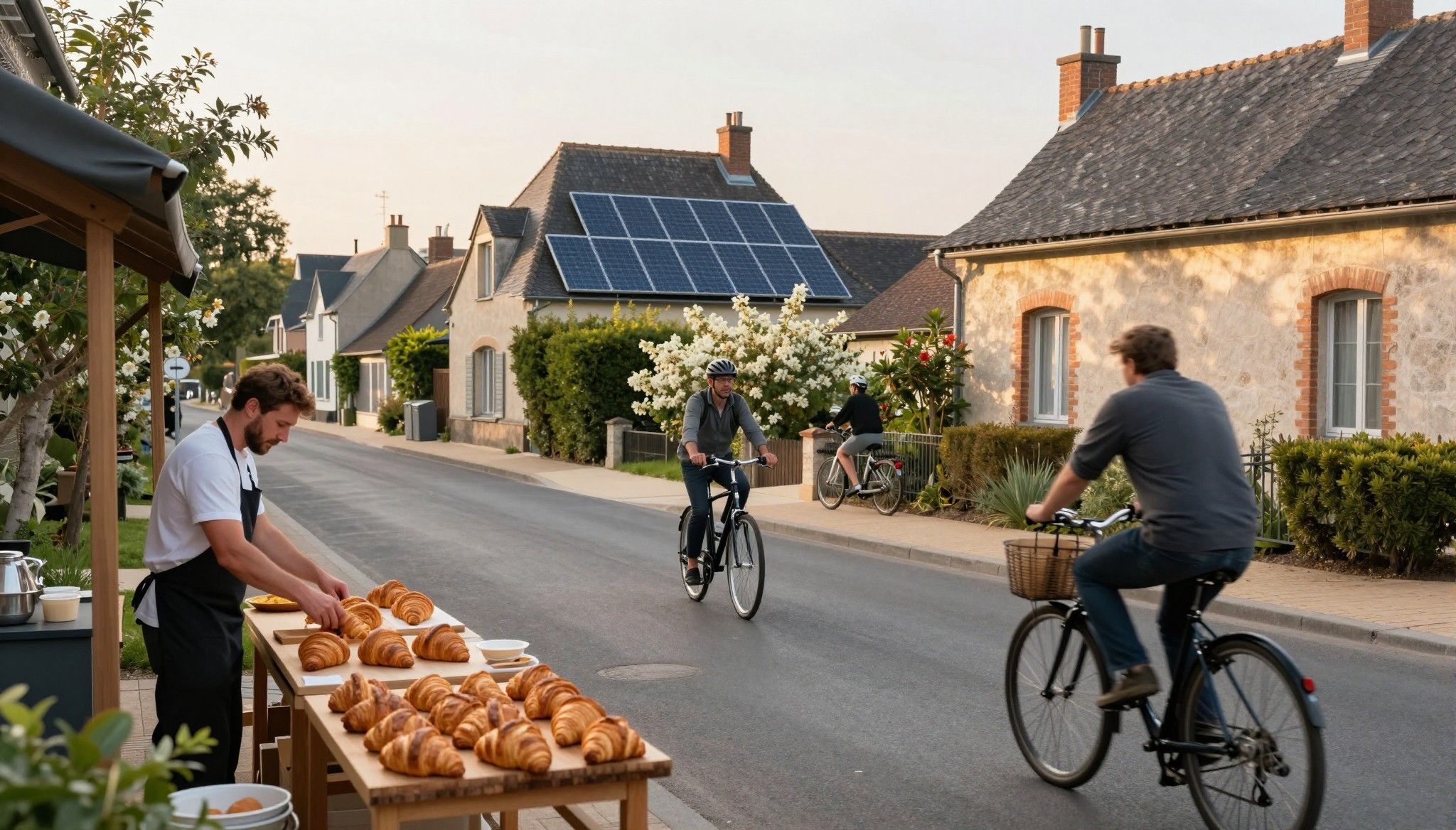
Imagine a Sunday morning in a small French village — a boulangerie releasing steam and the chatter of market-goers, limestone roofs warmed by low-angle sun, a ribbon of wildflowers along the lane. For many international buyers ‘village’ conjures clichés: slow, sleepy, and “hard to sell.” But look closer and you find regenerated farms with solar arrays, timber restorations wrapped in ivy, and communities intentionally rewilding hedgerows. This piece argues that the places other buyers dismiss are often where sustainable living, permissive renovation rules, and better value quietly meet. Read on to fall in love with the sensory life of France and to learn the due diligence that protects that dream.
Living provincial France: a sensory invitation
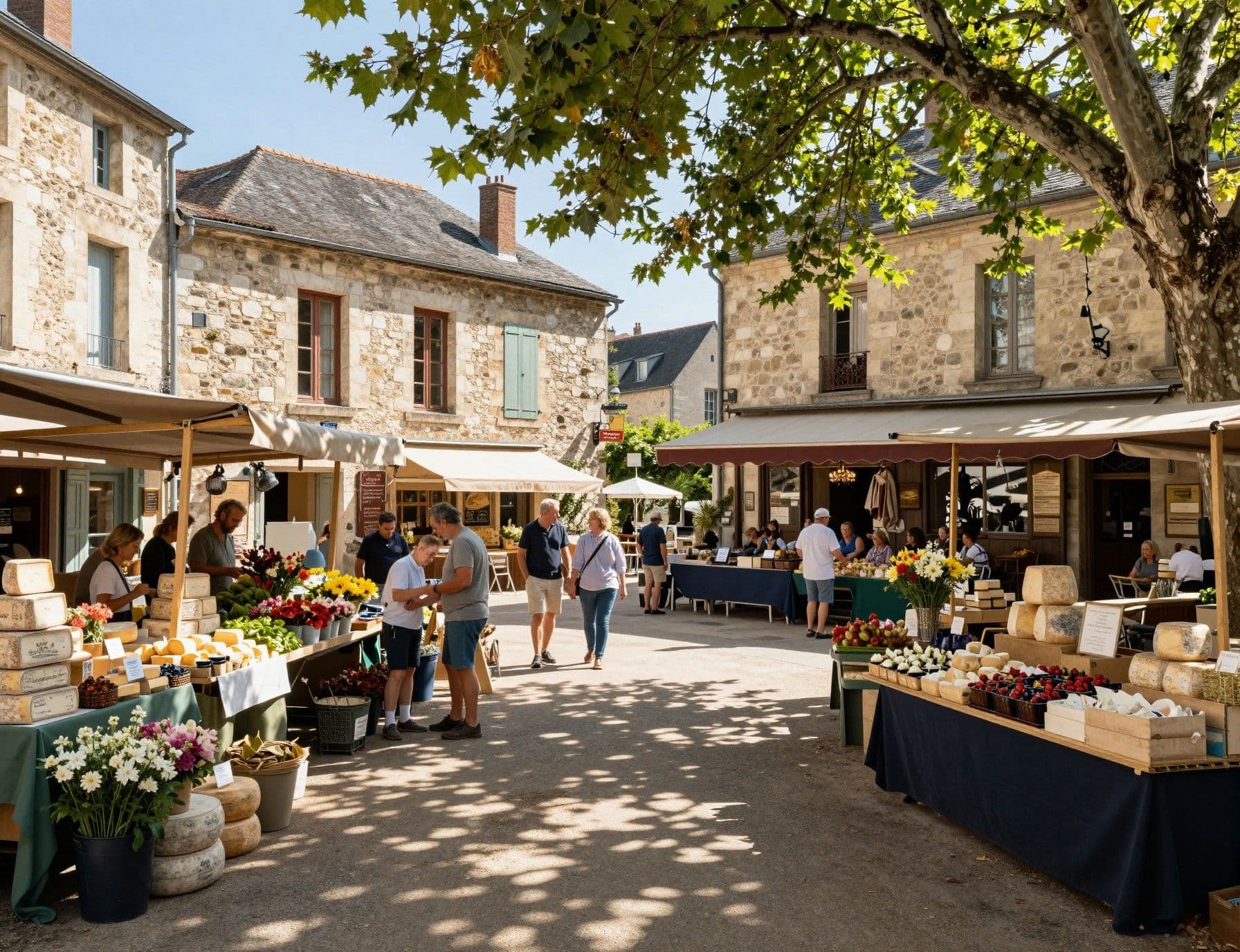
Strolling through places such as Uzès’ back lanes, the Médoc’s shaded tracks, or a small Lot valley feels like stepping into a slower compass of life. The rhythm is market mornings, long lunch conversations under plane trees, and cycling to a river for a late-afternoon swim. These rhythms shape what you’ll need in a home: a pantry for local produce, space for rooftop or ground-mounted solar, and a garden that welcomes pollinators. Recent data show modest price shifts across regions, meaning opportunity often sits beyond headline cities; local indices from Notaires and INSEE show price movements that vary strongly by département. Treat the sensory life as your selection criterion — then let the numbers confirm it.
A neighbourhood you didn’t expect to love: the overlooked market town
Small market towns like Cahors, Périgueux, or L’Isle-sur-la-Sorgue blend everyday convenience with local culture: weekly markets, independent cafés, and a cohort of artisans. These towns attract eco-minded restorers who prioritise thermal upgrades, reclaimed oak beams, and low-impact landscaping. You’ll find villages where municipal initiatives support rooftop solar or where communal composting is standard — places that reward stewardship in daily life rather than just resell value. When you imagine morning coffee, picture sitting at a counter in a café on Rue Carnot, not a glossy staging image; that’s where life is lived.
Food, seasons and slow commerce
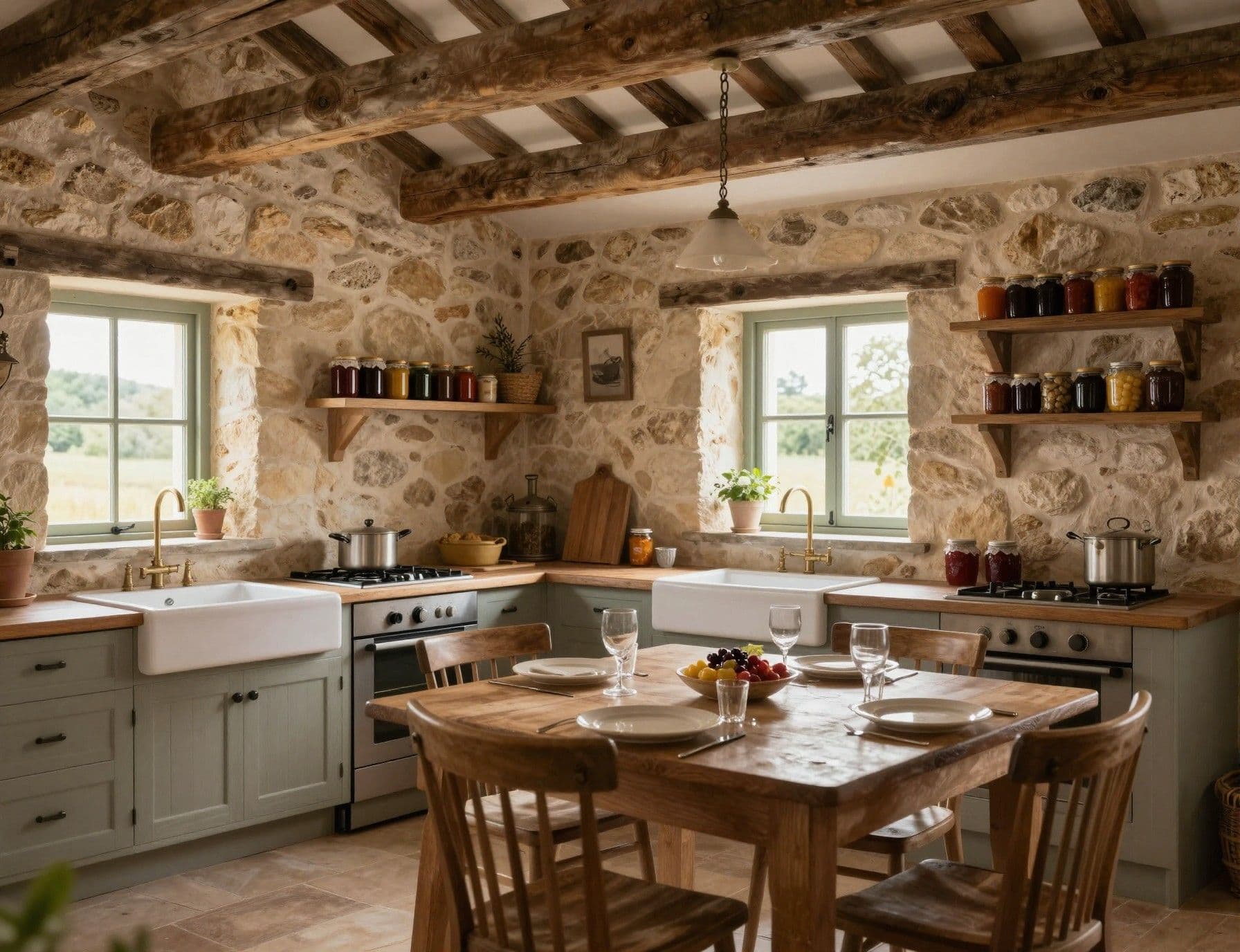
Food is the calendar here: truffle hunters in winter, asparagus in spring, and fête votive evenings in summer. Markets on market-day squares decide where neighbours meet, trade, and exchange renovation tips. For a buyer who loves provenance, that means gardens for herbs, cellars for preserving, and kitchens built to host. These lifestyle choices influence property priorities: south-facing façades for solar gain, covered terraces for long dinners, and storage for the seasonal bounty.
Making the move: permits, rules and smart due diligence
The romance meets regulation when you sign the compromis. France’s system is transparent but particular: notaires handle contracts and funds, local urbanism rules dictate changes, and national protections can apply near historic monuments. Non‑residents have clear tax and reporting obligations, including local property taxes and occupancy declarations on impots.gouv.fr. Before you fall for a stone farmhouse, map out which permits are needed and where heritage overlays or co-visibilité rules may restrict exterior changes.
When your property sits within sight of a monument historique, Architectes des Bâtiments de France (ABF) input may be required. That can preserve charm — and complicate window replacements, rendering choices, or roofline changes. Use this as a design opportunity: many restorations approved by ABF incorporate natural materials and traditional techniques that are both beautiful and thermally sensible.
Practical property types for sustainable life
Three property types tend to suit eco-minded buyers: renovated village houses with thick stone walls, small farmhouses with room for energy upgrades, and recent low-rise conversions that already include insulation and efficient glazing. Stone houses breathe well but need careful work to add insulation without trapping moisture. Farms often allow solar arrays and EV charging; conversions give you modern comforts with less immediate retrofitting. Match style to stamina: decide how much renovation you relish before you buy.
Working with locals: the team that turns dream into deed
An agent who knows where the water table lies, which mairie is friendly to solar pergolas, and which local builder uses lime plaster is invaluable. Seek bilingual notaires experienced with non‑resident purchases, an architect familiar with ABF procedures, and an ecological builder who can advise on passive gains. Good local contacts save time and uncover off‑market opportunities — the small-town houses that never hit national portals because owners prefer local trust networks.
Six practical steps before you sign
- 1. Commission a diagnostic technique (DPE, termite, plomb, gaz, électricité) to see inherited problems and real energy performance. 2. Check local PLU/plan (plan local d’urbanisme) at the mairie for permitted uses and buildability. 3. Ask the notaire for the cadastral map and servitudes affecting access or co-ownership rules. 4. Confirm ABF influence within 500m of monuments and request pre-consultation if needed. 5. Estimate retrofit costs with a local ecological builder (insulation, MVHR, heat pump) and add contingency. 6. Clarify tax filing with a specialist for non‑resident obligations and thresholds on impots.gouv.fr.
What expats wish they’d known
Many buyers tell the same story: they fell in love with a village because of place and people, then underestimated bureaucracy or local expectations. Expect slow administrative rhythms, prideful local artisans, and neighbours who notice every change. Learn a few phrases, attend the market, and hire a local fixer who can translate not just language but custom. That social integration is often the single best risk-mitigator in rural France: neighbours will point out drainage issues, municipal plans, or shifting roadworks long before paperwork arrives.
Long-term stewardship: the purchase as care
Buying in France is less about flipping and more about being a custodian. Choose materials and systems that your local craftspeople can maintain: lime mortar, natural insulation, and heat pumps tuned to regional climates. Over time, stewardship increases both living quality and resilience to market swings; country houses that were sensitively restored often age into the kind of property buyers search for later. Use market data to pick a region where prices are stable or recovering rather than peaking.
- Practical checklist for a sustainable purchase - Verify DPE energy rating and plan upgrades that respect the building’s fabric. - Request municipal minutes (procès-verbaux) for upcoming infrastructure projects. - Confirm waste-water rules; rural parcels sometimes require separate systems (assainissement non collectif). - Ask the notaire for recent sales in the commune to judge real local values. - Prioritise south-facing gardens and assess roof orientation for solar potential.
Conclusion: buy the life, do the homework If a village calls to you, answer with curiosity and caution in equal measure. Love the market squares, seasonal rhythms, and the slow light on stone walls — and also commission the diagnostics, meet the maire, and consult ABF guidance where needed. Good due diligence is the ritual that turns an adored place into a durable home: it preserves character, protects your investment, and makes room for sustainable upgrades. When you pair affection for place with rigorous local expertise, the overlooked corners of France become some of the most rewarding places to live.
Swedish advisor who left Stockholm for the Costa Brava in 2019. Specializes in sustainable, sea‑view homes for Scandinavian buyers and green finance insights.