Cyprus: Paperwork, Permits and the Life You're Buying
Fall for Cyprus’s sunlit life — then make the legal checks that protect it: permits, title deeds and local know‑how backed by government and market data.
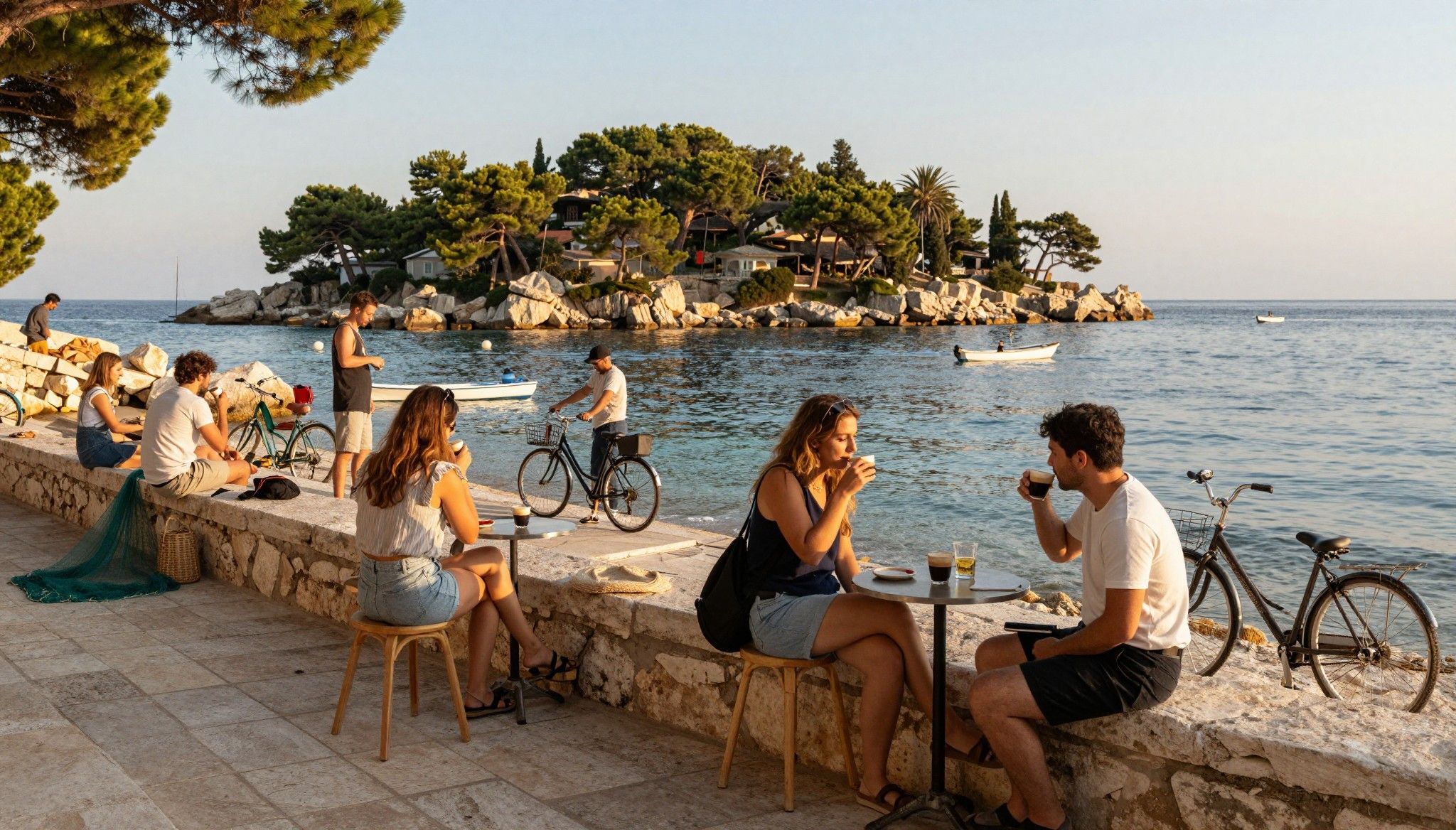
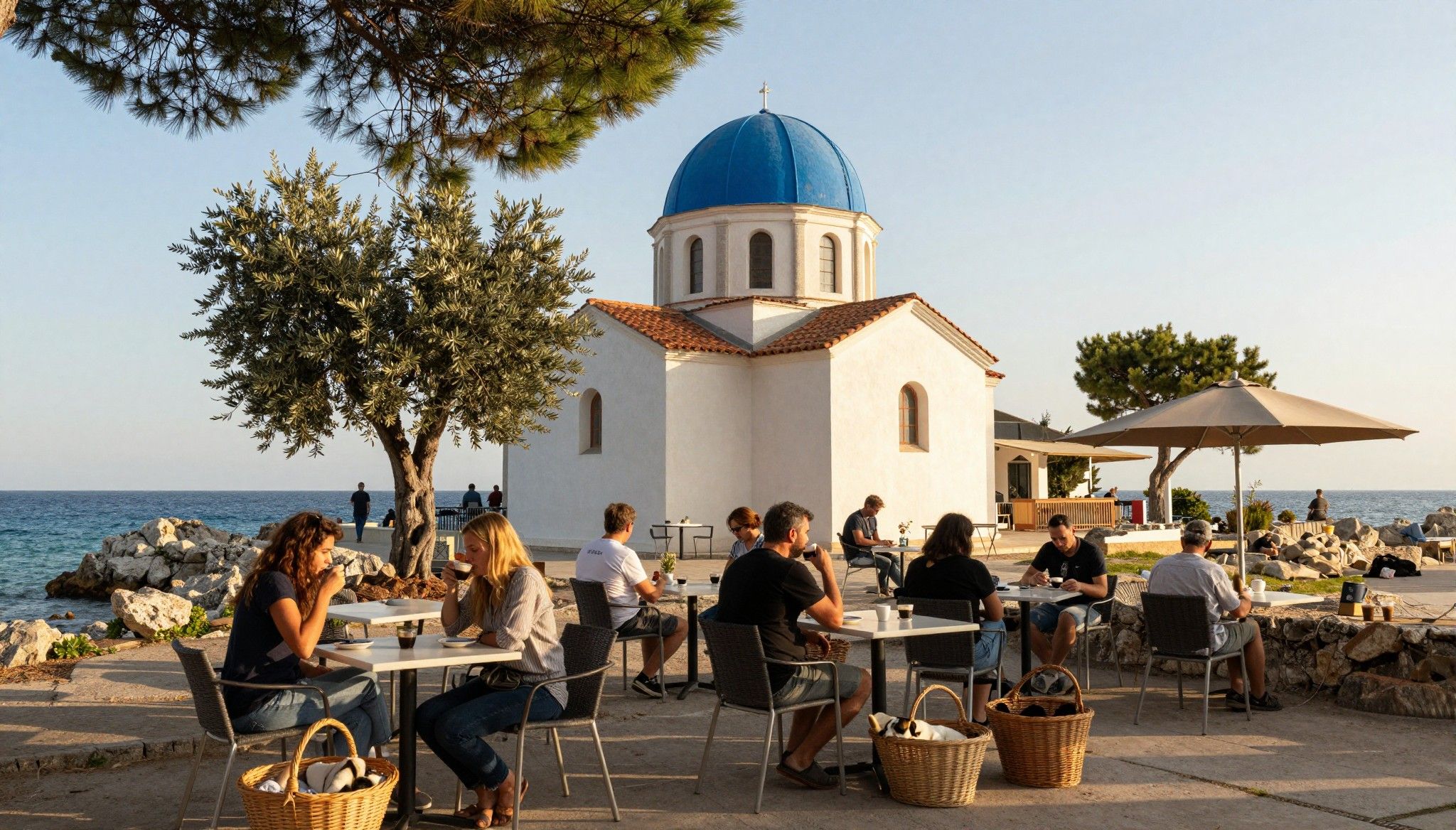
Imagine a late-afternoon espresso in Limassol’s old town, citrus trees perfuming a narrow lane while children chase a football near a pale-stone church. Cyprus moves at a warm, easy rhythm — sunlit mornings on the coast, hushed mountain afternoons in the Troodos, and market mornings where you barter for halloumi and herbs. For many international buyers this is the dream, but the reality of ownership here is shaped by papers, permits and local rhythms. Knowing which documents matter — and which local quirks hide value — turns a dreamy purchase into a life well lived.
Living the Cyprus lifestyle
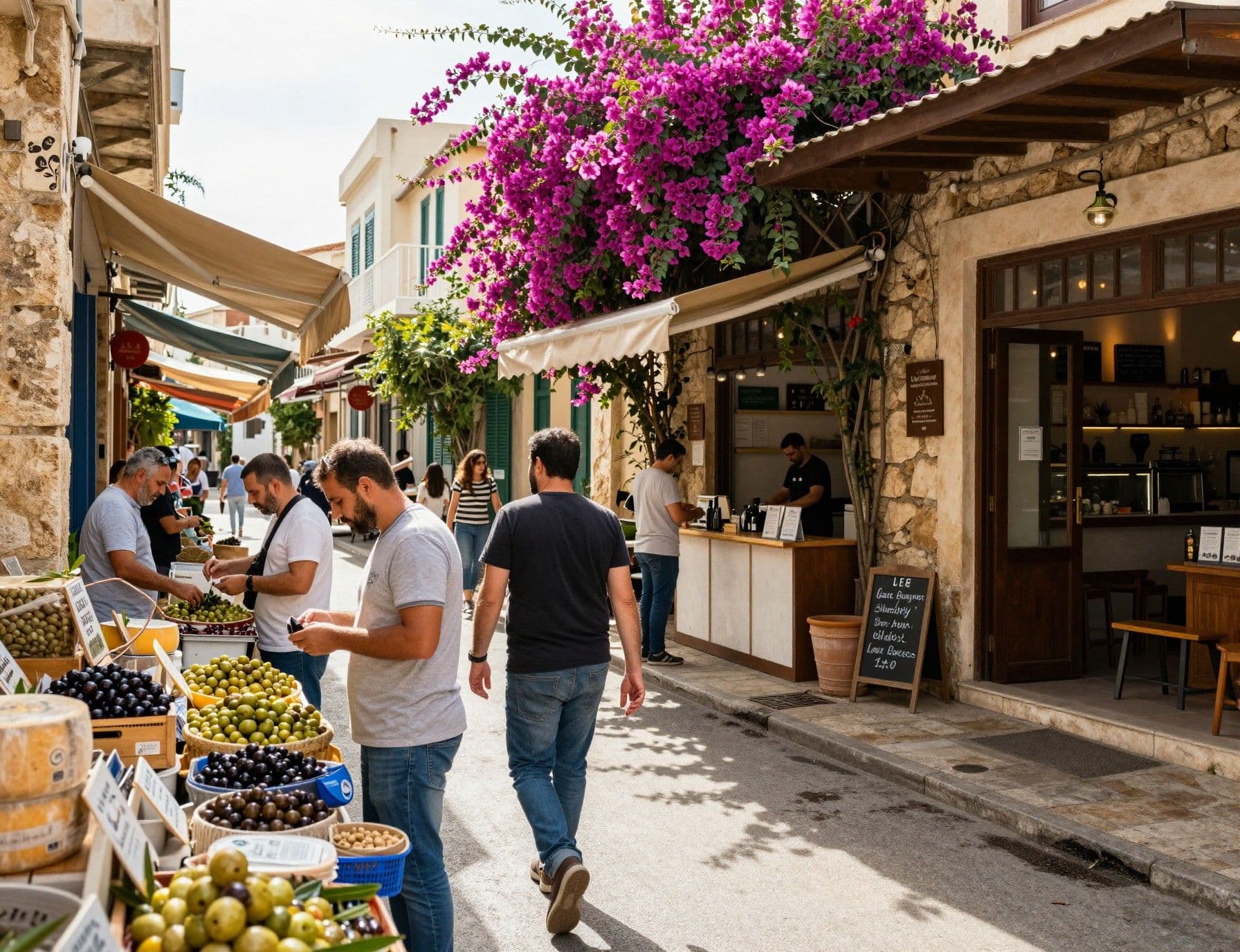
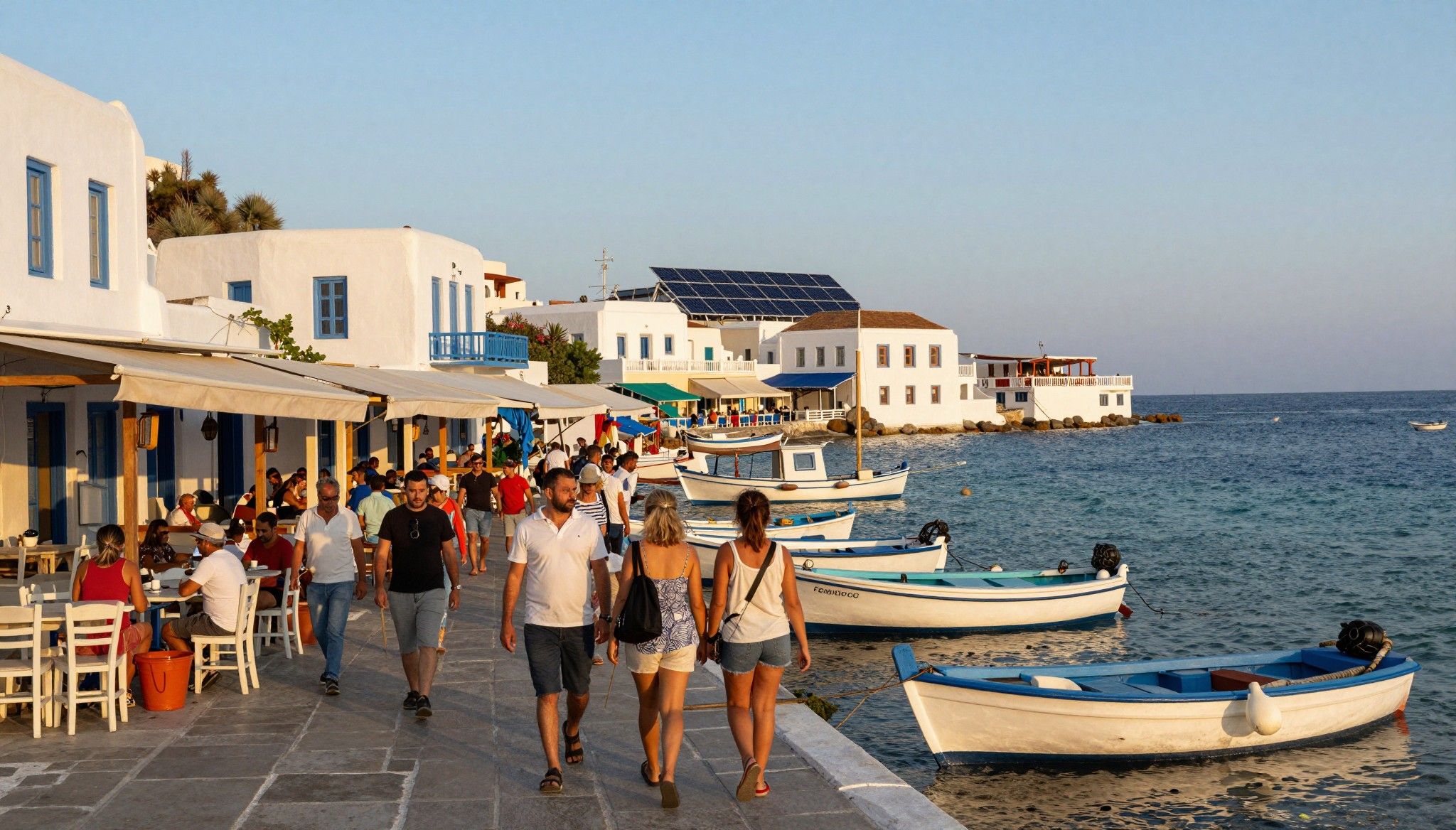
Cyprus is coastal cafés, late dinners under bougainvillea and the stubborn, honeyed stone of hill villages. Mornings begin with the slow clink of cups in Larnaca’s old market; evenings find families sharing mezzes on shaded terraces in Paphos. Here, outdoor life isn’t an add‑on — it structures the home: terraces, pergolas and gardens are the rooms you use most, and choosing a property is as much about where you’ll sip tea as which floor plan fits your furniture.
Neighbourhood notes: Limassol, Paphos, Larnaca and Troodos
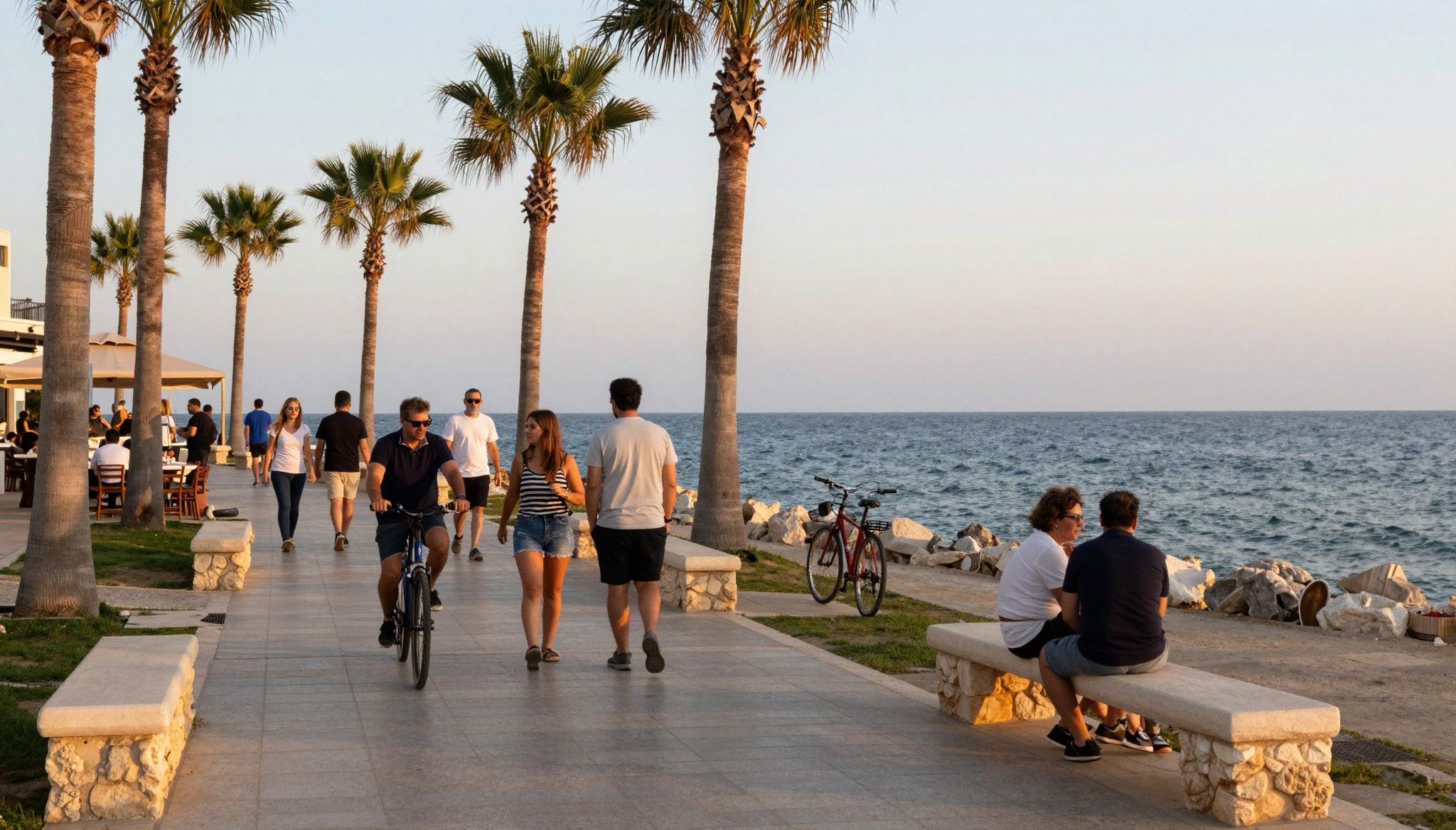
Limassol buzzes with coastal promenades and a growing green design scene; Paphos is quieter, history layered into every lane; Larnaca blends working-port authenticity with new cafes; Troodos and its mountain villages offer stone cottages, cooler air and a strong tradition of craftsmanship. Each area carries different permit realities — coastal developments often have communal rules and maintenance obligations, while mountain restorations require local conservation checks.
Food, markets and the small rituals that decide where you live
Weekends in Cyprus are sensory calendars: fish at the Limassol marina, olives from a village co‑op, and pastries in Nicosia’s tucked cafés. These rituals shape lifestyle choices — proximity to a market or a sea-front taverna will matter more than an extra bedroom for many buyers. When you budget, remember: the life you want (morning markets, a coastal walk, a garden for herbs) should guide neighbourhood choice as much as resale metrics.
Making the move: practical considerations
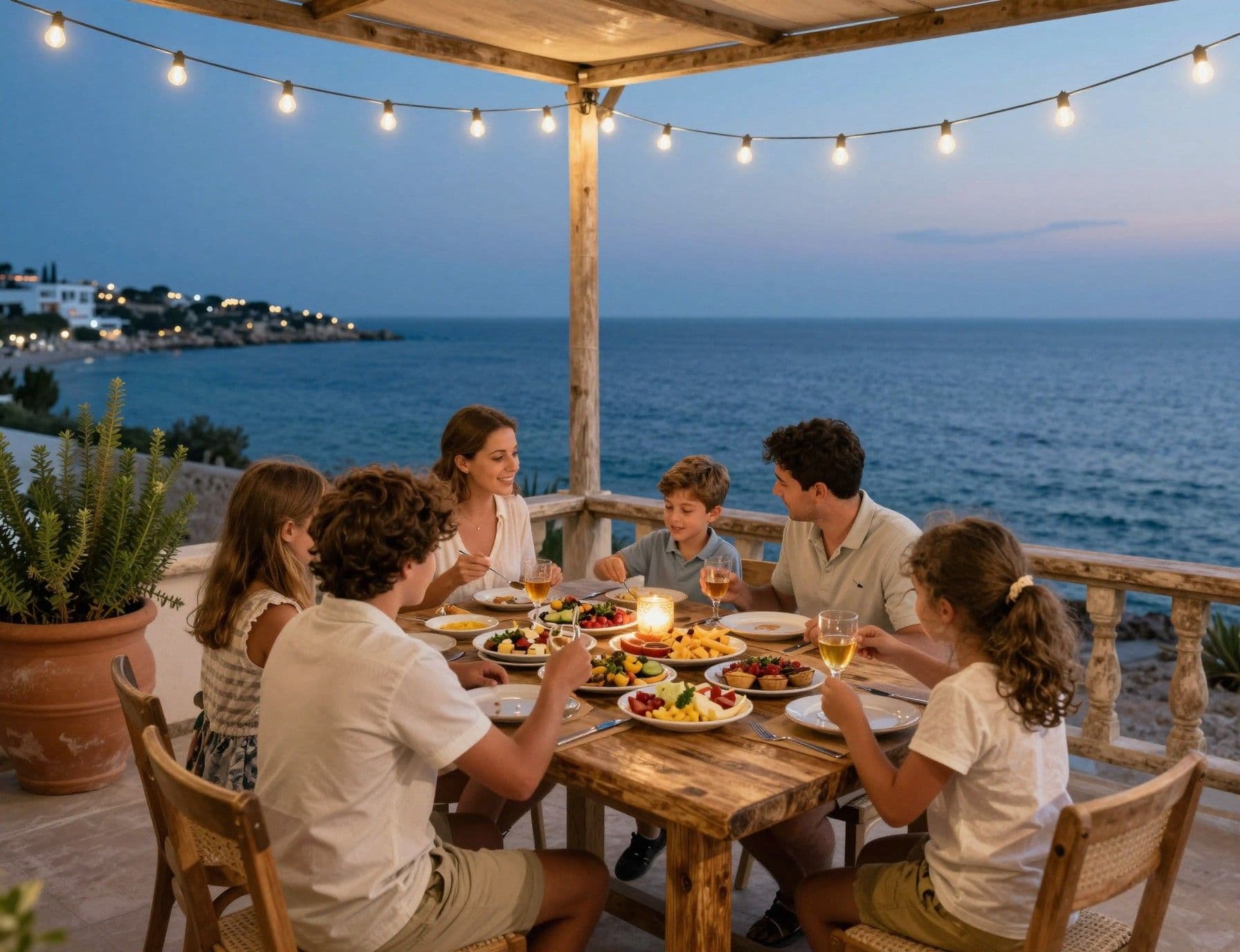
The dreamy lifestyle must meet legal reality. Cyprus’s market has seen steady price gains and healthy foreign demand — official statistics and bank analysis show modest annual rises — which means diligence matters: check title deeds, planning permission and any outstanding charges. These papers aren’t bureaucratic obstacles; they’re the keys to whether a coastal terrace will be yours without surprise costs or limitations.
Property types and what they mean for daily life
Whether a whitewashed village house, a sea-facing apartment or a modern development, each type carries different permit histories. New builds must show planning and building permits; older cottages often need heritage checks or restorative permits. For eco-minded buyers, look for properties with solar installations, rainwater systems or thick stone walls — they reduce running costs and deepen your connection to Cyprus’s climate.
Steps to secure a property the Moss & Hearth way
1) Reserve with a clear conditional contract that mandates title deed checks and permit verification. 2) Commission a local lawyer to search the Land Registry for encumbrances and to confirm a property’s legal status. 3) Ask the seller for planning and building permits, and verify them with the Department of Town Planning. 4) Insist on documented proof of utilities, communal rules and any outstanding municipal charges. 5) Budget for registration, transfer fees, stamp duty and potential retrofitting for sustainability features.
Insider knowledge: what expats wish they'd known
Many expats tell the same story: they fell for a view, then discovered a missing title deed, an unauthorised extension, or a communal rule that shaped their summers. The common thread in happy stories is early local advice — a lawyer who reads town‑planning notes, an agent who knows village council rhythms, and a plan to green the property slowly and sensibly.
Cultural and seasonal realities that affect ownership
In Cyprus, seasons change use of space: summers favour outdoor kitchens and shaded pergolas; winters reward thermal mass and insulation. Local festivals and communal land-use customs can influence renovation permissions and neighbourly expectations. Learning the social code — greeting shopkeepers, turning up at a village meeting — smooths approvals and builds goodwill when you apply for small changes.
Red flags and green wins to watch for
Illegal extensions or missing title deeds; unclear communal rules; developer debt encumbrances; absence of planning/building permits. Green wins: existing solar arrays, rainwater capture, native landscaping, thick stone walls, orientation that favours natural cooling. Prioritise fixes that lower long-term costs and deepen place-connection rather than cosmetic upgrades.
Conclusion: fall in love first, verify second. Let the smell of citrus and the sound of the sea guide which neighbourhood sings to you, but bring with you a small file of essentials: a trusted local lawyer, planning and building permit checks, and a practical wish list of the life you want to build. An agent who understands both stewardship and permits becomes more than a broker — they become your local steward, helping the paperwork protect the life you came for.
Danish relocation specialist who moved from Copenhagen to the Algarve; supports families with seamless transitions, local partnerships, and mindful purchases.