Pembroke Pockets: Malta’s Overlooked Green Value
Small towns in Malta—Pembroke, Għargħur, Marsaxlokk—offer quieter, greener living and better retrofit potential than headline promenades; check AIP rules and NSO RPPI data first.
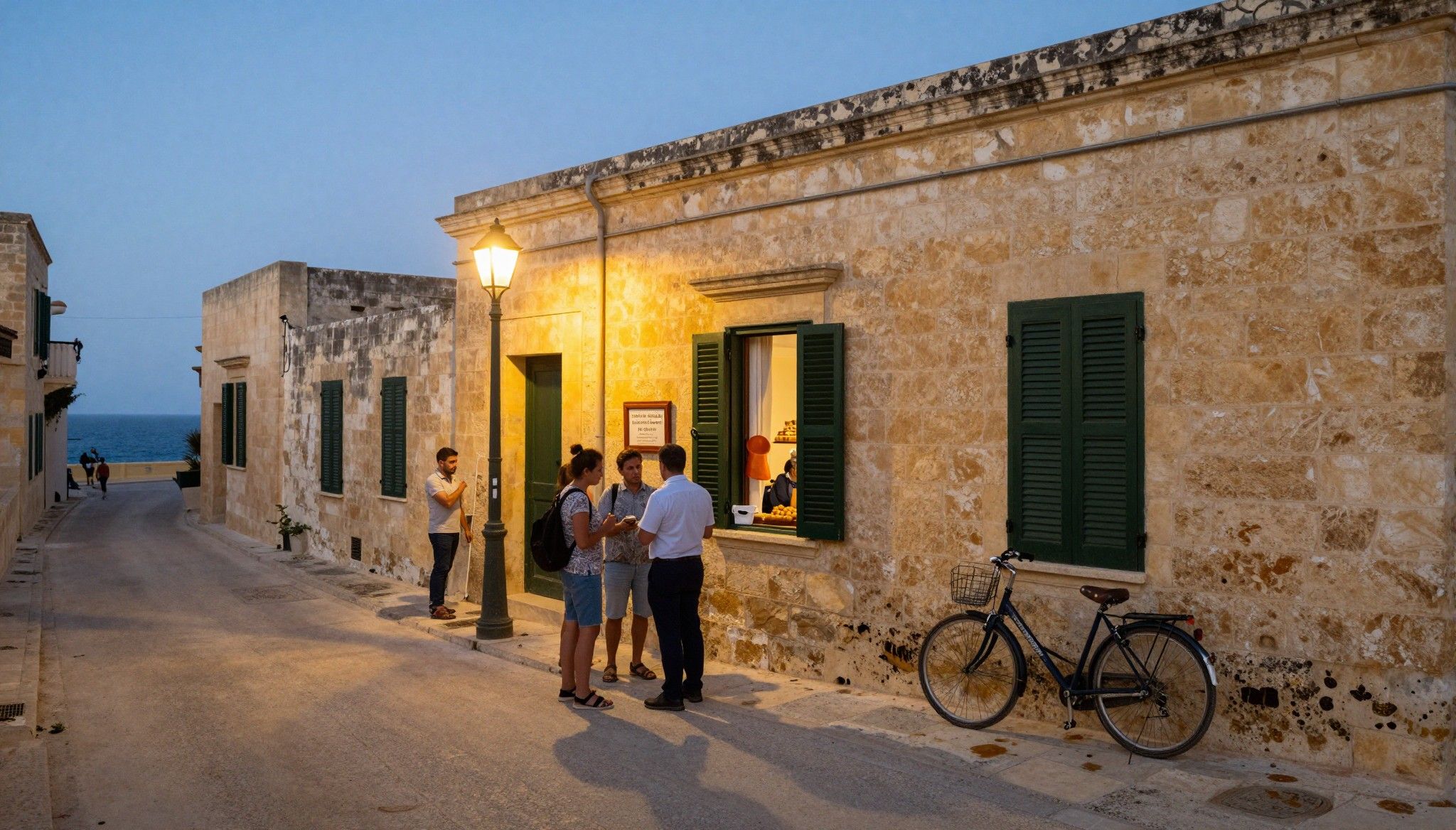
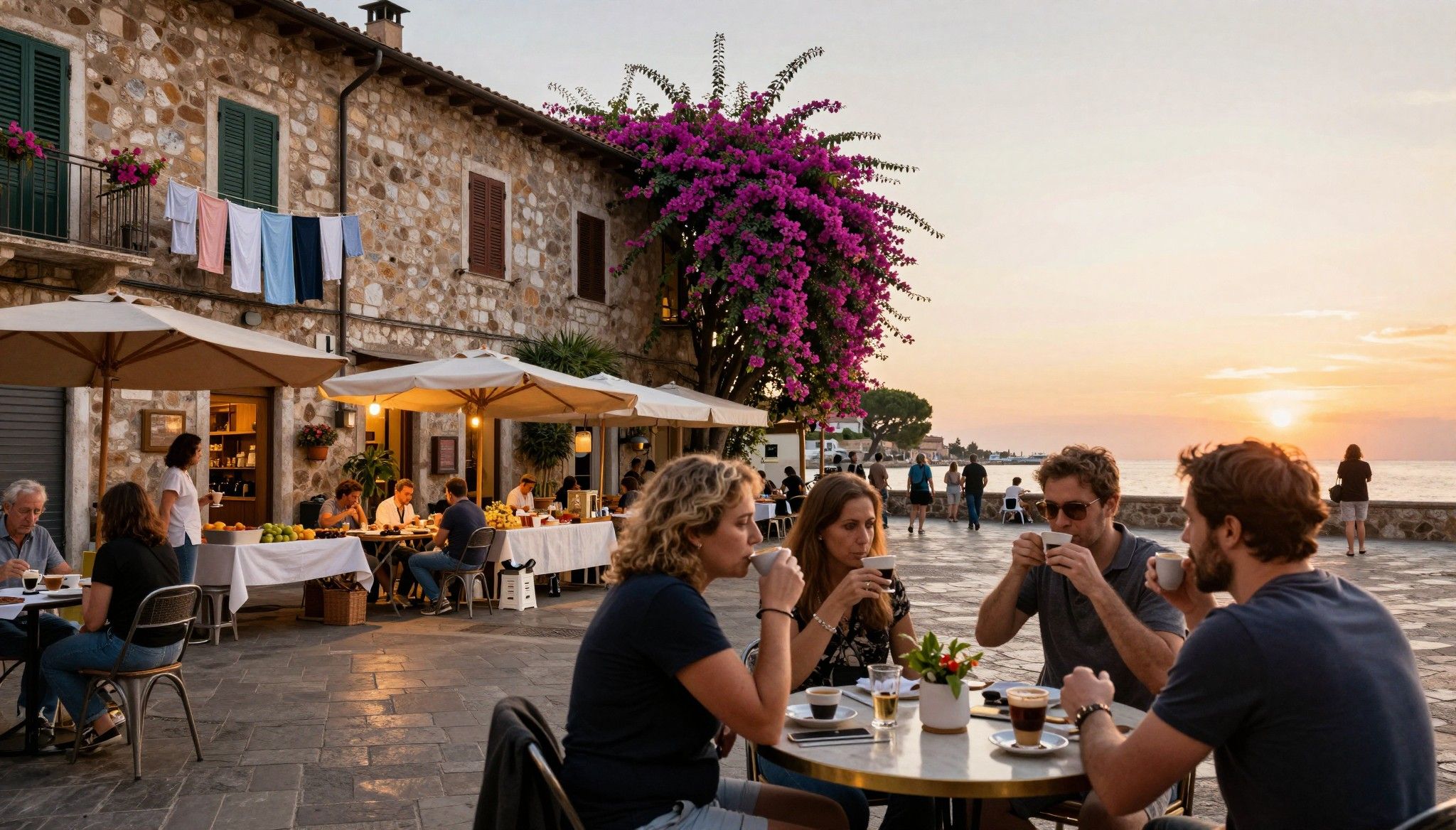
Imagine waking to the sound of church bells and the distant lap of sea against limestone — but not in the packed promenades of Sliema or the tourist churn of St Julian’s. Instead picture quiet, low‑rise streets where bougainvillea spills over honey‑coloured balconies, a corner café knows your coffee order, and short walks lead to scrubby coastal paths. That is the Malta many of us fall in love with first: intimate, sunlit and remarkably local. Yet most international buyers race to Valletta’s grandeur or Sliema’s waterfront and overlook small towns that deliver quieter everyday sustainability and surprising value.
Living Malta: Quiet Places, Lived‑In Beauty
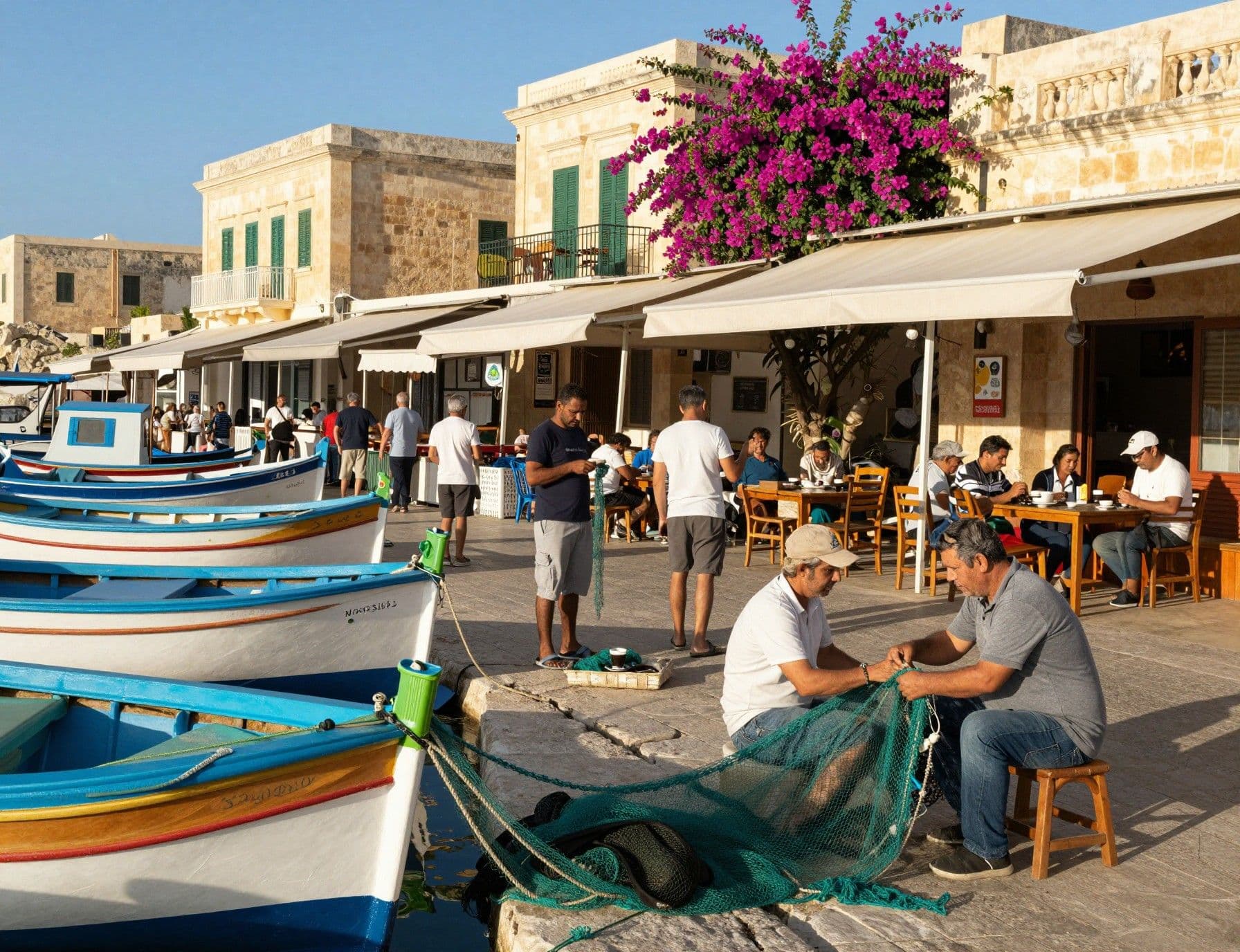
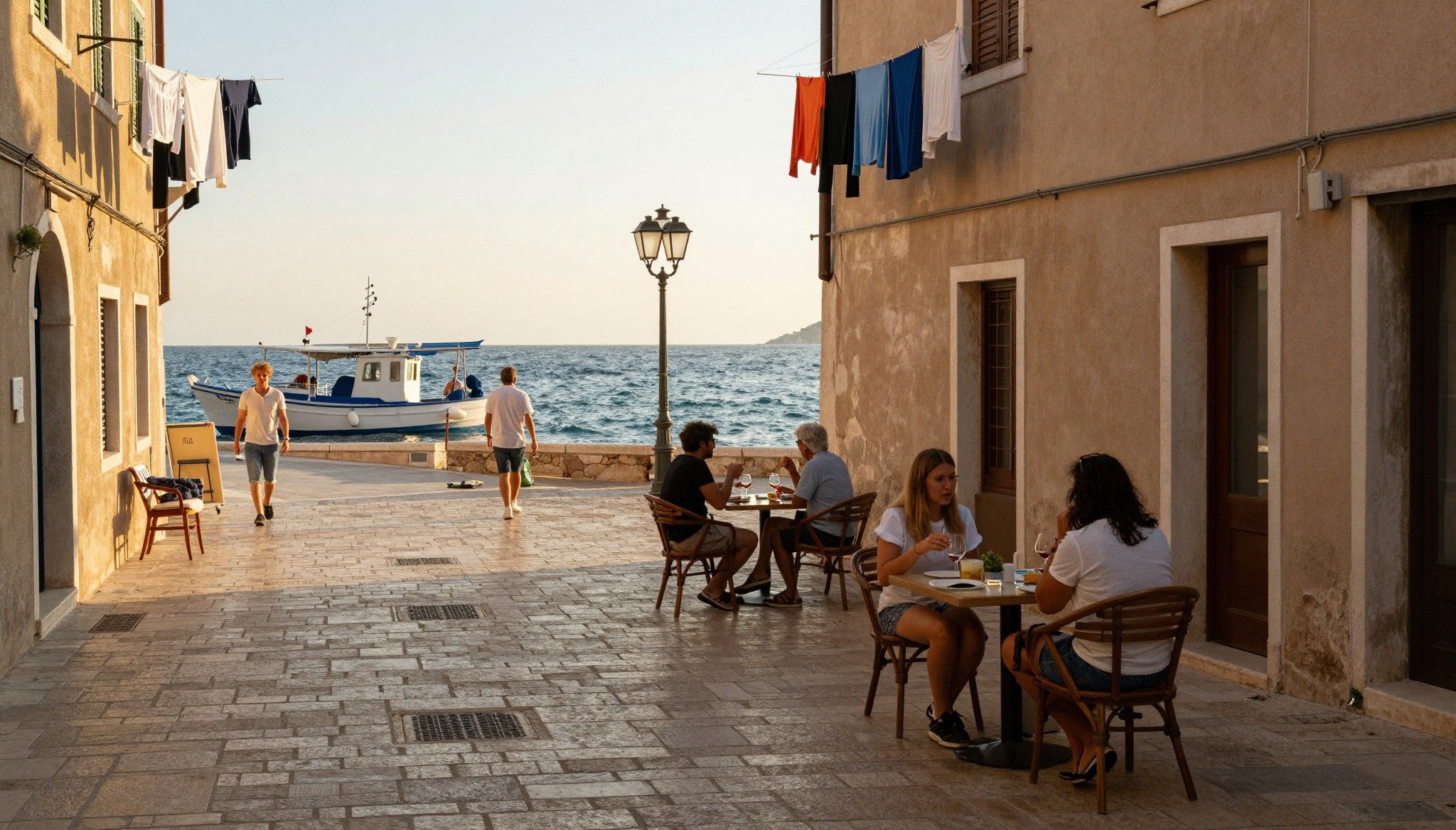
Daily life here moves at Mediterranean rhythm: mornings gently busy with bakeries and market stalls, afternoons for siestas or beach swims, evenings for long dinners that spill into the street. While national indexes show steady price growth, those figures mask the microclimates of value across the archipelago — the difference between a bustling promenade and a tucked‑away village lane can be tens of thousands euros and years of quieter living.
Pembroke & Għargħur: Small‑Town Calm Close to the City
Walkable streets, family gardens and a surprising number of community allotments make towns like Pembroke and Għargħur feel like secret suburbs of slow living. You can still find traditional stone houses with internal courtyards, rooftop terraces with evening breezes, and neighbours who trade vegetables and tools. For buyers who prize garden space, daylight and room to breathe, these pockets offer a calm alternative to the island’s high‑rise edges.
Marsaxlokk & The South: Fish Markets, Fisherfolk, and Coastal Rhythm
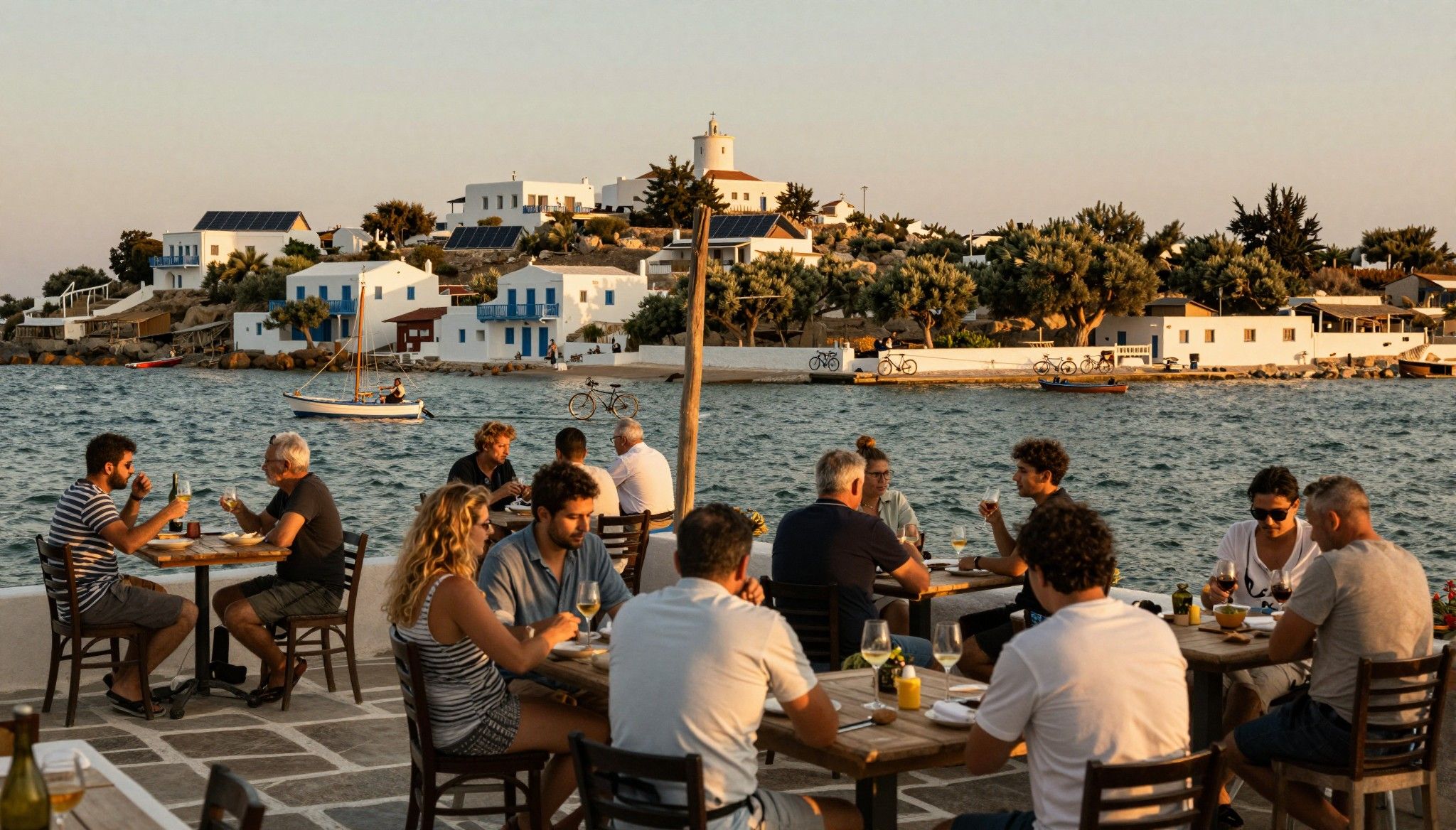
If your idea of Malta includes salt air and early‑morning fish markets, Marsaxlokk is magnetic. Cobbled harbourside streets, brightly painted fishing boats and family‑run cafés shape weekend rhythms here. Properties close to the water are surprisingly human‑scaled — think ground‑floor terraces and cool basements — and they lend themselves to low‑impact living with rooftop solar and rainwater collection for gardens.
- Lifestyle highlights worth a weekend trip: Morning fish market at Marsaxlokk; coffee on Triq it‑Tigrija in Sliema; sunset swims at Għajn Tuffieħa; Palermo‑style pastizzi from a family bakery; community music nights in Mdina’s piazzas.
Making the Move: Practical, Place‑First Choices
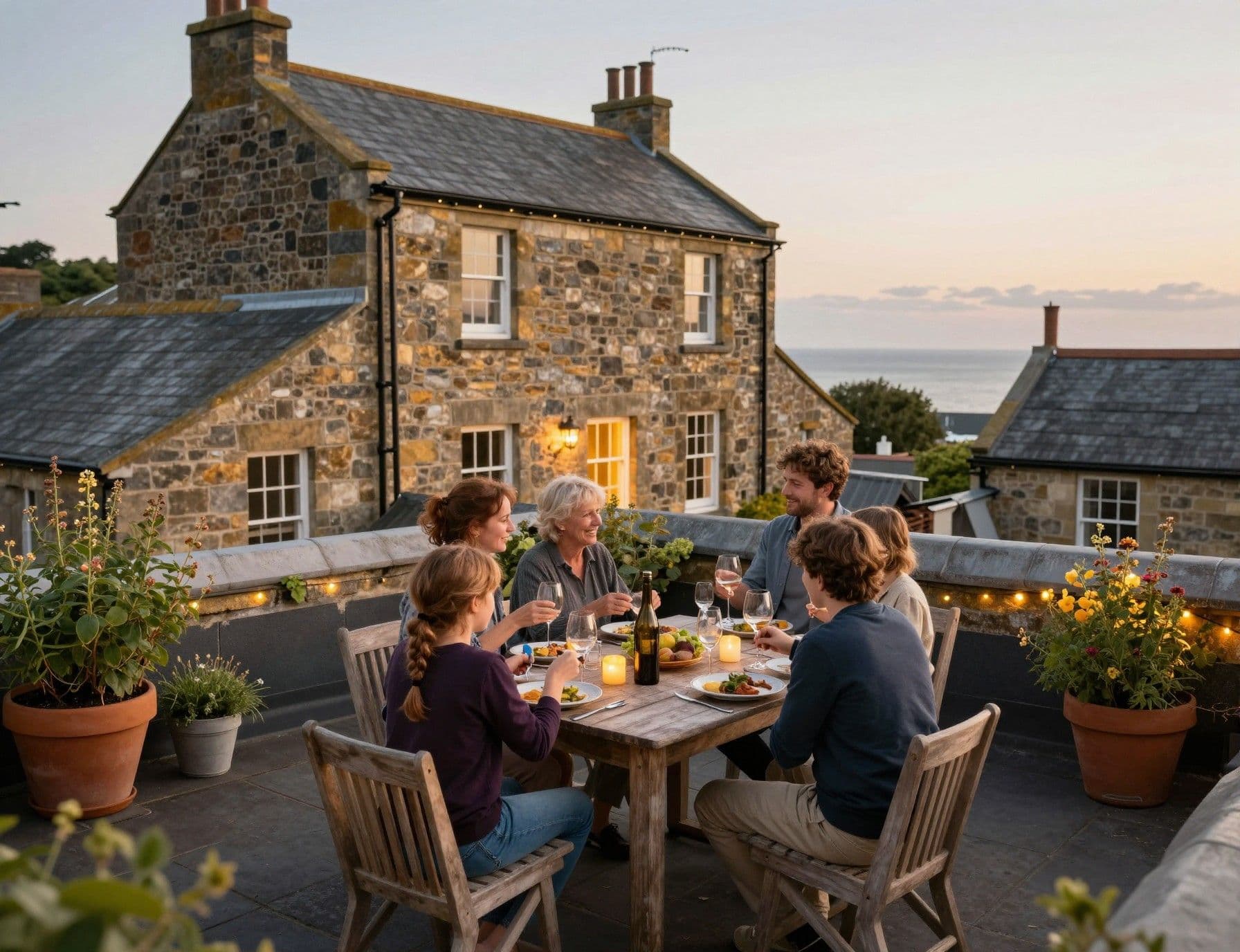
Dreaming of a garden and a quieter street is one thing; actually owning in Malta requires a few reality checks. Non‑residents often need an Acquisition of Immovable Property (AIP) permit and minimum price thresholds apply in many cases — a detail that changes how and where you search. The good news: towns that sit slightly off the main tourist loops are often AIP‑friendly and offer homes better suited to green retrofit work.
Property styles & how you’ll live in them
Malta’s housing stock ranges from compact apartments and traditional townhouses to new low‑rise developments. Apartments suit buyers who want promenade life and minimal maintenance; terraced townhouses and village homes are where you’ll find courtyards, vegetable patches and room for solar panels. Recent RPPI trends show island‑wide price increases, but renovating a modest village house often gives greater lifestyle return per euro than a tiny seaside apartment.
Working with local experts who care about green living
- 1. Find an agent who knows which neighbourhoods allow easy planning for rooftop solar and greywater systems. 2. Ask for comparable energy bills and recent retrofit work; small upgrades can halve running costs. 3. Insist on a site visit at different times of day to judge sun, wind and noise; lifestyle is about light and sound as much as square metres. 4. Check AIP eligibility early — it shapes budget and which properties you can bid on. 5. Budget for limestone maintenance: traditional stone needs sympathetic repair, but it ages beautifully and performs well thermally.
Insider Knowledge: What Expats Wish They’d Been Told
The brightest lifestyle wins come from small misjudgements corrected early. Expats often underestimate the value of off‑peak visits: seeing a place in low season reveals real neighbourly rhythms and utility patterns. They also discover that modest courtyards and shared gardens deliver more daily joy than luxury sea‑view penthouses when measured in sunlight, social connection and space to grow food.
Cultural cues, language and community life
English is an official language, which eases practical steps and relationships, but Maltese hospitality and neighbourliness reward patience and curiosity. Learn a few Maltese phrases, attend a festa, join a local market morning — these small acts open doors. For families, schools are a mix of local and international options; for remote workers, bandwidth is good in most towns but test connections in older stone homes before you sign.
Long‑term lifestyle and stewardship
Think beyond the purchase: choose materials and systems that belong here. Limestone walls, timber shutters, modest photovoltaic arrays and drought‑tolerant planting reduce long‑term impact and costs. Local builders understand traditional repair techniques; contracting them supports craft and keeps buildings healthy. Over time, the most rewarding homes are those adapted to place, not imposed upon it.
- Expats’ top red flags to avoid: Overpriced sea‑view apartments with poor insulation; properties without clear AIP status; homes with illegal extensions; listings that hide energy or water costs; agents who won’t show comparable recent sales.
- 1. Visit shortlisted neighbourhoods twice: busy weekend and quiet weekday. 2. Ask your agent for RPPI‑based comparables (use NSO data) to ground offers. 3. Confirm AIP permit needs before making an offer; apply early if required. 4. Schedule an independent structural and services survey focusing on water, electrical earthing and roof insulation. 5. Include a modest retrofit budget for solar and rainwater harvesting — these pay back in comfort and cost.
In the end, Malta’s compactness is its secret advantage: a short commute delivers both city culture and wild coastline, and buying wisely lets you stitch together a life that balances conviviality with calm. If you covet green living and local craft, look beyond the poster neighbourhoods. The best homes here are modest in footprint and rich in daylight, community and the small rituals — morning espresso, evening sea breeze — that make daily life a slow, generous pleasure.
Danish relocation specialist who moved from Copenhagen to the Algarve; supports families with seamless transitions, local partnerships, and mindful purchases.