Greece: Where Neighbourhood Rhythm Meets Renewable Reality
Greece pairs Mediterranean living with rapid renewable growth—learn how neighbourhood rhythms, passive design and local green projects shape smarter property choices.
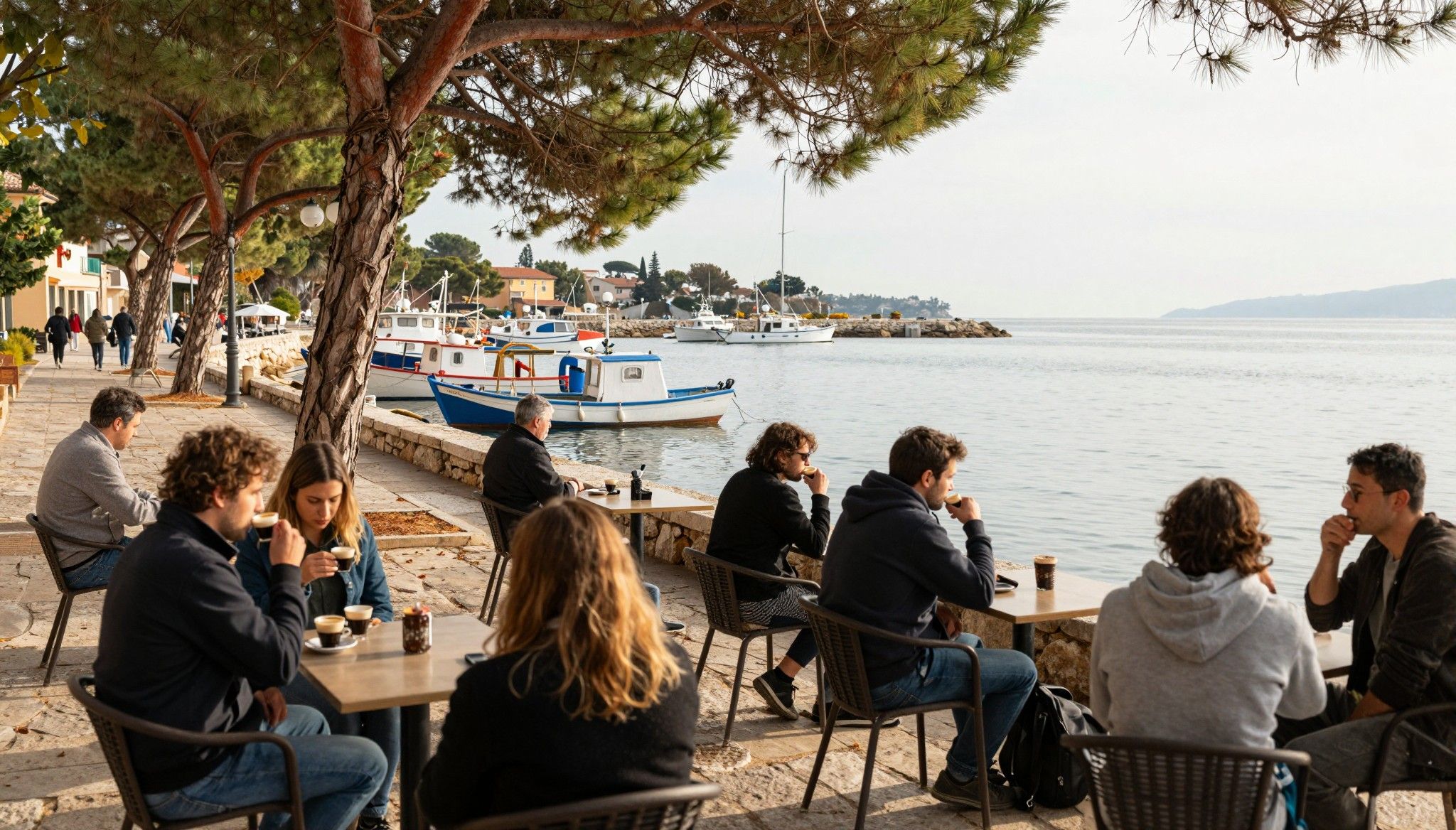
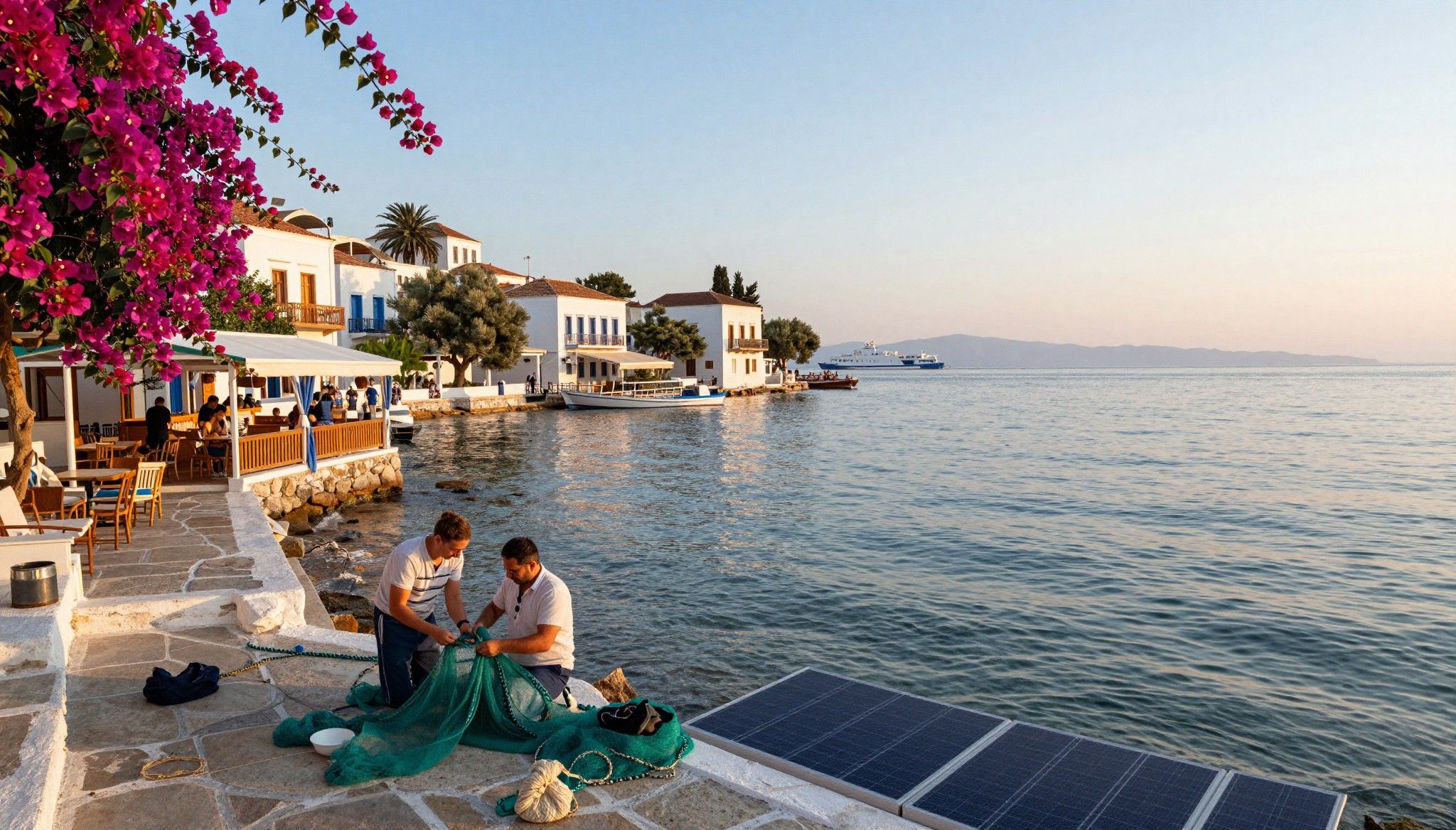
Imagine waking to the smell of sea-warmed thyme and espresso, then walking down a narrow lane in Chania to a sunlit kafeneion where the owner greets you by name. Greece still moves with a human rhythm—market mornings in Plaka, fishermen mending nets at dawn in Nafplio, and small islands experimenting with solar microgrids. For international buyers drawn to green living, Greece is more than sun and stone: it is a country where renewable energy and traditional craftsmanship are beginning to shape everyday life and the property choices that go with it.
Living the Greece lifestyle — sensory, local, sustainable
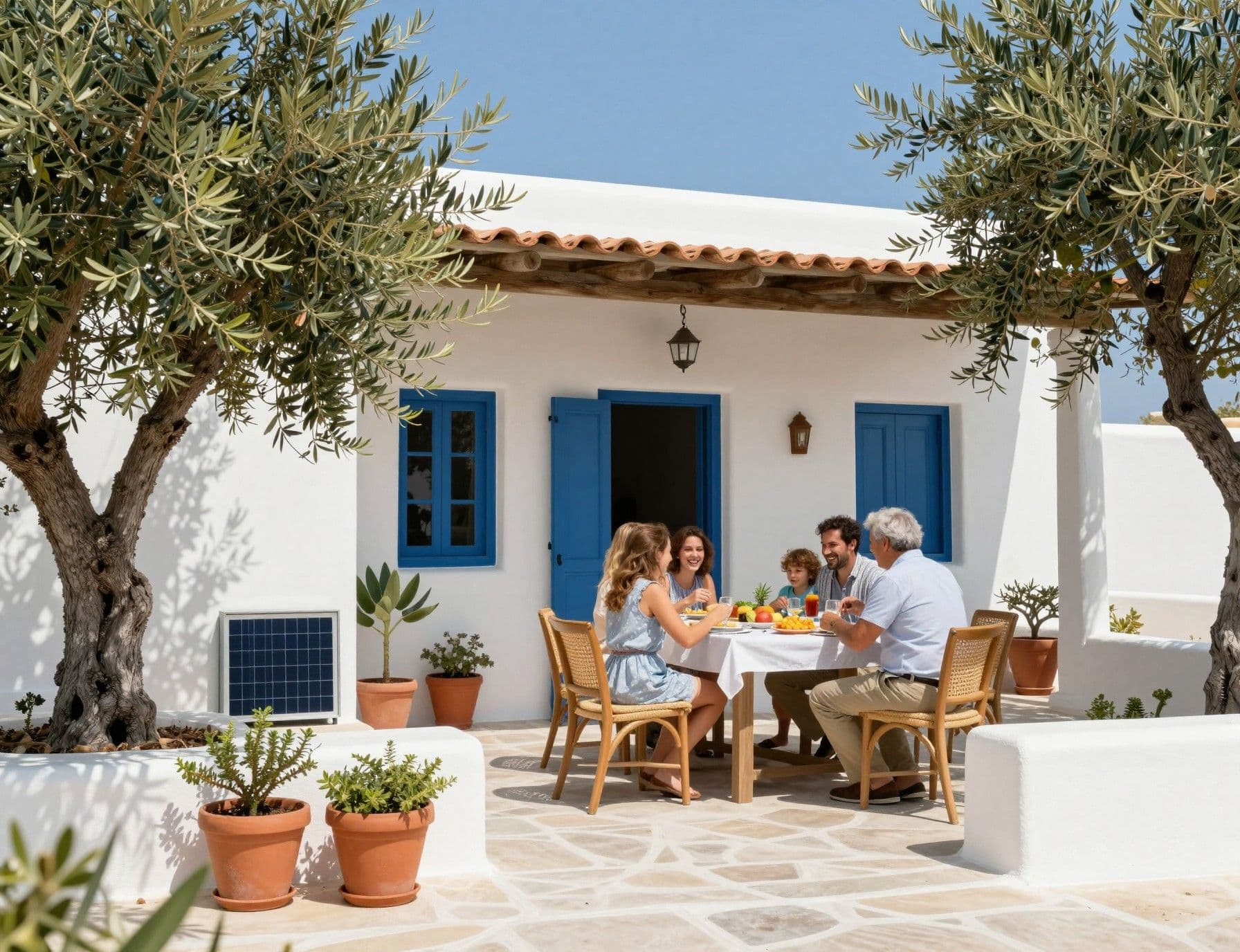
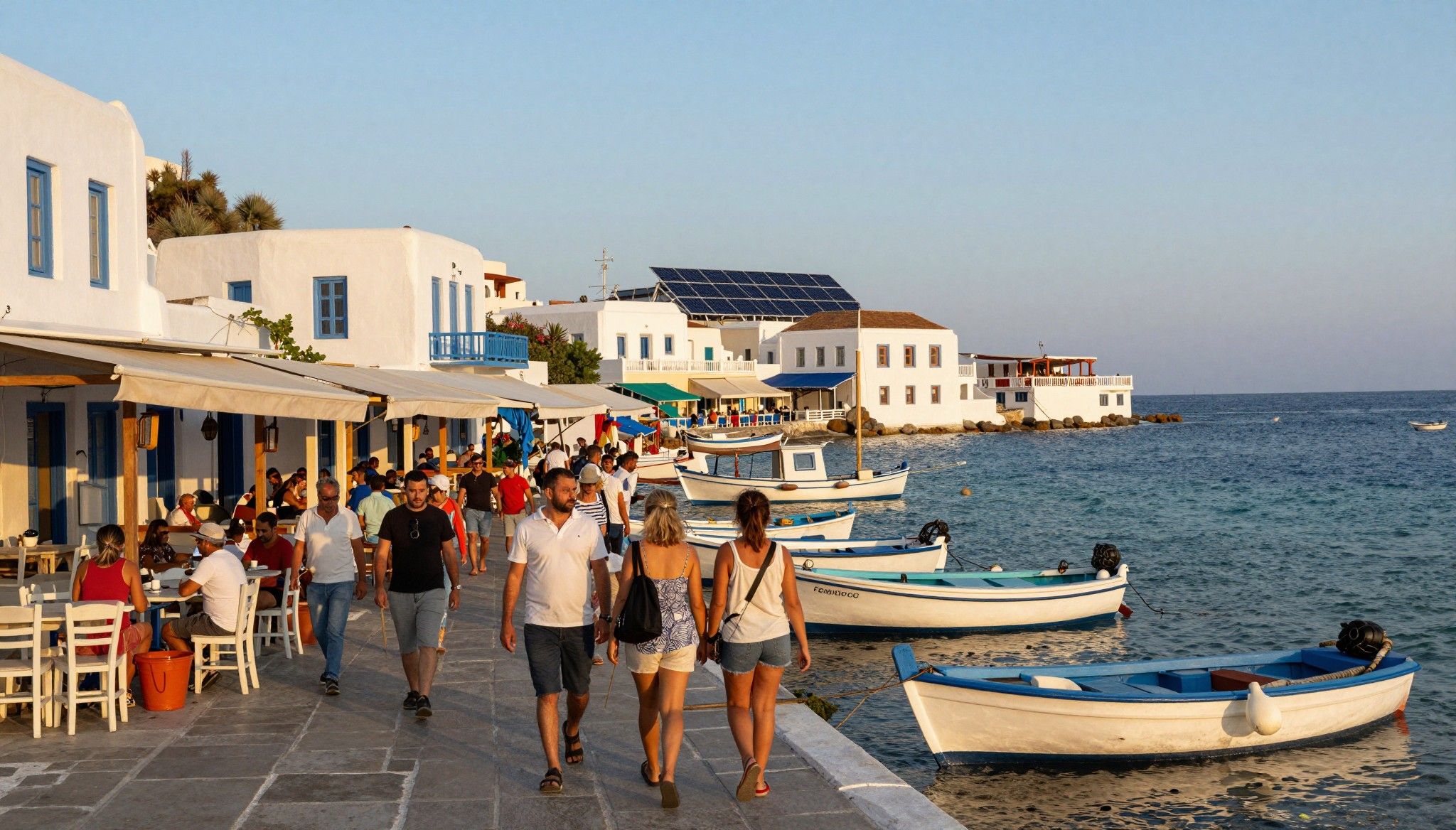
Greece’s daily life still revolves around outdoor living: breakfast on a shaded terrace, late-afternoon swims, and markets that shape the week. In coastal towns such as Nafplio and on islands like Paros, you’ll see terraces wired with solar panels and community gardens tucked behind stone walls. That visible mix of old stone and new green tech gives many neighbourhoods a quietly modern, low‑impact feel without losing character.
Chania & Crete: slow mornings, active sustainability
In Chania’s old town you’ll find morning markets at the Agora, cafes pouring thick Greek coffee, and a growing number of renovated neoclassical homes fitted with energy‑efficient glazing and rooftop photovoltaics. The town’s rhythm—fishermen, students, and families—reminds buyers that sustainability here is practical: shade, cross‑ventilation, and outdoor kitchens are as important as kilowatts generated.
Athens neighbourhoods: from Glyfada sun-drenched terraces to Koukaki’s village pulse
Athens offers contrasts: coastal suburbs like Glyfada and Voula feel Mediterranean and breezy, while Koukaki and Anafiotika deliver tight lanes, rooftop gardens, and walkable daily life. Many Athenians are retrofitting apartments with heat pumps and solar water heaters; for buyers this translates to lower running costs and homes that perform across seasons.
- Lifestyle highlights to look for when visiting:
- Early-morning market coffee at Chania’s Agora (fresh cheeses, local honey).
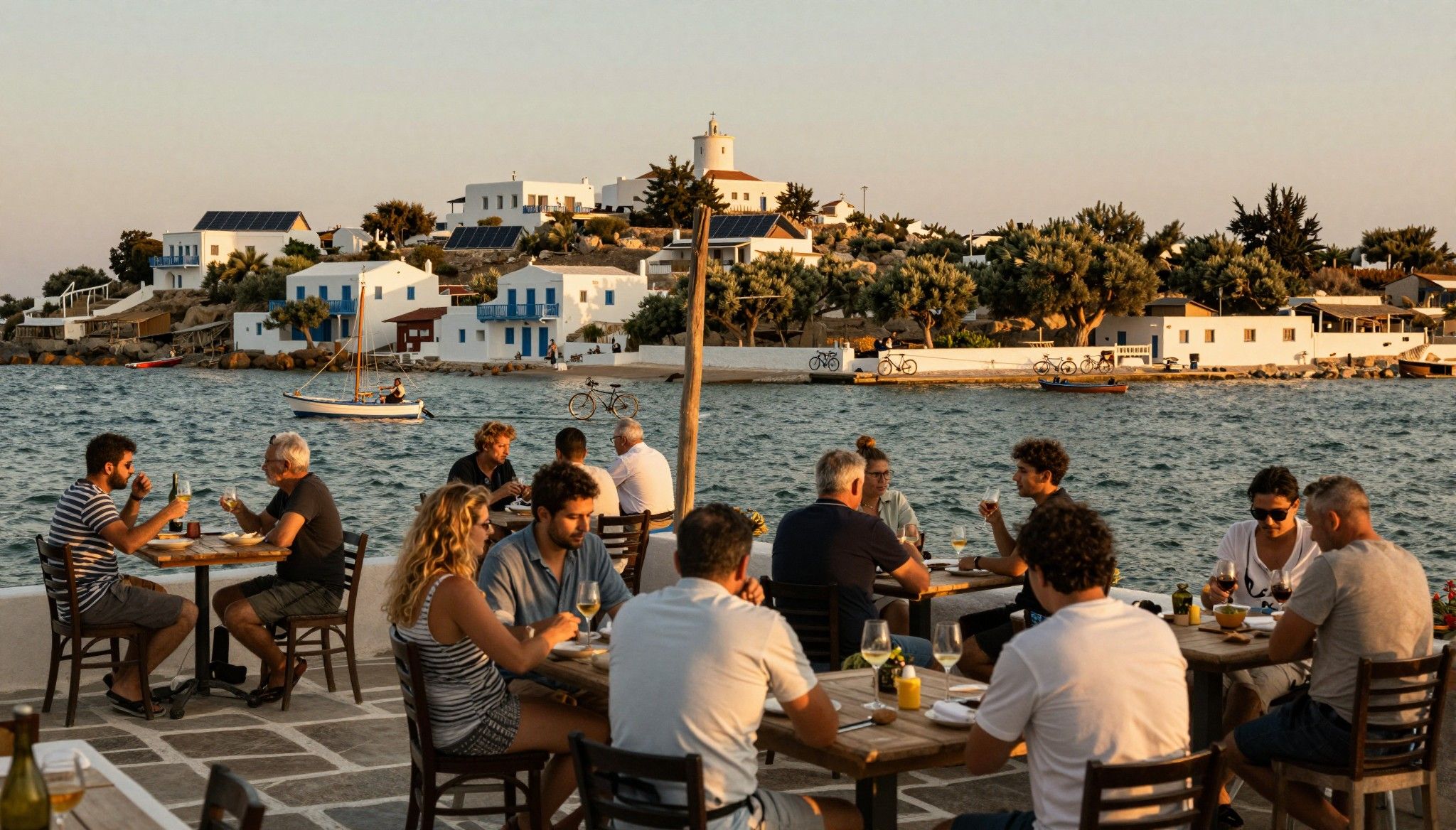
- Sunset aperitivo on a Paros terrace powered by rooftop panels and a small battery.
- Weekend drives to Messinia’s olive groves and farm tavernas serving the season’s harvest.
Making the move: the practical side of a green life in Greece
Dreams of a sunlit house are best paired with up-to-date facts. Greece’s renewable capacity—especially wind and solar—has expanded rapidly in recent years, and islands are piloting projects that reduce dependence on imported fuel. For buyers, this creates opportunities: homes with existing PV and hot‑water systems cost less to run and may be easier to licence for tourist rental, while locations near new grid upgrades can see faster value appreciation.
Property styles that actually support green living
Stone village houses with thick walls, shaded courtyards, and narrow streets naturally stay cool; modest rooftop PV and a modern heat‑pump can make them year‑round. New builds along the coast increasingly use timber, low‑VOC finishes, and integrated terraces for outdoor living. When touring homes, prioritise passive comfort—cross breezes, good insulation, and usable outdoor rooms—over cosmetic ‘green’ badges.
Working with the right local experts
A Greek agent who understands municipal permitting, island grid peculiarities, and local craftsmen is invaluable. Look for agencies that can coordinate structural surveys, energy-performance checks, and local installers for PV and batteries. Agencies fluent in both the language of sustainability and local regulation will prevent surprises when adding panels, expanding terraces, or converting storage rooms into livable spaces.
- Practical steps to blend lifestyle and logistics:
- Check recent electricity grid upgrades and local renewable projects before bidding—areas with new connections often see improved property demand.
- Ask for recent energy bills and PV production data where present; small batteries paired with panels can make island life far more resilient.
- Prioritise passive features during inspections—orientation, shading, insulation—and budget for modest retrofits that improve comfort more than flashy finishes.
Insider knowledge: what expats wish they'd known
Expats often tell the same things: the first summer feels like an immersion course, the best neighbours are the baker and the local electrician, and small investments in shading and rainwater capture pay for themselves in comfort. Many buyers underestimate seasonal rental variations and the way festivals and ferry timetables shape island life. Knowing these rhythms helps you both enjoy daily life and make smarter purchasing choices.
Cultural integration, language, daily routines
Learn a handful of phrases, shop the market weekly, and accept slower bureaucratic days—these small gestures open doors. In villages, communal olive‑pressing, kafeneion mornings, and church festivals are where neighbours become friends. For a sustainable life, join local initiatives—community gardens, beach cleanups, or co‑op solar schemes—and you’ll quickly feel at home.
Long-term lifestyle and stewardship
Think of a Greek property as living, not just an asset. Olive trees mature slowly, terraces shift with seasons, and neighbours matter. Choose materials and craftsmen who understand local climate and maintenance cycles; invest in native plantings and greywater systems that reduce upkeep and increase biodiversity. Over time these choices protect value and deepen your relationship with place.
- Red flags and where to be careful:
- Unresolved title or unclear boundaries—always insist on cadastral records and a lawyer’s check.
- Properties with informal add‑ons—look for permits on terraces and aux buildings before buying.
- Expect seasonal rental variability—factor local tourism calendars into income projections.
Conclusion: buy the life, not the listing. Greece rewards buyers who choose a neighbourhood’s rhythm over a glossy listing photo. Start with lifestyle visits in different seasons, work with agents who breathe the local pace, and prioritise passive comfort and modest green upgrades. When you pair place‑based taste with clear local advice, your home becomes a stewardship project—rooted, resilient, and deeply Greek.
Norwegian market analyst who relocated from Oslo to Provence; guides investors with rigorous portfolio strategy and regional ecological value.