Greece’s Green Grid: Where Lifestyle Meets Low Bills
Why Greece’s green grid and neighborhood rituals make it a smart, soulful buy—practical steps and local insights to blend lifestyle with renewable-ready property choices.
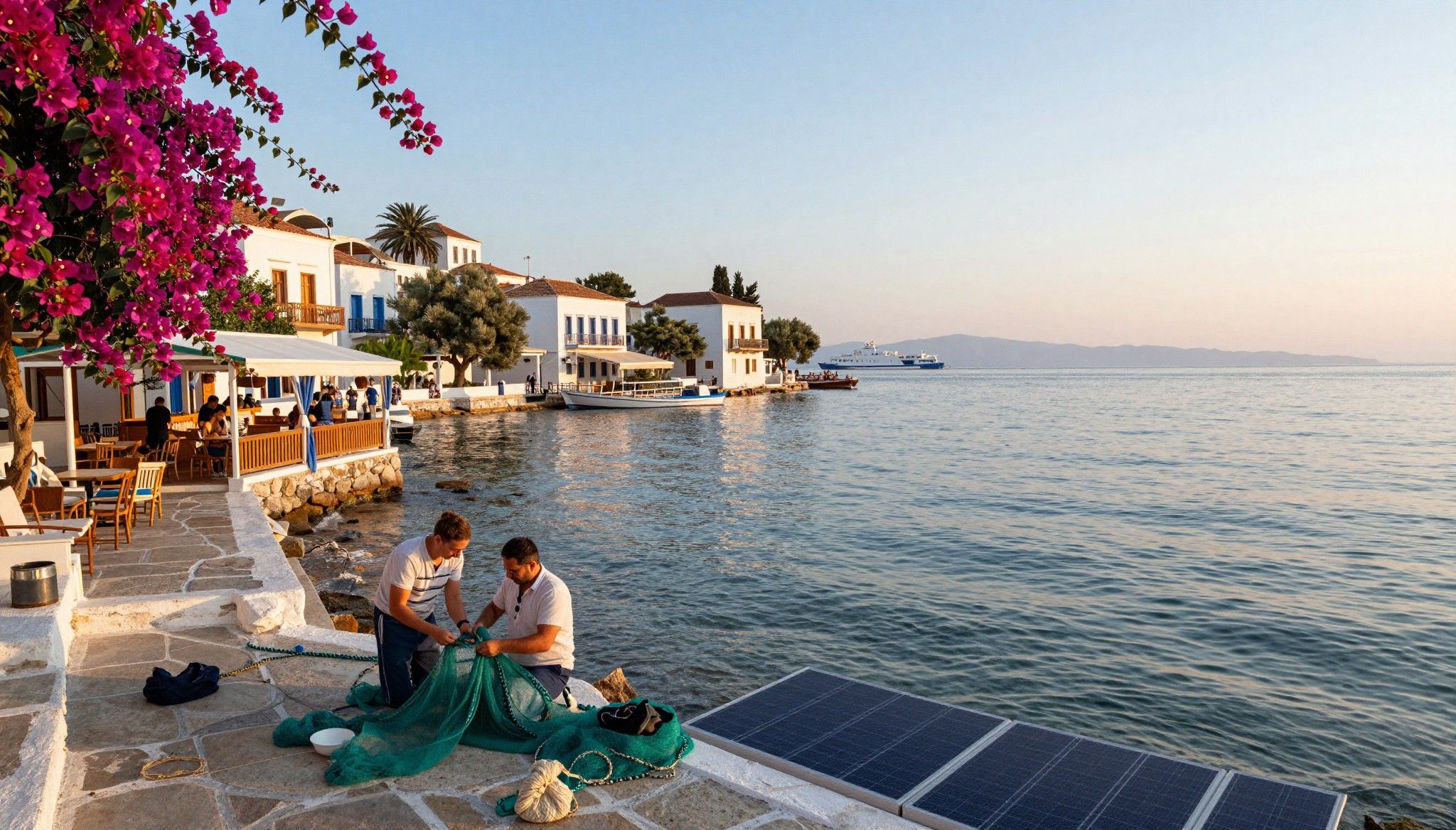
Imagine waking to the smell of citrus and sea salt, stepping onto a terrace where bees hum through rosemary and a small solar array hums with morning light. That scene is not a postcard fantasy but daily life in many Greek towns now intertwined with rooftop solar, microgrids and regenerative gardens. For international buyers drawn to light, landscape and a slower rhythm, Greece offers a rare combination: vivid Mediterranean living with a rapidly greening energy grid. This piece marries the sensory—markets, tavernas, pebble beaches—with practical, research-backed insight so you can fall in love and buy wisely.
Living the Greece Lifestyle: sun, stone and local rhythm
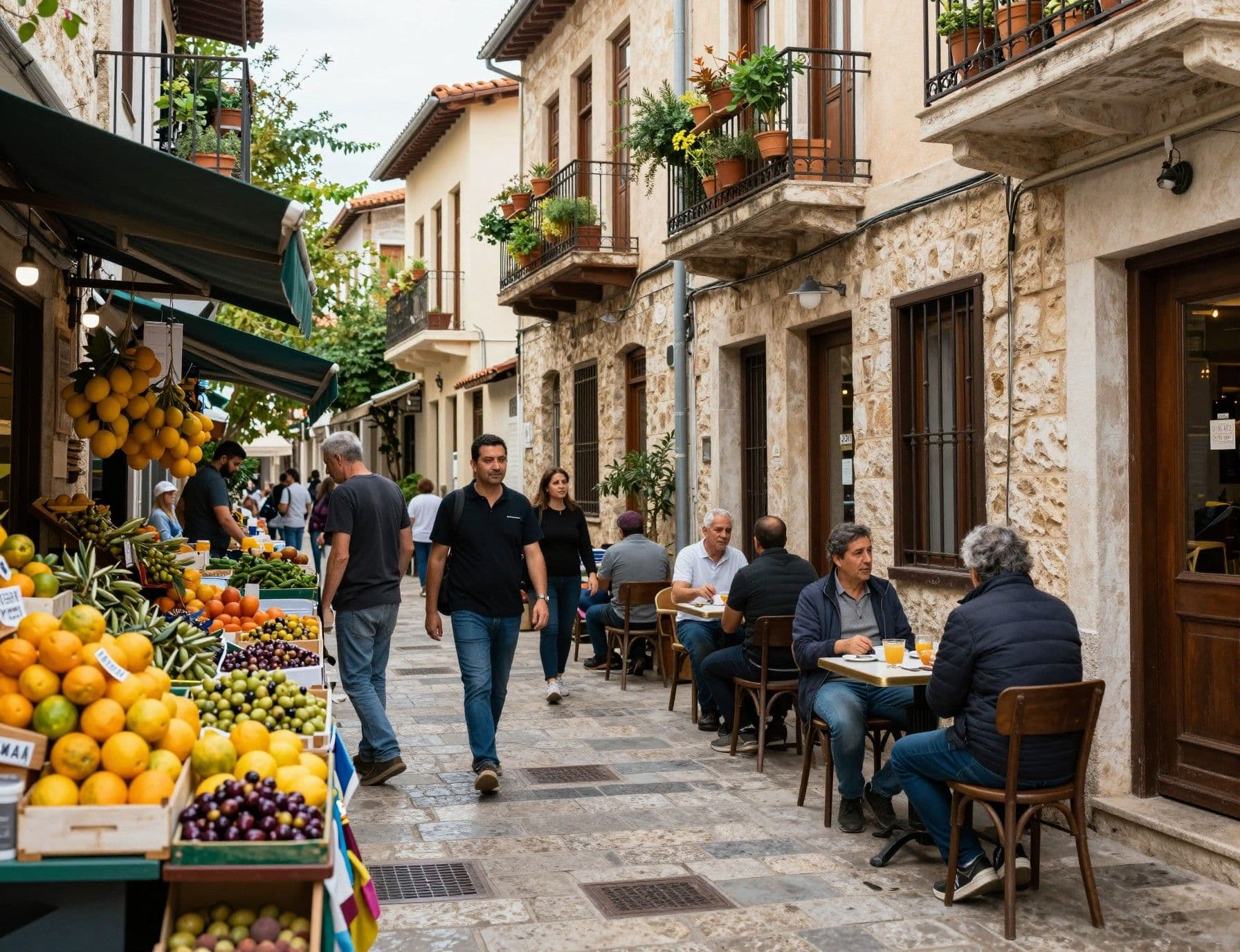
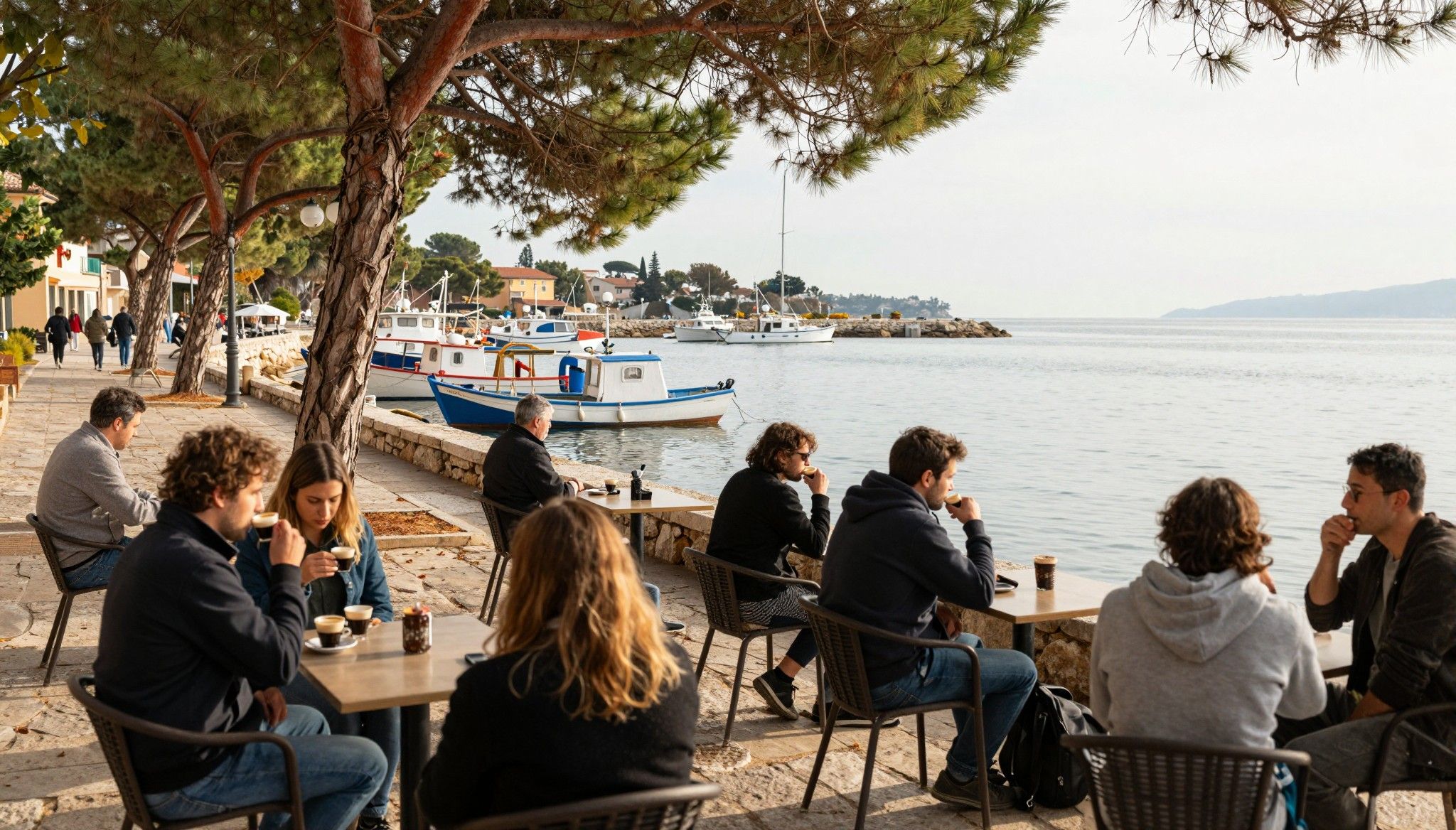
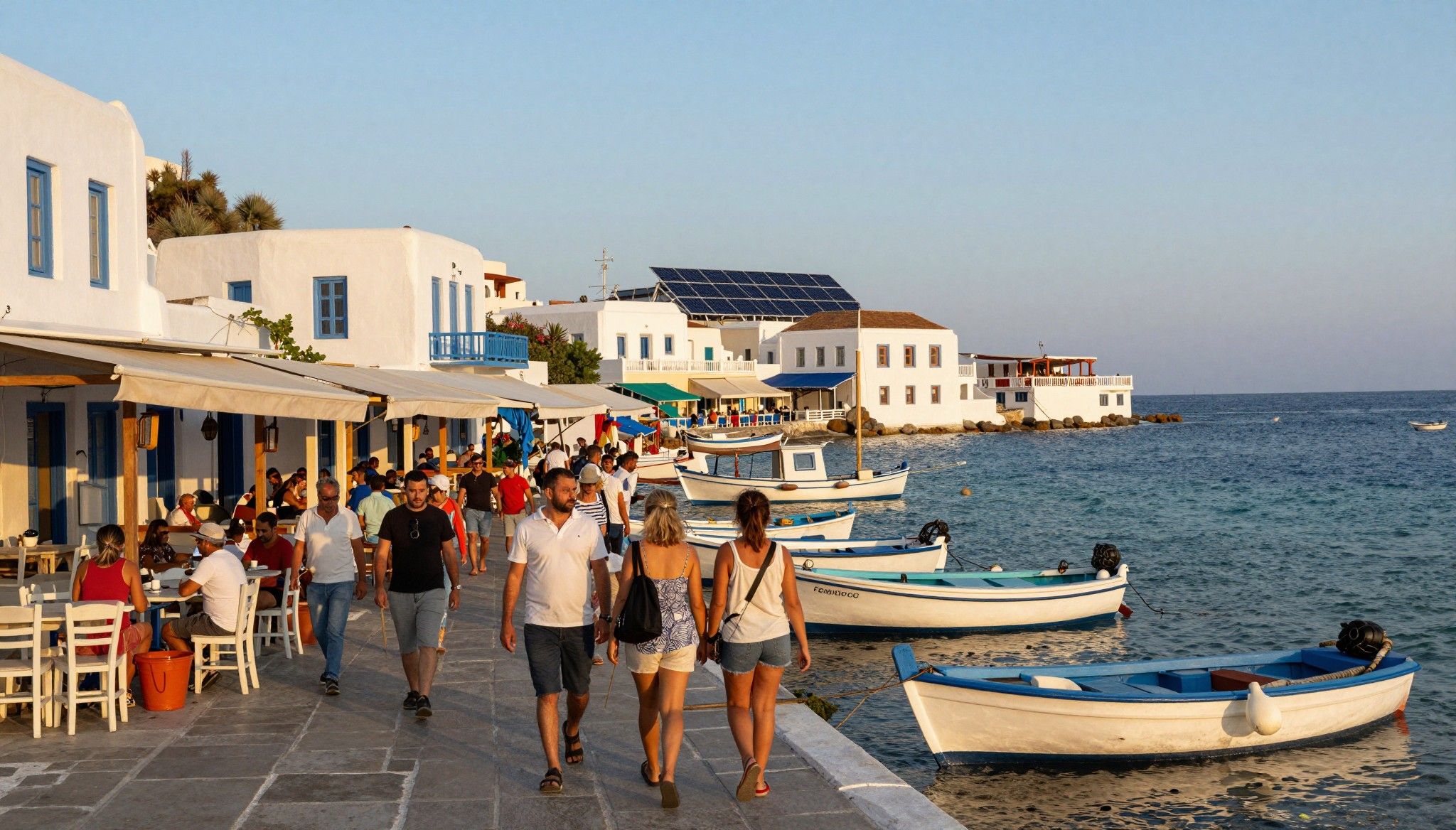
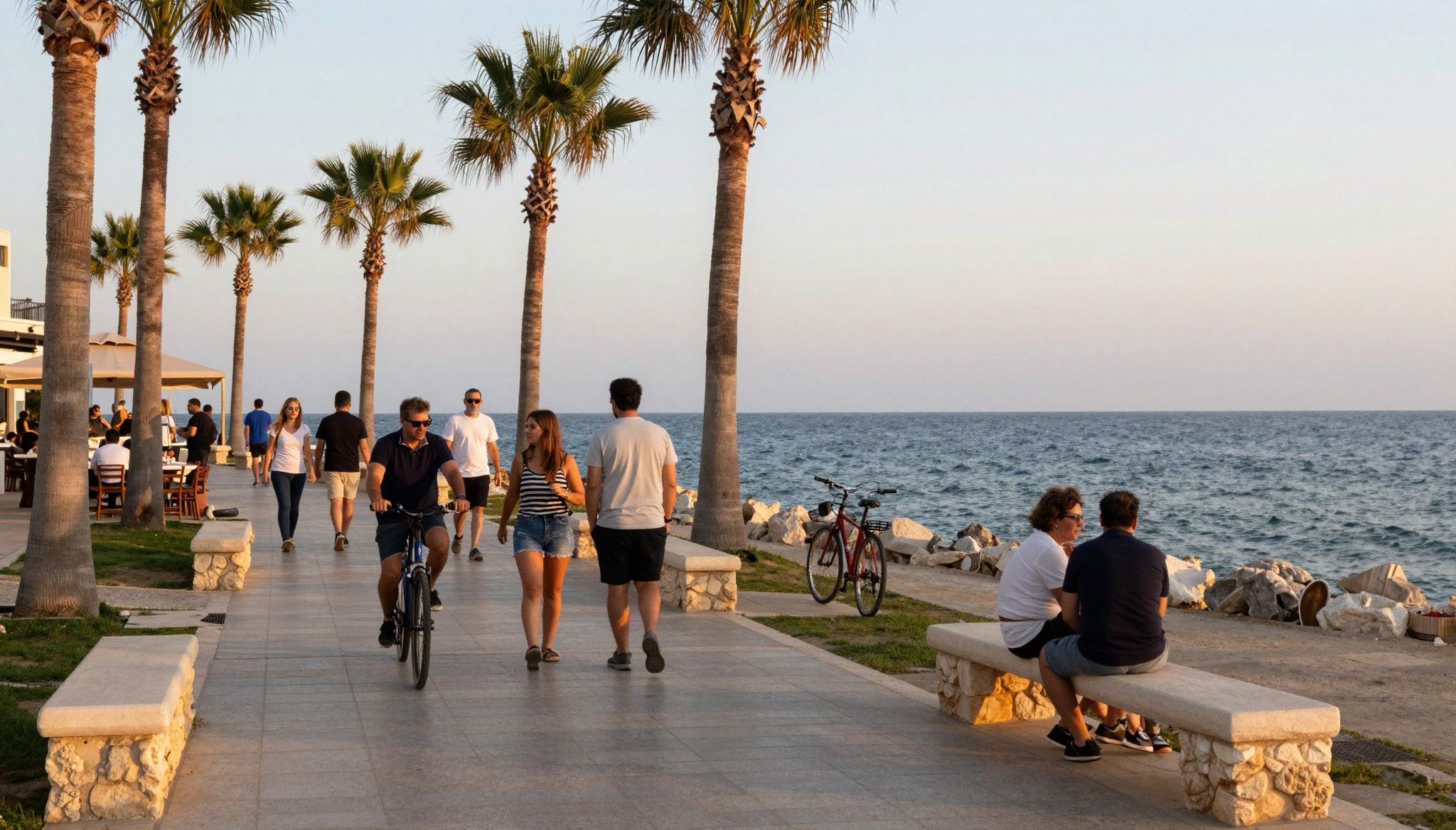
Greece is sensory: morning espresso in a sunlit kafeneio, late-night plate-sharing under bougainvillea, and island ferry horns punctuating afternoons. In Athens, neighborhoods like Koukaki and Kolonaki feel like different cities within one — one offers cobbled intimacy near the Acropolis, the other leafy, affluent streets and quieter cafés. Up north, Thessaloniki pulses with music, bakeries and waterfront promenades; on islands from Naxos to Crete you’ll swap gridlock for goats on hill tracks and markets that smell of thyme and olive oil. Daily life is seasonal and social: long lunches, market runs, and evenings that stretch toward starlit balconies.
Neighborhood spotlight — Koukaki and the walkable Athens life
Picture narrow streets where pastries steam in shop windows and evening tavernas spill low wooden tables onto the pavement. Koukaki is compact and pedestrian-friendly, ideal for those who want museum-culture mornings (the Acropolis Museum is steps away) and neighborhood ritual in the afternoons. For eco-minded buyers, many renovated apartments here add small PV arrays and efficient heat-pump systems to reduce bills without sacrificing charm. Its small-scale feel makes it a useful first stop when testing Athens life before a larger commitment.
Food, markets and the seasons — how local tastes shape daily life
From fishmongers on Crete to the morning farmers’ market at Varnava Square in Athens, food anchors social life here. Seasonal produce runs the calendar: early summer cherries, late summer tomatoes, autumn citrus—each season rearranges kitchen and table. For homeowners, gardens and terraces are extensions of the kitchen; even small courtyards become herb-rich micro-farms that cut grocery bills and deepen place. These rituals mean a home’s outdoor space, even a sunny balcony, is a lifestyle multiplier—not an optional extra.
- Lifestyle highlights and local rituals
- Morning coffee at a corner kafeneio; slow markets on weekends; seaside swims from April to October; late-night plate-sharing at a neighbourhood taverna; olive-harvest volunteering in autumn; village festivals (panigyria) that knit communities together.
Making the move: property, green infrastructure and the real tradeoffs
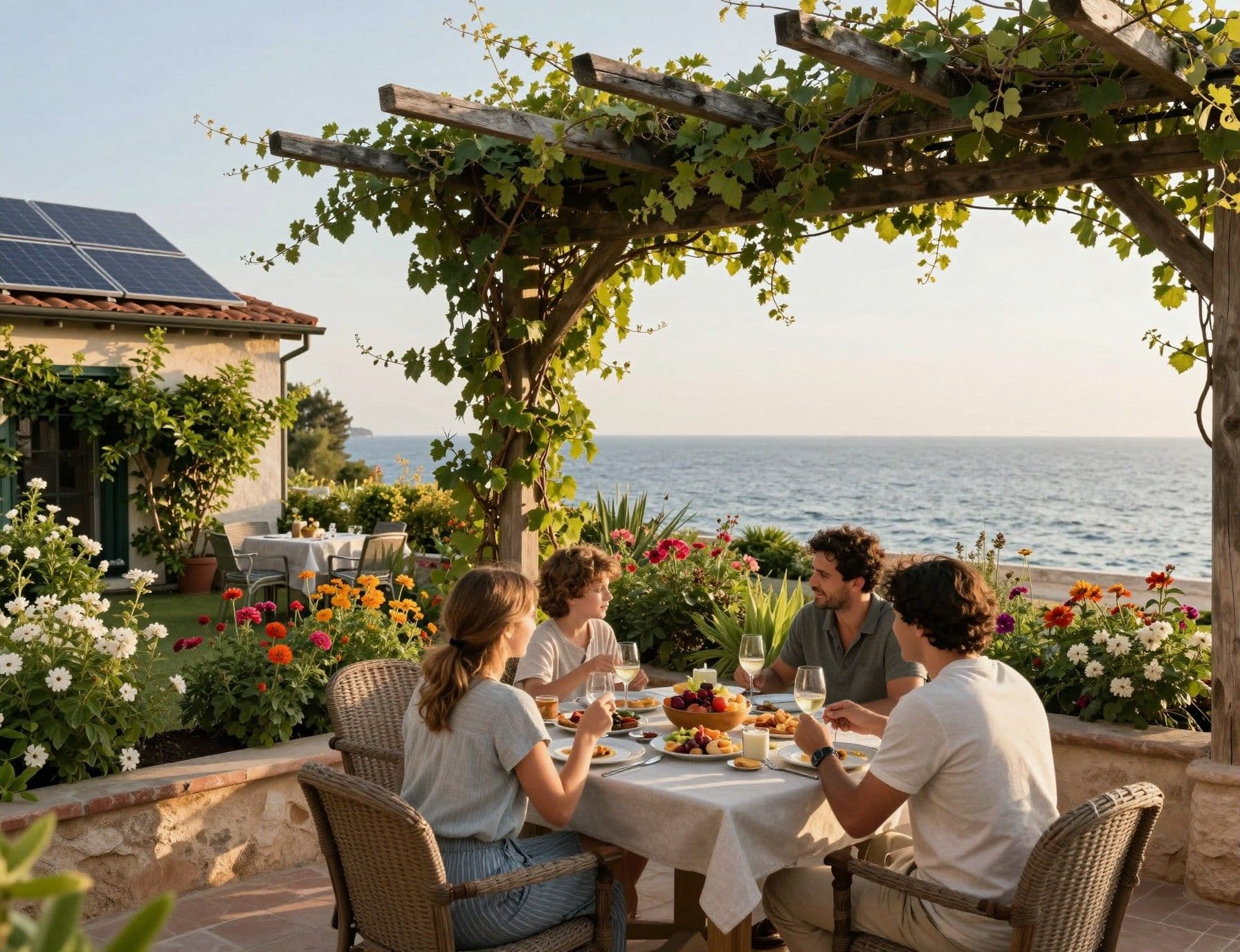
If the lifestyle entices, the practical picture matters: property prices have been rising, but movement is uneven and often correlated with infrastructure and renewable deployments. National data and market reports show rising foreign investment and fast-growing demand in islands and Crete, yet areas with active green upgrades—rooftop PV, grid modernisation and local waste-water projects—often deliver lower long-term operating costs and more stable buyer interest. Understanding where Greece is expanding its green grid helps you buy where monthly bills and maintenance align with the life you want to live.
Property styles and what they offer an eco-first life
Stone farmhouses in Pelion or Crete lend themselves to passive-cooling retrofits and olive-grove stewardship, while Athenian neo-classical flats are often perfect for compact heat-pump conversions and balcony PV. New-builds around the Athenian Riviera and parts of Crete increasingly feature integrated solar, rainwater harvesting and native landscaping to reduce irrigation. With Greece adding gigawatts of PV capacity recently, look for properties already wired for panels or with strong roof orientation to avoid costly later changes. Architecture is not merely style; it predicts how you’ll live with seasons, sun and sea.
Working with agents who know green infrastructure
Choose local advisors who can read grid maps, roof load reports and municipal waste-water plans—not just glossy brochures. Agencies familiar with regions where renewable capacity is expanding can flag properties with export-ready PV, tax incentives for green upgrades, and local craftspeople experienced in traditional low-impact restorations. These specialists save time and reduce the emotional cost of surprises during renovation or connection to the grid, especially in island areas where bureaucracy and supply logistics differ markedly from the mainland.
- Practical+lifestyle checklist for viewing and buying (numbered priorities)
- Inspect orientation and roof condition for solar; ask for recent electricity bills and grid-connection notes; confirm water-source resilience and rainwater-harvesting potential; meet a local contractor about passive cooling options; check seasonal access (island ferry frequency, winter road conditions); verify whether municipalities support retrofit permits and green upgrades.
Insider knowledge: expat truths, myths and what locals quietly recommend
Real expat life often looks different from dream listings. Many buyers discover that islands prized by tourists feel remarkably local off-season, and that a smaller village with a municipal recycling scheme and strong ferry service often beats an overhyped resort for long-term quality of life. Locals advise: prioritize community rhythm (markets, festivals, a reliable doctor) over a shiny sea view if you intend to live full-time. These choices shape not just weekends but energy use, social belonging and your home’s true resilience.
Cultural integration, language and everyday practicalities
Greek communities reward effort: learn a few phrases, join a local association, help at a panigyri and doors open. Many services in Athens and tourist islands have English speakers, but rural municipalities may not—plan for translation help during purchase and for steady patience while paperwork moves at local pace. Expat groups in Glyfada, Kifisia and Chania are active and can be great resources for tradespeople, schools and informal social life. Integration is both practical and tender—relationships matter more than contracts.
Long-term stewardship: how life evolves after you buy
Expect your relationship with a Greek property to mature: terraces become herb gardens, garages become workshops, neighbours become weekend friends. Investment in green retrofits usually pays back over several seasons as energy costs drop and property desirability rises—particularly in towns where municipal waste management and grid upgrades are active. Stewardship is local work: sourcing reclaimed stone, hiring carpenters who understand old lime mortars, and participating in village rhythms keeps both place and value healthy.
If Greece’s light has convinced you, take three friendly next steps: spend a week living in the neighbourhood you love to test rhythms and services; ask a local agent for grid and roof-orientation reports before making an offer; and meet a renewable-energy installer to sketch a PV and battery plan tailored to your lifestyle. With those steps you move from infatuation to informed stewardship—ready to own a home that serves both human life and the landscape around it.
Danish relocation specialist who moved from Copenhagen to the Algarve; supports families with seamless transitions, local partnerships, and mindful purchases.