Autumn House‑Hunting in Croatia: Close with Care
Autumn viewings, seasonal inspections and stewardship clauses can save buyers money and protect lifestyle value in Croatia's high‑demand coastal and urban markets.
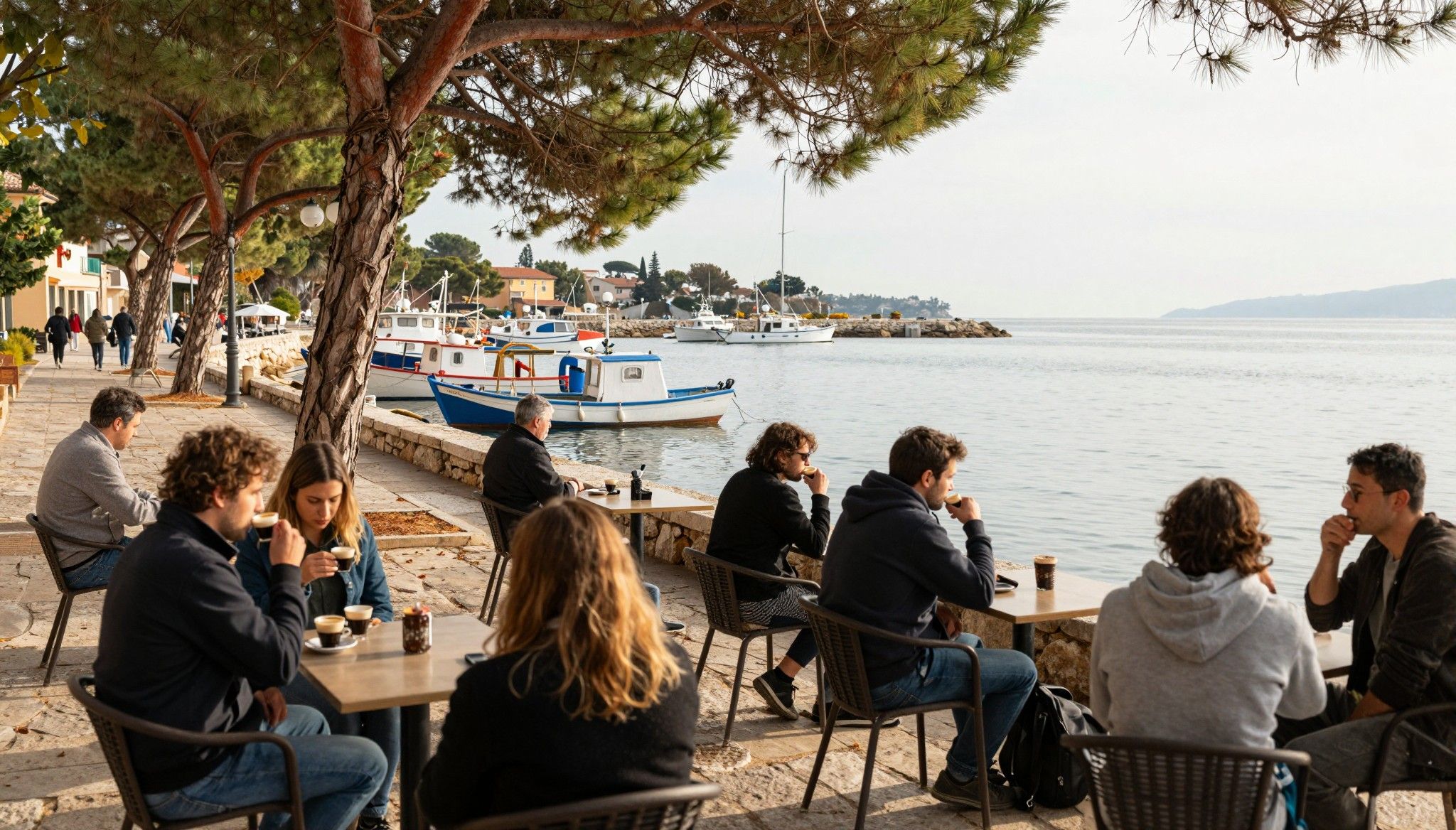
Imagine a crisp September morning in Hvar town: fishermen unload glistening sardines at the quayside, a barista pulls a slow espresso at Luka café, and the old stone facades hold the day's warmth. This is Croatia in autumn — quieter, greener, and kinder to thoughtful buyers. Recent market analysis shows strong coastal demand but clearer late‑cycle signals; that seasonality reshapes negotiation and closing strategy, and it should shape how you steward a home here. If you dream of a life threaded with markets, pine-scented promenades and sunlit stone, read on for how to close carefully and protect that life for years to come.
Living Croatia: daily rhythms, seasons and place
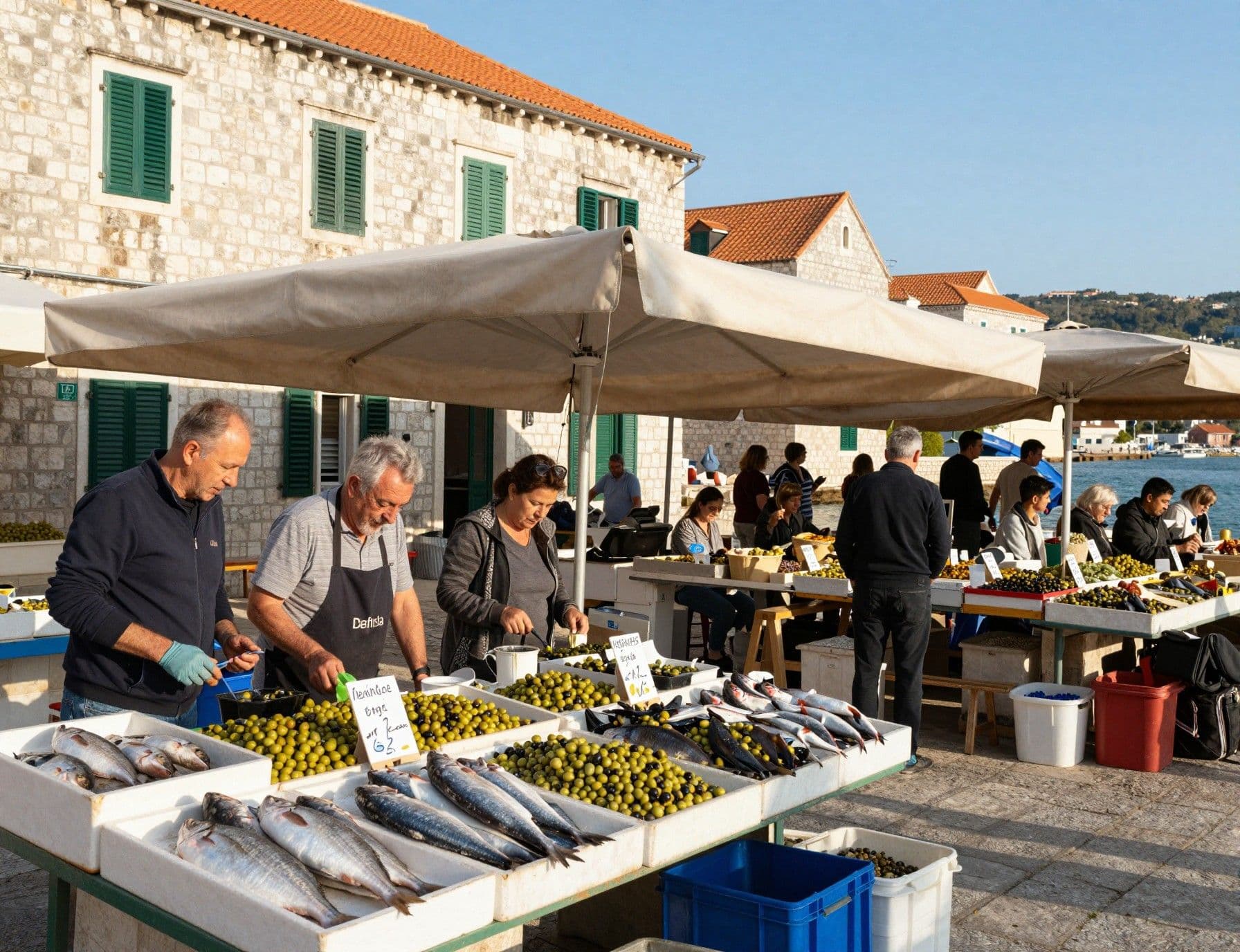
Croatia lives between sea and karst: mornings begin with coffee and a newspaper at Dolac in Zagreb or on a shaded terrace in Split, and evenings unwind with a slow seafood meal and a walk along the riva. The Adriatic coast sets a Mediterranean tempo of outdoor cafes, fisherman markets and island ferry timetables; Istria offers truffle hunts and hilltop villages; inland counties bring vineyards, oak forests and a quieter, four‑season life. This variety means your everyday will change with the neighbourhood you choose — and so will the practical needs of closing and stewardship.
Zagreb, Dalmatia and Istria — three very different mornings
In Zagreb's Gradec and around Tkalčićeva you wake to patisseries and animated plazas; in Split the Diocletian Palace lanes become your living room; in Rovinj or Motovun you trade bustle for pastoral lanes and stone houses with wooden shutters. Each place carries specific stewardship demands: city apartments need ventilation and heat management, coastal stone houses require salt‑tolerant materials and roof checks, and rural houses often come with olive groves or vines that demand seasonal care. Picture where you'll make soup in winter, where you'll hang laundry in summer, and let that practical picture steer negotiation priorities.
Food, markets and neighbourhood rituals
A local week in Croatia is organized around market days, bakeries and konobas (family taverns). Buy olives at Stari Grad market on Hvar, pick prosciutto at Pazar in Split, and learn that a late‑afternoon aperitif in Rovinj often becomes a spontaneous neighbourhood dinner. These rituals matter when choosing a property — proximity to markets and year‑round services affects livability and long‑term value in ways mortgage rates or headline prices do not.
- Dolac market, Zagreb; Riva promenade, Split; Stari Grad market, Hvar; Punta Corrente (Golden Cape), Rovinj; Makarska waterfront walks; Istrian truffle restaurants near Motovun
Making the move: marrying lifestyle with practical closing moves
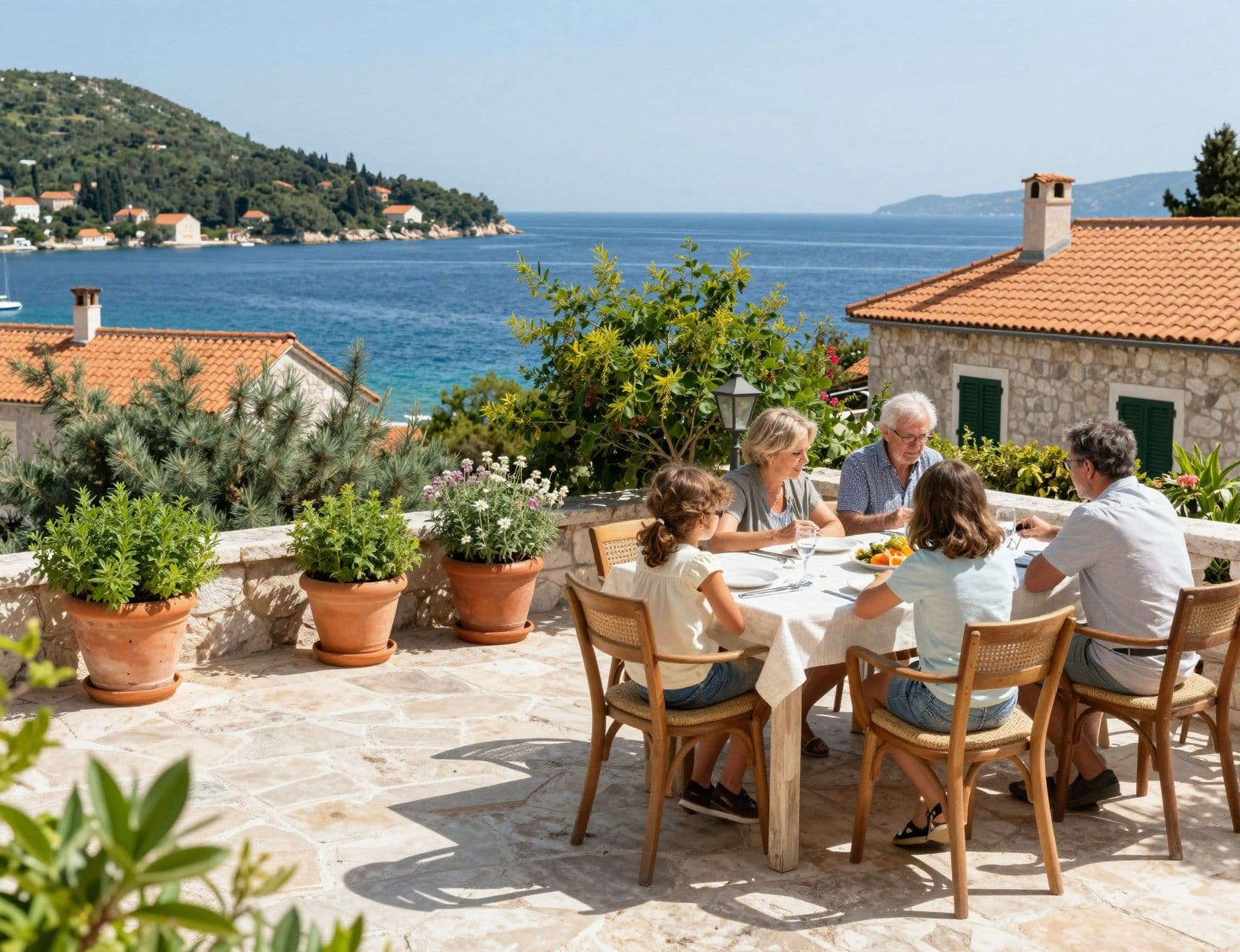
Dreams meet paperwork at the notary. Croatia is welcoming — EU/EEA citizens generally buy under the same conditions as locals — but there are legal nuances, especially for non‑EU buyers and for agricultural land. Practical timing and negotiation choices (autumn viewings, same-day closing tactics, contingency terms for seasonality) can save you months of headaches and ensure the house you love remains a place you can steward responsibly.
Property styles and what they mean for stewardship
Stone dalmatian houses, Istrian trullo-like conversions, and modern coastal apartments each come with their own maintenance rhythms. Historic stone homes reward slow restorations using lime mortar and native stone but demand careful roof and moisture work; modern builds may be energy efficient yet rely on mechanical systems that need service contracts. Factor renovation seasons, local craftspeople availability, and the embodied carbon choices of materials into your offer and closing conditions.
Work with local experts who steward place, not only paperwork
Seek agents and lawyers who know seasonal life here — not just how to file forms. The best local teams match your lifestyle brief (garden for olive trees, proximity to a school, year‑round ferry) with negotiation levers like transfer timing, conditional repairs, and an agreed stewardship plan. Ask your agency for references of projects where they managed post‑closing retrofits (solar, insulation, greywater) and insist on written schedules for these works in the sales contract.
- 1) Include a seasonal inspection clause (autumn or spring) to reveal roof, drainage and salt corrosion issues. 2) Negotiate an itemized closing with repair credits tied to certified local tradespeople. 3) Insist on meter readings and utility transfers in the contract to avoid surprises. 4) Add a 6‑month post‑closing stewardship window where seller helps introduce local gardeners or repair contacts. 5) Build an eco‑upgrade roadmap into closing: photovoltaics, insulation, native planting and water‑saving measures.
Insider knowledge: red flags, seasonal truths and expat realities
Market data shows double‑digit growth through 2024–2025 in many coastal pockets, but regional spreads are wide: Zagreb, Dalmatia and Istria behave differently. That growth makes timing and negotiation important — a summer listing can be inflated by tourist demand, while autumn inspections often reveal the real maintenance picture. Use official indices to anchor your offer and ask your agent for comparable autumn sales, not summer listings.
Cultural cues that change how you live and buy
Croatians prize local networks and reciprocity: a trusted neighbour, a mason's number, a konoba landlord who keeps keys. Learn small rituals — say thank you with seasonal fruit, join the village summer clean‑up, respect quiet hours — and these become practical assets for stewardship. Language helps, but good neighbours and patient presence matter more than fluency at first.
Long‑term lifestyle stewardship: beyond the sale
Think five years ahead: will you rent the house seasonally, or make it your full‑time home? Empty apartments can attract suggested policy changes and potential tax shifts; understanding occupancy patterns and local tax proposals helps you plan stewardship budgets. Create a living‑document stewardship plan at closing: energy upgrades, native landscaping, and a maintenance calendar that respects local seasons and the home’s materials.
- Seasonal stewardship checklist: - Autumn roof and gutter inspection - Winter proofing: shutters, pipe insulation - Spring: garden pruning, olive tree care - Summer: ventilation checks, salt‑air paint touch ups - Annual: energy systems audit (solar, heating, water)
Conclusion: close with care, live with reverence. If you let the rhythm of Croatia — its markets, ferries and festivals — lead your offer, your home will repay you with seasons of belonging. Ask your agency for autumn comparables, include stewardship terms in the contract, and make the first year after closing a period of generous listening to place. Do that, and your purchase will feel less like a transaction and more like a rooted beginning.
Swedish advisor who left Stockholm for the Costa Brava in 2019. Specializes in sustainable, sea‑view homes for Scandinavian buyers and green finance insights.