Italy: Season‑Led House‑Hunting for Stewardship‑Minded Buyers
Italy’s real estate is as local as its markets: pair ISTAT-backed trends with season-led visits and artisan-savvy agents to buy a life, not just a house.
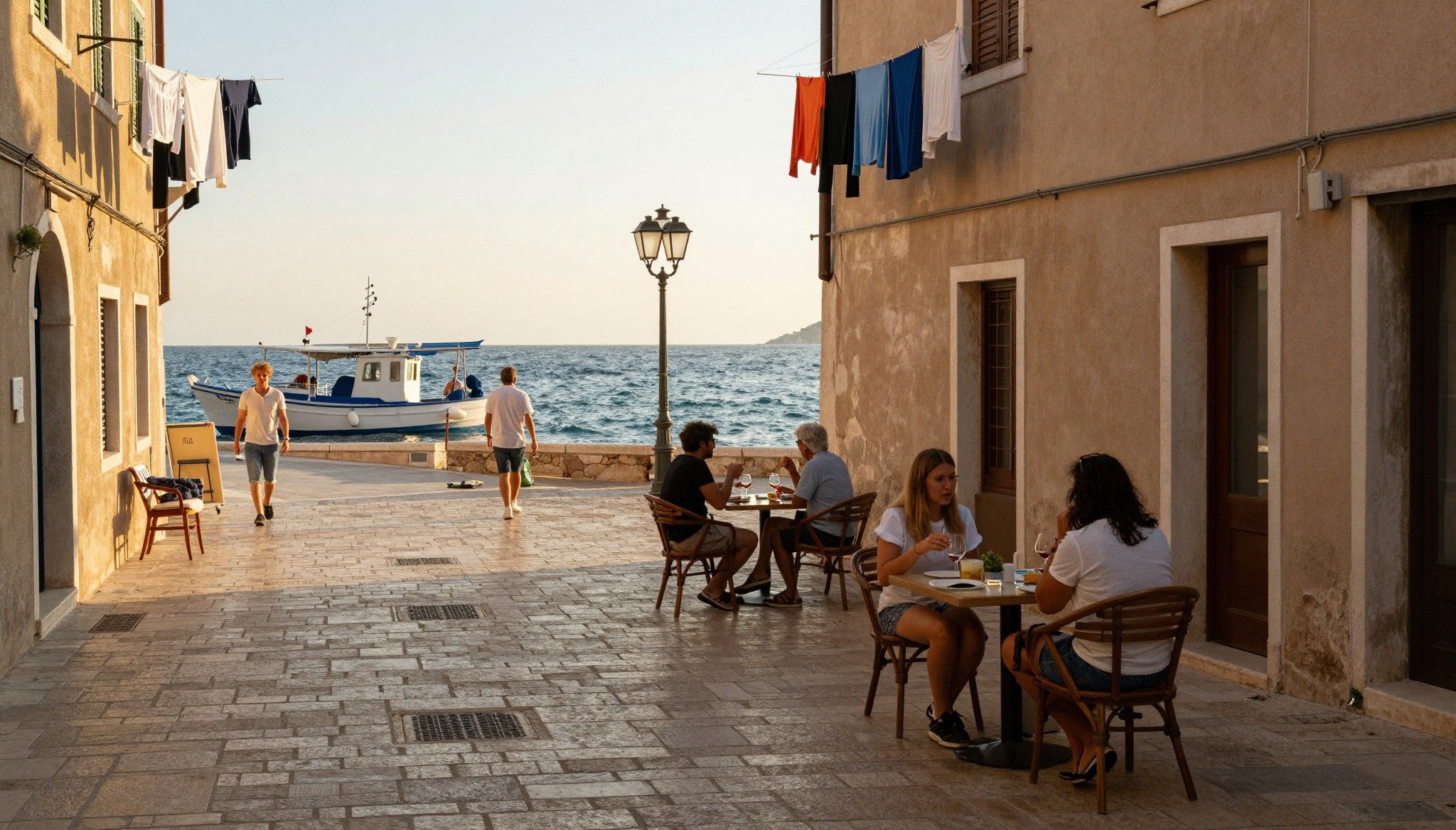
Imagine waking to the smell of fresh espresso and sun-warmed stone: a narrow street in Siena, laundry fluttering between balconies, a morning market where the fishmonger greets every customer by name. Italy is not one life but a dozen—coastline and hill village, university city and working port—each with its seasonal rhythms. For international buyers who care about green living and local craft, Italy offers a rare combination: a storied material culture (stone, timber, lime plaster) and modern momentum toward energy upgrades and retrofit incentives.
Living the Italian lifestyle: close, slow, sensory
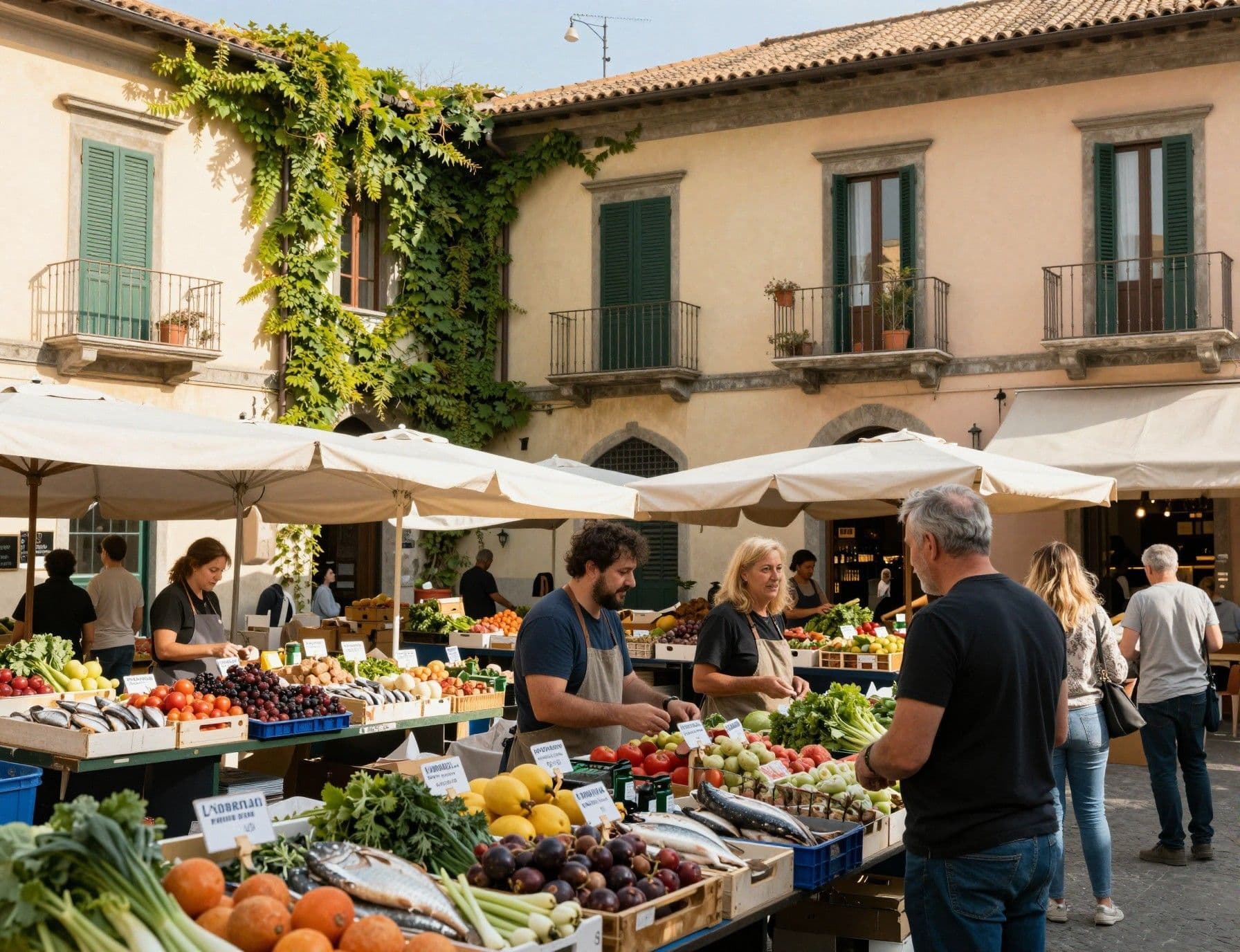
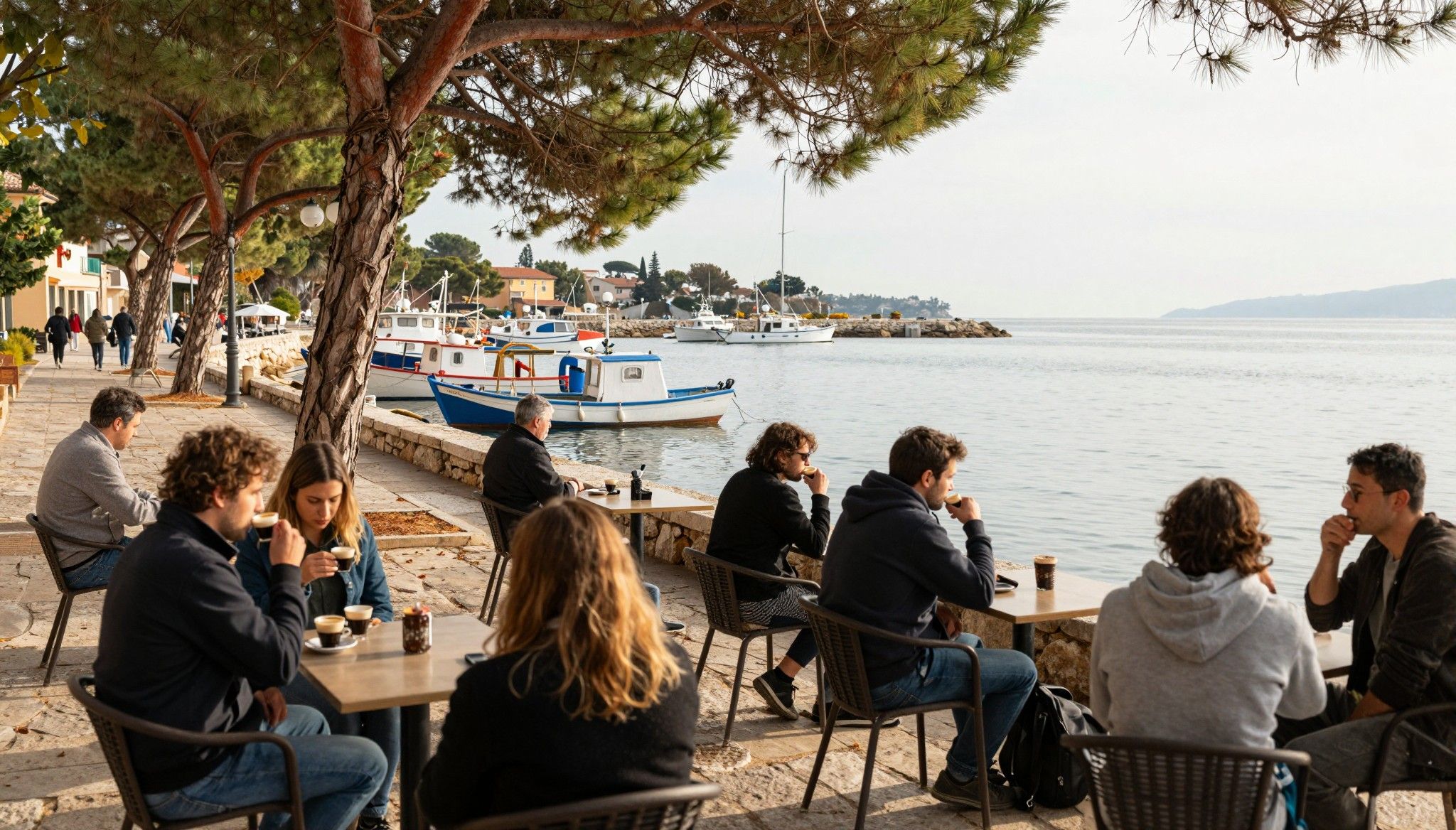
Daily life in Italy moves at human scale: morning cafés, siesta-light afternoons in town squares, long dinners that run into the night. Neighborhoods are defined by an anchoring cafe, a small market, and a church bell that still marks the day. Recent market data show modest national price growth and strong local variation, meaning lifestyle choices often determine value more than national headlines. (See ISTAT and Immobiliare.it for recent price and HPI updates.)
North: culture, crisp light, and craft ateliers
In cities like Turin, Bergamo and the artisan quarters of Milan, mornings smell of baking focaccia and coffee; afternoons are for bike rides along tree-lined canals or visits to neighborhood workshops. If you dream of restored townhouses with exposed beams and passive-renovation possibilities, look to Piedmont and Emilia-Romagna where local craftsmen—carpenters, lime plasterers, terracotta restorers—still practice traditional trades.
Center & South: olive groves, piazzas and slow food rituals
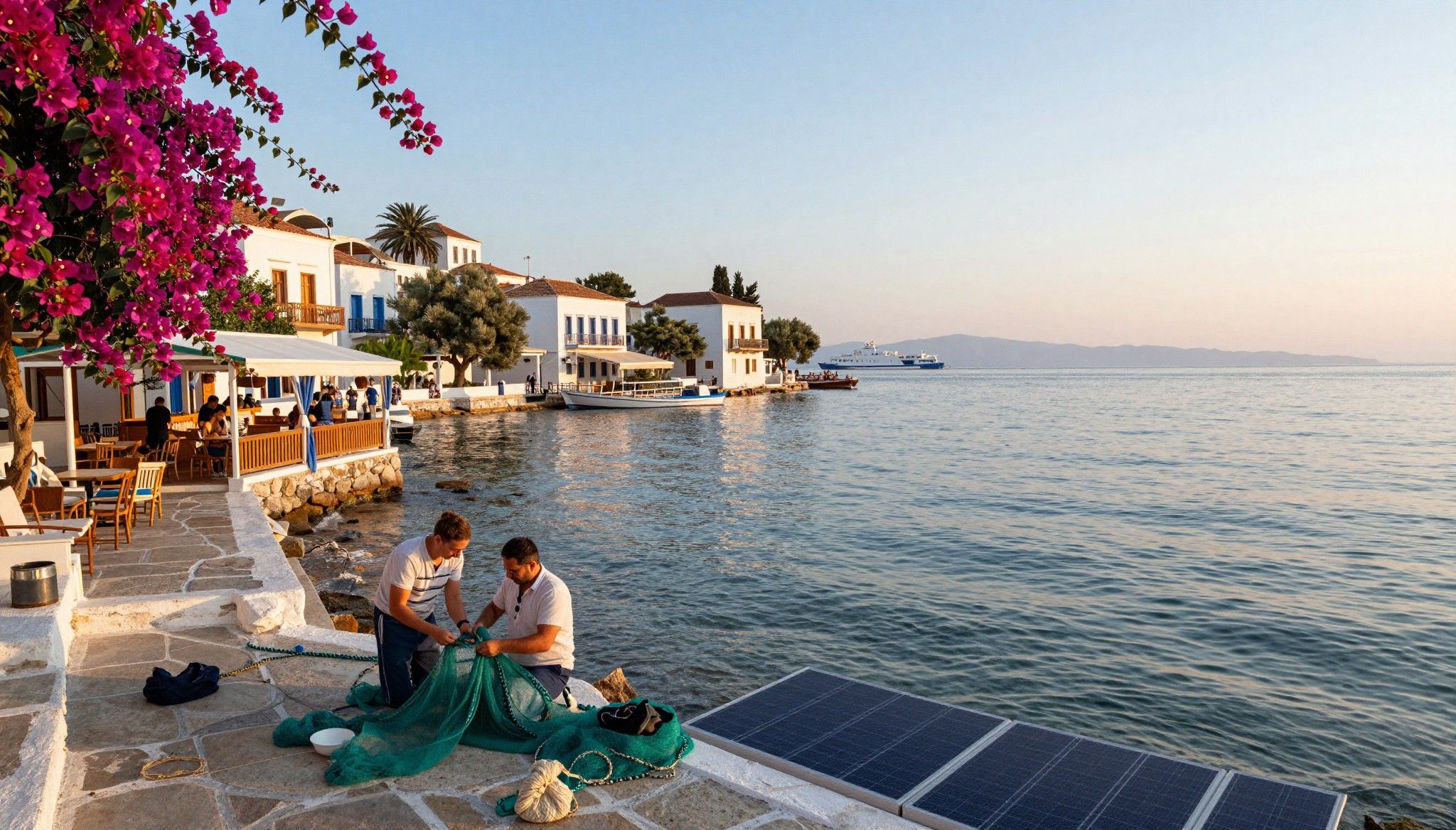
Tuscany’s hill towns, Puglia’s trulli lanes, and the Amalfi coastline offer a rhythm tied to seasons: olive harvest, grape pruning, coastal swims. Here, terraced gardens, drought-tolerant landscaping, and rainwater capture are everyday assets. Properties often come with fruit trees, stone terraces and a network of neighbors who share seasonal labor and village festivities.
- Lifestyle highlights: local rituals that shape where you live
- Morning espresso at Bar Pasticceria in small piazzas (try the pastry–caffè pairing in Siena’s Campo)
- Weekly markets (Pescheria in Naples, Mercato di San Lorenzo in Florence) where you source food and join the neighborhood fabric
- Olive and grape harvests as community events—great chances to meet locals and learn about land stewardship
Making the move: lifestyle dreams meet property reality
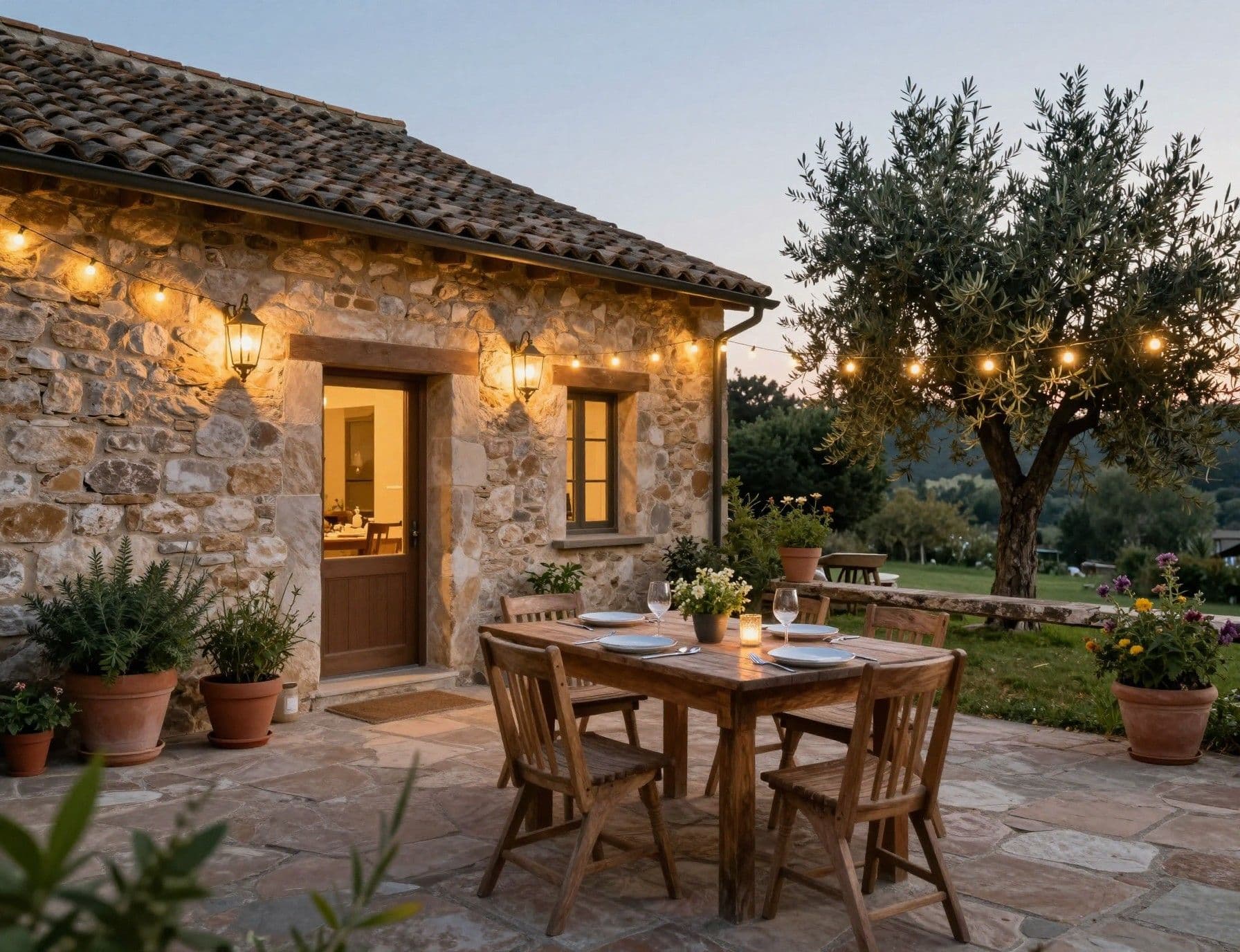
If the idea of living in a stone farmhouse with a kitchen garden excites you, there are practical trade-offs: renovation timelines, paperwork and seasonal access. National indices record moderate growth but hide regional contrasts—coastal hotspots and historic centre apartments in Milan, Florence or Rome behave differently from inland hill towns. That means you can chase a lifestyle first and find a surprising price advantage if you’re open to less obvious locales.
Property types and how they shape daily life
A medieval apartment on a narrow street delivers daily pedestrian life and cafes at your doorstep, while a stone country house offers outdoor rooms, olive trees and space to compost. Newer suburban developments can provide ease and modern systems but often lack the community rituals that make Italian life sing. Energy class matters here—look for homes recently upgraded (Classe A/B) to reduce winter heating and summer cooling costs and preserve old fabric with sympathetic retrofits.
Work with local experts who value place
- 1. Choose an agent who knows local artisans and permit pathways—ask for examples of restored properties they've completed. 2. Prioritise an architect experienced in historic fabric and energy upgrades; Italian regional rules vary. 3. Visit in two seasons (late spring and late autumn) to see full-year life and sunlight patterns. 4. Ask for recent energy bills and building survey reports to estimate retrofit needs and costs.
Insider knowledge: the surprises expats talk about
Expats often say their biggest surprise wasn’t bureaucracy but the richness of community life and seasonal quiet. Summer can feel loud and joyous in coastal towns but wonderfully empty in hidden valleys. A practical surprise: Italy’s policy push toward energy-efficiency bonuses has made green renovation more accessible—useful if you want a low-impact home that retains authentic materials.
Cultural integration: small rituals, big impact
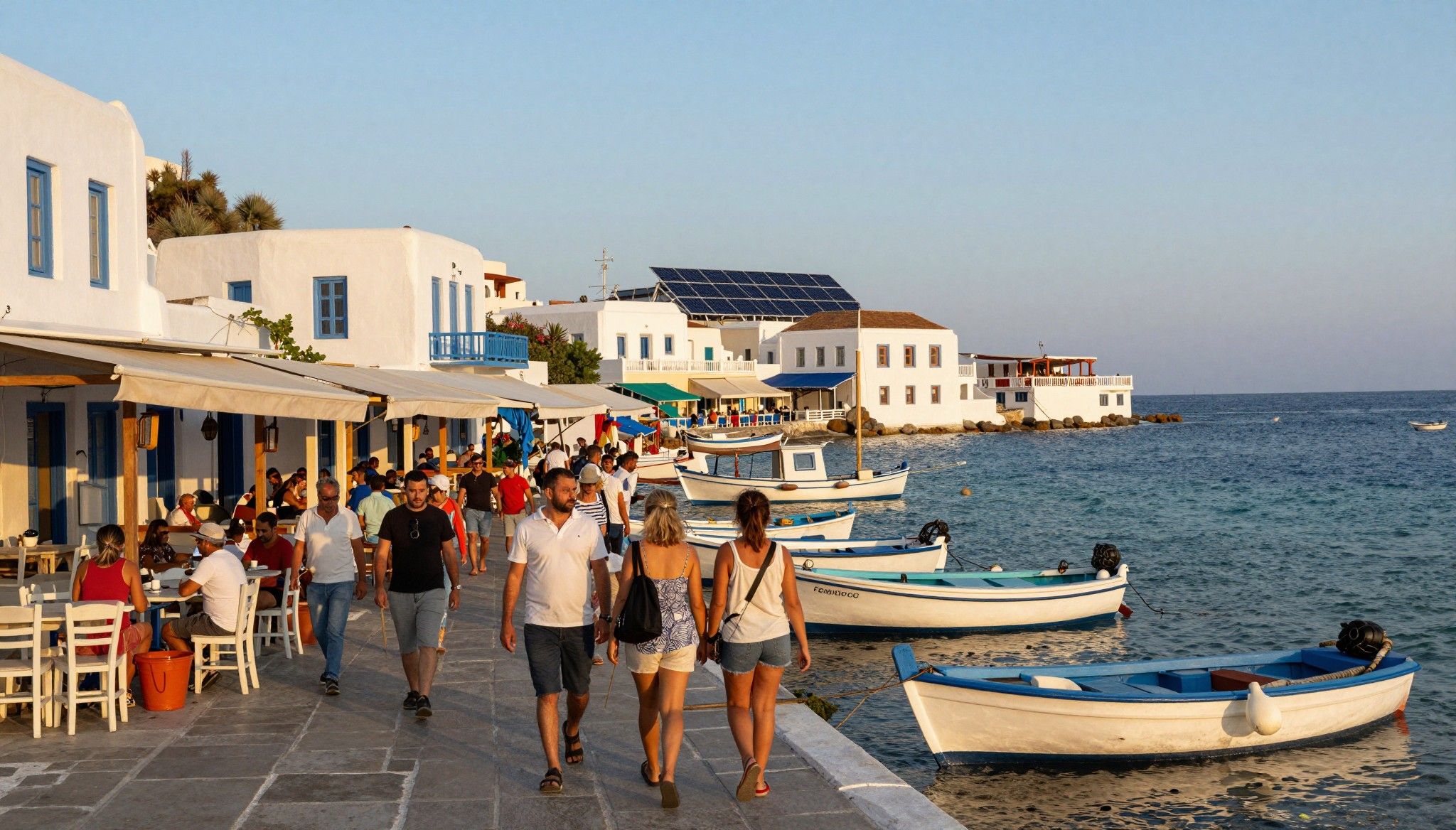
Learning a few phrases, attending the patron-saint festival, and shopping regularly at the same market stall open doors. Italians appreciate effort; reciprocity is daily and practical—neighbors swap produce, handymen arrive with stories as well as tools. Social life often happens outdoors: aperitivo on a sidewalk, communal pruning on a Saturday morning, or an evening passeggiata.
Longer-term living: stewardship and seasonal care
- 1. Plan for seasonal maintenance—roof checks in autumn, irrigation adjustments in summer. 2. Embrace low-impact landscaping: native Mediterranean species reduce water needs and support pollinators. 3. Consider rental strategy around local seasons (university terms, summer tourism) if you plan intermittent occupancy. 4. Build relationships with local craftsmen who can provide trustworthy, place-aware restorations.
Buying in Italy means claiming a rhythm more than a building: market numbers matter, but so do the olive trees that shade your terrace and the market vendor who remembers your name. Use the data—ISTAT’s house price updates and national market reports—to time offers and set realistic expectations, and pair that with agents who understand both permits and piazza life.
If you want both an ethical home and a life of seasons and craft, begin with visits in shoulder seasons, consult recent HPI data, and shortlist agents who show you both market comparables and local artisans. That combination—numbers plus neighbors—turns a property into a rooted life.
Ready to see Italy the way locals live it? Start by choosing two contrasting locations (one city, one rural), book short stays in each across two seasons, and ask prospective agents for at least one local renovation reference. Small steps like these bring the dream into practical reach.
British expat who traded Manchester for Mallorca in 2017. Specializes in guiding UK buyers to luxury Spanish estates with clear navigation of visas and tax.