Lived-In France: Lifestyle First, Buy with Purpose
Fall in love with life in France first, then let market data and local experts show how to buy sustainably — match rituals, seasons and eco‑upgrades to your dream.
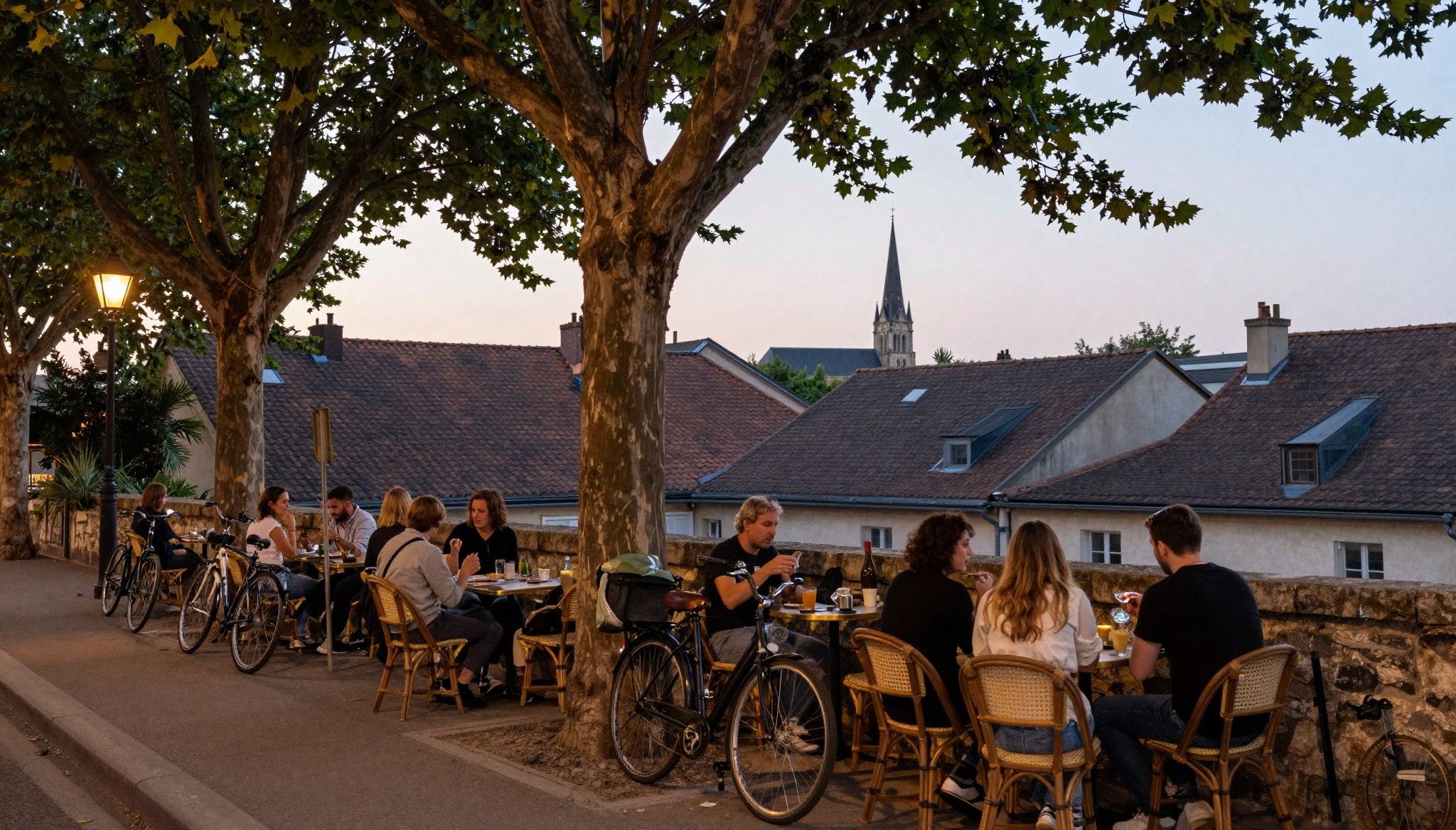
Imagine stepping out at dawn onto Rue Cler in Paris with the smell of freshly baked baguettes drifting from a corner boulangerie, or a late-spring evening in a sun-warmed courtyard in Aix-en-Provence where grape vines shadow a stone terrace. France moves at a seasonally attuned pace: market mornings for produce, long café lunches, and neighbourhood fêtes that stitch communities together. For international buyers drawn to this life, the decision to buy here is more than balance sheets — it is about a way of living that privileges slow food, local craft, and connection to landscape.
Living the French Life: Why it Feels Like Home
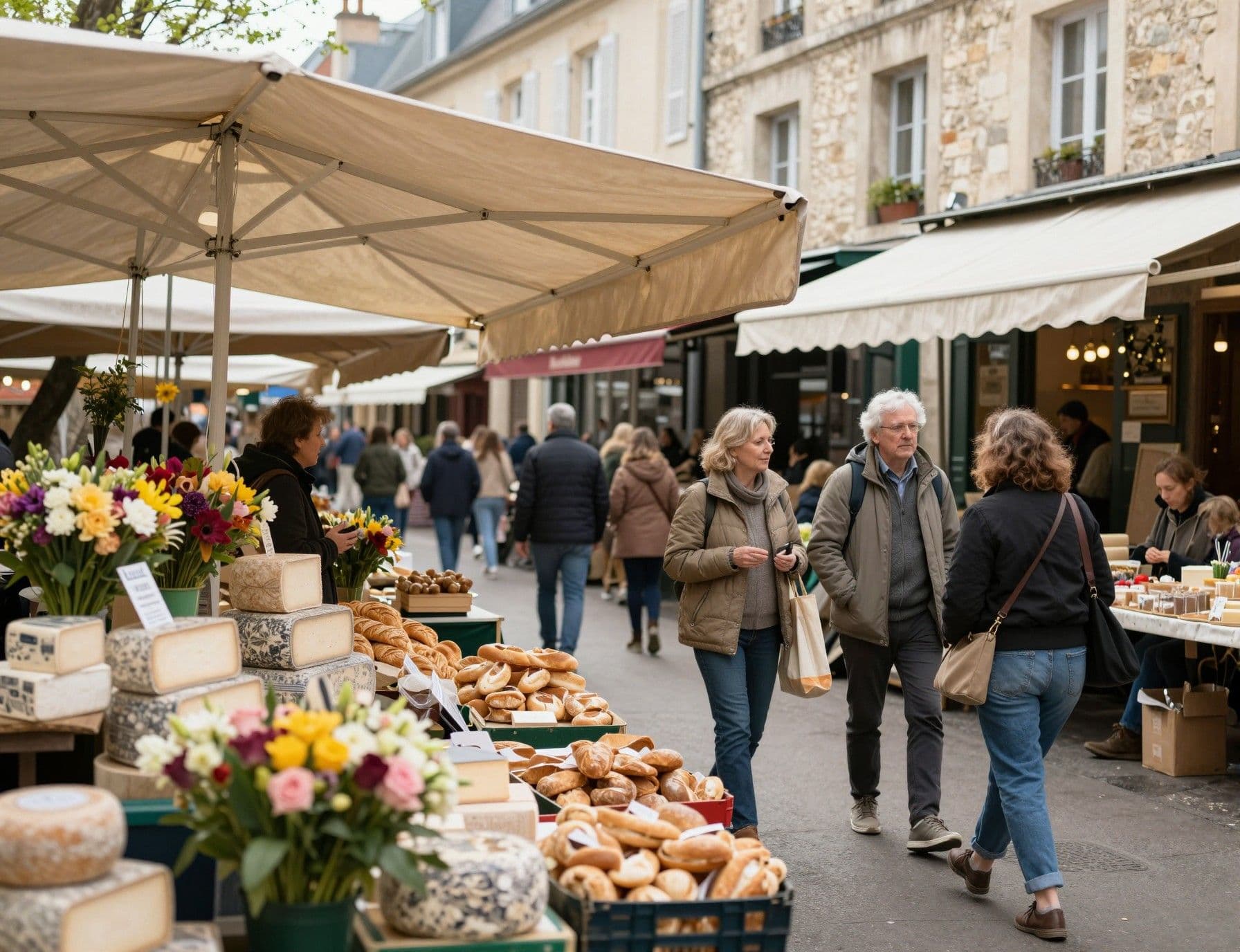
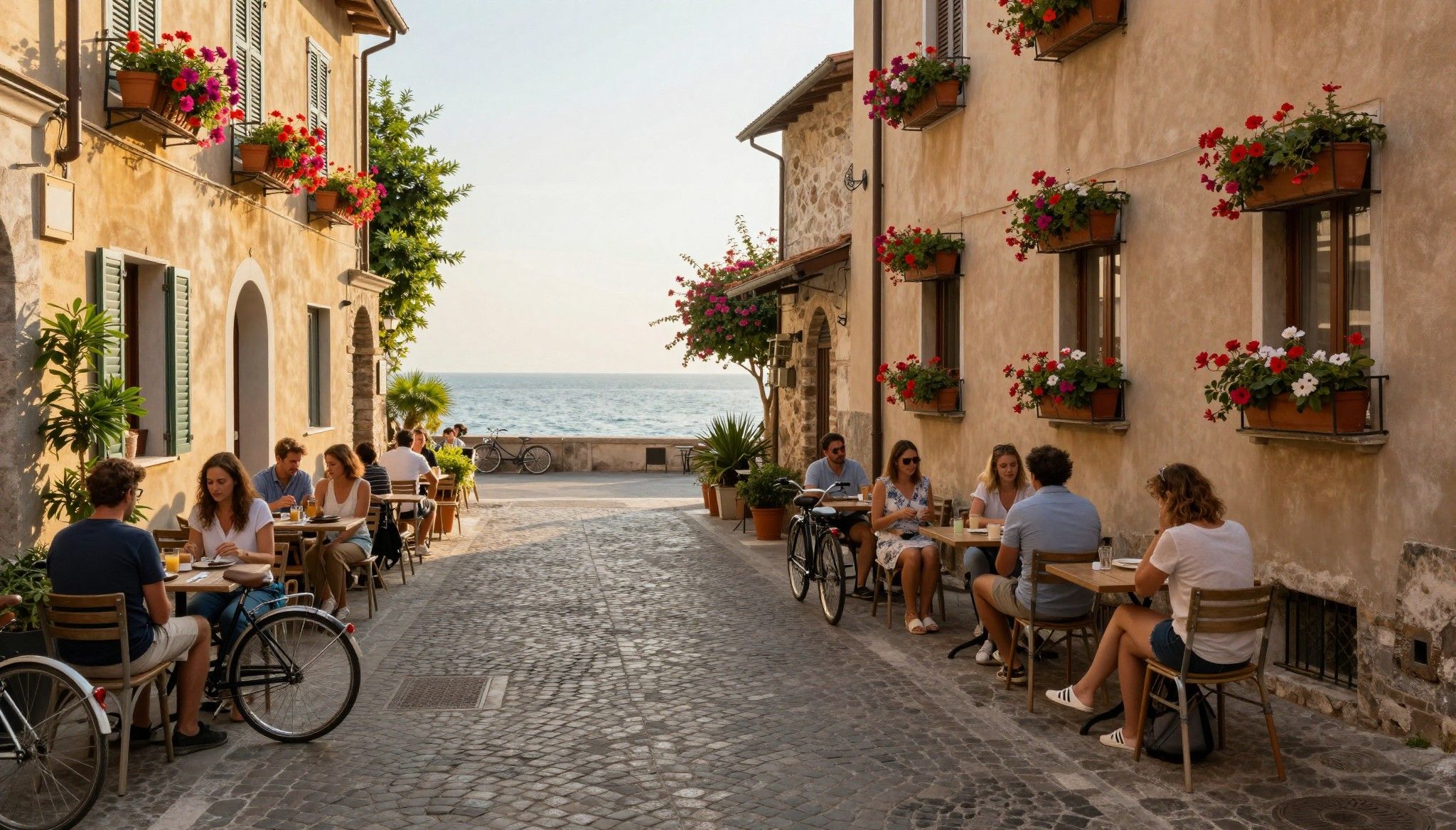
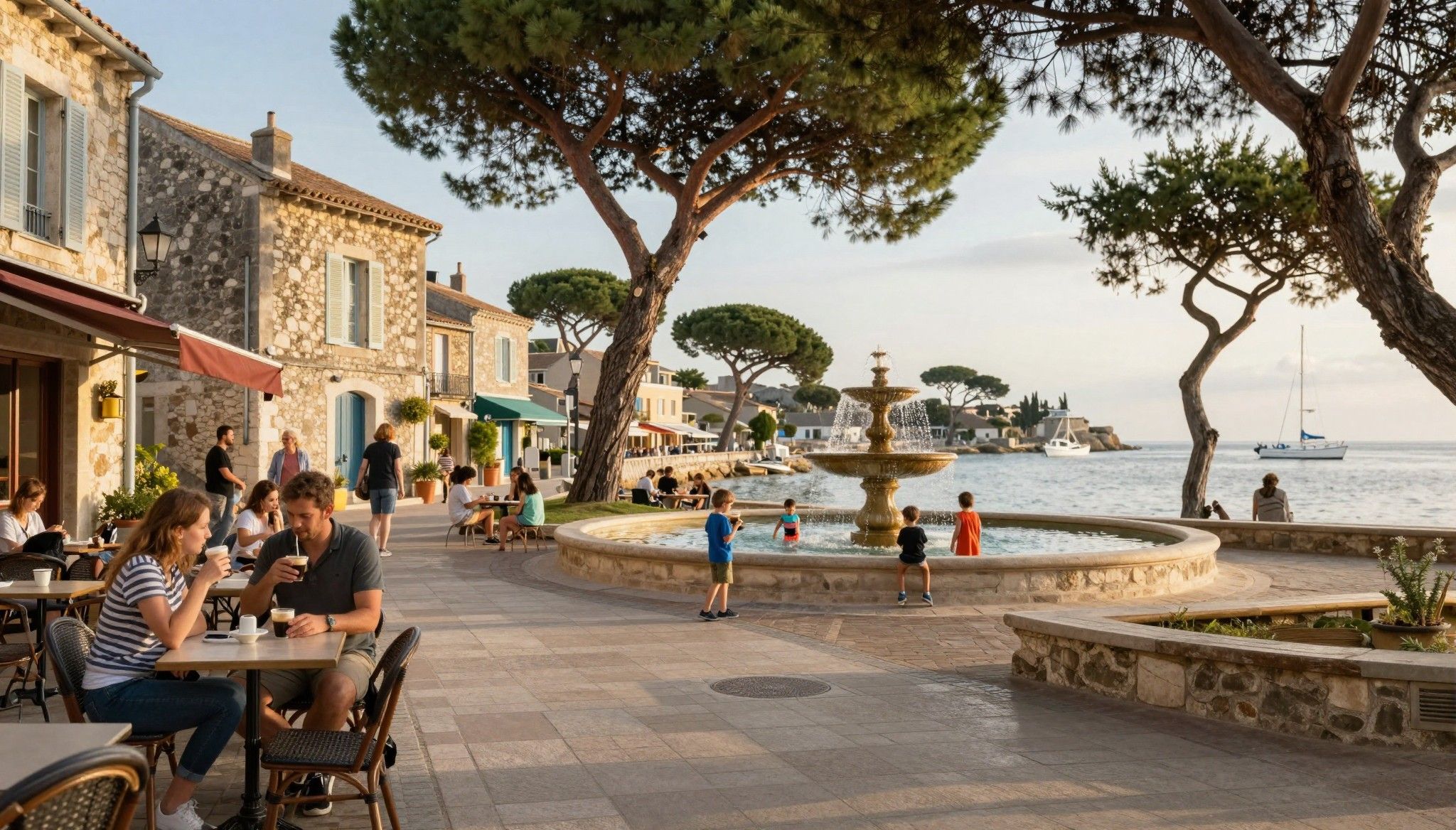
France is not a single mood but a collection of rhythms. In towns like Biarritz, mornings begin with surfers and boulangeries; in Lyon, food markets set the calendar; on the Côte d’Azur, late light and sea breezes shape outdoor living. Choose a village in Dordogne and you’ll learn the sound of the weekly market; pick an apartment on Rue de Bretagne in Paris and your day will be punctuated by independent shops and neighbourhood cafés. Each setting promises intimacy with place — stone, sea, vineyard, or forest — and a cultural emphasis on living well.
Neighbourhoods that teach you how to live
Le Marais (Paris) sings of narrow streets, small galleries and falafel counters; Saint-Rémy-de-Provence glows with Provençal light and market rhythms; La Rochelle’s harbour invites a salty, community-centred life. In Lyon, Croix-Rousse’s terraces and ateliers nod to slow craft; in the Luberon, hilltop villages reward patience with views and stone houses where lavender and solar tiles co-exist. These are places where architecture, food and daily rituals are inseparable from day-to-day living.
The tastes, sounds and seasons you’ll love
Think: morning markets piled with fromage and rosé, weekly brocantes where you haggle for a zinc table, and autumnal chestnut festivals. These rituals shape property decisions — proximity to marché squares, a kitchen big enough for a convivial dinner, or a garden ready for edible planting matter. Recent market notes from French notaries show a stabilising market in 2025, which matters: lifestyle choices and local rhythms often outlast short-term price moves, making location selection a long-game choice.
- Lifestyle highlights to match property choices: • Morning markets (Rue Cler, Paris; Cours Saleya, Nice) • Village fêtes and seasonal harvests (Provence, Dordogne) • Coastal morning routines (Biarritz surf to seafood lunch) • Urban cafés and afternoon passeggiata (Lyon’s Presqu’île) • Vineyard weekends (Bordeaux outskirts, Languedoc) • Outdoor living spaces (terraces, courtyards, shaded gardens)
Making the Move: Practical Choices that Protect the Lifestyle
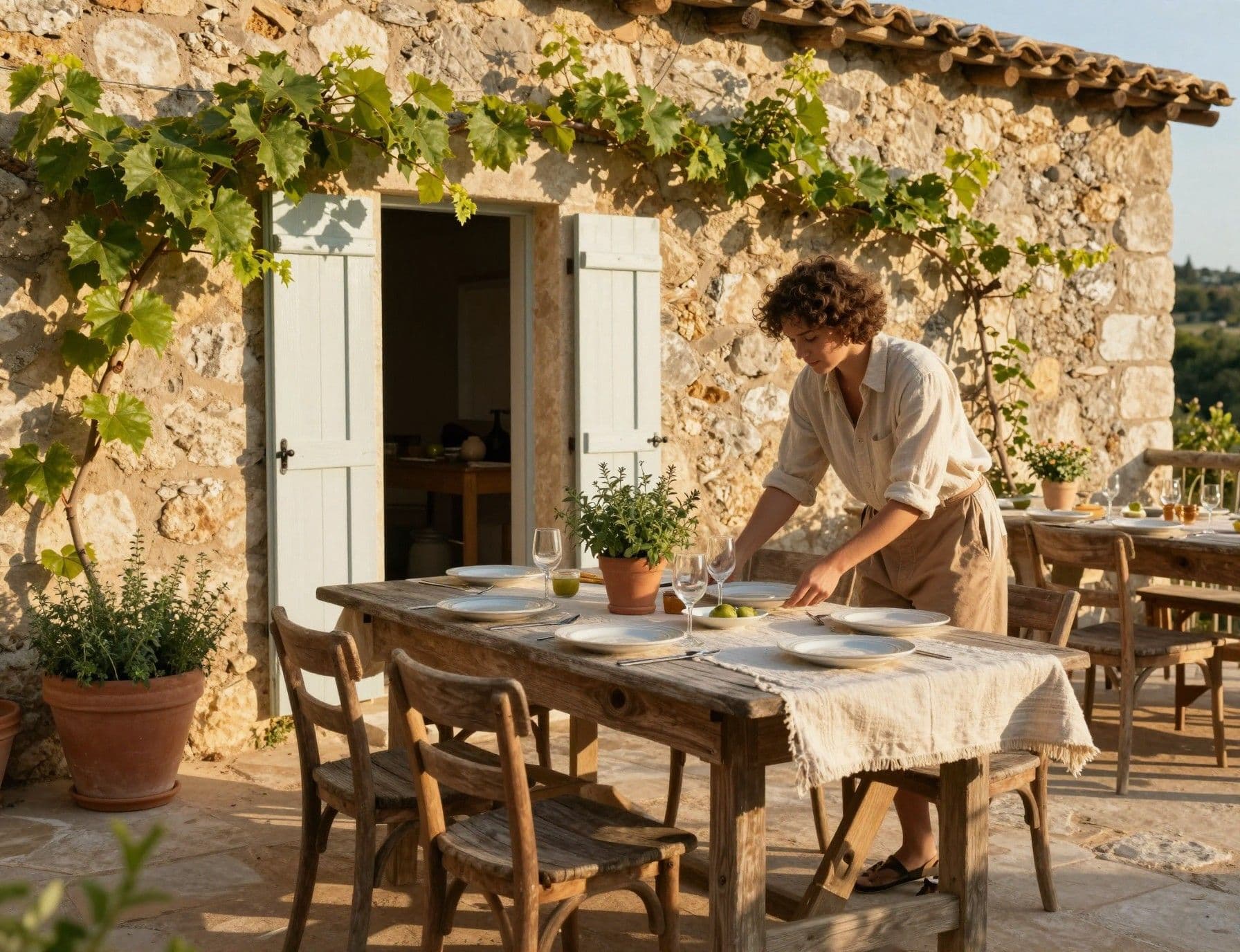
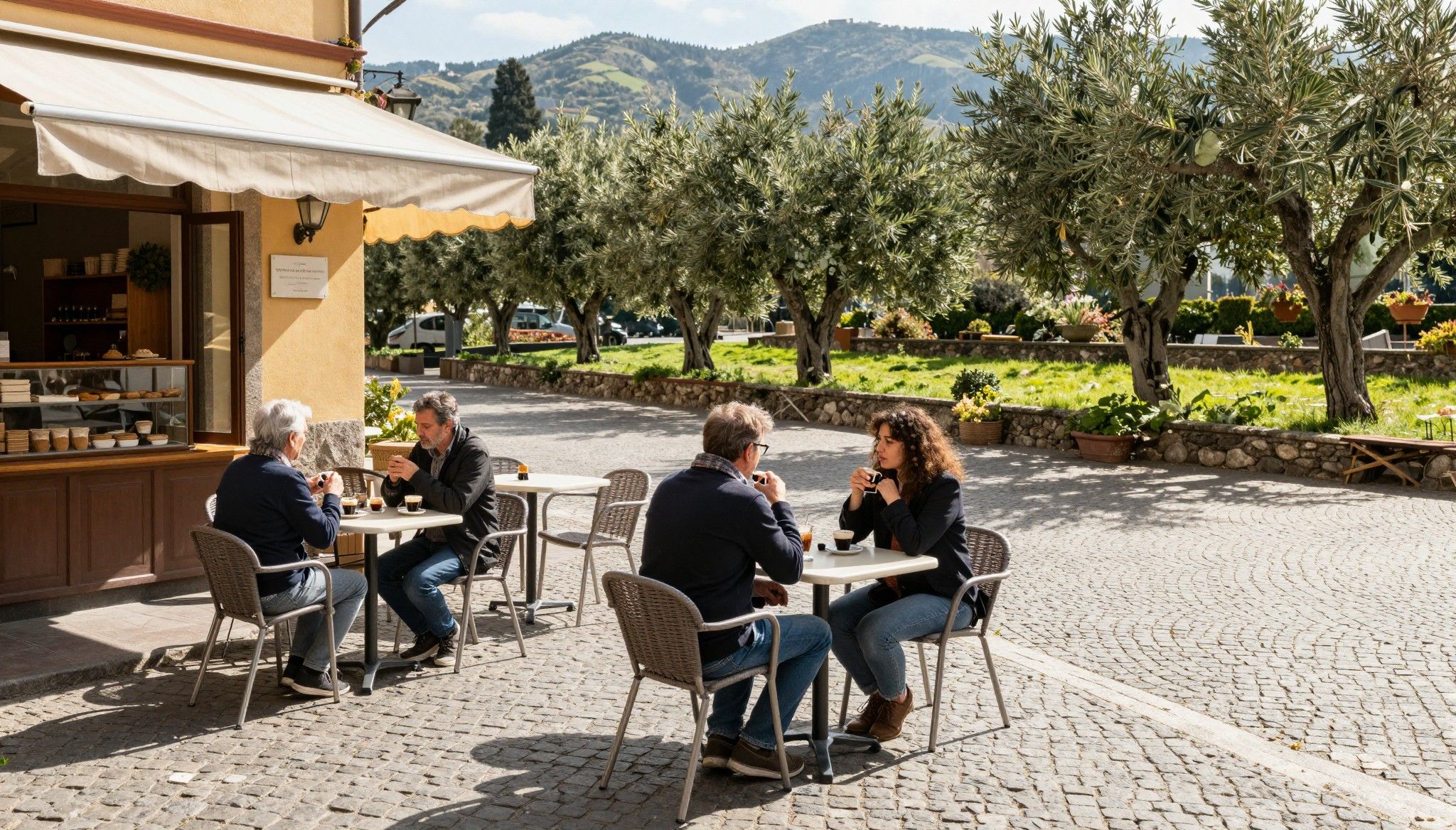
Your lifestyle brief — an olive tree in the courtyard, a summer kitchen, short walks to market — will determine the technical choices you make. National statistics show prices stabilised and even ticked up slightly in 2025–26, meaning timing and region matter: rural bargains exist, but demand in coastal and alpine hotspots is firm. That reality should push you toward a pragmatic, sustainability-first checklist: how energy-smart is the home, what landscape stewardship is possible, and which neighbourhoods actually support your daily rituals?
Property styles and how they shape life
A stone mas in Provence invites slow afternoons, vegetable plots and passive cooling; an Haussmann apartment offers light, high ceilings, and proximity to cafés but often limited outdoor space. New builds near Toulouse or Nantes may include heat pumps, high insulation and PV pre‑wiring — practical wins for lower bills and ecological impact. Match property type to how you want to live: do you need room for community dinners, a workspace with fast internet, or a garden for pollinators?
Work with local experts who understand place
Find an agent who speaks your language and lives the local life: they’ll point you to properties that keep you close to markets, trails, or schools. Notaries (notaires) and local architects are essential for older homes: ask whether stone walls are breathable, whether the roof has insulation, and how easily a property can accept solar panels or a rainwater tank. The right local team helps you preserve the lifestyle you pictured while avoiding costly surprises.
- Practical steps to marry lifestyle with purchase: 1. Draft a lifestyle brief listing morning routines, weekly rituals and must‑have outdoor features. 2. Use that brief to screen regions and neighbourhoods with an agent who knows micro‑areas. 3. Request an energy diagnostic (DPE) and ask for recent utility bills or retrofit records. 4. Check planning rules with the mairie if you plan landscaping, PV, or extensions. 5. Budget for seasonal costs (winter heating, summer water) and modest renovations for comfort and efficiency.
Insider Knowledge: What Expats Wish They’d Known
Here’s the honest talk expats share after a year in France: language opens doors, neighbourhood rituals matter more than glossy listings, and seasonal realities change use of space (a terrace is summer’s living room; insulation is winter’s salvation). Many buyers fall in love with a town in high season but are surprised by quiet winters. Choosing a community with year‑round life keeps you engaged and helps steward local ecology.
Cultural cues that change where you buy
The unspoken rules — shopkeepers’ opening hours, the importance of saying bonjour, neighbourhood committees (comités de quartier) — influence daily comfort. In many villages, the mairie’s goodwill matters for small planning permissions; being an engaged neighbour counts. Learn a few phrases, attend a market and join a local association: these simple moves accelerate integration and protect your investment through community support.
The longer view: property in France is often a stewardship choice rather than a short-term flip. Recent reporting describes a stabilising market in 2025–26, and local policy (urban renovation plans, incentives for energy retrofits) will shape returns and living costs. If you plan to rent, expect regionally varied demand: alpine chalets and Riviera apartments rent strongly in season, while well-connected provincial towns show steadier year‑round occupancy.
- Red flags and smart checks before you bid: • No recent DPE or concealed heating invoices — ask for documentation. • Roof and masonry that haven’t been inspected — these are common costs. • Properties in purely seasonal hamlets without year‑round services. • Strict protected-area rules (ABF/Architectes des Bâtiments de France) that limit retrofits. • Missing water access or weak internet if remote work matters.
Conclusion: France rewards patience. A move here is as much about committing to a seasonal, community-rooted life as it is about bricks and tiles. Start with a sensory map of how you want to live, overlay market data and local advice, and prioritise homes that offer both ecological resilience (good insulation, potential for solar, rainwater capture) and proximity to the rituals you crave. A local agent and notaire who share your eco-values will help protect that life in legal and practical terms.
Swedish advisor who left Stockholm for the Costa Brava in 2019. Specializes in sustainable, sea‑view homes for Scandinavian buyers and green finance insights.