Permit Pitfalls, Green Renovations & French Life
Fall in love with France’s daily rhythms — then protect that life with targeted due diligence: permits, DPE rules, mairie checks and green renovation plans.
Imagine morning light on limestone facades, a market stall piled with chèvre and figs, and the hush of a village square after lunch. That sensory life — market chatter, late-afternoon cafés, sea-breezes or the hush of chestnut woods — is what draws many of us to France. But behind those luminous scenes are essential permit checks, energy rules and local customs that shape whether a house can truly become your home. According to recent INSEE data, prices and regional trends are shifting, and smart buyers pair that romance with careful due diligence. https://www.insee.fr/en/statistiques/8595552
Living the French Life: Rhythm, Places, and Practical Charm
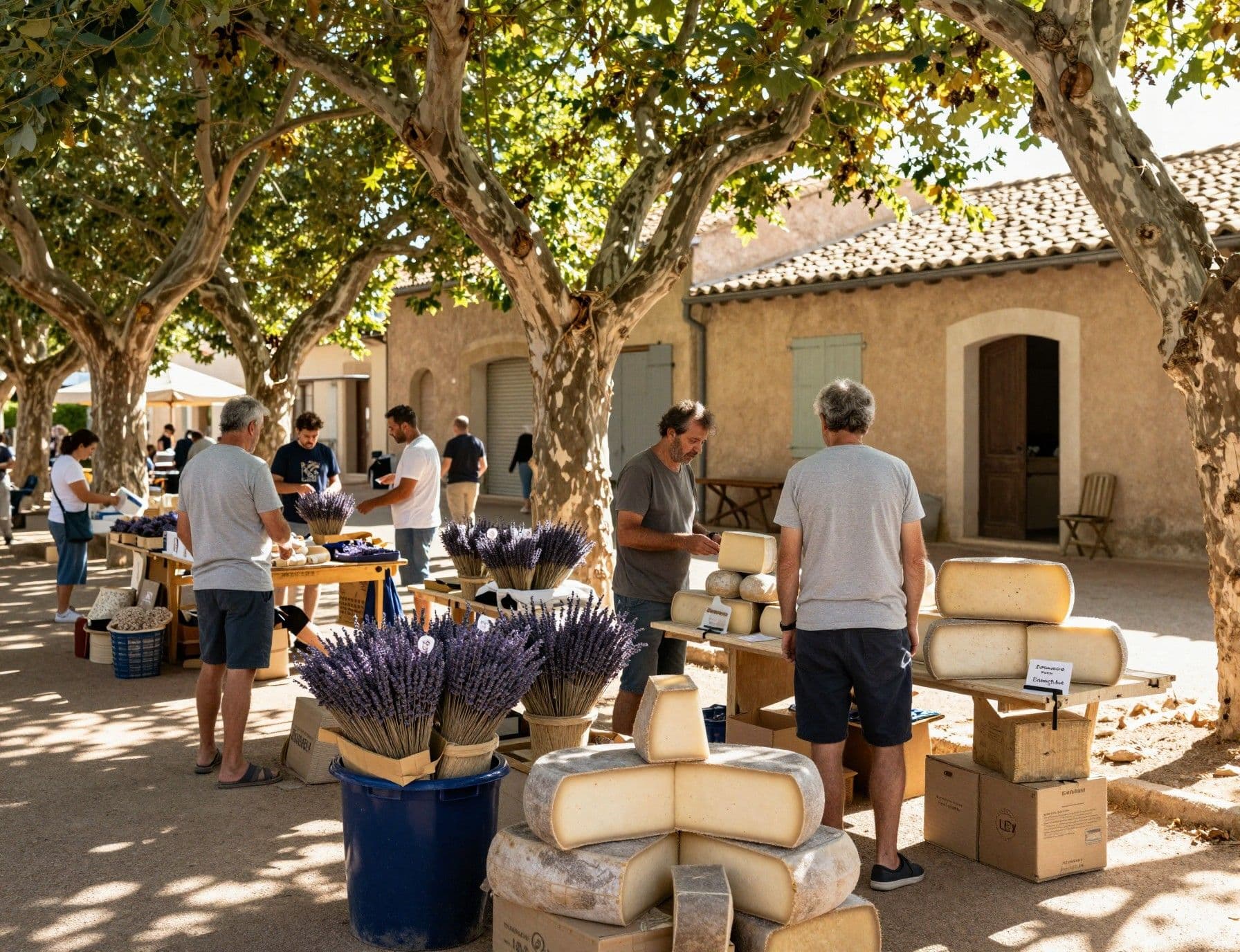
France is not one mood but many: Parisian mornings of espresso and newspapers; Provençal lavender afternoons and open-air markets in Aix-en-Provence; long beaches and surf culture in Biarritz; and the mossy stone lanes of Dordogne where neighbours trade walnuts and advice. These rhythms influence the kind of property you want — a courtyard apartment in Le Marais offers a different daily ritual than a stone mas in the Luberon with a spring-fed garden. As you daydream, picture the everyday: where you buy bread, where you meet friends, and how sunlight moves through your rooms.
Neighbourhood Spotlight: Paris, Provence, and the Atlantic Fringe
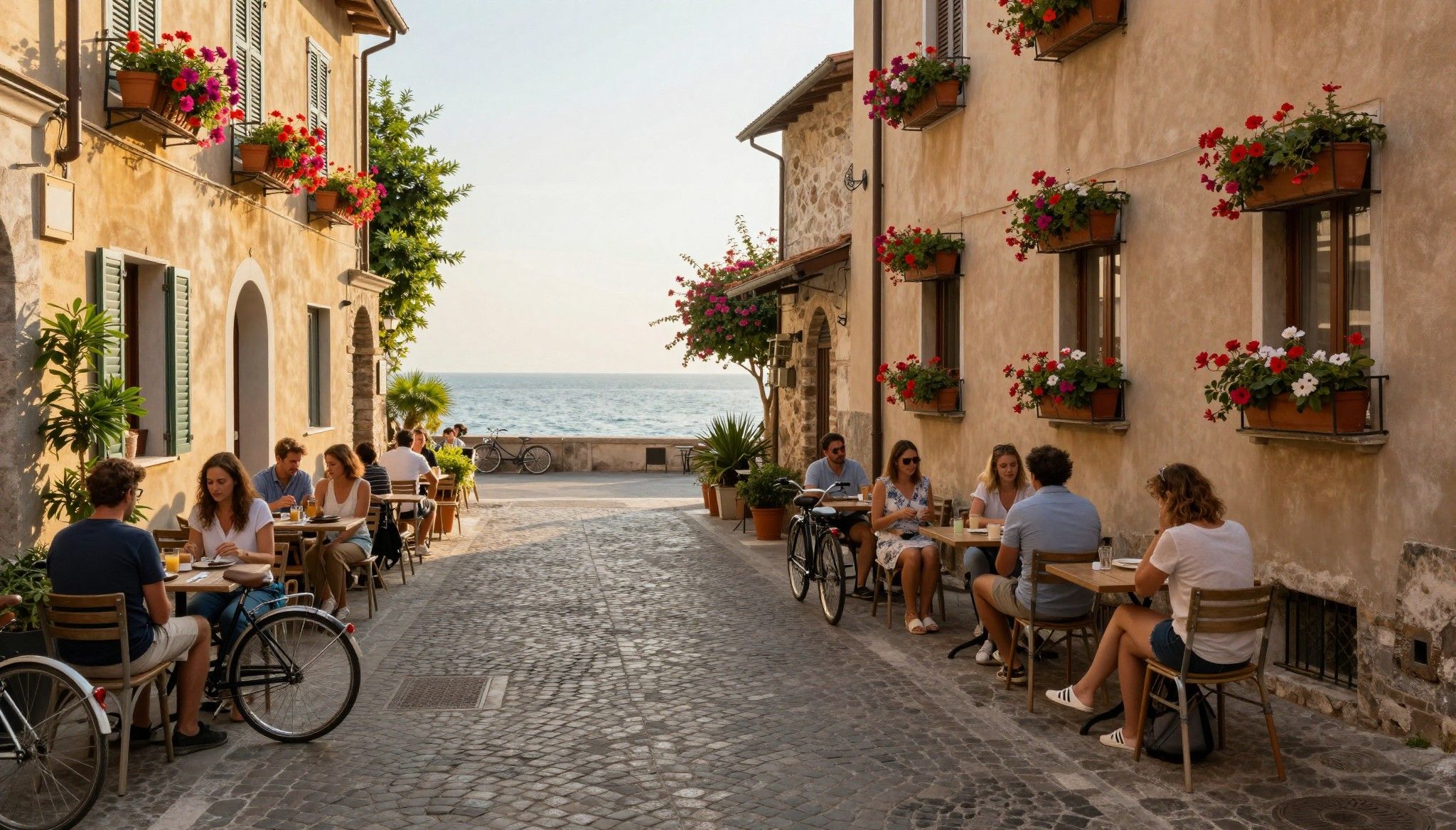
In Paris, streets like Rue des Rosiers or the cafés around Canal Saint‑Martin hum year‑round; you’ll trade morning calm for late‑night cultural choice. In Provence, towns such as Aix and Lourmarin centre life around markets (Marché d'Aligre in Paris is another sensory anchor) and terraces. On the Atlantic coast, towns from Biarritz to La Rochelle mix surf culture with seafood markets and a practical respect for coastal exposure. These local characters shape everything from insulation needs to permission rules for seaside extensions.
Food, Market Life and Seasonal Habits
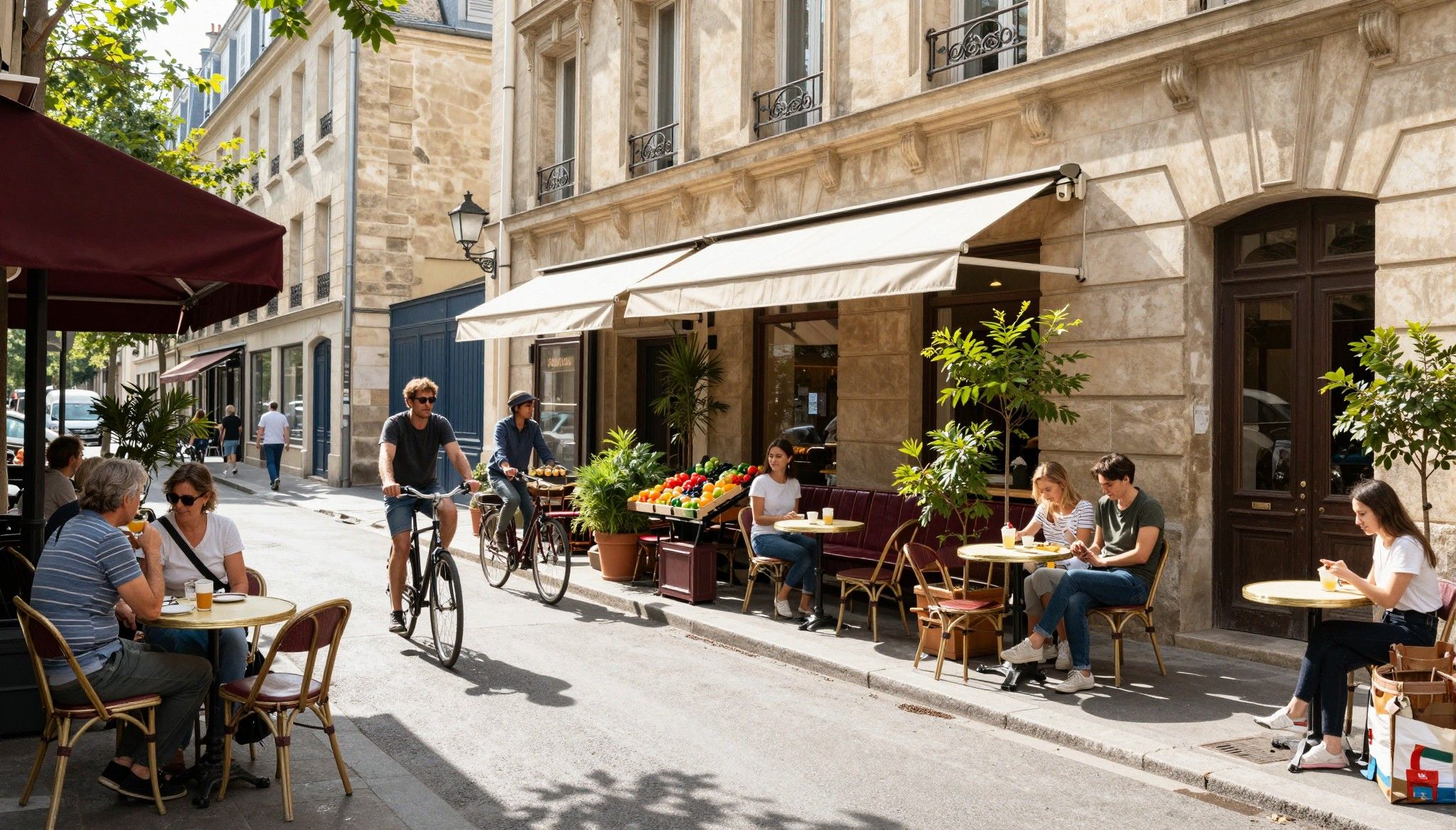
A day in a French town: morning at the marché buying fruit from a known producer, a light déjeuner at a café (salade niçoise or tartine), repair shop visits where the maître knows your name, and evening aperitifs in a sunlit square.
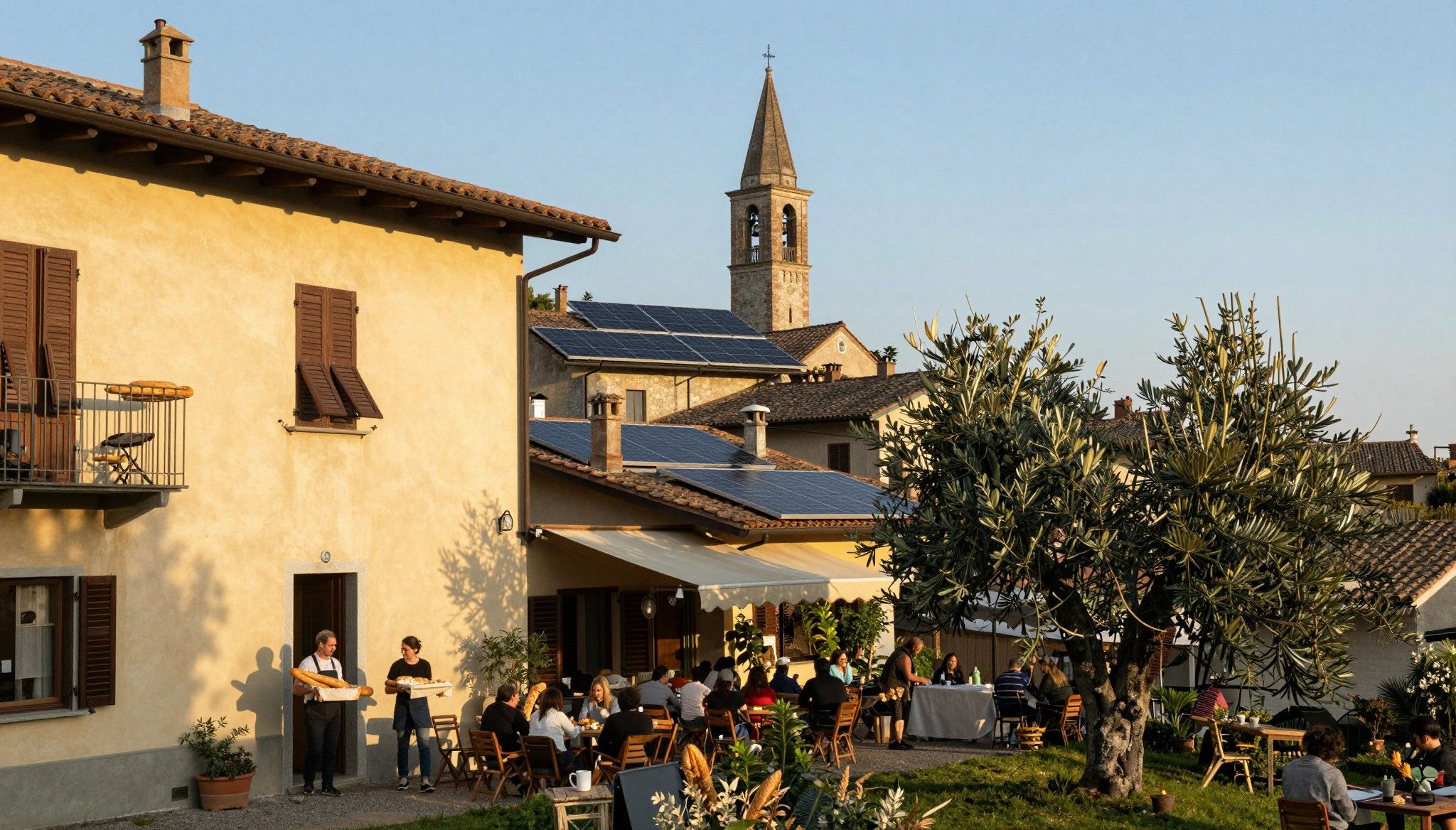
Local favourites to seek out: Café de Flore (Parisian ritual), Marché d'Aligre (fresh produce and character), a quiet lane in Sète for seafood, the farmhouse bakery two villages over in Dordogne for morning bread.
Making the Move: Practical Considerations & Local Rules
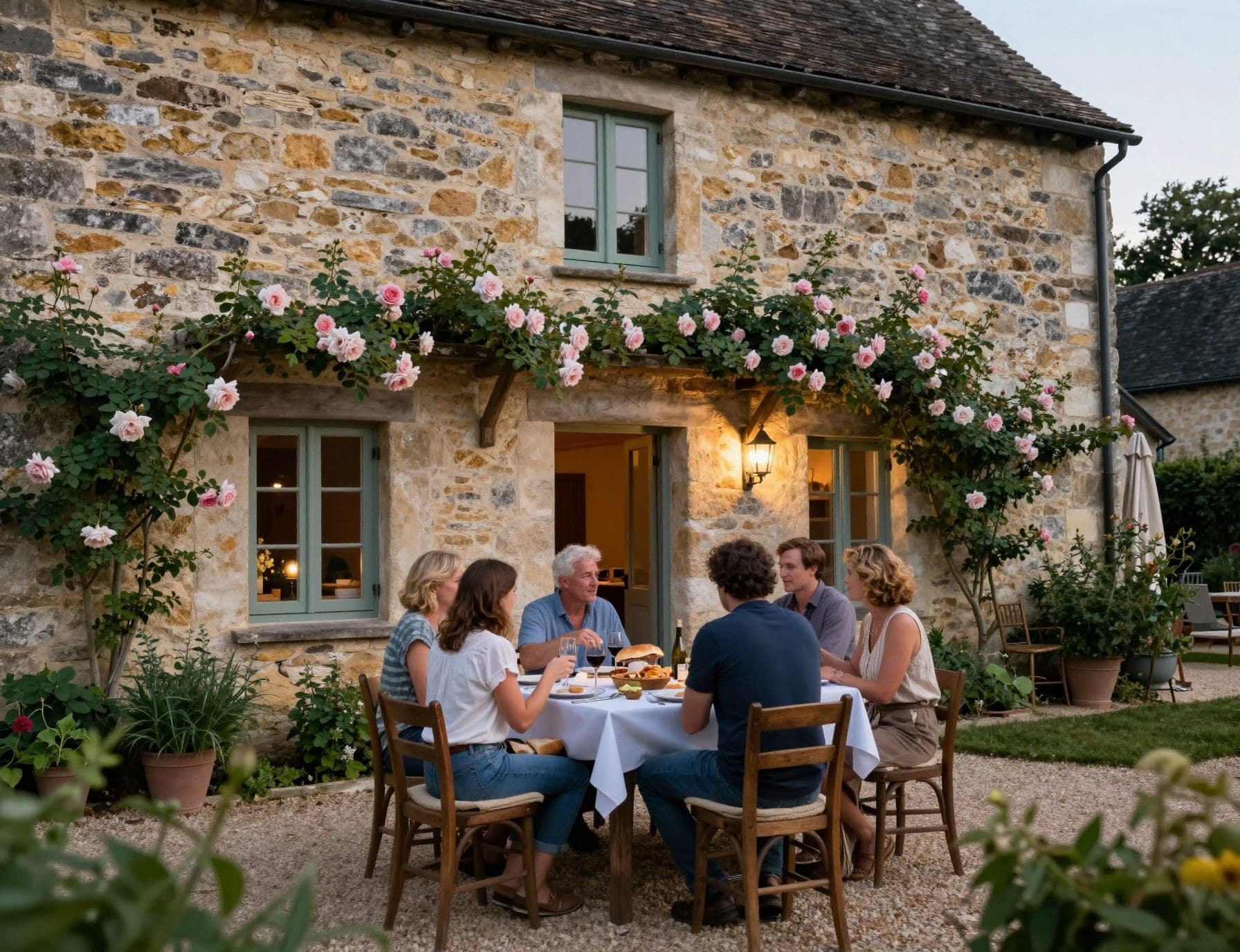
The romance of place is best paired with a map of regulations. National datasets and notarial reports show that price momentum varies by region — Paris and many large cities have stabilised after recent dips, while coastal and western cities saw renewed interest. Local plans, energy rules and heritage protections are the practical truth behind charming façades. Read notarial summaries early: they reveal local price maps and transaction volumes that matter for offer strategy. https://www.notaires.fr/en/housing-tax-system/french-property-market/french-property-market-reports
Property types and what they really offer
From Parisian Haussmannian flats to rural longère farmhouses, each type demands different due diligence. Old stone houses often have thick walls and low heating needs but may require major roof or insulation work. New builds offer modern efficiency but can feel detached from village life. Coastal homes face salt air and stricter coastal planning (Littoral law) that limit extensions. Match property type to how you want to live, then check the permit history and recent renovation receipts before you fall in love.
Working with local experts who know both lifestyle and regulation
1. Ask for a local notaire to explain title history and servitudes (easements); they hold the deeds and can flag hereditary constraints. 2. Hire an architect or chantier maître for renovation estimates and to check if planned work needs a permis de construire or déclaration préalable. 3. Verify energy certificates (DPE) and recent compliance steps — from 2025 certain low-rated properties face rental restrictions, which affects resale value. https://www.insee.fr/en/statistiques/8595552
Insider Knowledge: Red Flags, Local Customs and Green Renovations
Expats often learn the same lessons: the neighbour with a key to the village well, the mairie (town hall) that grants or refuses small permits based on local aesthetics, and the unexpected cost of making an older home energy‑safe. Local customs matter: in some villages, neighbours must be consulted before visible changes. Where possible, speak to the mairie early — small towns keep local plans (PLU/Carte Communale) that determine what you can build or change. These steps both protect your lifestyle and reduce costly surprises. https://www.lemonde.fr/en/money-investments/article/2026/03/10/large-french-cities-see-prices-rise-again-as-house-prices-surge_6751268_102.html
Cultural integration and everyday living
Learning a few phrases, showing up at the bakery, and being patient with municipal timelines pays social dividends. Join a local association (associations are the backbone of village life) and consider seasonal rhythms: many shops close in August and life slows, which is part of the charm but also means you must plan inspections or bureaucracy outside holiday windows.
Sustainability-focused red flags to watch
Poor or missing roof maintenance (water damage hidden under tiles); G-rated DPEs if you plan to rent (new rental bans affect marketability); unpermitted extensions visible from the street (mairie can force removal); lack of documentation for septic systems in rural properties.
1. Order a full property dossier from the notaire early. 2. Commission an independent technical survey (diagnostics: lead, asbestos, termites, DPE, sewage). 3. Get written estimates for green upgrades (insulation, heat pumps, solar) and confirm whether subsidies or MaPrimeRénov apply to the commune. 4. Check the PLU at the mairie and ask about future municipal projects that might affect light, view or traffic.
Longer term, properties that embrace passive measures (thick walls, south-facing living rooms, mature trees for shading) and active renewables (solar with feed‑in documentation, modern heat pumps) tend to hold value as regulation tightens. Think of your purchase as joining an ecosystem: neighbour relationships, local planning, and ecological state of the house matter as much as the view.
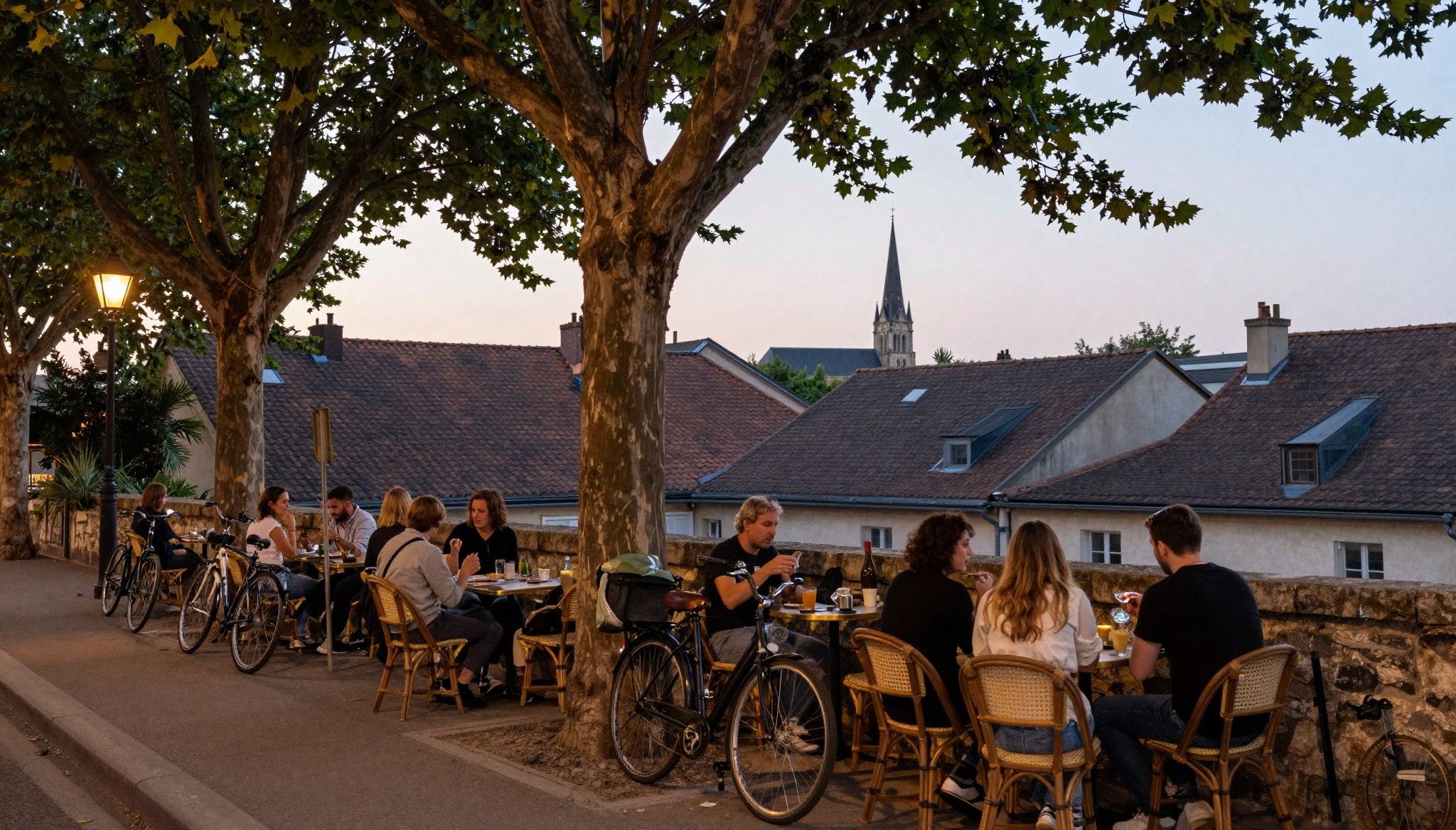
When you picture life in France after the move — Sunday market, a wood-fired oven, bicycles by the square — keep a practical ledger beside the dream. Start with a notaire, an architect, and a sympathetic local agent who understands Permis de Construire, DPE rules and the village mairie. Those early conversations save months and guard the life you imagined.
Begin with three small, decisive actions: request the notarial dossier, schedule a technical diagnostic, and visit the mairie before signing anything. These steps protect both the dream — that morning café, the garden harvest, the evening light — and your investment in a way that honours local ecology and community. If you’d like, we can connect you with Moss & Hearth partner agents in France who specialise in low‑impact renovations and mairie negotiations.
British expat who traded Manchester for Mallorca in 2017. Specializes in guiding UK buyers to luxury Spanish estates with clear navigation of visas and tax.