Greece’s Verdant Coast: Expensive? Think Again
Greece’s forested coasts pair rugged beauty with practical buying opportunity—post‑policy shifts, value hides in lesser‑known green corridors and thoughtful stewardship matters.
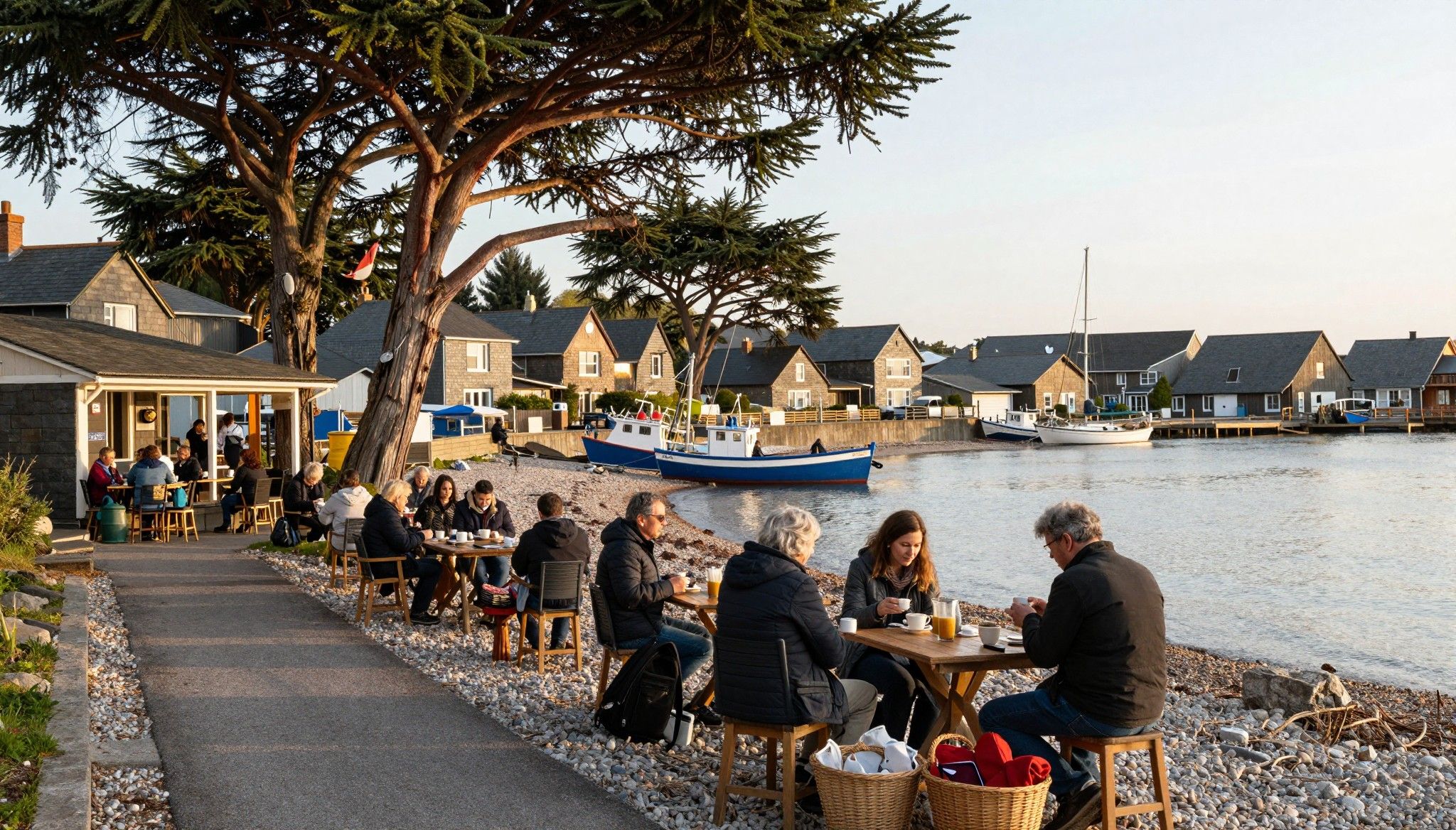
Imagine waking to the hush of a pine-scented ridge, then cycling down to a stony cove where sea and forest meet. In Greece that meeting is literal: verdant mountains push right to rugged coastlines, and small towns stitch together forest trails, seaside tavernas and orchards. For international buyers drawn to green living—natural materials, passive cooling, and homes that feel part of the ecosystem—Greece’s quieter coasts and forested peninsulas promise a life that’s tactile, seasonal and deeply rooted. But the market story—prices, residency rules, and where value still exists—has shifted recently; sensible buying now pairs sensory delight with a little local homework.
Living the Greek Verdant-Coast Lifestyle
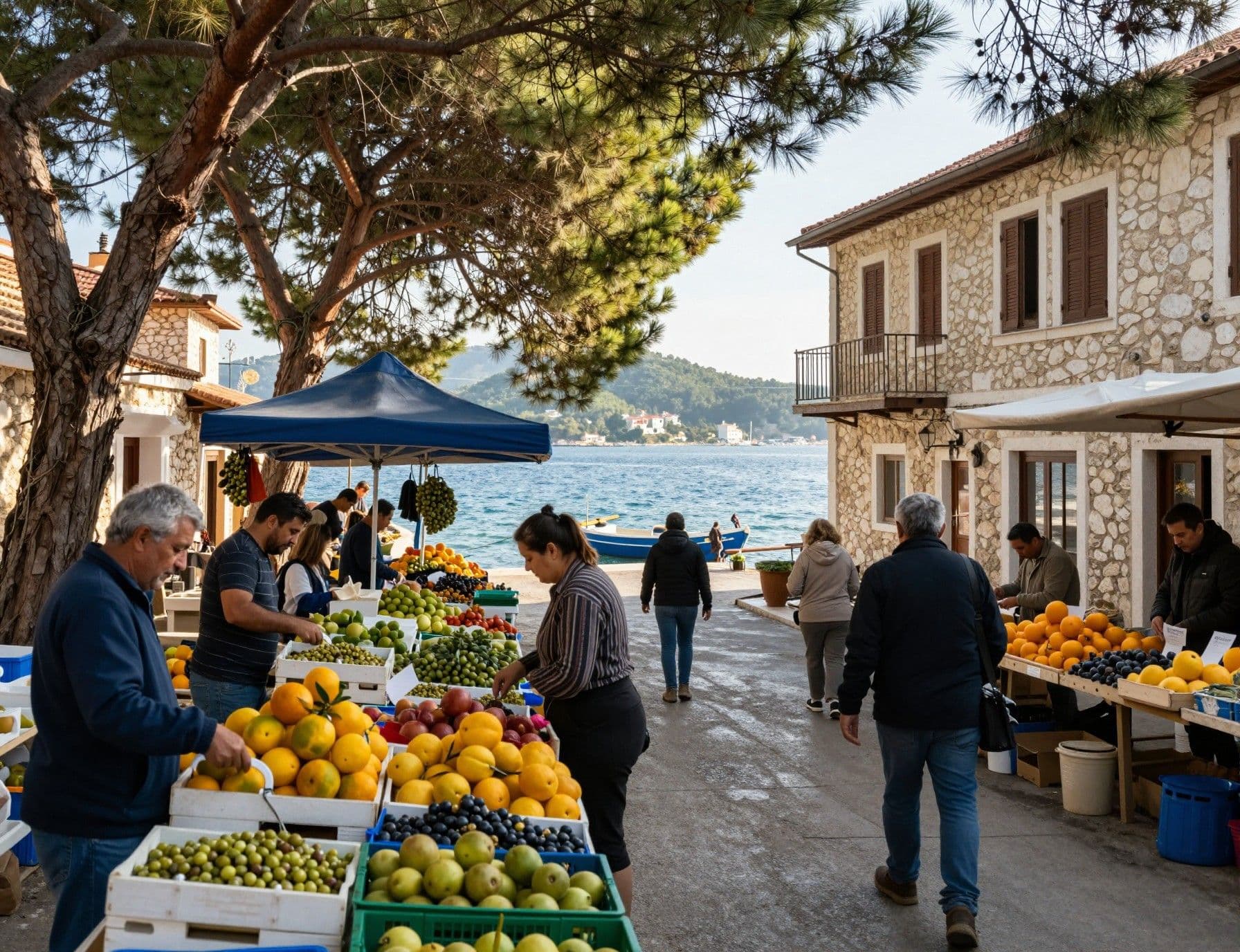
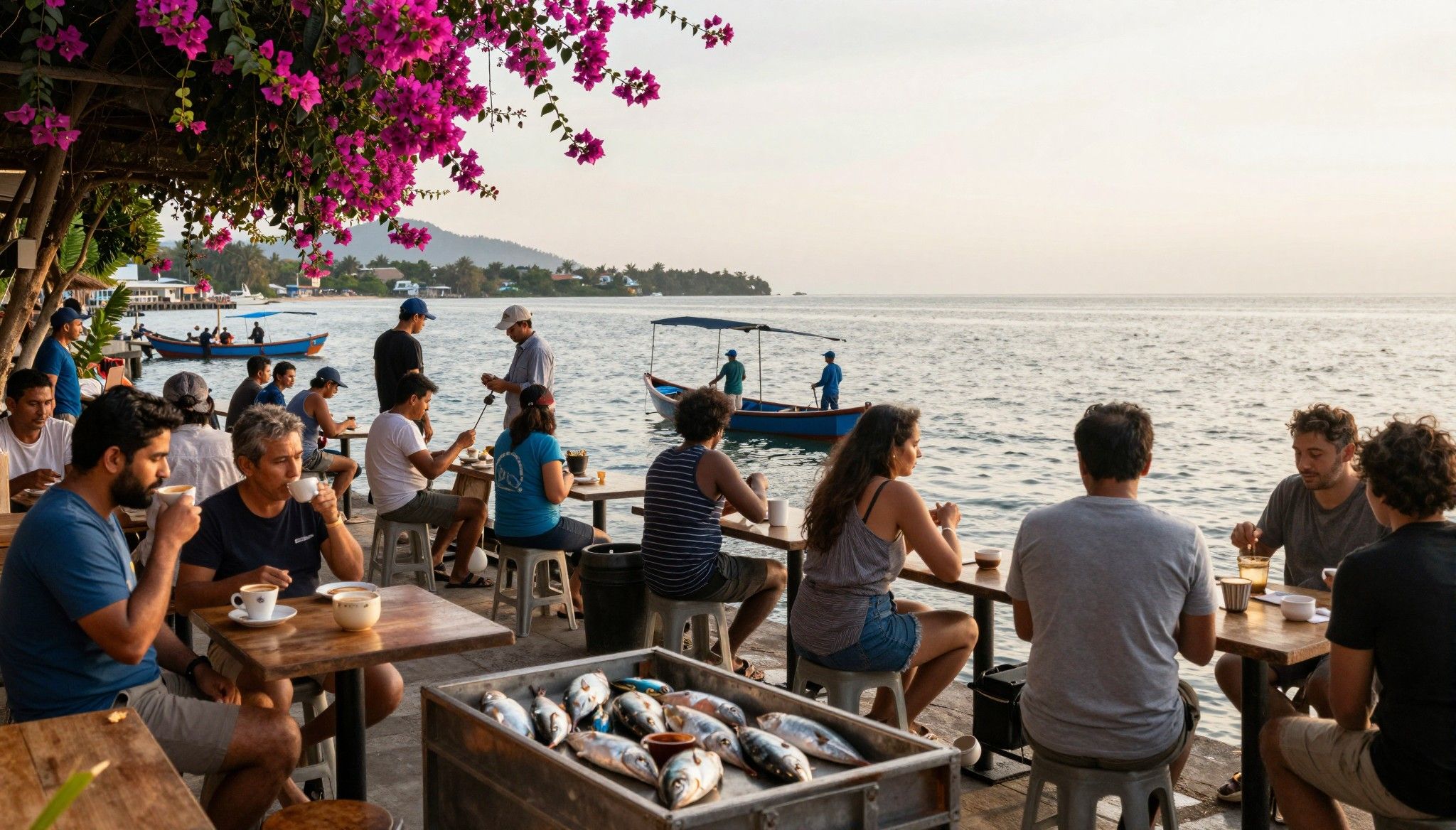
Morning life in these regions is small and textured: merchants laying out olives at the Parga market, fishermen hauling nets in Ermioni, shepherds’ dogs padding along stone lanes in Pelion. Days are set by sun and sea—coffee at 9 a.m., an afternoon siesta or hike through scented cedar groves, then an evening of long plates and local wine. Neighborhoods are not anonymous; you’ll learn the baker’s hours on Agias Marinas street or which corner near the port keeps the last light for reading. That intimacy shapes the experience—and the type of home you want: a courtyard house sheltered by trees, or a stone villa with a living green roof that cools the house naturally.
Spotlight: Pelion, Mani and Zagori — very different greens
Pelion’s chestnut forests and traditional stone mansions feel like a summer-long hymn to slow living; its harbors—Milina, Kala Nera—pair fishing harbours with hidden coves. Mani, on the Peloponnese, offers scrubby, dramatic landscapes where tower-houses cling to limestone and the sea is a raw, salty presence—perfect if you want rugged privacy. Zagori (Epirus), by contrast, is alpine: slate bridges, river gorges and villages that vanish under autumn mist. Each region gives different green comforts—microclimates, rain patterns and building traditions that should shape your search.
Food, market life and the small rituals
Days here orbit food: citrus groves in Corfu, wild greens in Mani, honey and thyme from upland beehives. You’ll shop from producers at local markets, learn which kafeneio keeps a late pot of boiled chickpeas, and trade recipes with your neighbour. Those small connections are why many buyers choose properties with garden space or terraces for seasonal growing—valuable both for lifestyle and for cutting running costs by growing herbs, salad greens and lemons.
Lifestyle highlights buyers often seek
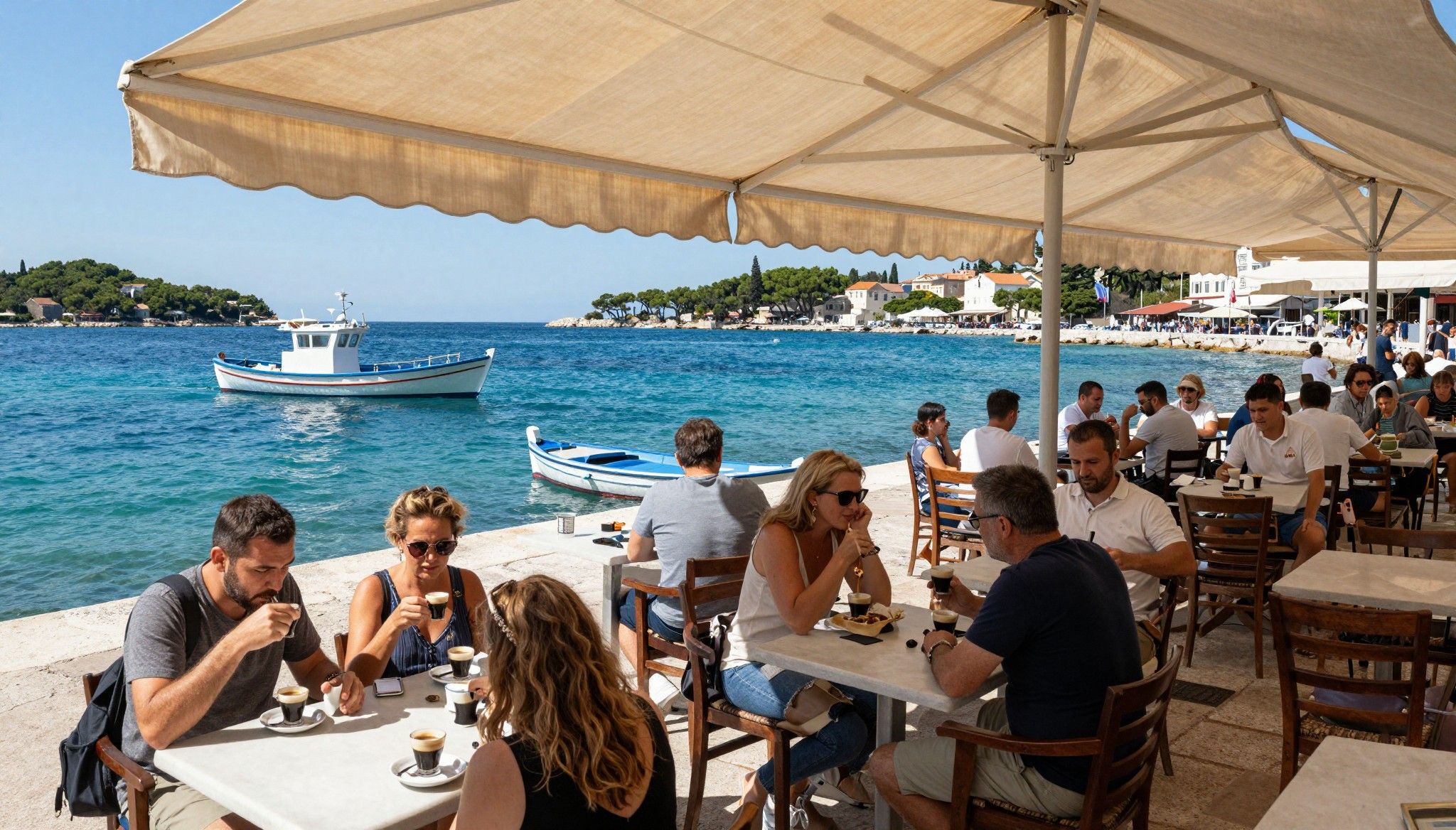
- Daily espresso culture in village squares (look for places with a steady local crowd rather than tourist hotspots)
- Short coastal hikes connecting olive groves to pebble beaches—useful when you want both swimming and woodland walks
- Seasonal farm-to-table meals and small producers (seek properties near active markets or with existing terraces for growing)
Making the Move: Practical Considerations (with a green lens)
Loving the lifestyle is the easy part. Recent analysis shows sustained price growth in many coastal and urban pockets, but also that value still exists in lesser-known green corridors where demand is selective rather than speculative. Government and market shifts—most visibly the Golden Visa reforms—have changed demand patterns; higher thresholds for high-tourism islands have nudged investors toward mainland coastal towns and forested peninsulas. That means pragmatic buyers can still find houses with space, land and sensible prices if they look beyond headline hotspots.
Property styles that fit a verdant life
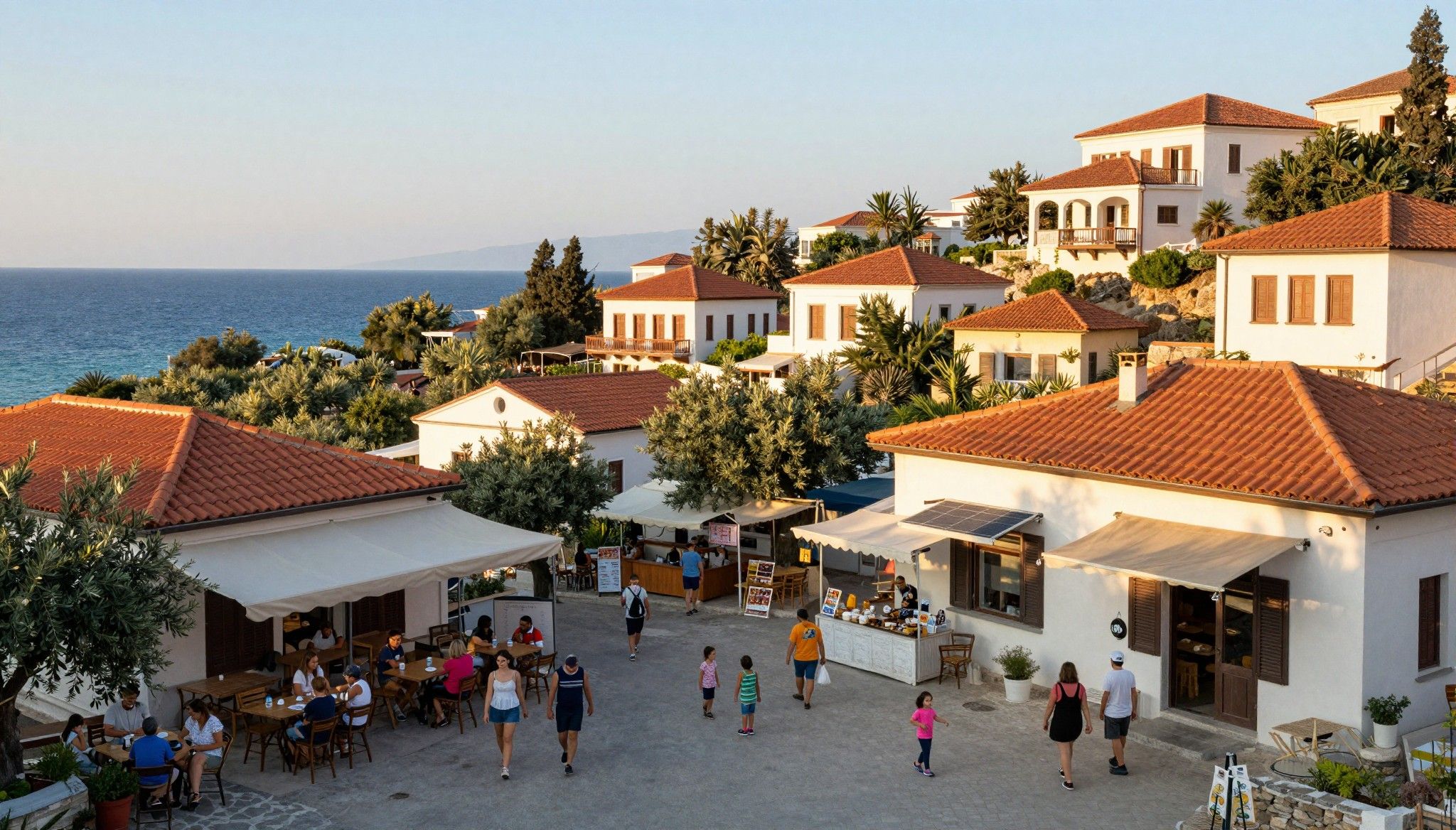
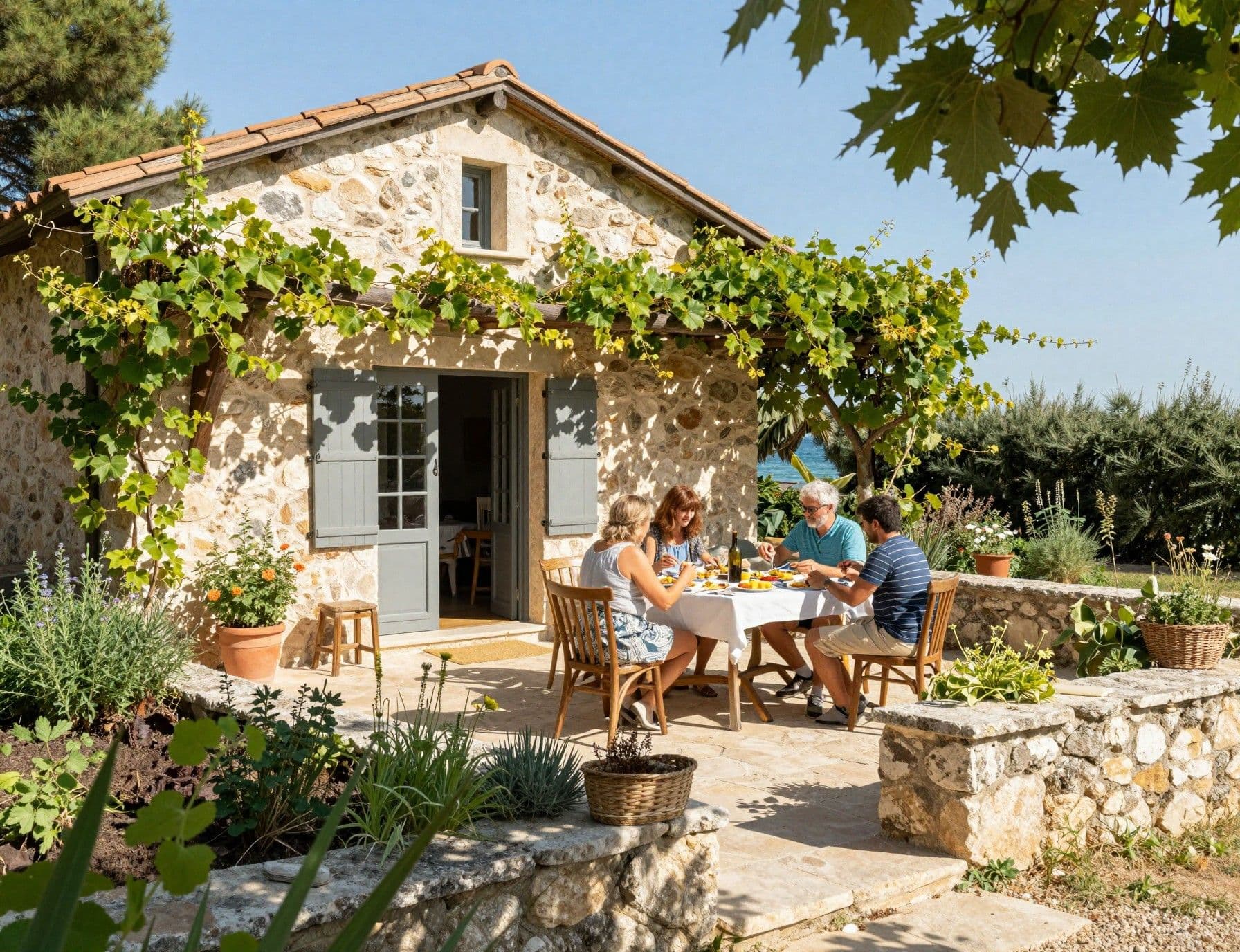
Stone-built village homes with thick walls offer passive cooling and a strong sense of place—perfect for low-energy living once renovated with insulation and sympathetic glazing. Newer eco-builds on the fringes of towns increasingly use timber, sheep-wool insulation and photovoltaic arrays to reduce seasonal bills. If you want a smallholding, search for plots that already have terraced gardens or ancient dry-stone walls; they’re not glamorous but they are priceless for biodiversity and microclimate management.
Working with local experts who understand both the lifestyle and recent legal changes
- Choose agents who can translate lifestyle needs into property specs: energy performance, garden orientation, and proximity to local markets.
- Ask lawyers about recent Golden Visa thresholds and island-specific rules—these affect demand and resale prospects.
- Have an architect survey passive design opportunities (shade, ventilation, thermal mass), not just cosmetic updates.
- Factor in long-term stewardship: water access, native planting for low maintenance, and erosion control on coastal plots.
Insider Knowledge: What Expats Wish They'd Known
Expat buyers frequently tell the same stories: a love-at-first-sight village walk, then surprise at seasonal realities—roads that quieten in winter, local services that close for a month, or wildfire-safety rules that shape landscaping. Practical readiness makes the dream durable: learn local rhythms, meet neighbours in low season, and check municipal plans for forestry or coastal protections. Local networks—market vendors, the parish priest, an older builder—are invaluable for maintenance and authentic integration.
Cultural integration and daily rhythms
Greek hospitality is immediate but takes time to deepen. Learn a few phrases, show curiosity about seasonal recipes, and accept invitations to local festivities—those are your quickest routes into community. For families, small towns often cluster around a primary school and a church square; for creatives, co-working and cultural collectives are surfacing in places like Nafplio and Ioannina. Being present in shoulder seasons makes relationships and lifestyle viability clear before you commit.
Long-term lifestyle and stewardship
Think of your purchase as joining an ecosystem: choose native planting, avoid cement-heavy sea walls where possible, and favour rainwater collection and low-flow fixtures. These choices protect both the landscapes that make Greece magnetic and your long-term running costs. Over time, properties that visibly contribute to local biodiversity and respect coastal processes tend to hold different kinds of value—social as much as monetary.
Conclusion: If you crave a life threaded by sea and forest, Greece’s verdant coasts are still a place to fall in love—and to buy with integrity. Be contrarian where it matters: look off the postcard routes, prioritise properties that already work with the landscape, and partner with agents and lawyers who read seasonal life as closely as contracts. Start by visiting in shoulder seasons, talking to market vendors, and requesting energy and water stewardship plans from sellers—these small steps protect both your dream and the land that makes it possible.
British expat who traded Manchester for Mallorca in 2017. Specializes in guiding UK buyers to luxury Spanish estates with clear navigation of visas and tax.