Permit Traps in Croatian Coastal Homes
Fall in love with Croatia’s markets and stone streets — but follow a due‑diligence path that unearths permits, reciprocity rules and energy upgrade opportunities.
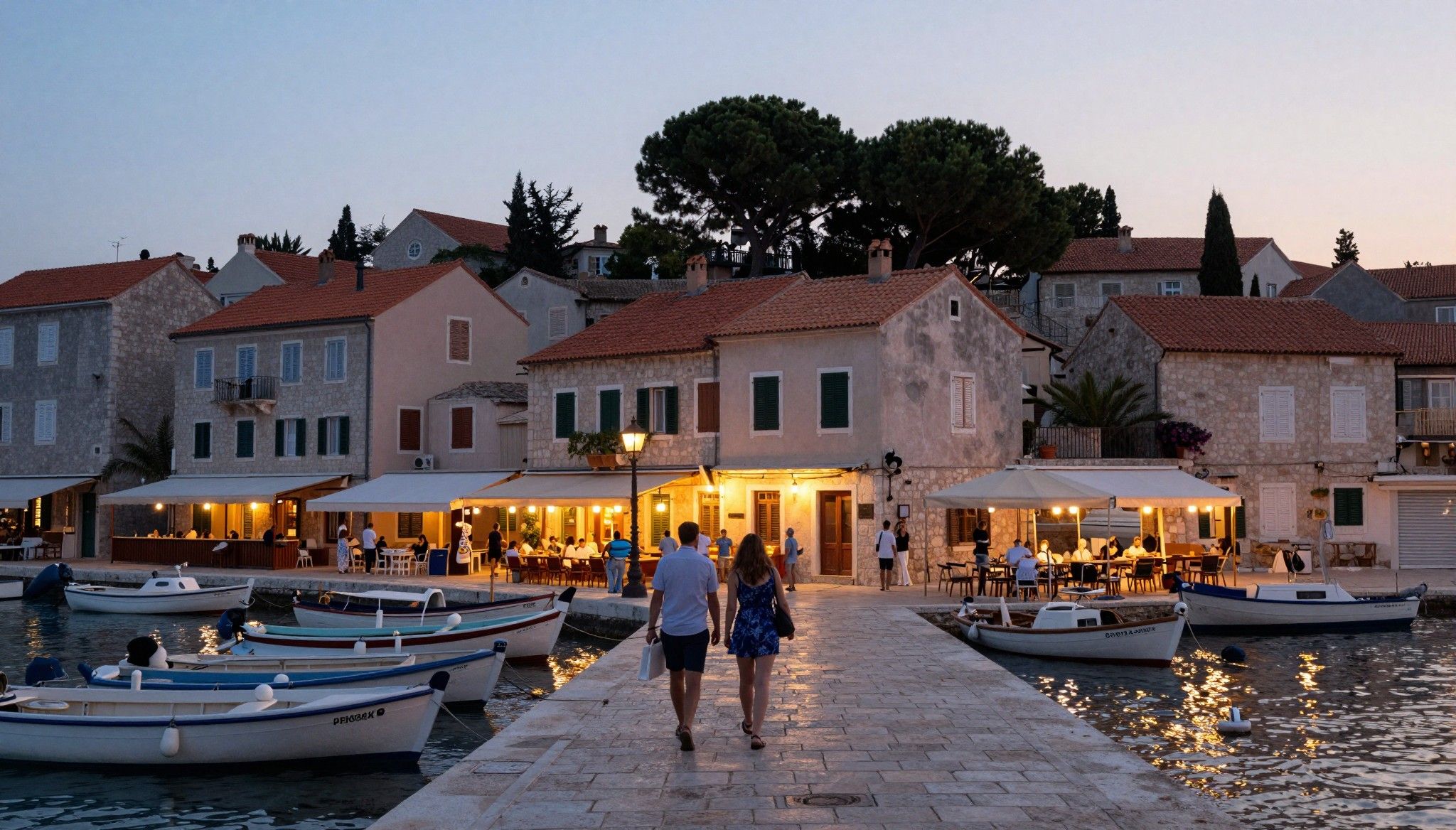
Imagine waking to the sound of the Adriatic’s hush, stepping out for an espresso on a shaded Riva in Split, and picturing a life where stone walls, terracotta roofs and pine-scented evenings are ordinary. Croatia can feel inevitable once you’ve tasted its food markets, island coves and slow rhythms — but beneath those luminous postcards are permit rules, reciprocity checks and energy‑upgrade opportunities that quietly shape which homes are actually available to you. This guide blends the sensory pull of daily life here with the defensive due diligence international buyers need, so you fall in love without overlooking the legal and sustainability details that protect your purchase.
Living Croatian Days: light, market stalls and stone
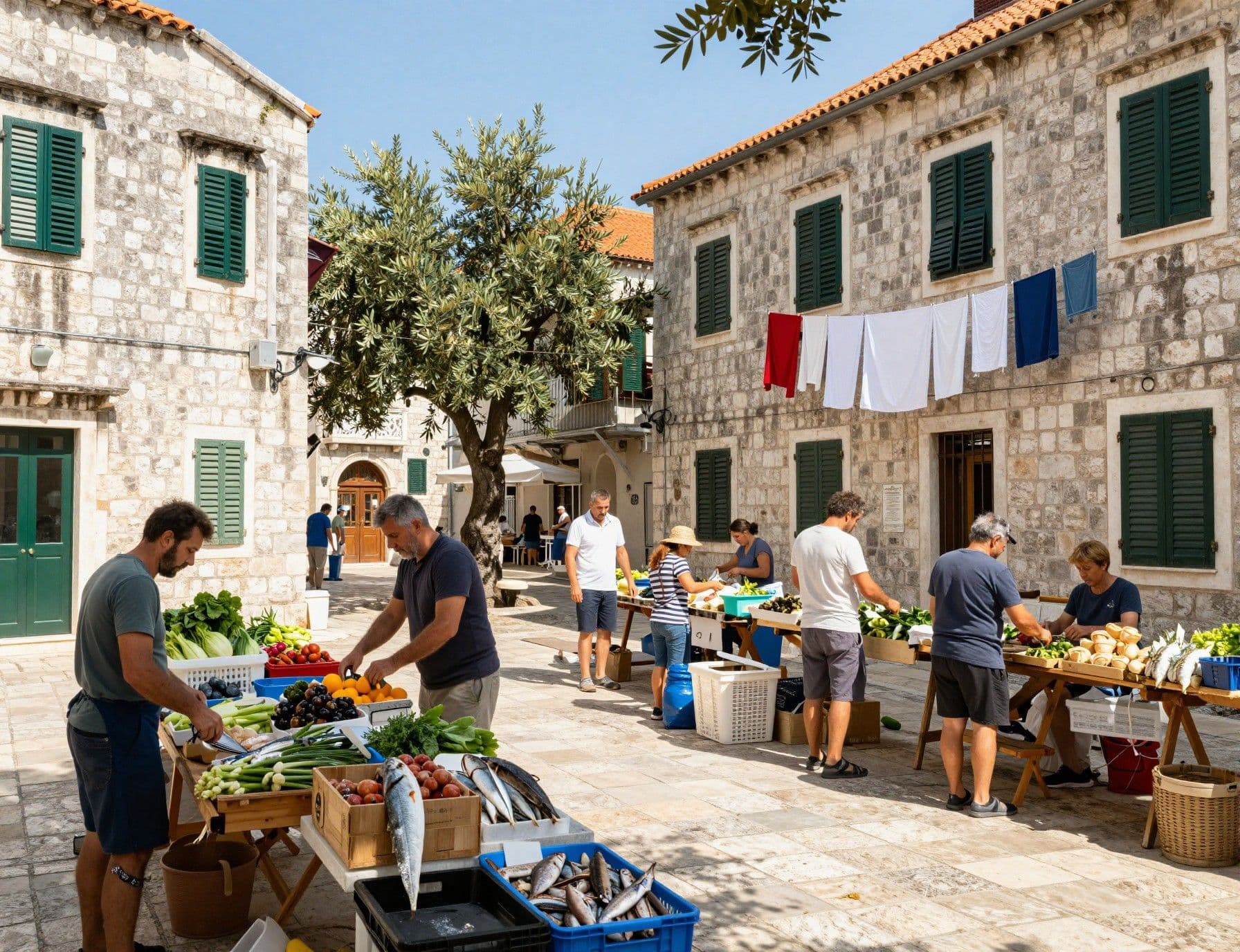
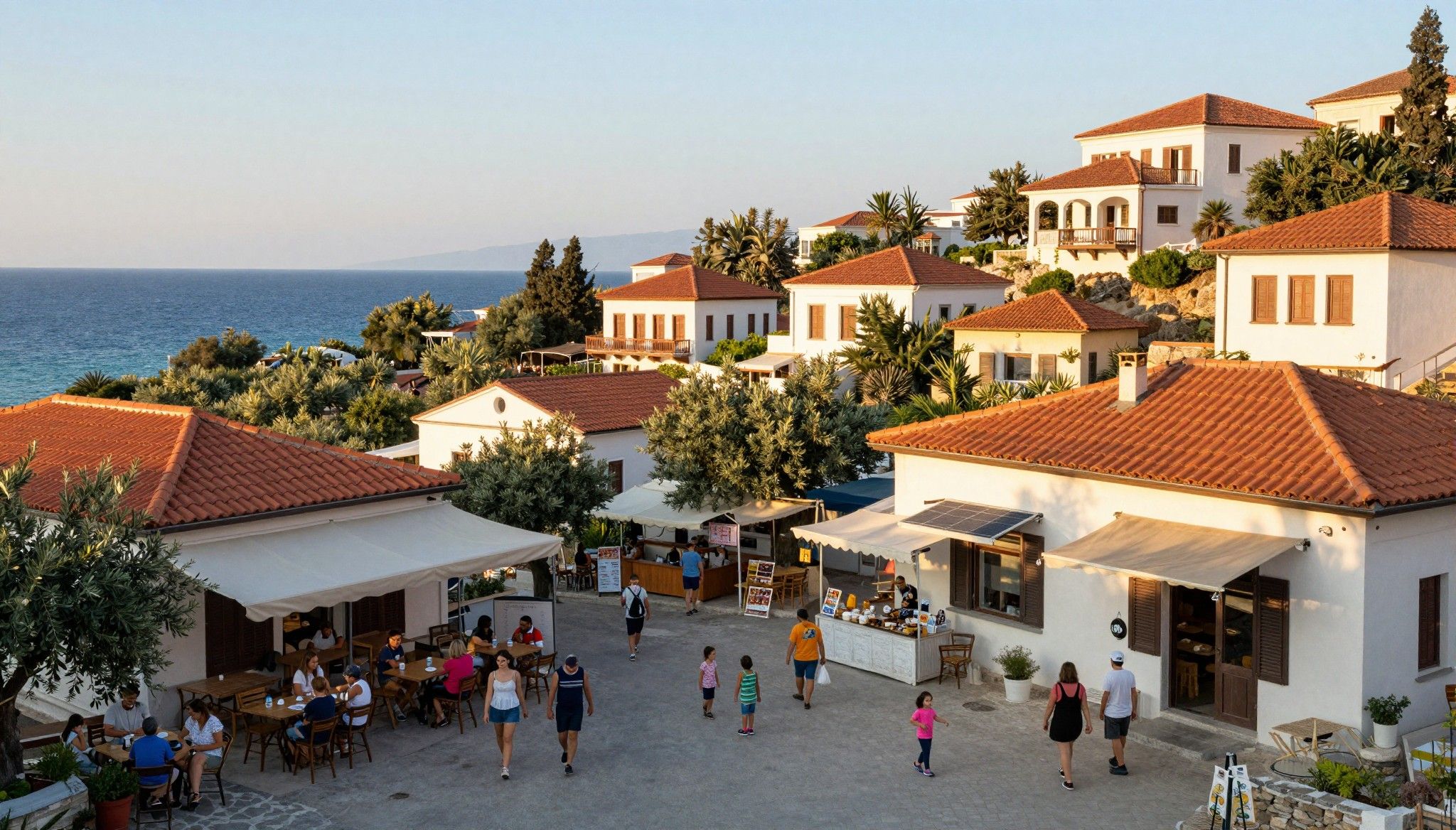
Croatia’s daily rhythm is coastal and local. Mornings often begin at cafés like Split’s Peristil or Zagreb’s Tkalčićeva where conversation steams above small espressos; afternoons slow into siesta‑like pauses and evenings are for long dinners punctuated by conversation and wine. Whether you choose Istria’s olive‑fed hills, Dalmatia’s limestone islands, or continental river valleys, the sensory constants are similar: the scent of pine and sea, markets that mark the week, and small communities that remember names.
Neighborhoods that feel like different countries: Dalmatian Rivas to Istrian lanes
Split’s Old Town is carved from Roman grids and midday shade; Hvar brings yacht‑speckled glamour and lavender scents; Rovinj and Motovun show Venetian red roofs and truffle routes. Inland towns such as Varaždin or Samobor offer baroque calm and accessible farmland. Each area suggests a different daily life: island rambles and sea‑salt lunches on Hvar, versus market mornings and bike rides along Istria’s olive roads.
Food, markets and the week’s anchor points
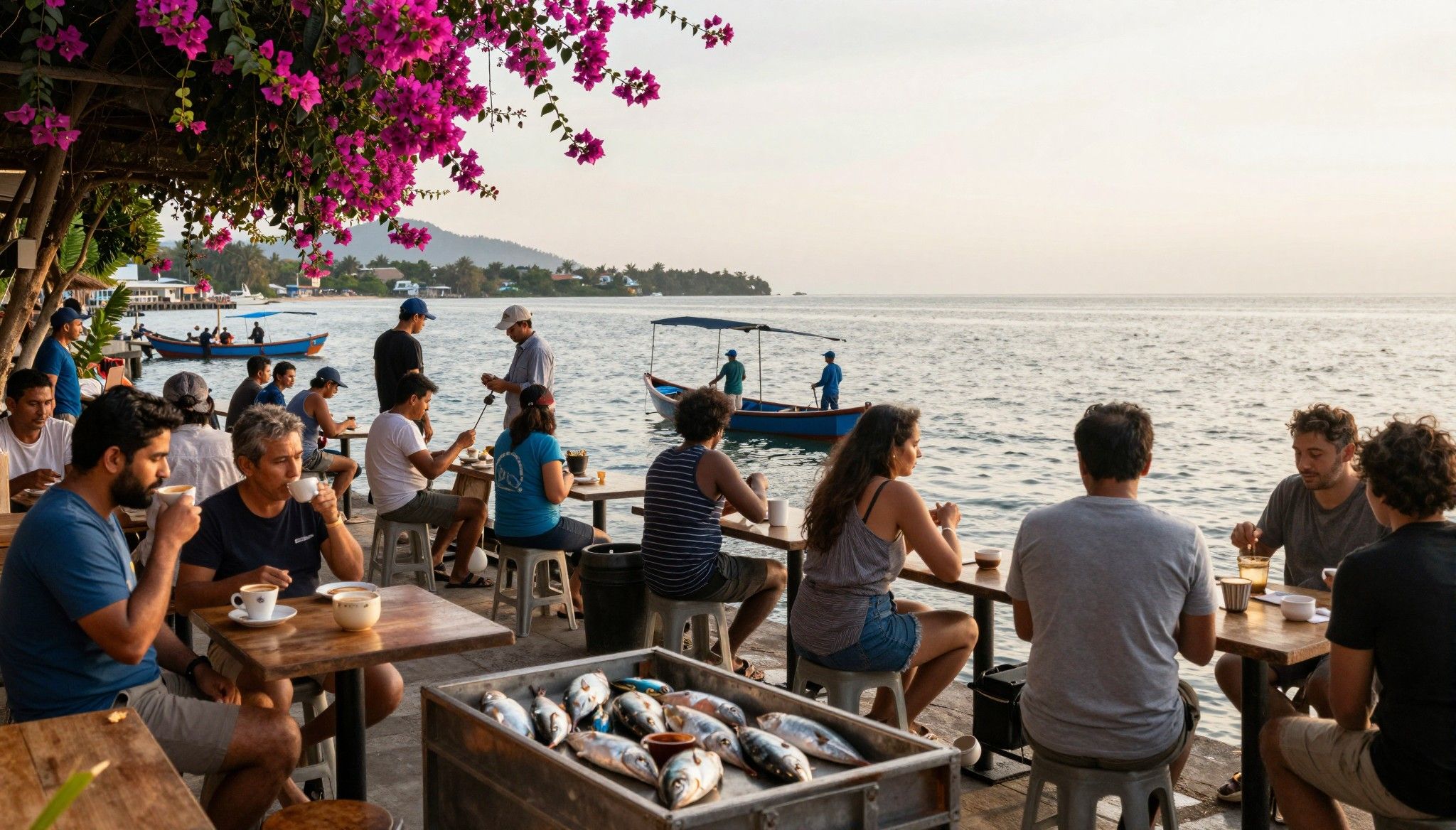
Local life orients around markets, not malls: morning fish stands in Zadar, truffle festivals in Istria, farmers selling figs and fresh cheese on village squares. Weekends are for family lunches that last hours, and small coastal towns animate with evening promenades called šetnja. For buyers, these rituals tell you where community life will happen — and which properties put you within easy walking distance of it.
- Market & lifestyle highlights: 1) Split’s Peristil and Riva promenades; 2) Rovinj’s market and truffle stands; 3) Hvar’s lavender fields and konobas; 4) Istrian hill towns (Motovun) for slow food; 5) Lokva Rogoznica and Makarska riviera coves.
Making the Move: practical realities woven with life
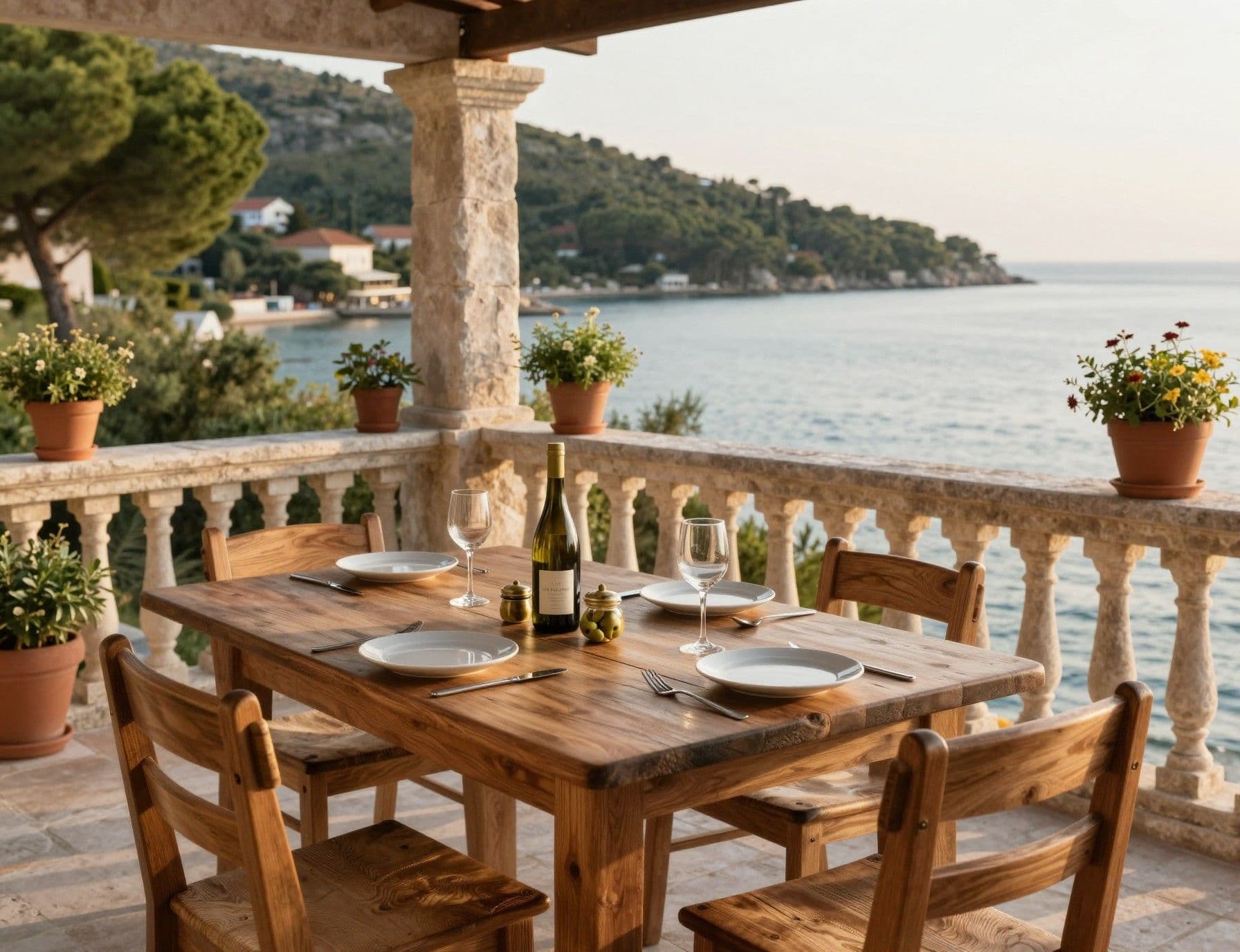
That feeling of belonging starts with paperwork. Croatia allows foreign buyers under a reciprocity principle — meaning citizens of countries that permit Croatians to buy in their jurisdictions can typically buy in Croatia, sometimes with additional municipal approvals. Understanding whether your nationality needs extra ministry permission is step one; missing that can stall or void a sale. Equally important are the often‑overlooked local permits: building permits, usage permits (uporabna dozvola), and conservation department approvals if the property sits in a heritage zone.
Property types and how they shape daily living
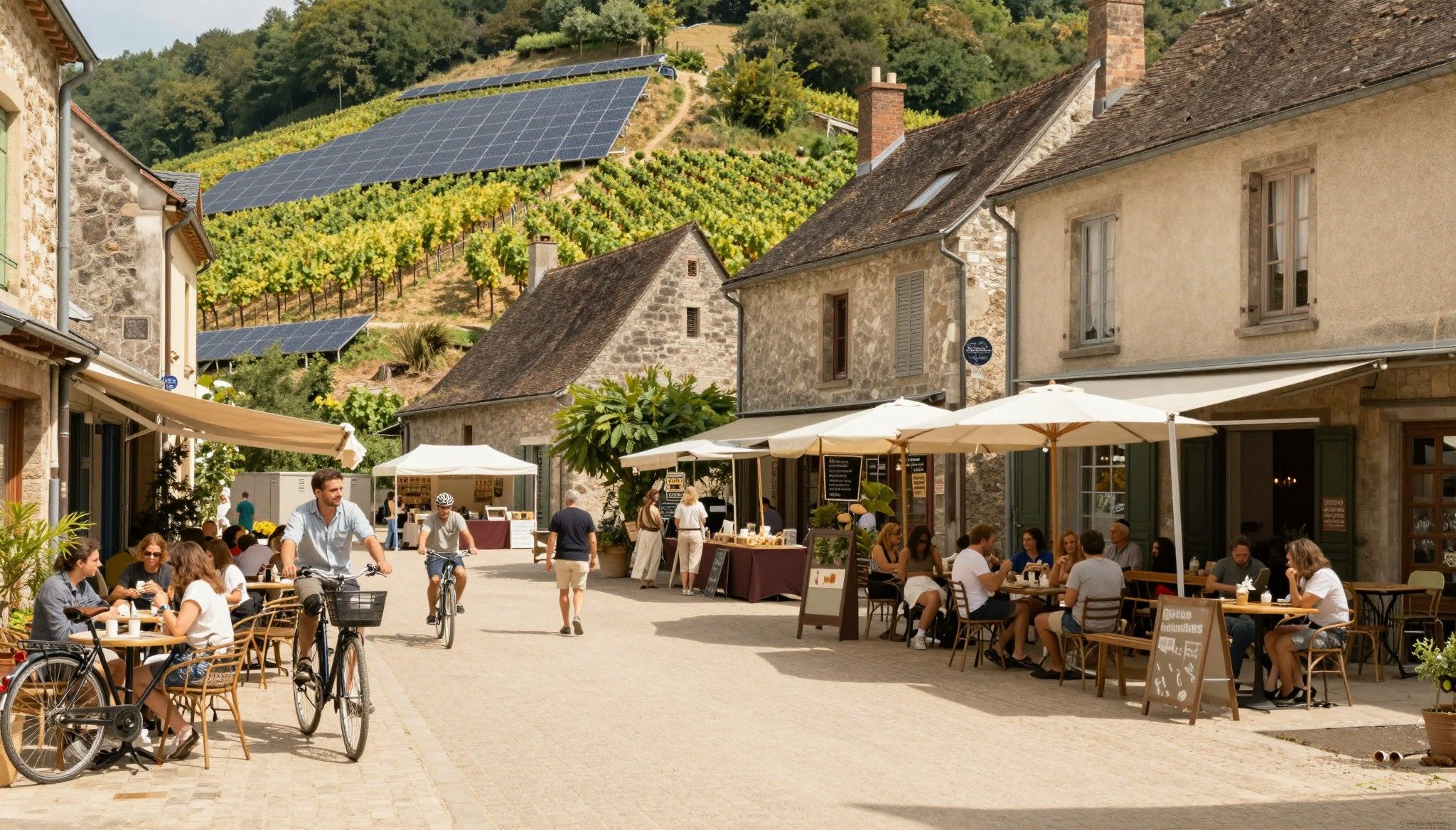
Stone town apartments offer intimate, walkable life but often lack modern insulation or independent parking; coastal villas deliver views and outdoor living but can come with strict coastal zone rules and higher upkeep. Note that resale apartments are usually subject to a 3% real estate transfer tax (if not VAT‑subject), an expense buyers must budget for alongside notary and land registry fees. Sustainable upgrades like insulation, heat pumps or solar panels change both comfort and operating costs — and in Croatia there are national and EU‑funded programs that can make such retrofits affordable.
Six lifestyle‑minded practical steps when viewing properties
- 1) Check the land register entry and ask for a notarized copy of all titles; 2) Confirm reciprocity permission or ministry clearance if you are a non‑EU buyer; 3) Ask for the usage permit (uporabna dozvola) and any conservation approvals; 4) Inspect energy documents — look for an energy certificate and past invoices to understand real running costs; 5) Evaluate water‑management and drainage on coastal plots (sea spray and erosion matter); 6) Ask the seller for a list of recent works and permits — unpermitted works are a common red flag.
Insider Knowledge: red flags, local quirks and sustainable opportunities
Expats often tell the same story: they fell for a stone home’s light and charm, only to discover unregistered alterations, a missing uporabna dozvola or poor thermal performance that turns winters expensive. Conversely, buyers who lean into Croatia’s energy renovation programmes and local incentives can transform a tired house into a low‑impact sanctuary with lower bills and higher comfort. The national 'energetska obnova' initiatives and EU funds have been active recently, making deep renovation both feasible and aligned with stewardship values.
Cultural and neighbourhood realities buyers often underestimate
Croatian towns value local continuity: many neighborhoods have informal rules about shutters, terraces and renovations enforced by conservation offices or by subtle social pressure. Nightlife and tourism cycles vary — a street quiet in winter may be lively in July — and service availability (mechanics, builders, specialist contractors) is uneven between islands and mainland. Finally, account for closing costs beyond the transfer tax: notary fees, registry charges and agency fees can add a few percent to your purchase price.
Red flags to spot on the first visit
- 1) No usage permit (uporabna dozvola) on file; 2) Changes to structural walls without permits; 3) Discrepancies between the cadastral map and the property boundary; 4) Missing energy certificate or wildly fluctuating utility bills; 5) Claims of a “private beach” — Croatian law doesn’t allow truly private beaches in most cases.
Practical next steps: hire a local lawyer and conservation‑minded architect early, ask for digital copies of all permits before committing, and consider a conditional offer tied to permit regularization or an independent energy audit. An agency that understands sustainability can point you to properties with realistic renovation upside and local contractors experienced with traditional stone, lime mortar and modern insulation systems. In short: buy the lifestyle, but purchase the paperwork too.
If Croatia has seduced you, let the feeling guide where you look — but let diligence guide what you sign. Start by shortlisting neighborhoods you can imagine daily life in, commission a local survey and legal check, and map renovation incentives that turn a charming but cold house into a year‑round refuge. When you pair the Adriatic light with the right permits and a plan for low‑impact living, you end up with a home that sustains both life and place.
Norwegian market analyst who relocated from Oslo to Provence; guides investors with rigorous portfolio strategy and regional ecological value.