When Croatia’s Summer Hype Hides Green Value
Fall for Croatia’s rhythms, then buy with seasonal savvy and green financing: out-of-season viewings, energy grants, and local legal checks unlock better value.
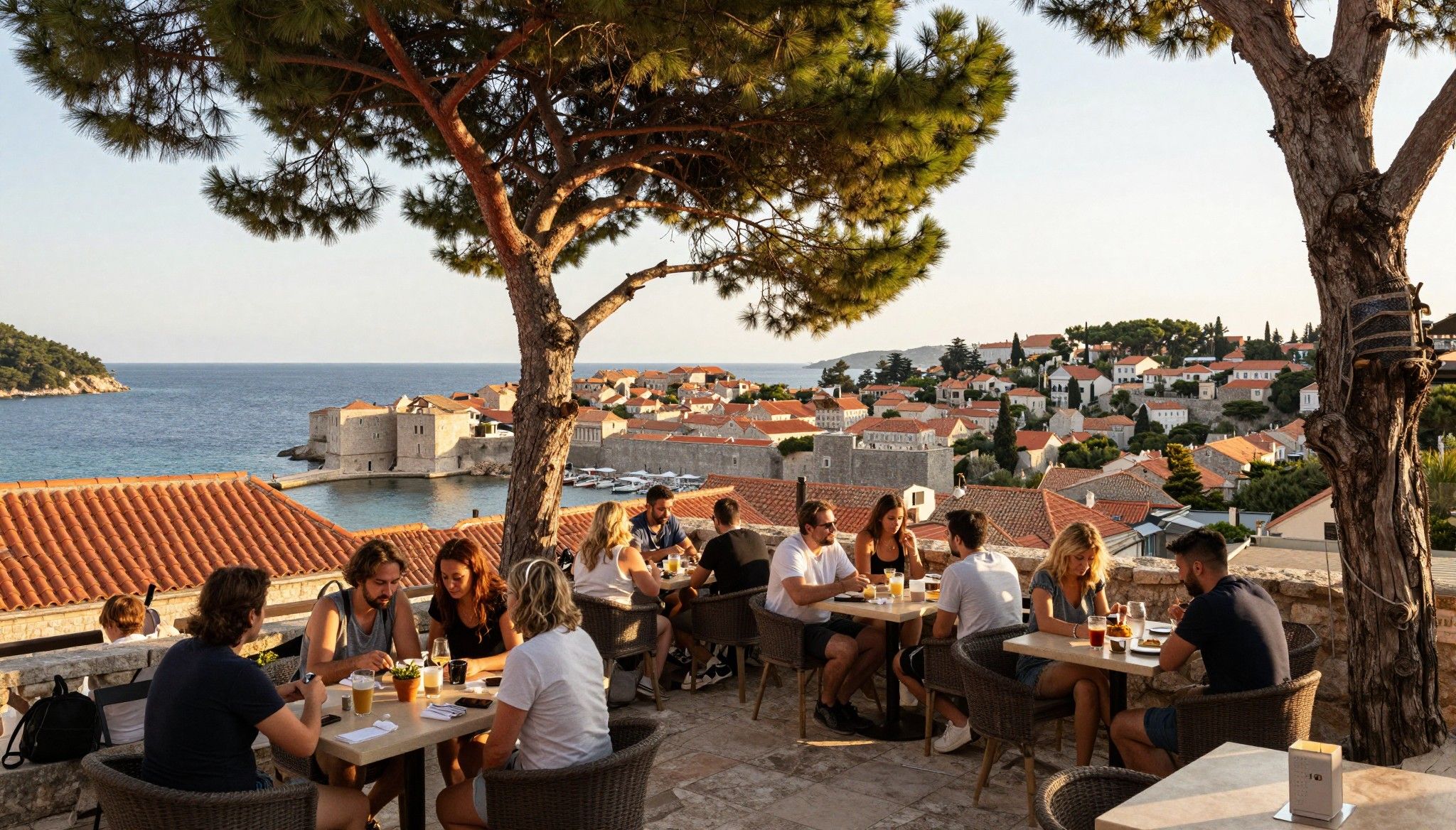
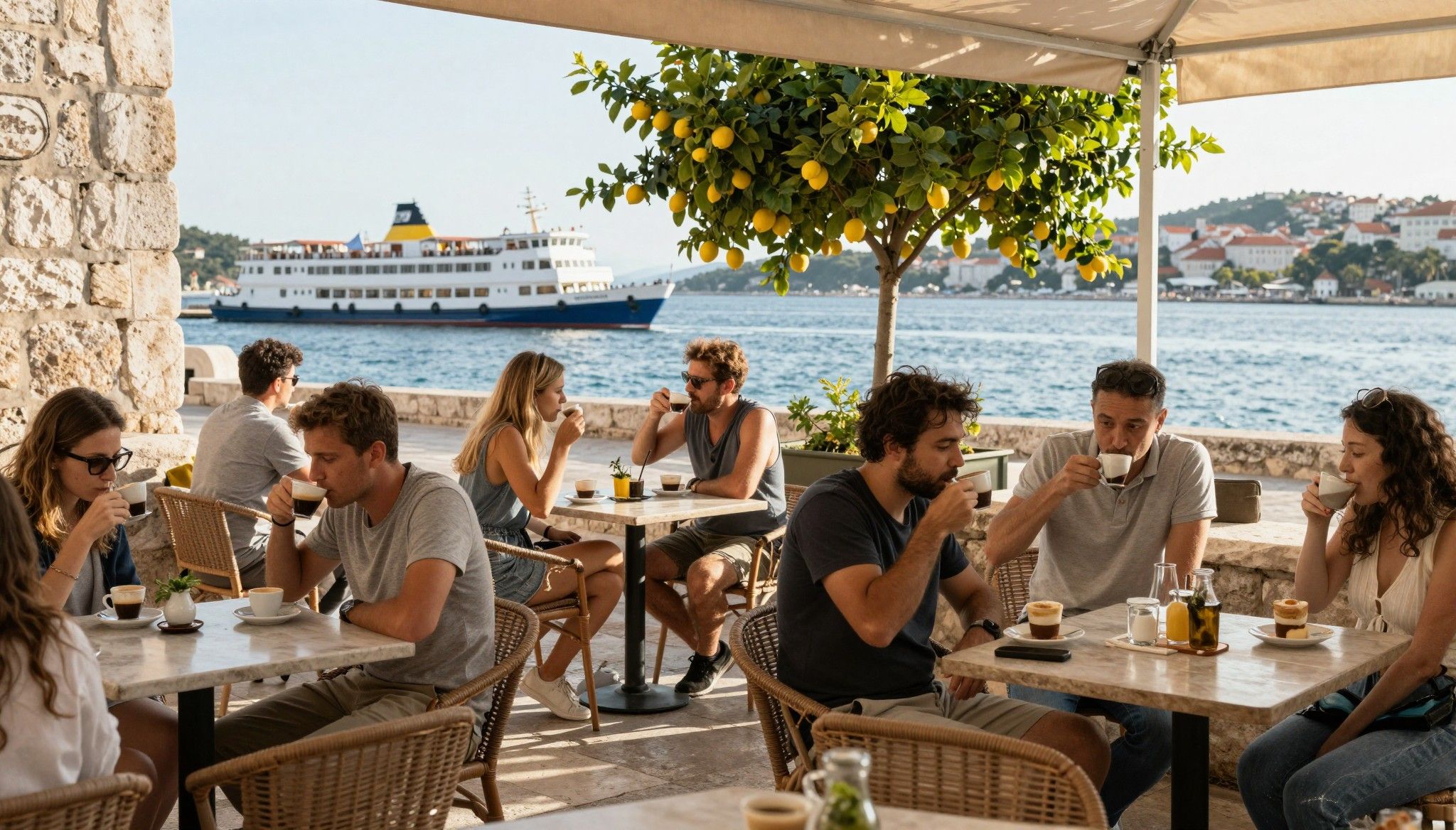
Imagine waking to a slow-brewed espresso on a terrace in Split’s Veli Varoš, the Adriatic glinting beyond terracotta roofs, while bees hum in a tiny lemon tree. That feeling — sun, sea, close-knit streets, food that smells of rosemary and grilled fish — is why people fall for Croatia. Yet the smartest international buyers learn to see past the sunlit postcard: market rhythms, seasonal demand, and green finance quietly reshape value here.
Living Croatia: daily rhythms that shape property choices
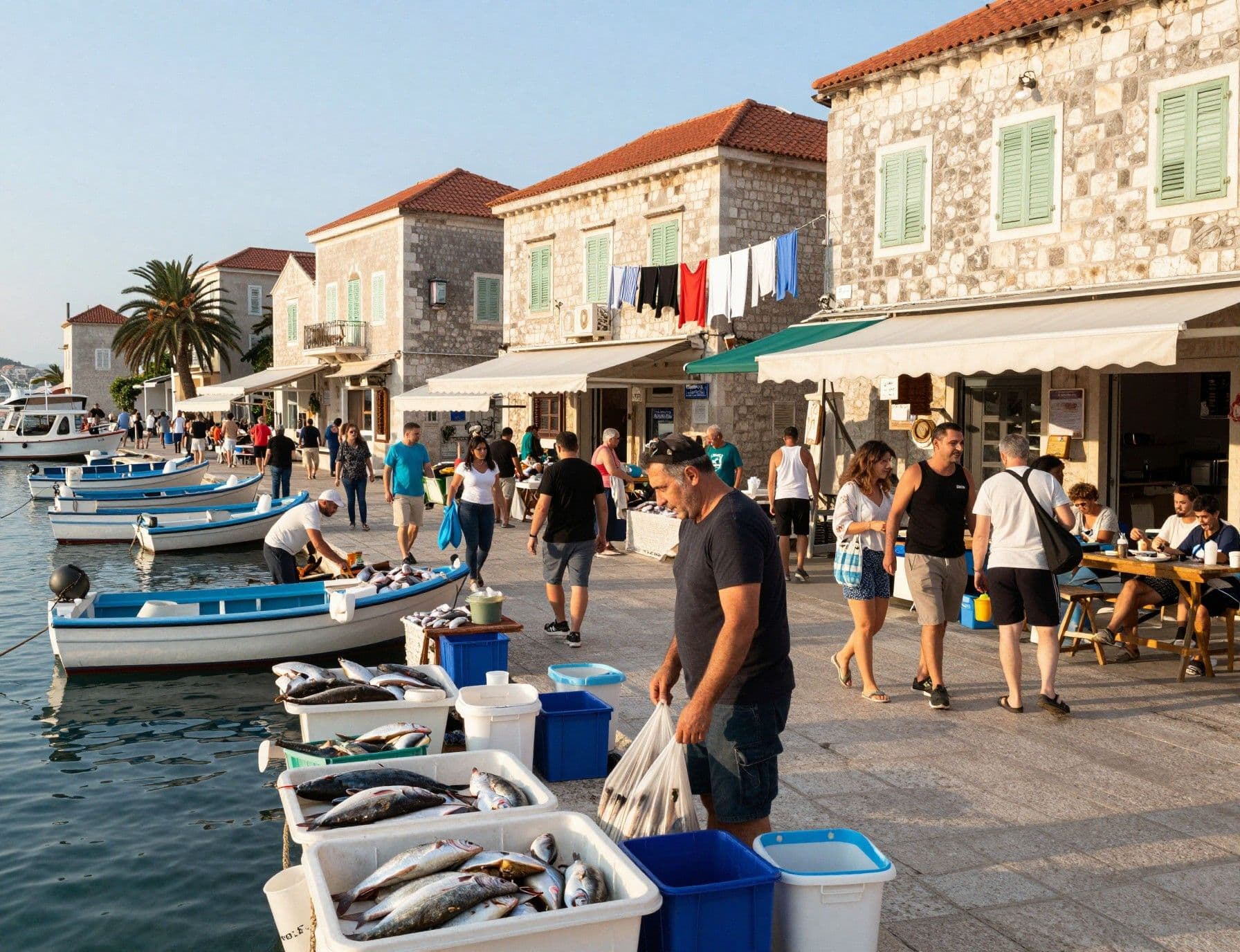
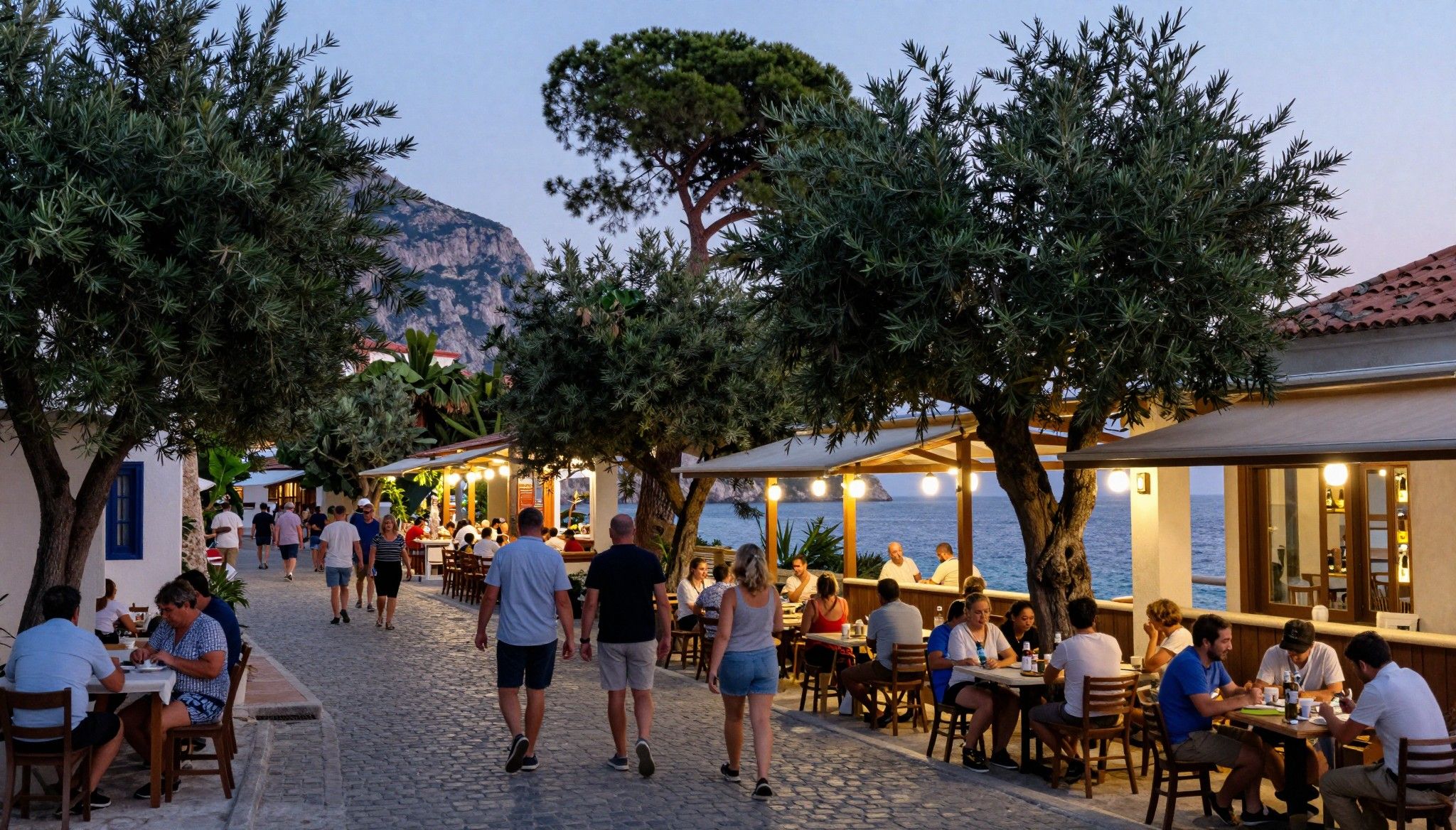
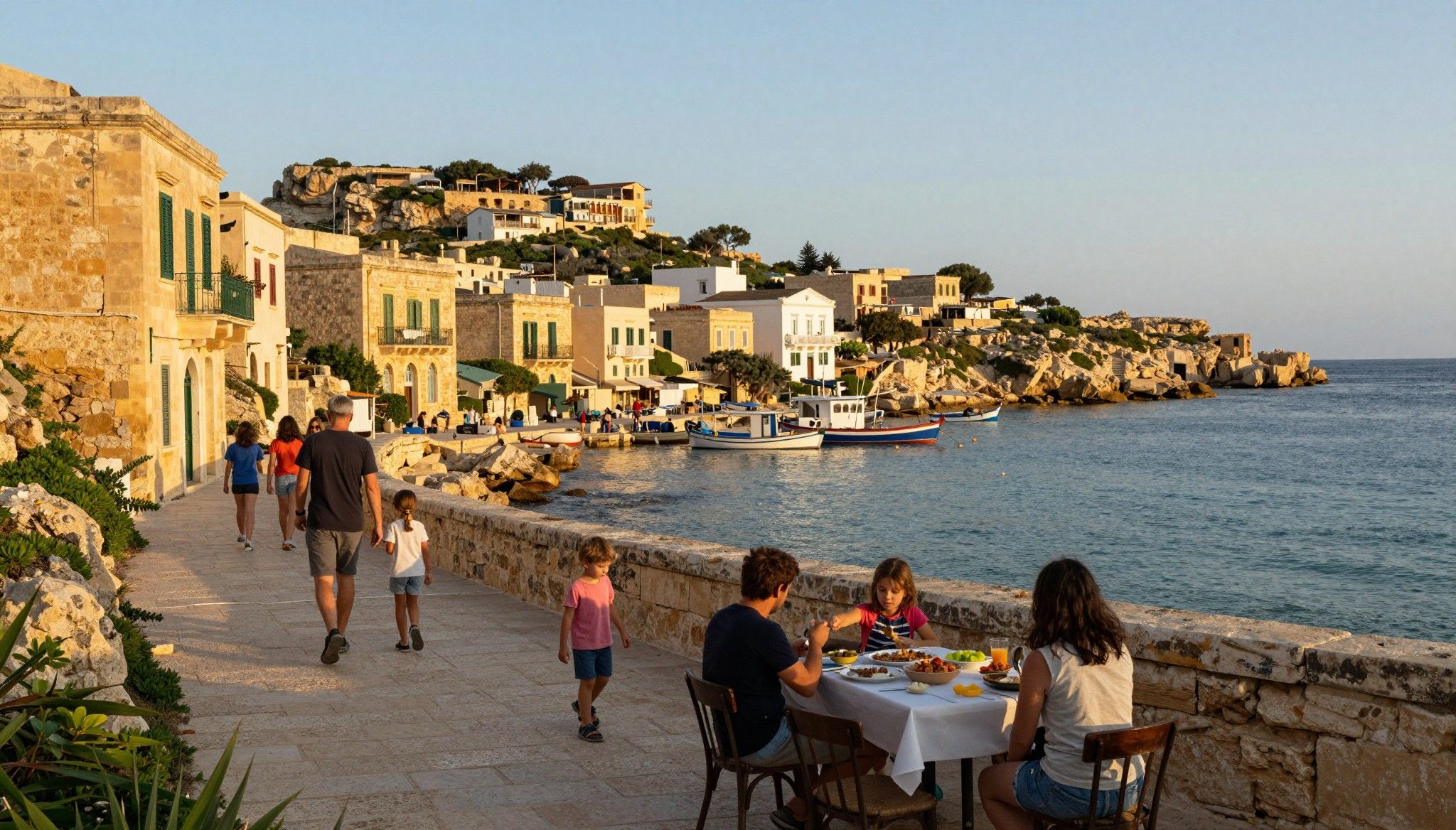
Croatia’s life moves with the seasons. Mornings mean markets — Dolac Market in Zagreb or Split’s Plaza — where locals buy olives, cheese and fresh fish. Afternoons are for cafes and siesta‑light walks along rivas. Evenings bring long dinners with family-style plates and regional wine. This cadence affects what you’ll want in a home: a shaded courtyard for long summers, insulated stone walls for damp winters, and balconies oriented to capture evening breezes.
Coastal charms vs. inland calm: neighbourhood snapshots
Start in Dubrovnik’s Old Town if you crave history and cobbled nights; look to Lapad or Gruž for calmer, lived-in neighborhoods with gardens. In Split, Veli Varoš gives intimate coastal life while Sustipan and Znjan offer sunlit promenades and newer apartment living. Inland, Istria’s hilltop towns — Motovun, Grožnjan — prize stone houses, truffle season and strong community ties. Each area suggests different sustainable upgrades: rainwater capture in hill towns, heat‑pump readiness in continental homes, solar on sunny coastal roofs.
Food, markets and the seasons that make a home sing
Imagine Saturdays at Rijeka’s fish market or a quiet weekday at Hvar’s local bakery. Food culture in Croatia is place-defining and influences where expats plant roots: chefs and small producers cluster near reliable markets and good water. That community energy often correlates with neighborhoods where green renovations and low‑impact living make both emotional and financial sense. Local planning incentives and energy programmes sometimes follow civic momentum — towns that value local food often value local stewardship too.
- Lifestyle highlights that matter to buyers
- Morning espresso at Split’s Riva; afternoon swim off Bačvice; dusk walk through Trogir’s old alleys
- Weekend markets: Dolac (Zagreb), Pula’s farmer stalls, Hvar town stalls selling local lavender and olive oil
- Istrian truffle hunts and agritourism experiences that boost local rental seasonality
Making the move: money, permissions and green finance
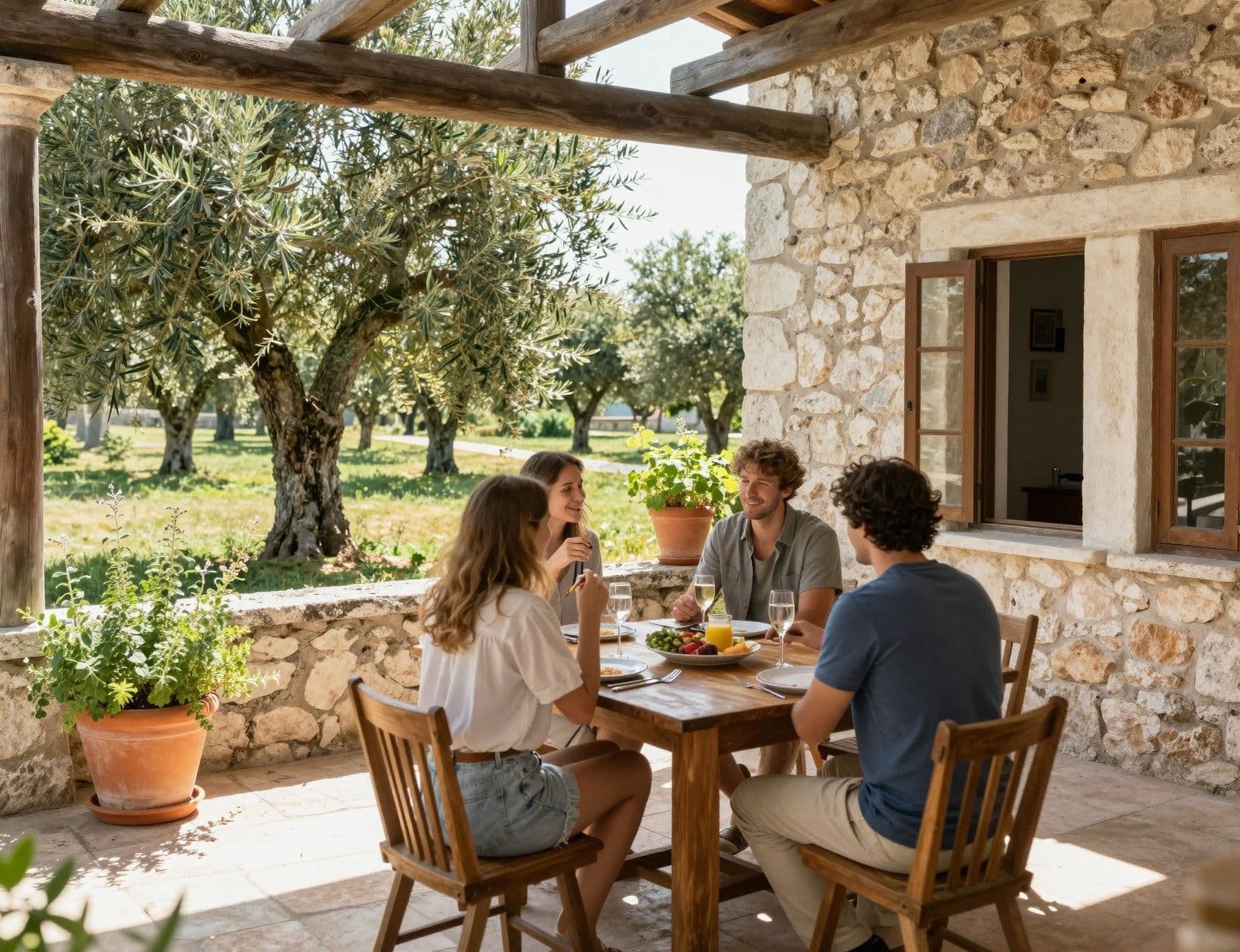
Practical reality: EU citizens may buy under the same rules as Croatians; non‑EU buyers often need reciprocity or a ministerial consent, and many use local companies to simplify purchase. Market shifts in 2025–26 show fluctuating foreign demand — meaning timing matters. Beyond the deed, buyers now ask first about energy performance and running costs; lenders and grants are beginning to reward homes that cut bills and emissions. Start with a Croatian lawyer and a bilingual agent who understands green incentives.
Property types and how they suit a sustainable life
Stone village houses: thick walls, passive cooling; ideal for low‑tech retrofits and natural materials. Coastal apartments: perfect for solar PV and battery retrofits but watch insulation. New builds: often better for heat‑pump integration and efficiency, though beware of over‑glazing in coastal winds. Think less about ‘sea view’ and more about orientation, roof space for solar, garden for rain capture and whether the house can host a heat pump or winter insulation upgrades.
Working with local experts who marry lifestyle and compliance
- How a local, sustainability‑savvy team speeds your purchase
- Get a bilingual lawyer to confirm reciprocity and register land rights quickly
- Ask an agent for EPC-like energy assessments and solar feasibility before bidding
- Consult local banks about mortgage terms; many require Croatian‑registered income or collateral for foreigners
- Explore state or EU-funded energy grants (insulation, heat pumps, solar) that reduce renovation cost
Insider knowledge: myths, seasonality and the green bargains
Myth: “Croatia is only expensive on the coast.” Truth: pricing is nuanced. Recent reports show strong price growth in popular hubs but also pockets of correction inland where eco‑minded buyers can find homes ripe for green renovation. The contrarian play: skip summer listings when tourists inflate prices — autumn and winter viewings reveal structural issues and renovation potential that often translate into lower long‑term costs if you prioritise energy upgrades.
What expats wish they'd known about timing and value
Expats tell a familiar story: they bought after a sun‑soaked visit and later learned about damp basements, shaky permits, or lack of roof insulation. Visit out of season. Hear the silence of a winter village and notice the orientation, damp signs, and neighbourly rhythms. That way you buy for life, not just a summer dream.
- Red flags to spot on early viewings
- No registered land plan or vague property boundaries
- Poor roof condition or lack of solar‑ready space
- Signs of rising damp, mould or inadequate insulation
- Missing permits for extensions or dubious ‘private beach’ claims
Conclusion: fall in love wisely — steward the place you choose
Croatia offers a life where sea and stone meet a slow, convivial culture. For international buyers who care about sustainability, the secret is to match that romance with homework: out‑of‑season visits, a lawyer who speaks your language, an agent who understands green retrofits, and a financing plan that rewards efficiency. Do this and your house becomes part of the landscape — a home that gives back.
Danish relocation specialist who moved from Copenhagen to the Algarve; supports families with seamless transitions, local partnerships, and mindful purchases.