Croatia: Fall in Love — Then Buy with Eco Sense
How to fall for Croatia’s light, markets and island life — then buy with eco‑sense: legal checks, retrofit priorities and neighborhood wisdom backed by Croatian stats.
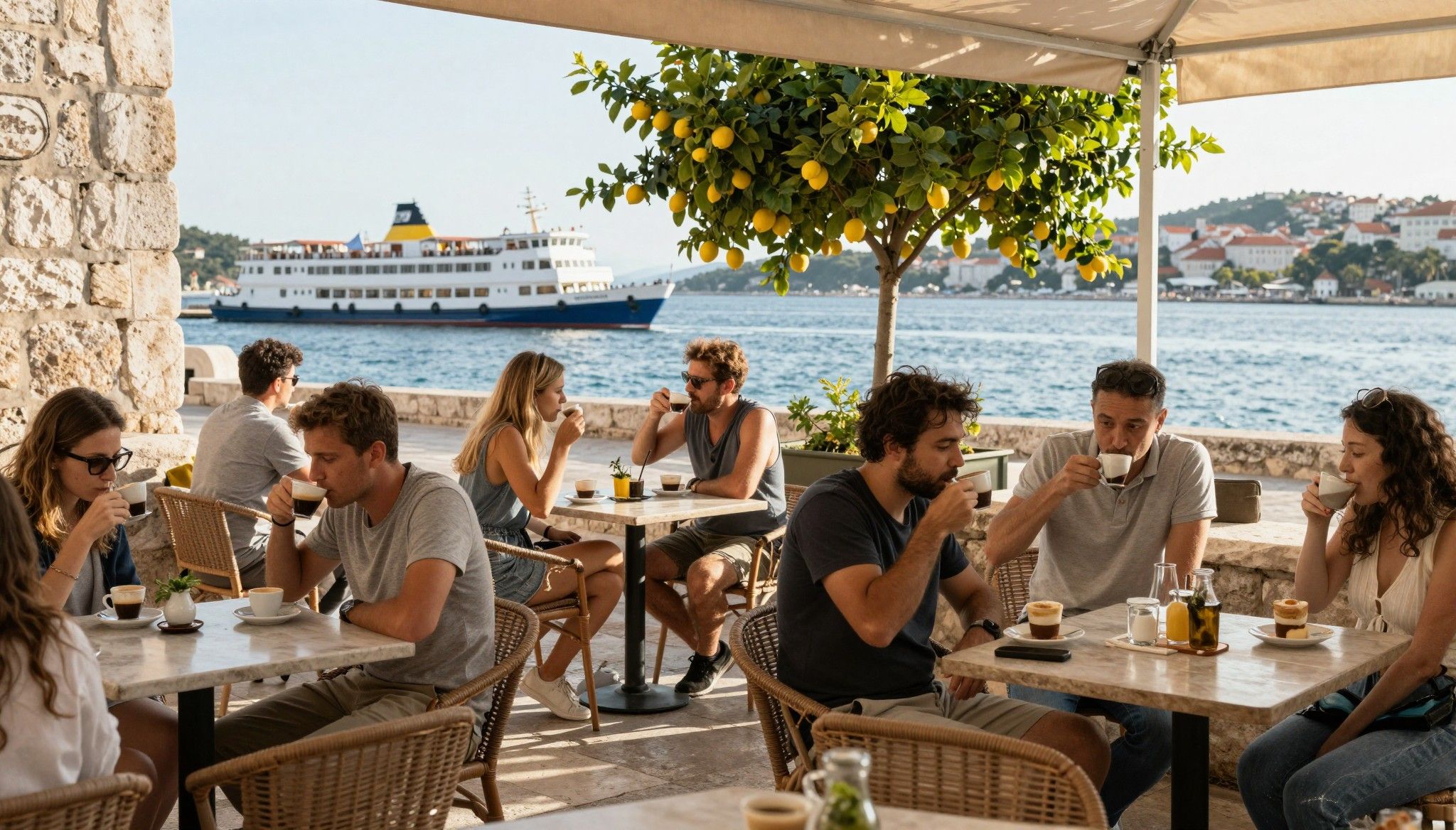
Imagine waking to the sound of church bells and the sea, then strolling to a café in Split’s Diocletian Quarter for an espresso that tastes of lemon groves and limestone. Croatia is a place where stone houses hold stories, coastal breezes shape architecture, and island life slows your pulse. For many international buyers the romance is immediate — sunlit terraces, fresh markets, and a culture that still favors slow afternoons. Yet beneath that romance there are practical rhythms and rules that shape how you buy, how you live sustainably, and how your home becomes part of the local landscape. Recent market analysis shows rapid house‑price growth across Croatia, so pairing lifestyle desire with grounded, eco‑smart choices matters more than ever.
Living the Croatia lifestyle
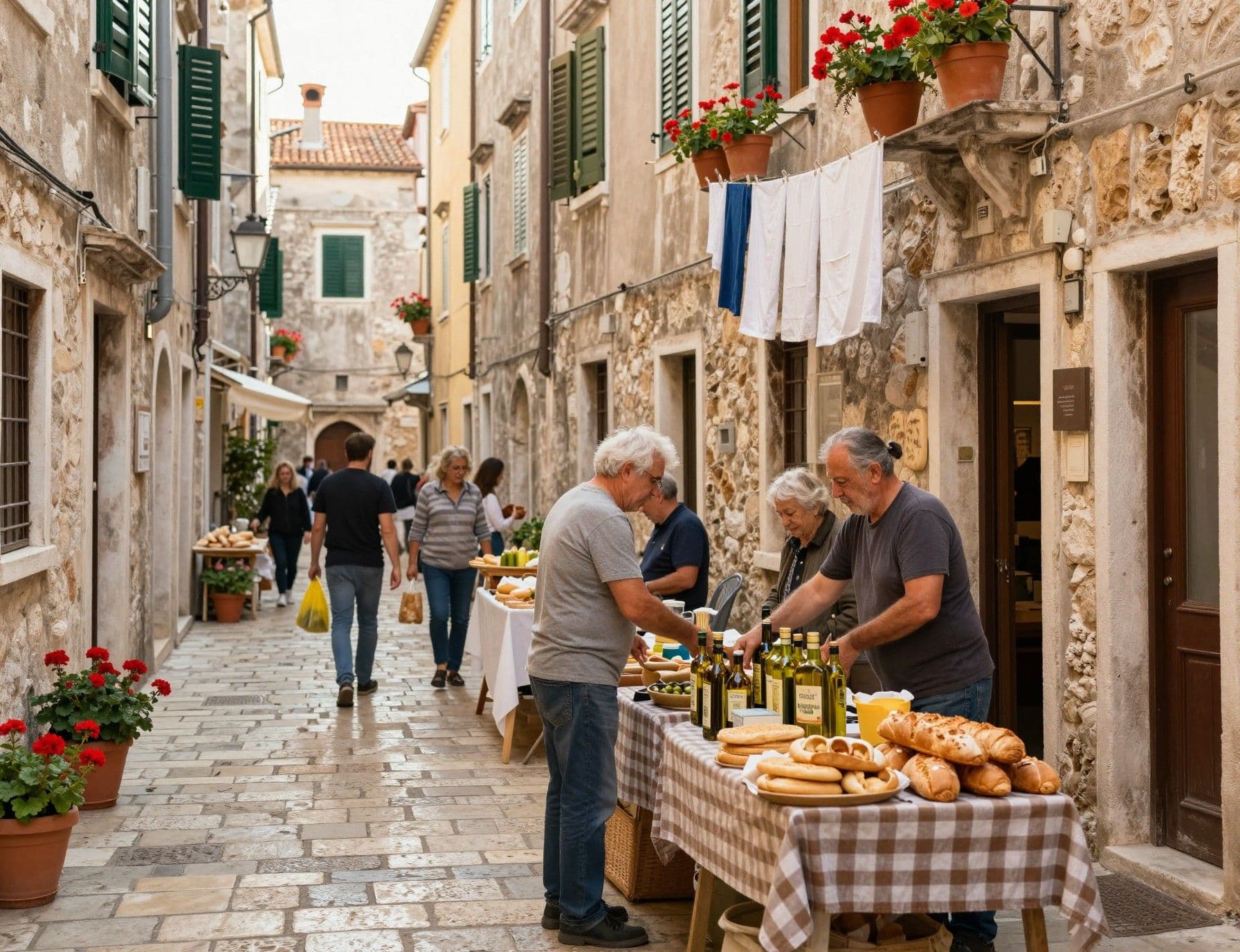
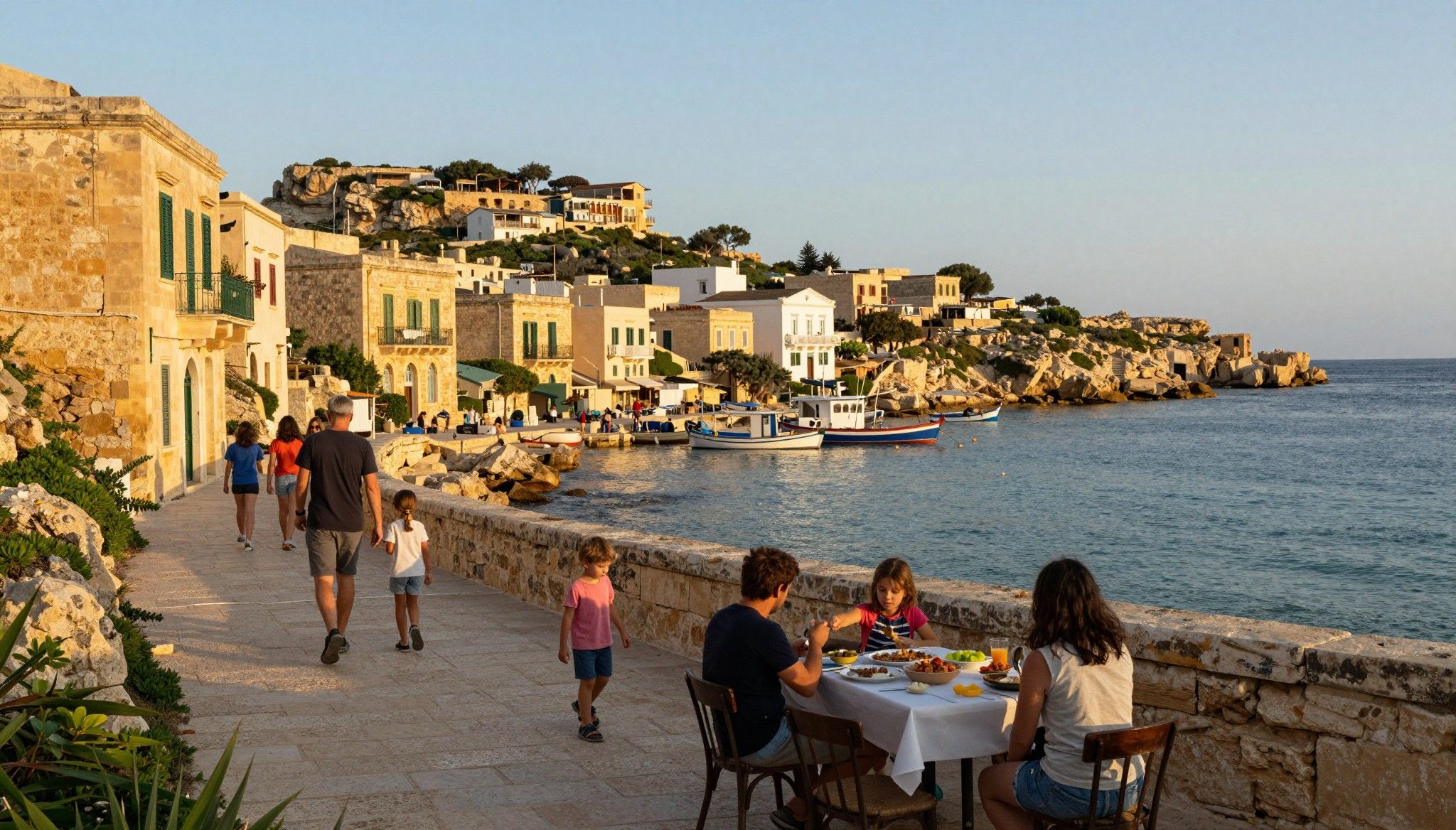
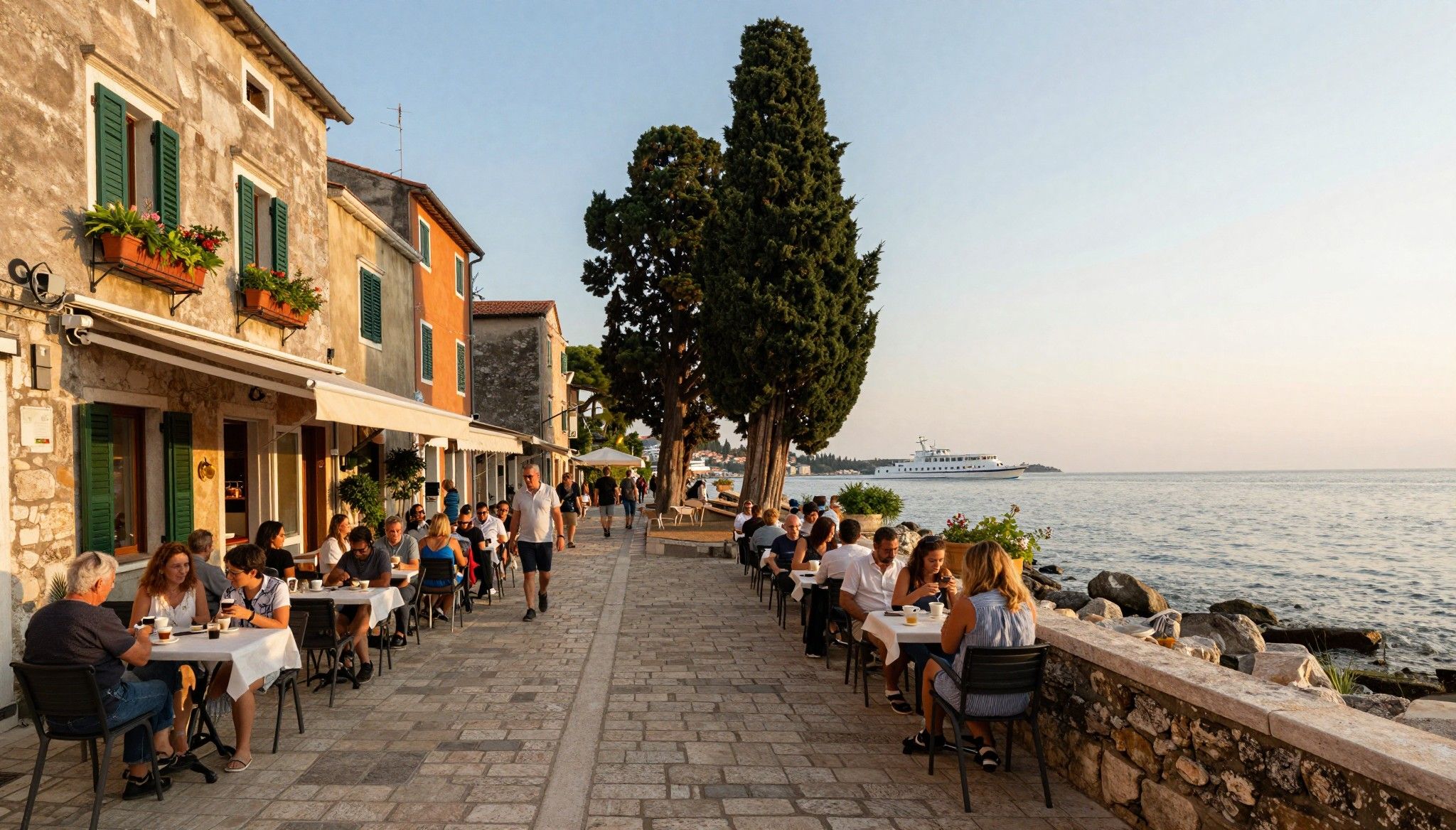
Living in Croatia feels like a conversation between land and sea. Mornings mean markets on stone squares, afternoons drift into kafana rituals, and evenings open to slow dinners of grilled fish, wild greens and local olive oil. Across regions the daily rhythm changes: Zagreb hums with year‑round cafés and design shops, Istria smells of truffles and oak, Dalmatia is citrus and salt, and the islands keep a quiet, cyclical time that follows fishing and harvest seasons. For eco‑minded buyers, that variety means choices: a restored stone maisonette with thick walls (natural insulation), a terraced coastal house with rainwater capture, or a new build that prioritises solar and passive cooling.
Neighborhoods that feel like home
Start with places that match how you want to live. In Zagreb’s Đorđić and Šalata you’ll find tree‑lined streets, village‑like neighborliness and craft bakeries; Split’s Veli Varoš and Bačvice mix walled old town intimacy with nearby beaches; Hvar’s Stari Grad offers lavender fields and a farmer’s market that defines the week. On Istria’s west coast, Rovinj’s narrow lanes and artisanal food scene reward slow exploration and local sourcing. These are not abstract labels — name a café (Zagreb’s Tkalčićeva terrace, Split’s Pizzeria Bepa, Rovinj’s Monte) and you’ll find a micro‑community that shapes daily life.
Food, markets and seasonal living
Food in Croatia is place‑driven: market stalls in Split’s Pazar or Zagreb’s Dolac define weekly menus, while island producers sell olive oil and honey straight from the family press. Seasonal cycles are apparent — spring ramps up wild asparagus and greens, late summer brings figs and tomatoes, and autumn delivers truffles in Istria and grape harvests across the coast. For a sustainable buyer, this means designing kitchens and gardens to work with the seasons: courtyard herb beds, terraces for drying figs, and small cold rooms to preserve late‑autumn produce.
- Lifestyle highlights to explore before you buy
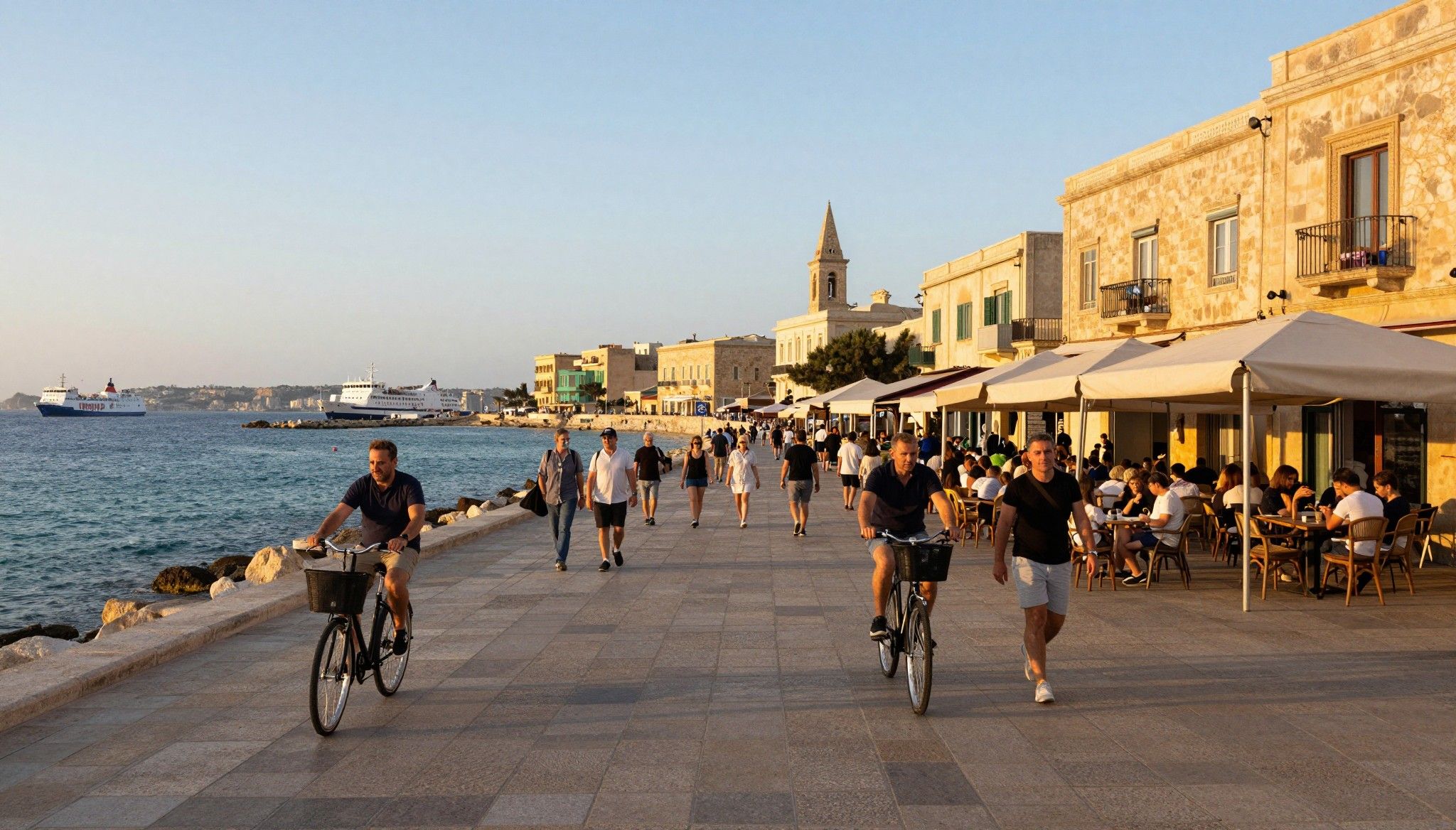
- Morning market at Split’s Pazar; late coffee on Tkalčićeva in Zagreb; lavender walks and truffle hunts in Istria; island ferry mornings from Stari Grad to Jelsa; evening promenades on Dubrovnik’s Lapad promenade.
Making the move: practical considerations with eco intent
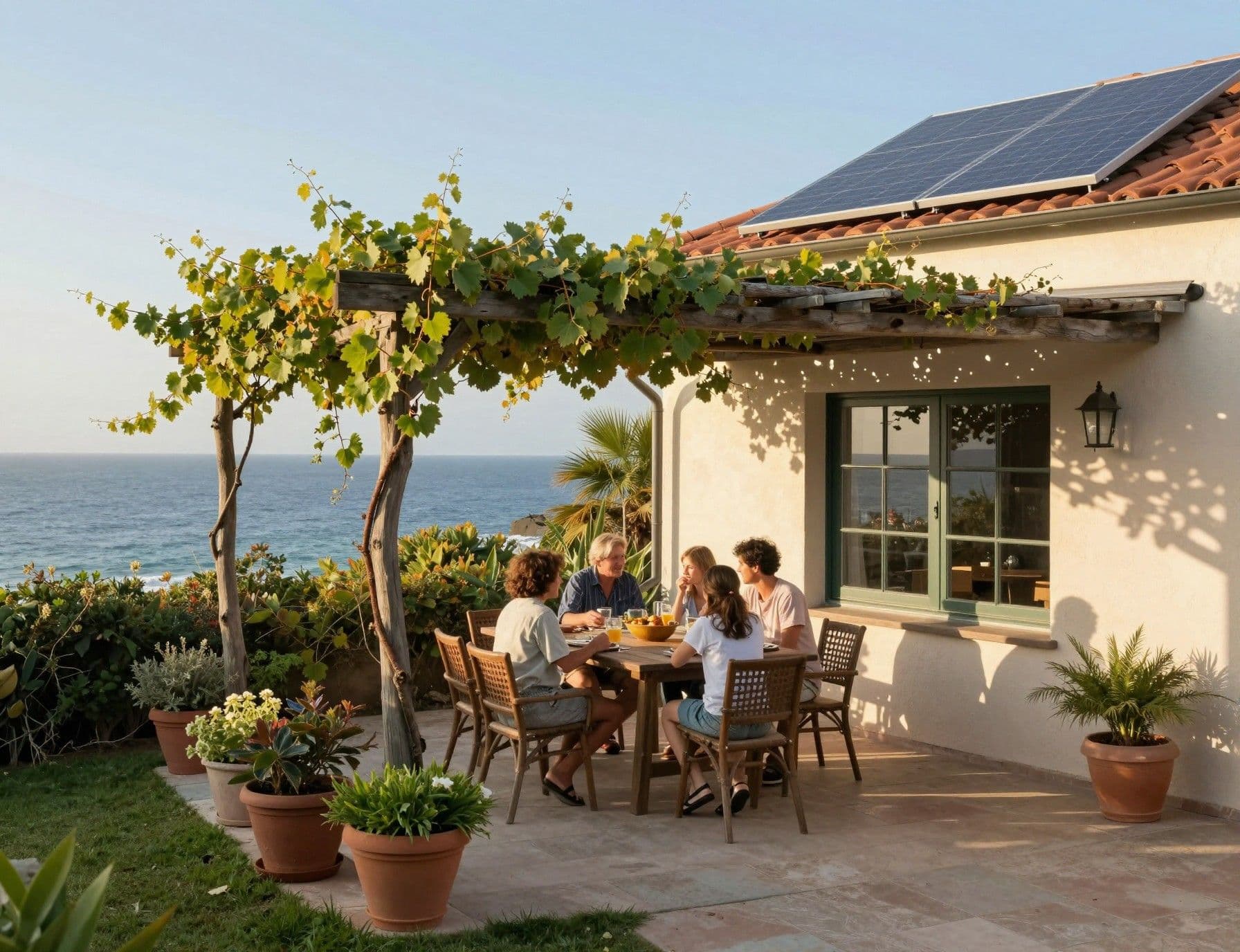
The dream of seaside mornings needs to meet the legal reality: EU and EEA citizens generally buy freely, while non‑EU nationals face reciprocity checks handled by the Ministry of Justice. That means, before you fall for a waterfront palazzo, confirm whether your nationality requires consent and how long that process takes. The good news for stewardship‑minded buyers is that many transactions now factor in energy upgrades and renewable potential as part of value, so choosing properties with solar‑ready roofs or thick stone walls pays both lifestyle and ecological dividends.
Property styles and how they shape daily life
Croatian homes range from fortified stone houses with thermal mass to sleek new apartments in Zagreb and low‑rise coastal villas with terraces. Stone houses offer natural insulation and character but often need sensitive retrofit — think breathable lime mortars, upgraded insulation behind traditional finishes, and modest heat‑pump systems. New builds can be more energy‑efficient out of the box, yet may lack the cultural soul of an old house. With house‑price indices showing substantial growth in recent years, prioritise sustainable retrofit potential (solar orientation, rainwater capture, native gardens) as a way to preserve value and reduce running costs.
Working with local experts who match lifestyle to law
Find an agent who speaks both the language of lifestyle and the language of law. A good local agency will know which neighborhoods have strong community gardens, which island properties have reliable water access, and where municipal plans favour heritage restoration over high‑rise development. Lawyers should confirm reciprocity, land registry (ZK) clarity, and permitted uses — and an eco‑minded architect or builder can estimate retrofit costs and green upgrade timelines. All of this saves surprises and keeps your project aligned with place.
- Steps to marry lifestyle goals with practical buying (start to finish)
- 1) Spend at least two seasons living locally — try a month in both coastal and inland towns to feel micro‑climates and community rhythms.
- 2) Check reciprocity and residency implications so your preferred property type is legally available to you; engage a Croatian lawyer early.
- 3) Prioritise properties with passive advantages (thick masonry, north‑south orientation) and clear potential for solar and water capture.
- 4) Request local energy and building assessments — a modest retrofit often gives the strongest long‑term returns in comfort and running costs.
Insider knowledge: what expats wish they’d known
Expat buyers often tell the same stories: they underestimated how important a good well or municipal water reliability is on some islands; they missed how summer visitor rhythms change local services; and they didn’t realise that a slow, community‑led restoration builds better neighbourhood ties than a flashy renovation. Croatia rewards patience. A small orchard, a rooftop for photovoltaics, and a welcoming neighbor who shares local knowledge will shape your daily life more than the sea view alone.
Cultural integration and daily networks
Croatians value hospitality and local ritual: regular markets, church festivals, and neighbourly help. Learning a few phrases, joining a local volunteer or market collective, and inviting neighbours for seasonal preserves will open doors fast. For families, school choices and health services cluster around regional centres; for remote workers, connectivity is improving but check broadband and mobile coverage specifically where you plan to buy. These small, social realities affect whether a house truly becomes a home.
Long‑term lifestyle and sustainability considerations
Croatia’s renewable landscape is changing — rooftop solar uptake is growing and municipalities increasingly support energy upgrades. That means investing in solar‑ready roofs, flexible wiring for heat pumps, and rainwater systems aligns both with community direction and potential incentives. Over time, properties that are climate‑adapted — shaded outdoor rooms, native plant gardens, and passive cooling strategies — will give a quieter, more resilient life and hold value as seasons shift.
- Red flags and quick checks before you bid
- Unclear land registry (ZK) entries; lack of documented water rights or sewage connection; stalled municipal plans near the property; roofs unsuitable for solar; listed‑building restrictions that prohibit sensible upgrades.
When the sea and stone seduce you, remember that stewardship is the bridge between desire and reality. Start with lifestyle scouting — spend time by neighbourhood cafés, at markets, and on the island ferries — then anchor decisions in legal clarity and ecological sense. Work with an agent who loves place as much as price, a lawyer who knows reciprocity and land registry, and a builder who respects traditional materials while improving performance. Small, patient choices — a repaired stone wall, native planting, a properly oriented solar array — will be the quiet things that let you live here well.
If you’re ready to explore, ask an agency for a two‑season scouting plan, a local energy‑upgrade estimate, and a written checklist for legal reciprocity. That blend — lived experience plus practical due diligence — is how you move from dreaming to stewarding. Croatia offers a life held in equal measure by sea and soil; choose a home that honors both.
British expat who traded Manchester for Mallorca in 2017. Specializes in guiding UK buyers to luxury Spanish estates with clear navigation of visas and tax.