Buy When the Harvest Reveals Hidden Value
Use Croatia’s seasonal rhythms — truffle and olive harvests, off‑season quiet, local markets — to uncover sustainable value and smarter buying moments.
Imagine waking before dawn in a stone house above Rovinj, the air scented with rosemary and the distant sea. You walk past an olive press, buy morning bread from the same baker, and by noon you’re discussing truffle routes with a neighbour who knows the forests like a map. In Croatia, seasons are more than weather: they reveal hidden value in land and community. This guide shows how living rhythms — harvests, festivals and local markets — can become practical signals for international buyers seeking sustainably rooted homes.
Living the Croatia life: sun, stone and slow markets
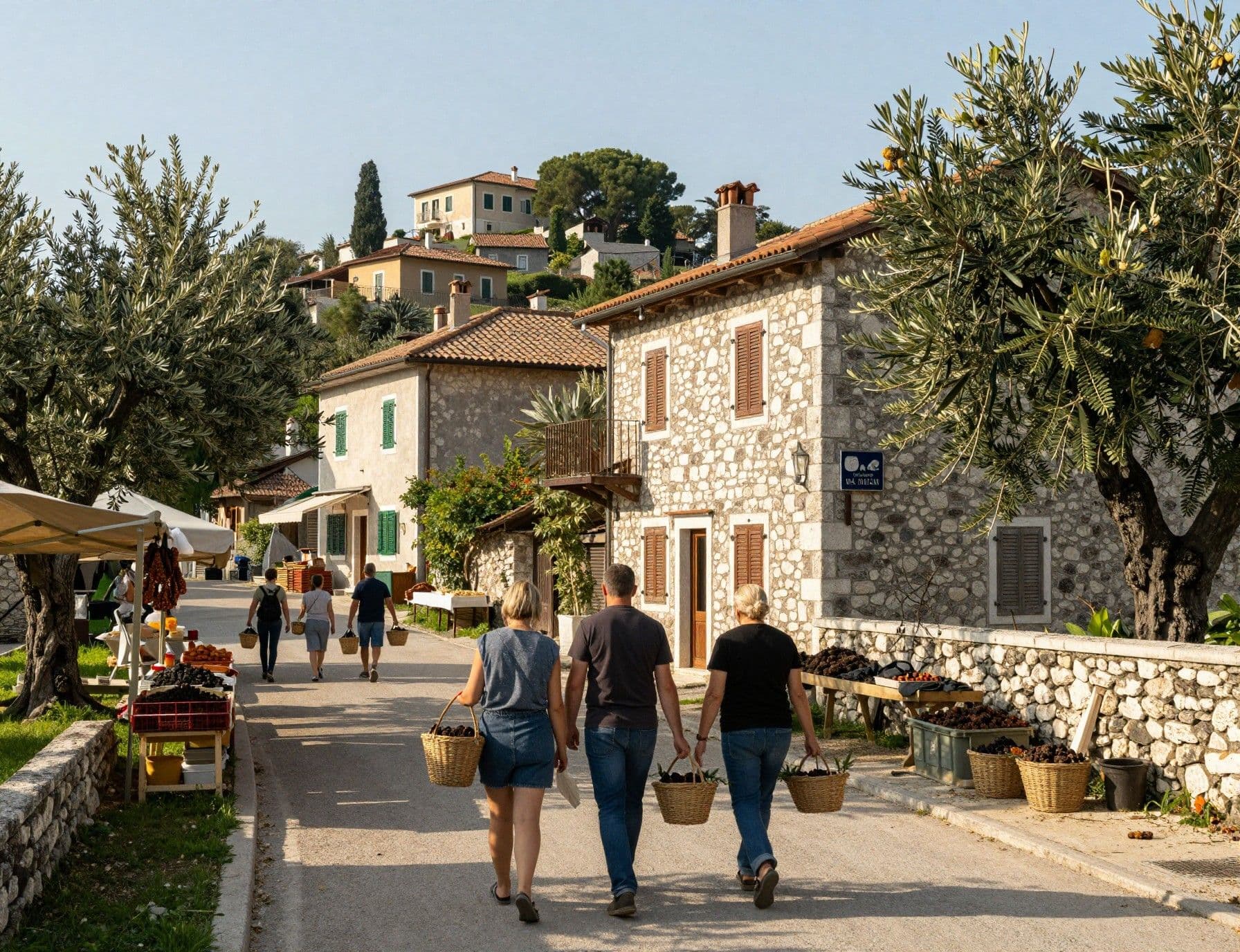
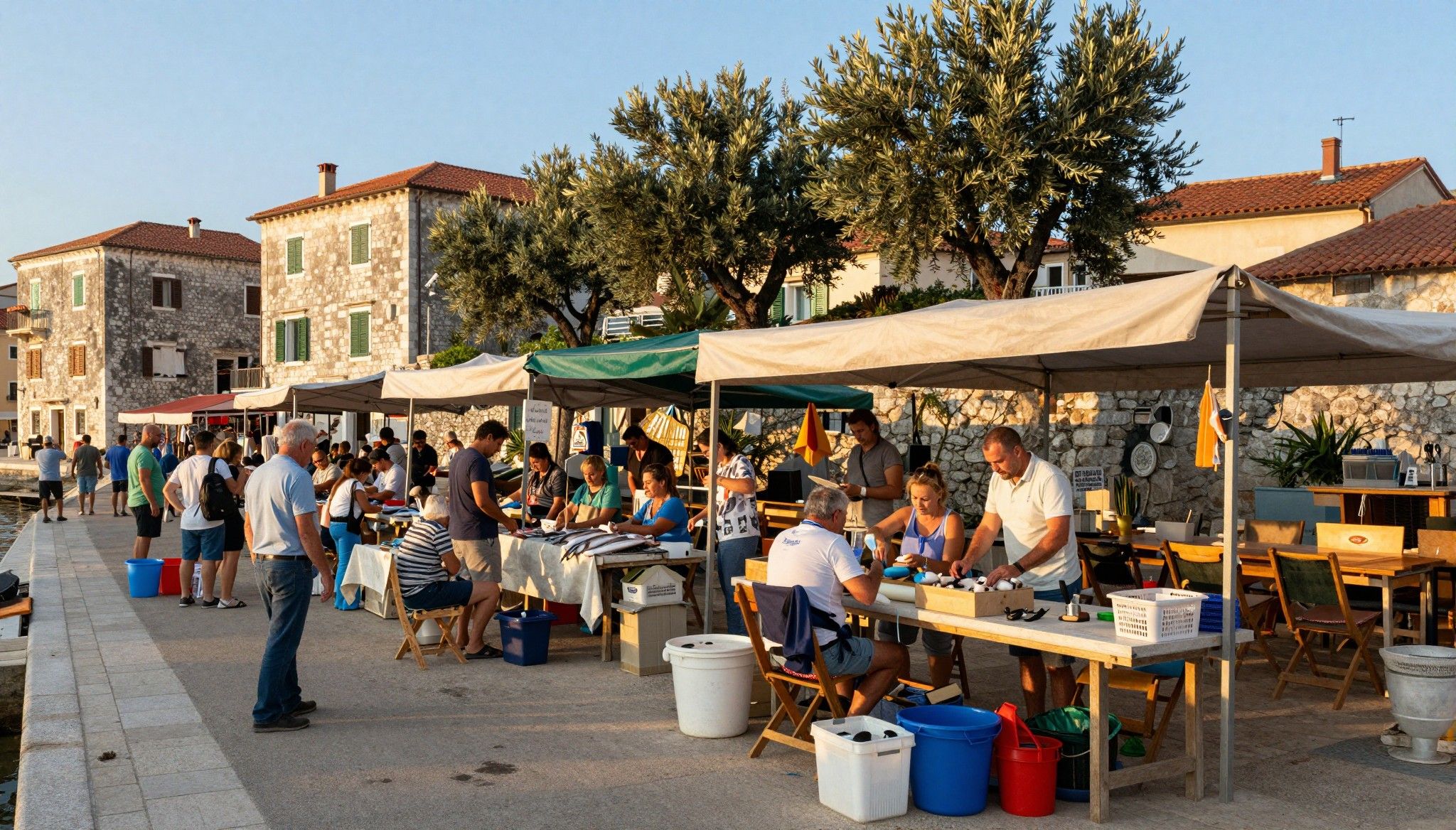
Days in Croatia feel stitched to the land. On the coast, Split’s Veli Varoš and Dubrovnik’s Old Town wake with cafes flinging open shutters and fishermen selling the morning catch at markets like Split’s Green Market (Pazar). Inland, villages in Istria and the Pelješac peninsula follow harvest rhythms — olive pressing, grape picking, truffle walks — that shape who gathers where and when.
Istria & Motovun: truffles, hilltop mornings and food culture
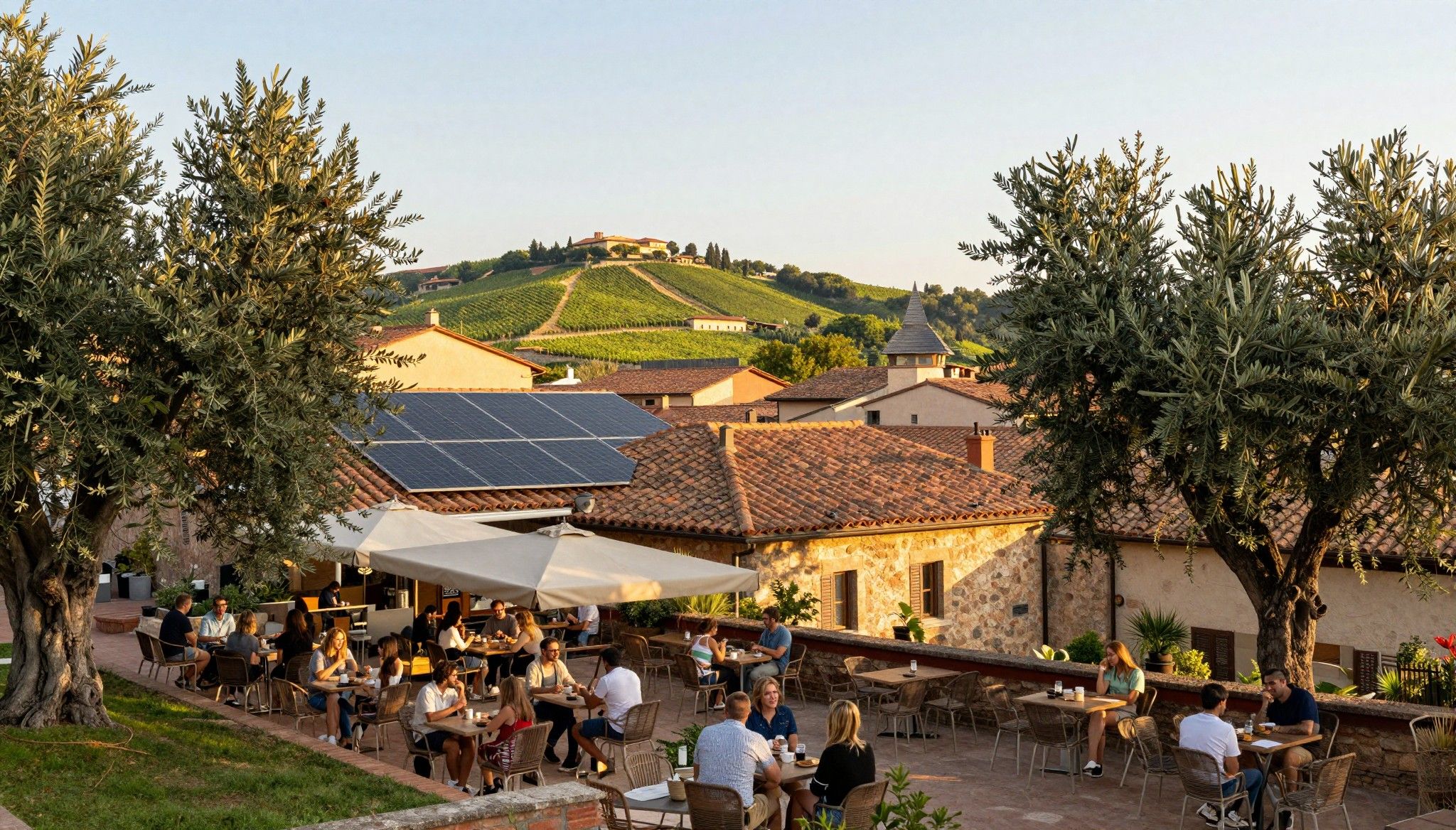
In autumn, Motovun and the Mirna Valley hum with truffle hunters and slow-food festivals. Those weeks are not just culinary tourism — they’re a chance to meet local producers, learn about land access, and spot renovated stone houses near truffle grounds. Buying close to these rhythms can mean access to community networks and small-scale regenerative farming projects.
Dalmatian coast: morning swims, late aperitivi and island calm
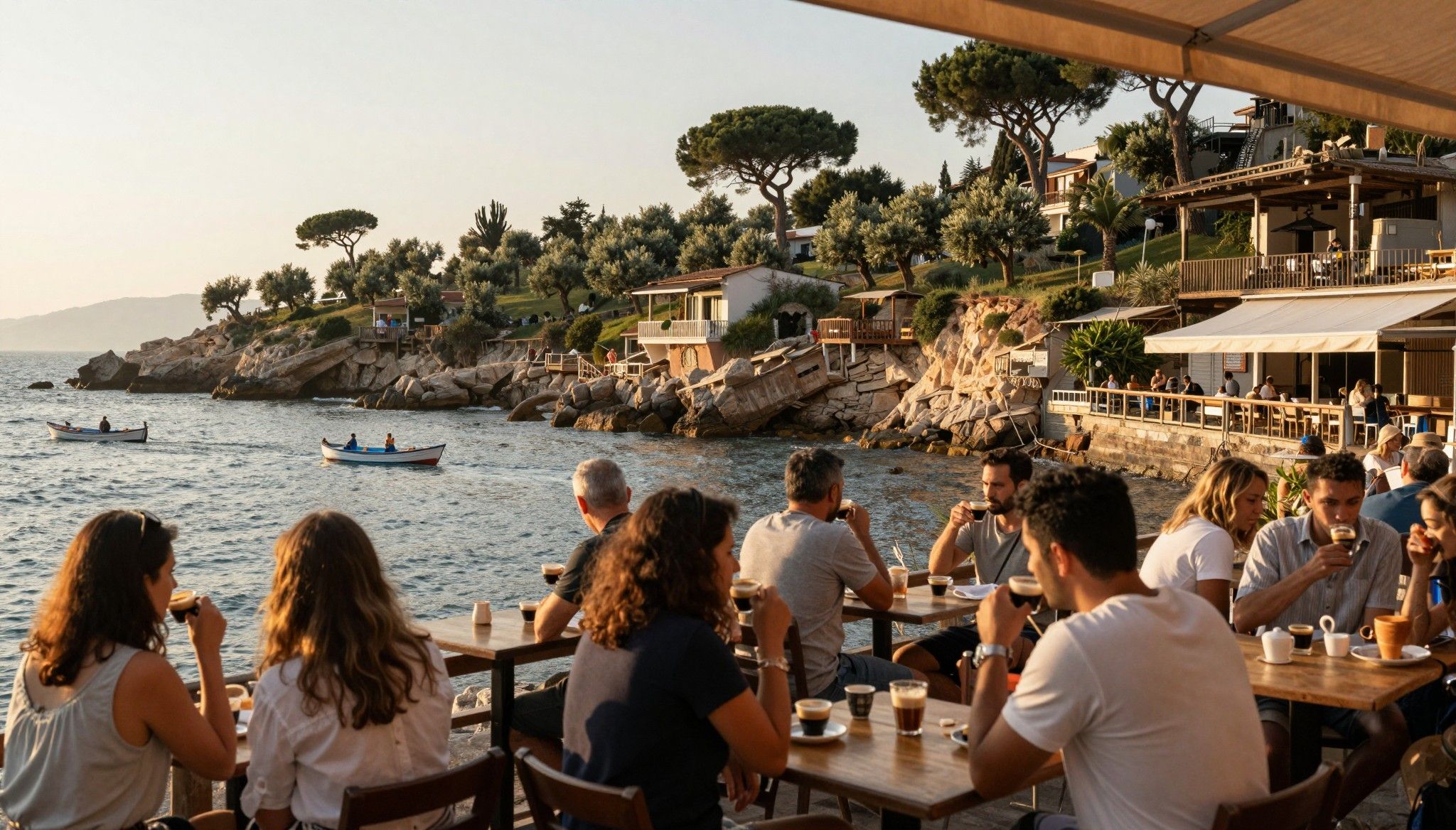
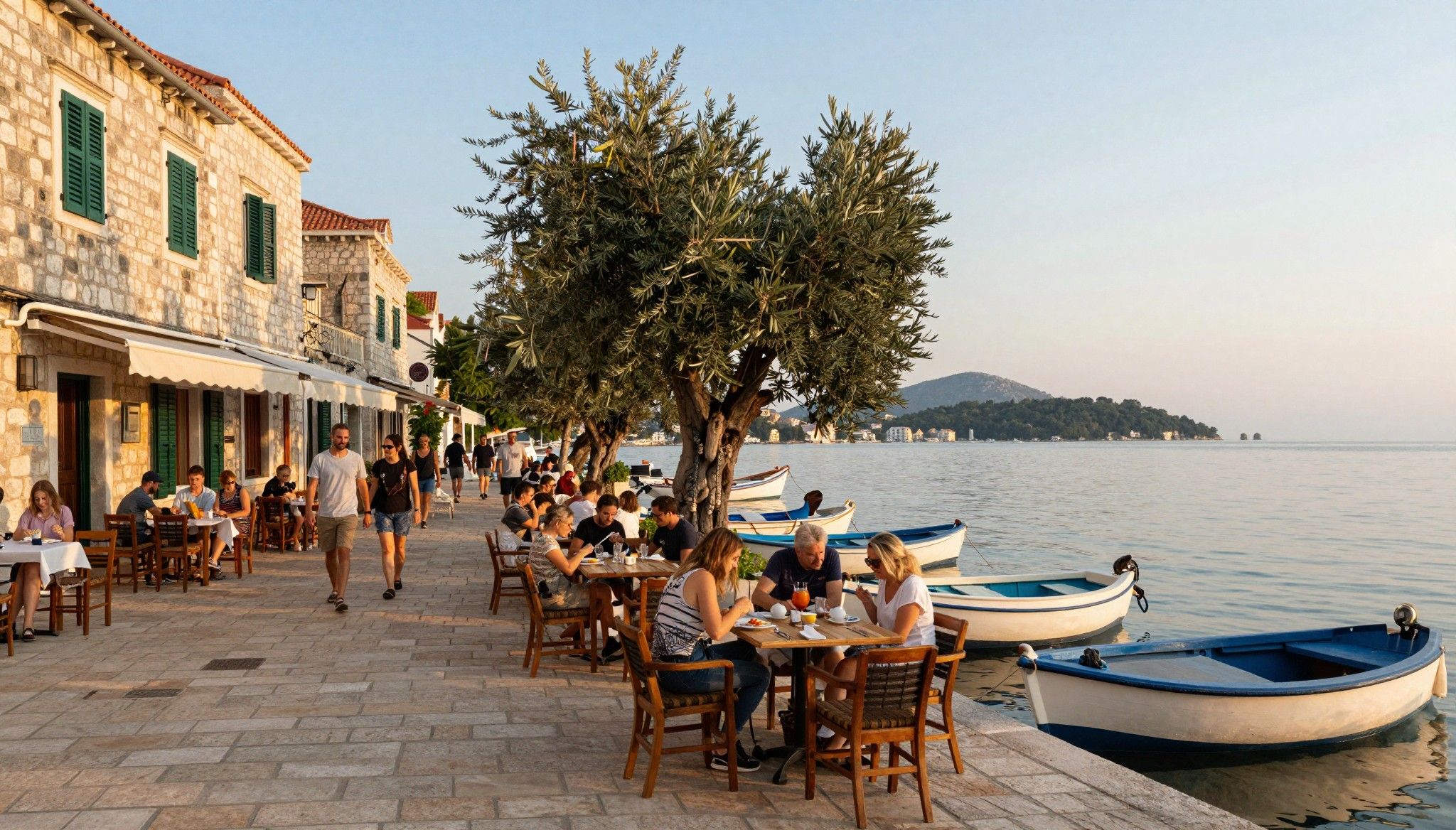
On Hvar or Vis, life is outdoors: terraces for long lunches, fishermen’s markets at dawn, and winding streets where neighbours still trade preserves. Neighborhoods like Split’s Veli Varoš feel lived-in rather than staged — useful when you want authenticity over a postcard view. The sensory life here helps you decide what property features matter: shaded courtyards, cisterns, and cooling cross-ventilation more than marble finishes.
- Lifestyle highlights to look for
- Morning markets: Split’s Pazar or Rovinj’s stalls where you meet farmers and learn seasonal cycles
- Harvest festivals: Istrian truffle and olive events that map local production and neighbour relations
- Seaside routines: coastal promenades, island ferry rhythms, and community-run konobas (taverns)
Making the move: how seasonality reveals practical opportunities
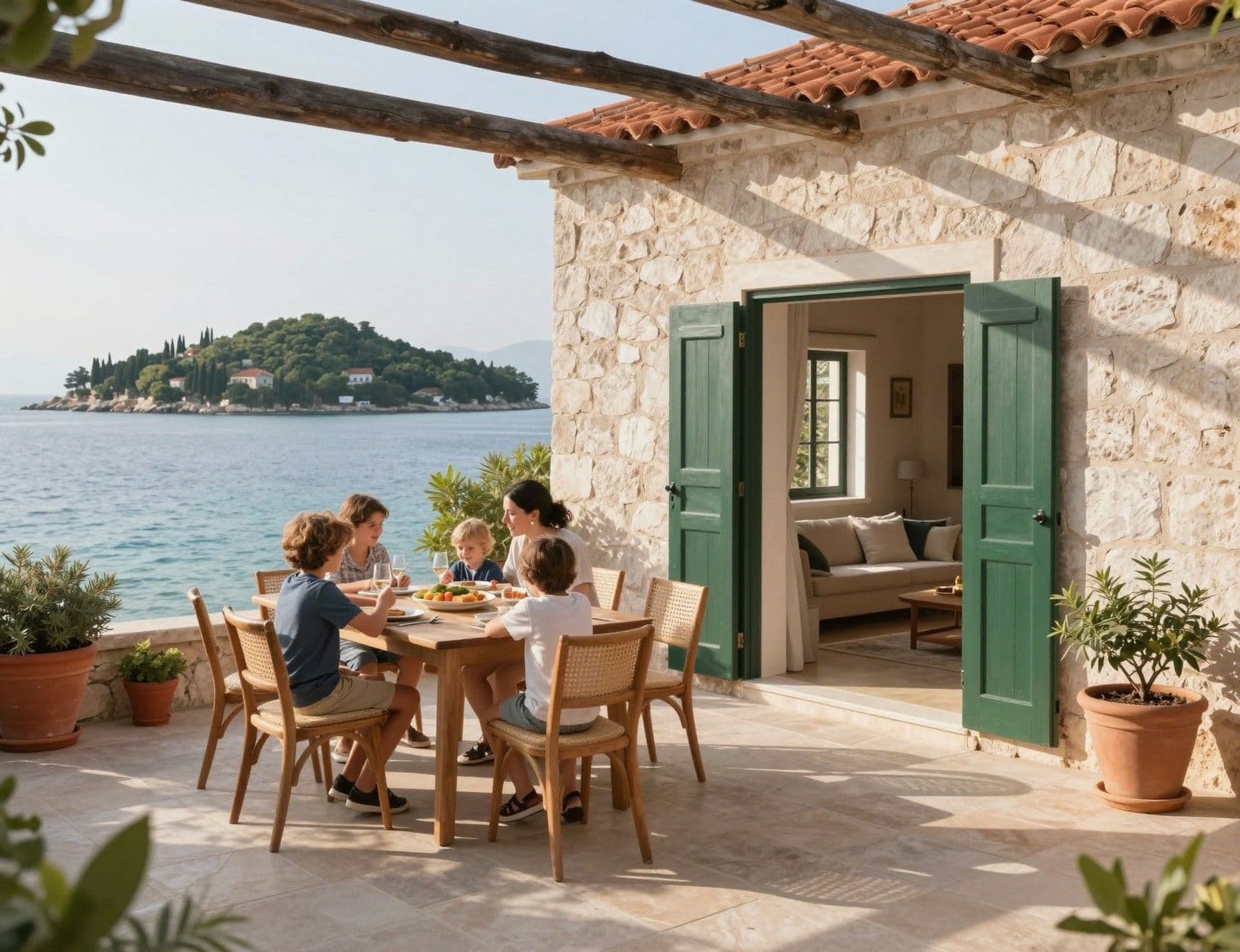
The romantic image of Croatia can obscure legal and practical realities. EU citizens enjoy parity when buying property; non‑EU buyers usually need administrative consent, and agricultural and protected lands have special rules. Use seasonal windows — harvests, post-festival quiet, winter maintenance months — to conduct deeper due diligence when sellers are more available and neighbourhood life is visible rather than staged.
Property styles: what stone cottages, modern villas and apartments actually offer
Traditional stone houses yield cool summers, thick walls and opportunities for low‑impact retrofits — think insulation with natural materials, rainwater harvesting and rooftop photovoltaics tucked behind chimneys. New builds often offer better thermal performance and warranties, but may sit in less traditional settings. Pick the property that supports the life you imagine: a courtyard for olive trees, a rooftop for solar panels, or a kitchen large enough for month‑long preserving.
Work with local experts who know festivals, forests and files
A good local agent is also a cultural translator: they know which lanes flood in storm seasons, which neighbours press olives, and which cadastral quirks tie to ancient footpaths. Lawyers, architects and conservation-minded builders will protect both the lifestyle you want and the land that supports it. Insist on professionals fluent in local practice and sustainable retrofit options.
- Practical steps blended with lifestyle checks
- Visit outside high summer: attend a harvest or market to feel daily rhythms and meet producers
- Request energy and water bills plus any planning restrictions — check for protected zones or informal easements
- Hire a local architect to advise on passive cooling, insulation and simple renewable upgrades
- Speak to neighbours during a slow season to learn about transport, utilities and community life
Insider knowledge: what expats wish they'd known
Many newcomers are surprised by two things: how small local economies are, and how seasonal life affects services. Foreign buyer activity has cooled from its peak, which means more negotiating room on properties that need thoughtful restoration. But that same seasonality means many services — builders, tradespeople and architects — ramp up in spring and quiet in winter. Timing a purchase with local calendars saves money and builds goodwill.
Cultural rhythms, language and neighbourliness
Learning a few phrases, joining a monthly market or volunteering at a local festival opens doors faster than contractual niceties. Croatians prize hospitality and long-term relationships; showing respect for seasonal labour (harvests, fishing times) often makes future maintenance and neighbourly help far easier.
Long-term lifestyle & stewardship considerations
Think of a Croatian purchase as joining a place rather than flipping an asset. Choose homes that can be decarbonised incrementally: add solar, improve insulation, manage gardens for biodiversity. Over time these choices reduce running costs and align your home with local stewardship — and they’re often cheaper when coordinated with seasonal maintenance windows.
- Red flags to watch for
- Properties marketed only in high summer — if you can’t see them in low season, something is hidden
- Lack of clear title history or missing cadastral excerpts — always insist on a full legal audit
- Missing basic energy or water bills — these show real operating costs and inform retrofit decisions
Conclusion: live the seasons, buy with sense
Croatia rewards patience. The best properties are less about the most photogenic view and more about how the house participates in seasonal life — its courtyard for spring olives, its cool stone rooms for summer siestas, and its neighbours who know the sea. Start by visiting during a harvest or market season, bring local experts into the conversation early, and treat sustainability as a series of small, practical steps that enhance both life and value. When you buy that way, you are not just purchasing property — you are joining a landscape.
British expat who traded Manchester for Mallorca in 2017. Specializes in guiding UK buyers to luxury Spanish estates with clear navigation of visas and tax.