Italy’s Renewables Flip the 'Too Expensive' Myth
Italy’s renewable surge is rewriting property value: find lifestyle-rich homes where solar, insulation and community energy turn hidden costs into long-term gains.
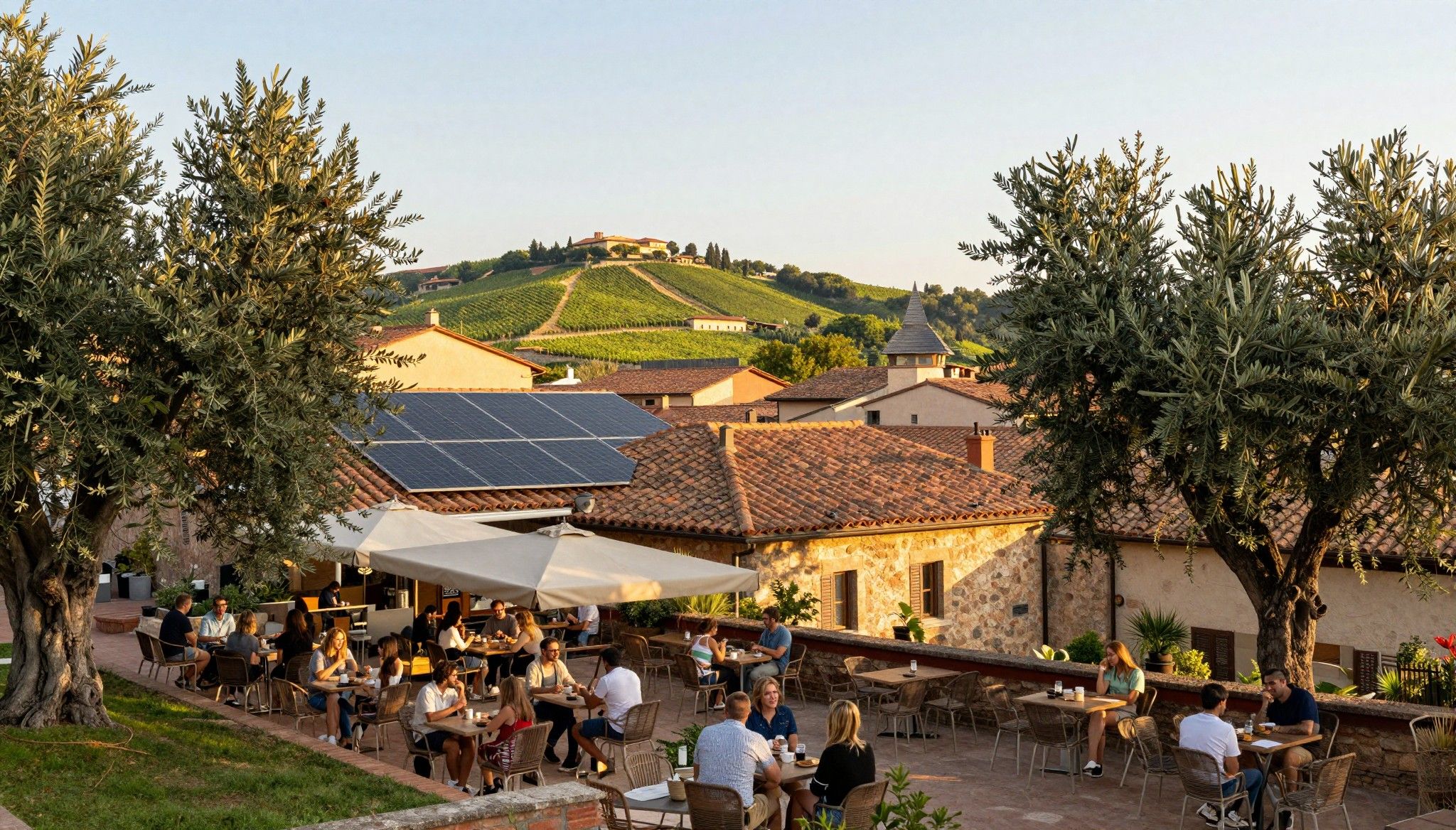
Imagine waking to the smell of espresso and pine resin, then stepping out onto a sun-warmed terrace where your rooftop panels hum softly as they feed the house. In Italy, that scene is becoming ordinary: a fast-growing national roll‑out of solar and community renewables is changing neighbourhood rhythm, lowering running costs and reshaping where green value hides in the market.
Living the Italy lifestyle — and where green infrastructure sings
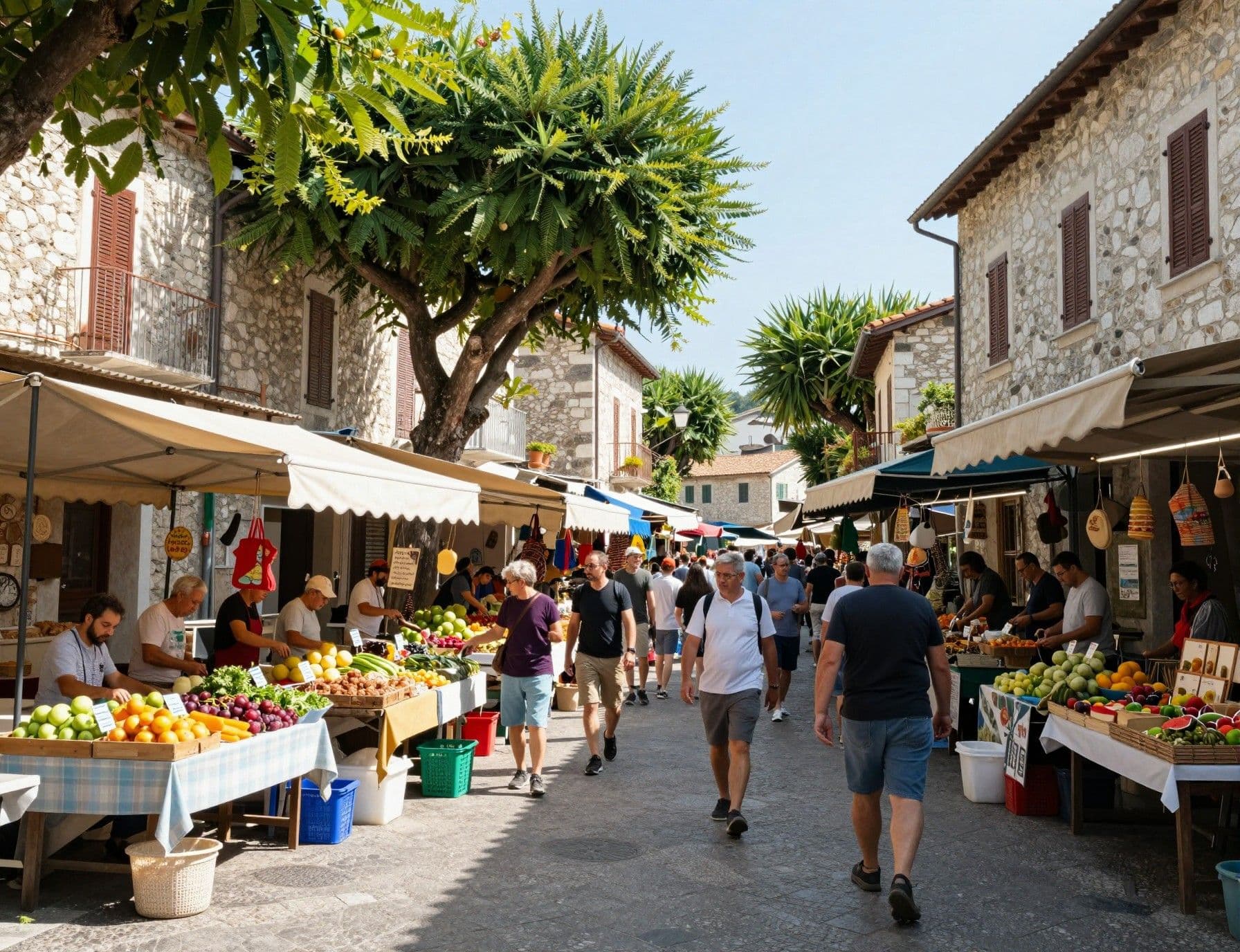
Italy’s daily life still moves at the rhythm of piazzas, markets and seasons, but the quiet beat of renewable energy is adding a new texture. Coastal towns in Puglia and Sicily brighten with rooftop PV, hilltop Tuscan farms pair olive groves with agrivoltaics, and small towns around Milan tap into energy communities — meaning mornings are now punctuated by local electricity flows as much as church bells. Renewables supplied a record share of power in 2024, and that matters for the lived experience: lower local energy bills, improved reliability and a new expectation that houses should be energy-responsible.
Neighbourhood spotlight — Trastevere to Trani: contrasts that matter
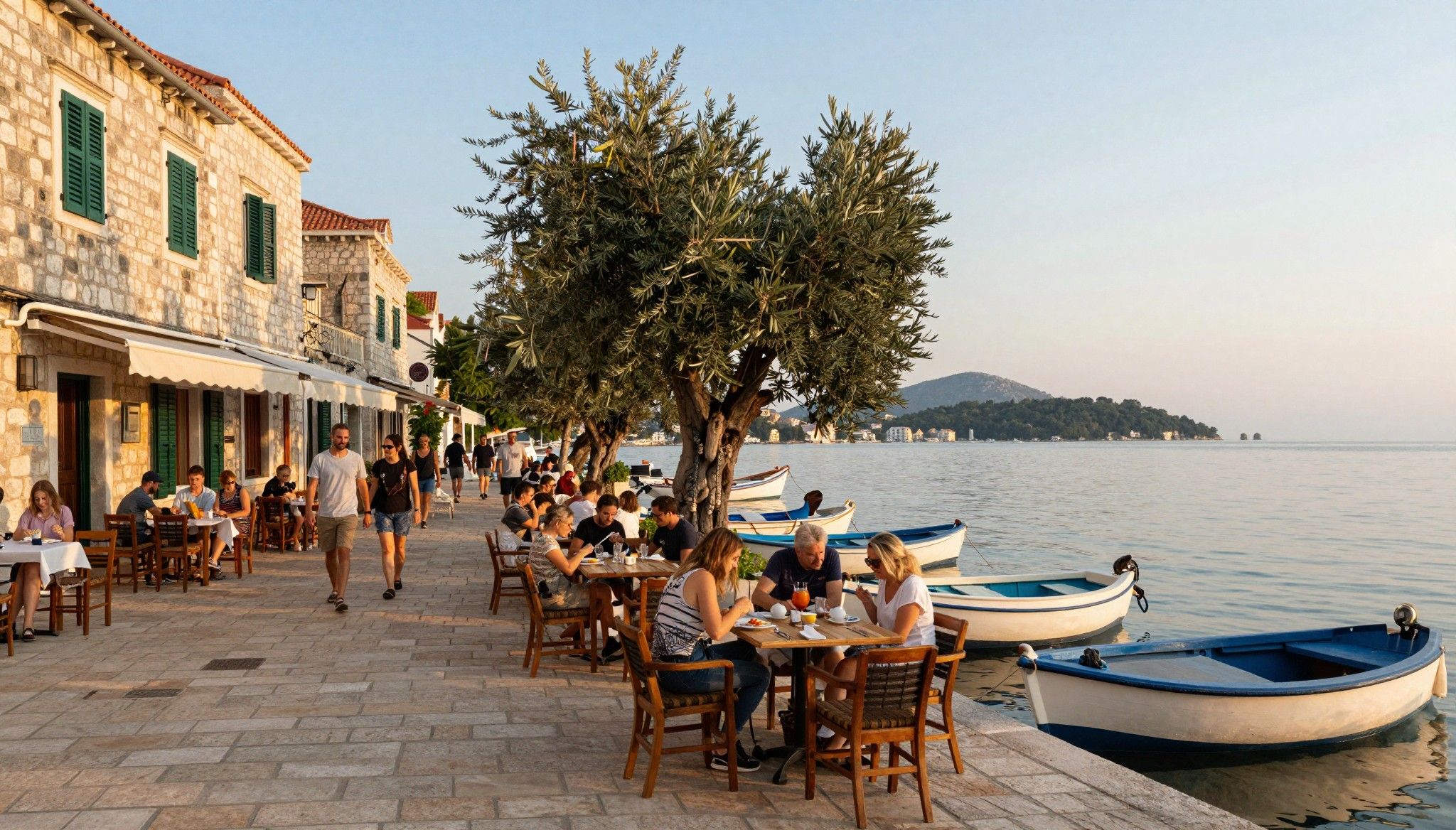
Stroll Trastevere at dawn and you hear scooters and espresso orders; walk old Trani and you smell salt and grilled fish. Both are magnetic, but what buyers often miss is how micro‑infrastructure changes value: a Trastevere apartment with modernised insulation and heat‑pump plumbing will feel dramatically different through winter than an unrefurbished flat, while a seaside home in Puglia with solar and battery storage will flip summer running costs into a profit for short‑term rental seasons.
Food, markets and ritual — lifestyle features that shape property choices
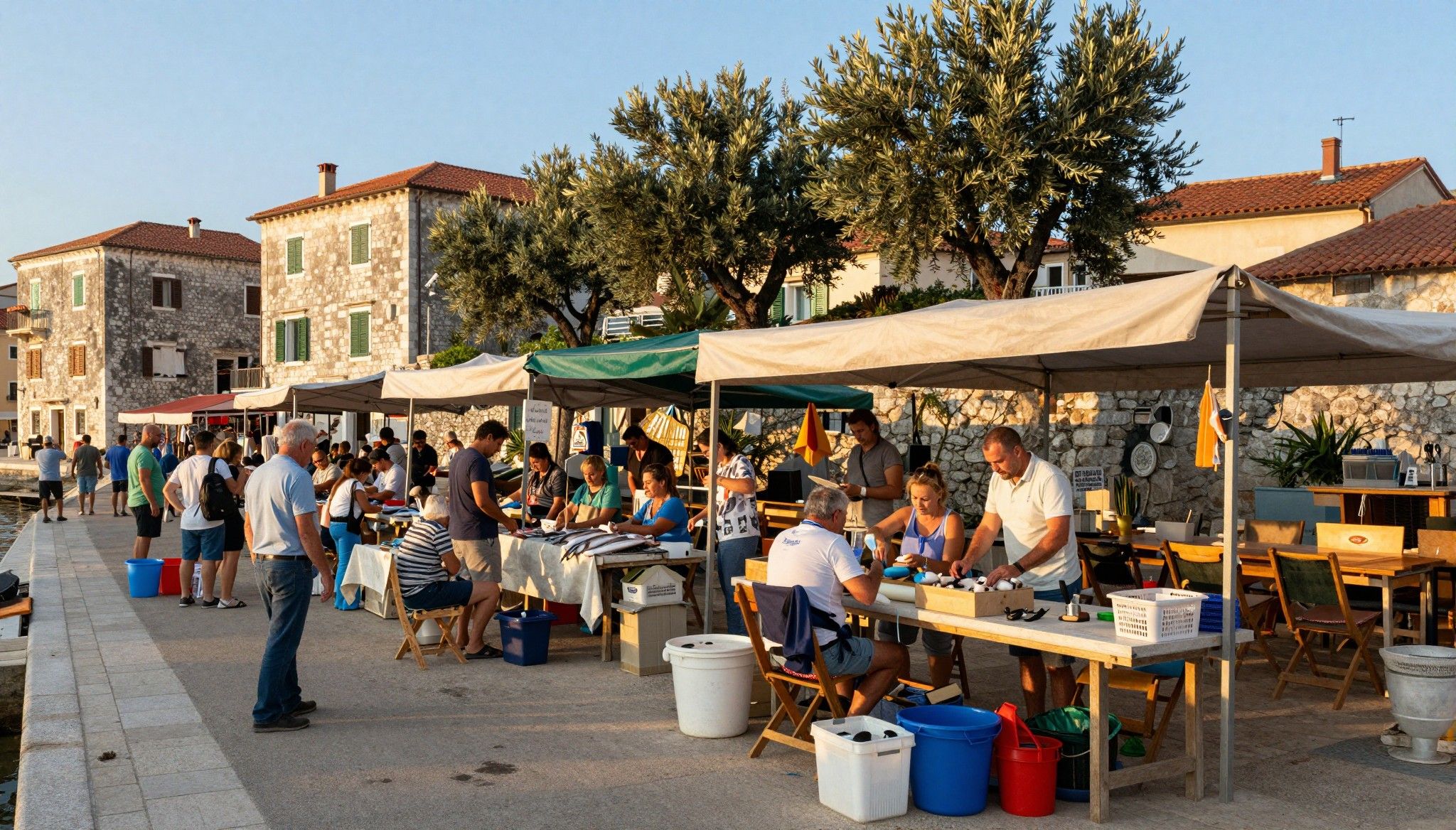
From morning fish markets in Naples to weekend farmers’ markets in Bologna, local food culture shapes how Italians use space: balconies become kitchen gardens, cellars store preserves, and ground‑floor courtyards host summer dinners. These habits influence which properties feel ‘right’ — long terraces and south‑facing roofs matter more than high ceilings when you care about solar gain and year‑round outdoor living.
- Daily-life highlights that affect where eco-minded buyers plant roots
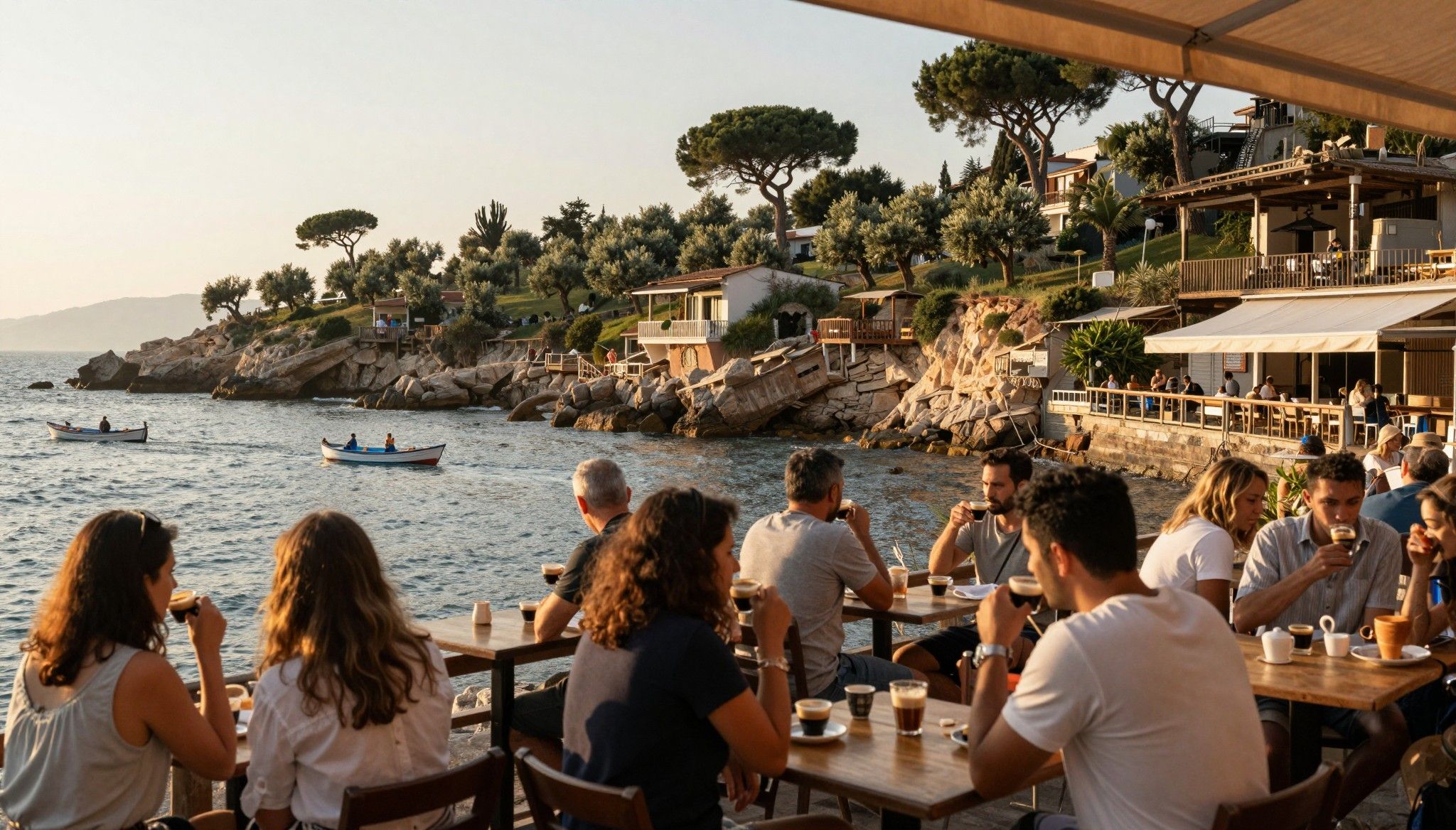
- Morning espresso on a heated terrace (south-facing orientation matters)
- Local markets within walking distance (supporting low‑impact living)
- Rooftop or garden space for PV, pergolas and edible planting
Making the move: practical considerations that keep the dream real
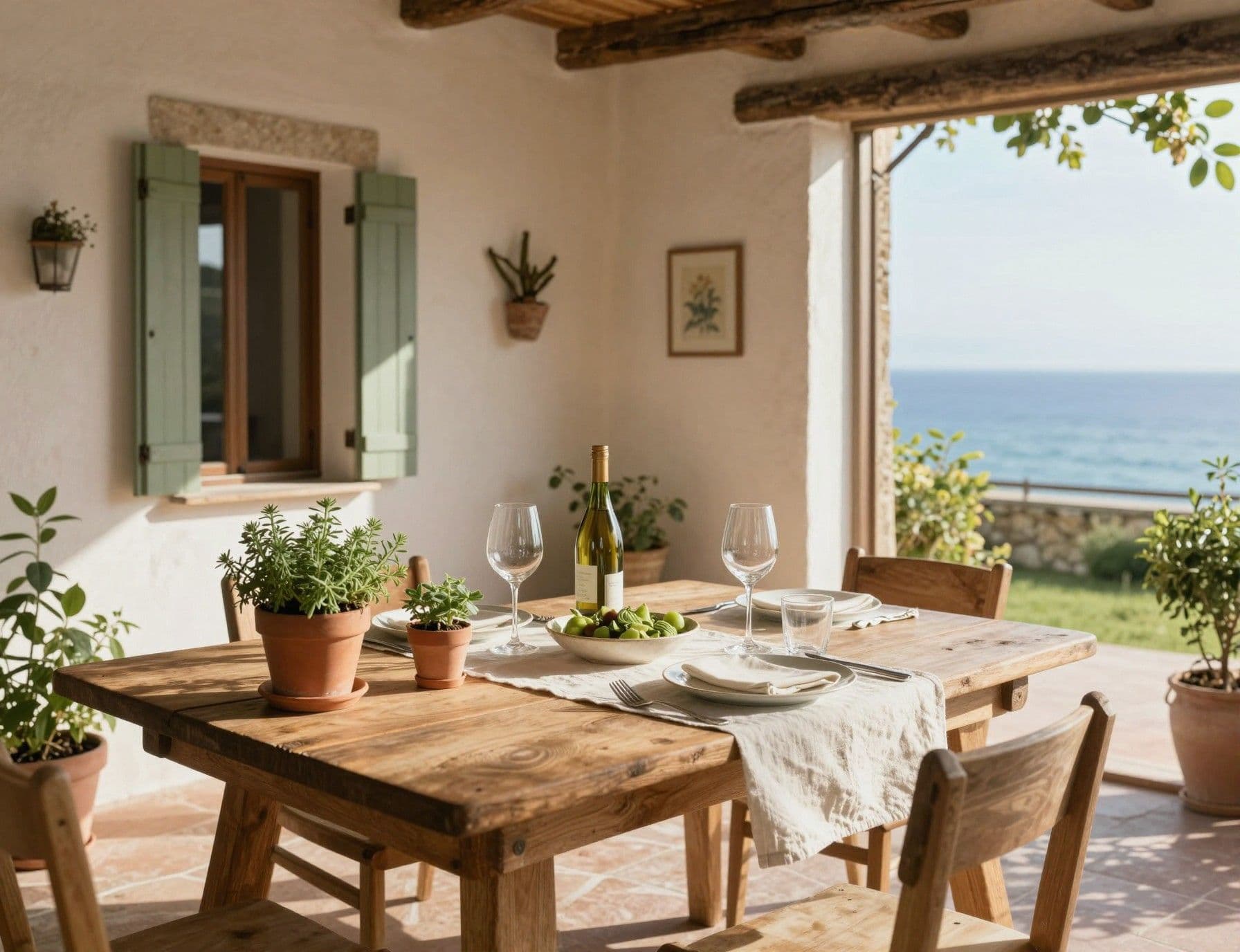
You’ll want to pair romance with reality. Green features—solar, efficient envelopes, heat pumps—alter both lived comfort and long‑term costs. Recent policy shifts around energy incentives mean renovation economics are in flux; understanding which incentives still apply will shape whether a fixer‑upper becomes an eco‑sanctuary or a renovation headache.
Property styles: stone farmhouses, historic flats and new eco‑builds
A 16th‑century stone farmhouse in Umbria offers thick walls and thermal mass but will likely need careful integration of modern systems (ventilation, discreet PV or heat pumps). A renovated historic flat in Florence can deliver character and retrofitted efficiency. New eco‑builds near Turin increasingly include passive‑house elements and communal PV — and often come with lower immediate maintenance and clearer energy performance documentation.
Work with local experts who know both culture and green infra
Choose an agent who can read both plans and piazzas: someone who knows where regional incentives apply, which councils favour rooftop PV or agrivoltaics, and the builders who respect traditional materials while installing modern systems. Local notaries and technical surveyors (geometri) are essential — they translate building reality into legal clarity and help thread the needle between heritage rules and energy upgrades.
- Practical steps that blend lifestyle and purchase sense
- Inspect orientation and roof condition first (south exposure and good structure make PV realistic).
- Ask for year‑on‑year energy bills and any existing EPC (Attestato di Prestazione Energetica).
- Check local incentive eligibility before exchange of contracts — regional rules vary widely.
Insider knowledge — myths, red flags and expat realities
Myth: 'Italy is too expensive for buyers seeking green value.' Truth: when you layer running costs, incentives and the local renewable rollout, many properties that look pricey on sticker become smarter over time. The real red flag is a beautiful property with poor orientation, absent energy certificates and ambiguous roof rights — that’s where costs hide.
Cultural integration: language, markets and neighbours
Learning a little Italian—enough to greet shopkeepers and read municipal notices—changes everything. Join a mercato, spend mornings at the same café, and you’ll discover practical intel: which local electrician does discreet PV work, which builder navigates Soprintendenza heritage constraints, and where community energy projects meet residents for decisions.
Long-term life: how places evolve when green infrastructure arrives
Places with strong renewables investment often see subtle shifts: cafés stay open later because energy costs fall, small producers reinvest in on‑site processing, and communal green projects (shared batteries, EV charging hubs) create new social focal points. For long‑term residents, that translates to a quieter, more resilient pace of life — and smarter property appreciation that ties to real use, not fleeting tourism hype.
- Red flags to spot on viewing day
- Roof in poor condition (limits PV potential)
- No EPC or inconsistent energy bills
- Shared roof rights unclear in condominium (spreads upgrade cost problems)
- How to prioritise green upgrades (simple ranking)
- 1. Improve insulation and windows (comfort gains are immediate).
- 2. Assess PV plus simple battery storage (best ROI where roofs and orientation suit).
- 3. Add heat pump or high-efficiency HVAC as the next step.
Conclusion: Italy is not a single story. It is a constellation of neighbourhoods where heritage and renewables are learning to live alongside one another. For the international buyer who values seasons, markets and stewardship, the smartest purchases are those that pair sensory love with a practical green checklist. Start with sunny roofs, talk to local agents who know regional incentives, and imagine a home that pays you back in warmth, community and lower bills.
British expat who traded Manchester for Mallorca in 2017. Specializes in guiding UK buyers to luxury Spanish estates with clear navigation of visas and tax.