Live the Place First: Seasonal & Eco‑Smart Buying in Croatia
Fall for Croatia’s rhythms: live the place first, pair seasonal scouting with legal checks, and prioritise homes suited to sustainable, year‑round life.
Imagine waking to sea-breezed mornings in Split, buying late‑morning brioche at Dolac market in Zagreb, or watching wisteria bloom over a stone terrace on Hvar. Croatia feels lived-in: a stitched landscape of olive groves, cobbled streets, and Adriatic light. For international buyers who care about place and planet, that feeling — how a home sits in its landscape — matters as much as price. Recent market analysis shows brisk activity and seasonal swings that shape both lifestyle choices and purchase timing.
Living the Croatian life: place, pace, and everyday rituals
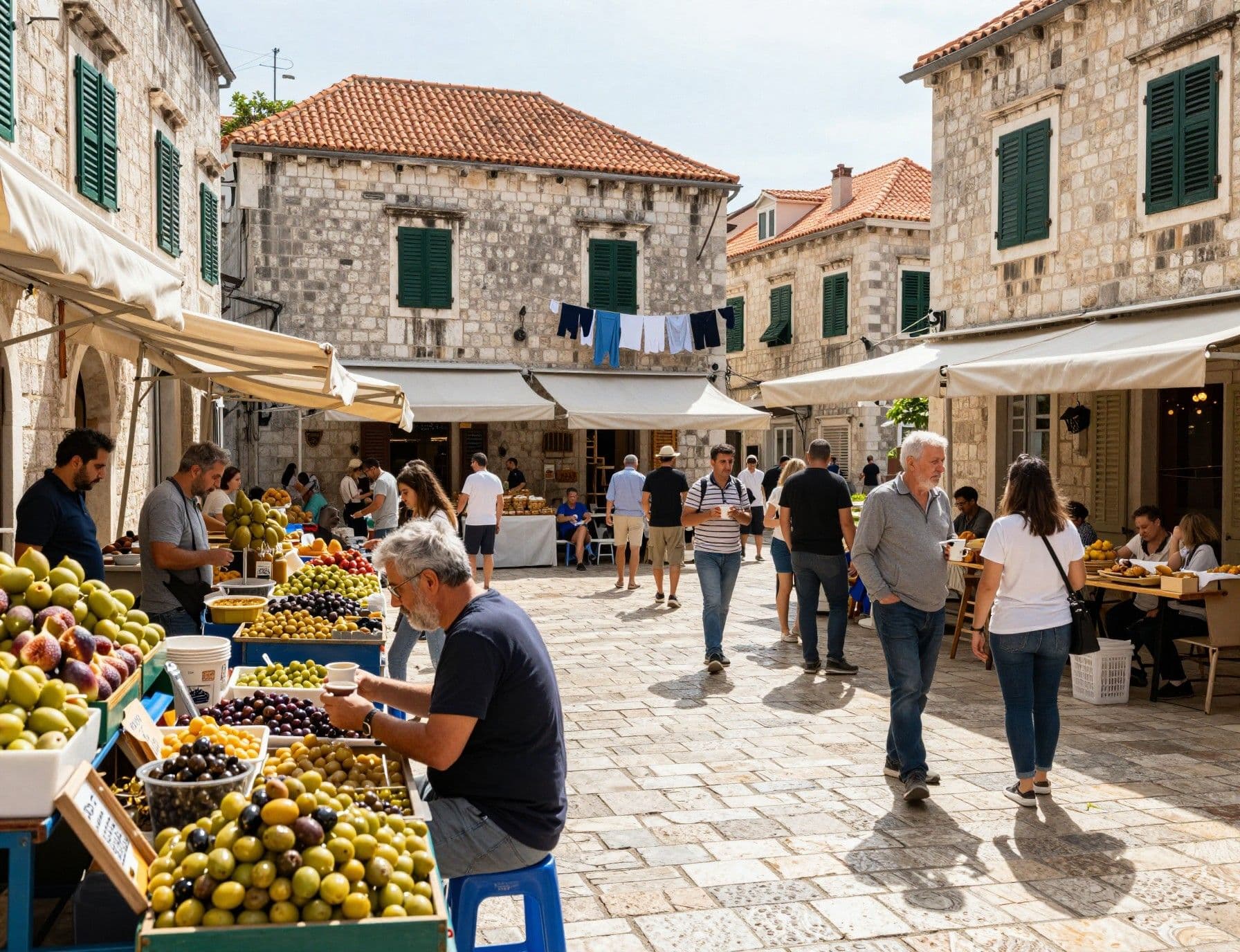
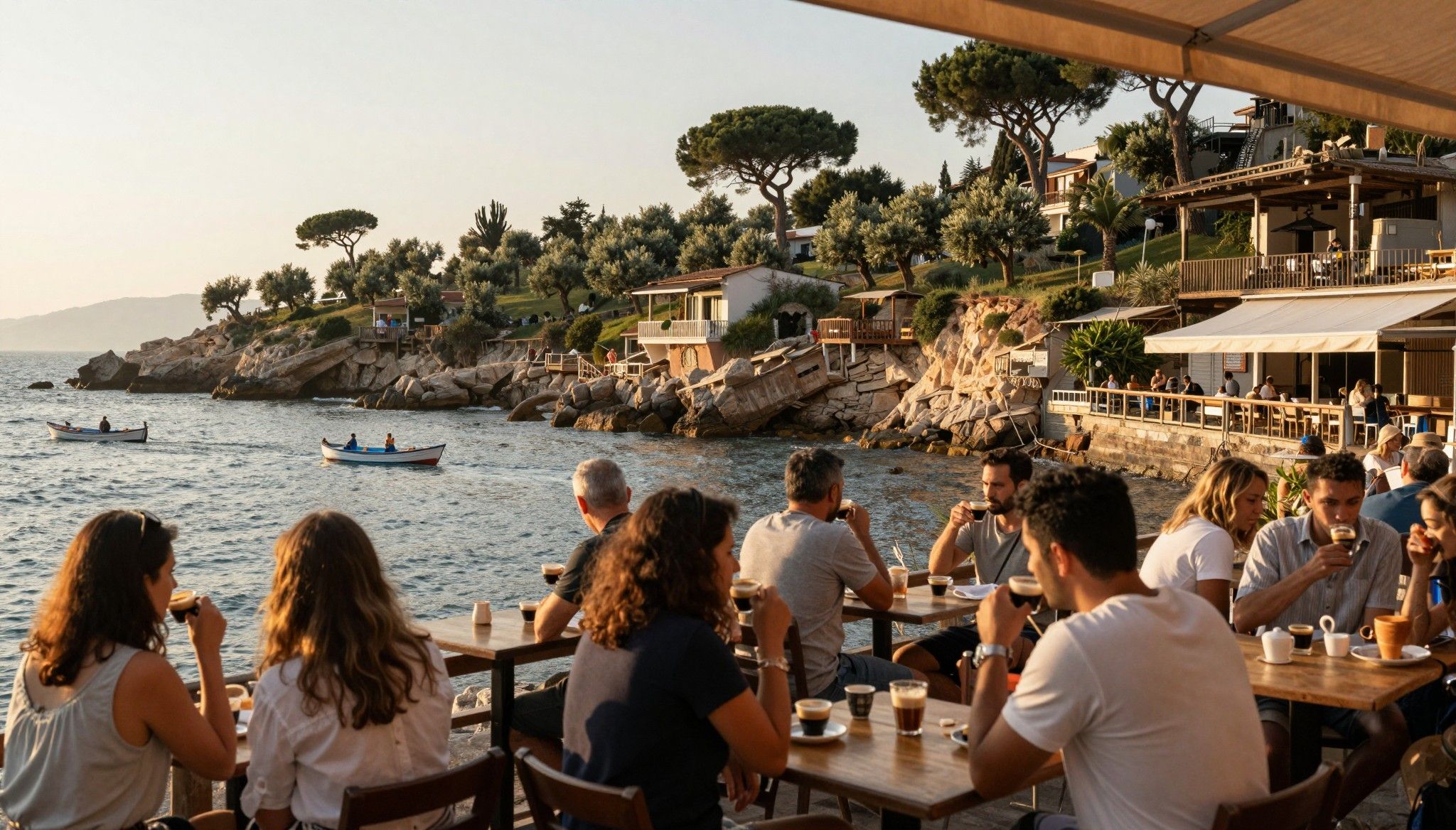
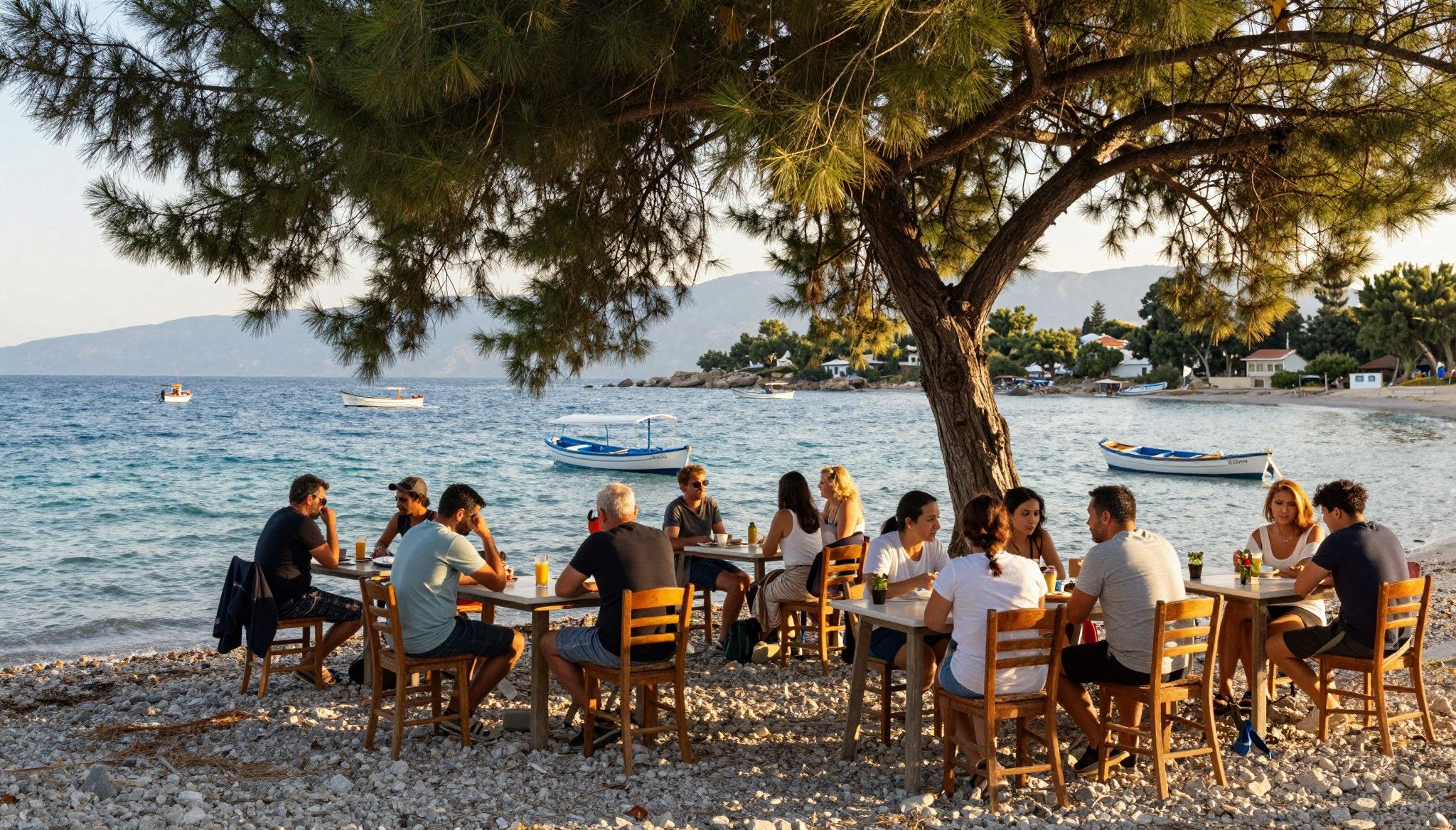
Living in Croatia is a study in seasons and scale: long, hot Adriatic summers where village squares hum with aperitivi, and gentle inland winters when wood smoke and market soups refill the streets. Towns like Rovinj and Šibenik keep a coastal tempo — mornings by the sea, afternoons in shade — while Zagreb holds a quieter, cafe‑centric rhythm. Small daily acts — buying figs from a roadside stand, lingering over espresso — stitch newcomers into local life quickly. Practical realities like residency, property consent rules, and market rhythm affect how easily you can join that daily pattern; the Croatian government outlines the differences between EU and non‑EU buyers and where consent is required.
Spotlight: Dalmatian coastal villages — sea, stone, and slow summers
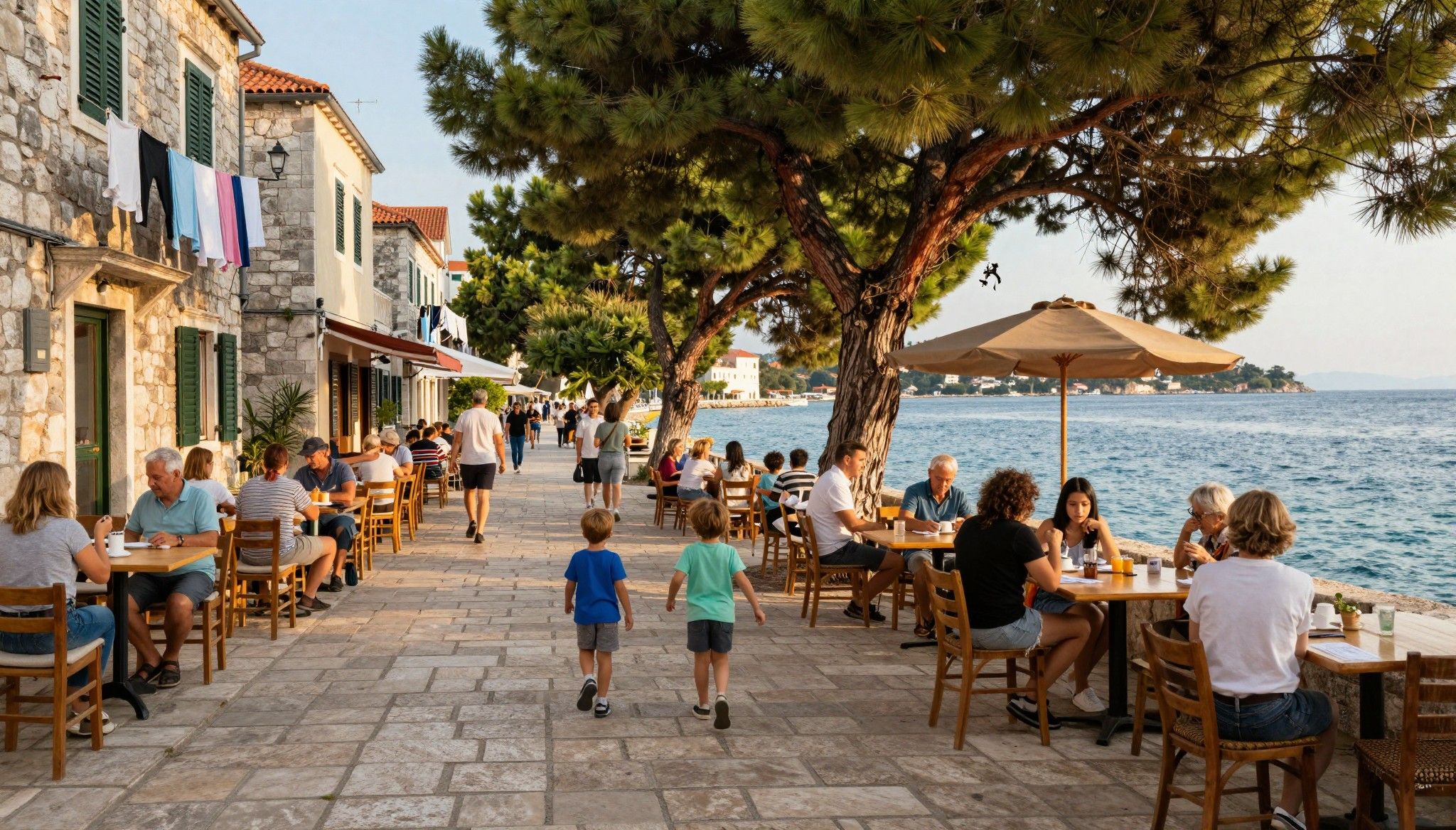
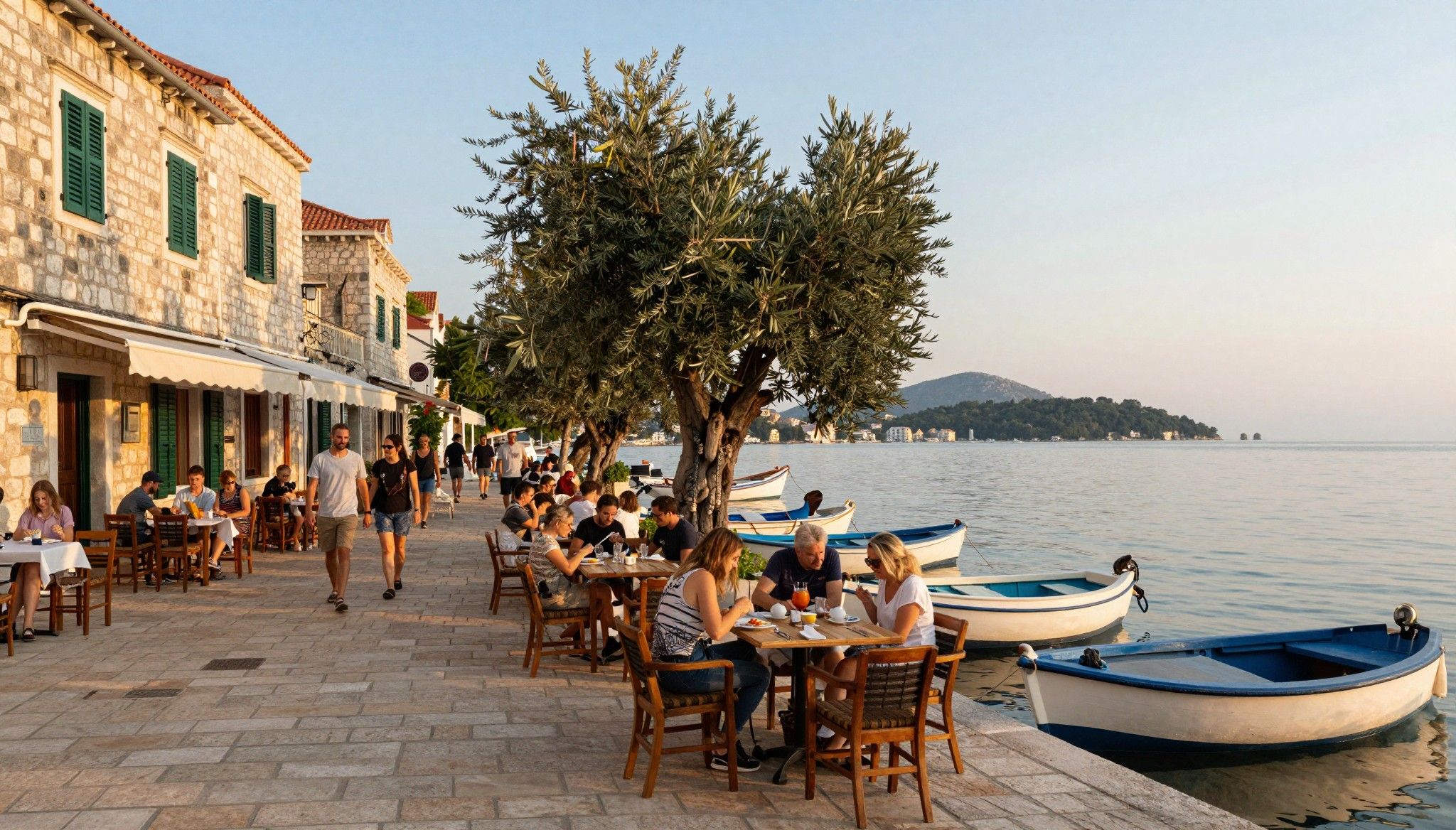
Picture walking along Šibenik’s waterfront at dusk or buying fresh sardines from a fisherman in Vrsar; these places are built around small harbours, family restaurants, and stone houses with terracotta roofs. The architecture is tactile — limewashed walls, timber shutters, terraces that catch the evening breeze. For eco-minded buyers, the coastal vernacular already leans towards passive comfort: narrow streets that shade homes, thick masonry that moderates heat, and courtyards for drying herbs. Yet proximity to the sea brings regulations and conservation zones to mind, so understanding local planning rules early saves time and heartbreak.
Food, markets and the social geography of place
A day in Croatia flows through markets: Zagreb’s Dolac, Split’s Green Market, and island farmer stalls where figs, cheese, and olive oil change with the week. Food anchors community life — long lunches, neighbourhood bakers, and seasonal festivals like truffle fairs in Istria that double as social glue. This culinary rhythm influences property choices: homes with courtyards, storage for home‑grown produce, and easy access to local markets score high on the lifestyle checklist. For investors who value regenerative living, proximity to local producers and community markets means a smaller ecological footprint and richer everyday life.
- Lifestyle highlights to test before you buy:
- Stroll the Riva in Split at 7am to feel the sea temperature and breeze.
- Visit Zagreb’s Dolac market on a weekday to judge produce variety and neighborhood rhythm.
- Spend an afternoon in an Istrian konoba to sample local olive oil and see olive groves firsthand.
Making the move: practical steps with an eco‑mindset
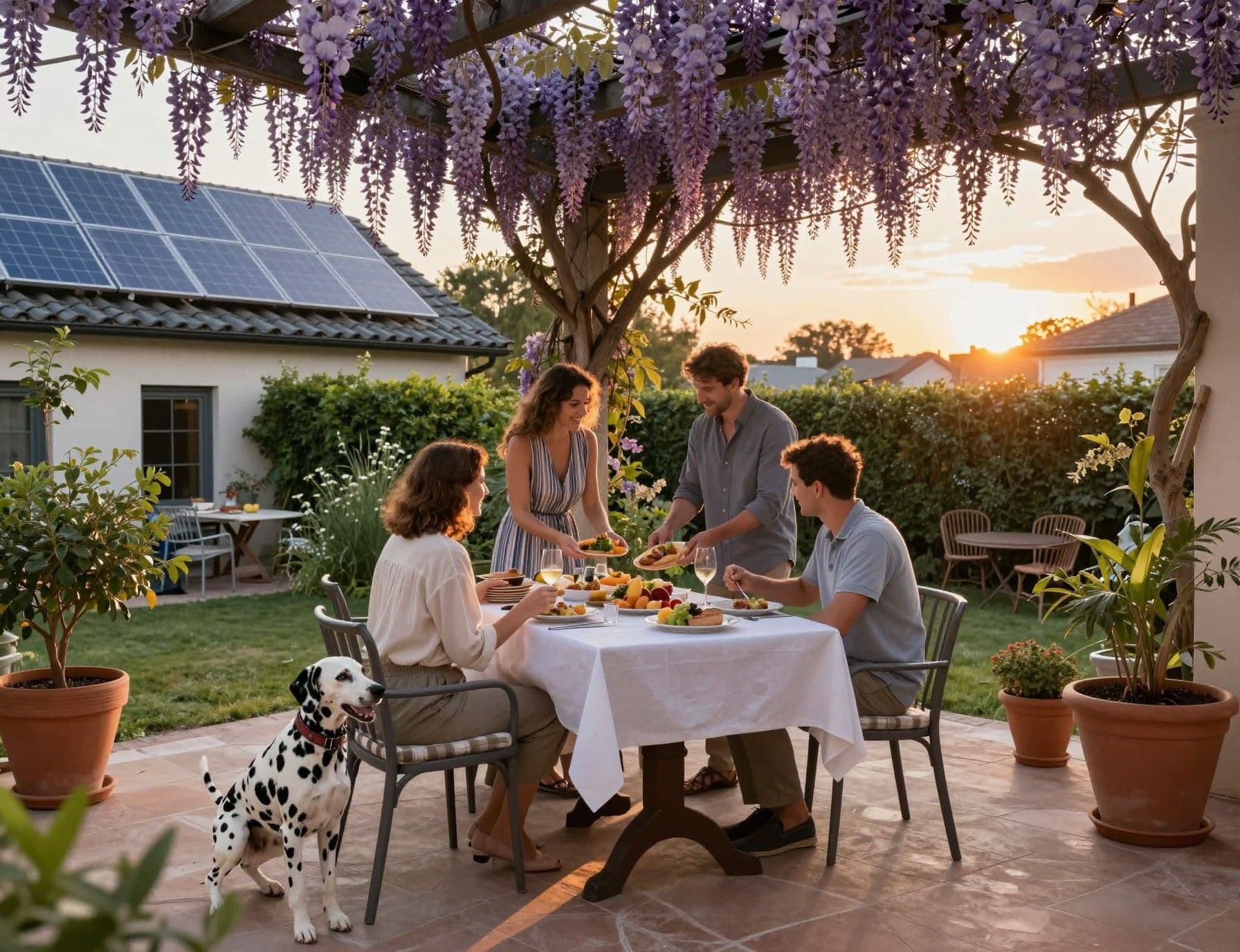
The dream — a stone house with fig trees — meets paperwork. Start by pairing lifestyle scouting with early legal checks: EU citizens have straightforward rights, but non‑EU nationals must apply for consent through the Ministry of Justice, which can add weeks to a purchase timeline. Market reports show strong price momentum in recent years, particularly along the coast, so timing your visit outside high season often reveals better negotiation space and more sustainable, community‑oriented options. A local agent who understands both sustainable retrofit potential and protected zoning will save you time and guide you toward homes that suit seasonal living.
Property styles and how they shape daily life
Stone townhouses with courtyards suit those who want shade, thick walls, and low‑tech comfort; modern island villas attract buyers seeking indoor‑outdoor entertaining and solar potential. Each style implies a different stewardship: restoring a 19th‑century house demands knowledge of traditional materials and planning constraints, while new builds offer better insulation and solar readiness but sometimes less character. Consider how you want to live: vegetable beds and rainwater capture? Short‑term rental flexibility? Or quiet, year‑round community life? Your answer directs the property style and retrofit choices you'll prioritise.
Work with local experts who respect place
- Steps to blend lifestyle intent with practical buying:
- 1. Visit for a full season: spend winter and summer in your preferred region to feel year‑round life.
- 2. Hire a bilingual lawyer early to confirm land registry status and any protected‑area constraints.
- 3. Work with an agent versed in green retrofits — they’ll identify roofs suitable for PV, gardens for water capture, and masonry that responds well to natural insulation.
Insider knowledge: expat confessions and counterintuitive truths
Expat buyers often expect sunlit summers and empty streets; the reality is seasonal crowds in tourist hotspots and quiet, verdant winters inland. Many who rush to buy during peak season find prices and expectations inflated — try autumn or early spring instead when sellers are more pragmatic and you can assess energy performance and heating needs. Another surprise: big sea‑views don’t always equal better daily life; a house two streets back with a courtyard and mature fig trees can deliver more calm, community ties, and lower upkeep while being kinder to the environment.
Cultural integration, language and neighbourhood life
Croatians value hospitality and rhythms of reciprocity: say yes to invitations, try learning a little Croatian, and support local traders — these small acts unlock neighbourhood life faster than perfect Croatian. Expats who join volunteer olive‑harvests or market co‑ops make friends and learn land stewardship practices native to the region. For families, local schools and health services differ by region, so choosing a home near essential services matters more than a dramatic view when thinking long term. Language is a bridge, not a barrier; many younger Croatians speak good English, and communities appreciate effort over fluency.
Longer view: lifecycle of a Croatian home
Think of property in Croatia as living with seasons: a coastal holiday home may shift into a rental asset, while a restored inland stone house often becomes a year‑round family sanctuary. Market data shows neighbourhoods evolve — previously quiet towns can become hubs for chefs, artists, or remote workers — changing services, infrastructure, and community life. Sustainable buyers should factor adaptability into their purchase: can a home easily accept solar, water harvesting, insulation upgrades, and low‑impact landscaping? Those flexible homes age better, financially and ecologically.
- Red flags savvy buyers watch for:
- Properties lacking clear land‑registry entries or with disputed boundaries.
- Homes inside protected coastal or cultural zones where retrofit options are limited.
- Pieces of land advertised as 'buildable' without recent urban‑plan confirmations.
Conclusion: Croatia rewards patience and care. Begin with living the place — weeks in a neighbourhood, conversations at markets, and practical tests of sunlight, wind, and community. Pair that with early legal and planning checks, and seek agents who place ecological stewardship alongside lifestyle. When you buy this way, you aren’t just purchasing a property: you’re entering a local ecosystem, and that is the true return on your investment.
Danish relocation specialist who moved from Copenhagen to the Algarve; supports families with seamless transitions, local partnerships, and mindful purchases.