Truffles, Festivals & Value: When to Buy in Italy
Discover why timing, local rituals and seasonal life reveal Italy’s true property value — visit off-season, learn craft networks, and buy for stewardship.
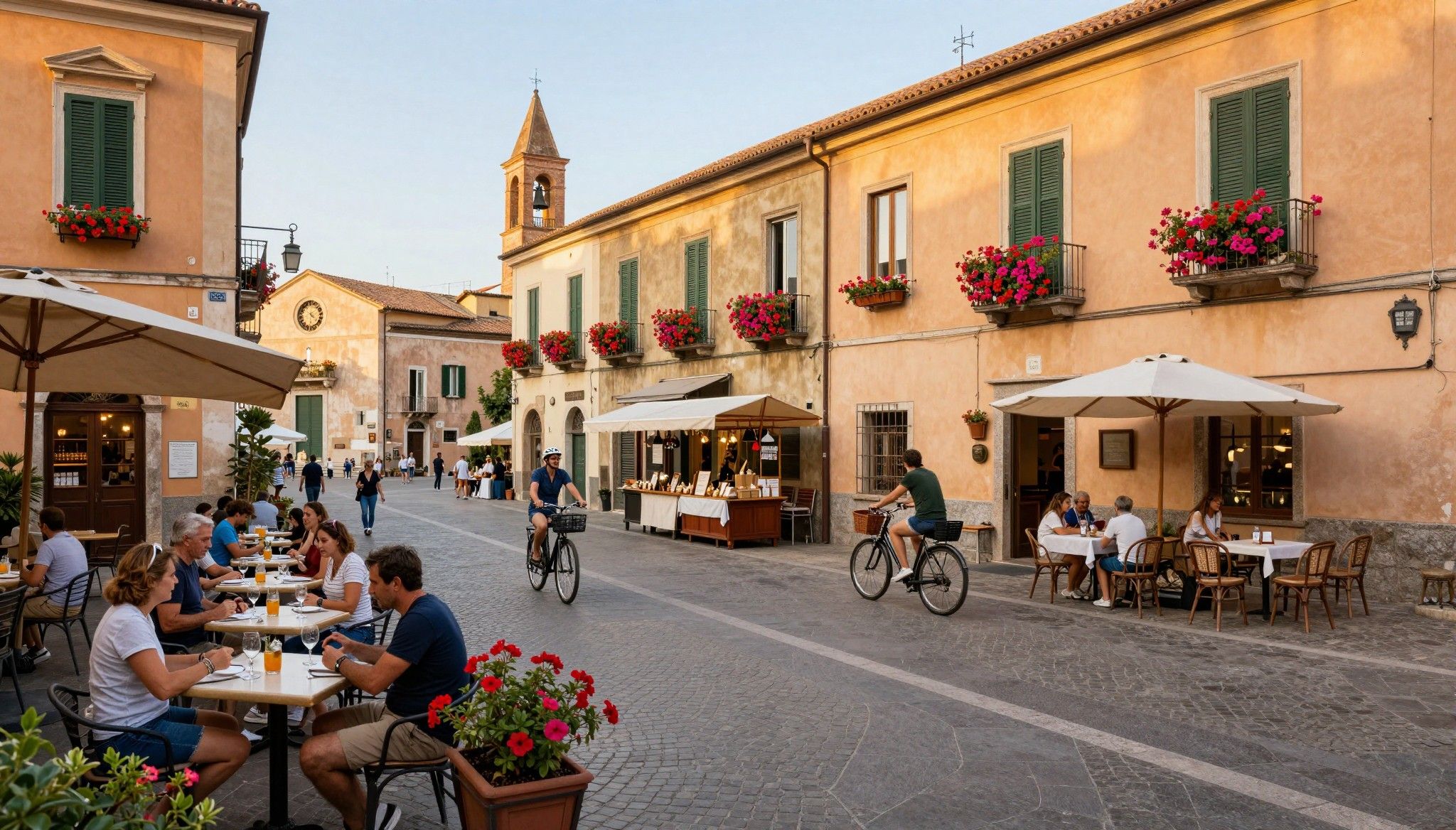
Imagine waking to the smell of fresh espresso, an early market stacked with artichokes and wild mushrooms, and a narrow street where neighbours chat over morning light — that slow, tactile rhythm is Italy. For international buyers drawn to green living, Italy is not one single dream but a season-rich mosaic: hilltop olive groves that shimmer in autumn light, seaside towns where summer crowds arrive like clockwork, and small towns that hum with harvest rituals. Understanding that seasonal rhythm — and the local crafts, foods and festivals that shape it — is the key to buying well here. (See market recovery context from Nomisma.)
Living the Italy lifestyle
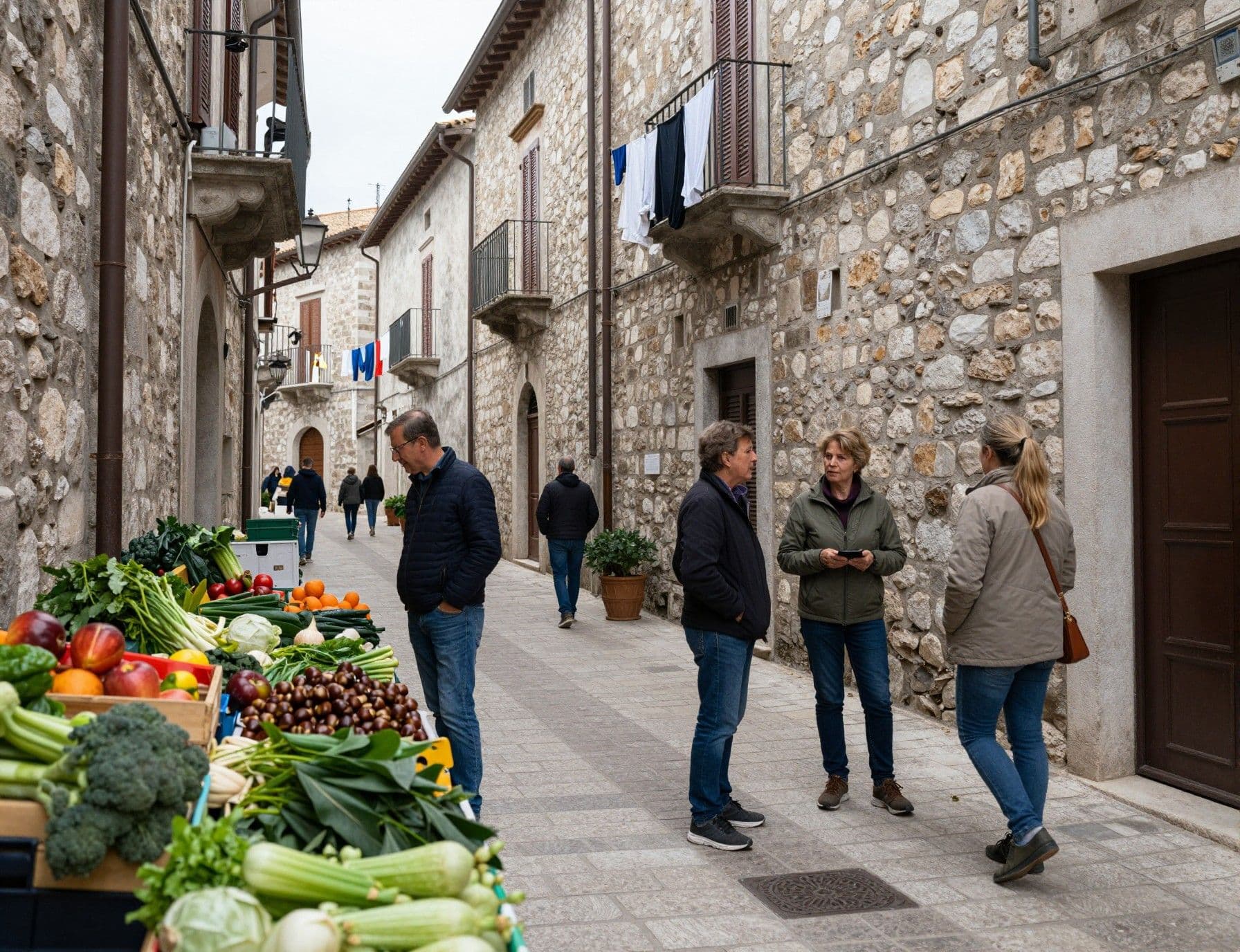
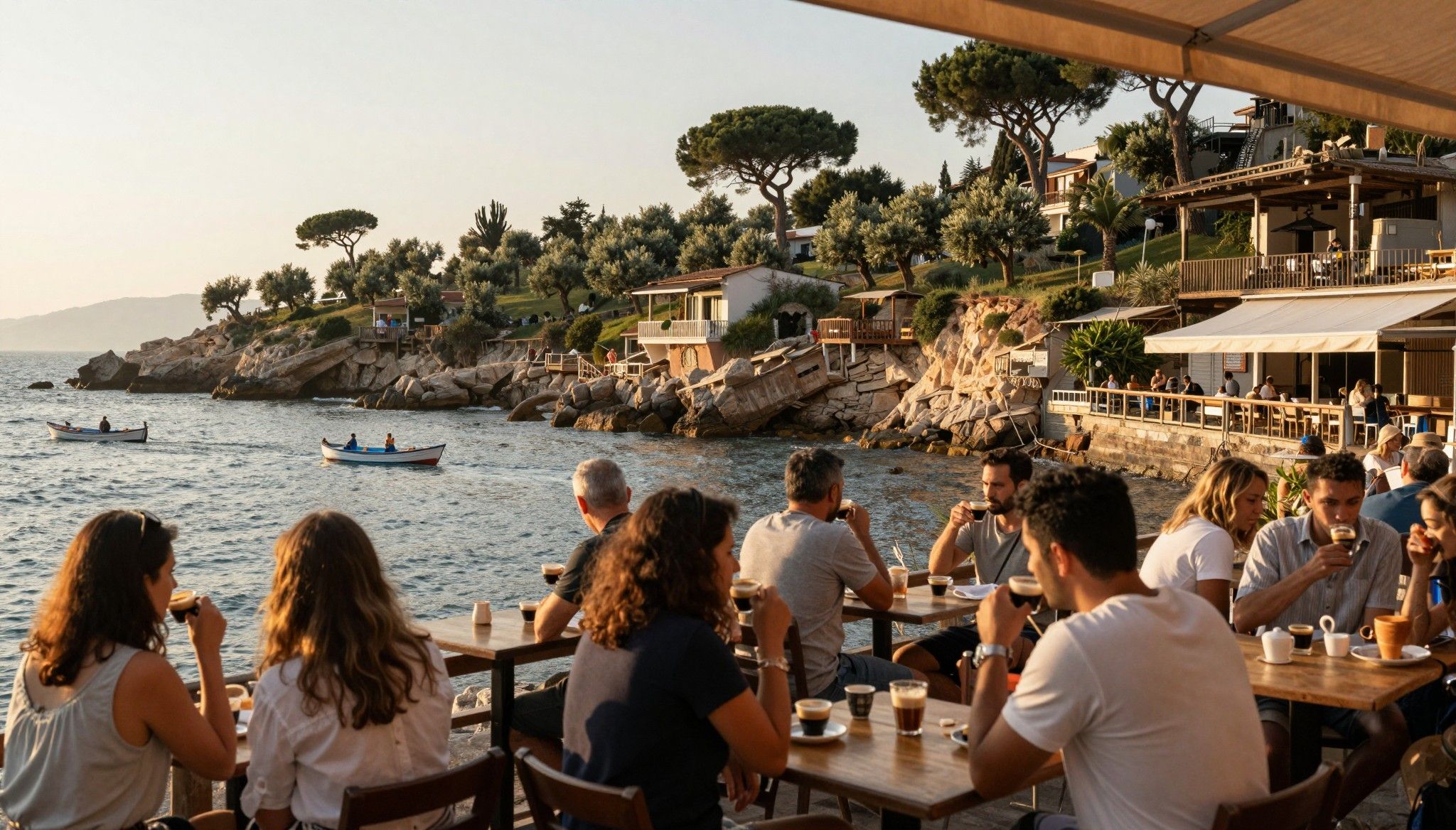
Italy feels like a conversation between seasons and place: cafés spill onto cobbles at dawn, trattorie warm with slow-cooked ragù in winter, and coastal promenades light up with aperitivo culture in summer. That seasonal cadence also shapes how neighbourhoods breathe — and how homes perform — so buyers who time their visits with local festivals, markets or harvests see the real, lived-in value far better than those who arrive in July with tourist-peak illusions. Recent demographic and market context can help frame which towns are growing steadily and which are preserving quieter rhythms.
Spotlight: The hill town morning (Tuscany & Umbria vignettes)
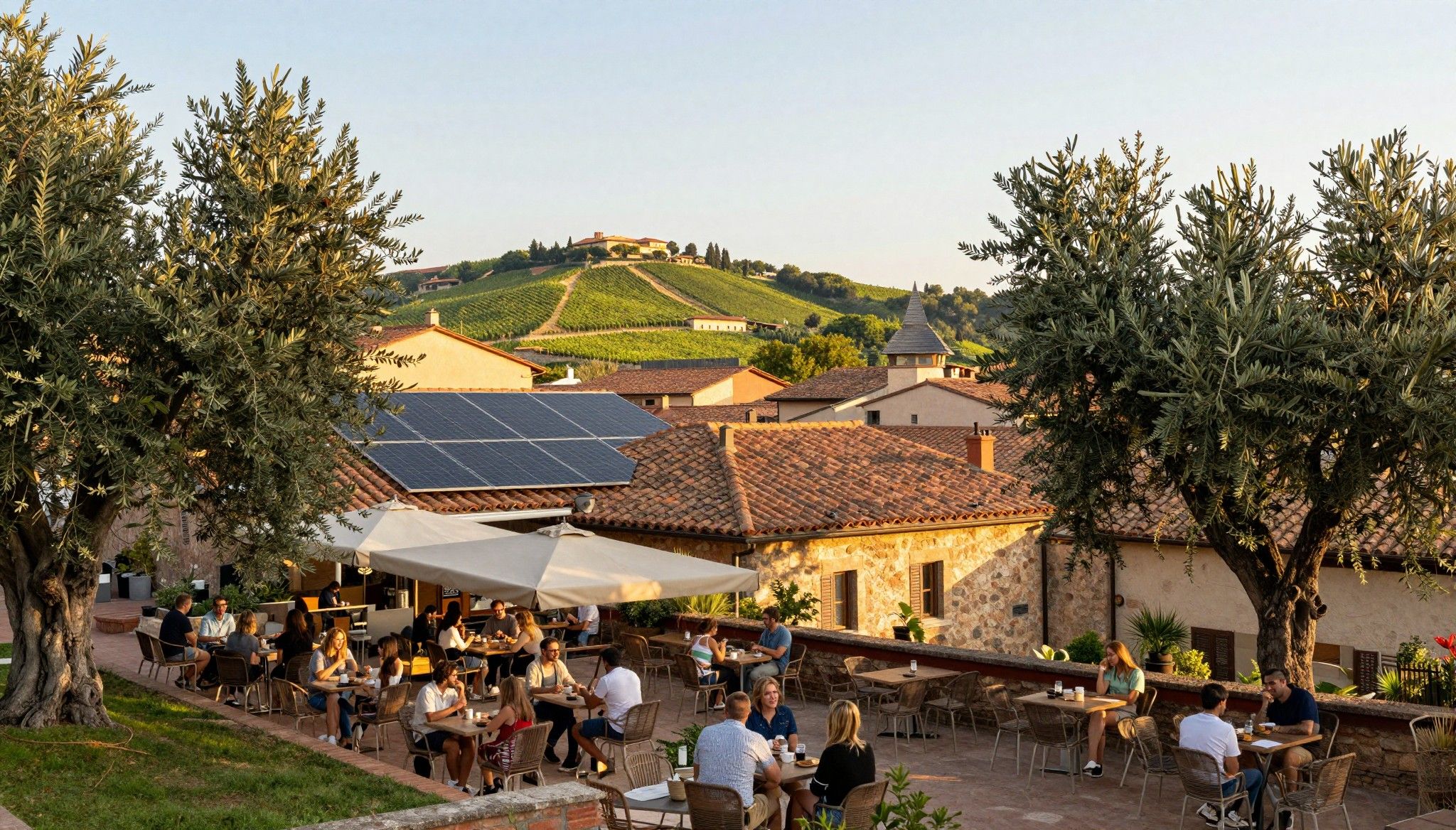
Picture Cortona’s terraces at 9am: linen-draped windows, a grocer unpacking chestnut sacks, an elderly potter sweeping the shopfront. In towns like Montepulciano or Spello you’ll find artisans who still mend baskets, small family-run wineries ready to explain annual variations, and markets where you learn which olive oil is from which ridge. These are places where a property’s garden, microclimate and proximity to a communal piazza directly influence how you live and how a home ages with the seasons.
Food, craft and ritual: why seasons matter
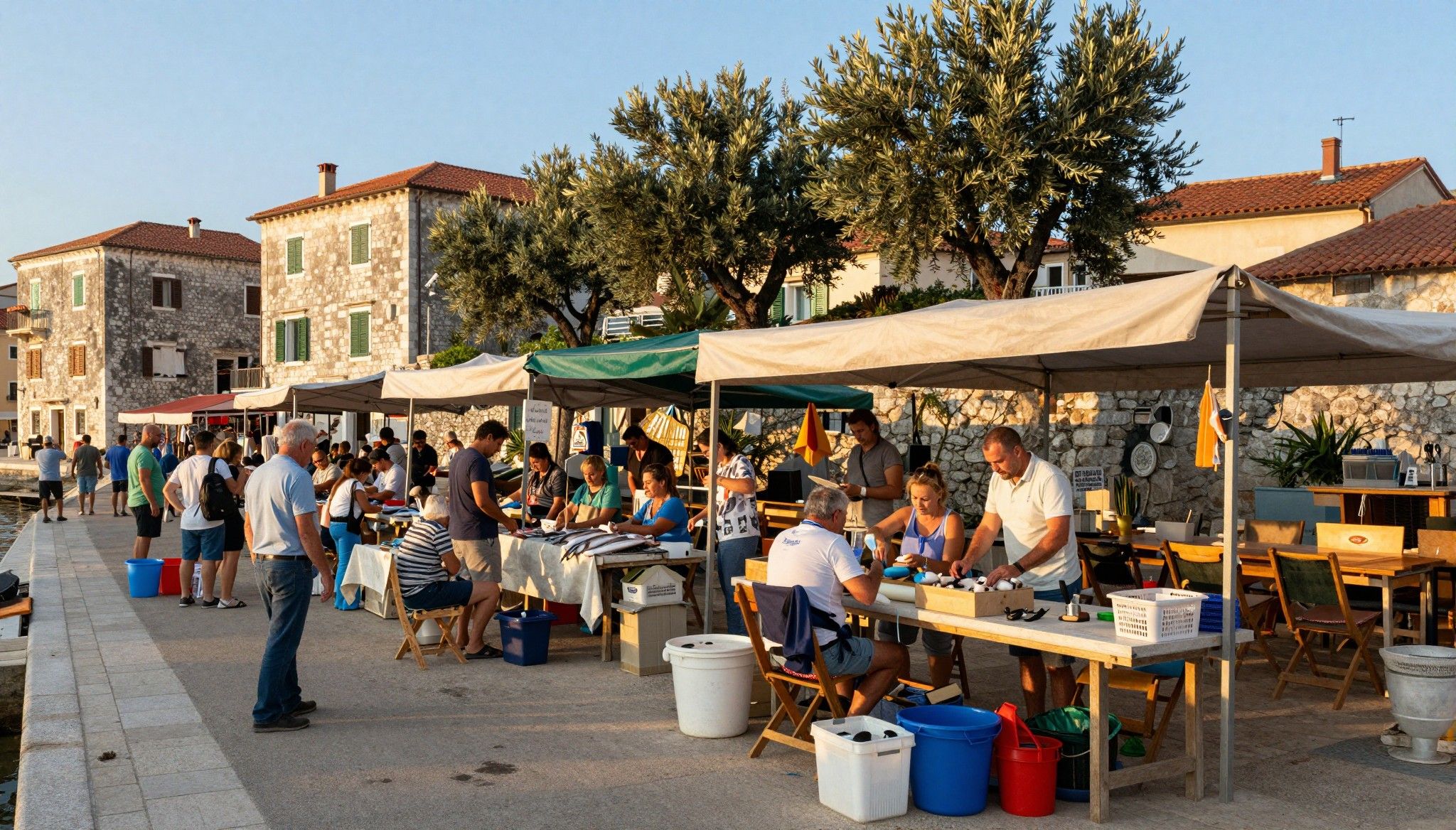
Put simply: Italy’s calendar is its culture. Truffle fairs in autumn, chestnut festivals in mountain villages, and spring market weeks reshape footfall, short-term rental demand and local services. Buyers who visit during these quieter or event-driven windows see beyond staged summers: they notice insulation quality for winter, water access and irrigation for spring gardens, and which streets stay lively year-round versus those that become ghostly off-season. Market recovery notes from 2024–25 suggest demand is returning, but timing still reveals opportunity.
- Lifestyle highlights to scout in person
- Visit a morning mercato (e.g., Mercato Centrale, Florence) — you’ll learn what local producers sell year-round.
- Attend a seasonal festival (truffle fairs in Alba, chestnut sagre in Abruzzo) to sense off-season rhythms and community life.
Making the move: practical considerations
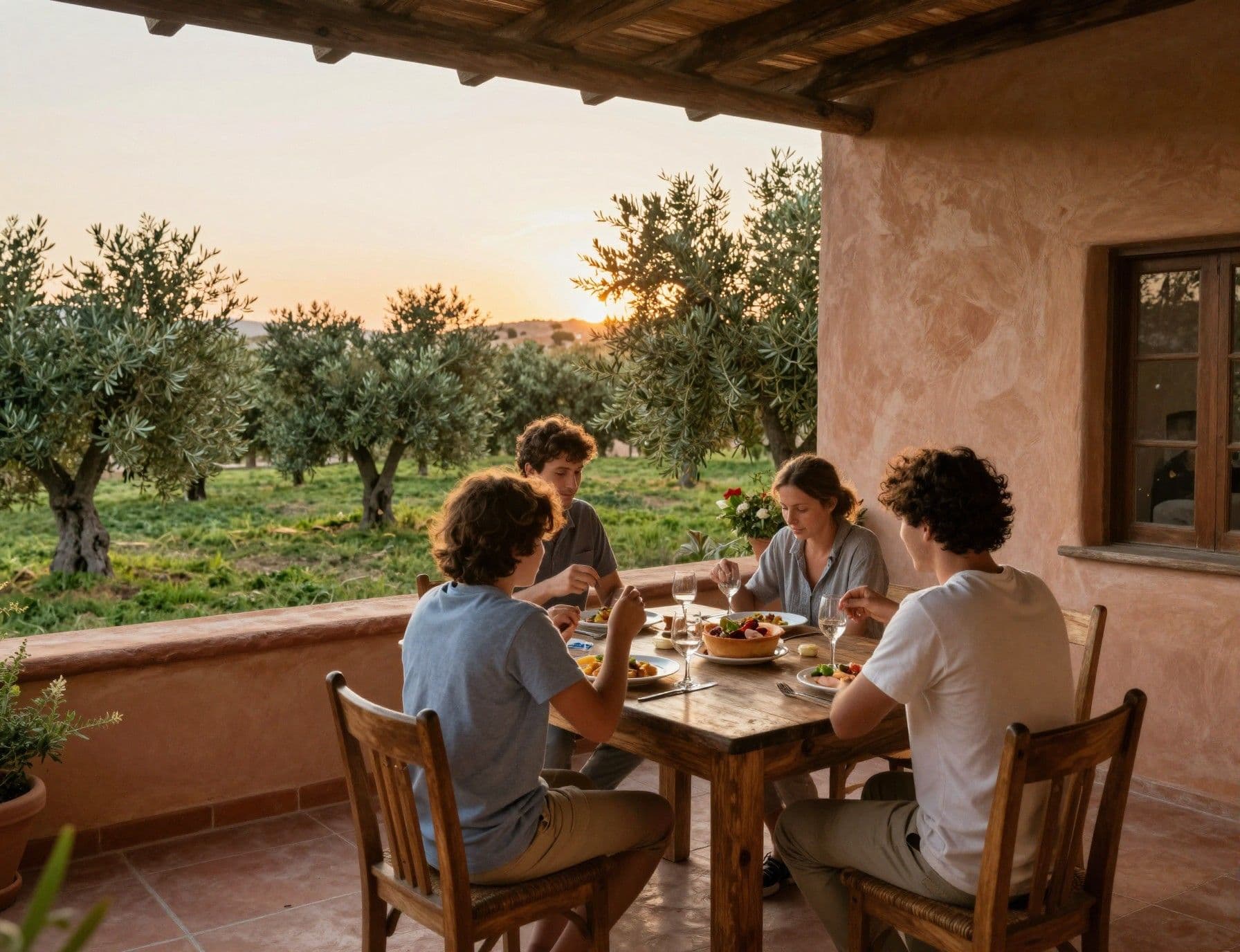
Dreams need good scaffolding. Once the lifestyle test is passed — you’ve lingered in a piazza, shopped a market, watched a winter storm — you’ll want local expertise who read place the way locals do. Agents steeped in regional history, architects who understand traditional stone construction, and notaries who know municipal idiosyncrasies will help you marry lifestyle wishes with lawful purchase steps. Practicalities such as property type, energy performance and proximity to seasonal services are where agency knowledge turns romance into a sustainable home.
Property styles and how they shape life
A stone farmhouse with thick walls (typical in Umbria/Tuscany) cools naturally in summer and holds warmth in winter — ideal for low-energy living but often requiring careful moisture management. A coastal apartment near Liguria’s promontories offers walkability and sea breezes but can bring salt corrosion and seasonal tourism swings. Newer eco-refurbishments around Emilia-Romagna often include solar and heat-pump systems that make year-round living effortless. Match your property type to seasonality and to the life you want to lead.
Work with local experts who care about place
Choose a small agency or independent professional who can show you houses off-market, introduce you to local craftsmen, and explain how a roof will perform in November rain or how village committees allocate water. Look for markers: portfolio of restorations using local stone, knowledge of passive-cooling strategies, and relationships with municipal planners. These people become your stewards of place, not just transactional assistants.
- Steps that blend lifestyle and logistics
- Visit in two seasons (one lively, one quiet) to judge year-round life.
- Ask an agent for off-season running costs and a list of local artisans for maintenance.
- Request energy performance reports and ask about microclimate risks (flooding, landslides, salt exposure).
Insider knowledge: what expats wish they'd known
Expat stories often share the same arc: enchantment, small surprises (like municipal water schedules), and the eventual delight of belonging. The most common regret is not arriving in more than one season. Those who test a place in winter discover whether a village truly has year-round life or if it’s only a summer postcard. Those who arrive in harvest see neighbours, traditions and supply chains that make a home feel rooted. This is where cultural integration and property stewardship meet.
Cultural integration, language and community
You don’t need perfect Italian to belong, but you do need respect for routines: small talk at the bakery, prompt replies to neighbourhood notices, and participation in local events. Learning these rhythms — and the craft networks that sustain small repairs — turns a house into a home that contributes to local resilience. Many towns welcome international residents who commit to local life rather than seasonal presence alone.
Long-term lifestyle and stewardship considerations
Think of your purchase as participation. Caring for terraces, choosing native plantings, restoring stone with lime mortar and prioritising passive energy solutions not only reduce running costs but sustain biodiversity and local crafts. Population figures and recovery trends show many areas are attracting new residents — your stewardship can be part of an organic revival rather than a transient footprint.
- Red flags and questions to ask before you buy
- Is the property habitable year-round (insulation, heating) or only seasonally comfortable?
- Who in the village maintains the wells/roads and how does the community fund repairs?
- Are local artisans available for traditional repairs (stone, terracotta, lime mortar)?
Conclusion: buy a life, not just a view. Italy rewards those who listen to its seasons. Visit in spring for gardens and opera rehearsals, in autumn for harvests and truffle markets, and in winter for honest village life. Pair that seasonal curiosity with local agents who read place by markets, festivals and craft networks, and your purchase will be less an investment and more a long, generous relationship with place.
Norwegian market analyst who relocated from Oslo to Provence; guides investors with rigorous portfolio strategy and regional ecological value.