Fall for France — Then Check the Paperwork
Fall in love with France first — then do the specific due diligence (PLU, DPE, servitudes, notaire checks) that protects lifestyle and value.
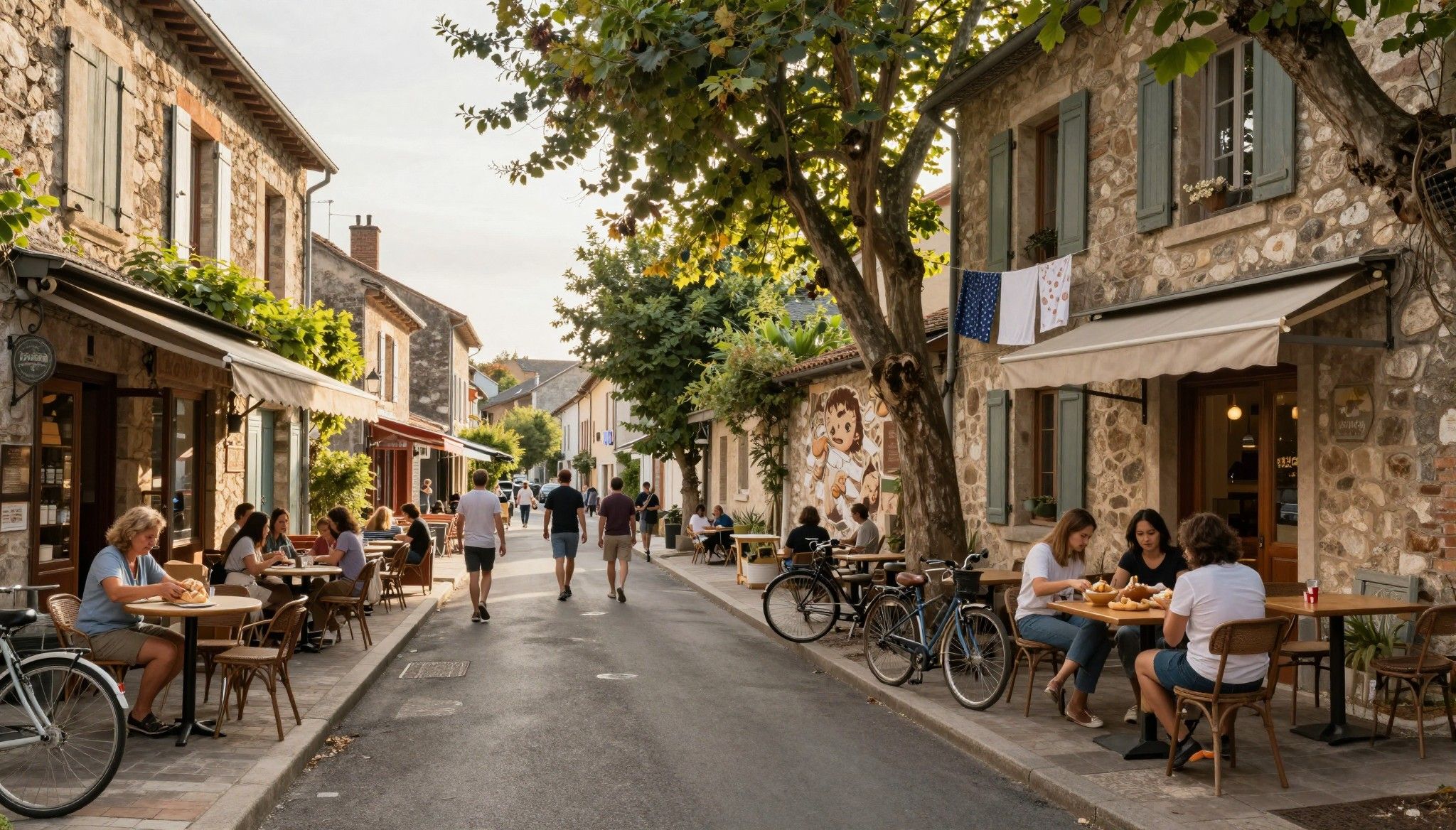
Imagine a slow Saturday morning in Provence: warm bread steaming at the marché on Rue des Aires, a neighbour wheeling home a crate of sun-warm tomatoes, and the stone house you’ve been dreaming about standing with lavender at its feet. In France the dream is tactile — markets, village cafés, terraces that invite lingering — but the path from daydream to deed requires attention. This guide blends the sensual pull of French life with the exact due diligence that keeps that dream rooted and resilient.
Living the French Life
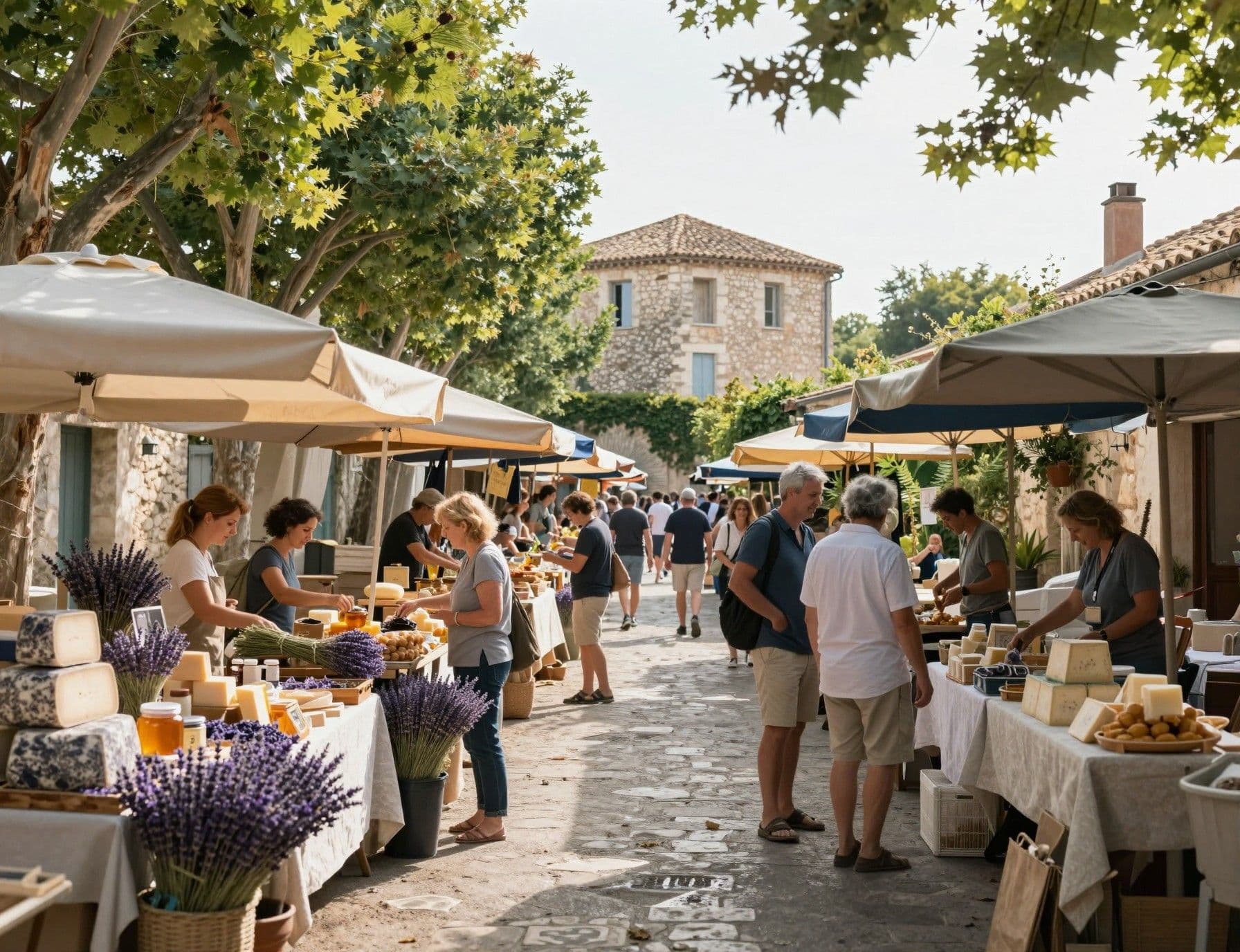
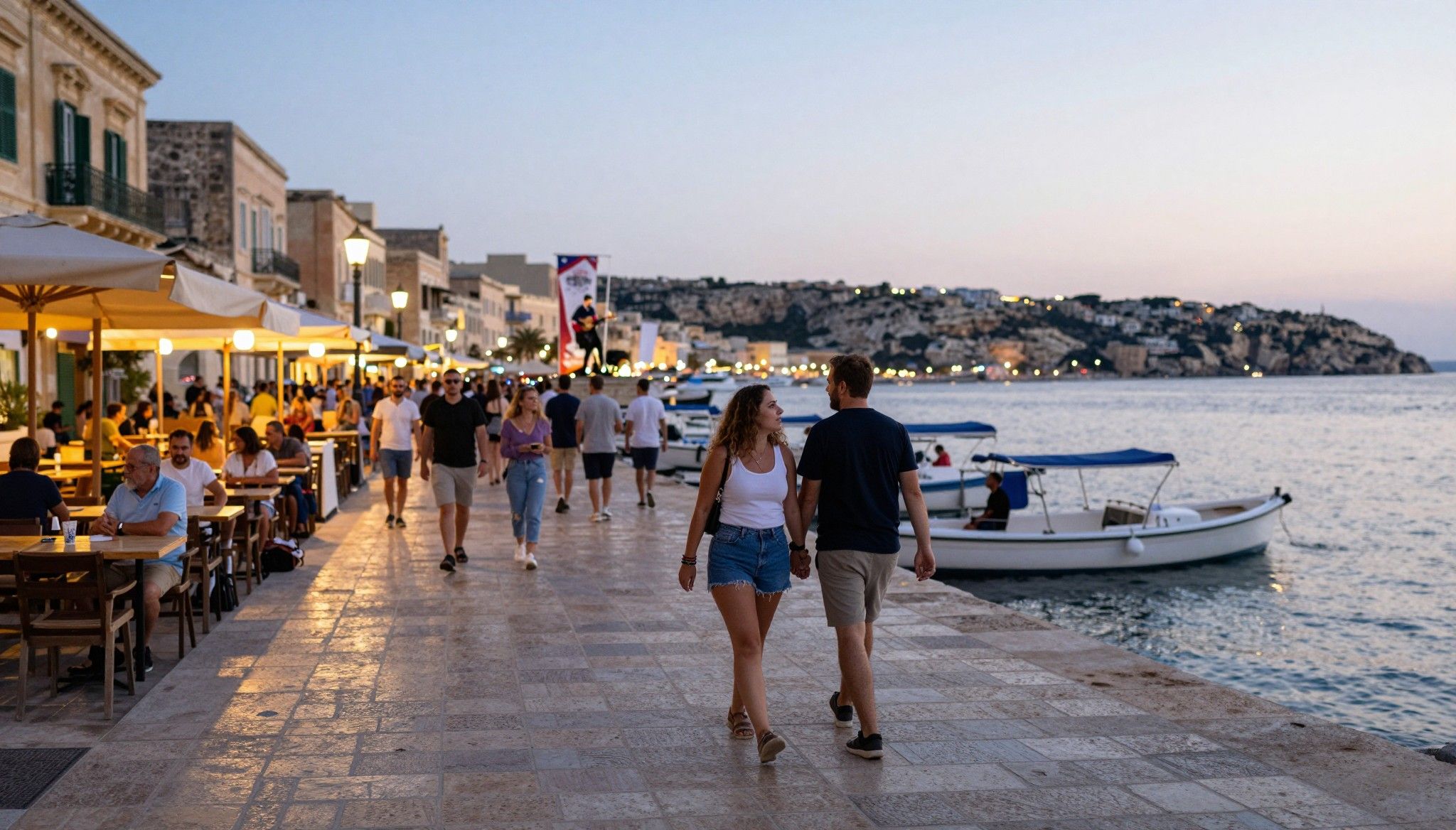
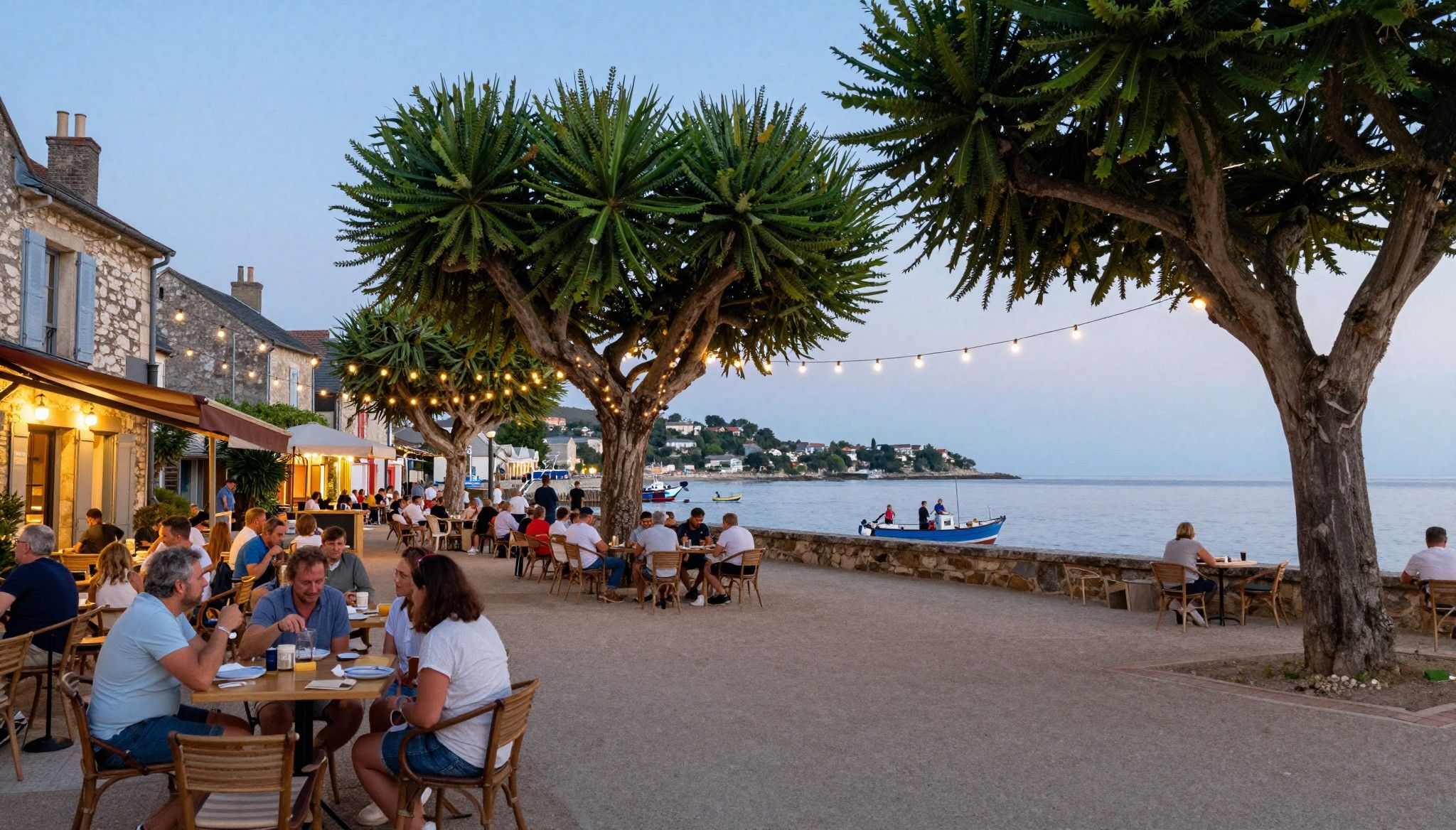
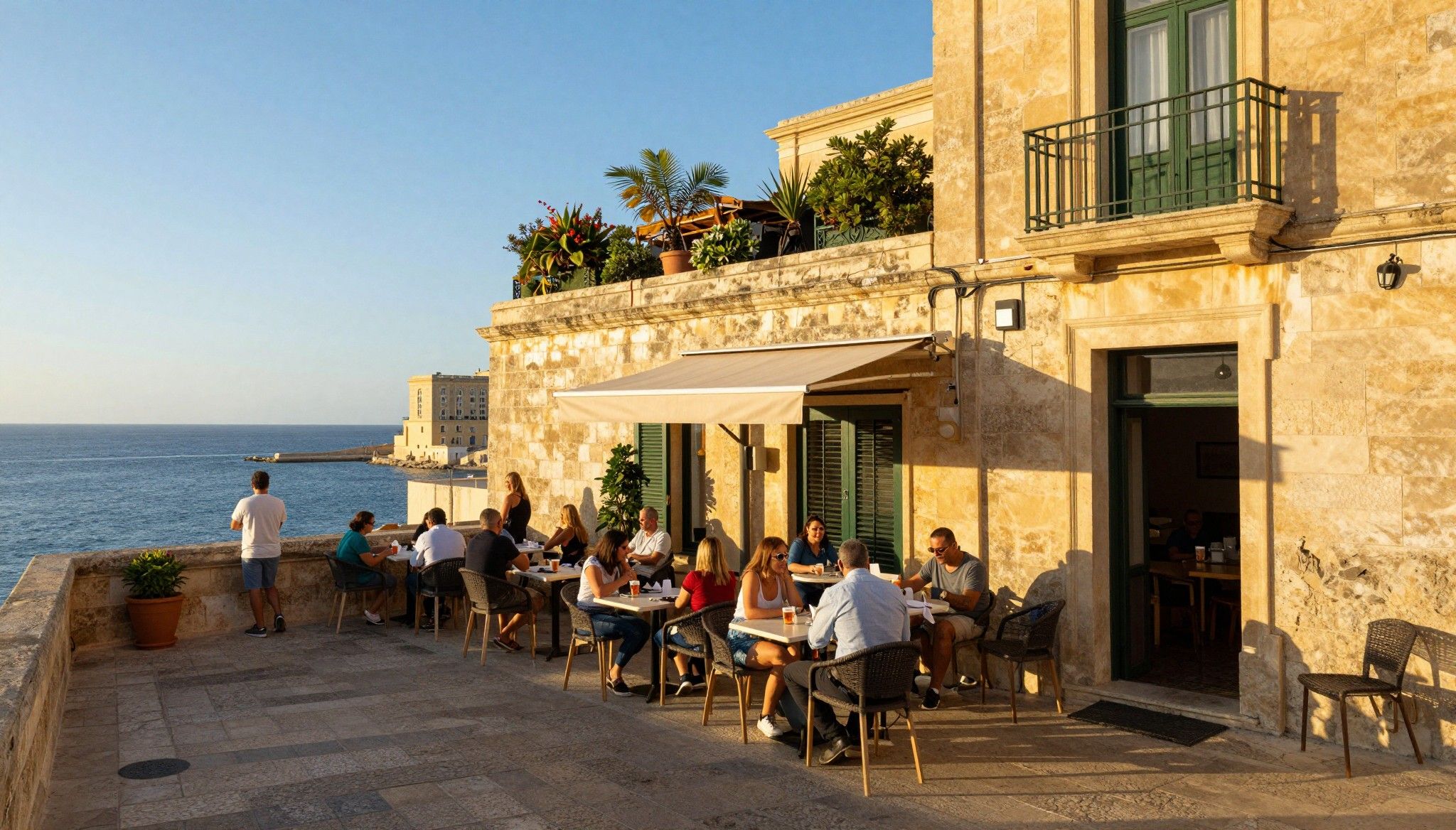
France reveals itself in small rituals: espresso at a zinc counter in Paris’s Canal Saint‑Martin, oysters on a Breton quay at dusk, Sunday market negotiations in Uzès. Each region shapes a different rhythm — the crisp seafood cadence of Brittany, the slow sun-bathed afternoons of the Languedoc, the early-evening passeggiata of Aix‑en‑Provence. When you picture a home here, picture how you will live in the street outside it as much as inside.
Neighborhoods that teach you how to live
Look beyond famous names. In Paris, try the plant‑lined passages around Buttes‑Chaumont for quiet mornings. On the Côte d’Azur, Villefranche‑sur‑Mer keeps a fisherman’s intimacy despite its views. In the Loire, streets like Rue Colbert in Tours reveal a domestic, lived-in quality — boulangeries, schools, and local trades clustered together. These are places where neighbours know each other’s dogs and your compost pile is a conversation starter.
Food, markets and seasonal cues
France’s markets are a calendar — truffle season in Dordogne, asparagus in the Loire, chestnuts in the Cévennes. Property life responds to these cycles: a house with a south-facing courtyard feels different in winter than in July; a garden’s microclimate decides whether you grow citrus or just late tomatoes. Taste the place before you buy: spend a week in low season and another in high season to feel the real rhythm.
- Lifestyle highlights to look for when buying in France
- Weekly market within walking distance (name the marché if possible)
- A local boulangerie with morning queues — the best early warning for community life
- Green corridors, parks or communal gardens for biodiversity and neighbourly encounters
Making the Move: Practical Considerations
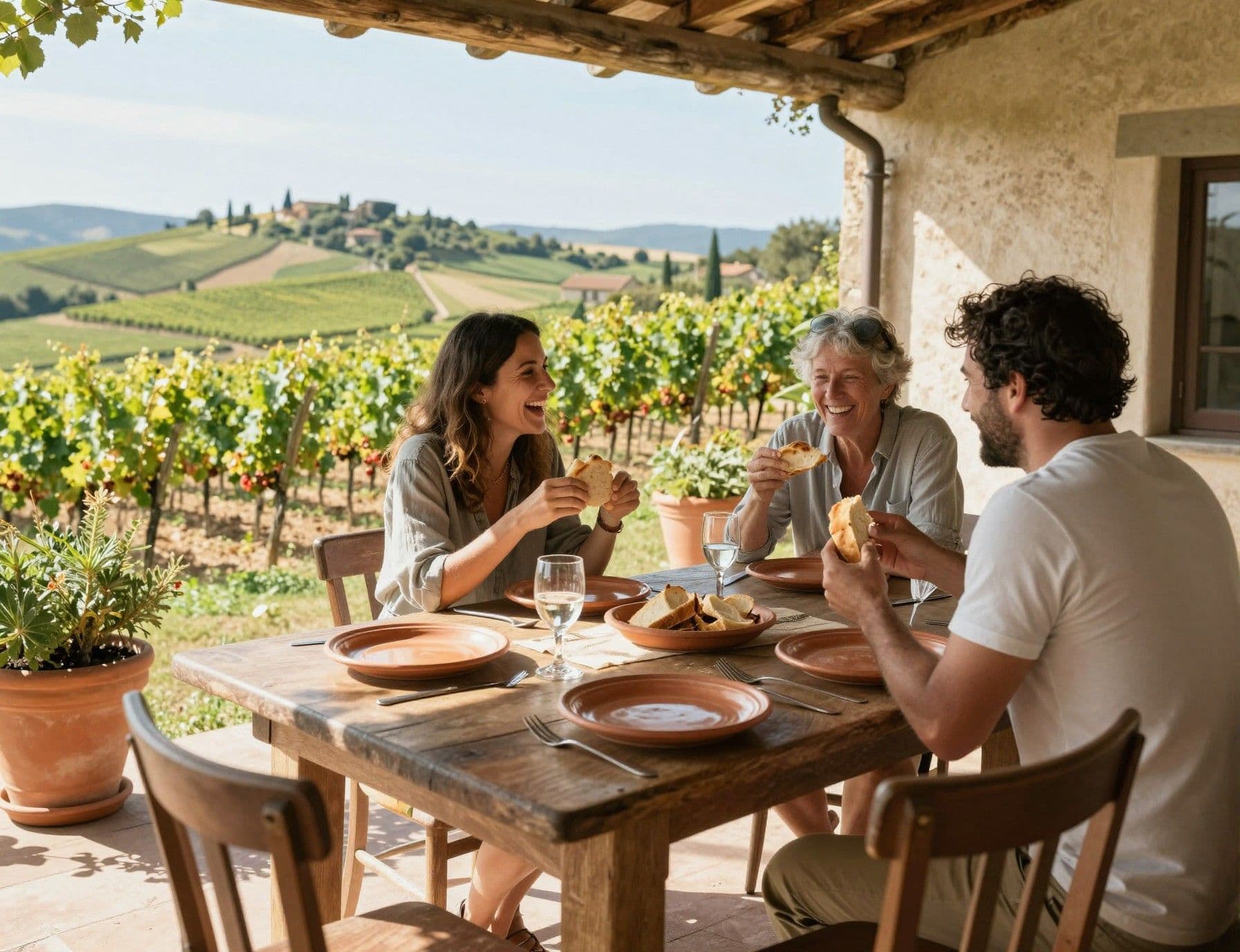
The romance of a stone farmhouse must meet local rules. French property law layers historic protections, energy rules, and municipal plans. Start with the basics: land use rules (PLU), the energy performance diagnostic (DPE), structural diagnostics, and any servitudes such as a droit de passage that could affect access. These documents are not abstract red tape — they define what you can change, how you heat, and what your neighbours expect.
Property types and how they shape life
A village longère (stone farmhouse) offers land, timber beams and a garden to steward; a Haussmann apartment gives light, winter radiators and proximity to cafés; a south-facing bastide in Provence invites outdoor rooms and passive solar living. Match the property’s constraints to your habits: if you hate garden maintenance, an orchard is not romantic — it’s labour. Equally, old stone walls breathe differently and often need specialised renovation.
Work with local experts who know the lifestyle
- 1. Hire a notaire early to verify title, servitudes and inheritance constraints — French notaires handle title research that other countries leave to lawyers. 2. Engage a local architect or diagnostiqueur to review DPE, lead, asbestos and structural reports before signing. 3. Ask your agent for recent comparables by street — French sales are hyper-local and a single boulevard can differ in price materially. 4. Check municipal urban plans (PLU) at the mairie to know permitted extensions, pool rules, and protected façades. 5. Get a quote for converting to a higher energy rating (D to C or better) —
Insider Knowledge: Red Flags and Quiet Opportunities
Expats often miss the small legal details that change daily life: an inherited right-of-way that funnels traffic past your terrace, a municipal restriction on short-term rentals, or a DPE rating that makes resale slow. Conversely, overlooked opportunities can reward patience: town houses one street back from the coast, small hamlet homes with generous gardens, or properties with solar-ready roofs that lower long-term costs.
Cultural realities that affect ownership
French neighbours value continuity: garden boundaries are social contracts and unexpected late-night gatherings are rare outside seasons. Buying a country house often means inheriting the village calendar (fêtes, harvest help, and shared maintenance). Learn a few phrases, attend the market, and introduce yourself to your mairie; these small acts smooth renovations, permissions and long-term friendships.
Long-term stewardship: sustainability as value
- Why prioritise green upgrades now
- Reduced running costs and greater rental appeal in popular regions
- Avoid becoming a ‘passoire énergétique’ (poor DPE band) that limits resale options
- Access to local green subsidies for insulation, heat pumps and solar in many communes
- 1. Request the full dossier: title, DPE, lead/asbestos, termite and electrical diagnostics. 2. Visit the mairie to review PLU maps and recent permits granted nearby. 3. Commission a written quote for any planned works and factor 20–30% contingency for old houses. 4. Have a notaire confirm inheritance clauses, indivision risks and any long‑standing servitudes. 5. If you plan to rent, confirm local short‑term rental rules with the mairie to avoid fines.
Conclusion: France is a sensory country, and good due diligence is how you keep the senses intact. Start with living the place — markets, cafés, and seasons — then layer in legal checks, energy diagnostics, and local expert advice. Do this and your French home becomes not just a property, but a place that ages well with the land and community.
Swedish advisor who left Stockholm for the Costa Brava in 2019. Specializes in sustainable, sea‑view homes for Scandinavian buyers and green finance insights.