Malta’s 'Too Expensive' Myth — Value in Quiet Corners
Malta’s price headlines hide coastal premiums; buyers seeking green living find value in village courtyards, solar-ready roofs, and off‑season viewings.
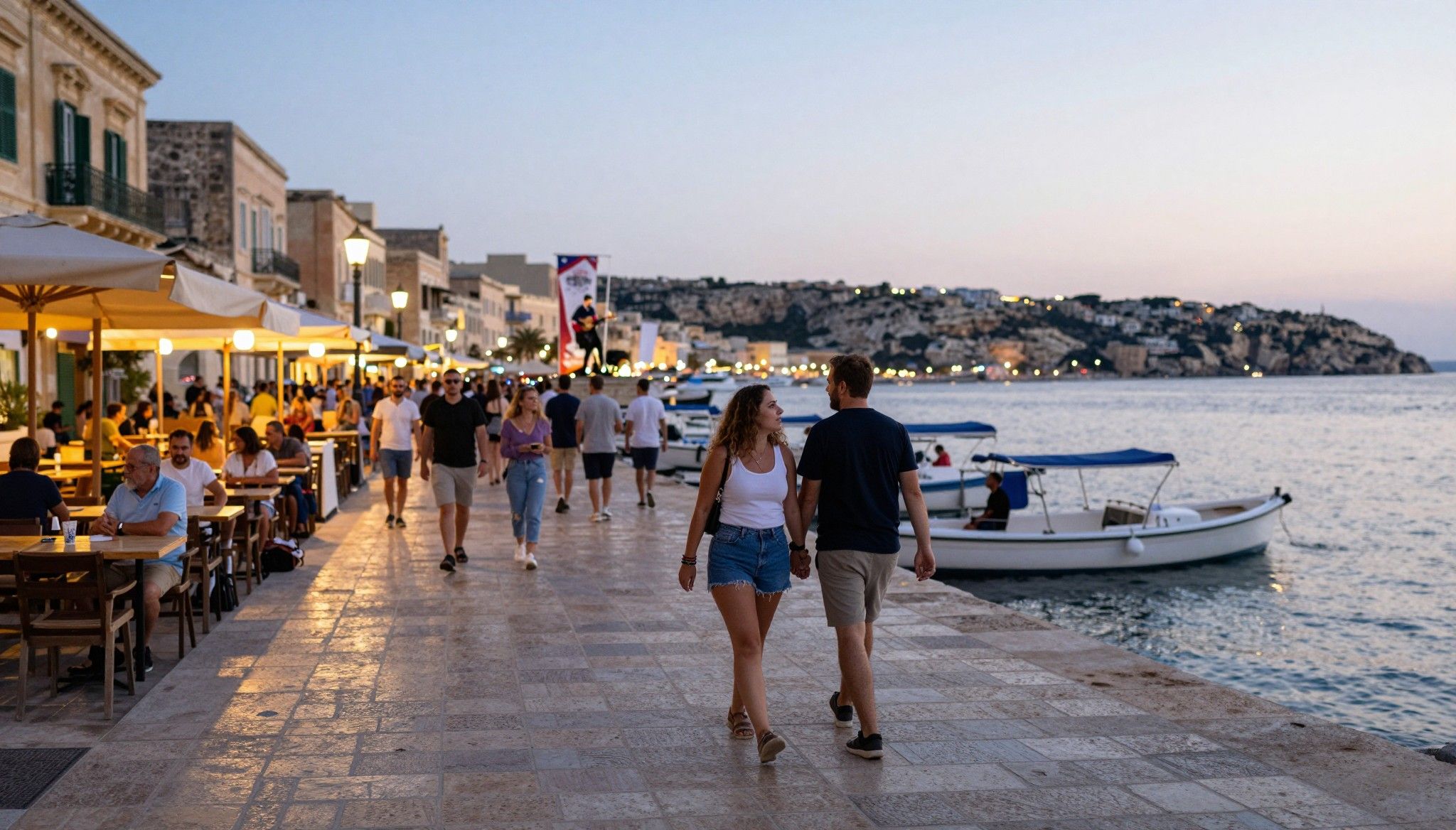
Imagine waking to the smell of baking ftira, stepping out to a quiet limestone street where bougainvillea spills over a low wall, and knowing the sea is a twenty‑minute walk away. Malta is compact and intense: history layers every corner, the coast alternates between dramatic cliffs and sheltered coves, and neighbourhood life still unfolds in small rituals — morning espresso, a late‑afternoon promenading, the market’s Saturday hum. For international buyers who crave green-minded living within a rugged Mediterranean scene, Malta can feel both impossibly romantic and surprisingly practical — if you look beyond the headline price numbers.
Living Malta: stone streets, sea air, slow rhythms
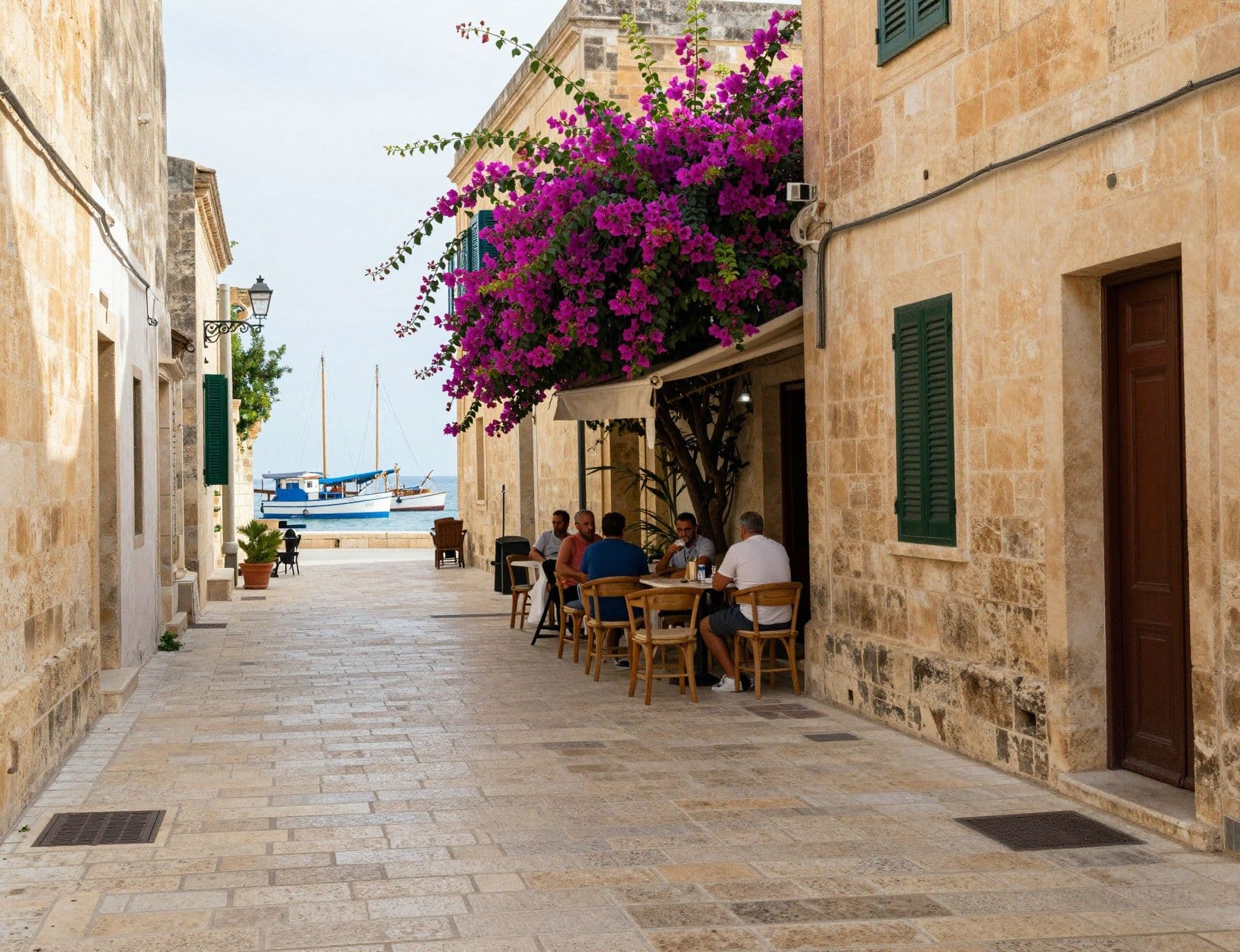
Life here is tactile. Valletta’s honeyed masonry stores the hush of centuries; Sliema and St Julian’s throng with cafés and expat routines yet give way to quieter lanes as you move inland. On Gozo, mornings begin with fishermen mending nets and the scent of herb gardens. Seasons are mild; winters are green and surprisingly restorative, while summers insist on late dining and siesta rhythms. This smallness means the right neighbourhood can deliver beach access, community gardens, and a short commute — all within a few kilometres.
Neighborhood snapshots: where life unfurls
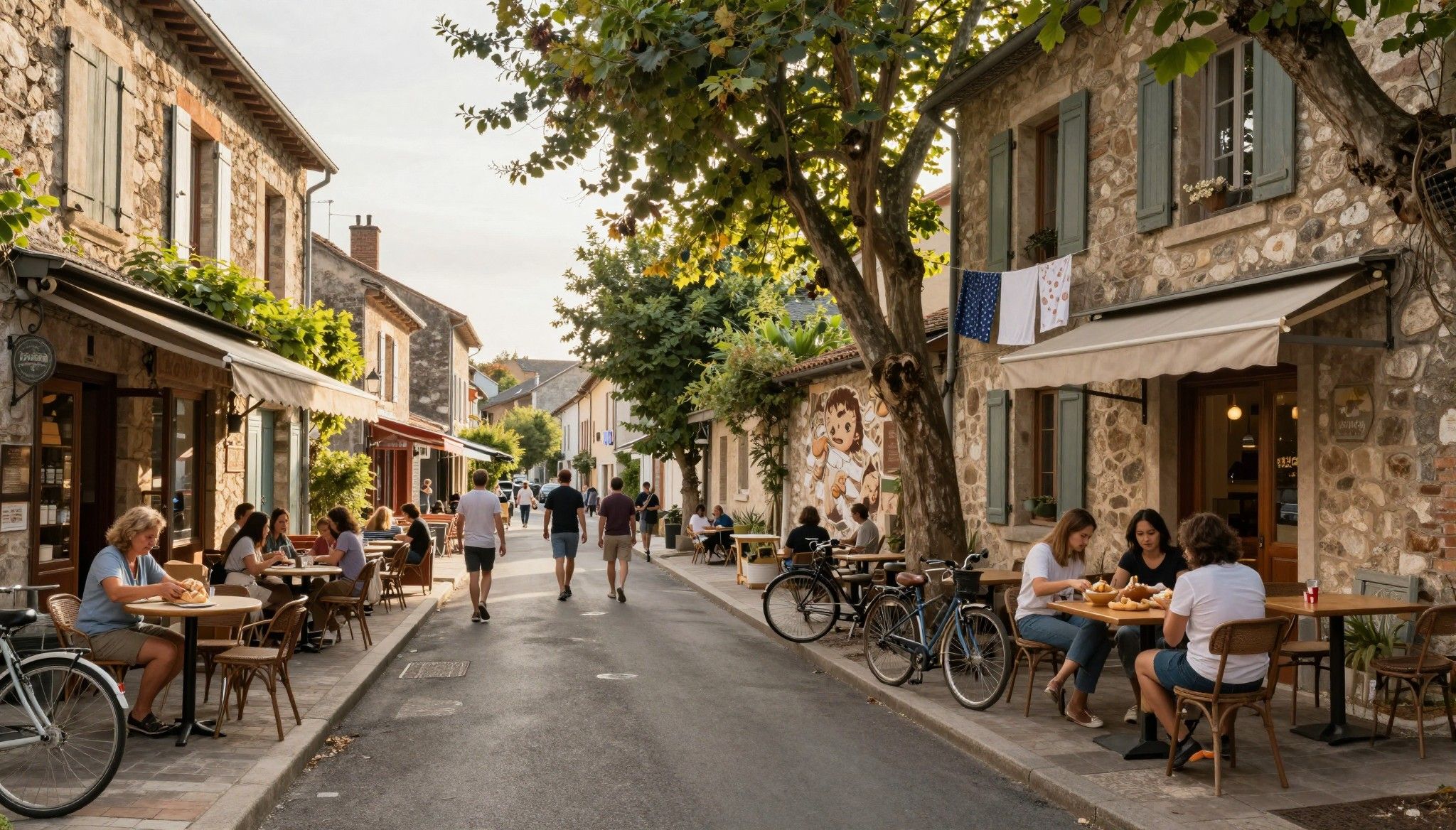
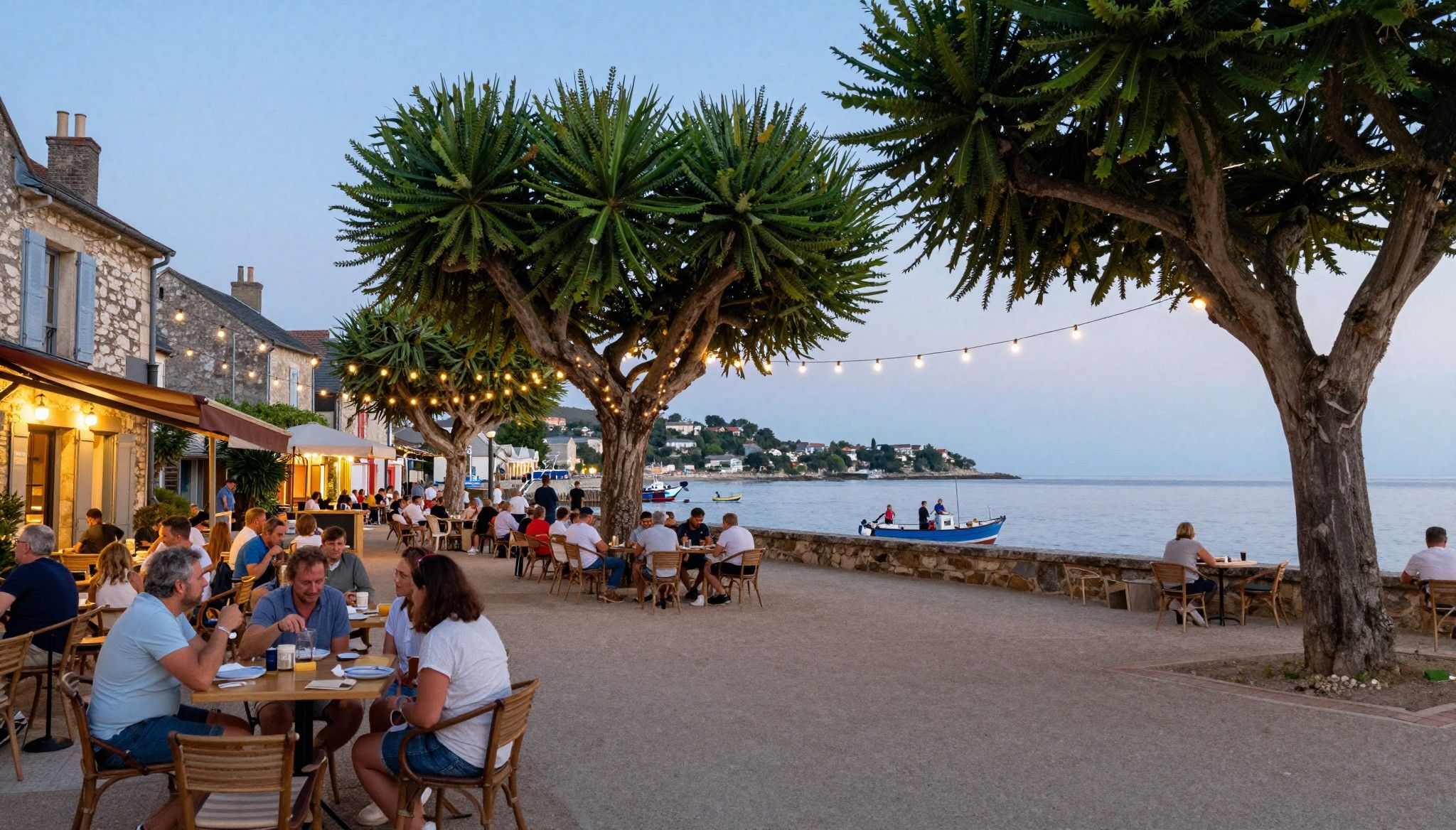
If you want morning markets and fishing‑village charm, look to Marsaxlokk’s Sunday market and the harbourside restaurants that spill onto the quay. For a blend of daily convenience and old‑world streets, Naxxar and Mosta offer village squares and community clubs. Pembroke and the northern villages have pockets of green planning and family‑oriented outdoor spaces; Gozo’s Xlendi and Mgarr make a compelling case for slower, garden‑rich living. Each area carries its own rhythm — seek the one whose daily cadence matches the life you imagine.
Food, festivals and off‑season life
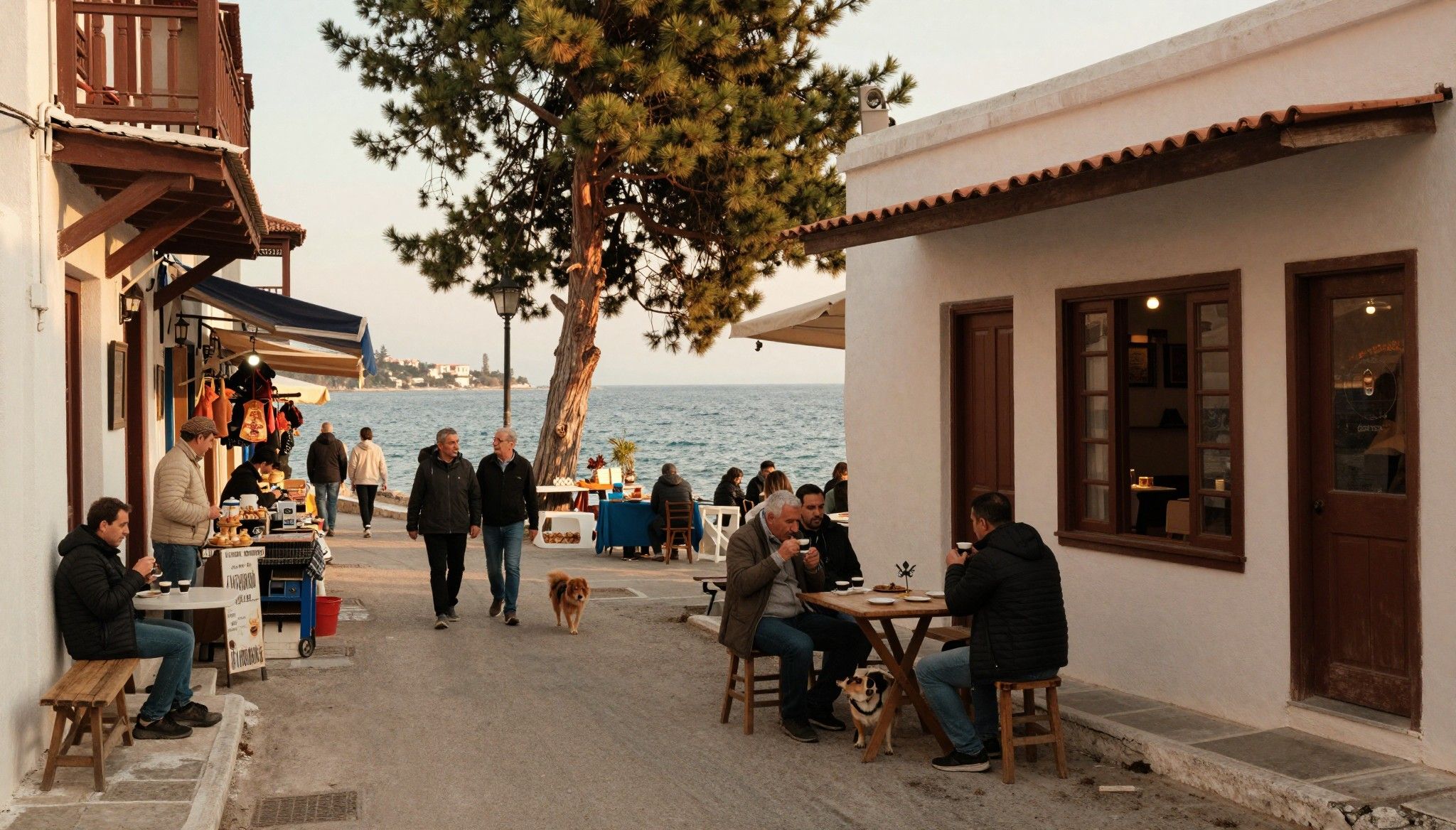
Taste is a fast way into local life: pastizzi on the corner, rabbit strew (fenek) on festival nights, and fresh octopus at harbour cafés. The festa calendar — church feasts, village band marches, and summer regattas — stitches communities together and reveals the social map of a place. Visit in late autumn or spring and you’ll see neighbourhoods in their truest form: beaches are empty, terraces are for locals, and you can measure how a place lives beyond its tourist veneer.
- Green‑leaning lifestyle highlights: - Morning coffee at Caffè Cordina in Valletta, then a stroll through the Upper Barrakka Gardens. - Weekday swim at Għajn Tuffieħa followed by a small, nearby organic market. - Evening promenades in Marsaskala with seafood stalls and local fishermen’s chatter. - Weekend hike along the Dingli Cliffs followed by a sunset picnic in terraced fields. - Gozo house‑of‑character restorations with courtyards for herbs and rainwater capture.
Making the move: lifestyle choices meet the market
Here’s the practical heart: property prices in Malta have risen in recent years, driven by robust demand and limited land. Official statistics show steady index growth — a pattern to respect, not fear. But headline averages hide nuance: smaller apartments in central, touristy pockets carry the highest premiums, while village maisonettes and houses of character in quieter parishes often present both lifestyle and value for buyers seeking garden space and room to self‑sustain.
Property styles that support green living
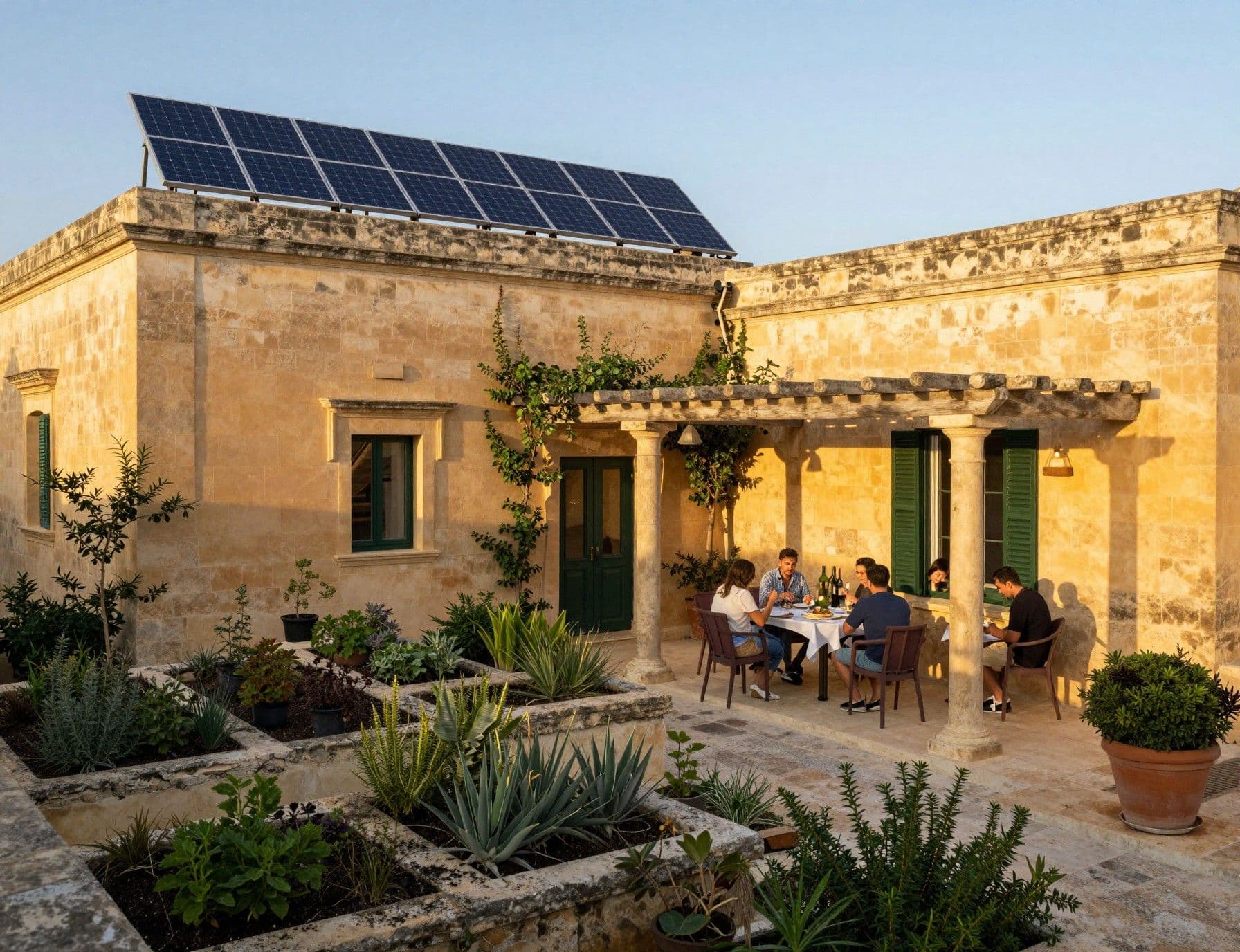
Historic townhouses (houses of character) often come with private courtyards, thick stone walls that moderate temperature, and opportunities for rainwater harvesting or rooftop solar. Newer apartments may offer modern insulation, but limited outdoor space. If your vision includes a kitchen garden, solar panels, or a greywater system, prioritise properties with accessible roofs, courtyards, or adjacent land — these features make a small island home feel ecologically generous.
Working with local experts: a practical checklist
- 1. Find an agency with demonstrable local conservation and renovation experience; they’ll spot usable space for gardens and energy upgrades. 2. Confirm permit rules early — non‑EU buyers may need an acquisition permit (AIP) or must buy in Special Designated Areas; don’t assume universal access. 3. Ask for energy certificates and roof orientation details to assess solar potential before bidding. 4. Budget for restoration: thick stone walls reduce heating needs but often require specialist masons. 5. Consider property management and rental rules if you plan seasonal letting; local agencies smooth these practicalities.
Insider knowledge: myths, tradeoffs and what expats wish they’d known
Myth: Malta is simply 'too expensive' to be practical. Truth: averages hide pockets of opportunity — and they hide costs, too. Affordability pressures are real, especially in prime coastal zones. Still, buyers who trade a sea‑view premium for a village courtyard, who value solar-ready roofs and community gardens, can secure a richer lifestyle at a lower price per square metre. Many expats wish they’d spent viewing outside high season to see the quieter, more honest life of a neighbourhood.
Cultural small print that changes where you buy
Language is less of a barrier than you’d think — English is an official language — but social customs matter. Neighbourhood integration often happens through parish activities, the band club, and local cafés. Respect for shared spaces (streets washed in the morning, late‑night festa noise tolerated) shapes where you’ll feel at home. If you want quiet after 10pm, favour inland villages or purposefully residential suburbs rather than festa hubs.
Longer term: stewardship, upgrades and legacy
Think of a Maltese property as an ecological project as much as an address. Invest in sympathetic restorations: breathable lime plasters, passive cooling, native planting and small‑scale water capture. These choices preserve character, cut running costs, and win you the kind of neighbours who care for the place. Over time, stewardship improves both living quality and resale appeal — and it’s the quiet route to value that headline indices don’t reflect.
If Malta has two faces — the postcard coast and the lived‑in villages — choose the one that matches your daily life. Start by visiting in shoulder season, prioritise properties with outdoor space and solar potential, and work with agencies who understand conservation and local permitting. When you buy this way, you won’t merely own stone and sea; you’ll inherit a neighbourhood ritual and the steady pleasure of a place that breathes with the seasons.
British expat who traded Manchester for Mallorca in 2017. Specializes in guiding UK buyers to luxury Spanish estates with clear navigation of visas and tax.