Seasonal Living, Green Finance: Buying in France
Fall in love with France’s daily rhythms — then use green financing (éco‑PTZ, grants, local bank offers) and season‑aware timing to buy sustainably and wisely.
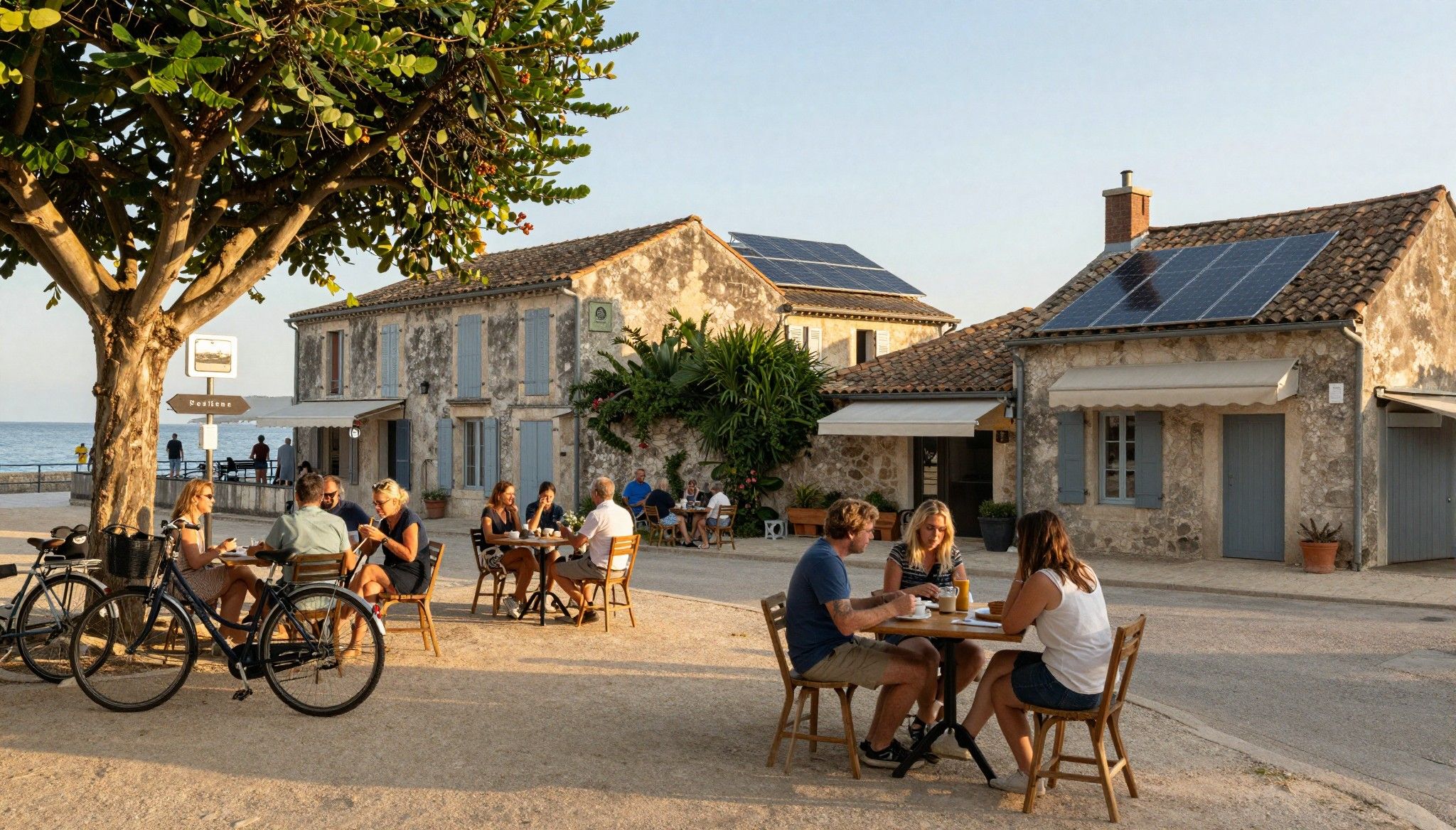
Imagine a late-spring morning in Aix‑en‑Provence: boulangeries steam, a market stall spills jars of lavender honey, and a renovated stone house with solar tiles catches the golden light. For many international buyers that scene is the point — but financing it in France, and doing so sustainably, needs nuance. Recent market analysis shows pockets of price resilience and rising demand outside Paris, while national green financing tools are changing what renovations and purchases make sense.
Living the French life — sensory and local
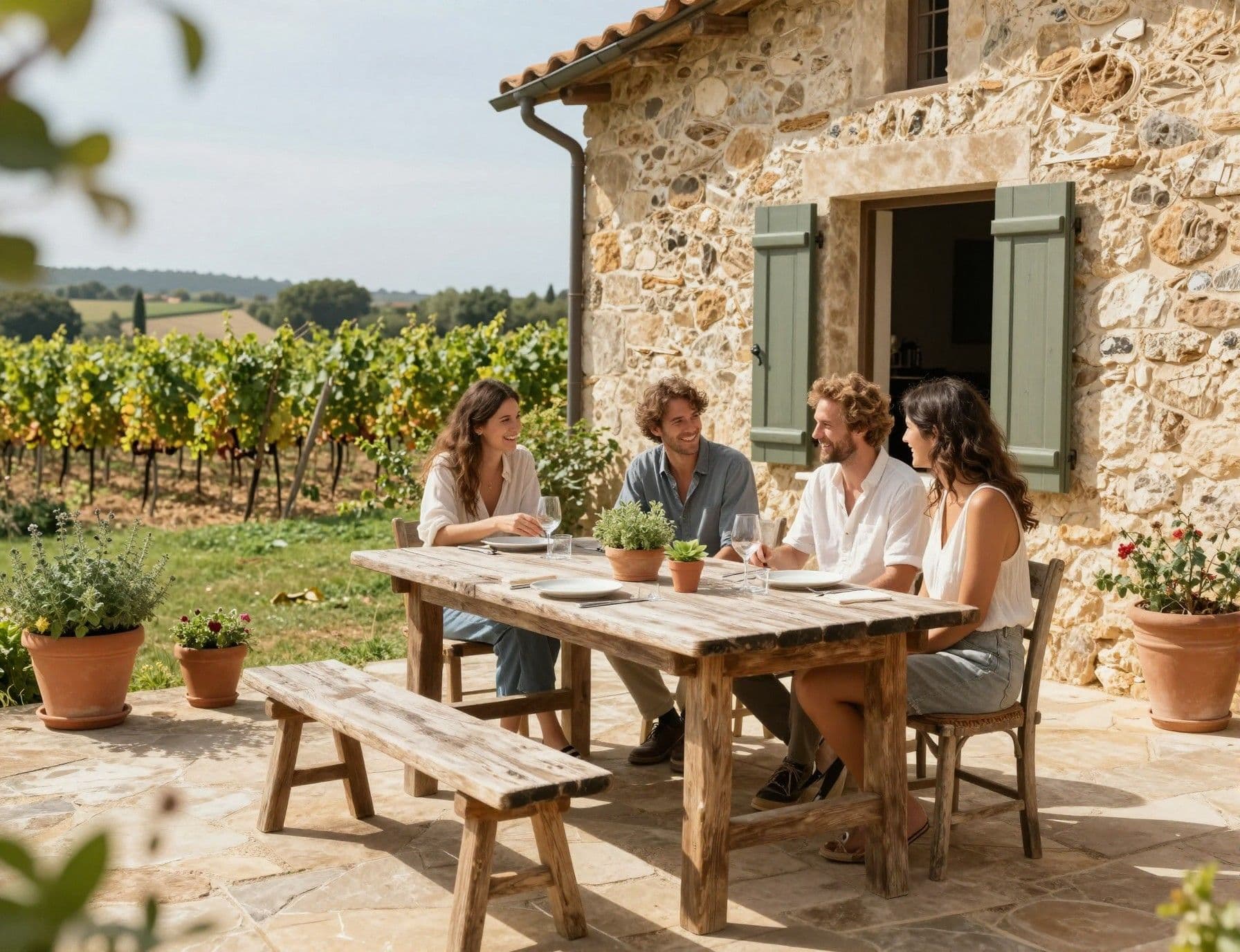
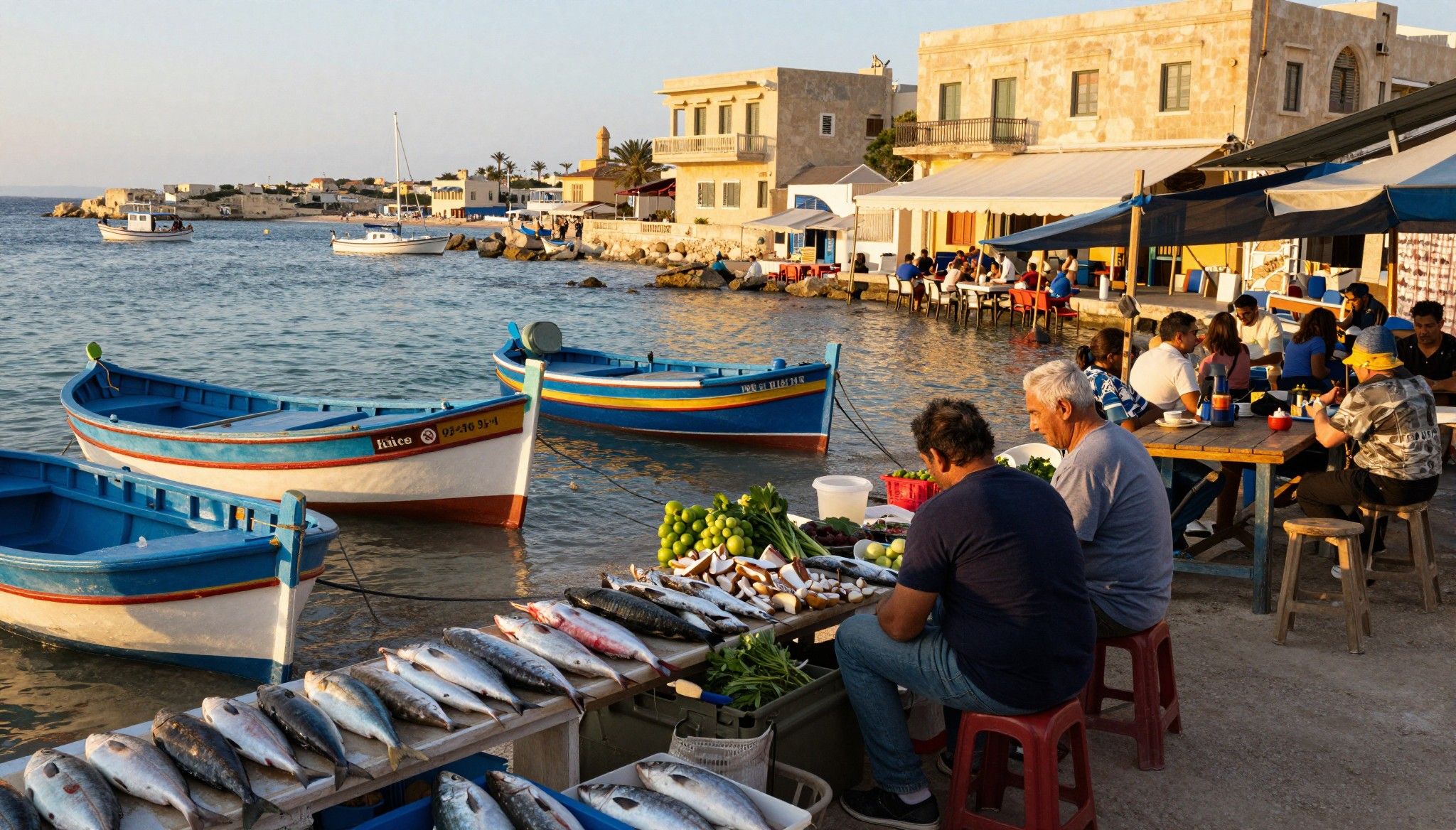
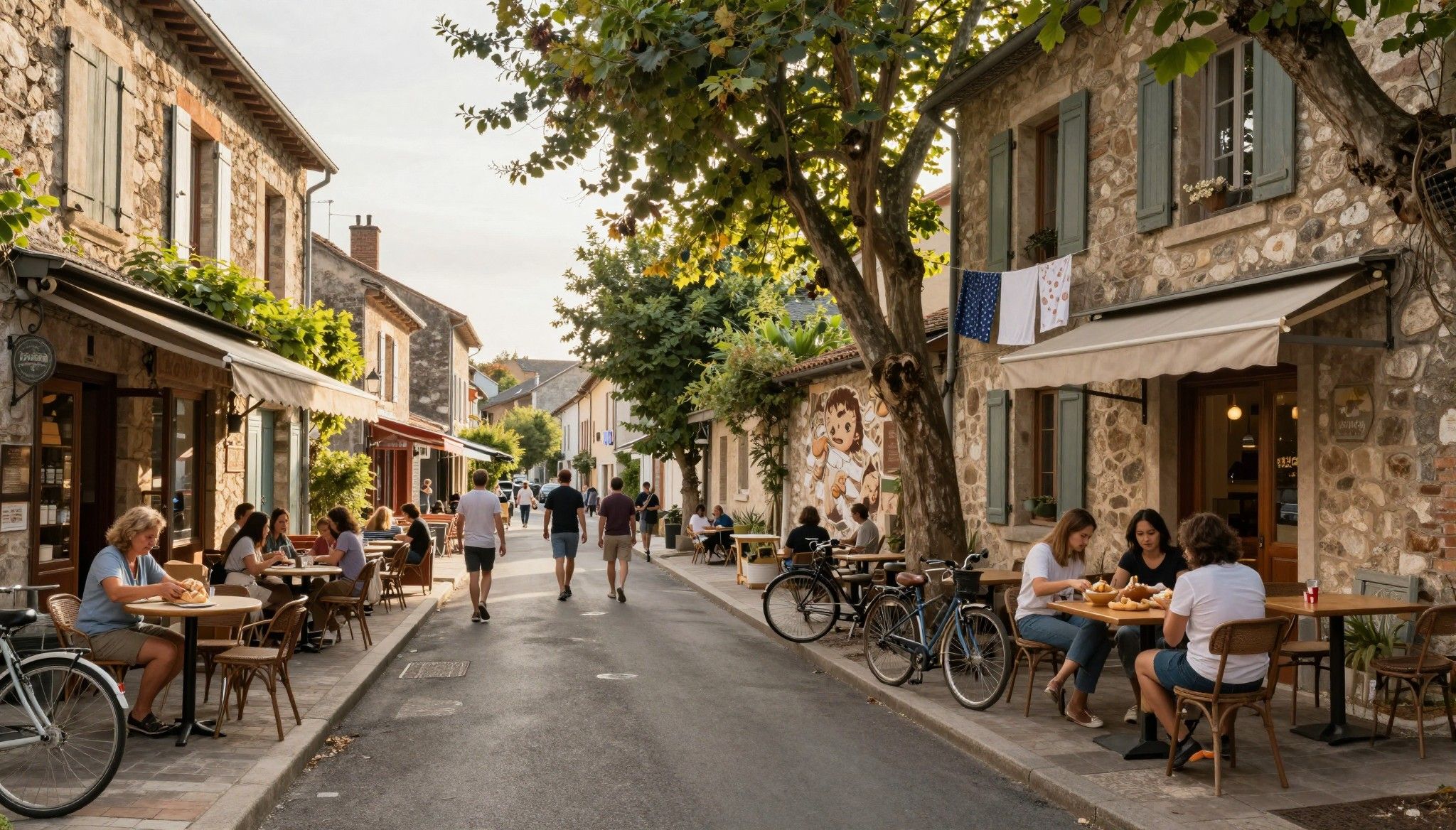
France is a collection of small daily rituals more than a single mood. In Marseille mornings mean fish stalls on the Vieux‑Port; in Bordeaux they mean long café breakfasts near Place Camille Jullian; in Normandy, fog lifts off apple orchards and people head to markets. Homes are woven into that rhythm: a courtyard garden in Montpellier, a pitched-tile roof in Dordogne that traps summer shade, a balcony in Lyon that fills with chatter at dusk. The architecture and seasons shape how you live — and what you should finance.
Neighborhood notes: where locals really spend time
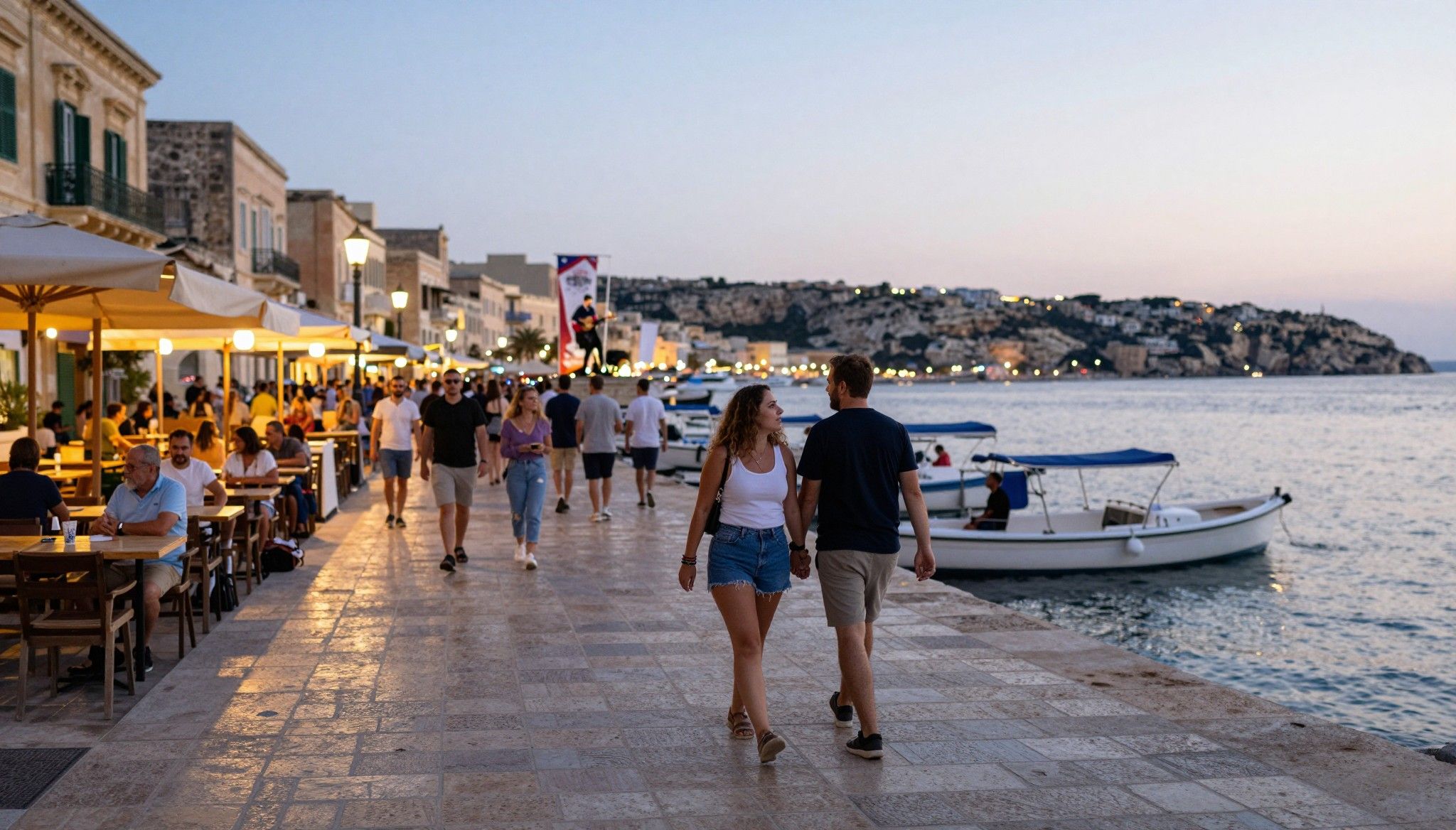
Look beyond postcard districts. In Paris, the Canal Saint‑Martin hums with neighborhood life; in Nice, the Cimiez quarter offers olive trees and quieter streets; in Nantes, the Île de Nantes blends creative reuse and riverside promenades. These are the places where you’ll shop, meet friends, and plant a small garden — and they’re often where practical choices like insulation and access to public transport matter most for both comfort and green credentials.
Food, markets and craft: lifestyle that lowers your footprint
Weekly markets are a backbone of French life and a practical way to lower food miles: rue Cler in Paris, Cours Saleya in Nice, Les Halles in Rennes. Renting a property with a small garden or nearby community allotment lets you join local supply cycles. Choosing timber or reclaimed-stone restorations over new builds often reduces embodied carbon and helps the house feel older, rooted and cared for.
- Morning cafés on promenades — Canal Saint‑Martin (Paris), Cours Mirabeau (Aix)
- Markets — Cours Saleya (Nice), Les Halles (Rennes)
- Coastal walks and sunrise swims — Cap Ferret, Étretat cliffs, Côte d’Azur coves
Making the move: financing that honors place
Dreams must meet numbers. France now offers specific tools that reward energy-conscious purchases and renovations. The éco‑prêt à taux zéro (éco‑PTZ) helps fund energy upgrades interest-free, and many banks will combine it with a mortgage. Knowing how to stack public aid, bank offers and renovation timelines alters both monthly costs and long-term value.
Property types and the green trade-offs
A stone cottage in Dordogne will need different investment than a renovated apartment in Lyon. Older homes often offer thick walls and thermal mass but need insulation, new heating and electrical upgrades. New builds can be efficient from day one but sometimes lack the character and local materials buyers crave. Choose based on how you want to live: a low‑energy long-term home or a minimal‑maintenance pied‑à‑terre.
Work with experts who speak both languages
Find a bilingual notaire, an agent experienced with international purchases, and a local RGE‑certified contractor (for energy works). They’ll help you access schemes like éco‑PTZ, meet French documentation standards, and avoid the common trap of underbudgeting for renovation timelines that stretch past tourist seasons.
- Step-by-step: blend lifestyle and finance when bidding
- 1) Visit outside peak tourist weeks to feel everyday life; 2) Ask for energy diagnostics (DPE) and contractor estimates; 3) Check eligibility for éco‑PTZ and regional grants; 4) Have a bilingual notaire confirm purchase timeline and taxes.
Insider knowledge: myths, timing and what expats wish they'd known
Contrary to the 'France is too expensive' myth, data shows nuance: prices rose in certain regional cities while others remain affordable. International buyers often overpay by shopping in high-season and chasing seaside fantasy weeks. Buying with season-aware timing — viewing in late autumn or early spring — reveals true neighbourhood life and negotiable pricing.
Cultural keys: the unspoken rules that shape daily life
French bargaining is more measured than aggressive. Neighbours value quiet routines; communal decisions in co‑ops (copropriétés) can delay renovations. Learning simple phrases, joining local markets and attending a mairie meeting will pay social dividends and smooth any planning permissions.
Long-term lifestyle and stewardship
Think beyond purchase: plant native hedges, choose low‑energy heating, and prioritise locally sourced materials for renovations. These choices reduce bills and create a home that ages gracefully with place — the kind of house that neighbours admire and future buyers prize.
- Checklists for green-first purchases
- Ask for a recent DPE (diagnostic de performance énergétique); confirm RGE qualification for contractors; estimate embodied carbon for major rebuilds; confirm local grid connection for photovoltaics.
Conclusion: fall in love, then plan with care. France gives you seasons, markets, and craft — and a set of financial tools that reward responsible stewardship. Start with neighbourhood visits in off-peak times, gather energy diagnostics, and talk to a bilingual notaire and an RGE contractor before you sign. Those handful of choices will turn a charming stone house into a durable, low‑impact home that feels right for years.
British expat who traded Manchester for Mallorca in 2017. Specializes in guiding UK buyers to luxury Spanish estates with clear navigation of visas and tax.