Skip Malta’s Summer Rush — Buy in the Quiet Season
Fall for Malta’s lived rhythms, not the summer hype: visit off-season, prioritise outdoor, low-energy homes and work with lifestyle-savvy agents to buy wisely.
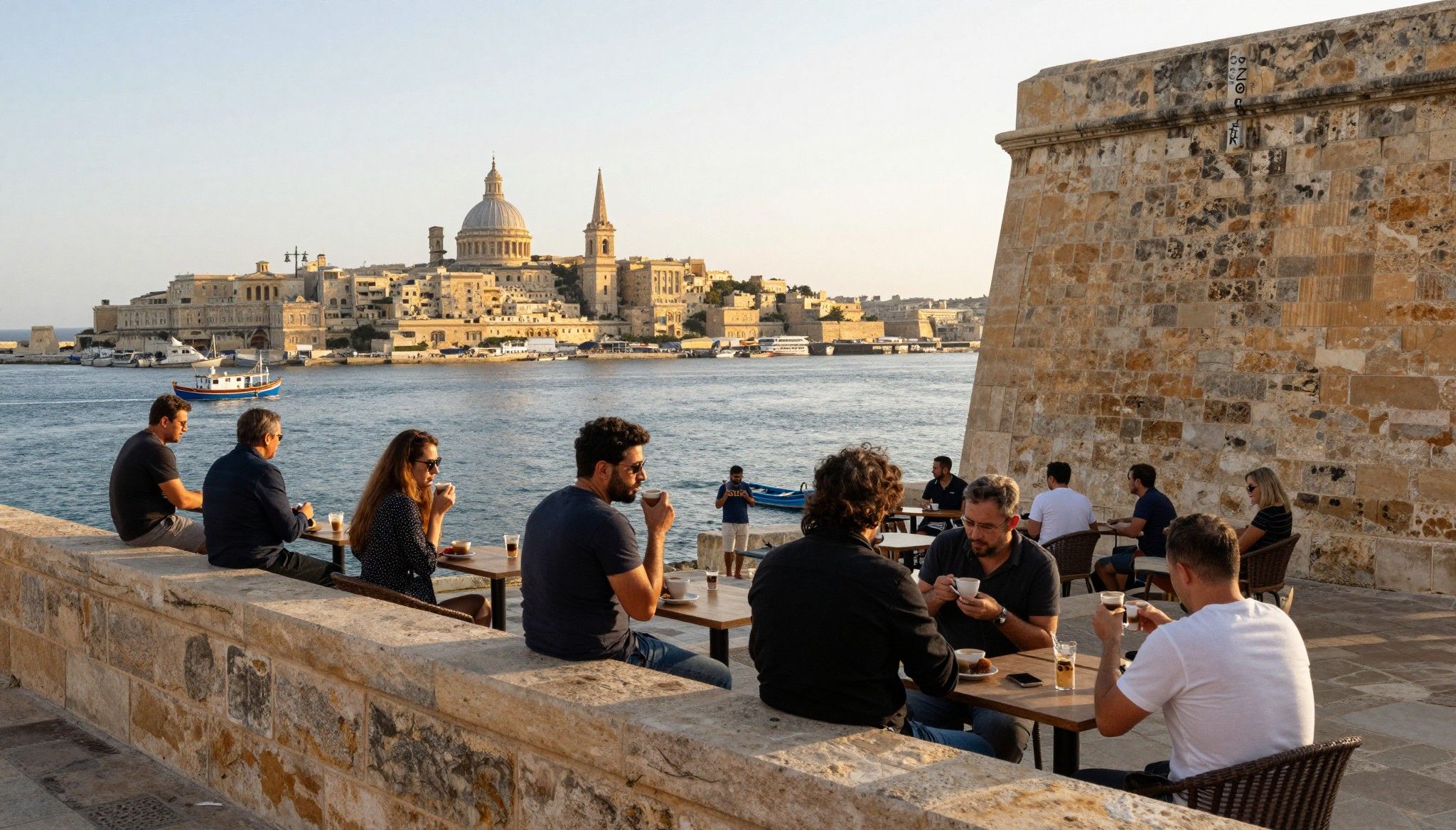
Imagine stepping out at dawn onto the Valletta bastions as fishermen pull lampuki nets ashore, espresso steaming in your hand and limestone warmed by the first light. That intimate morning rhythm — markets, band-club rehearsals, small‑talk over counters — is the real reason people fall for Malta. But the island's compact size, seasonal tourism and brisk property growth mean the moment you fall in love should be measured against market rhythms. Recent market analysis shows steady price growth and a lively transaction market, so timing and local insight matter more here than in larger countries.
Living the Malta rhythm: small islands, full lives
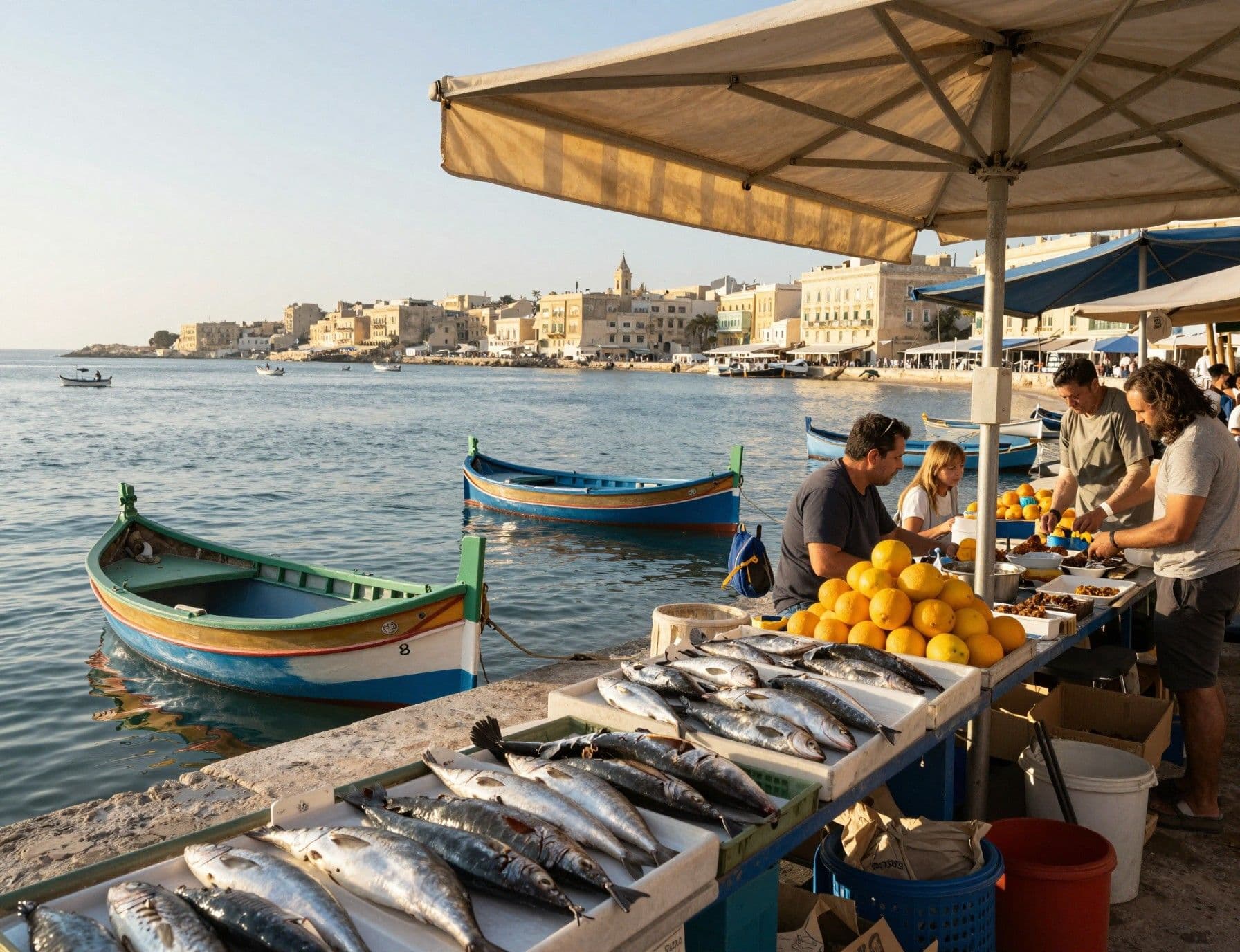
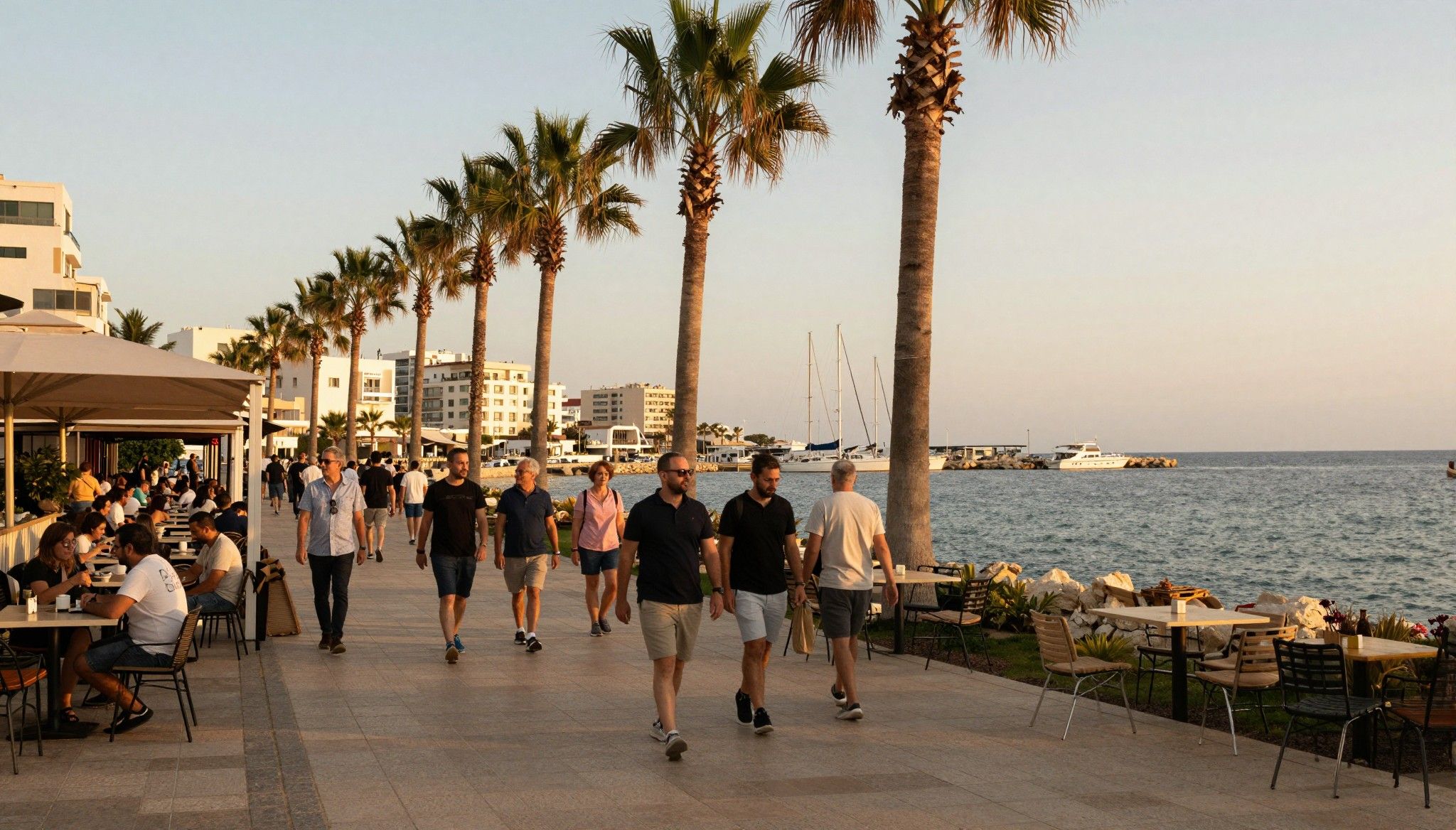
Malta compresses Mediterranean life into 316 square kilometres: mornings are for markets and repairs, afternoons for siesta and sea, evenings for long dinners and festa processions. The island’s pulse varies dramatically by neighbourhood — Valletta's narrow lanes hum with cultural events while Sliema and St Julian’s trade on sea promenades and café life. Property indices published by the NSO and commentary from the Central Bank show steady price rises, reminding buyers that every lifestyle choice carries a market implication. That mix of daily warmth and market momentum is what makes lifestyle-first buying essential here.
Valletta, Sliema, St Julian’s: different days, same sea
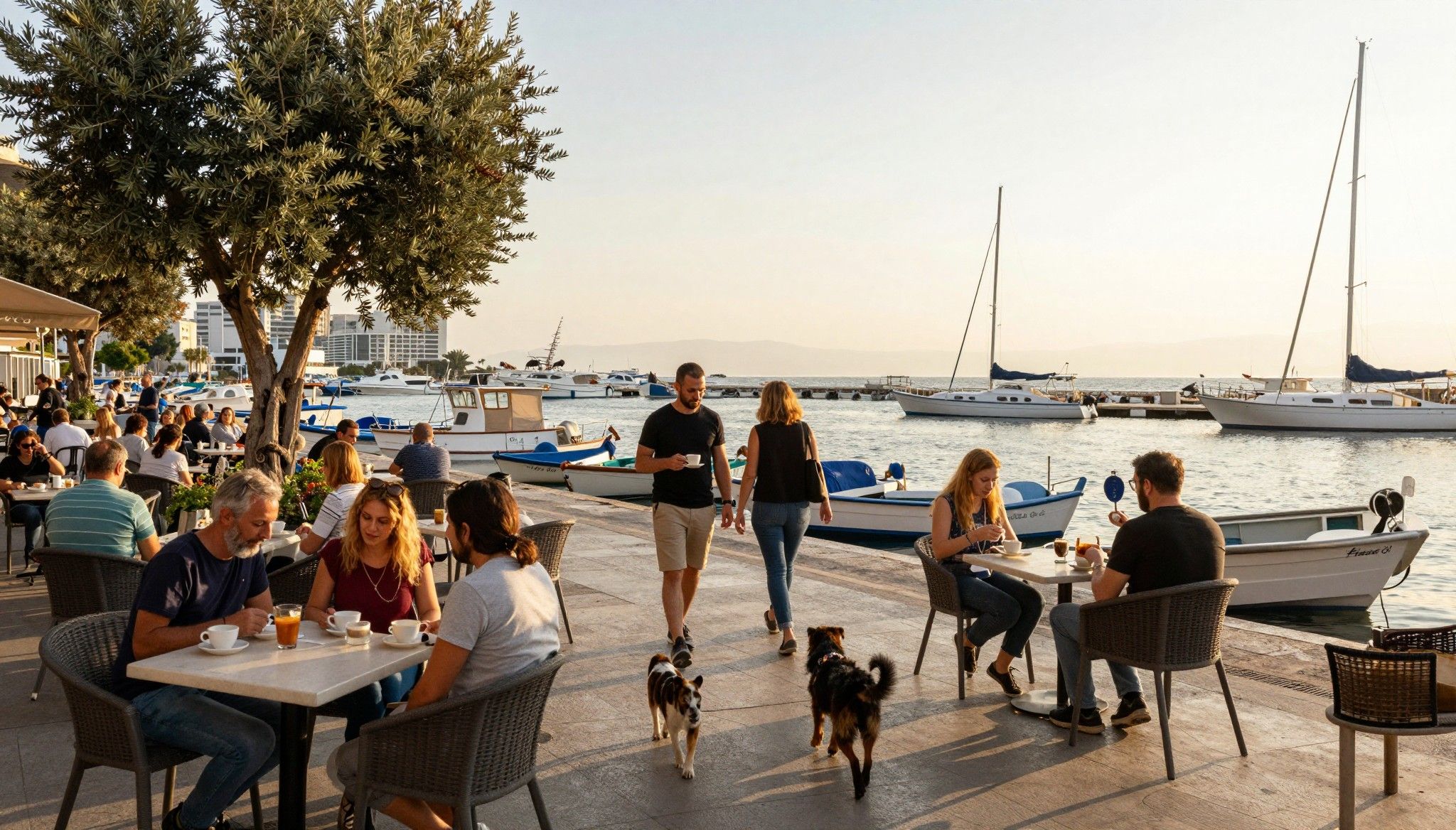
Picture Valletta at dawn: coffee at Caffe Cordina, limestone lanes warming, and opera posters tacked on plaster. Walk ten minutes to Sliema and the world changes to promenades, boutiques and ferries to the Three Cities; head north to St Julian’s for buzzy evenings in Spinola Bay. Each place promises different daily rhythms — historic closeness, promenade life, or lively service economy — and your property choice should match the life you want to wake into. Local agencies often specialise by these micro-areas; pick one that knows the time-of-day and seasonality of the neighbourhood you love.
Food, festas and market mornings
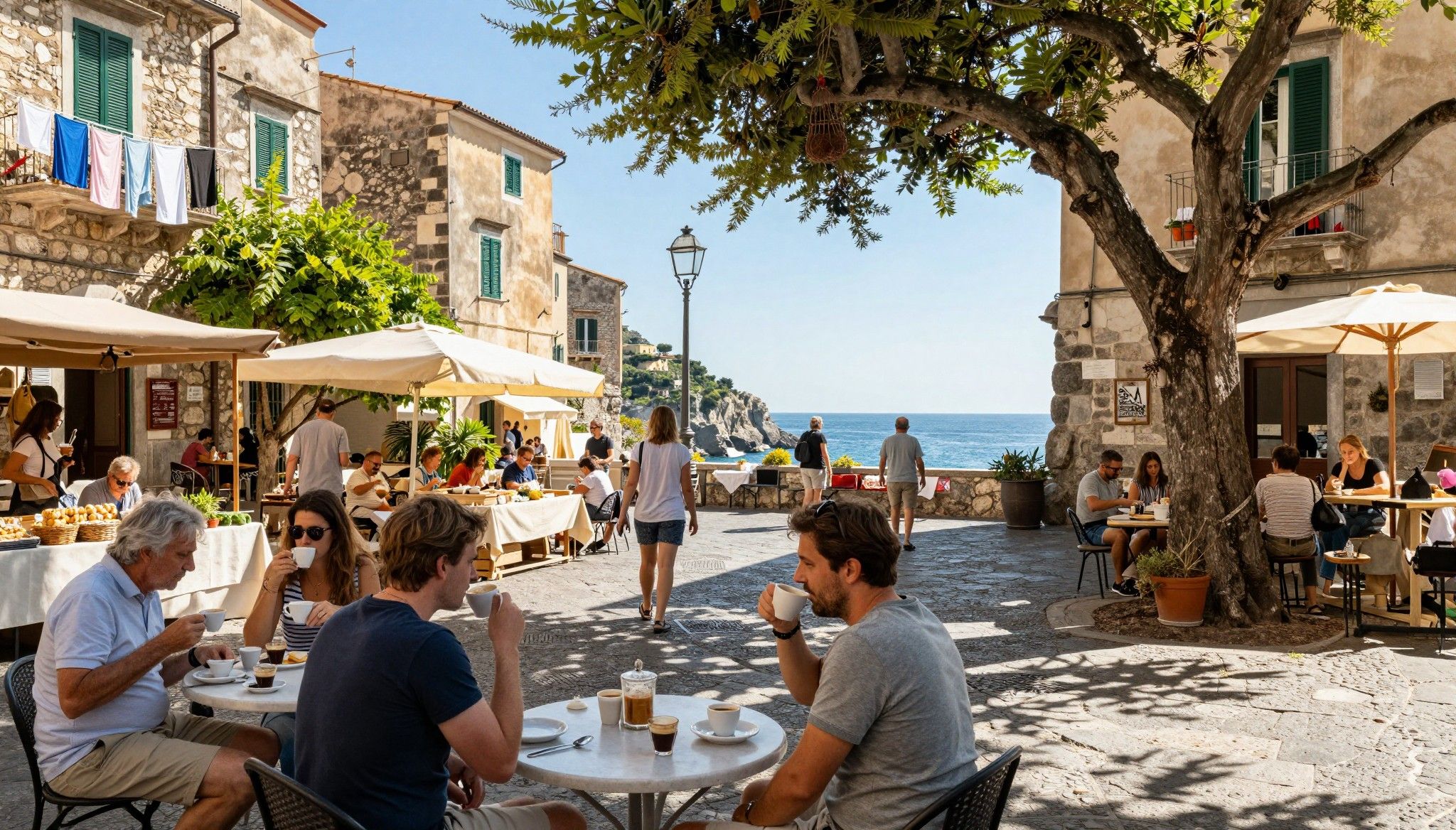
Weekends revolve around market stalls, fish counters in Marsaxlokk and vegetable sellers in local squares; the island’s food scene is unapologetically seasonal and local. A terrace with room for potted herbs or a courtyard for espaliered citrus matter more than a second bathroom if you plan to live the Mediterranean garden life. Seasonal festivals — village festas, Carnival, and Notte Bianca in Valletta — are cultural anchors that shape when neighbourhoods feel alive and when they quiet down. When you picture daily life here, include the smells, sounds and weekly rituals of the place, not just the square metres.
Making the move: timing, property types and local experts
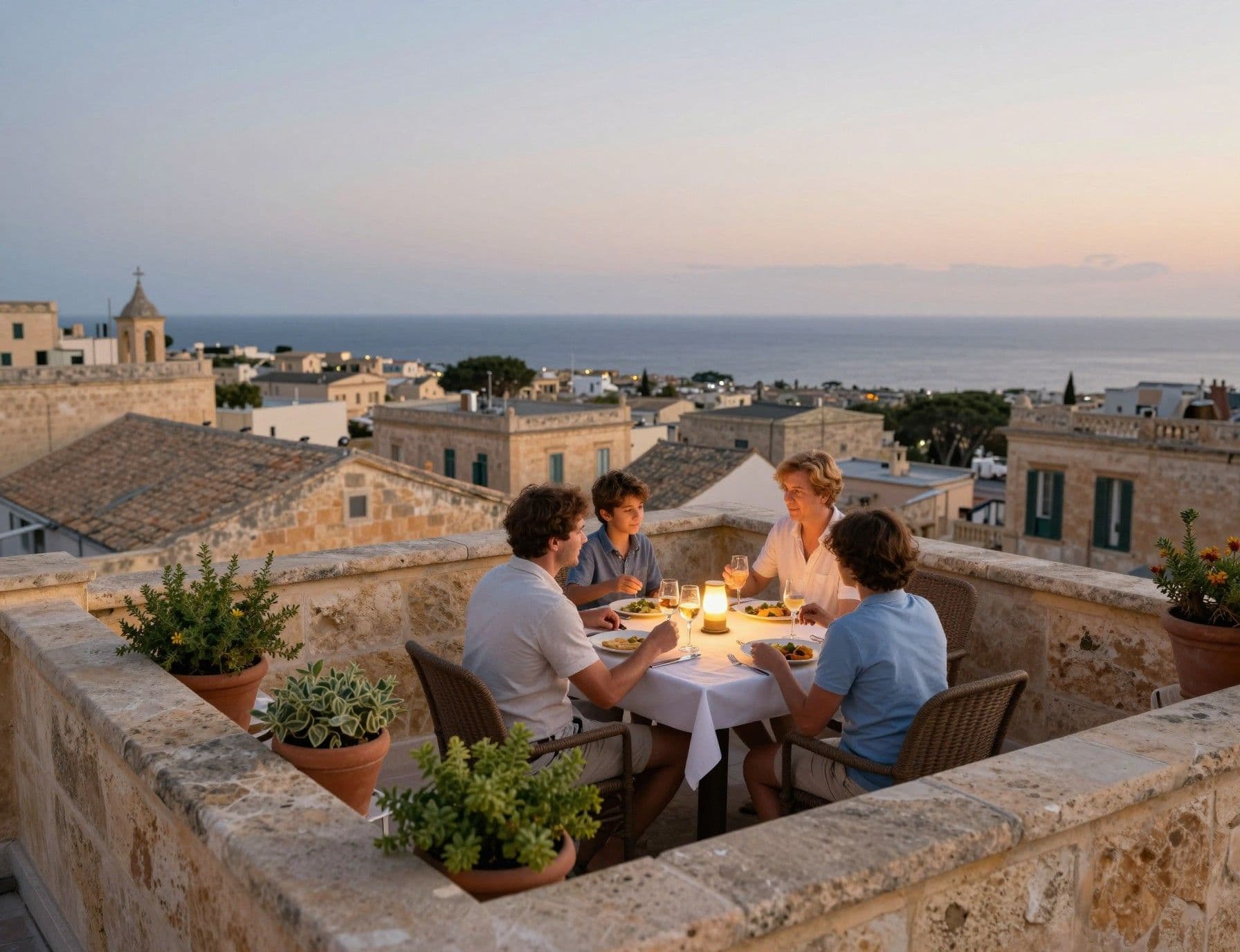
Here’s the contrarian bit: summer is when Malta feels most alive to visitors — and when sellers list at peak asking prices. PwC and local transaction data show a busy market and rising asking prices, so savvy buyers often get better value in shoulder seasons when negotiation room appears. Match your house‑hunting to quieter months if you want honest viewings (October–April) and to see how a neighbourhood lives outside tourist pulses. Bring a local agent who works year‑round and can show you how properties perform across seasons, not just on sunshine days.
Property styles that suit Maltese life
Traditional townhouse with internal courtyard, modern apartment with a balcony, or a Gozo farmhouse with a roof terrace — each supports different daily routines. Townhouses favour slow mornings in cool shade and private entertaining; apartments near the promenade suit café life and short walks to amenities; rural dwellings grant a garden and clearer skies. Given rising prices and shrinking apartment sizes noted in recent studies, prioritise the outdoor space and passive-cooling features you’ll actually use. Ask agents for energy-efficient upgrades and documented renovation histories rather than glossy staging photos.
How local experts translate lifestyle into good buys
Work with an agent who knows festival calendars, public transport quirks and the folklore of village life. They should be able to tell you whether a house faces the yearly festa route (lovely for continuity, noisy for Sundays), which streets flood in specific storms, and where neighbours meet for morning coffee. Ask for evidence of completed eco‑upgrades, details of permit histories and introductions to local tradespeople for small restorative work. A lifestyle-savvy agency is less about salesmanship and more about translating local rhythms into durable home choices.
Insider knowledge: what expats wish they'd known
Community, language and the slow work of belonging
English is an official language, but real acceptance arrives in gestures: repeat orders at the same café, helping at a festa, learning a handful of Maltese phrases. Expat communities cluster in Sliema, St Julian’s and parts of Swieqi, offering social ease; smaller villages reward patience with deep local ties. Practical expat regrets include underestimating humidity’s toll on wood and textiles, and overlooking the need for shading and cross-ventilation in older buildings. Short-term rentals can mask structural issues, so insist on long-view inspections and neighbourhood checks.
Long-term stewardship: make nature part of your plan
Choose properties that let you capture rainwater, fit solar panels, and keep or create small edible gardens; these reduce running costs and root you in seasonal living. Look for south-facing terraces, thick limestone walls, and opportunities to add shutters or pergolas for passive cooling — small choices that respect Malta’s climate. When planning renovations, verify permits and conservation rules — older cores like Valletta are protected and changes can be slow. Think of the home as part of an island ecosystem: biodiversity in a courtyard, pollinator-friendly planting and locally salvaged materials matter to long-term well-being.
Step-by-step: how to align lifestyle with a wise purchase 1. Visit off-season (Oct–Apr) to test neighbourhood rhythms and see empty streets. 2. Ask for energy and permit histories; prioritise outdoor living features. 3. Use a locally rooted agent who can introduce you to neighbourhood life and artisans. 4. Negotiate with seasonal data — sellers listing in high-summer often price for tourists. 5. Plan stewardship upgrades (shading, rain capture, native planting) into your offer.
Conclusion: Malta is immediate — a sensory, small-scale life where weekends matter, community rituals are visible and the sea is never far. If you want the life, plan for the reality: visit outside peak tourist months, work with agents who understand festivals, and favour properties that support outdoor, low-energy living. Start conversations with local agencies and bring a lifestyle brief — not just a list of rooms — so your purchase supports both the life you imagine and the stewardship Malta deserves.
Dutch property strategist who helped 200+ families find sustainable homes in southern Europe; expert in legal pathways and long-term stewardship.