Cyprus: The 'Too Expensive' Myth—and Where Value Hides
A sensory, data-backed look at Cyprus that overturns the "too expensive" myth and shows where lifestyle-focused, sustainable buyers find real value.
Imagine waking to the light tipping across olive trees, the smell of cardamom coffee from a corner kafeneio, and a coastline that feels personal rather than postcard-perfect. Cyprus offers that blend of small-city rhythm, mountain silence and seaside bustle — and yet many international buyers arrive with the same whisper: “Isn’t Cyprus expensive?” Recent market signals show nuance: prices have cooled in parts even as lifestyle demand remains strong. Read on for a sensual, contrarian take on where value hides in Cyprus and how a sustainable lifestyle lens changes what ‘worth it’ really means.
Living the Cyprus life
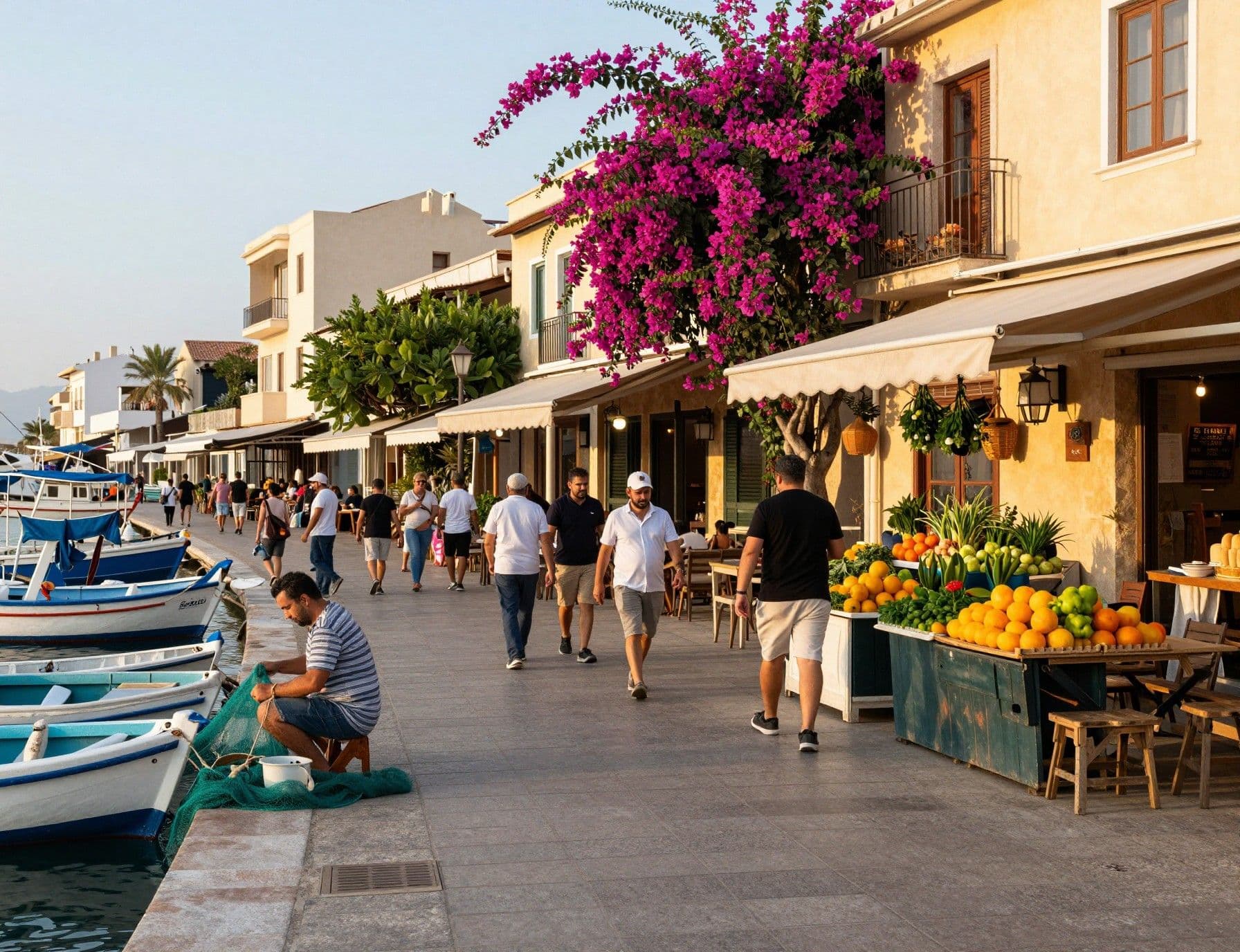
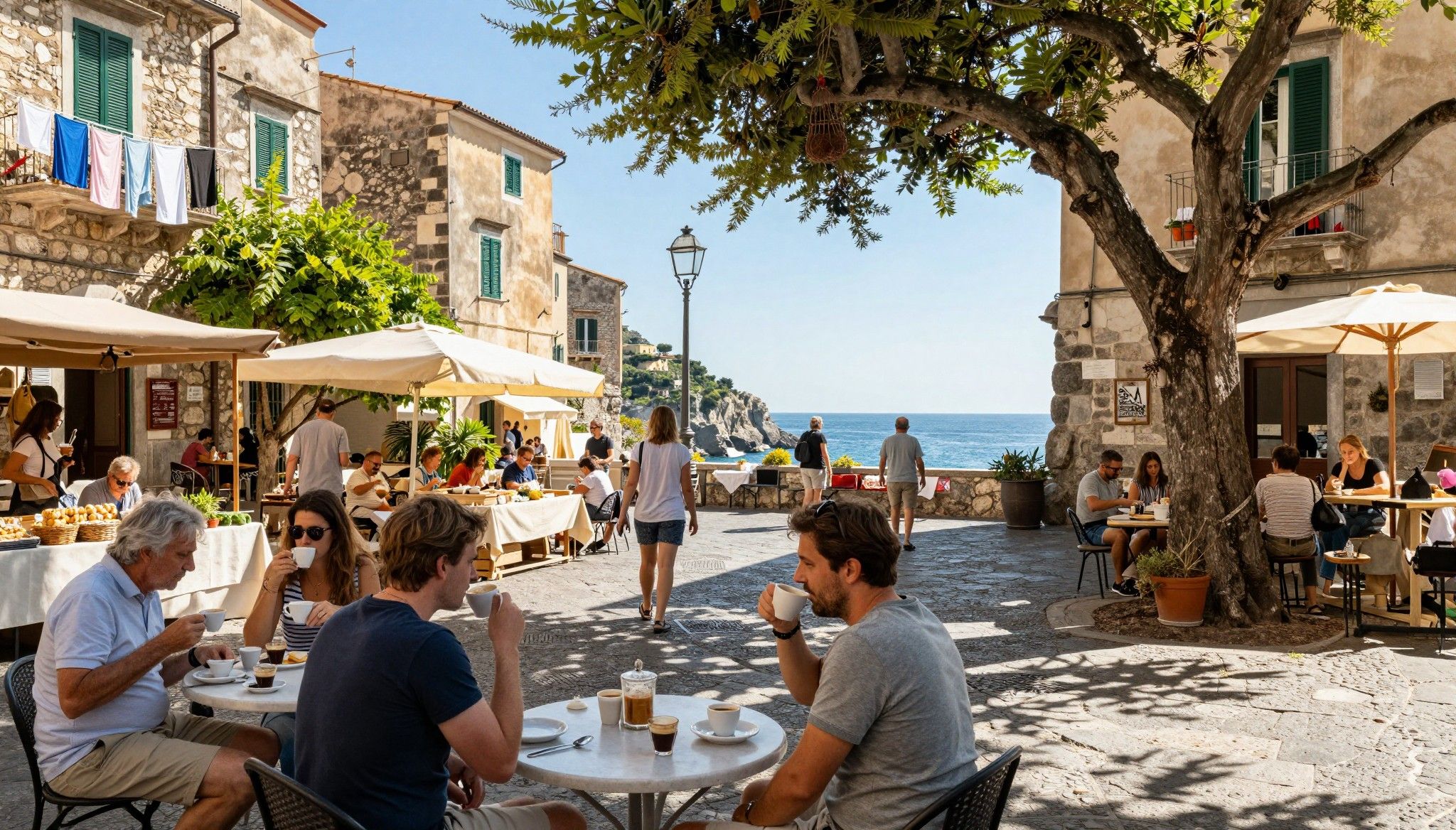
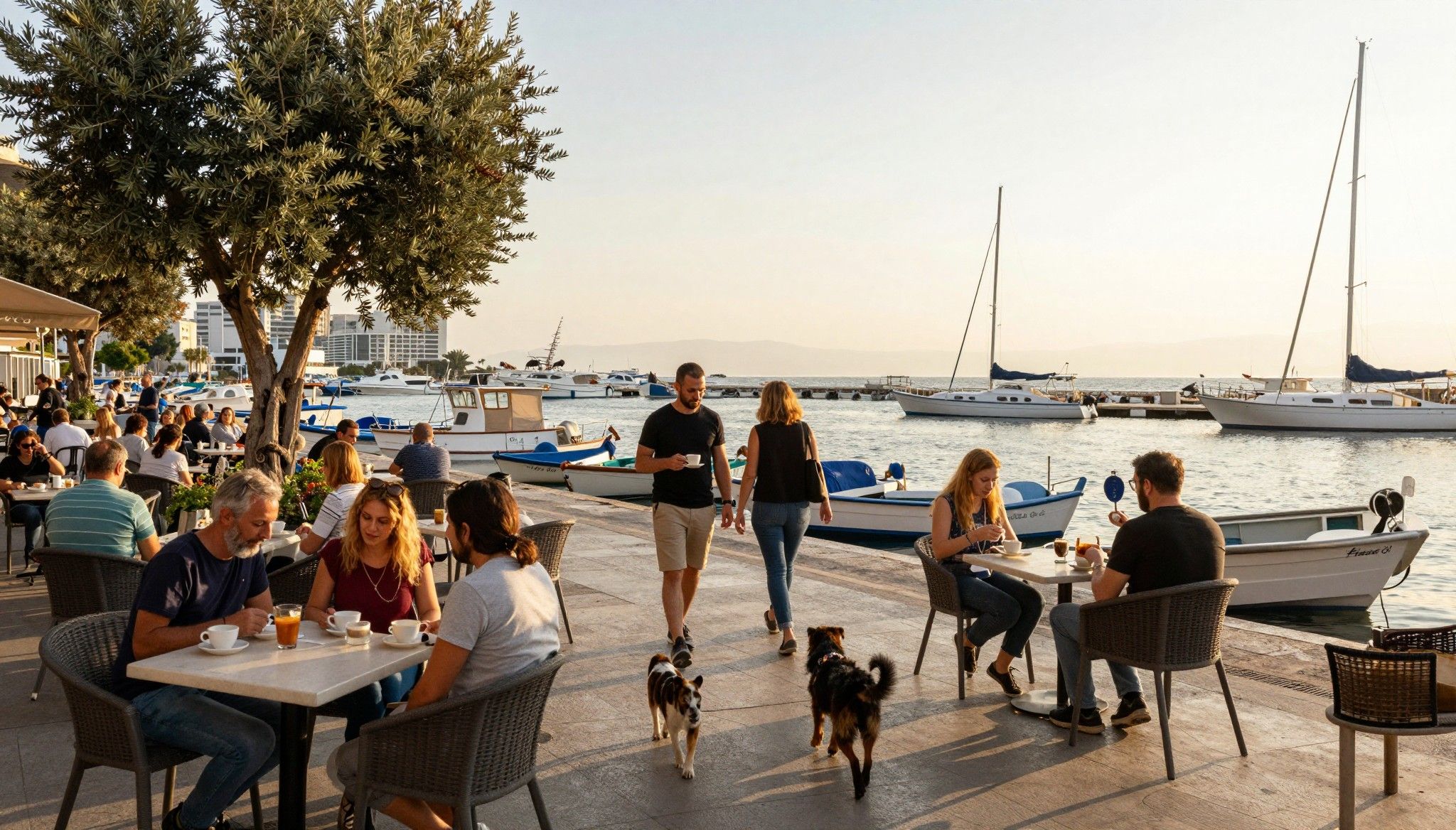
Cyprus moves at multiple paces at once. Limassol hums with cafes and marina life, Paphos keeps a slower, village-laced cadence, Nicosia feels administrative and lived-in, while Larnaca’s promenade is a daily celebration of sea and simple pleasures. The island’s seasons — a bright, long summer and a mild, green winter in the Troodos foothills — shape how homes are used: terraces and courtyards in summer, wood-stoves and stone-sheltered courtyards in cooler months. Local life is tactile: market mornings, late lunches that stretch into siesta, and small festivals where whole villages taste the harvest.
Neighborhoods that feel like home
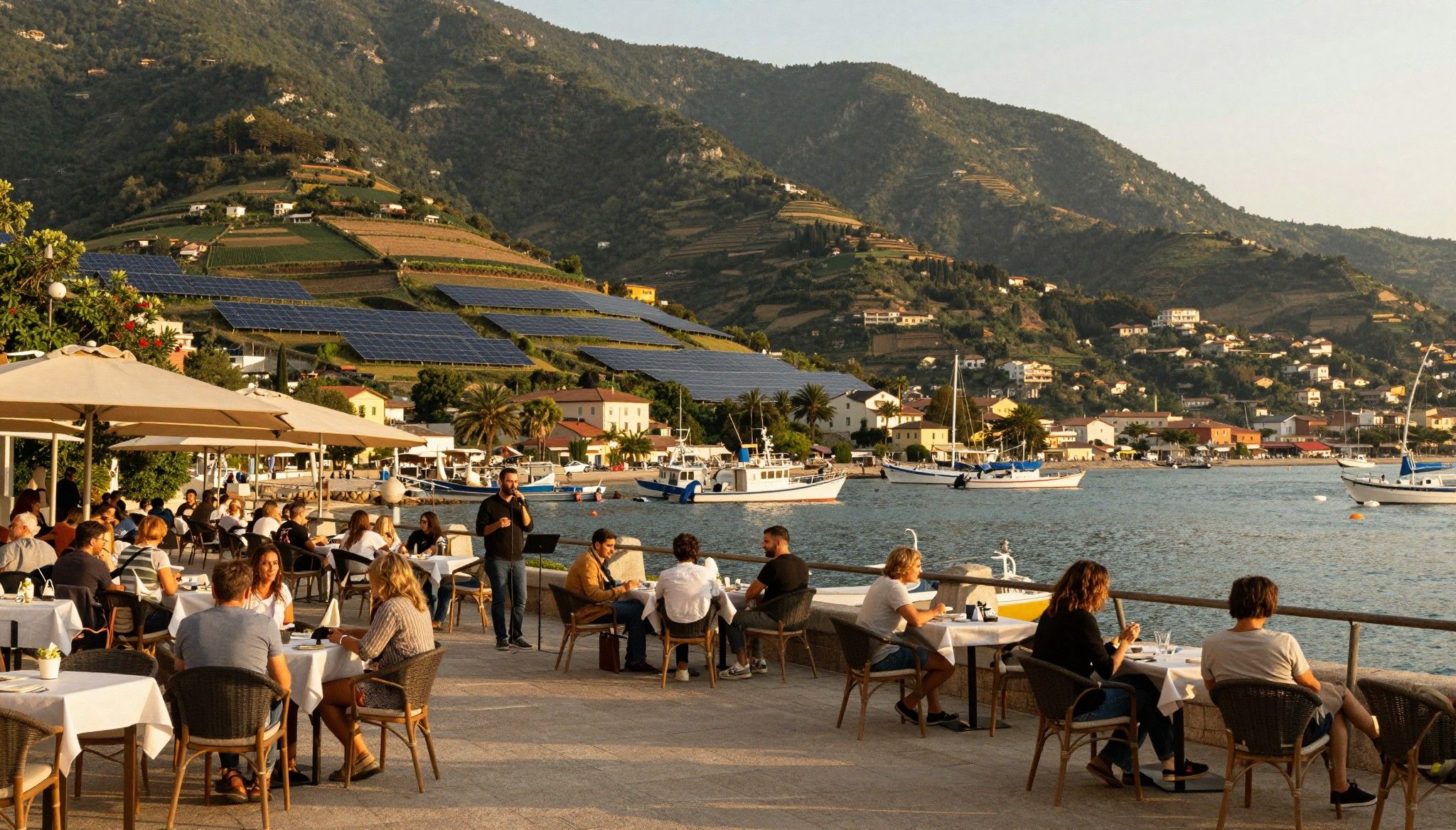
If you want cosmopolitan energy with beach access, Germasogeia and Agios Tychonas in Limassol give you chic cafés, wine bars and seaside promenades. For quiet stone lanes and a British-friendly community, Kato Paphos and Chloraka feel like a long, easy inhale. Larnaca’s Mackenzie strip offers windswept beaches and a growing café scene for remote workers wanting connection without the Limassol price tag. Each area has its own pace and its own set of sustainability-minded homeowners — people retrofitting villas with solar, or converting courtyards into pollinator gardens.
Food, markets and seasonal rituals
Weekends bend around markets: ripe halloumi, figs, sun-warmed tomatoes and jars of local thyme honey. Coastal tavernas throw fish onto plates while inland villages stage grape stomps and wine festivals that smell of ferment and celebration. For buyers who value terroir and seasonality, proximity to markets or a small plot for fruit trees often trumps an extra square meter of marble-finished living room.
- Lifestyle highlights to taste and test in Cyprus
- Morning coffee at Old Town Limassol’s Anexartisias; wander the marina at dusk.
- Sunday market at Paphos municipal market for fruit, small ceramics and local gossip.
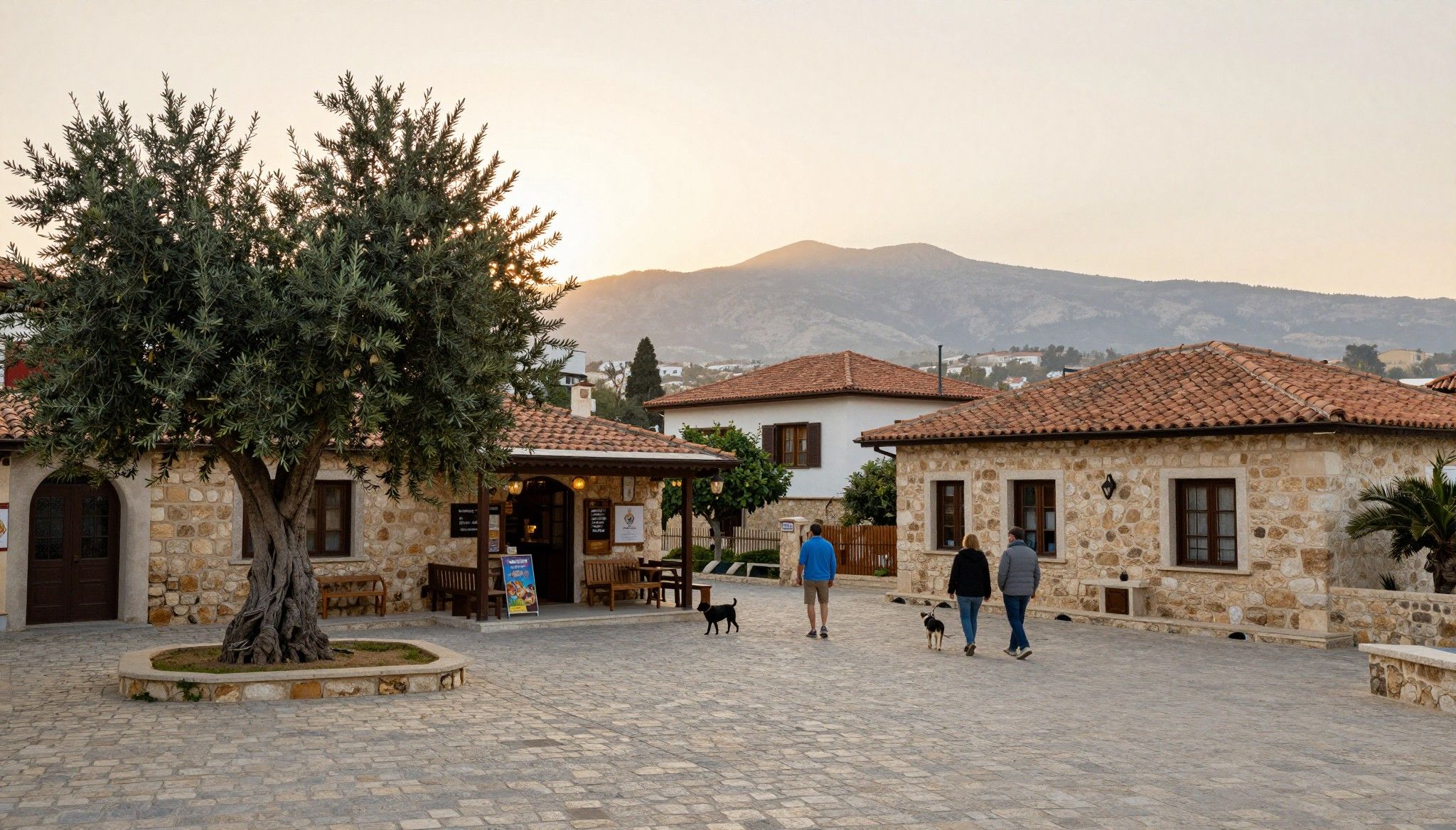
- Hike a Troodos trail and discover stone-built hamlets with cedar-shaded squares.
- Evening meze in a Larnaca taverna after a swim along Mackenzie beach.
Making the move: lifestyle meets practical choices
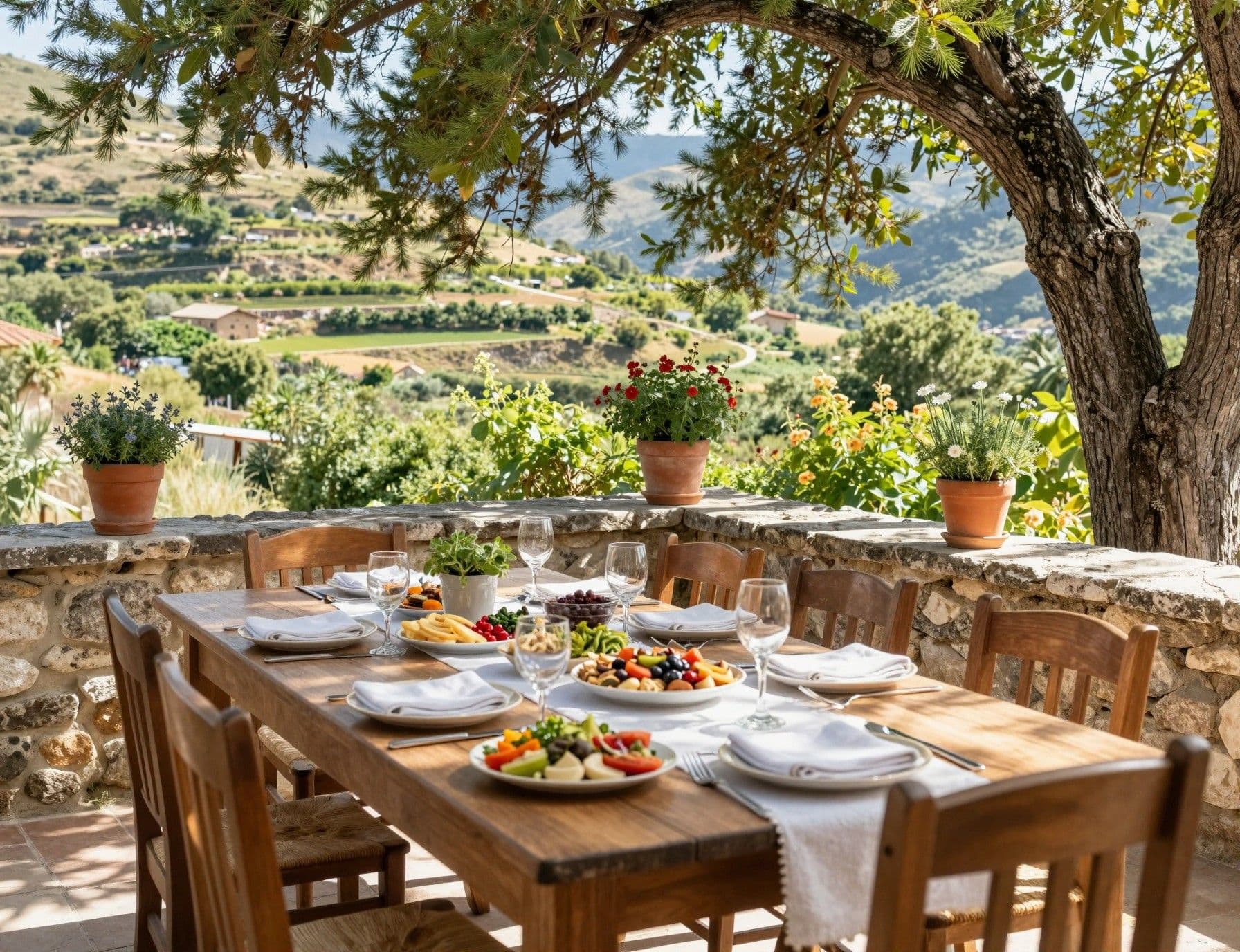
Dreams decide where you look; data tells you when to act. National statistics show that residential prices rose modestly in recent years and growth has eased — meaning pockets of affordability appear, especially in smaller villages and in Larnaca’s up-and-coming districts. Working with local market reports and an agent who understands seasonal demand (tourist-driven summers versus quiet winters) helps you match the right property type to the life you want to lead.
Property styles and how they shape your days
Stone village houses in the Troodos foothills invite courtyard gardens, rainwater collection and natural ventilation; coastal apartments prioritise indoor-outdoor terraces and sea views. New developments near Limassol often include communal pools and modern insulation but can lack mature trees — an important consideration if your vision emphasizes biodiversity and shady outdoor rooms. Think beyond square meters: imagine mornings in a courtyard, not just the layout on paper.
Working with local experts who care about place
Choose agents who speak neighborhood language — not only English, but the vocabulary of soil, shade, and seasons. A good local finder can point to south-facing courtyards, passive-cooling features, and properties already fitted with solar-ready roofs. They also connect you with builders who use local stone and lime mortar, and with planners who understand the island’s coastal regulations and village preservation rules.
- Steps to marry lifestyle and purchase (simple, practical)
- Walk the life: spend at least two long weekends living in-season in your preferred neighbourhoods before making offers.
- Ask about orientation, roof condition and shade — these small details save energy and shape daily comfort.
- Insist on an agent who can recommend trusted local trades: a mason who knows stone repair, an electrician experienced in hybrid solar setups.
Insider knowledge: the things expats wish they'd known
Here’s the honest part: the island’s reputation for being uniformly expensive masks a patchwork of micro-markets. Coastal hotspots carry premiums, while inland villages and certain Larnaca suburbs offer surprising value for buyers who prioritise land, light and community. Many newcomers under-value communal life: a neighbour who keeps goats or shares a garden harvest can add immeasurably to your quality of life — and to a home’s functional value.
Cultural cues that change how you live
Cypriot life values connection: family meals, neighborly exchange, and a relaxed timetable. English is widely spoken in expat enclaves, but learning a few phrases opens doors and kitchens. Expect long, friendly conversations with builders and a culture where favors and trust still matter; this can speed renovation projects if you follow local etiquette and pay attention to relationships.
A sustainable buyer’s checklist for long-term joy
- Look for south-facing roofs and permission-friendly plots for solar.
- Prioritise homes with mature trees and room for a kitchen garden — they reduce summer heat and feed you.
- Choose local materials where possible: stone, timber, lime plasters and breathable mortars perform better in Cyprus’s climate.
- Plan water resilience: cisterns, greywater reuse and drought-tolerant plantings will matter more over time.
Final thoughts: Cyprus isn’t a single market and it isn’t only about seafront price tags. If you fall for the island’s sensory life — tavernas, trails, olive groves and neighborly rituals — you can find properties that give you the dream without forcing compromise. Start with lifestyle reconnaissance, work with local agents who value place and sustainability, and look for the quiet signs of long-term value: shade, orientation, community, and soil that will let you grow something real.
Dutch property strategist who helped 200+ families find sustainable homes in southern Europe; expert in legal pathways and long-term stewardship.