Buy After the Harvest: France’s Quiet, Green Advantage
Time your search around harvest and winter viewings: France’s seasonal rhythms reveal lifestyle, risks and green retrofit potential that summer trips hide.
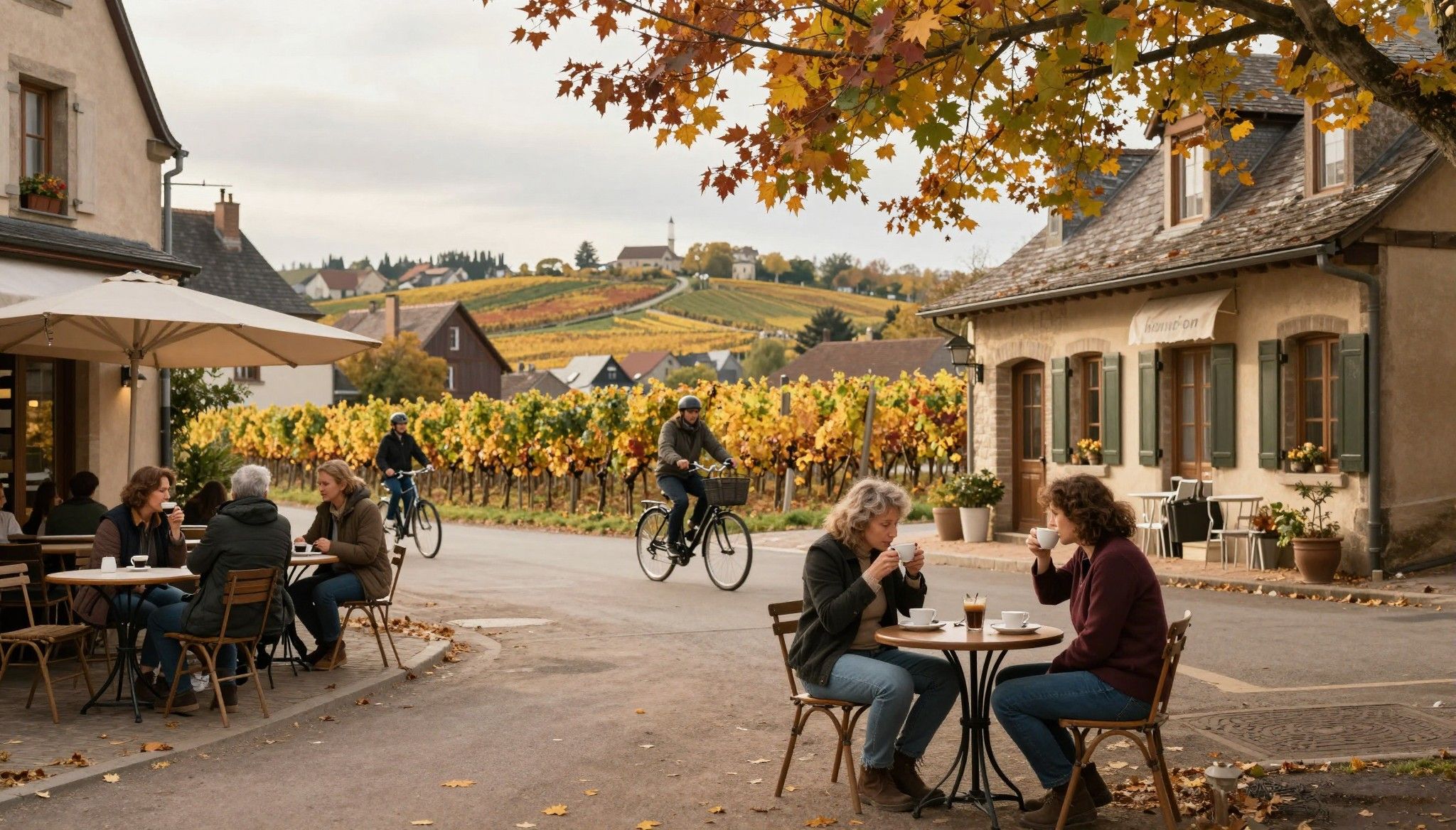
Imagine a crisp October morning in Provence: a market stall redolent with chestnuts, a retired artisan sweeping leaves outside a stone mas, and quiet viewings across sun-baked terraces. That stillness is not empty time — it’s opportunity. In France the rhythm of seasons, harvests and local fêtes reshapes neighbourhood life, pricing visibility and the very character of the homes you’ll consider. For eco-minded buyers, timing the search around these rhythms often reveals properties that are better sited, better stewarded and better priced.
Living the French life — seasonal, sensory, sustainable
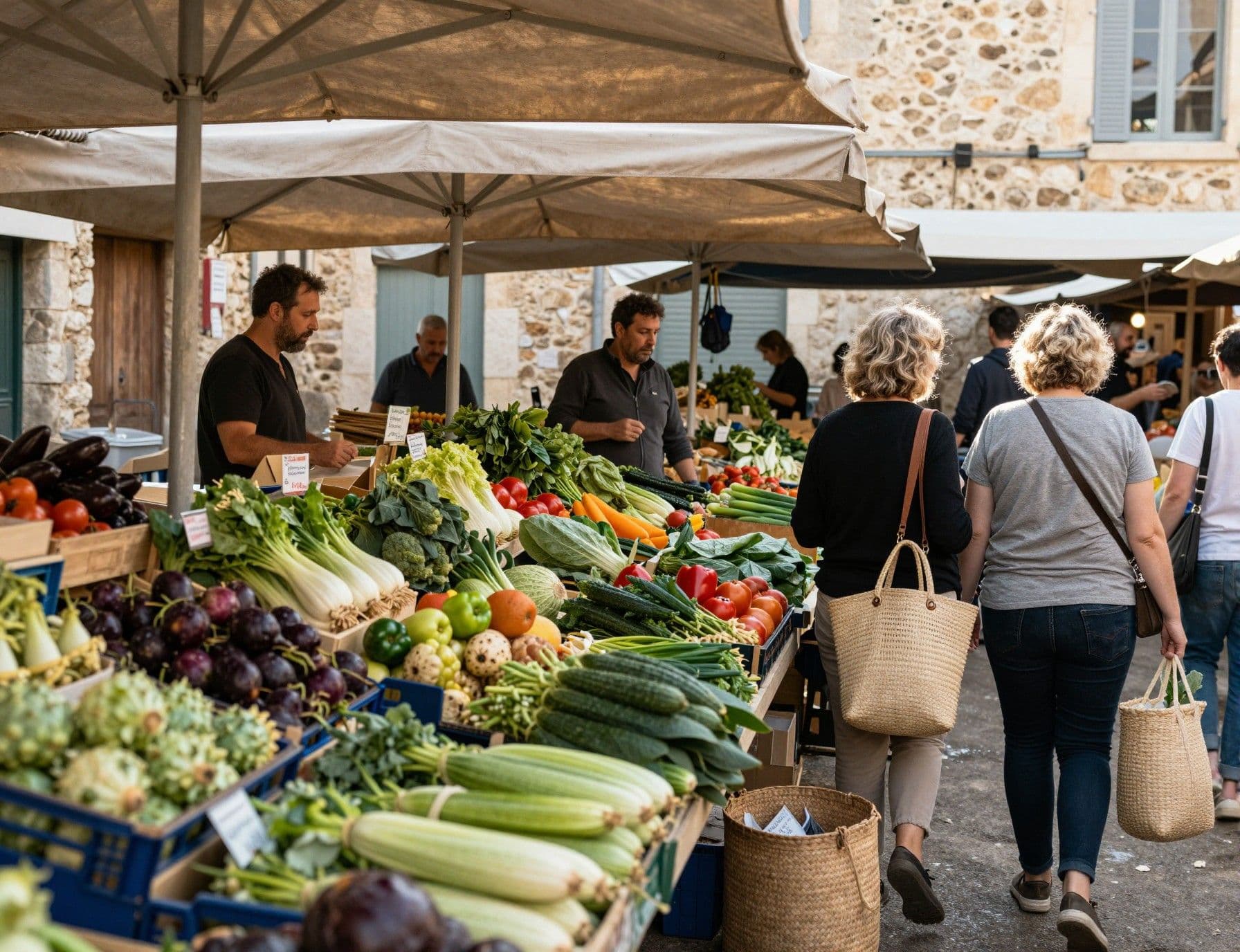
France moves with seasons: market mornings in Lyon, late-light aperitifs on the Côte d’Azur, and slow winter days in Brittany. These rhythms shape how neighbourhoods feel and what homes must deliver — sunlight for winter warmth, well-drained terraces for autumn rains, cellars for wine and preserves. National data shows household sizes and dwelling characteristics shifting slowly, reminding buyers that the lifestyle a house supports matters as much as its floorplan. ([bnsp.insee.fr](https://www.bnsp.insee.fr/ark%3A/12148/bc6p09p7rng.pdf?utm_source=openai))
Neighbourhood spotlights: where everyday life happens
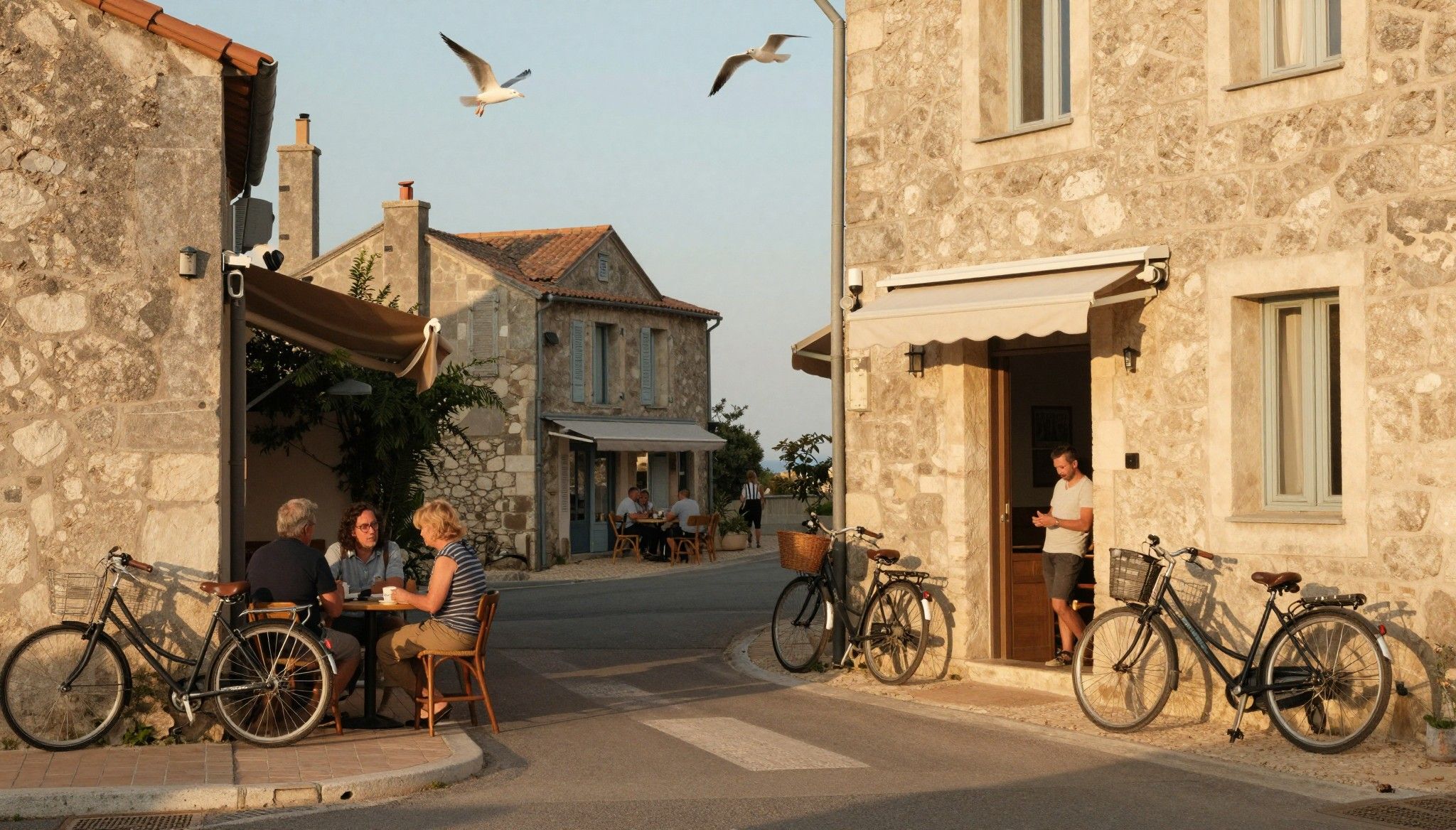
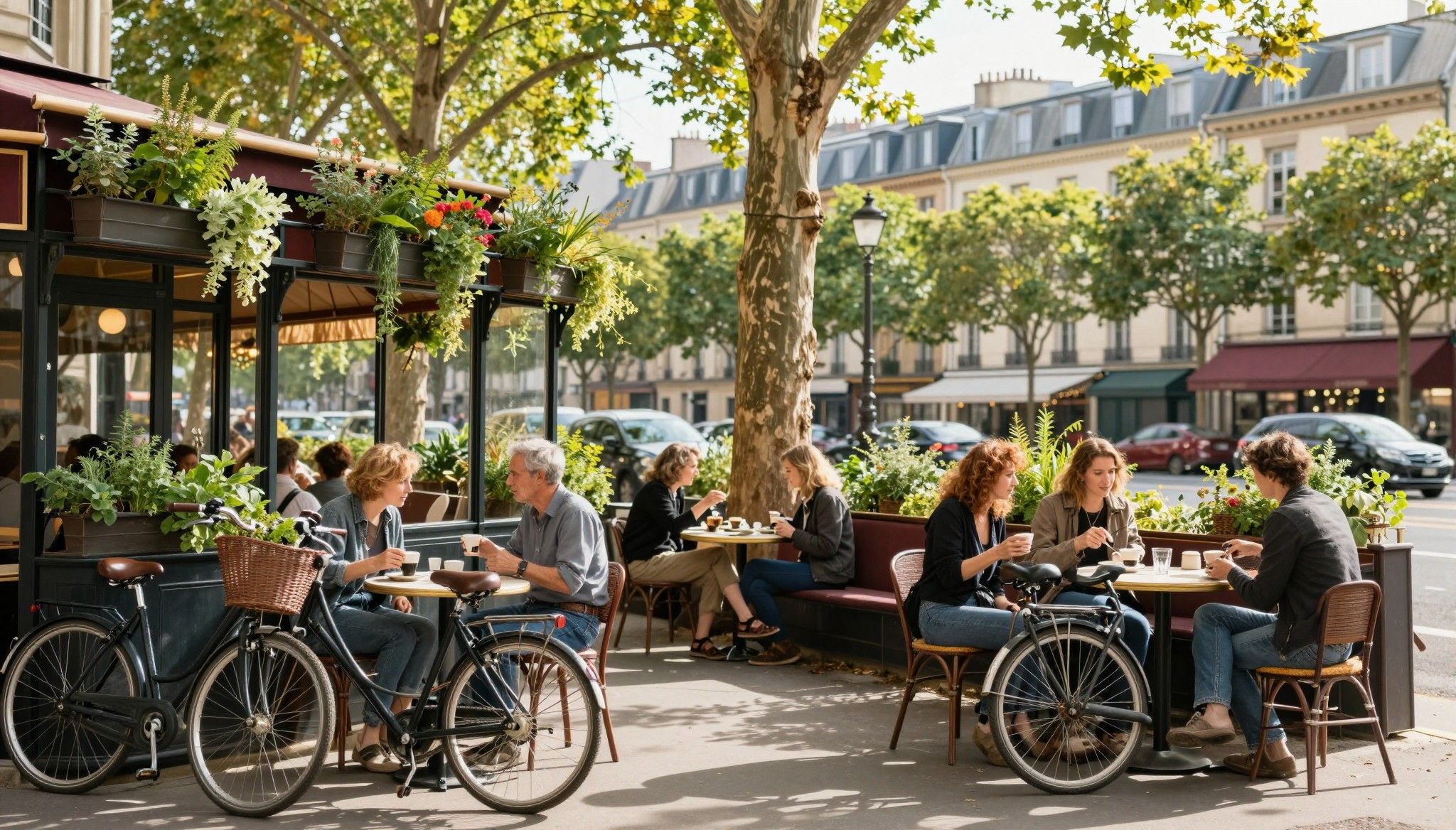
In Paris, a rue with a marché and a good boulangerie becomes living infrastructure; in Bordeaux, small side streets near Marché des Capucins hum with food life; in Occitanie and Provence, village squares host weekly markets that knit community ties. Look for streets where locals linger — cafés that open at dawn, green grocers that close late, and small tradespeople who still make house calls. Those micro-habits tell you how a home will feel once you arrive.
Food, markets and the season that teaches you a place
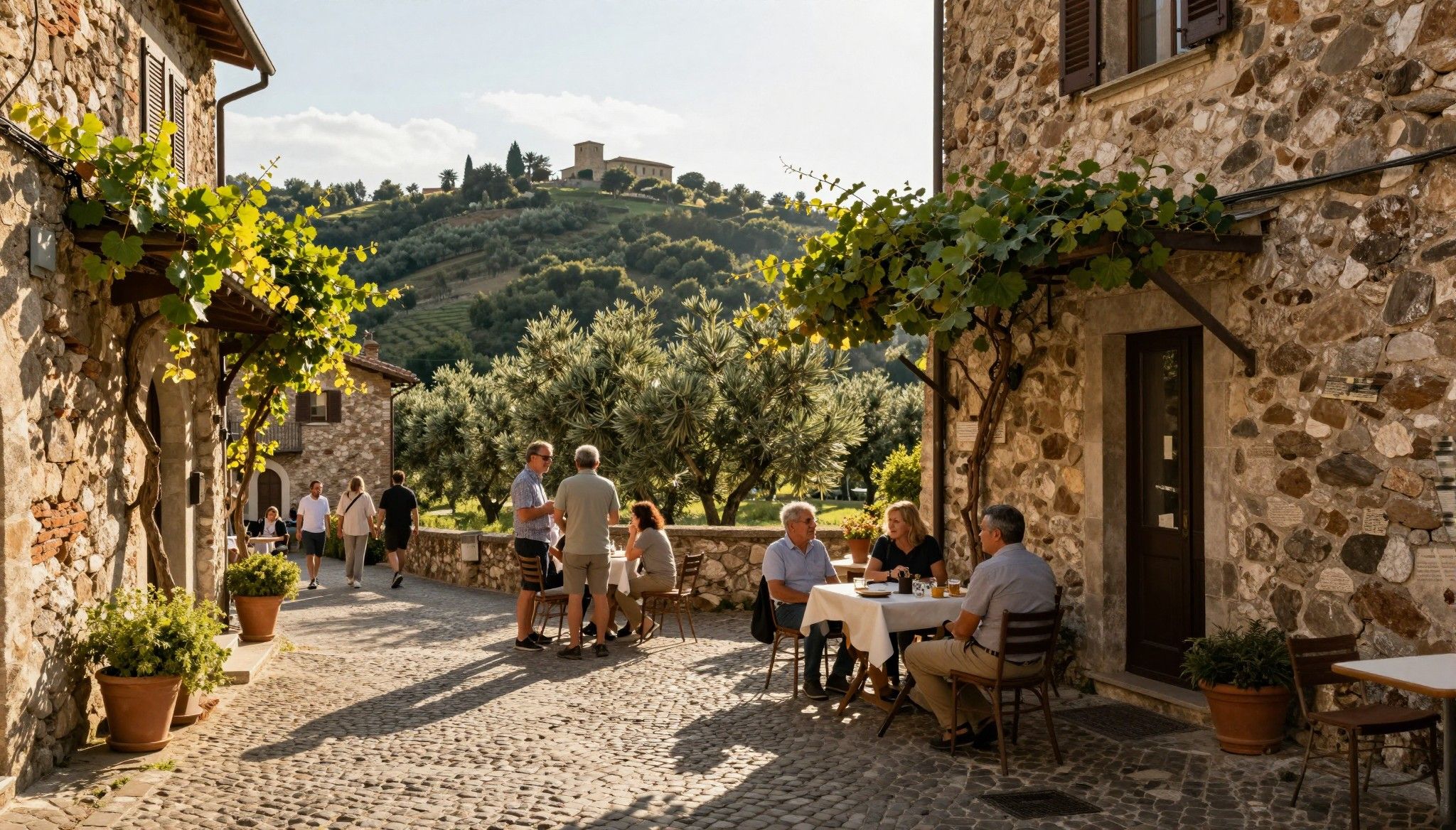
Taste the place: morning markets reveal local supply chains, seasonal menus and neighbours who will become friends. For buyers seeking low-impact living, observe where suppliers source produce (short supply chains), whether shops use local packaging, and how communities respect market days — small clues to a regenerative neighbourhood. Foreign buyers increasingly favour houses near active markets and productive lands, a trend reflected in recent reporting on buyer pockets. ([connexionfrance.com](https://www.connexionfrance.com/practical/french-property-share-of-foreign-buyers-increases-for-houses-which-areas-are-popular/695735?utm_source=openai))
- Lifestyle highlights to scout on short visits
- A weekday morning at Marché Provençal (Aix-en-Provence or Apt) to test food freshness and neighbourly chat
- Sunset walks along the Promenade des Anglais or smaller coastal paths to judge summer crowds and year‑round calm
Making the move: practical, seasonal steps that protect value
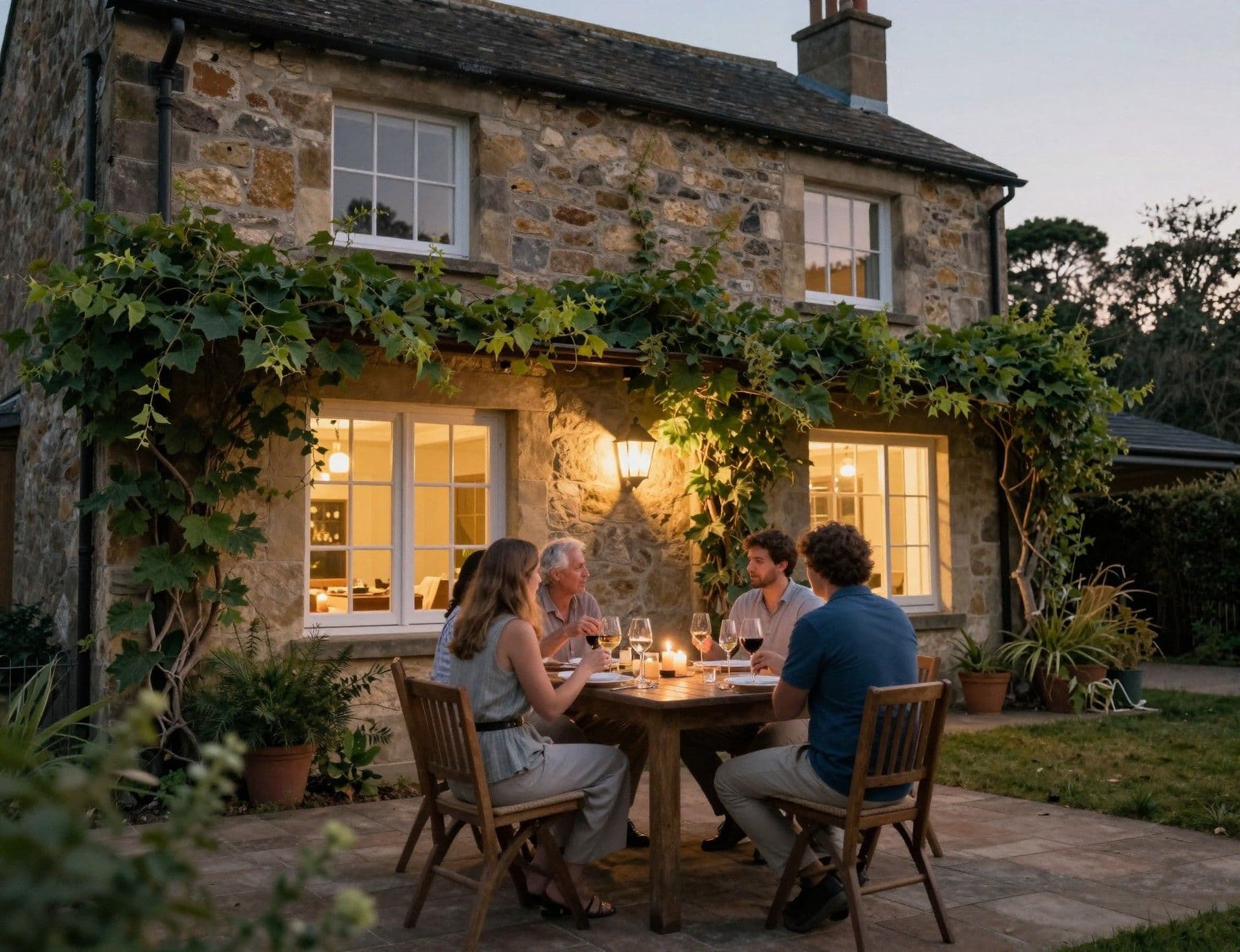
Dreams meet paperwork. France allows non‑resident buyers to purchase freely, but the right timing — often after harvest or in late autumn — gives you clearer inspections, lower viewing competition and a truer sense of a property’s energy performance across seasons. Practical guides explain the legal basics; here we focus on steps that blend lifestyle intelligence with process. ([en.selectra.info](https://en.selectra.info/moving-to-france/housing/buy-property?utm_source=openai))
Property types and how they shape year-round life
Stone village houses hold thermal mass and local character but may need insulation upgrades; newer villas offer solar-ready roofs and greater airtightness but sometimes lack integration with the landscape. Think beyond the façade: a north-facing salon, a courtyard garden, a south terrace with deciduous shade — these features determine how you live through heat, rain and winter damp. When possible, tour properties at different times of day and, if practical, across seasons.
Working with local experts who speak both law and lifestyle
A notaire will handle title and taxes, but the agent who knows the market’s seasonal pulse — which properties flood with visitors in July, which villages sleep in November — is the one who saves you money and disappointment. Seek agencies with local green credentials and experience advising on energy retrofits, water management and garden biodiversity. For non‑citizen buyers, French law imposes few ownership restrictions, though agricultural purchases can require prefectural approval. ([legalclarity.org](https://legalclarity.org/can-you-buy-property-in-france-without-being-a-citizen/?utm_source=openai))
- Step-by-step: a seasonal search plan
- 1. Visit in harvest (September–November) to see landscape productivity and local markets in action.
- 2. Arrange a winter viewing to check damp, heating performance and community rhythms when fewer tourists are present.
- 3. Commission an energy audit and local hydrology check; small investments often reveal long-term savings.
Insider knowledge: realities expats only learn after moving
Buyers tell a common story: they fell for sunlit photos, only to discover seasonal noise, water restrictions or a neighbour’s festival schedule. Market reports show the French housing market stabilised after recent volatility; that stability benefits buyers who look past headline prices and into seasonal patterns of use and upkeep. Paying attention to local calendars, neighbouring land use and municipal plans often predicts maintenance demands and resale desirability. ([notaires.fr](https://www.notaires.fr/fr/actualites/note-de-conjoncture-immobiliere-de-janvier-2026-sur-le-3e-trimestre-2025?utm_source=openai))
Language, social ritual and making a neighbourhood yours
A few phrases at the marché go a long way. Neighbours appreciate small courtesies—gifts from the garden, punctual rent of shared costs, and showing up for the yearly communal clean-up. Learn the rhythm of mairie announcements and commune fêtes; these are where integration happens, and where you’ll discover who tends the shared wells, who runs the eco‑garden initiative, or who can help source reclaimed stone for a sympathetic renovation.
Long-term stewardship: how your purchase becomes a local act
Owning in France means becoming a caretaker of place: maintain hedgerows, make water-wise gardens, and retrofit with breathable insulation to respect old stone. Local notarial notes show diverging dynamics between Paris and provinces — each requires different stewardship strategies. Small, sensible interventions (rainwater capture, native hedging, solar-ready roofs) increase comfort, reduce running costs and preserve the character that made you fall in love with the property in the first place. ([paris.notaires.fr](https://paris.notaires.fr/fr/presse/communication-immobiliere-mensuelle/conjoncture-immobiliere-francilienne-en-janvier-2026?utm_source=openai))
- Red flags and green wins to watch for
- Persistent damp or mould — a sign insulation or ventilation upgrades are needed
- Small, managed gardens with native plants — lower maintenance and higher biodiversity
- Roofs with potential for solar or rain capture — future-proofing the property
- Neighbourhoods with active markets and local tradespeople — practical resilience
- Final steps before you bid
- 1. Commission an energy performance check and local hydrology note; understand winter heating costs and summer shading needs. ([notaires.fr](https://www.notaires.fr/fr/article/les-etrangers-non-residents-sur-le-marche-immobilier-francais-etudes-statistiques-immobilieres-sur-lannee-2022?utm_source=openai))
- 2. Ask the notaire for municipal plans and any agricultural land constraints—France restricts some agricultural sales to protect local production.
- 3. Meet the neighbours and visit the market on multiple days; lifestyle fit beats staged photography.
- 4. Build a modest renovation budget for breathable insulation, rainwater systems, and native planting — these keep the place healthy and values steady.
Conclusion — fall for the life, plan for the seasons
If France seduces you with markets, meals and light, let the seasons guide your search. Harvest season and winter viewings reveal the true shape of life here — which rooms warm fastest in December, which lanes flood after autumn storms, which neighbours keep bees. Pair that feeling with practical checks from notaires and statisticians and you’ll buy not just a house, but a living place that rewards stewardship. For next steps, plan two short visits (harvest and winter), engage a local eco-aware agent, and ask a notaire for detailed municipal records before you bid. ([notaires.fr](https://www.notaires.fr/fr/article/tendances-et-evolutions-des-prix-de-limmobilier-au-4e-trimestre-2025?utm_source=openai))
Norwegian market analyst who relocated from Oslo to Provence; guides investors with rigorous portfolio strategy and regional ecological value.