Italy: Seasonal Life, Neighbourhood Rituals & Buying Sense
Italy’s daily rhythms — markets, seasons, and neighbourhood rituals — shape property value. Pair sensory discovery with Nomisma and ISTAT-backed market insight for smarter buys.
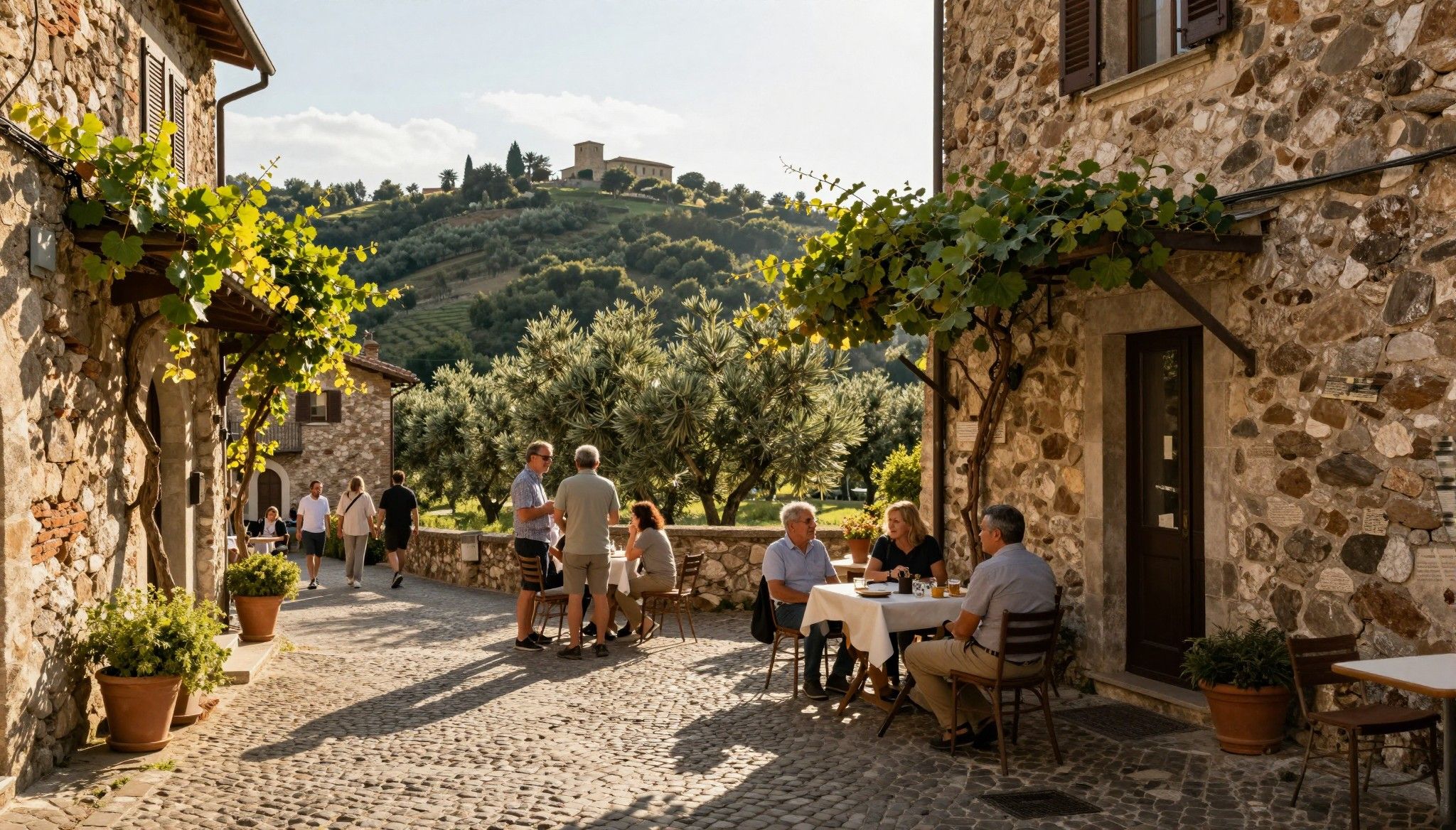
Imagine a slow morning in a hilltop piazza: steam rising from an espresso, a vendor arranging wild herbs on a wooden stall, and shutters thrown open to a patchwork of stone roofs and olive groves. That feeling — of rhythm, taste, and rootedness — is what draws so many international buyers to Italy. But beneath the romance lie practical rhythms of seasonality, tourism flows and a market that is surprisingly resilient. Read on for an Italy-first look that pairs the sensory joy of local living with concrete, research-backed buying insight.
Living the Italy Life: daily rhythms and real places
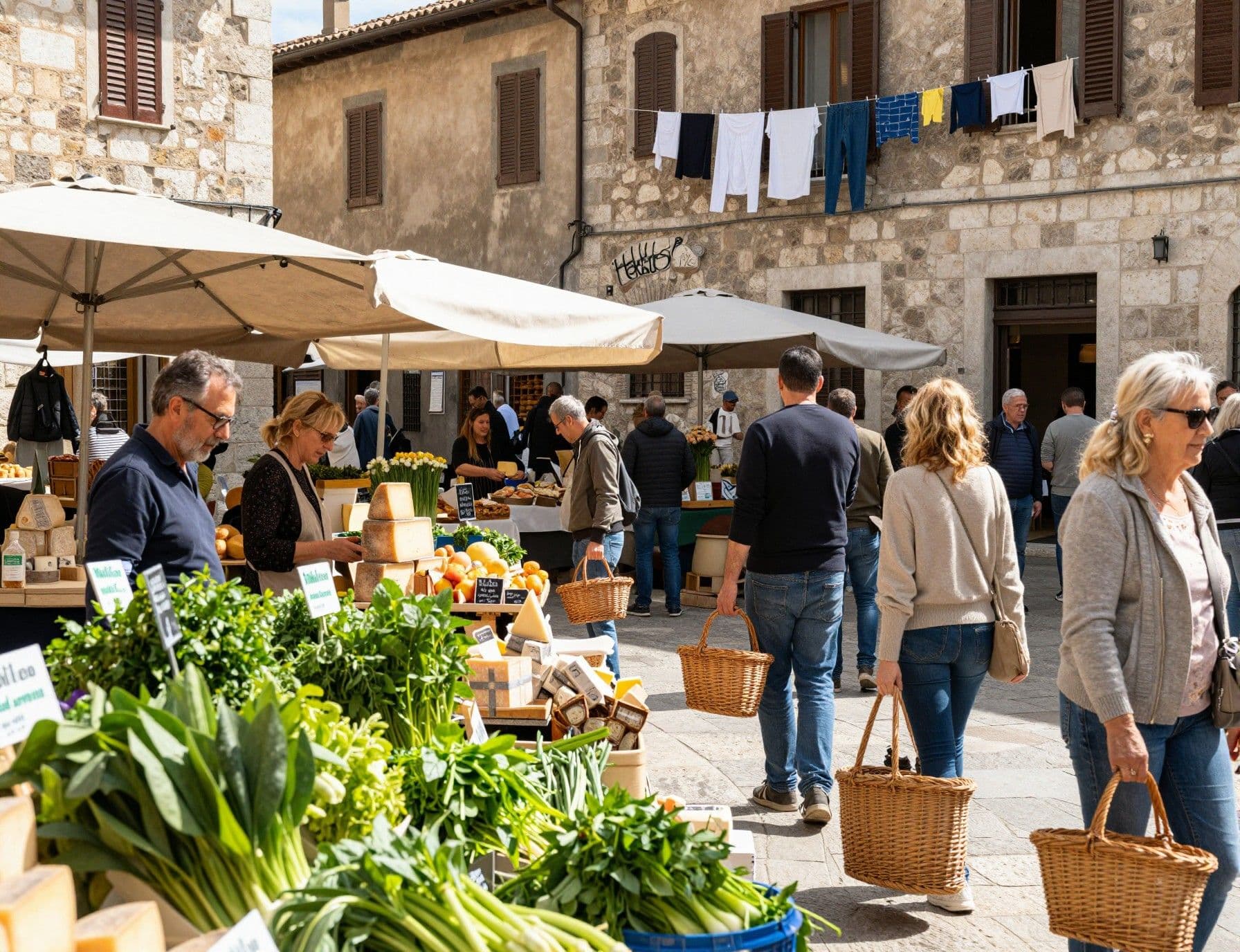
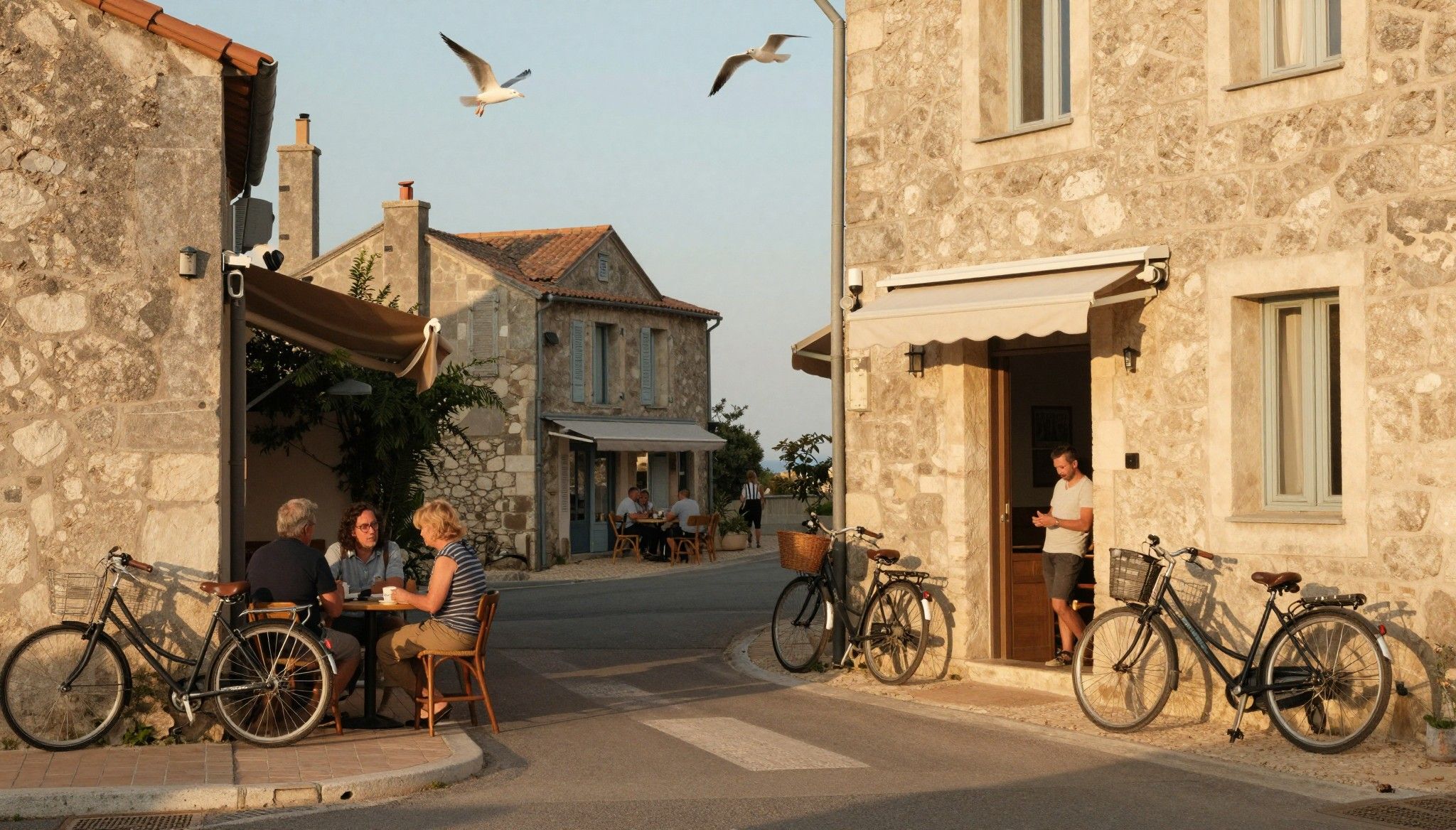
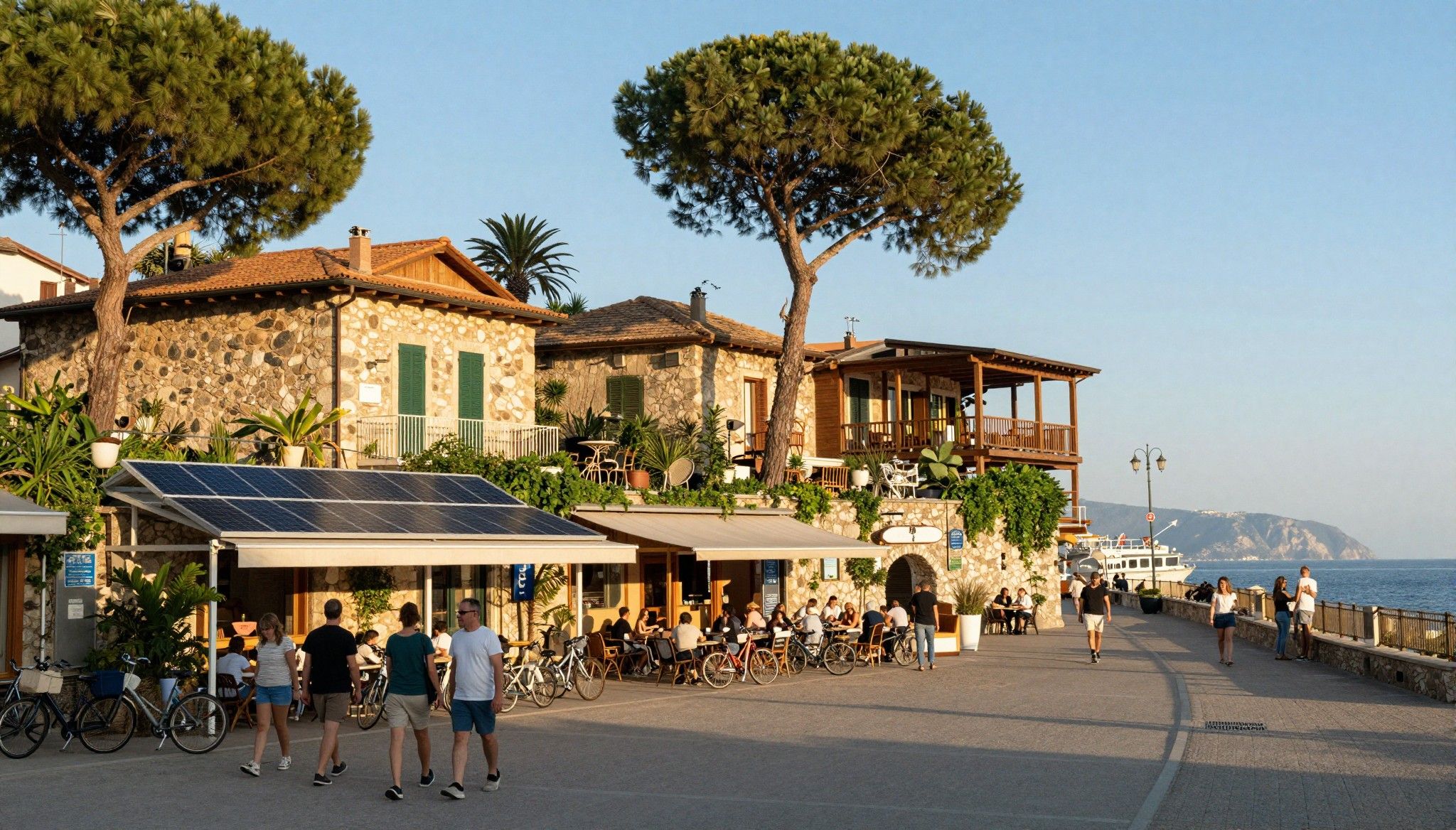
Italy is more than cities and coastlines; it’s a collage of neighborhood rituals. In Bologna you’ll hear morning markets at Piazza Maggiore, in Puglia the afternoons slow into long table lunches under carob trees, and on the Ligurian riviera mornings mean fishermen’s boats returning to narrow harbors. These daily rhythms shape how spaces are used — terraces that host olives and herbs, kitchens built for long family meals, and communal squares that act as living rooms. When you picture life here, think in seasons, not just square metres.
Neighborhood spotlight: Trastevere to Brera — different kinds of charm
Walk Trastevere’s cobbled streets at dusk and you feel local life: cicchetti bars, artisan leather workshops and neighbours gossiping in the lanes. Cross to Milan’s Brera and the air is more gallery-quiet, with design shops and courtyard gardens where restaurateurs test seasonal menus. Both places breathe urban history, but they serve different temperaments: Trastevere is convivial, Bohemian; Brera is curated and quietly professional. Your ideal street will depend on whether you crave lively squares or curated public calm.
Food, markets and seasons: how taste shapes place
Food isn’t an optional accessory in Italy — it is the social engine. Weekly mercato days, a fishmonger’s call at dawn, and the seasonal hunt for porcini or black truffles shape weekend routines and property use. Tourism patterns matter too: ISTAT reports rising nights spent by non-residents, so areas with strong market calendars (coastlines, historic centres) feel busier in summer and quieter — often more authentic — off‑season. Choosing a property means aligning your rhythm with the place’s culinary calendar.
Lifestyle highlights: places and small rituals to orient you • Morning espresso ritual at Caffè Propaganda (Rome) or Caffè San Marco (Trieste) • Saturday produce runs to Mercato di Ballarò (Palermo) or Mercato Centrale (Florence) • Evening passeggiata on Genoa’s old port or Naples’ Lungomare • Truffle fairs in Alba (autumn) and chestnut festivals in the Apennines • Coastal swims at Cala Goloritzé (Sardinia) or family beaches in Marche
Making the move: practical considerations that keep the lifestyle intact
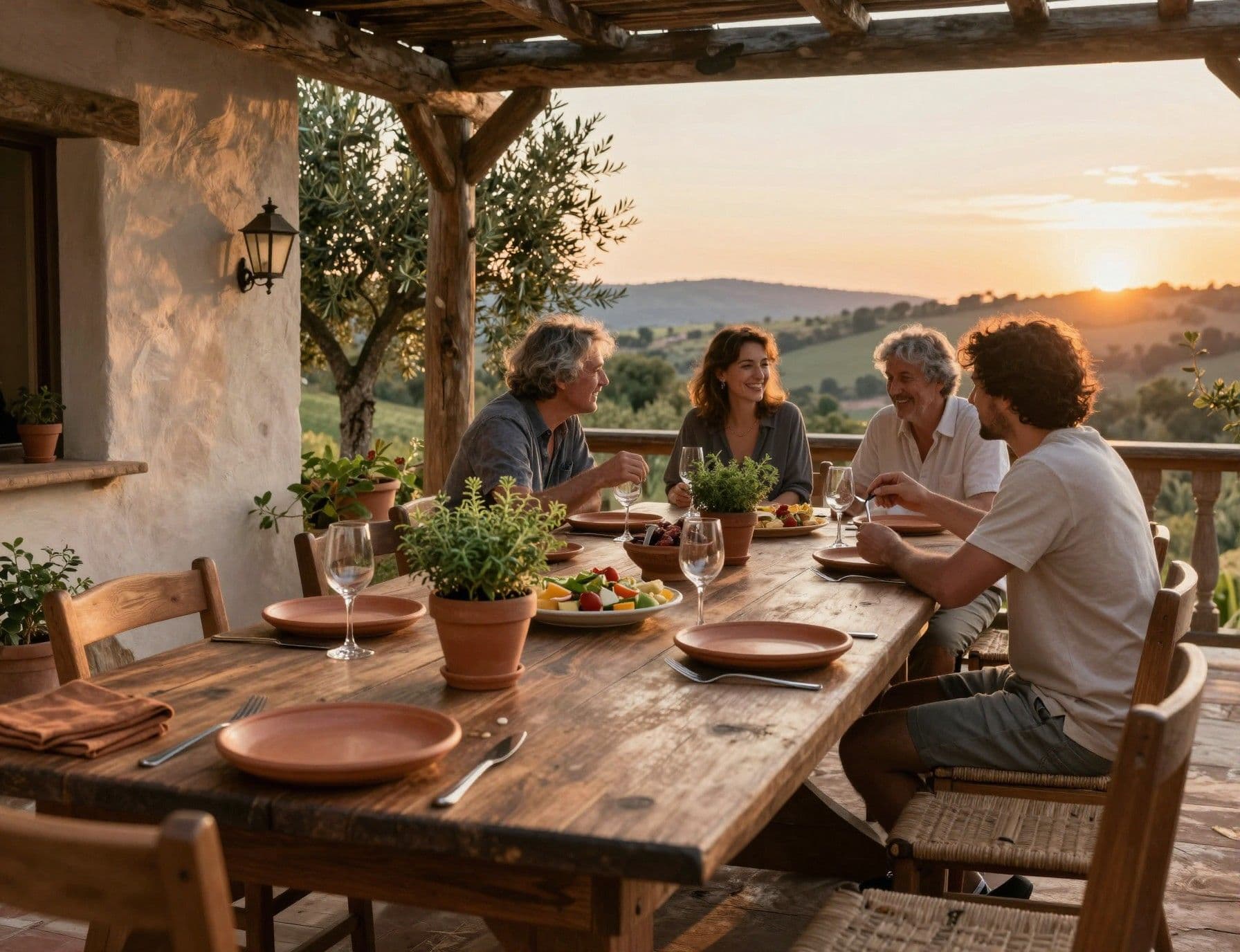
Dreams meet spreadsheets when you start looking: Italy’s residential market has shown resilience, with Nomisma noting continued growth into 2026 even as higher interest rates moderate activity. That resilience is good news for lifestyle buyers seeking a second home or relocation, but it also means competition in popular towns. Understanding seasonal demand, local rental potential and regional planning rules will help you protect the life you imagined while making a prudent purchase.
Property styles and what they mean for living
A restored townhouse in Siena comes with thick stone walls, cool summers and heritage rules that limit changes; a modern eco‑villa in Emilia may offer solar, heat pumps and easy room reconfiguration. If you seek outdoor life, look for terraces, pergolas, and gardens with mature trees. If urban life is your aim, prioritise courtyard orientation and street noise management. Match the home’s character — old or new — to how you want to use it: convivial meals, year‑round residency, or seasonal escape.
Working with local experts who understand lifestyle
Steps to blend lifestyle wishes with local know‑how 1. Hire an agent familiar with the exact neighbourhood (not just the city) to surface micro‑gems. 2. Ask for recent utility bills and seasonal photos to understand year‑round living conditions. 3. Commission a local architect or builder to estimate restoration timelines and sustainable upgrades. 4. Meet neighbours and visit at different times to sense noise, light and market days. 5. Check seasonal rental demand if you plan to offset costs with short stays.
Insider knowledge: what expats wish they’d known
Real talk from people who’ve moved here: Italian pace varies wildly by place and season. Coastal towns pulse in summer and hush in winter; Alpine valleys swing from vibrant ski seasons to reflective green springs. Expat neighbours often say their best decision was buying where they could test seasonal life before signing: short rentals for two seasons revealed the truth. Tourism data from ISTAT confirms the swing in nights spent by non‑residents — understanding that rhythm matters for how a property feels and performs.
Cultural integration and the small things that matter
Learning a few phrases, showing up early for the mercato, or bringing a small gift to introduce yourself can unlock neighbourly warmth. Many buyers underestimate bureaucracy’s conversational side: a smile and local language effort open doors. Local craftsmen — the stonemason, the lime plasterer, the vineyard neighbour — will become part of your home’s maintenance story if you treat them as collaborators rather than service providers.
Thinking long term: how life changes after the move
Ten years after moving, many buyers say the house became a practice more than a possession: seasonal gardening, community festivals, and slow repair work define routines. Plan for that evolution by choosing flexible spaces — a spare room that can become a studio, a courtyard that can host neighbours, or land for a small kitchen garden. These choices support sustainability and make the property age gracefully with your life.
Red flags and small checks before you fall in love • Missing registered land plans or unclear cadastral classifications • Properties without recent energy or structural surveys • Overly staged seasonal photos that hide damp or insulation issues • Local zoning rules that forbid conversion or rental • No local contacts for repairs or seasonal caretaking
Final steps to move from dreaming to living 1. Visit in two different seasons and stay locally for a week in each. 2. Engage a bilingual agent and a local architect before making offers. 3. Budget for sustainable retrofits (insulation, heat pump, solar) early — they save money and preserve character. 4. Build community ties: join a market card, volunteer at a festival or take a craft class. 5. If renting out, work with a local property manager who understands seasonal demand.
Italy offers a life of texture, season and real community — and a market that rewards preparation. Use the rhythm of markets and seasons to choose where your life will breathe best, and bring local expertise into every step. When you pair a clear lifestyle brief with trusted local partners, the country stops being a romantic idea and becomes a living, sustainable home.
Norwegian market analyst who relocated from Oslo to Provence; guides investors with rigorous portfolio strategy and regional ecological value.