Italy: Buy for the Life, Not Just the Property
Fall into Italian life first — terraces, markets and seasonal rituals — then match that life to market realities and green-led property choices backed by national data.
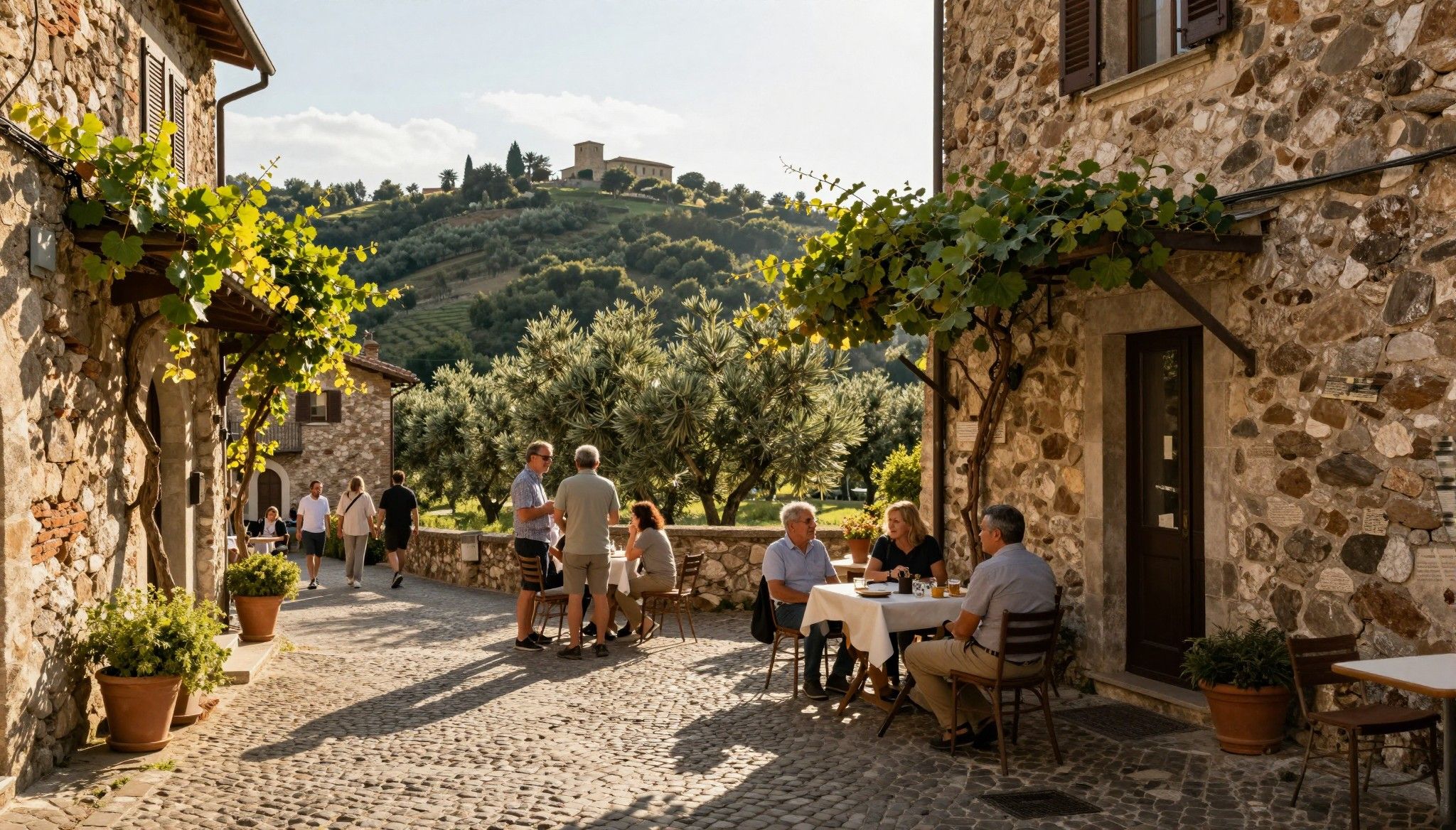
Imagine morning light on a stone terrace in Umbria, the smell of espresso and wood smoke rising from a neighbour’s oven, and the quiet geometry of olive groves folding into distant hills. This is Italy lived slowly — mornings at local markets, aperitivi at a corner bar in Trastevere, and Sundays that belong to family, food and the landscape. For international buyers who want a home woven into seasonal life and traditional craft, Italy offers textures and rituals that no brochure can capture, and a property market that is as regional as its cheeses.
Living the Italy lifestyle: seasons, streets and senses
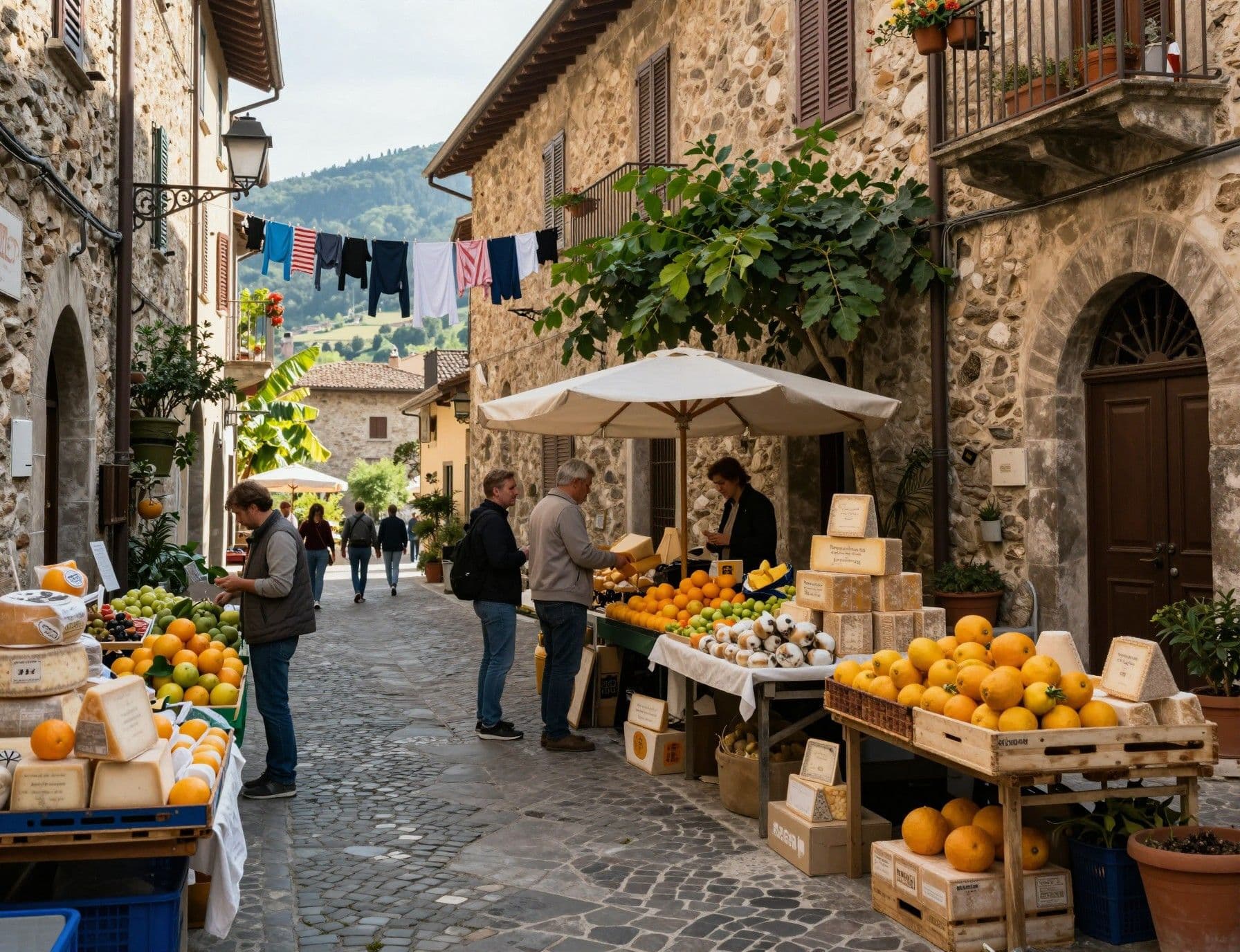
Italy’s daily life is choreographed by season and place: coastal towns wake to fishermen and gelato carts, mountain villages pause for siesta after long hikes, and historic centre apartments hum with cafés and shutters. Recent national data shows regional variation in price momentum and transaction volumes, underscoring that lifestyle choices — a seaside morning versus a hilltown winter — shape both living experience and market dynamics. For many buyers, the joy is in small rituals: buying pecorino at the Saturday market in Siena, or watching the afternoon light on Ligurian rooftops from a narrow balcony.
Neighbourhood spotlights: from Trastevere to the Amalfi backstreets
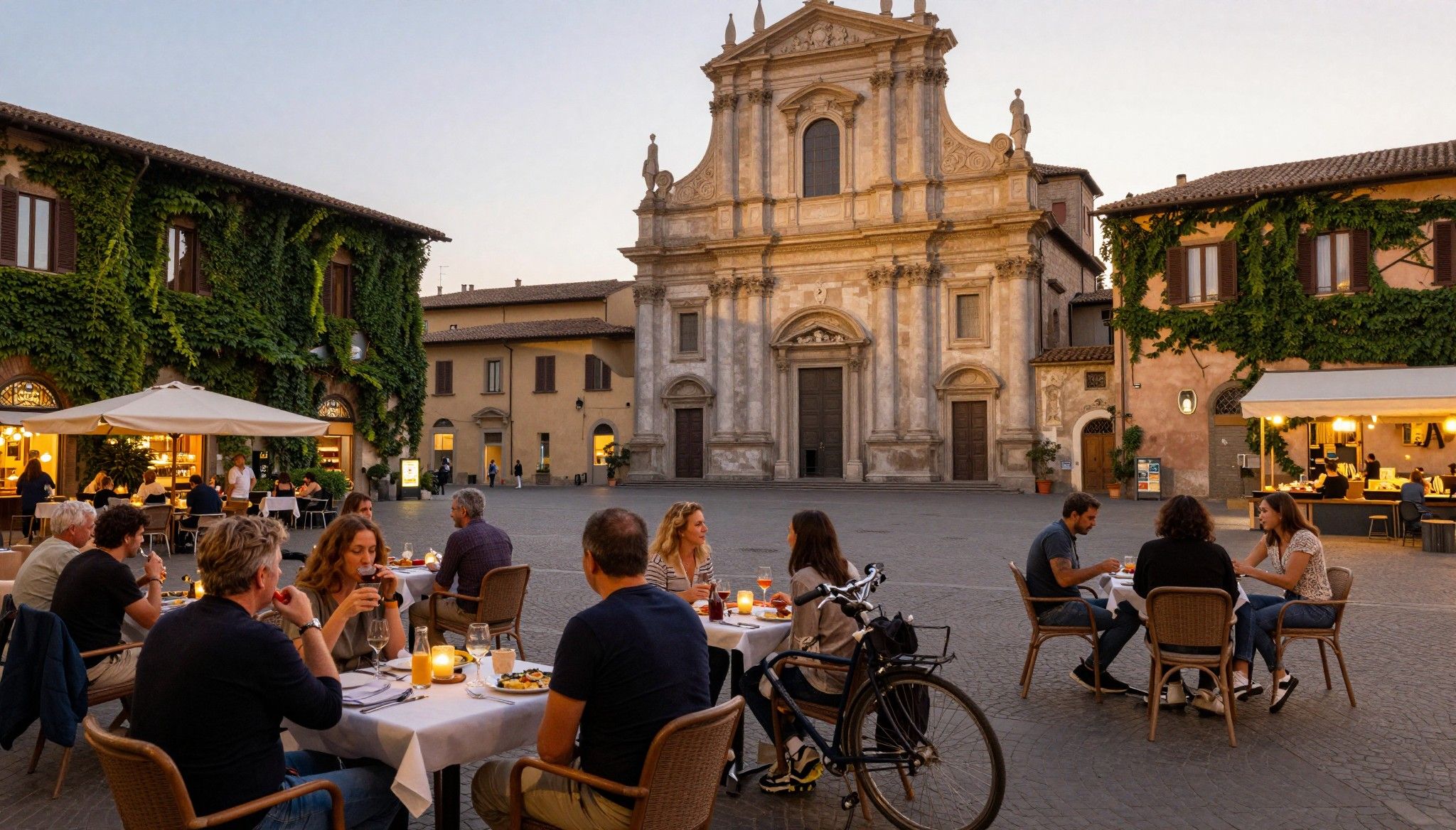
Choose Trastevere and you join a chorus of trattorie, late strolls and piazza conversations; choose Porto Ercole or Praiano and mornings are salt, pastel houses and fishermen mending nets. In Bologna’s Quadrilatero you’ll linger over fresh pasta and vintage bookstores; in Palermo’s Kalsa you’ll find artisan workshops and markets that smell of citrus and fried street food. Each quarter’s rhythm dictates how you’ll actually live — whether your days start with market runs or sea swims, and what kind of winter insulation or cooling you’ll truly need.
Food, craft and seasonal rituals that shape property life
Markets and neighbourhoods pulse around kitchens and workshops. Olive harvests change traffic, local festivals empty streets for a day, and craftsmen’s hours determine when quiet afternoons fall. Those seasonal cycles matter for property choice: a house with a courtyard is a summer blessing in Puglia but a year-round asset if it has good insulation for northern winters. The 2025 real estate reports show rising interest in regional towns that pair authentic ritual with improving services, an encouraging sign for buyers seeking lifestyle and long-term value.
- Market-feel highlights to help choose a district
- Trastevere (Rome): cobbled evenings, vibrant cafes, historic façades — excellent for culture and walking life
- Val d’Orcia (Tuscany): rolling farmland, agriturismi and craftspeople — ideal if you want acreage and seasonal rhythms
- Amalfi Coast backstreets (Campania): dramatic light, small pleasantries, steep stairs — perfect for sea lovers who prize village intimacy
Making the move: lifestyle-minded practicalities
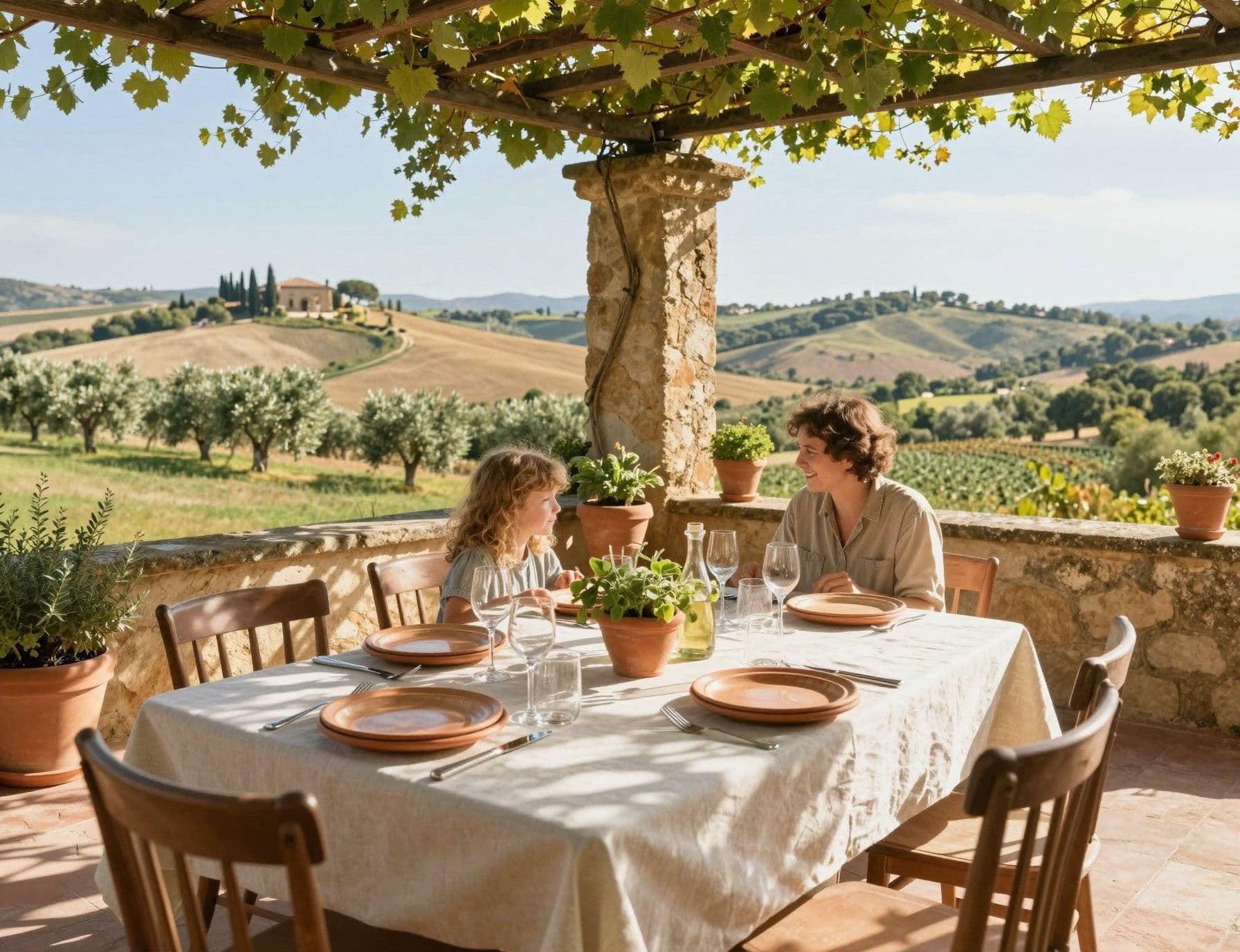
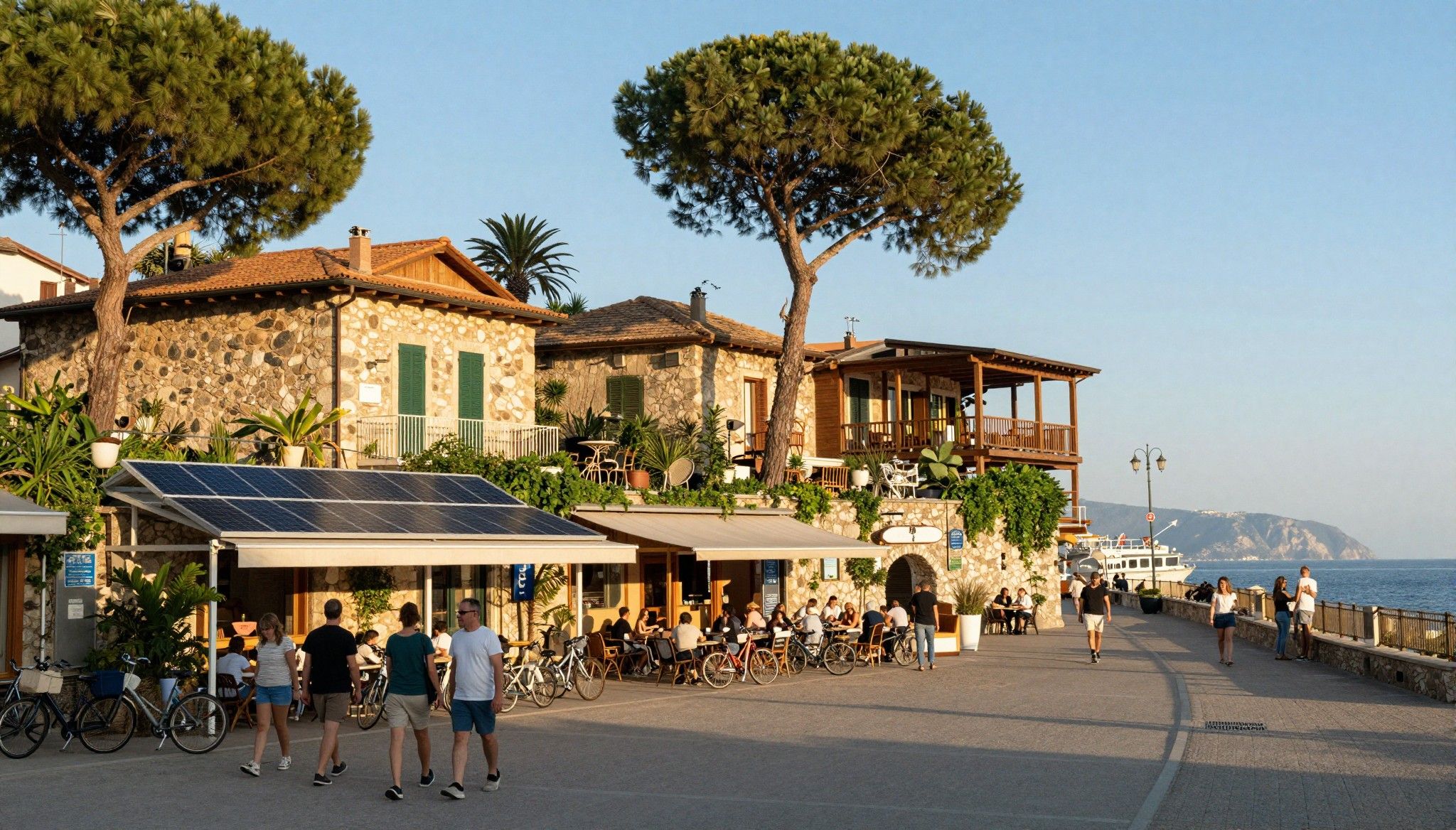
The dream of a sunlit kitchen must meet local realities: where servicing, renovation rules and seasonal weather affect living costs and comfort. National reports note a rebound in residential transactions and regional price divergence — a reminder to match the property type to the life you want. For buyers prioritising ecological living, look for passive-solar orientation, original stone walls that retain heat, and opportunities to add solar on tile roofs without harming a building’s character.
Property styles and how they support daily life
A townhouse in a historic centre means compact life, espresso on the step and short walks to markets — but limited outdoor space and specific renovation limits. A farmhouse (casale) offers gardens, olive groves and space for productive landscaping, yet requires different maintenance and often a diesel generator or upgraded wiring for year-round comfort. Know the trade-offs: energy upgrades pay lifestyle dividends, and local craftsmen can often be found through the market or parish noticeboards.
Working with local experts who know the life you want
- Steps to blend lifestyle and buying: 1) Tell your agent which rituals matter (market, sea, orchards) so searches focus on lived experience; 2) Commission a local energy and fabric survey to assess insulation, solar potential and water access; 3) Ask for renovation precedents in the neighbourhood — who repairs roofs, who restores stonework; 4) Confirm seasonal access (snow, coastal road closures) and utilities reliability before committing.
Insider knowledge: what expats wish they’d known
The most useful lessons come from small, repeatable realities: bakeries close on different days in each town, winter heating bills vary wildly with wall thickness and glazing, and a well-located communal garden can transform a city flat. Mortgage availability improved in recent years and transaction volumes climbed, but timing a purchase to local festivals or harvest seasons can save you money and reveal true neighbourhood life.
Cultural rhythms, language and community life
Make language part of the welcome: a few months of Italian will change grocery shopping from logistics into pleasure, and opens doors to craftsmen, markets and invitations. Local associations — from olive-press collectives to cooperative apiculture groups — are the real gateways to belonging. Expect a slower pace, kindness in exchange for curiosity, and the occasional bureaucratic pause; these are part of the social texture, not defects to be 'fixed'.
Long-term living: stewardship, green upgrades and community value
- Practical priorities for a lifestyle purchase: 1) Invest in fabric first — insulation, shutters and efficient heating save winters and money; 2) Prioritise solar readiness and water capture for year-round resilience; 3) Use local materials and craftsmen to maintain character while improving comfort; 4) Join or help start a neighbourhood stewardship project — shared gardens and tool libraries uplift property value and everyday life.
If Italy feels like a body of small towns stitched together, that’s because it is — and that is its strength. The house you buy becomes part of a web of festivals, markets, neighbours and seasonal labour. When practical decisions echo lifestyle values — choosing passive orientation, restoring original stone, prioritising a garden over an extra bedroom — your purchase rewards you with a life that feels generationally rooted.
Ready to begin? Start with a short exploratory trip tied to a seasonal moment you love: a harvest weekend in Tuscany, a spring market tour in Puglia, or a winter visit to test heating and light. Use local agents who value green retrofits and traditional materials, bring a local surveyor to every viewing, and plan upgrades that prioritise comfort and biodiversity. Small, soulful choices — planted hedges, native species gardens, and respectful restoration — will make Italy feel like home for decades.
Norwegian market analyst who relocated from Oslo to Provence; guides investors with rigorous portfolio strategy and regional ecological value.