Malta’s Green Surprise: Old Stone, New Solar Value
Malta’s charm meets green momentum: rooftop solar, grants and island renewables reshape value — choose neighborhoods by lifestyle, then vet roof rights and energy upgrades.
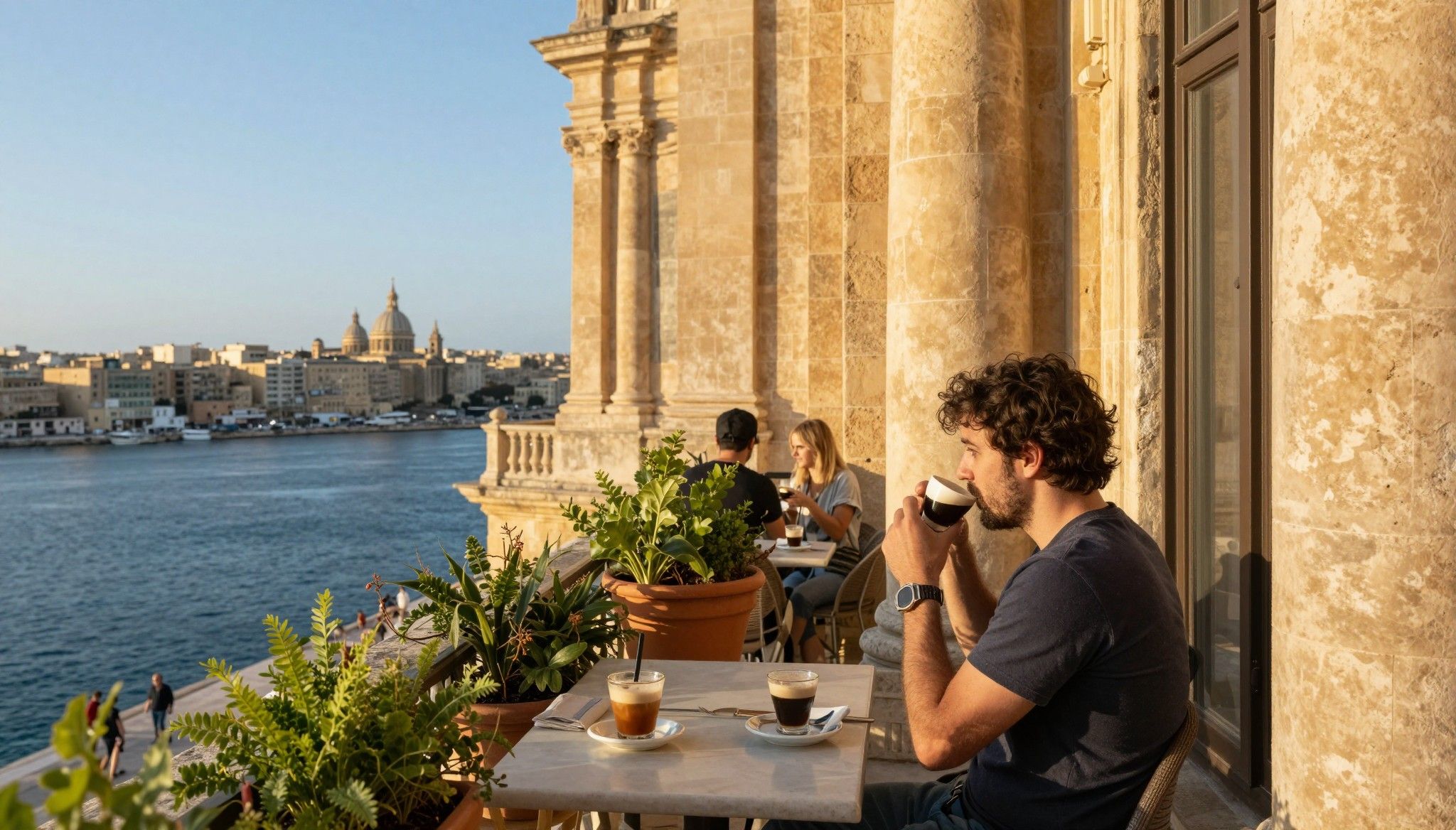
Imagine morning light warming honey‑coloured stone as you sip espresso on a tiny Valletta balcony, while below, a market vendor hauls crates of sun‑ripened tomatoes. Malta is compact and tactile: terraces, limestone lanes, seaside bars, and the pervasive sound of the sea. But beneath that romantic surface a quieter, greener story is unfolding — rooftop solar grants, island‑scale grid upgrades and pilot floating wind plans — and that shift changes how international buyers should see value here.
Living the Malta lifestyle
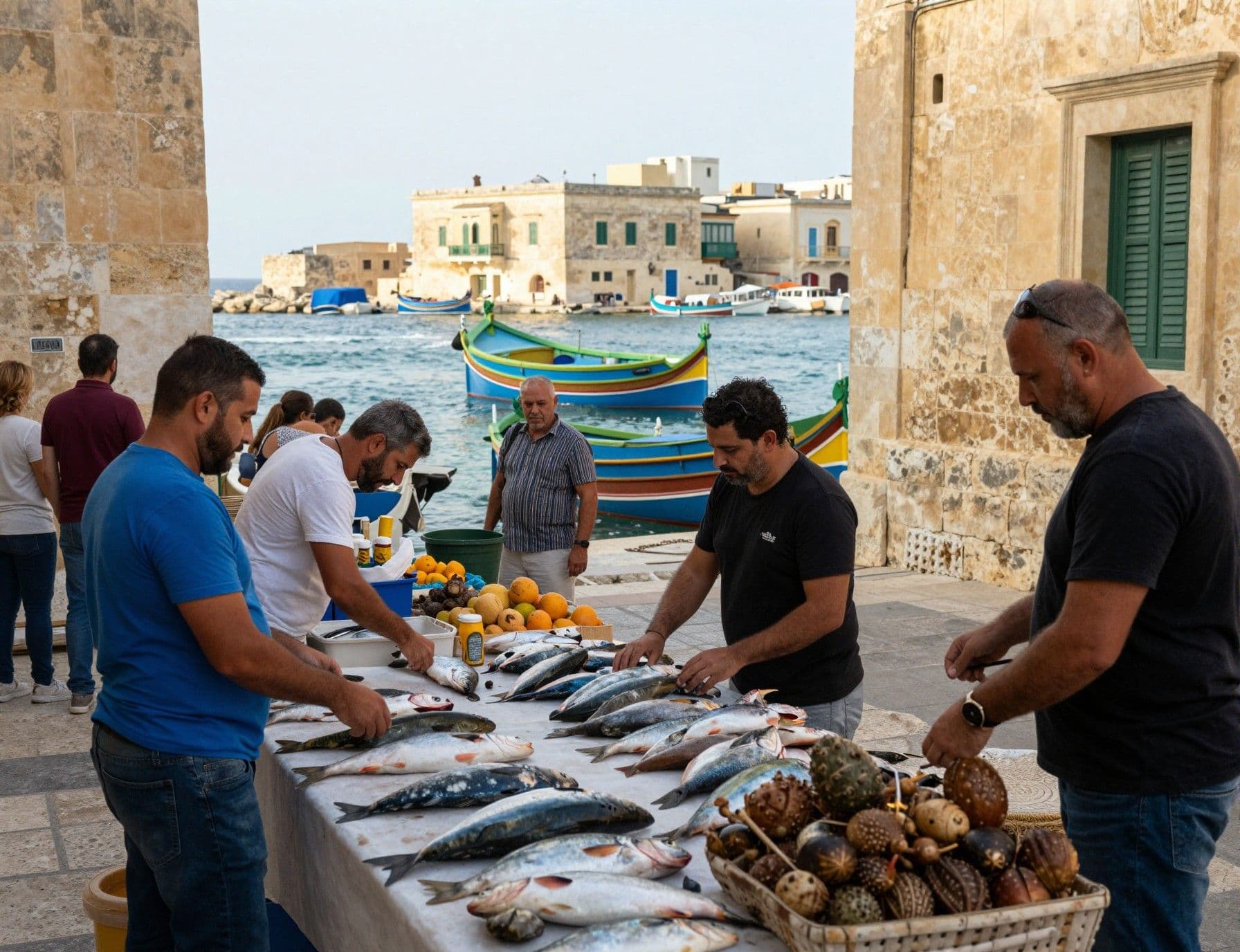
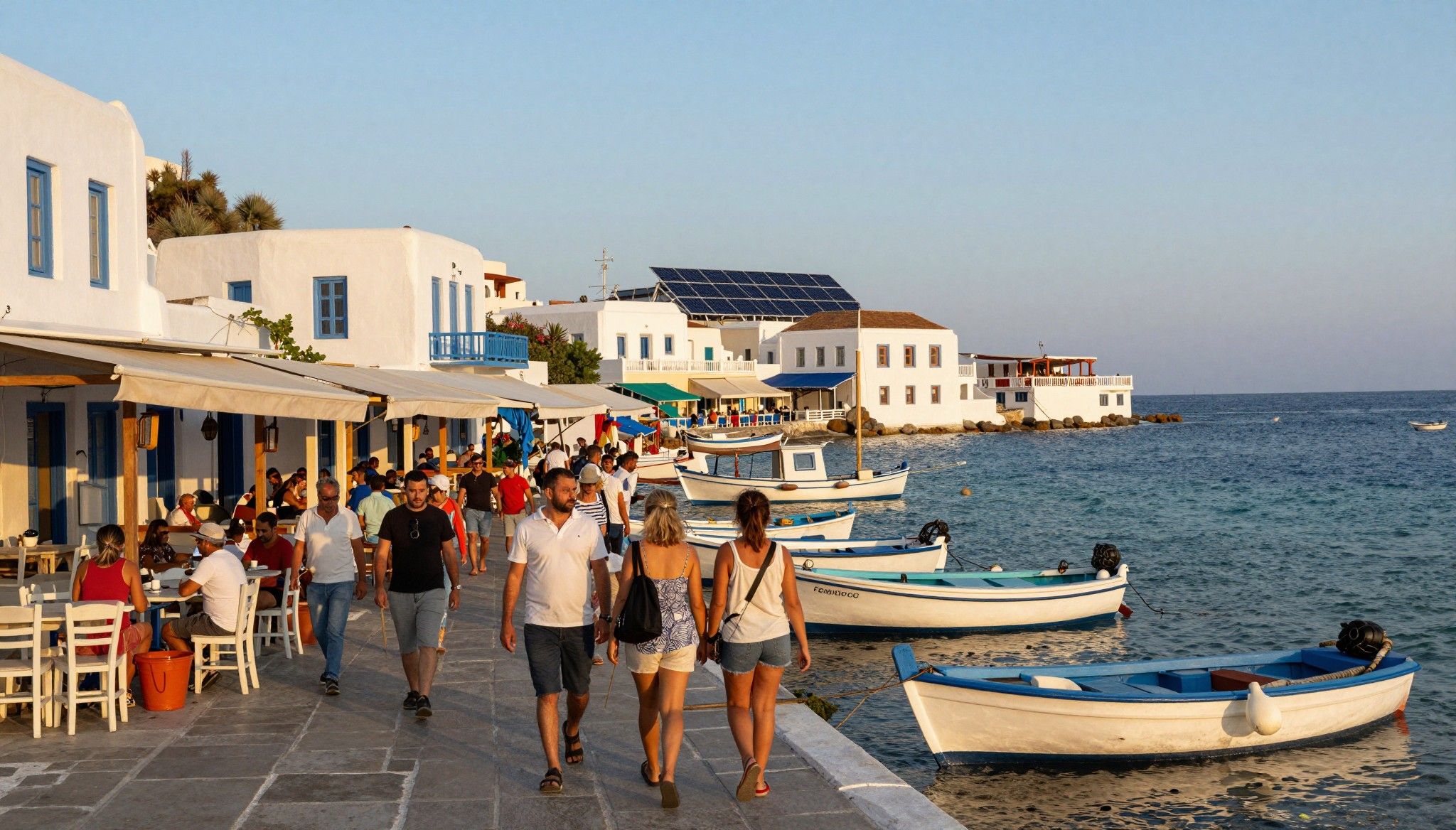
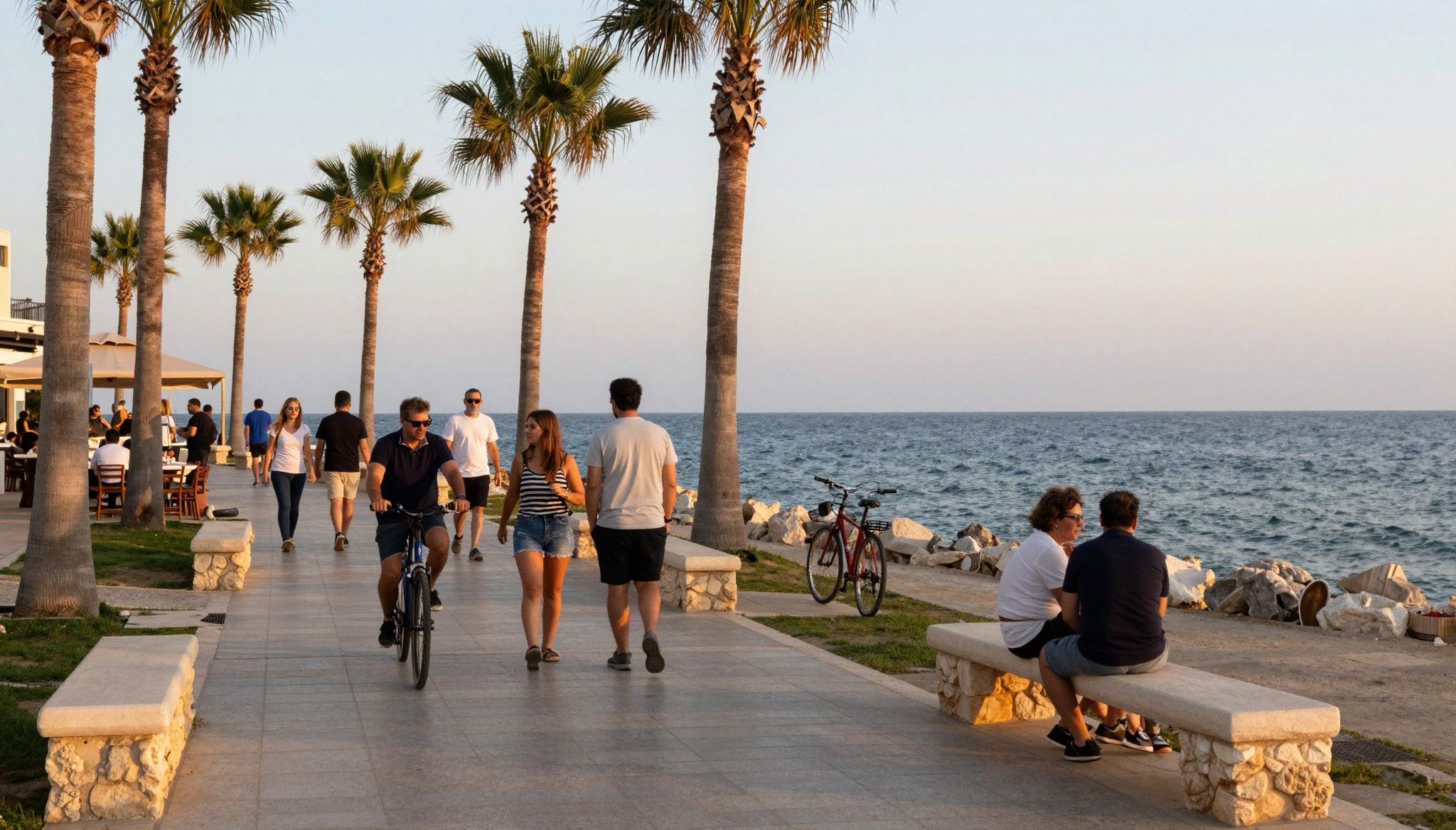
Walkable, sunlit, and historically resonant, Malta blends Mediterranean rhythms with modern convenience. Mornings often begin at small cafés on Republic Street or Triq ir‑Rimessa in Sliema; afternoons are for promenades along the Marsamxett Marina or a quick dip at Għajn Tuffieħa; evenings are for long dinners of lampuki pie and local olives. The island’s size concentrates life — culture, work, and community are never far apart — which is part of its charm for buyers who want an immediate sense of place.
Neighborhood flavour: Valletta, Sliema, and Gozo’s quieter pace
Valletta is theatrical: baroque facades, hidden courtyards, and a café scene that flutters between theatregoers and heritage tourists. Sliema and St Julian’s pulse with seafront promenades, modern apartments and lively cafés where expat communities gather. Cross the channel to Gozo and the tempo slows — farm terraces, village squares and wind‑sheltered beaches. Each place offers a different relationship to land and light; choose the one that matches how you want to live, not only how far you’ll commute.
Food, markets and the sensory island loop
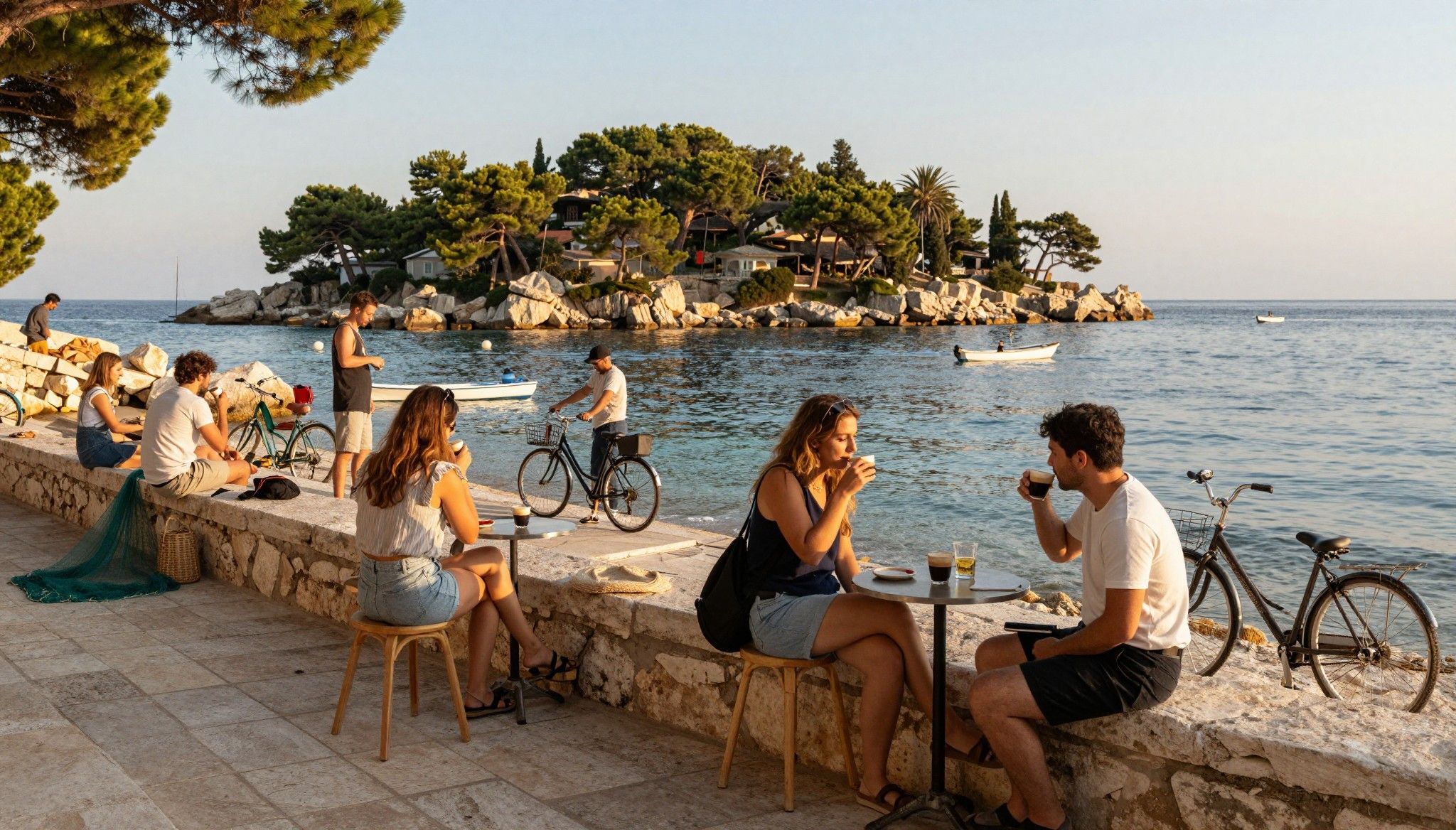
Food anchors daily life: from the open‑air stalls of Marsaxlokk to the tiny pastizzerias in Birkirkara. Weekends pull people to farmers’ markets where seasonal produce, local honey and sun‑dried tomatoes are barter and theatre. These rhythms inform the way Maltese homes are used — rooftop drying spaces, compact kitchens for convivial cooking, and terraces that act as extensions of the living room during long summer evenings.
- Lifestyle highlights: local places and experiences
- Strolls along the Sliema promenade at dawn; espresso at Caffè Cordina in Valletta; Sunday morning market in Marsaxlokk; cliff swims at St Peter’s Pool; rooftop sunsets in Ta’ Xbiex; goat cheese tastings and village festas in Gozo.
Making the move: practical considerations that preserve lifestyle
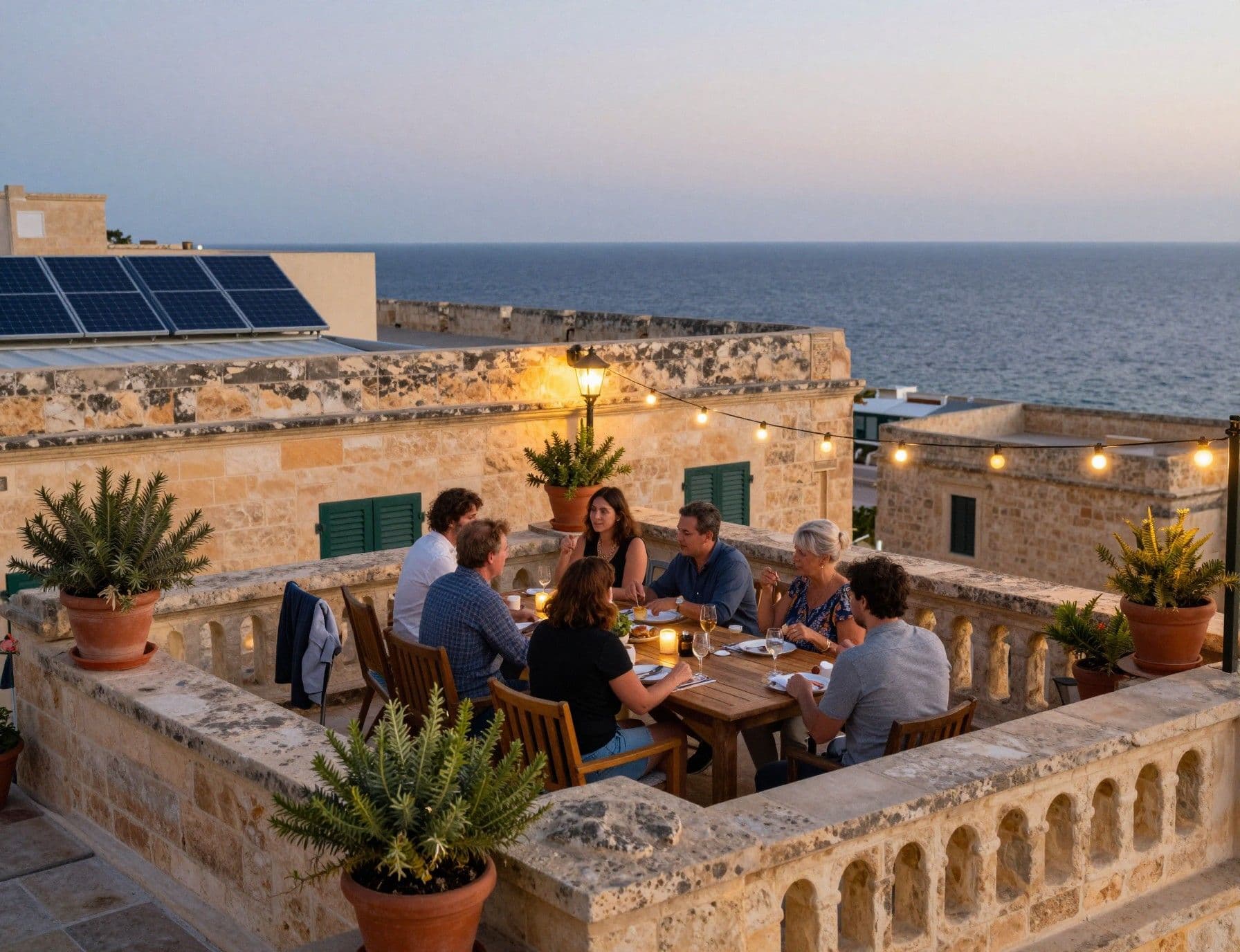
Dreams meet ledger here. Malta’s small estate means prices can move quickly — the National Statistics Office reports steady RPPI growth in recent years — and that dynamic affects where value for a lifestyle buyer actually lies. At the same time, energy policy and rooftop solar incentives are reshaping running costs and resilience for island homes. A property that integrates solar or has roof ownership can be worth more to a stewardship‑minded buyer than a similar home without those features.
Property types and how they support green living
Traditional townhouses with internal courtyards and modern apartments both have green potential. Townhouses often allow terraces and technical space for PV and rainwater systems, while newer apartments may include communal roof areas suitable for shared solar arrays. For buyers, roof ownership and planning flexibility matter as much as exposed stone and sea views — they determine whether you can add panels, batteries, or a green terrace that makes life both beautiful and lower carbon.
Working with local experts who know island infrastructure
Steps to blend lifestyle wishes with technical reality:
- 1. Ask your agent about roof ownership and zoning — it’s the single most practical green question on a Maltese property.
- 2. Prioritise properties with existing solar or space for panels and batteries; grant programmes and feed‑in rules (and their recent changes) affect payback times.
- 3. Request energy‑efficiency records and recent upgrade receipts — modest insulation, window works and efficient hot water systems make island life noticeably more comfortable.
- 4. Plan for multi‑season living: ask how a place performs in heat (shading, thermal mass) and in windy winter months (sealing, shutters).
Insider knowledge: what expats wish they’d known
Expat life here blends convivial social rituals with pragmatic island problem‑solving. People warn newcomers about the small‑market squeeze — demand often outpaces supply — but many also say that pragmatic choices (accepting a smaller footprint in exchange for a green terrace, for example) produce the happiest outcomes. Locals value practical stewardship: gardens, cisterns, and solar aren’t fads — they’re sensible answers to island life.
Cultural notes that steer where you buy
English is widely spoken and the social scene is warm, but community ties are real: festas, church squares, and neighbourhood cafés shape where people gather. That means choosing a street with active local life matters — proximity to a piazza or a ferry stop often influences day‑to‑day happiness more than a headline sea view.
Longer‑term thinking: stewardship and resale
Energy upgrades and green features are increasingly reflected in market value, especially where running costs are significant and roof access is clear. The smartest buyers see installations (solar + battery), quality shading, and water management as lifestyle investments that also protect resale value in an island market where operating costs and climate exposure matter.
- Quick red flags and green signals when viewing:
- Green signals: roof ownership, recent PV or battery receipts, cisterns or rainwater reuse, mature Mediterranean planting, and good natural ventilation.
- Red flags: vendor uncertainty about roof rights, homes without basic shading or thermal mass, poorly documented renovations, and properties reliant solely on short‑let income in saturated areas.
In short: pick the life you want first — the neighborhood, daily rituals and seasons — then translate that into practical questions about roof access, solar readiness and local costs. Malta’s green infrastructure is accelerating: rooftop grants, feed‑in changes and exploratory floating wind projects mean a home that’s technically enabled will give you both a quieter conscience and crisper monthly bills. Work with agents who speak both culture and systems.
Ready to feel the limestone under your feet? Start by short‑listing three neighbourhoods that match the life you pictured, ask your agent about roof ownership and past energy upgrades, and plan a three‑day visit that includes a market morning, a terrace aperitivo and a technical walkthrough with an energy installer. A few practical steps now preserve the lifestyle you moved for.
Danish relocation specialist who moved from Copenhagen to the Algarve; supports families with seamless transitions, local partnerships, and mindful purchases.