France: Use Green Loans to Make the Lifestyle Pay Off
How to use France’s concrete green finance tools (éco‑PTZ, MaPrimeRénov') and local market timing to turn a lifestyle dream into a sustainable home.
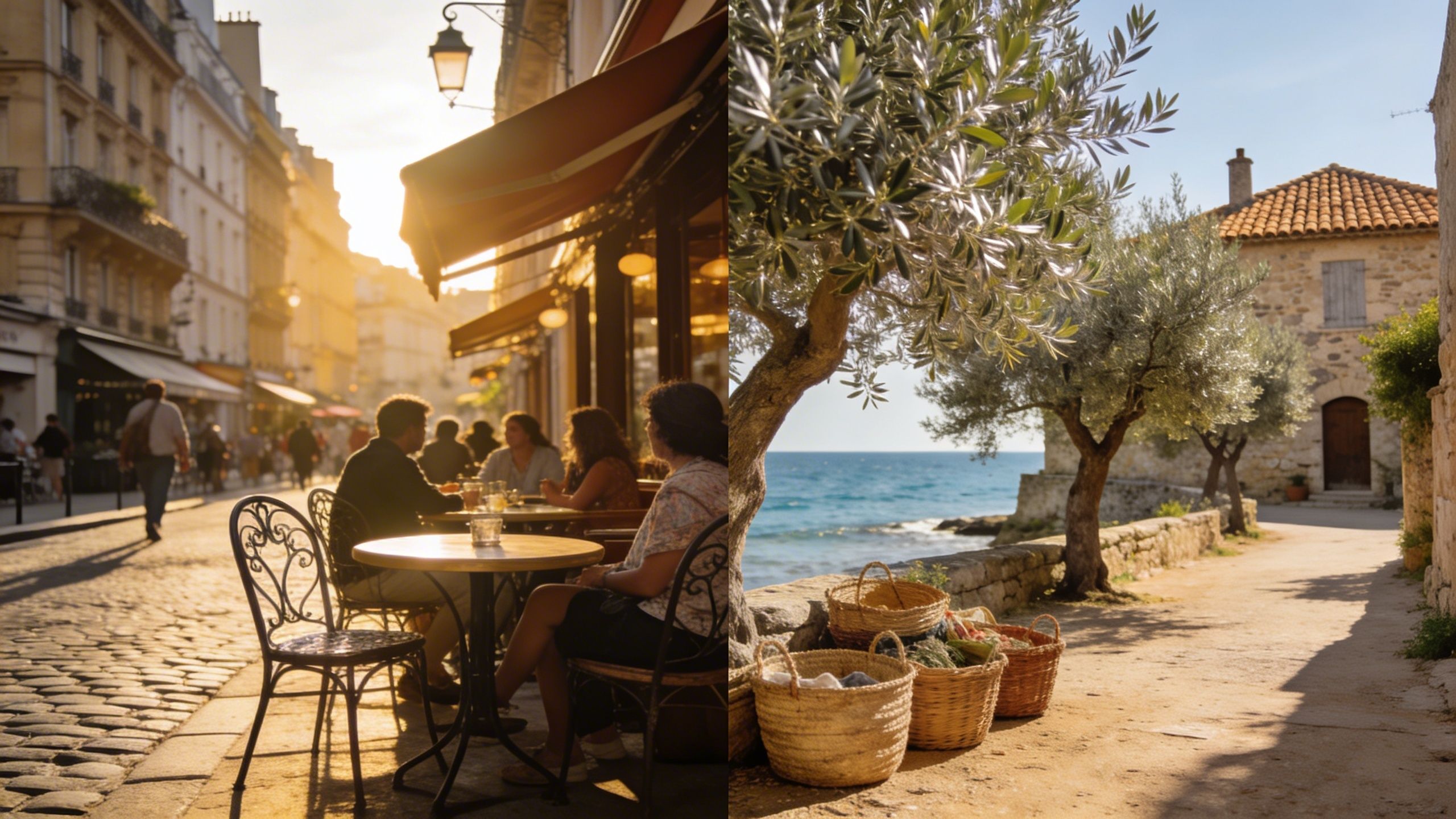
Imagine stepping out at dawn onto rue Cler in Paris with a croissant in hand, or wandering the chestnut-shaded lanes of a Dordogne village where the air smells of wood smoke and wet stone. France feels lived-in: markets that start before sunrise, long lunches that stretch into conversation, and architecture that wears centuries easily. For international buyers drawn to terroir, craft and seasonal rhythm, this is the life you picture — but the finance and compliance path to that life requires local know-how and a green-first mindset.
Living the French Life — not the postcard
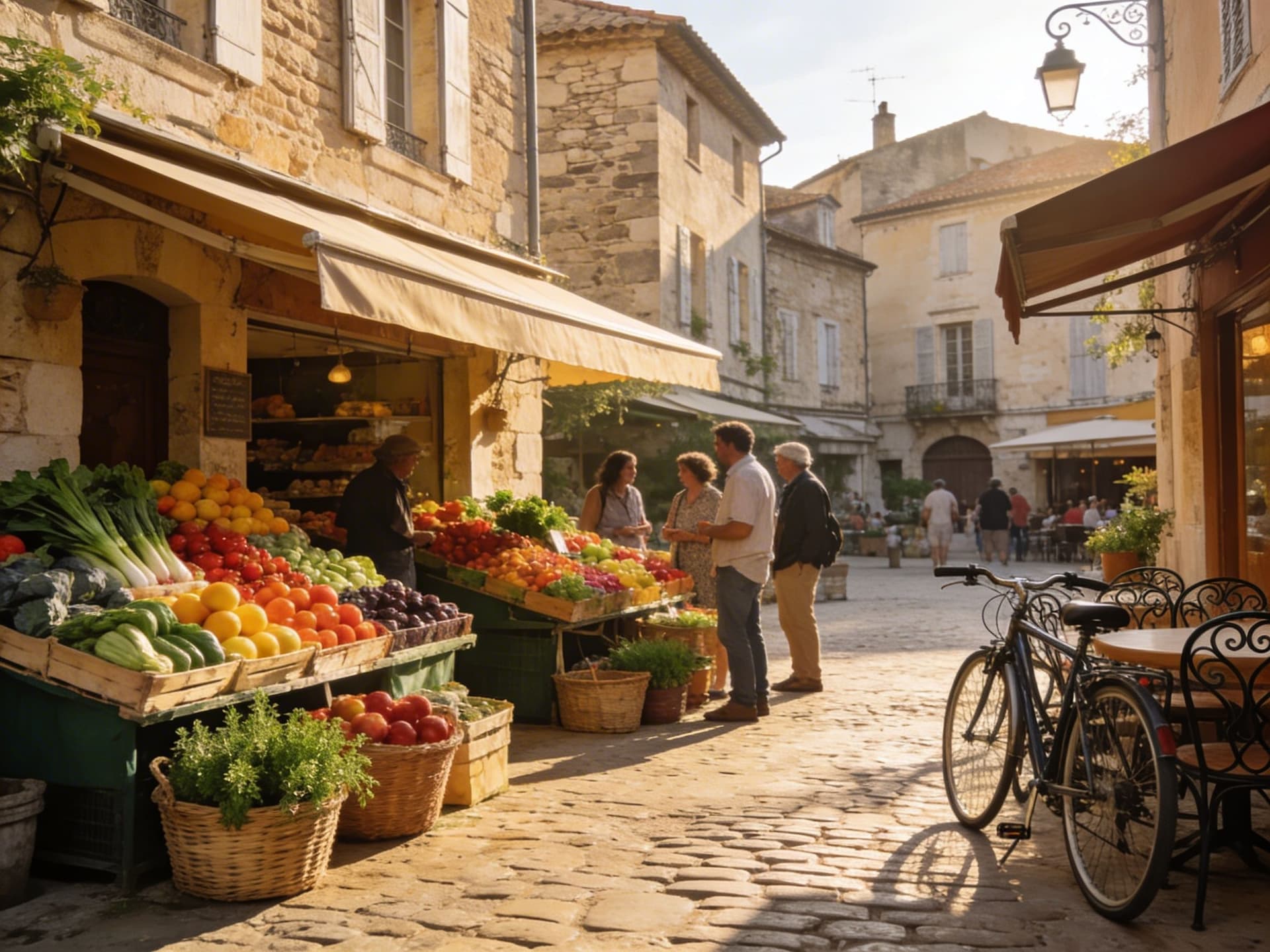
Living in France is sensory: morning espresso at Café de Flore or a sea-breeze lunchtime moules near Nice, evening aperitifs that spill out onto cobbled squares. Daily rhythms change with place — Paris hums with layered transport and late-night theatre, Provence slows to market days and outdoor meals, Brittany answers to tides. Choose where you buy by imagining ordinary days here, not headline moments: where will you fetch bread, where will you meet neighbors, and how will sunlight find your terrace?
Neighbourhoods that shape how you live
Paris’ 11th arrondissement offers small ateliers and cafés where neighbourhood life happens on foot; the Marais mixes medieval lanes with boutique energy. On the Riviera, streets around Rue d’Antibes in Cannes or Vieux Nice promise coastal mornings and late dining; inland, villages like Saint‑Rémy‑de‑Provence centre life around weekly markets. Each street has its own tempo — find the one whose pace you can imagine waking to every day.
Food, markets and seasonal living
Weekend rituals in France are public and delicious: market stalls overflowing with chèvre, heirloom tomatoes, oysters sold by weight. Seasonal festivals — truffle fairs in Périgord, vendanges in Bordeaux, fêtes de la musique — change how neighbourhoods breathe through the year. For buyers seeking sustainable living, these rhythms suggest what gardens you’ll keep, whether a heat-pump suits a seaside home, and how insulation matters when winter stone draws chill inward.
Making the Move: practical considerations with green advantage
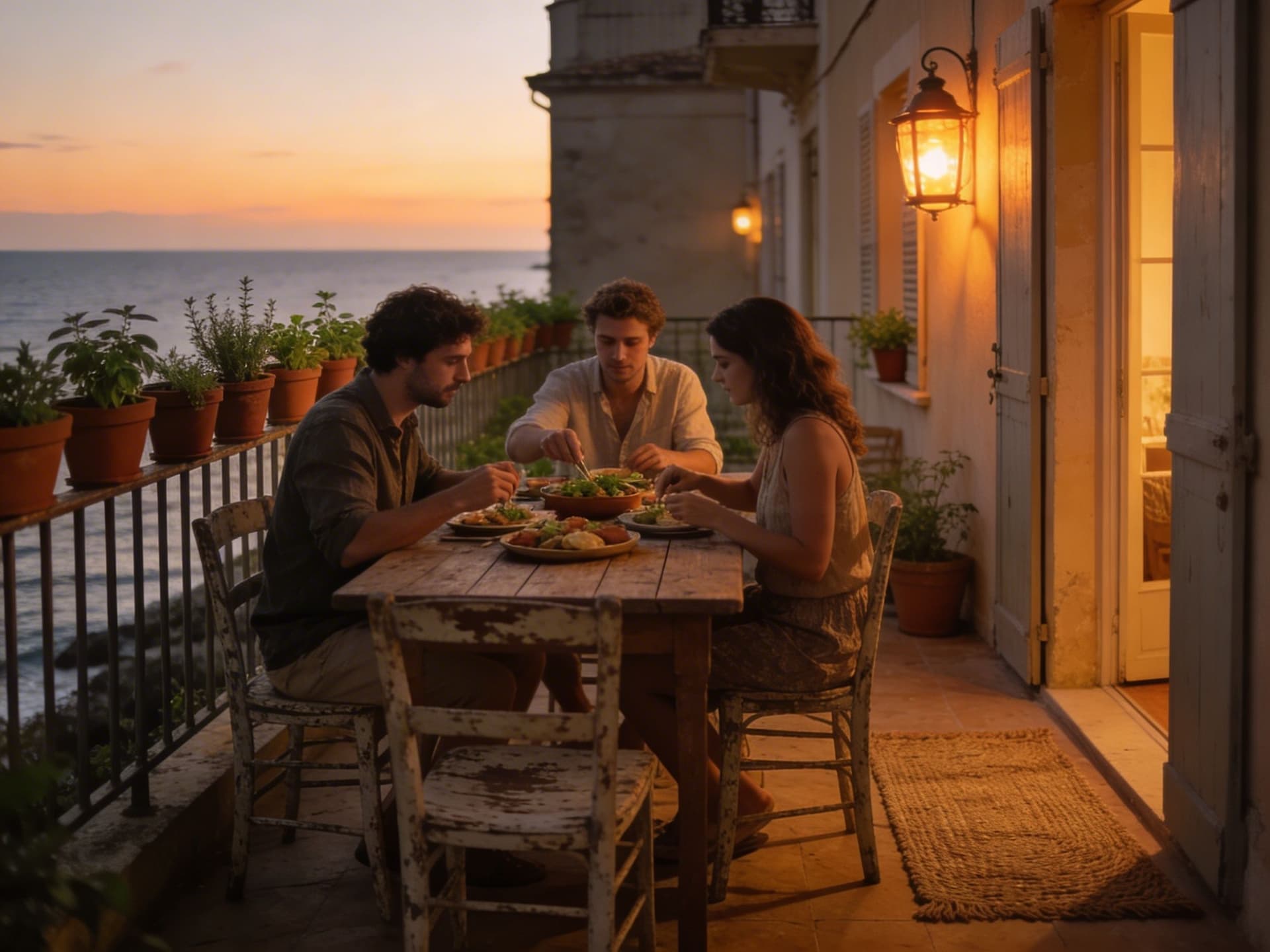
The dreamy parts of life in France meet hard questions: how to finance purchase and renovation, which loans favour energy upgrades, and which local rules shape renovation plans. The good news is France offers concrete green tools — notably the éco‑prêt à taux zéro for energy renovation and MaPrimeRénov' support — that make sustainable upgrades financially sensible. Understanding how these fit with mortgage offers and local notary practice turns a charming house into a comfortable, lower‑cost long‑term home.
Property styles and how they affect green finance
A limestone farmhouse in Loire will typically need insulation and a heat‑pump; a seaside apartment in Cagnes‑sur‑Mer may prioritise corrosion‑resistant systems and shading. Banks and government schemes assess eligible works differently: large‑scale renovations that lift a dwelling by two DPE classes can unlock higher eco‑PTZ amounts. When you picture life in a property, picture the likely upgrades too — they change monthly bills, comfort and resale appeal.
Working with experts who know both lifestyle and paperwork
Choose agencies and courtiers who speak both your lifestyle language and lending language: a broker who understands green loans, a notaire who knows local servitudes, and an RGE‑certified builder if you plan work. These partners don’t just speed paperwork — they protect your lifestyle vision, ensuring a sunny terrace stays sunny after thermal improvements and that an old stone wall keeps its character while meeting efficiency gains.
Insider knowledge: myths, timing and real‑world steps
A common myth: France is 'too expensive' or 'hard to finance' for foreigners. Recent notary data shows regional variety and pockets of value, while borrowing conditions have eased from 2024 peaks as rates stabilise. Still, timing matters: lower advertised mortgage rates this year mean you can refinance or borrow for renovation more affordably, but you must move quickly on paperwork when a desirable property appears.
Practical, step-by-step: how to make green finance work
- 1) Visit with a renovation lens: note orientation, roof condition, and existing heating. 2) Order or request a DPE (energy performance diagnostic) early — it guides eligibility for eco‑PTZ and grants. 3) Speak with a French mortgage broker who compares offers including green-friendly terms. 4) Line up RGE-certified contractors for accurate quotes so banks will accept eco-PTZ financing.
Red flags buyers often miss
- Insulation promises without RGE certification; historic protections that limit external changes; properties sold as "low energy" without recent DPE; municipal rules on short‑term rentals that affect yield and eligibility for some loans.
Each of these is solvable with local counsel: ask for certificates, check municipal planning (plan local d'urbanisme), and insist on written timelines from contractors. For buyers who value the ecosystem as much as the kitchen, these checks preserve both experience and value.
What expats wish they’d known
Language, community and daily life
You don’t need perfect French to live well, but small courtesies—learning market phrases, being patient in mairie procedures—open doors. Community life often starts with consistent presence: shop at the same marché, attend local fetes, and neighbours will become your best resource for trustworthy tradespeople. Sustainable living is social — neighbours share tips on water collection, composting and trusted local artisans.
Long-term stewardship and resale
Think of your purchase as a stewardship project: small, well-documented energy upgrades age well and broaden the pool of future buyers. A house that combines local materials, a clear renovation history and energy performance scores will delight both ecological and traditional buyers. Work with a notaire who records servitudes and with an agent who can market the green story clearly.
- Practical checklist before you sign: - Obtain a full DPE and ask how recent it is. - Verify eligibility for éco‑PTZ and MaPrimeRénov'. - Get at least two RGE contractor quotes for major works. - Confirm local planning restrictions and historic protections. - Use a French mortgage broker to compare effective TAEG and green clauses.
If you can smell the herb de Provence on a warm breeze and see yourself learning the ribbon of a market queue, France is worth the paperwork. The practical path — the right diagnostics, a green-friendly financing plan, and local partners who protect your lifestyle — converts that dream into a durable, low-impact home. When you’re ready, ask for local notaries, RGE lists and brokers who specialise in eco‑renovation borrowers: they make this life possible.
Swedish advisor who left Stockholm for the Costa Brava in 2019. Specializes in sustainable, sea‑view homes for Scandinavian buyers and green finance insights.