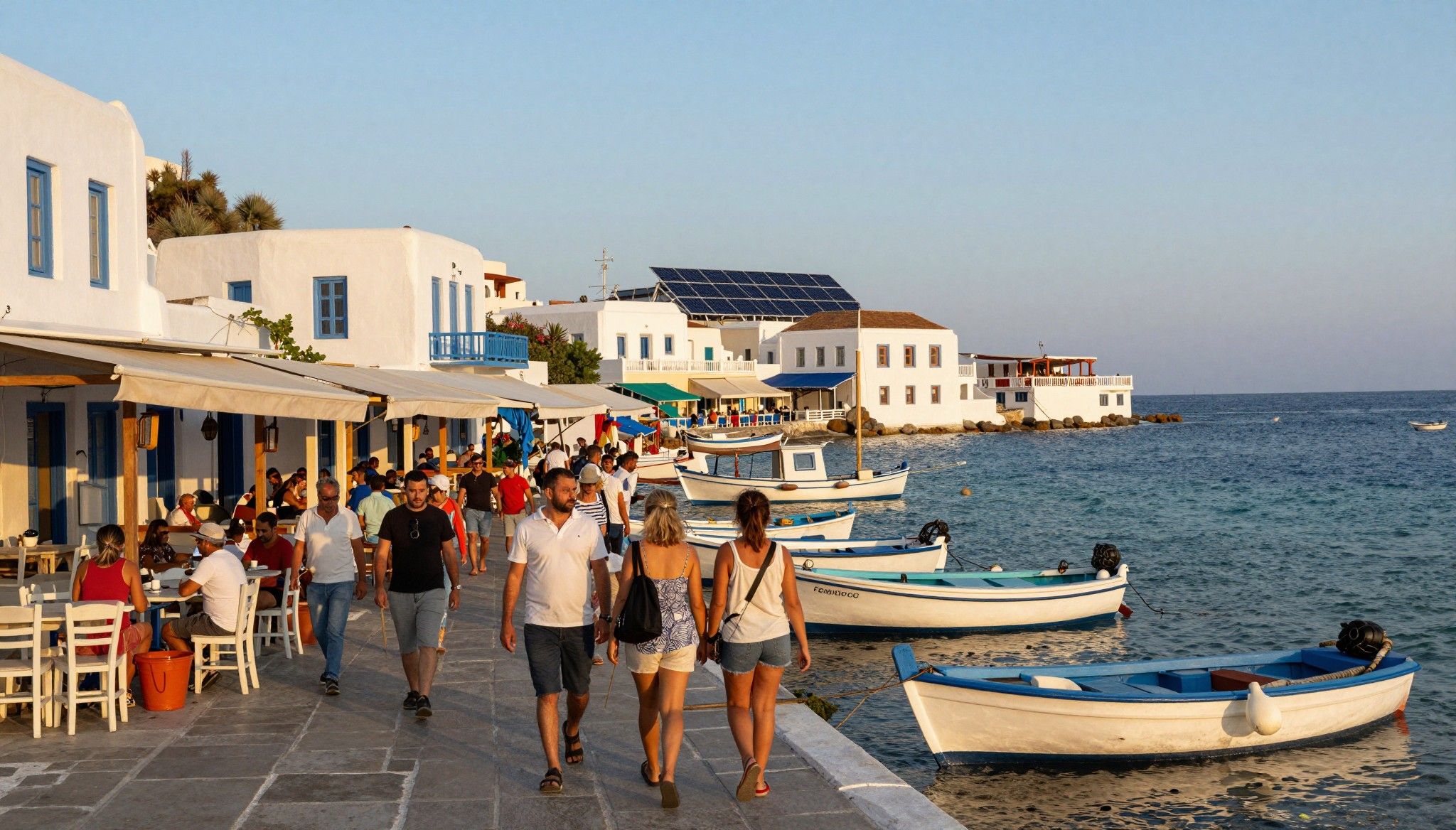
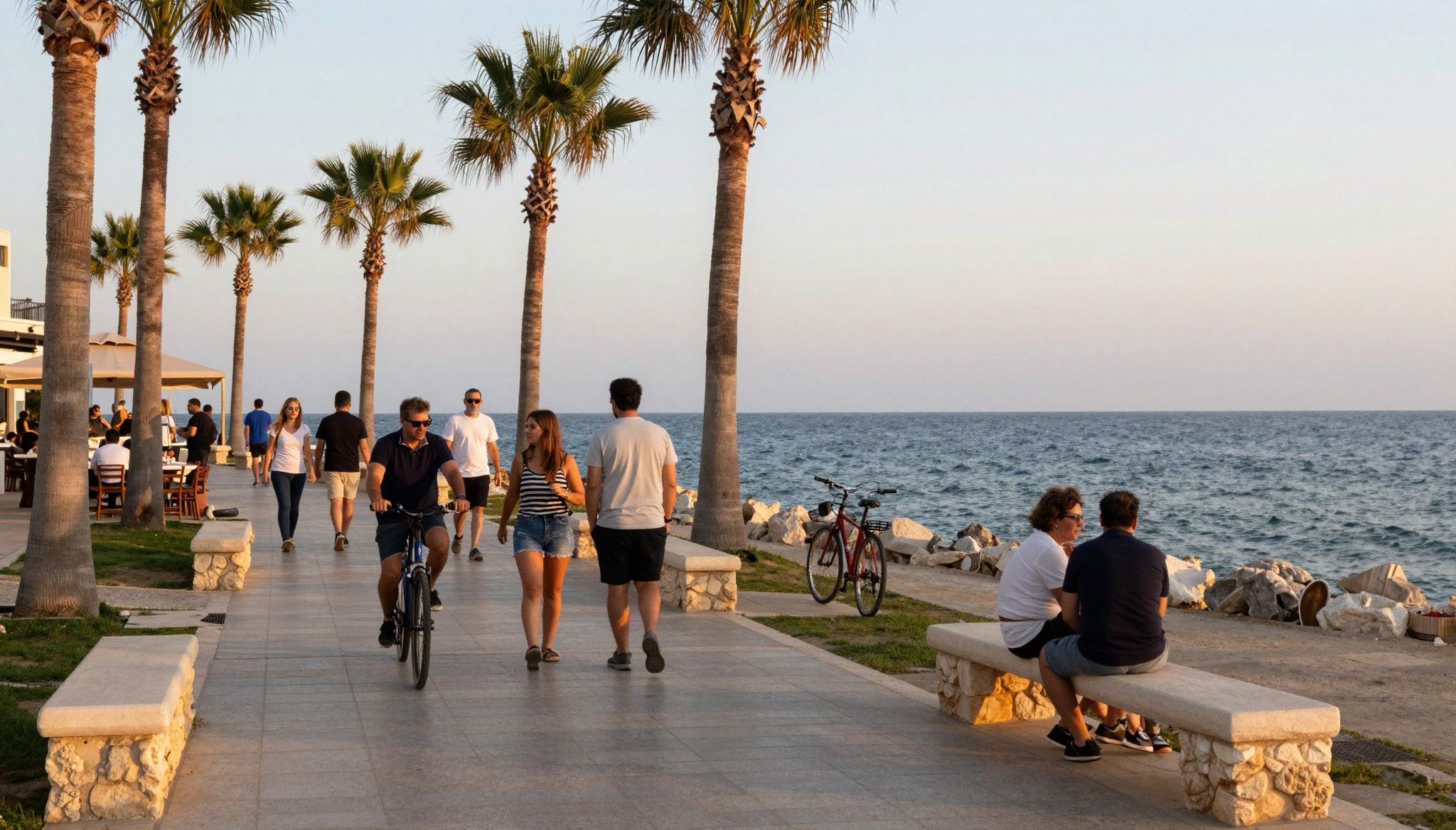
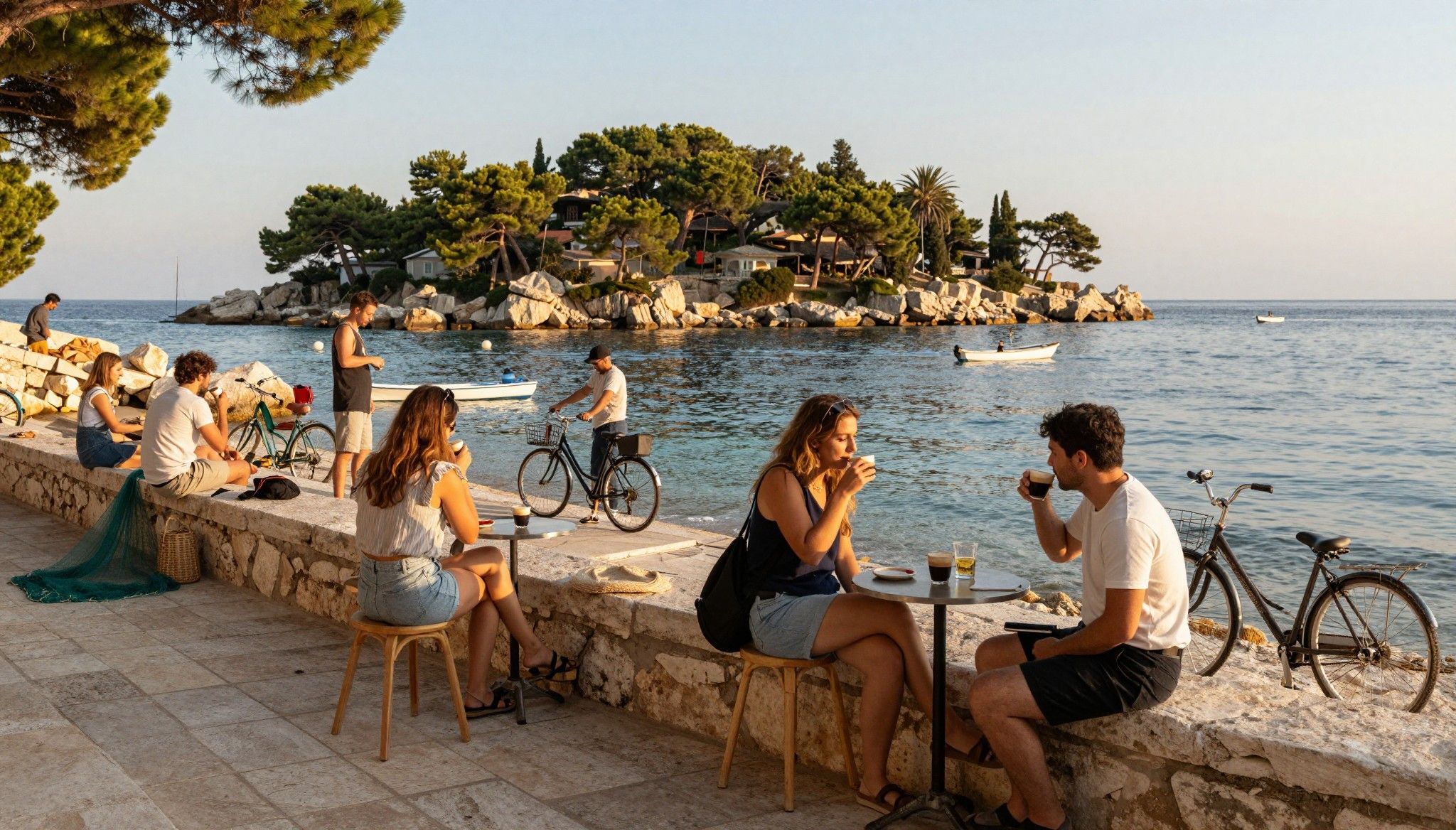
Malta: Light, Limestone & Rooftop Renewables
Malta blends limestone charm with growing rooftop renewables; learn where green infrastructure meets daily life and how to buy a home that fits both.
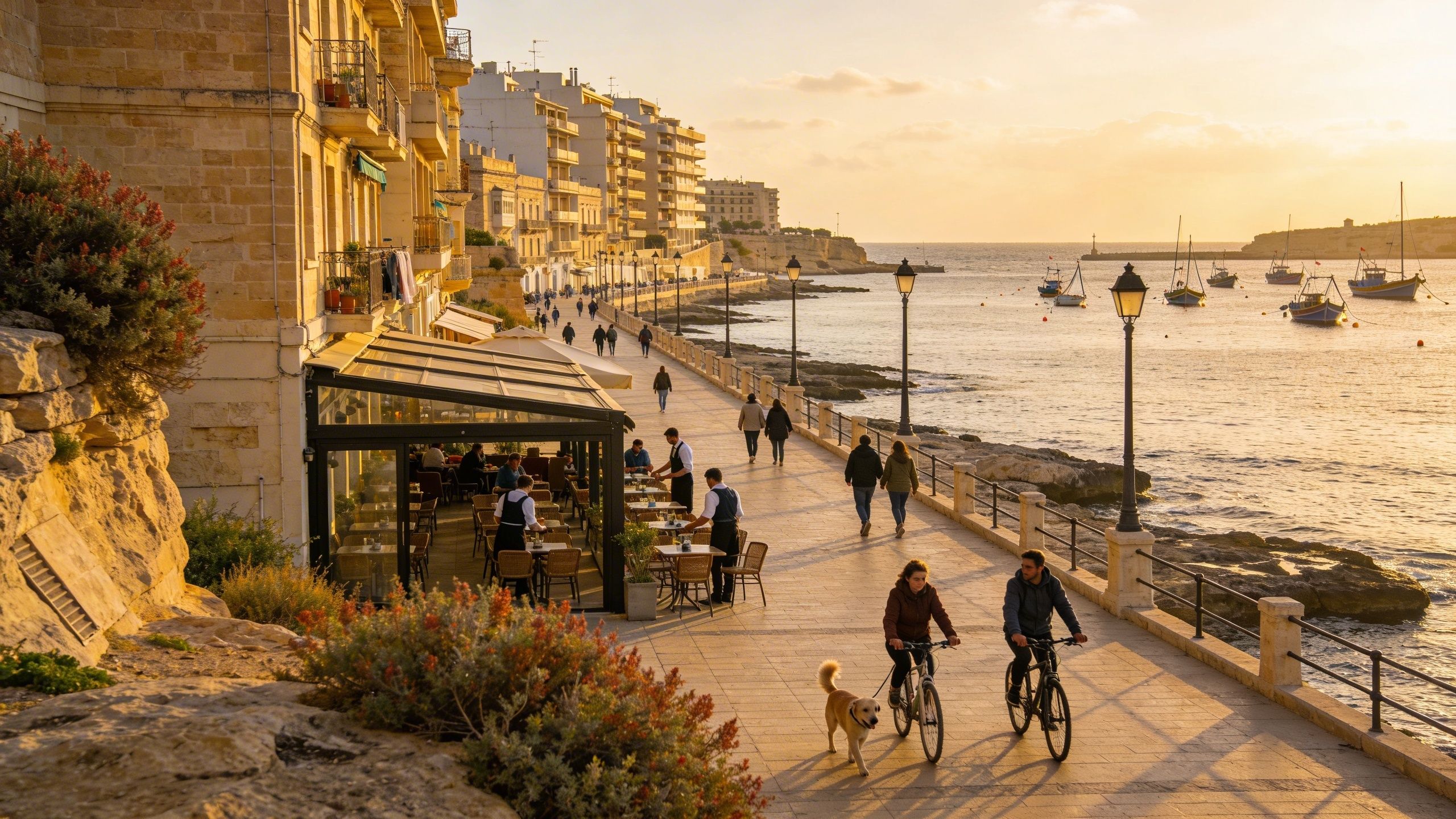
Imagine morning light pooling over honey-coloured limestone while a neighbour waters a terrace herb garden powered by rooftop solar — that ease of routine is Malta. The islands compress seasons, sea air and community into walkable rituals: espresso at a corner kafè, late-afternoon swims at St George’s Bay, and markets that smell of basil and fresh fish. For international buyers who love nature and want lower-impact living, Malta is a curious blend: intense urban life in Valletta and Sliema, quiet coves on Gozo, and a surprisingly quick uptake of rooftop renewables. Below, we marry the feeling of place with the facts you need to see whether Malta’s green infrastructure and property market truly support the life you want.
Living Malta: light, limestone and small‑island rhythms
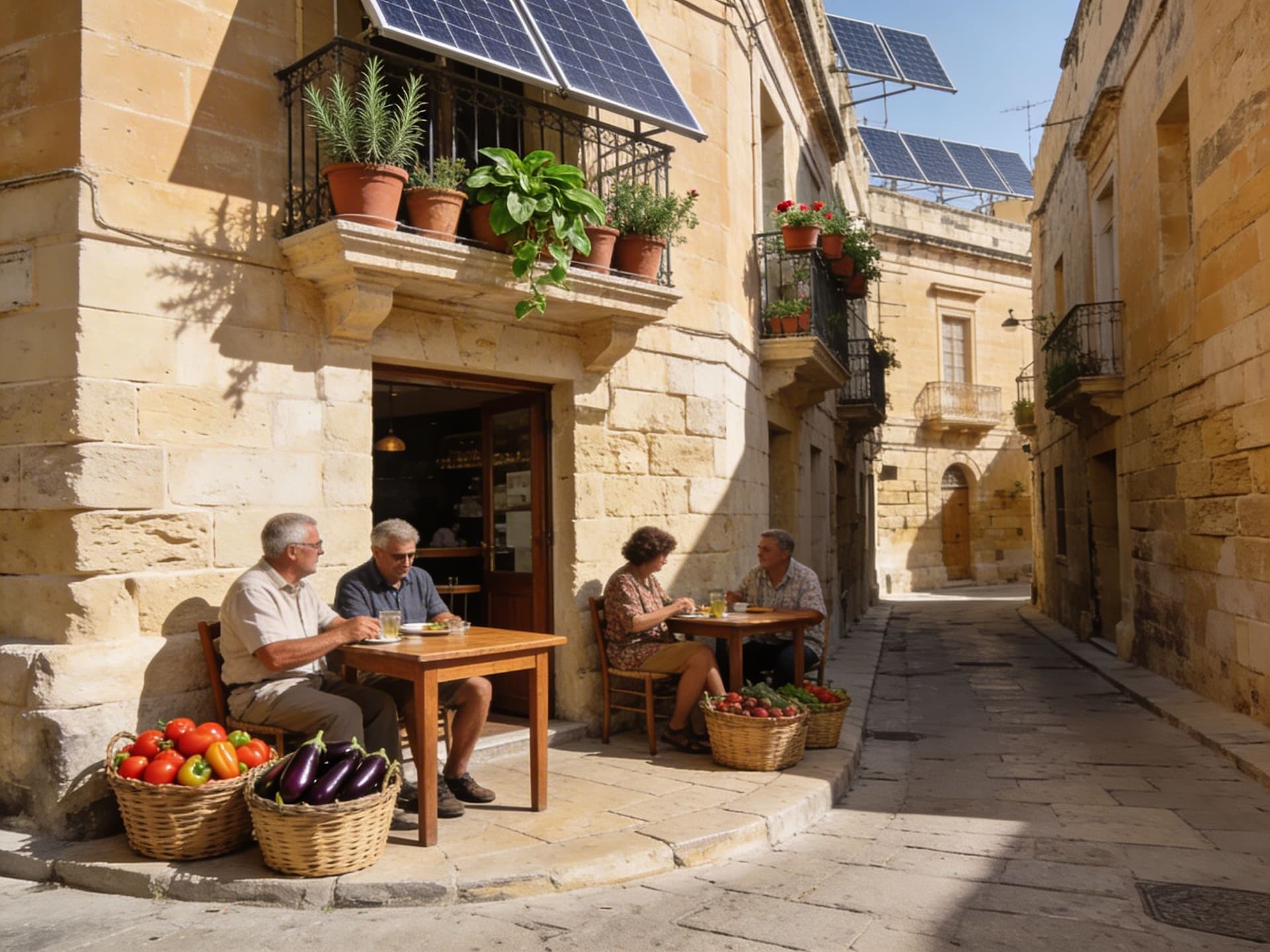
Daily life here moves at a warm, Mediterranean pace but with an energetic undertow. Mornings mean bakeries filling narrow streets with the scent of ftira; afternoons are for sea dips and rooftop chats as light slants gold across the stone. The compact size of the islands means that the countryside, coast and the city coexist — you can be at a sandy inlet by 9 a.m. and sipping wine in a 16th‑century piazza by dusk. For eco-minded people, the immediacy of local produce, walkability and increasing household solar installations make sustainable habits practical rather than aspirational.
Neighborhoods that feel like different countries
Sliema and St Julian’s pulse with international cafes, seafront promenades and apartments attractive to short‑term rental markets, while Valletta’s narrow streets and baroque palazzos feel theatrical and rooted. In contrast, Rabat and Mdina whisper of slower days, stone courtyards and the possibility of restoring a quiet townhouse with a garden. Gozo’s villages—Xlendi, Marsalforn, and the lesser-known Xaghra—offer rural rhythms, stronger community ties and often higher per‑capita solar uptake. If you want both urban energy and easy access to nature, pick a base that matches the life you imagine and expect slightly different price dynamics and living patterns in each.
Food, markets and the ritual of weekends
Weekends in Malta are sensory: fish markets at Marsaxlokk spill colour and salt; neighbourhood festas fill streets with music and roast‑lamb aromas; and cafés along Republic Street in Valletta host relaxed conversations long into the afternoon. For an eco‑minded life, farm stands and community markets make seasonal eating intuitive — citrus in winter, tomatoes and capers in summer — and smaller local supply chains mean less food miles, especially if you shop with Gozo producers and village co‑ops. These everyday rituals shape what kind of property suits you: a terrace for herbs and solar hot water, a kitchen for slow cooking, and a balcony that catches the evening breeze.
- Streets and scenes you’ll fall for: Valletta’s narrow promenades and neighbourhood cafés; Sliema’s seafront walk and boutique grocery stores; Marsaxlokk’s Sunday fish market; Għajn Tuffieħa’s wild beach and sunset walk; Xlendi’s cliff paths and Gozo’s village piazzas.
Making the move: property styles, green infrastructure and realities
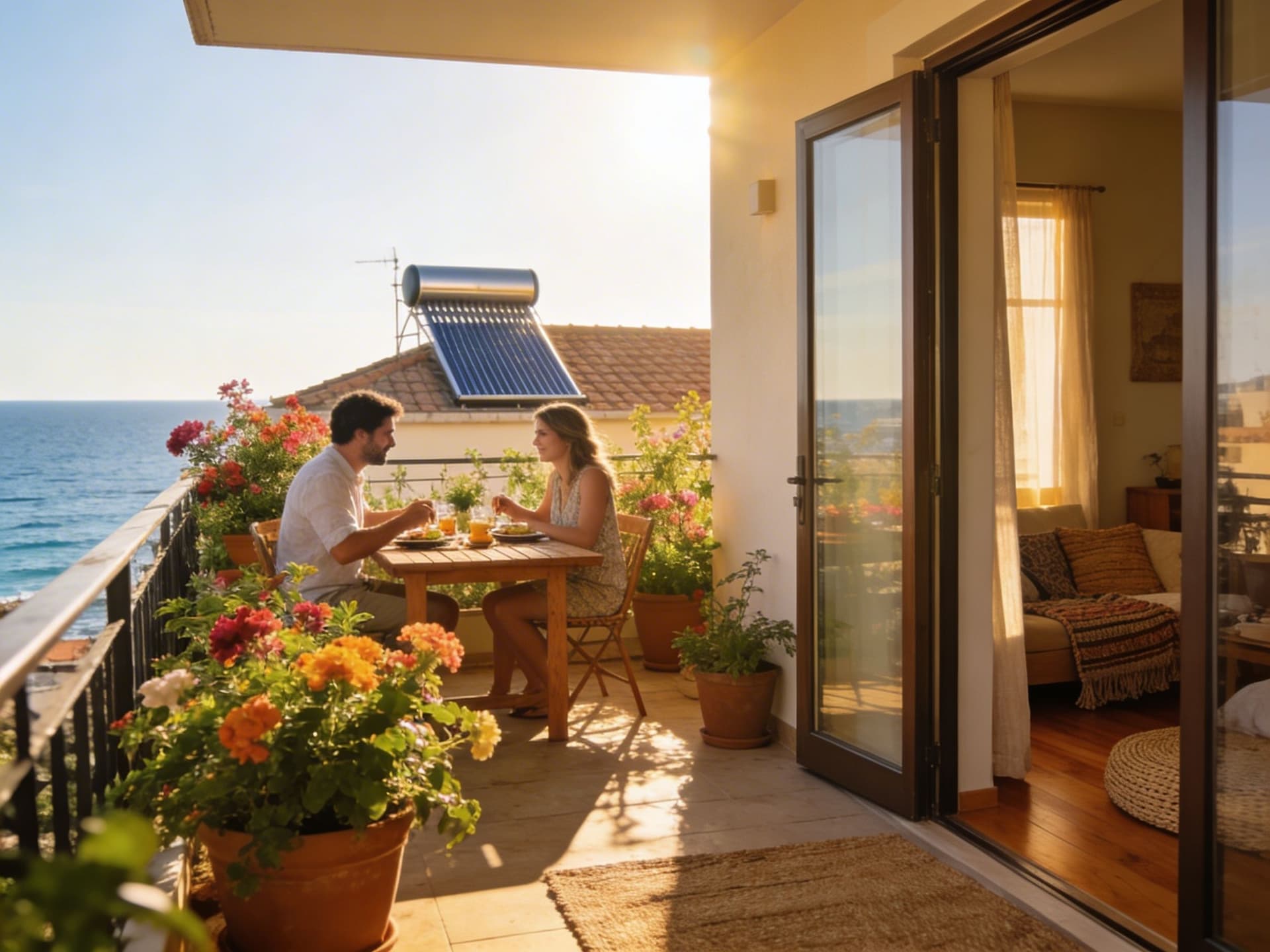
Dreams of an eco‑home meet a few Maltese realities. Rooftop solar and solar hot water are widespread and growing: official data shows over 34,000 photovoltaic installations on the islands producing hundreds of GWh annually, largely driven by domestic uptake. Yet the islands’ rising energy demand and tourism mean rooftop gains don’t automatically equal full energy independence for properties—expect gains that lower bills and carbon footprints, not eliminate grid reliance altogether. Also, compactness and protected historic areas shape what you can change: heritage façades, limestone balconies and conservation zones require sensitive retrofits rather than aggressive modernisation.
Property types and how they support the life you want
Apartments and penthouses dominate the market in urban centres and often come with small terraces—great for container gardens and solar panels but limited outdoor space. Traditional townhouses in Mdina or Rabat offer courtyards that can be retrofitted with cisterns, native plantings and solar chimneys for passive cooling. Newer developments near the coast aim for modern comforts; when choosing new build, look for battery readiness, PV pre‑wiring and water‑saving fittings as part of the specification. In practice, mixing restoration (character) with discreet green tech (efficiency) yields the most satisfying lived experience.
Working with agencies who know both stone and solar
Find agents who can pair lifestyle intel with technical checks: can the property support a PV array? Is the roof structurally sound? Are planning restrictions likely to block a green retrofit? Local agencies that understand heritage rules and renewable incentive schemes will save months of frustration. They can also help navigate market speed: Malta’s residential market remains active with rising transaction values, so timely local advice matters if you want to secure a home that balances charm with sustainability.
- Steps to marry lifestyle with green practicality: 1. Prioritise neighbourhoods that match daily rituals (sea access, markets, cafes). 2. Ask sellers for energy performance data and any recent PV or insulation work. 3. Commission a local structural and heritage-sensitive survey before bidding. 4. Confirm planning constraints and get pre‑checks on PV placement and battery storage. 5. Work with an agent experienced in eco‑retrofits and local incentives.
Insider knowledge: what expats wish they’d known (and what to watch for)
Many expats arrive bewitched by sea views and historical charm, then discover a market where demand, rising prices and small‑island constraints create tradeoffs. Housing supply has tightened and prices have risen significantly in recent years, making thoughtful budgeting and local insight essential. Another candid truth: absentee ownership and short‑term rentals can make some coastal pockets lively but less neighbourly; if community ties matter, look inland to village streets where families linger and festas still set the calendar. Finally, bureaucratic pace can be patient — allow time for permits and heritage approvals when planning green upgrades.
Daily integration: language, social rituals and community
English is widely spoken which shortens cultural friction, yet a little Maltese opens doors at village markets and festas. Neighbours often swap produce, help with small repairs, and gossip in ways that feel intimate; participating in local life — volunteering at a festa or joining a conservation group — accelerates belonging. For families, international schools exist, but small‑scale community activities and the island’s compact geography mean friendships are often local rather than global, so choose a neighbourhood that matches the social rhythm you want.
Looking ahead: durability, resilience and lifestyle sustainability
Malta’s renewable picture is improving: domestic PV installs are widespread and national reporting shows meaningful year‑on‑year growth in production and stock. That said, the island remains dependent on imports and gas for base demand, so smart buyers view green features as resilience and cost‑reducing measures rather than total independence. Prioritise passive design (shade, thick limestone walls, cross‑ventilation), water sensitivity (cisterns and efficient fittings) and PV readiness — these choices make daily life better and protect value as Malta shifts toward lower carbon energy.
- Green retrofit checklist for Malta: - Confirm rooftop orientation, shading and kWp potential. - Budget for battery pre‑wiring even if installed later. - Use native landscaping and rainwater capture to reduce irrigation. - Choose lime‑based renders and breathable insulation for limestone homes. - Check local grants or incentive schemes with your agent.
Malta can feel like a secret garden with a pulse: you will trade expansive private land for a life where every shore, festa and café is minutes away. For the international buyer who wants sustainable comfort without sacrificing culture, the islands reward careful, place‑sensitive purchases—homes that respect limestone craft, harness the sun, and fold you into village life or vibrant seafront routines. If you want to take the next step, talk with an agency that cross‑checks heritage constraints, structural readiness and renewable opportunities so your property becomes a lived, loving part of Malta’s ecosystem.
- Next steps to make Malta home: 1. Shortlist neighbourhoods by lifestyle (Valletta/urban, Sliema/seafront, Gozo/rural). 2. Request an energy/heritage pre‑check from a local agent. 3. Arrange a week‑long visit in different seasons to sense year‑round life. 4. Compile a retrofit wish list (PV, battery, water capture) and get local cost estimates. 5. Proceed with local counsel who understands both property law and sustainable retrofits.
Conclusion: Malta asks you to slow down and notice light, stone, sea and neighbourly ties. It asks also for practical intelligence — an awareness of heritage, an appetite for modest green upgrades and a patient, place‑sensitive buying rhythm. For buyers who love community, good food, and the idea of a home that is part of an island ecosystem, Malta offers a vivid, achievable life. Begin with a local agent who knows both limestone and PV arrays — they will help turn seaside daydreams into sustainable everyday living.
Swedish advisor who left Stockholm for the Costa Brava in 2019. Specializes in sustainable, sea‑view homes for Scandinavian buyers and green finance insights.