Where in France Value Hides: Quiet Seasons & Green Wins
Fall for France’s daily rhythms; pair seasonal, neighbourhood-first lifestyle choices with data-driven steps and local, eco-minded experts to buy wisely.
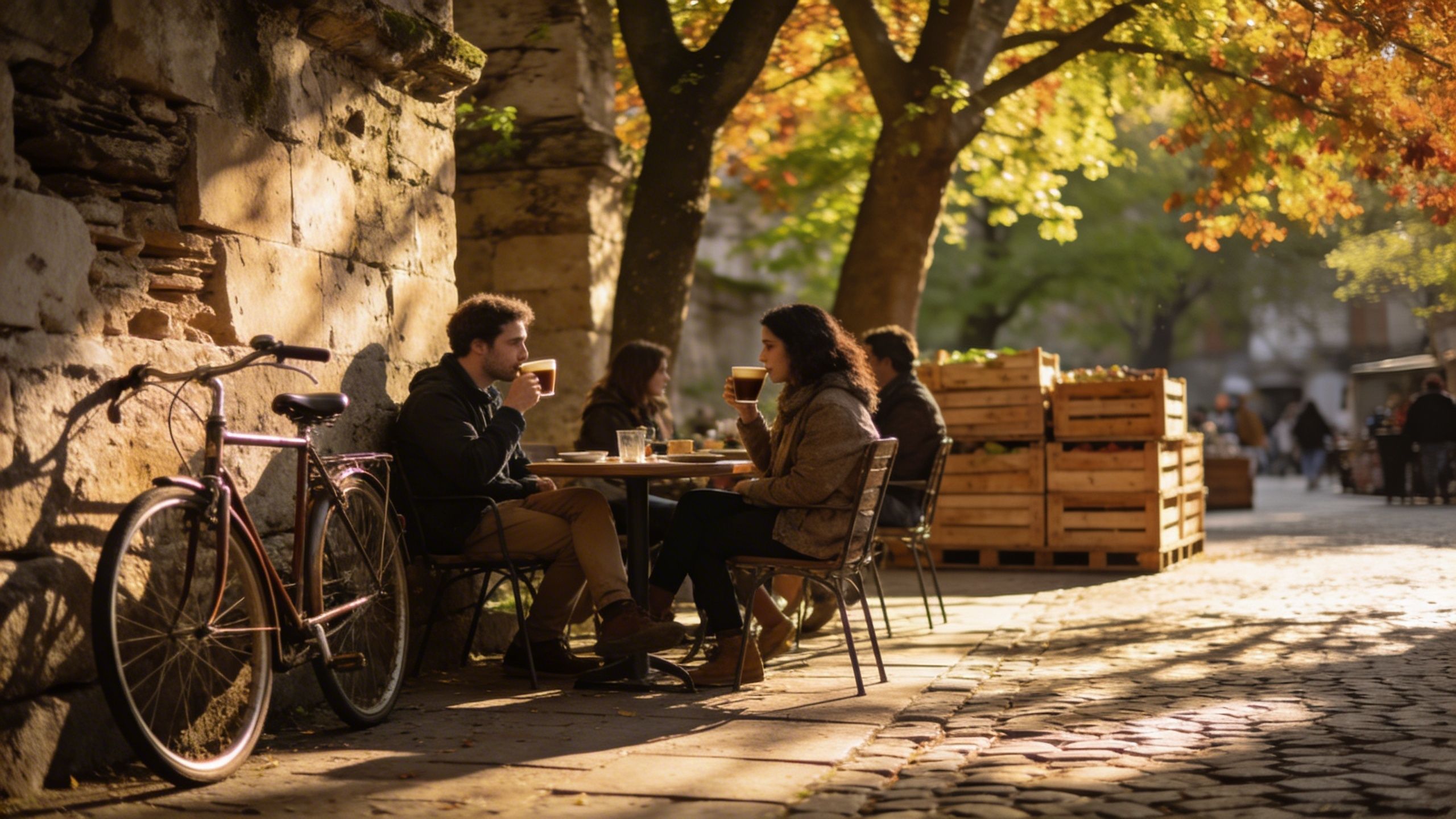
Imagine waking to the smell of freshly baked pain au levain, crossing a stone lane to a market stall heavy with figs, then returning to a timbered house warmed by solar panels and a south-facing courtyard. That daily scene — local cafés, neighborhood markets, and seasonal rhythms — is the real reason international buyers fall in love with France. But the romantic image often masks a practical truth: value in France is quietly seasonal, hyper-local, and deeply tied to landscape and stewardship. Start here — where lifestyle leads the search, and sustainability steers long-term value.
Living the France lifestyle
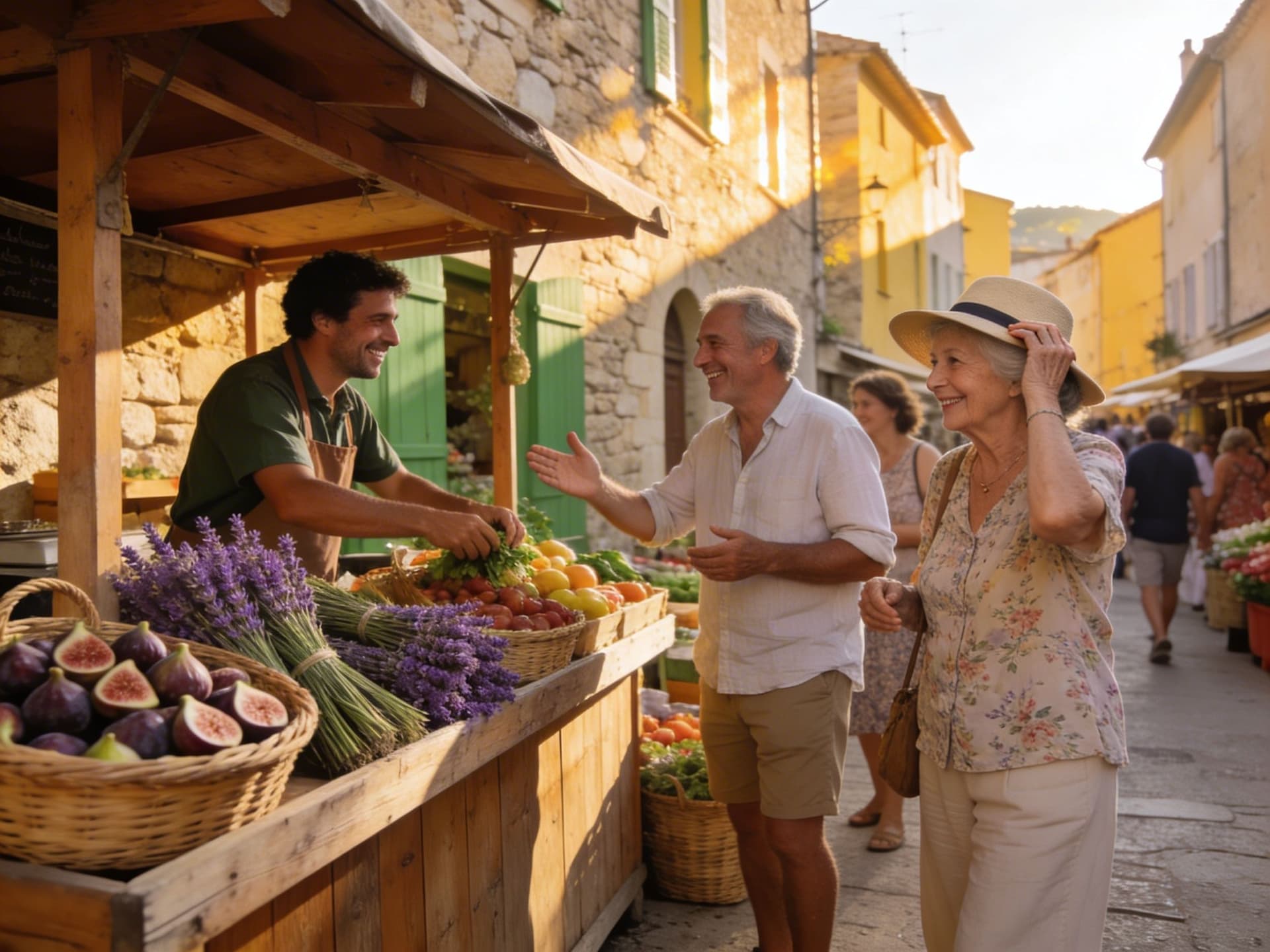
Life in France moves in seasons: market mornings at Marché d’Aligre in Paris, late-afternoon pétanque near Place aux Herbes in Uzès, and winter fog lifting from Dordogne river valleys. These rhythms shape what neighbourhoods feel like and how properties perform over time. National data show prices and transaction volumes that fluctuate by region and season — a stabilization of prices nationally masks lively micro-markets where demand, conservation rules and local charm create different buying dynamics. For reference, official indices combining Notaires and INSEE data are regularly published and help explain regional differences.
Paris vs Province: two different heartbeats
Paris hums all year: coffee-lined boulevards, late trains, and high per-square-metre price tags in central arrondissements. The provinces pulse with seasonal festivals, farmers’ markets and quieter streets — places where rural houses, stone farmsteads and village boulangeries form the core of daily life. Notaires data show stabilization in national indices alongside regional divergence: Paris and Île-de‑France behave differently from Provence, Brittany or the Massif Central. That divergence is where opportunity lives for buyers who prioritise lifestyle over headline prices.
A day in the neighbourhood: small details, big feeling
Picture morning markets on Rue Mouffetard, an afternoon cycle along the Canal du Midi, or seaside aperitifs on Nice’s pebbled Promenade des Anglais. These are not just scenes — they define practical choices: walkability, sun aspects, proximity to markets and schools, and access to local tradespeople for repairs or renovation. For eco-minded buyers, look for neighbourhoods where community gardens, shared composting, and accessible public transport exist alongside charming local life.
- Lifestyle highlights to scout in person
- A morning café that doubles as a local noticeboard (e.g., Café des Deux Moulins–style gathering)
- Weekly markets with producers you can name by sight — an indicator of resilient local food networks
- Green corridors: tree-lined promenades, bike lanes, or nearby protected nature reserves
- Village services open year-round (post office, boulangerie, pharmacy) — not just in summer
Making the move: practical considerations
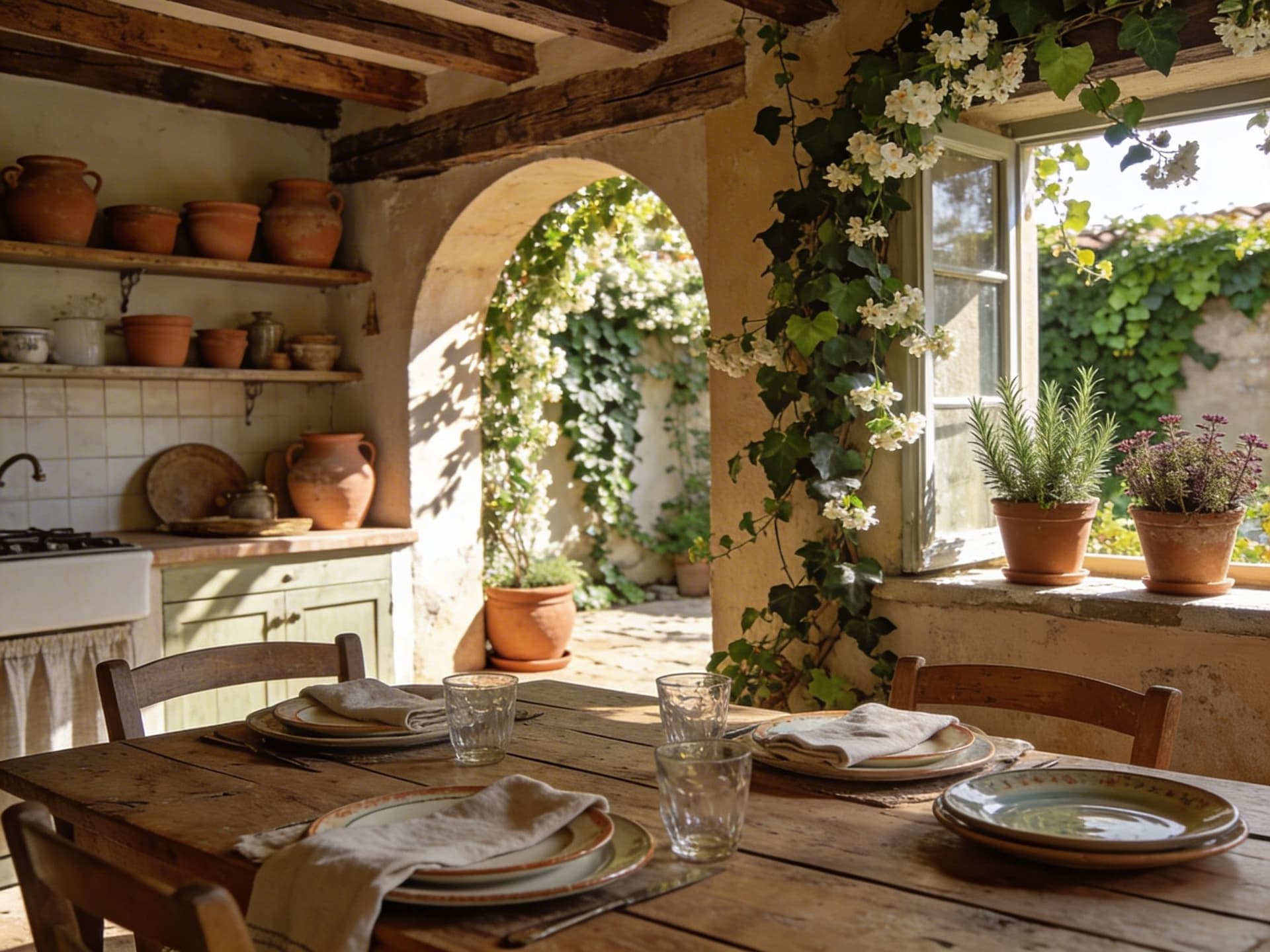
Turning that imagined day into ownership means matching lifestyle choices with practical checks. National statistics show a market that has stabilized and, in early 2025, began to show modest price growth after previous declines. But those headline numbers don’t replace neighbourhood-level due diligence: local zoning rules, heritage protections, and energy performance (DPE) ratings will shape renovation potential and long-term costs.
Property styles and how they shape life
A Provençal mas with thick stone walls offers passive cooling in summer and a courtyard for vegetable beds; a townhouse in Lyon places you within cycling distance of markets and theatres; a renovated Breton granite cottage will require attention to damp and insulation. Think: how you want to use the garden, whether you need year‑round access to services, and the carbon footprint of likely renovations. Traditional materials — stone, chestnut timber, lime plaster — are both characterful and often easier to maintain sustainably than modern synthetic finishes.
Working with local experts who know the lifestyle
Choose agents and notaires who live the neighbourhood lifestyle — they’ll recommend streets where neighbours tend fruit trees or where local bylaws favour low-impact builds. Ask agencies about past projects restoring traditional houses with renewable heating, or about off-market village homes sold within community networks. A local architect experienced with historical conservation and thermal upgrades (isolation intérieure, double-vitrage that preserves stone facades) is a valuable partner.
- Steps that blend lifestyle with practical checks
- Visit in at least two seasons to feel winter light, summer shade, and local rhythms.
- Request the DPE (diagnostic de performance énergétique) and ask sellers about recent energy works or grants used.
- Meet the mayor’s office (mairie) to confirm local planning rules, permitted extensions, and heritage restrictions.
- Check transaction history via notarial extracts and compare street-level prices, not just departmental averages.
Insider knowledge: what expats wish they’d known
Here is the honest, local‑first truth many expats discover slowly: the neighbourhood you pick changes everything. Data show national price stabilization, but what your neighbours do — run a chambre d’hôtes, plant an orchard, or start a weekly market — will shape your everyday life and the property’s long-term desirability. Some buyers mistakenly chase headline city prices and miss the quieter villages where green upgrades and patient stewardship deliver better lifestyle and ecological returns.
Cultural integration and small courtesies
Learn a few phrases, show up at the village market, introduce yourself at the mairie — these small acts unlock services, trades, and friendships. Locals often favour buyers who respect seasonal rhythms and conservation practices (think pruning cycles, haymaking schedules, and quiet hours). Respect for place is as important as paperwork when you want a home that lasts.
Long-term life: stewardship over speculation
If you plan to be a long‑term steward, prioritise passive design (orientation, insulation), renewable heating (heat pumps, wood boilers where appropriate), and landscape choices that support biodiversity. These investments often cost less over a decade and are looked on kindly by local communities. They also align with France’s evolving regulations and incentives that reward energy efficiency — a practical way to make lifestyle choices pay over time.
Conclusion: fall in love first, then verify. Let the market data guide timing — national indices from INSEE and Notaires show stabilisation and modest recovery — but let neighbourhood life decide the right street. Visit in different seasons, work with local experts who value ecological stewardship, and make choices that keep your home connected to its landscape. When you buy this way, France rewards you with more than a property: it offers a life that deepens with every market morning and harvest season.
Swedish advisor who left Stockholm for the Costa Brava in 2019. Specializes in sustainable, sea‑view homes for Scandinavian buyers and green finance insights.