Off‑Season Buying in Croatia: Lifestyle, Timing & Green Finance
Off‑season calm, seasonal price gaps and green financing make winter a quietly strategic time to buy in Croatia — see lifestyle-led steps and sources.
Imagine waking to the smell of roasted beans on Split’s Riva, then slipping down a quiet side street where a retired fisherman mends nets and a neighbour waters geraniums — this is Croatia in winter: softer crowds, salt-sweet air and streets that feel like yours. It’s also the season when prices, paperwork timing and financing realities offer surprising advantages for an international buyer with a green-minded plan. According to recent market analysis, average prices and transaction rhythms shift through the seasons and coastal hotspots show the largest spreads between peak and off-peak activity.
Living the Croatia life: more than sun and sea
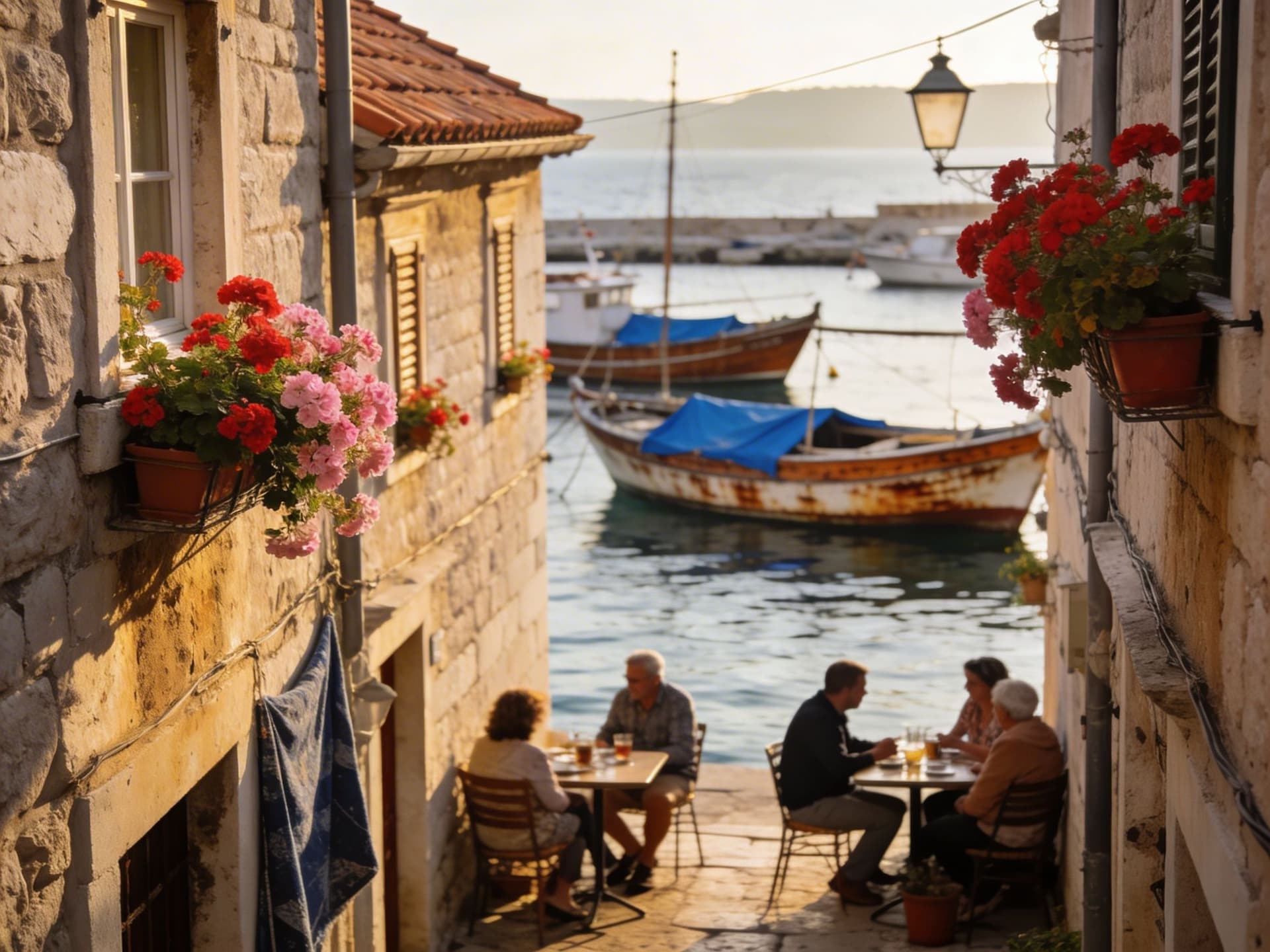
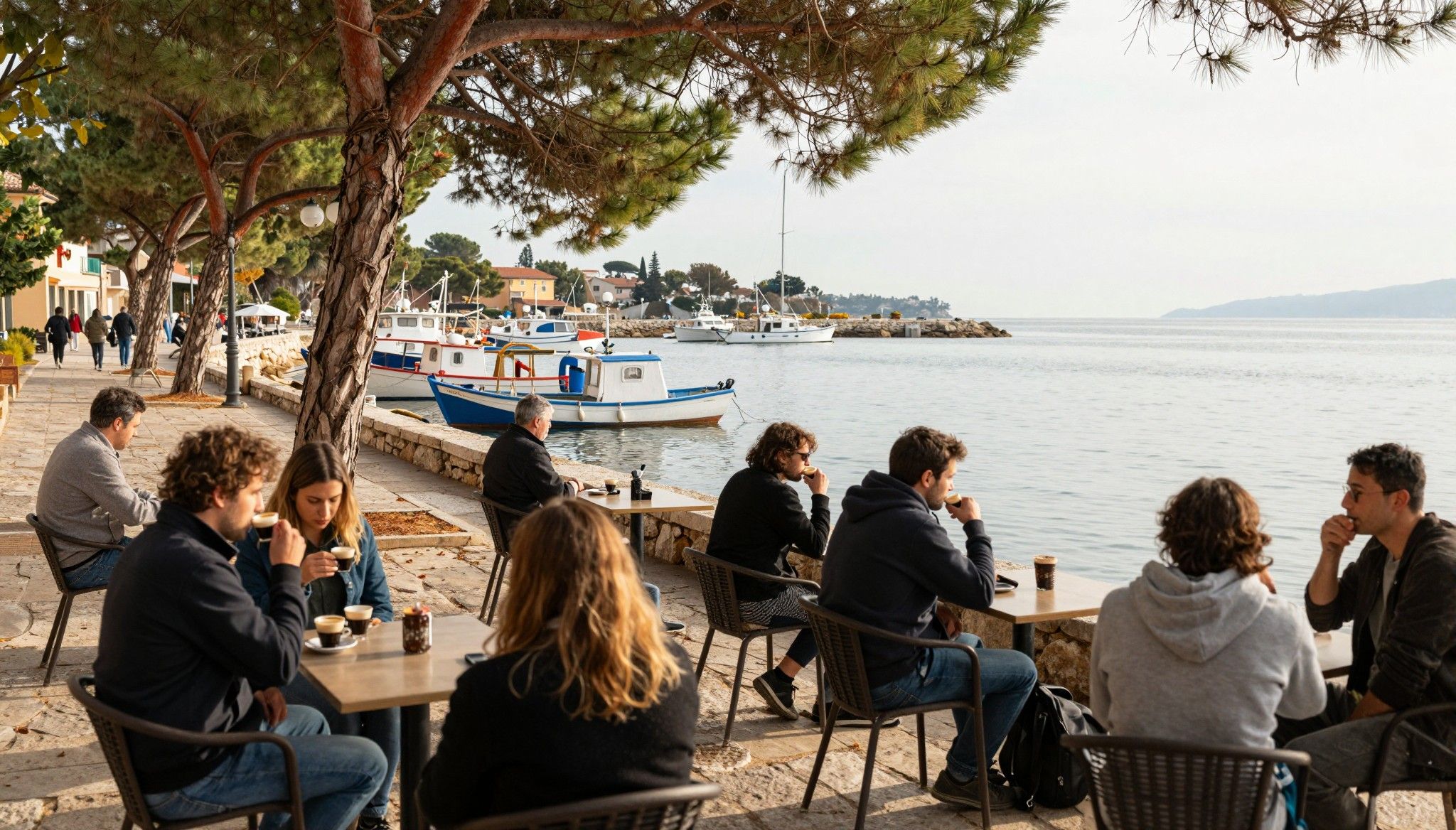
Croatia’s rhythm is coastal mornings and inland afternoons: espresso in stone squares, late lunches of grilled fish and a hike before evening wine. From Zagreb’s leafy streets and café culture to Hvar’s lavender-scented lanes and Istria’s truffle markets, life here is tactile and seasonal. For eco-minded buyers the draw is immediate — olive groves, terraced vineyards, and restored stone houses that lend themselves to passive cooling and low-tech, resilient living.
Neighborhood spotlight: Split’s Veli Varoš and Zagreb’s Gornji Grad
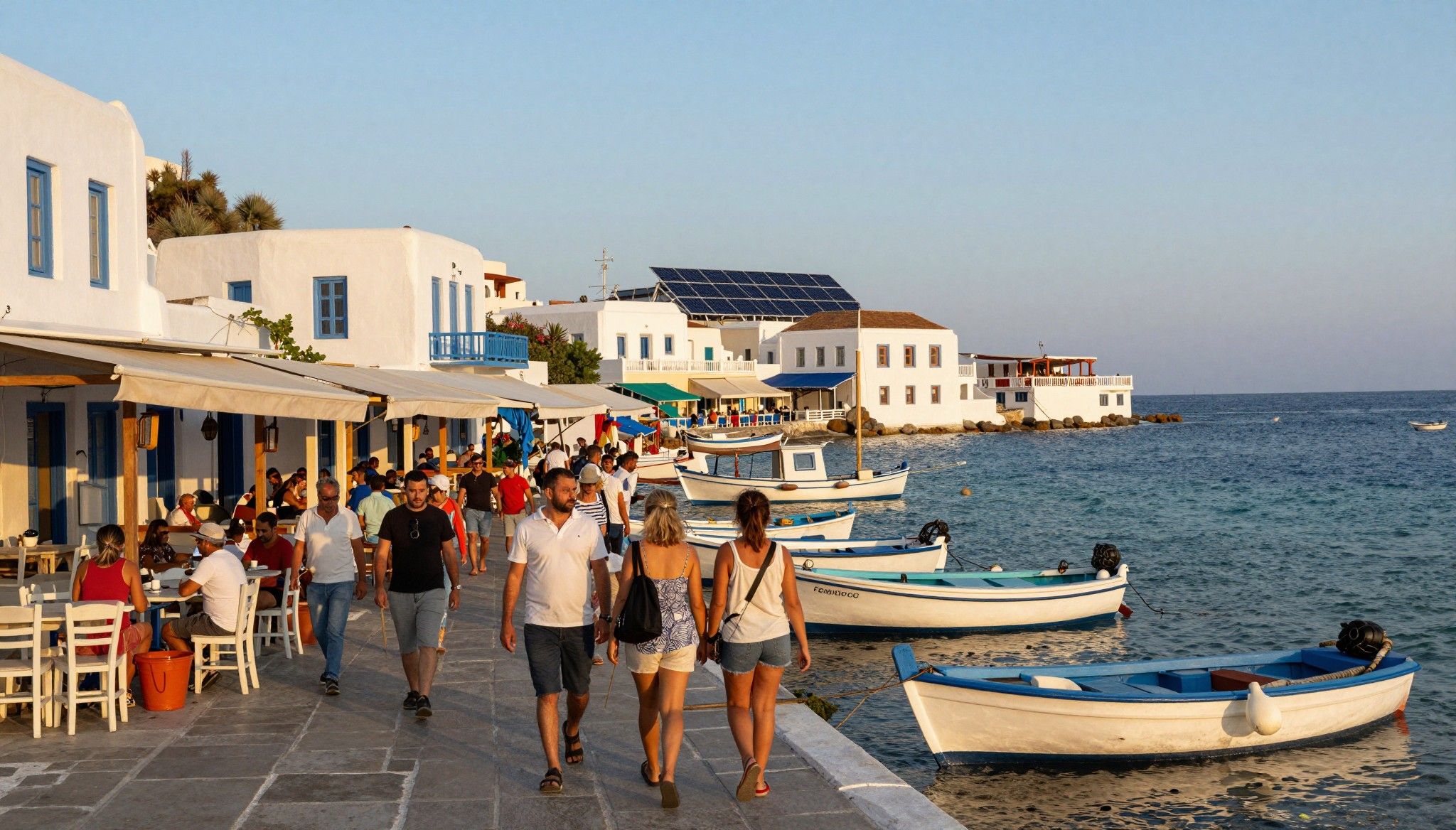
Veli Varoš (Split) is a neighborhood of narrow alleys, sea-sprayed stone houses and small terraces where neighbours still barter fish. It’s intimate, walkable and ideal for buyers who want a home that breathes with the sea. In Zagreb, Gornji Grad (Upper Town) feels like a living postcard: cobbled streets, lime trees, and quiet courtyards where you can grow herbs in pots. Both areas reward buyers who prioritise place over flashy new-build finishes.
Food, markets and the slow season’s charms
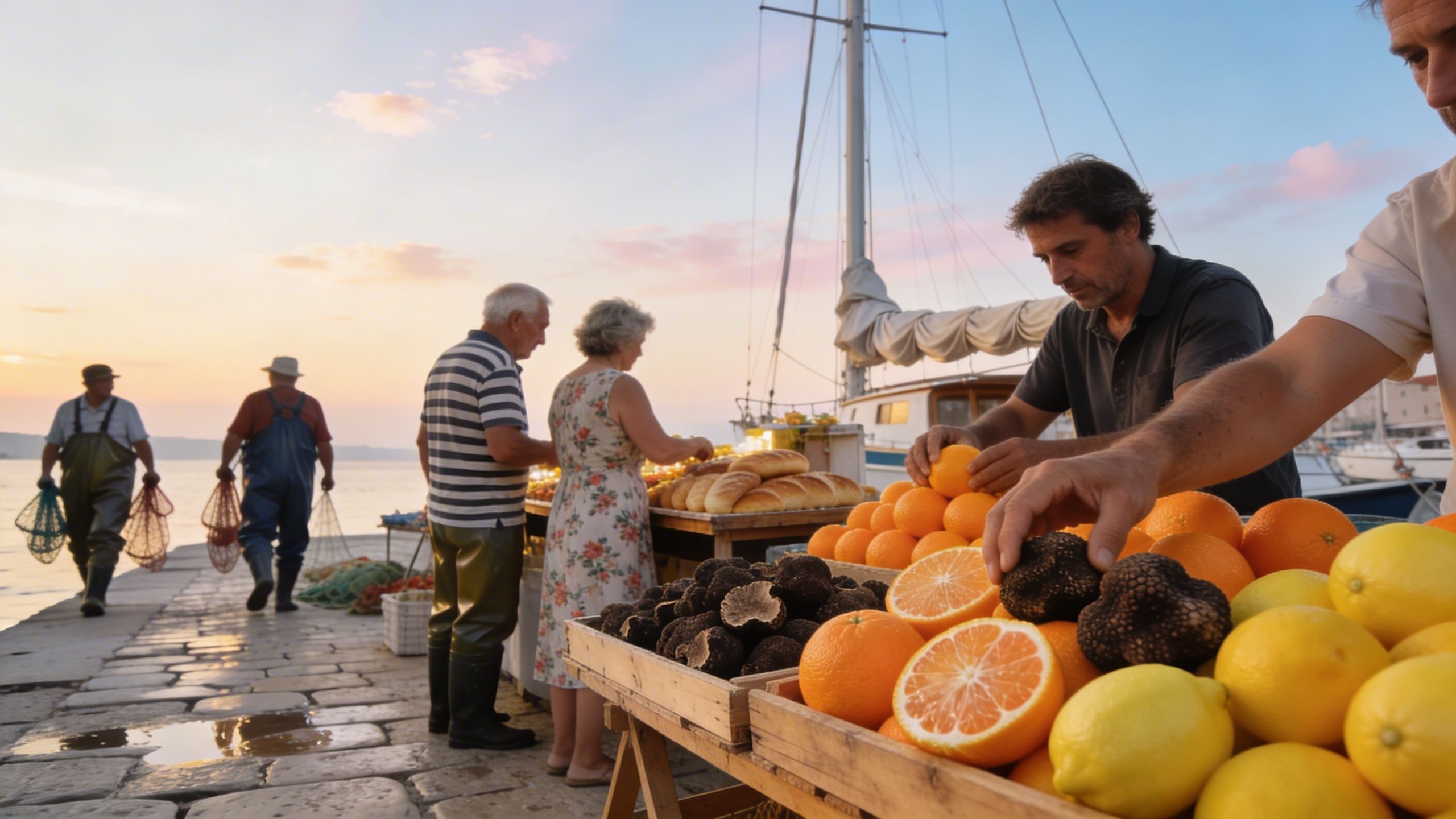
Picture a November morning at Pula market, crates of persimmons and slabs of aged cheese — these everyday rituals shape how you’ll actually live. The Dalmatian coast has a booming summer economy, but the market data shows coastal prices are markedly higher in peak months. That seasonality means off-season visits reveal the real neighbourhood life — cafes that are local, quieter harbours and better negotiating leverage when buyers return with clearer heads.
- Lifestyle highlights to seek in Croatia
- Morning markets in Rovinj; late‑season sea swims off Lopud; autumn truffle fairs in Motovun; Zagreb’s winter cafés and theatre nights; community olive harvests in Istria.
Making the move: where lifestyle meets financing
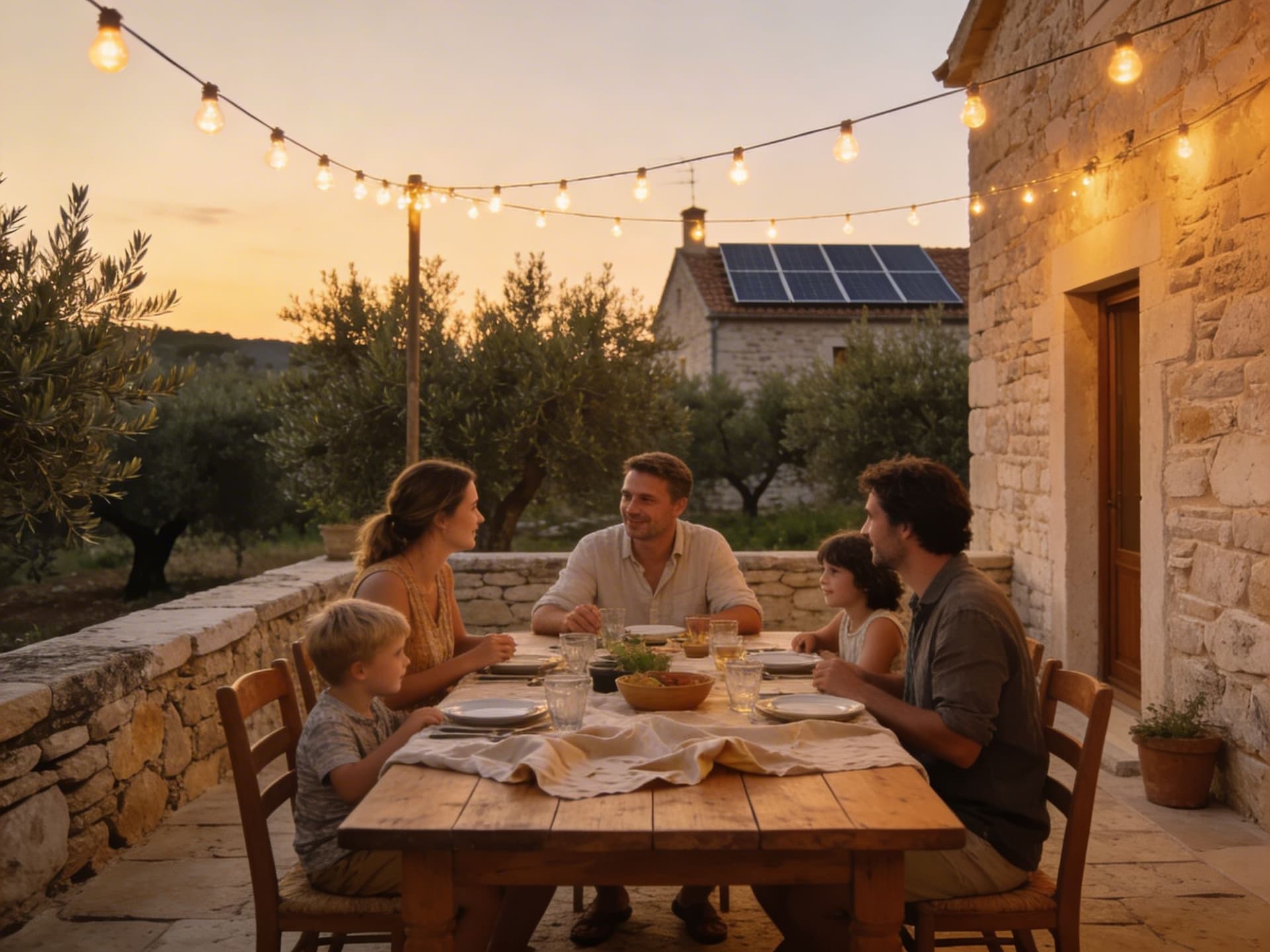
Dreaming of sunlit terraces is the first step; financing it sustainably is the second. Croatia’s market has matured quickly, with coastal averages reaching high levels, so smart buyers combine seasonal timing with green financing options and local expertise. The state statistics show rising average prices per square metre, which means your mortgage strategy and renovation plan should factor in energy upgrades that reduce running costs and attract green lending terms.
Property types and how they shape daily life
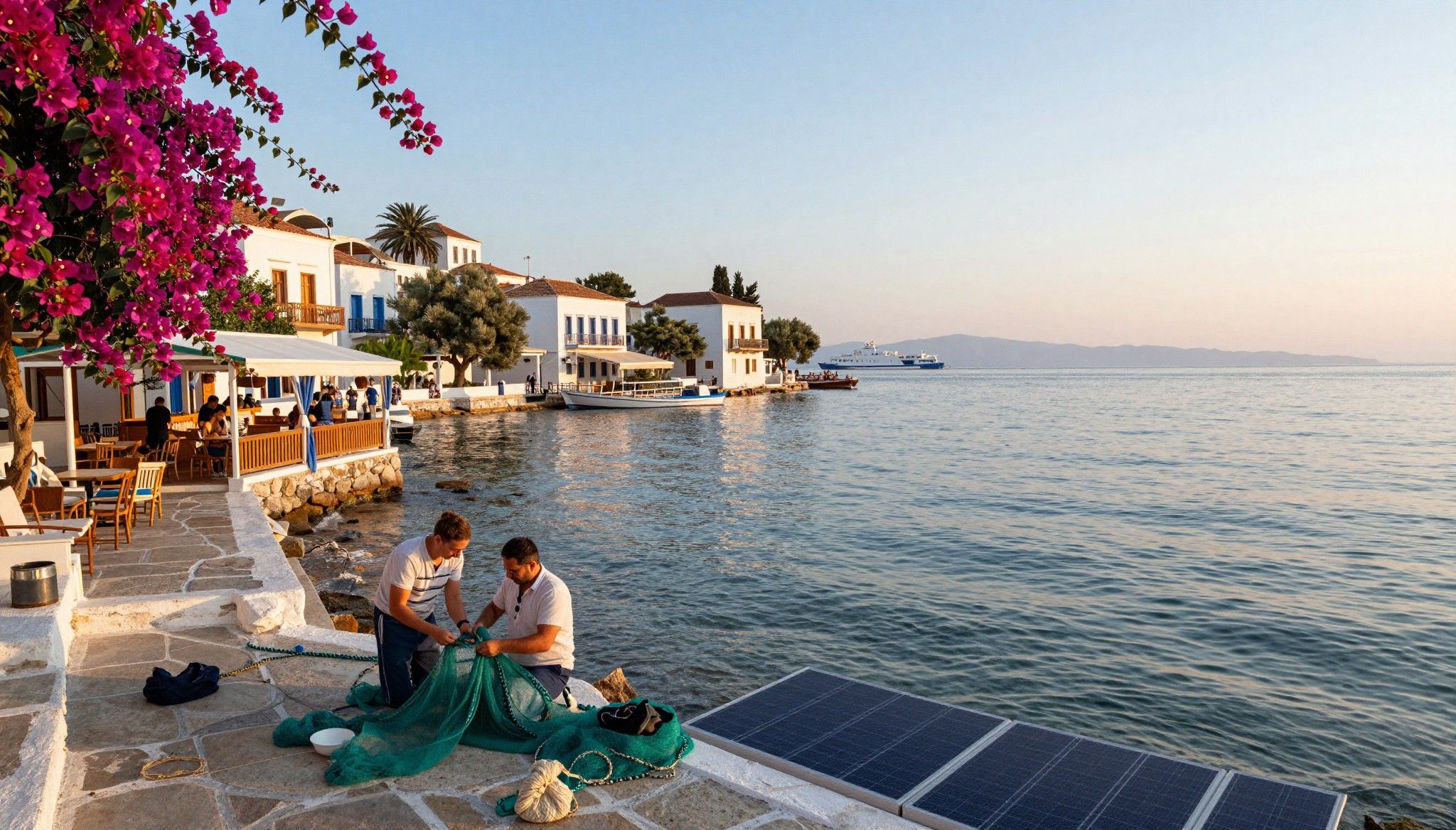
A stone dalmatian house offers thermal mass and natural ventilation — perfect for passive comfort and solar retrofits. Newer coastal apartments often need shading and insulation upgrades to cut summer cooling. Inland country houses give space for gardens, olive trees and solar arrays but may require investment in septic systems or grid connections. Choose the type that fits how you want to wake each day: sea air or orchard quiet, historic texture or efficient new build.
Work with local experts who understand both Croatian legal reciprocity rules and the seasons of the market. EU/EEA buyers enjoy direct purchase rights, while many non‑EU nationals need reciprocity confirmation or ministry approval — a nuance that can slow deals if not handled early. A trusted agent and lawyer will time offers, secure permits and find lenders that accept non‑resident applicants.
- Six seasonal finance steps to consider
- 1) Visit off‑season to view properties in real life; 2) Obtain a local valuation and energy audit before bidding; 3) Pre‑approve financing with a Croatian or international bank; 4) Include a green upgrade clause to capture lender incentives; 5) Stagger renovations for cashflow and tax timing; 6) Close when local agents report slower demand to negotiate price and terms.
Insider knowledge: the things expats wish they’d known
Expat buyers often arrive enchanted and underestimate seasonality, reciprocity checks and the value of modest green upgrades. Locals read differently: a home with a shaded courtyard and good insulation is a prize, and small investments — shutters, a heat pump, photovoltaic panels — transform monthly costs and resale appeal. In short: the lifestyle you crave is best secured by marrying tactile, local decisions with financing that rewards sustainability.
Cultural integration and daily life
Croatians value hospitality, modesty and long meals. Learn a few phrases, join a volunteer olive harvest or a local market morning, and you’ll be welcomed more quickly than with a perfect purchase offer alone. Practicalities — parking, waste collection schedules, and seasonal business closures — are lifestyle details that affect where you live and how useful a property will be year‑round.
Long‑term stewardship: making your home regenerative
- Consider: solar PV sized to household use; water catchment for summer irrigation; native plant landscaping to lower maintenance; high‑efficiency windows and shutters for thermal comfort; and stone or lime plaster repairs that respect traditional materials.
Conclusion — buy the life, fund it thoughtfully. Croatia gives you seasons of sweetness: quiet winters for reflection and negotiation, bright summers for neighbours and festivals. Use the off‑season to see the real place, align your financing with green upgrades, and work with local advisors who understand reciprocity, seasonal valuation and sustainability incentives. When you pair a clear lifestyle vision with a financing plan that rewards energy‑wise choices, you don’t just buy property — you inherit a slower, more rooted life.
Dutch property strategist who helped 200+ families find sustainable homes in southern Europe; expert in legal pathways and long-term stewardship.