Verdant Italy: Coast, Forests and Retrofit Opportunities
Verdant Italian coasts and forested interiors offer lifestyle-rich, affordable opportunities; match seasonal living with retrofit-ready homes and local stewardship.
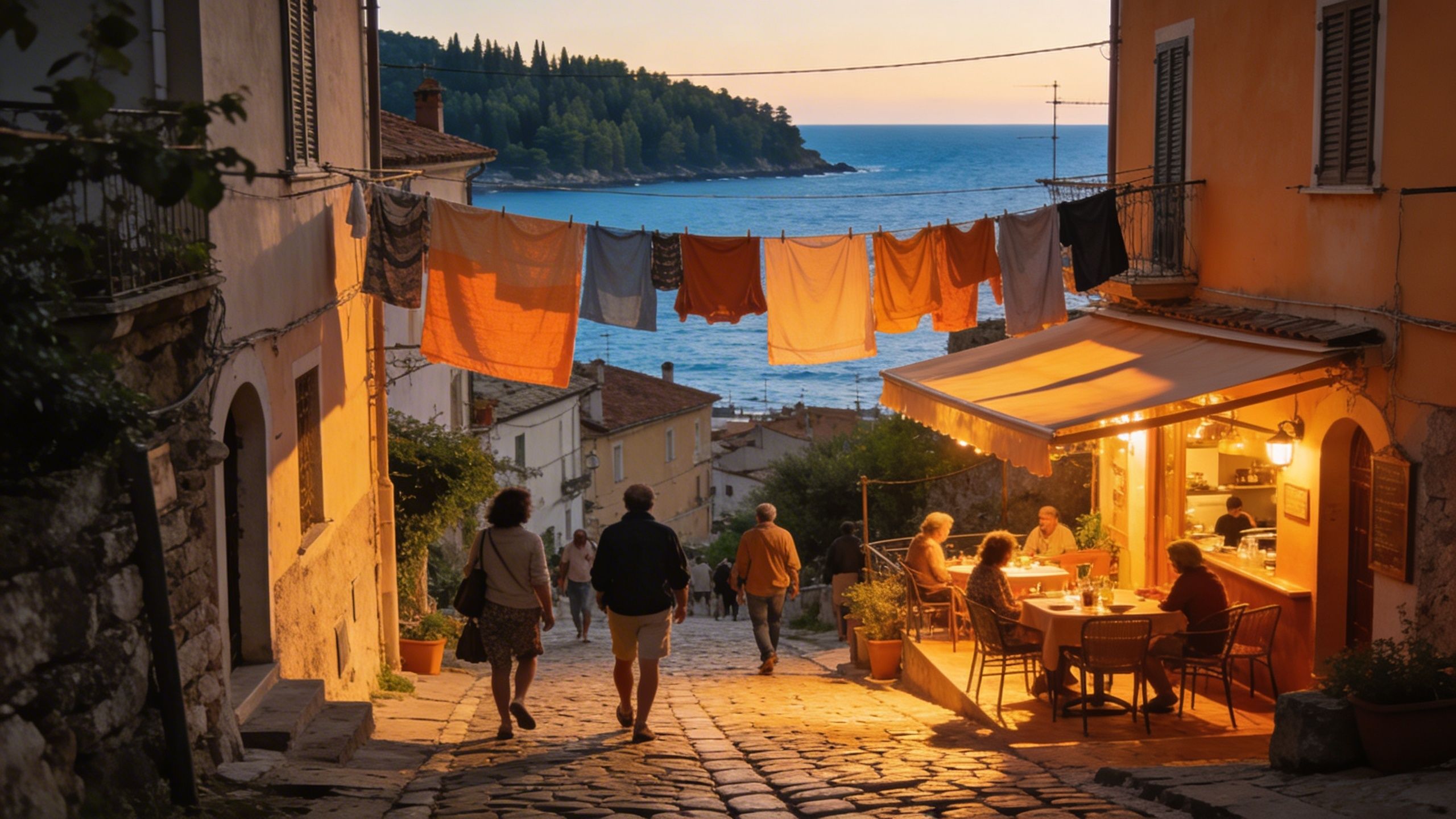
Imagine waking to the salt-sweet breath of the Ligurian Sea, then walking a stone lane shaded by olive trees toward a café where the owner remembers your name. Italy’s verdant coasts and forested hinterlands keep time differently — a year organized by harvests, festivals and tides — and for international buyers who care about green living, that rhythm matters as much as the price per square metre. Recent market analysis shows renewed international interest alongside tangible opportunities in lesser-known coastal and forested regions. https://www.kyero.com/en/advice/italy/buying-in-italy/Italy-real-estate-market-outlook-2025-a-comprehensive-guide-for-international-buyers-1
Living the Italy you’ll actually live
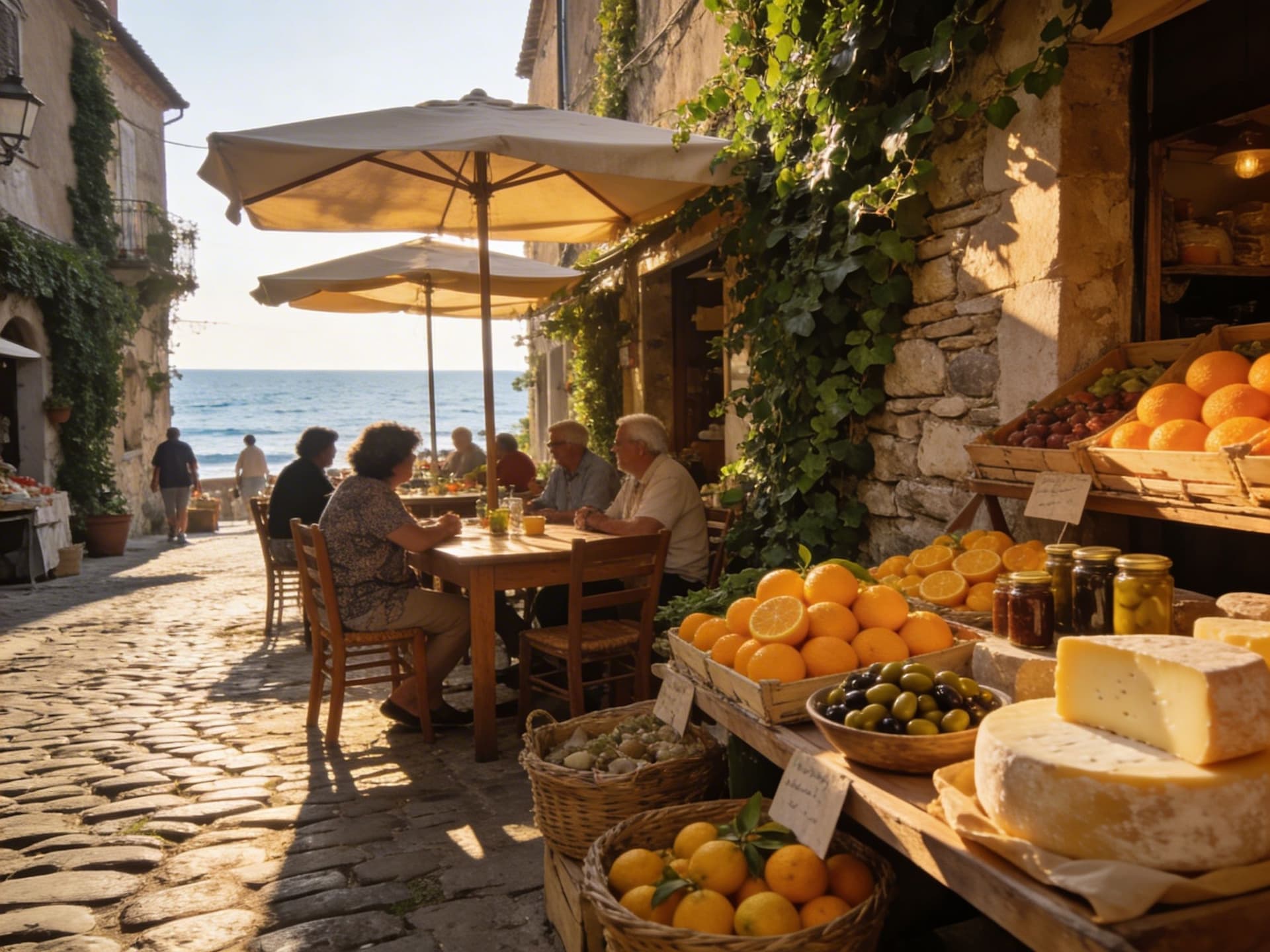
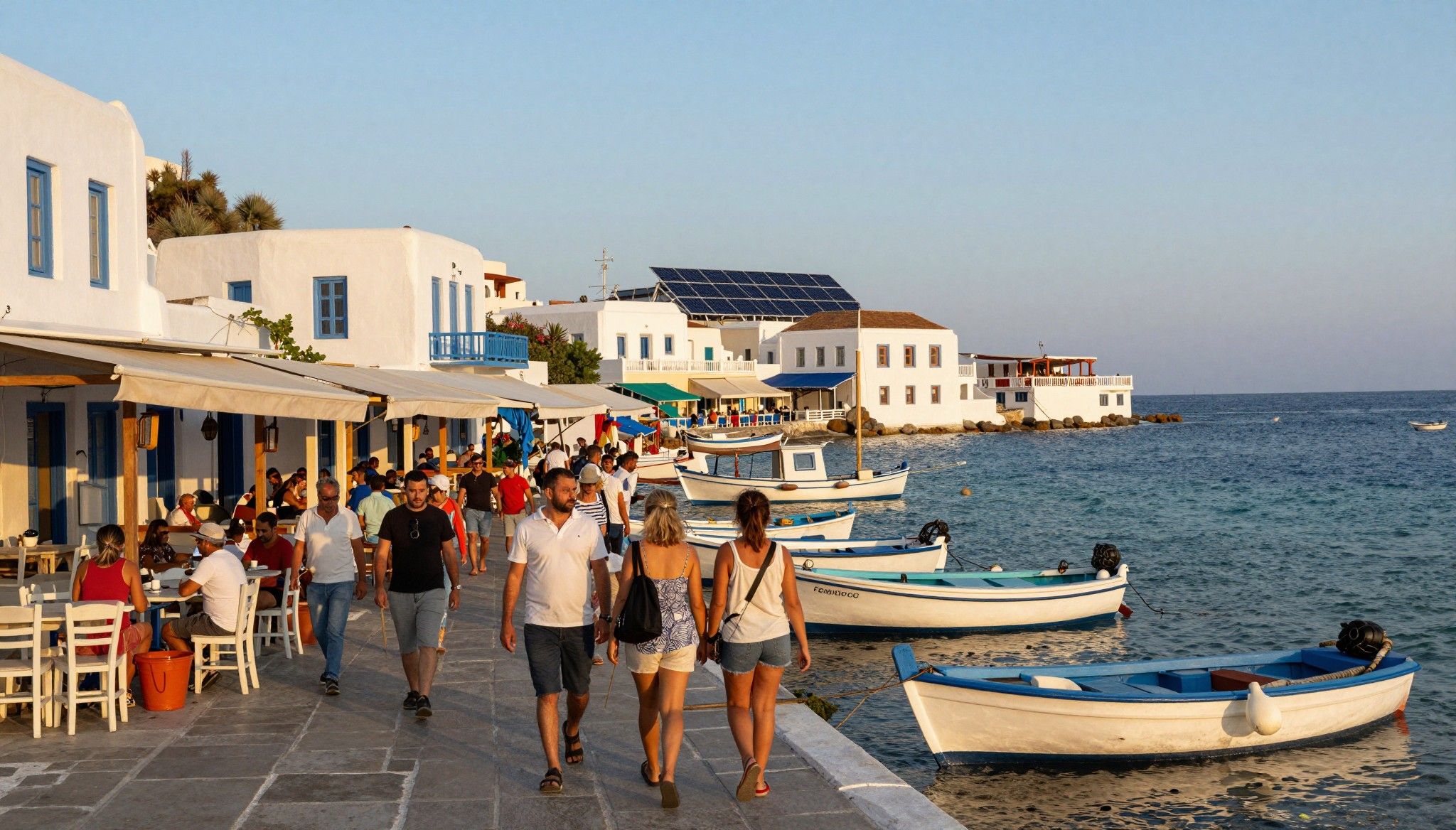
Italy is not one life but many: dawn coffee on cobbled piazzas in Liguria, afternoons harvesting chestnuts in Abruzzo, evenings of wine and cicchetti in Puglia. For buyers dreaming of a low‑impact, nature‑first home, the real appeal is how houses fold into landscape — terracotta rooftops softened by jasmine, restored stone farmhouses with thick walls and passive cooling, and small coastal towns where fishing boats still return at dusk.
Ligurian coastlines and hidden cove life
Along the Riviera, terraces drip with potted basil and lemon trees. Walkable villages such as Camogli or the lesser‑visited pockets around Levanto offer homes that wink at the sea without the Portofino price tag. For eco‑minded buyers, look for properties with rainwater collection, thick insulating stone, and rooftops already wired for modest solar — the region pairs mild winters with outstanding year‑round microclimates.
Forest edges: Abruzzo’s quiet green appeal
Move inland and the pace softens. Abruzzo and parts of Tuscany and Umbria trade tourist crowds for chestnut woods, shepherding communities and stone houses with slate roofs. These places reward buyers seeking rewilding, gardens that feed you, and the chance to restore rather than replace. Puglia’s recent popularity is a reminder that the map is changing — value and authenticity often sit where infrastructure is improving but not yet saturated.
- Lifestyle highlights to look for
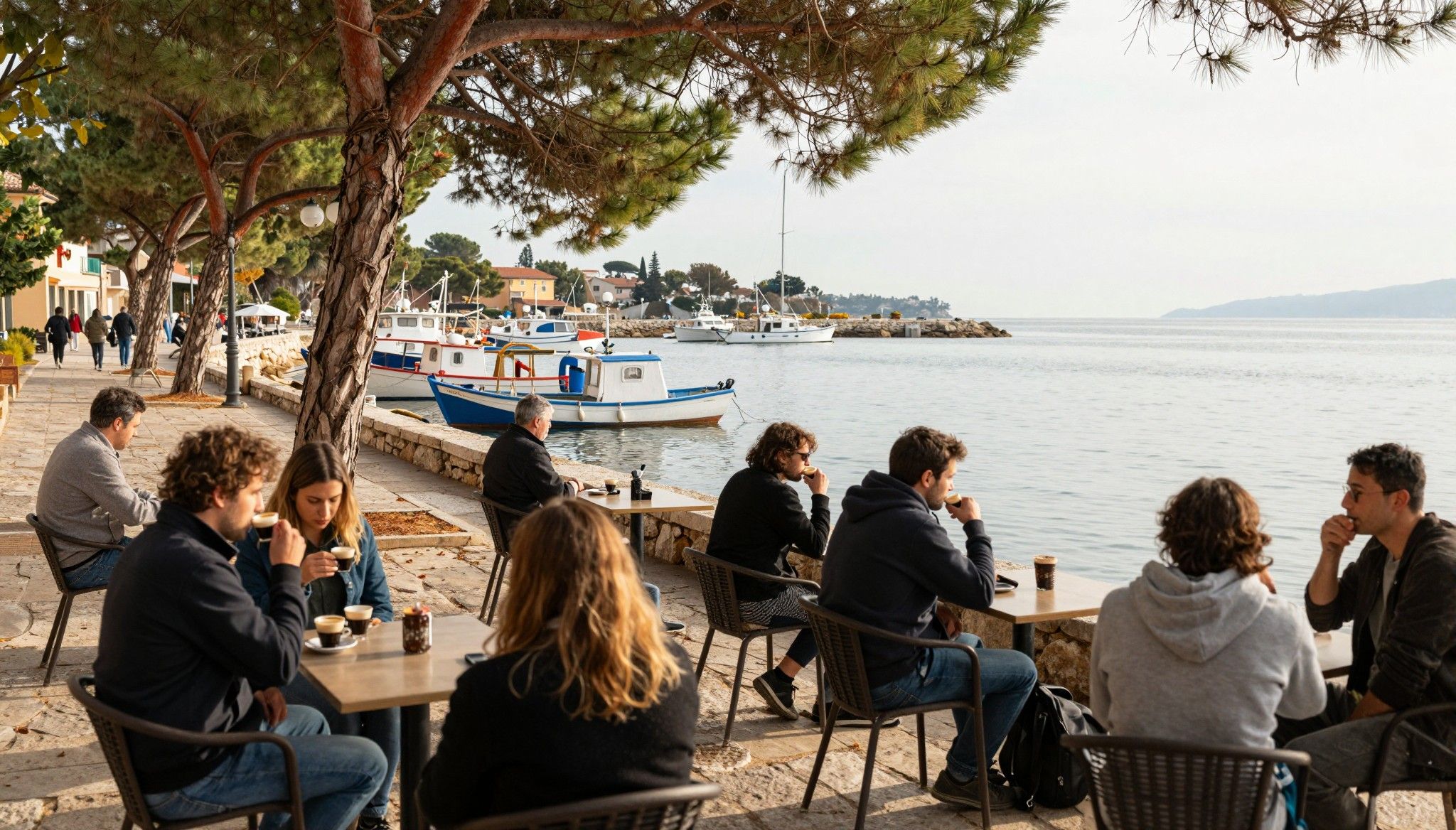
- Morning espresso at a seaside bar — look for cafés on Via Roma or main piazzas that open daily rather than seasonally
- Local markets — early Saturday markets in towns like Levanto, Lucca or Monopoli where producers arrive with vegetables, cheese and vernacular wisdom
- Neighborhood walks — neighborhoods such as Castelletto in Genoa or Oltrarno in Florence that pair everyday life with green pockets
Making the move: lifestyle choices that shape your purchase
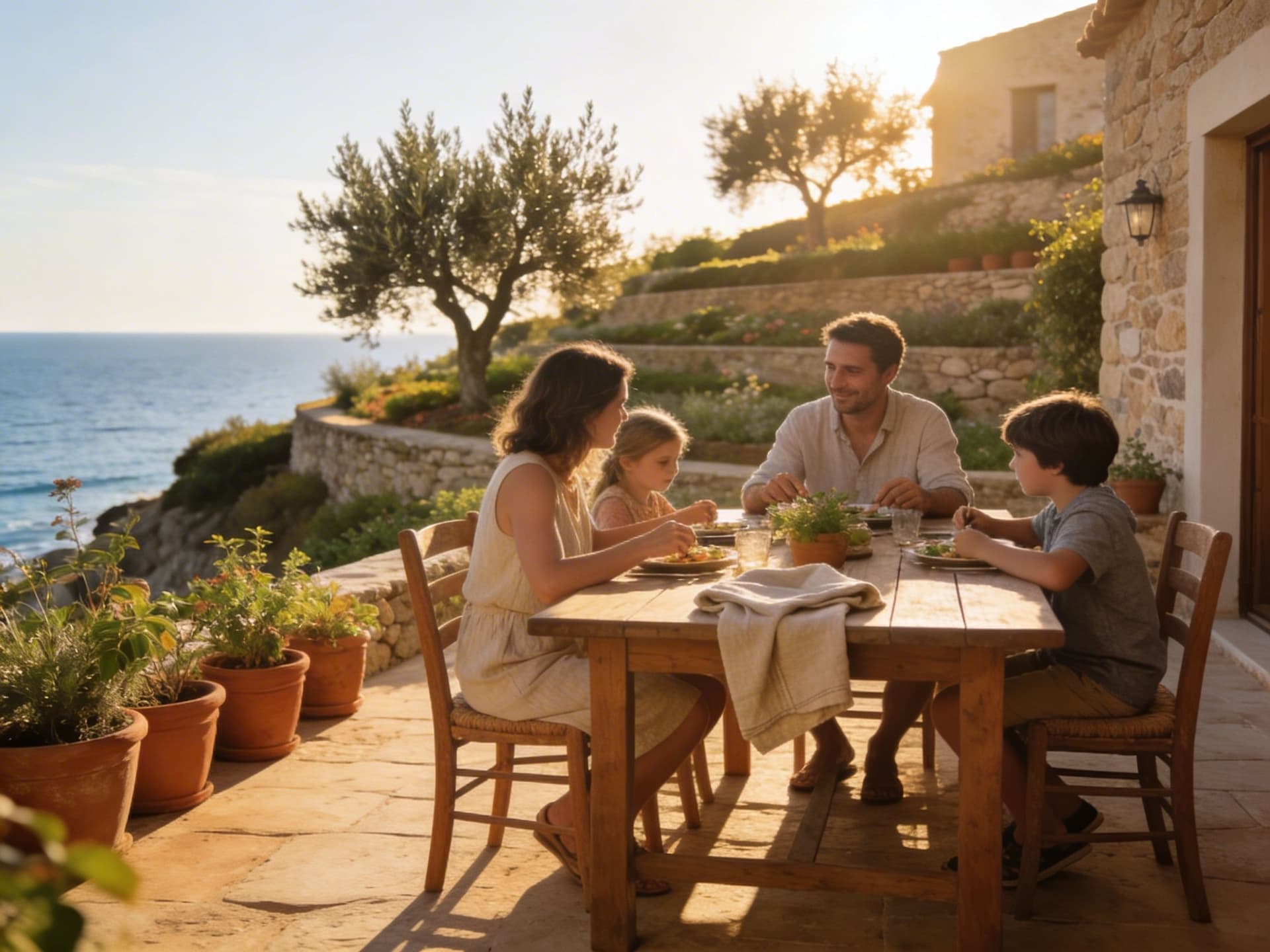
Turning an Italian daydream into a practical purchase means matching the lifestyle you want with the building that supports it. Market data shows steady buyer interest and regional price divergence — Milan and Florence remain premium while southern and inland provinces can offer exceptional value for buyers prioritising land, privacy and greener systems. Use that gap to buy a property that already supports low‑impact living.
Property styles that suit a green life
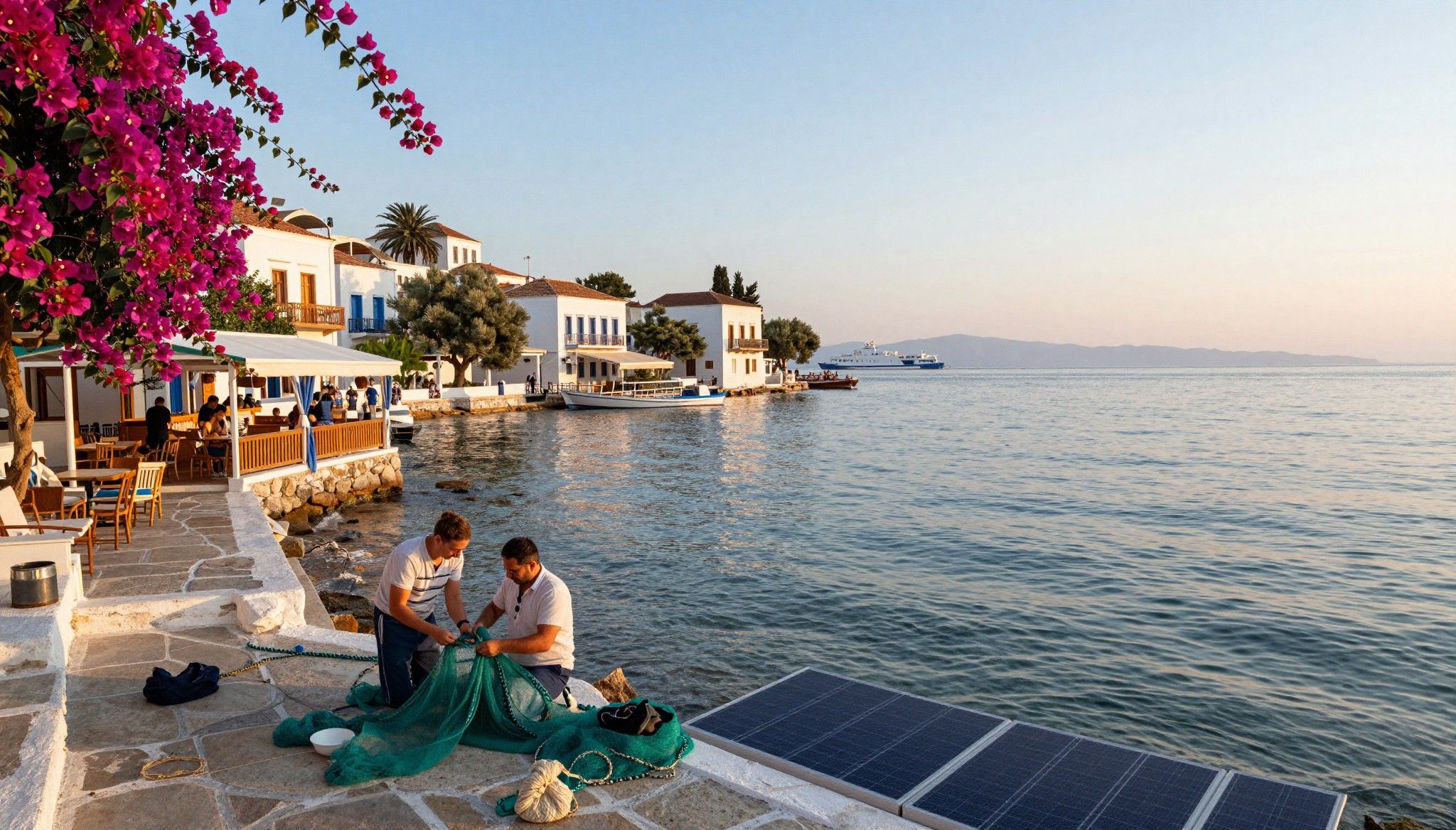
Stone casali, terraced coastal homes, and small palazzos all carry potential for sustainable upgrades. Thick masonry walls provide passive thermal mass; south‑facing terraces are ideal for photovoltaic panels and outdoor living; and rainwater barrels and terraced kitchen gardens are often straightforward additions. National momentum on solar and renewables makes rooftop retrofit both practical and resale‑smart.
Working with local agents who think like stewards
Choose agents who know microclimates, heritage rules and green retrofit pathways. Good local brokers will point out properties with permitted extensions, existing plumbing upgrades, and conservation‑friendly insulation rather than merely promising sea views. They become your translator — of permits, of neighbourhood rhythms, and of how a house will actually feel across seasons.
- Steps to marry lifestyle and purchase
- Decide the life you want: daily routines, climate preferences, and whether you need year‑round services (healthcare, schools).
- Shortlist micro‑regions (e.g., Ligurian Riviera, southern Puglia, inland Abruzzo) based on climate, community size and renovation rules.
- Work with an agent who can show recent energy upgrades and access to renewable incentives; ask for local examples of successful retrofits.
Insider knowledge: the soft rules that change everything
Expats often learn — sometimes the hard way — that a home’s charm can hide seasonal challenges: a shutter‑less façade that bakes in summer, or a steep, olive‑lined lane that’s beautiful but impractical for shopping. The best purchases are those where local rhythms align with yours: seasonal markets, nearby neighbours who welcome newcomers, and municipal plans that support renewable installations.
Cultural integration and everyday life
Learning a few phrases, attending the festa del paese, and buying from the same vendor each week unlocks community access more than any purchase contract. Language opens doors, but participation — bringing food to a communal table, joining local conservation initiatives — cements belonging and supports long‑term stewardship of landscape and home.
How life changes five years after you move
Your project will shift from acquisition to caretaking: garden restoration, gradual retrofit, and relationship building with neighbours. That slow work is the reward: a productive garden, a home that breathes with seasons, and an address that feels like belonging rather than ownership alone.
- Expat tips locals don’t tell you
- Visit in multiple seasons — spring and late autumn reveal a property’s real energy needs and access challenges.
- Ask for documented local retrofit examples — Italy is adding renewable capacity quickly, and municipalities often have incentives or simplified pathways.
- Respect heritage rules — restoration can be beautiful but needs permission; an authentic renovation is usually slower and more rewarding than a quick cosmetic flip.
Final note
Italy’s verdant coasts and forested interiors invite a life that moves with seasons. For international buyers, the magic is in choosing places that already support eco‑habits: a south‑facing terrace for winter sun, a village with year‑round shops, or a stone house ready for solar. Start with lifestyle first, then let market data and a local steward guide the rest — you’ll end up with a home that feels generational, not just transactional.
Dutch property strategist who helped 200+ families find sustainable homes in southern Europe; expert in legal pathways and long-term stewardship.