Croatia: Due Diligence That Protects the Lifestyle
Live like a local in Croatia — but do the checks others skip. Practical due diligence (valuation, zoning, tax vs VAT, permits) saves months and preserves coastal, historic and green lifestyle value.
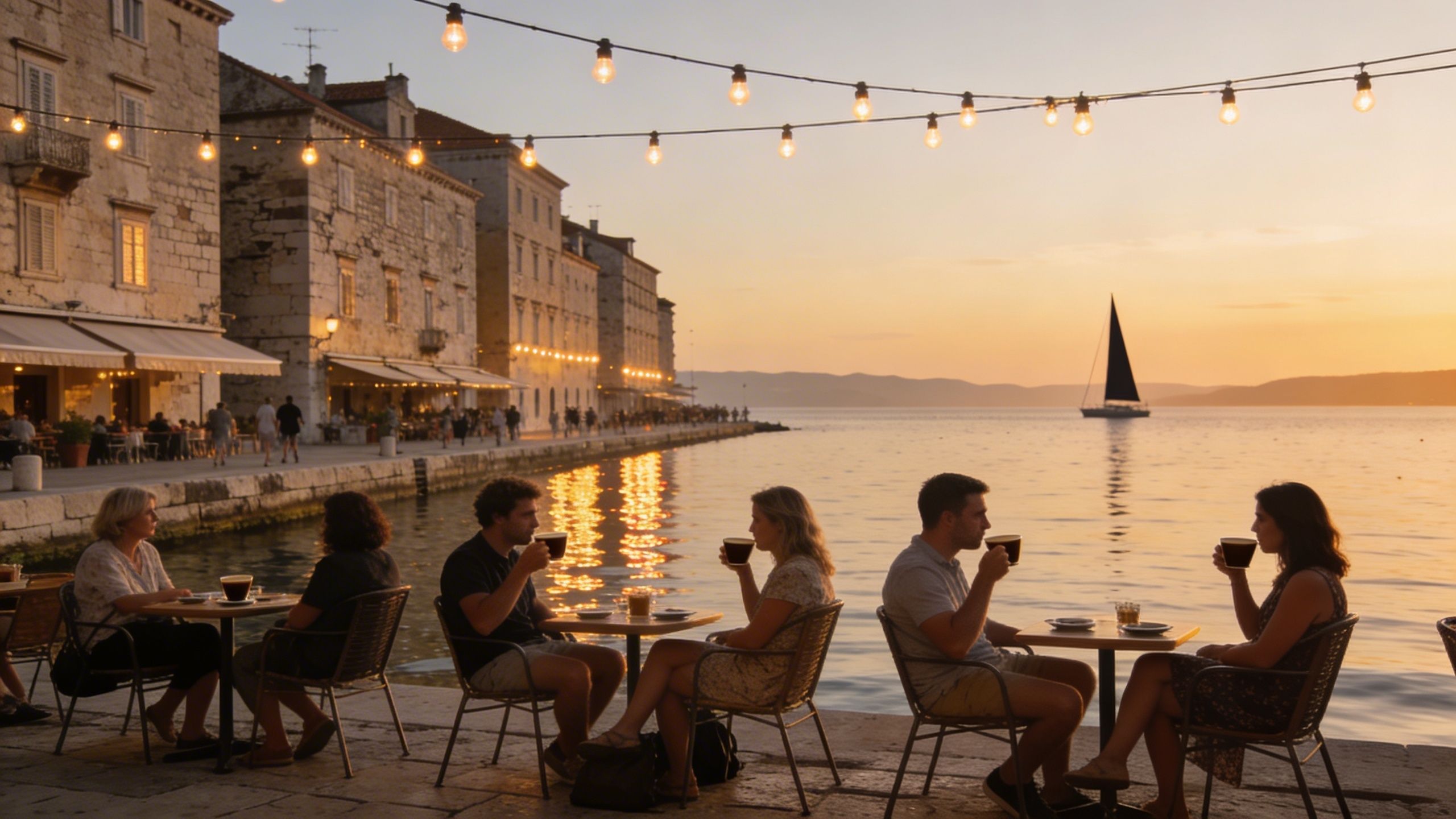
Imagine waking to the smell of fresh bread on Zagreb’s Dolac market, spending afternoons wandering Split’s riva at golden hour, and coming home to a stone farmhouse in Istria where lavender spills over a low wall. Croatia feels like a lived-in postcard: Adriatic light, weathered stone, small harbors and big pine shadows. For international buyers drawn to sustainable living, the country’s mix of historic fabric and emerging green renovation opportunities is intoxicating — but the paperwork, permits and tax rules have teeth. This guide pairs the sensory pleasures of life here with the exact due diligence steps you’ll wish you’d known before you put down a deposit.
Living the Croatia lifestyle: place, pace, and seasons
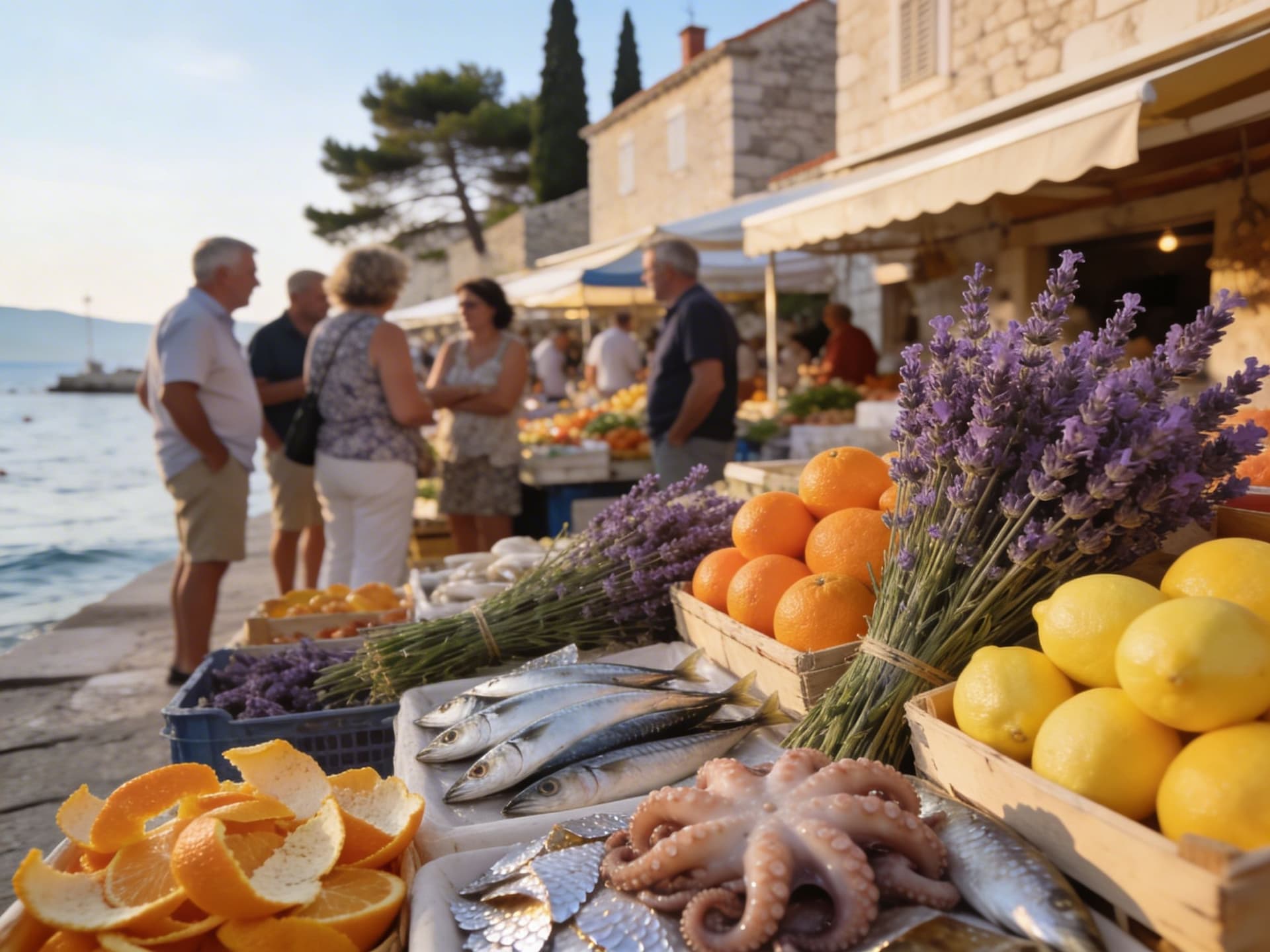
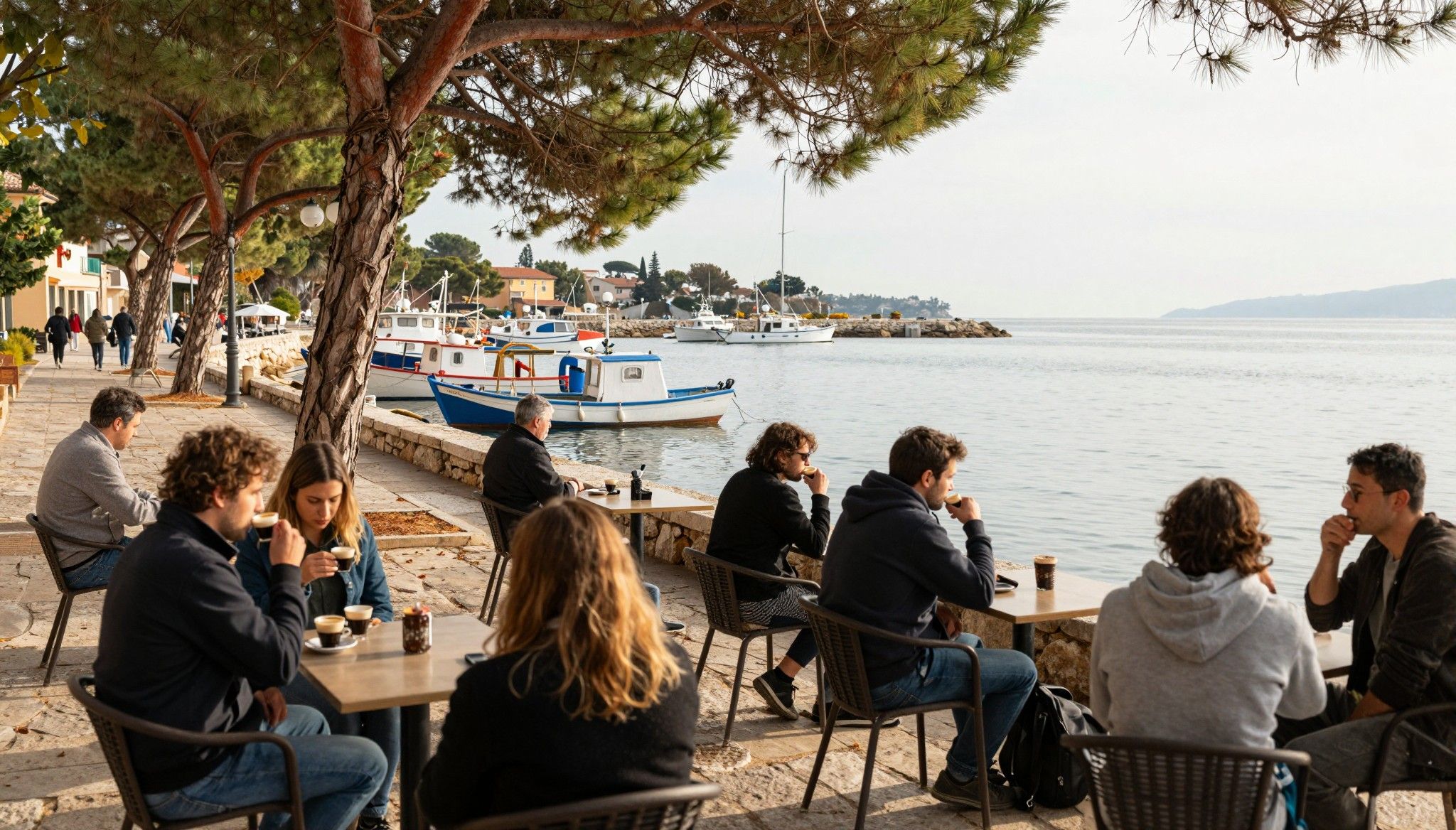
Daily life in Croatia is a rhythm: morning coffee (kava) cups that stretch into conversation, markets emptied by noon, islands that close to tourists in winter and bloom with festivals in summer. Whether you want a town apartment in Rijeka with espresso bars and galleries, a seaside apartment in Split near Peristil, or a stone house in Motovun’s oak-scented hills, each place delivers a different tempo of life — and different practical checks when buying.
Zagreb & inland towns: everyday life and convenience
Zagreb’s neighborhoods — Gornji Grad’s streets of lime trees, Maksimir’s parks, or the buzzy cafés of Tkalčićeva — offer predictable services, international clinics, and year-round communities. For buyers who want integration and easy admin, inland towns reduce the seasonal volatility of coastal rentals but require attention to local zoning and utility connections during due diligence.
Coast & islands: what front-line living feels like
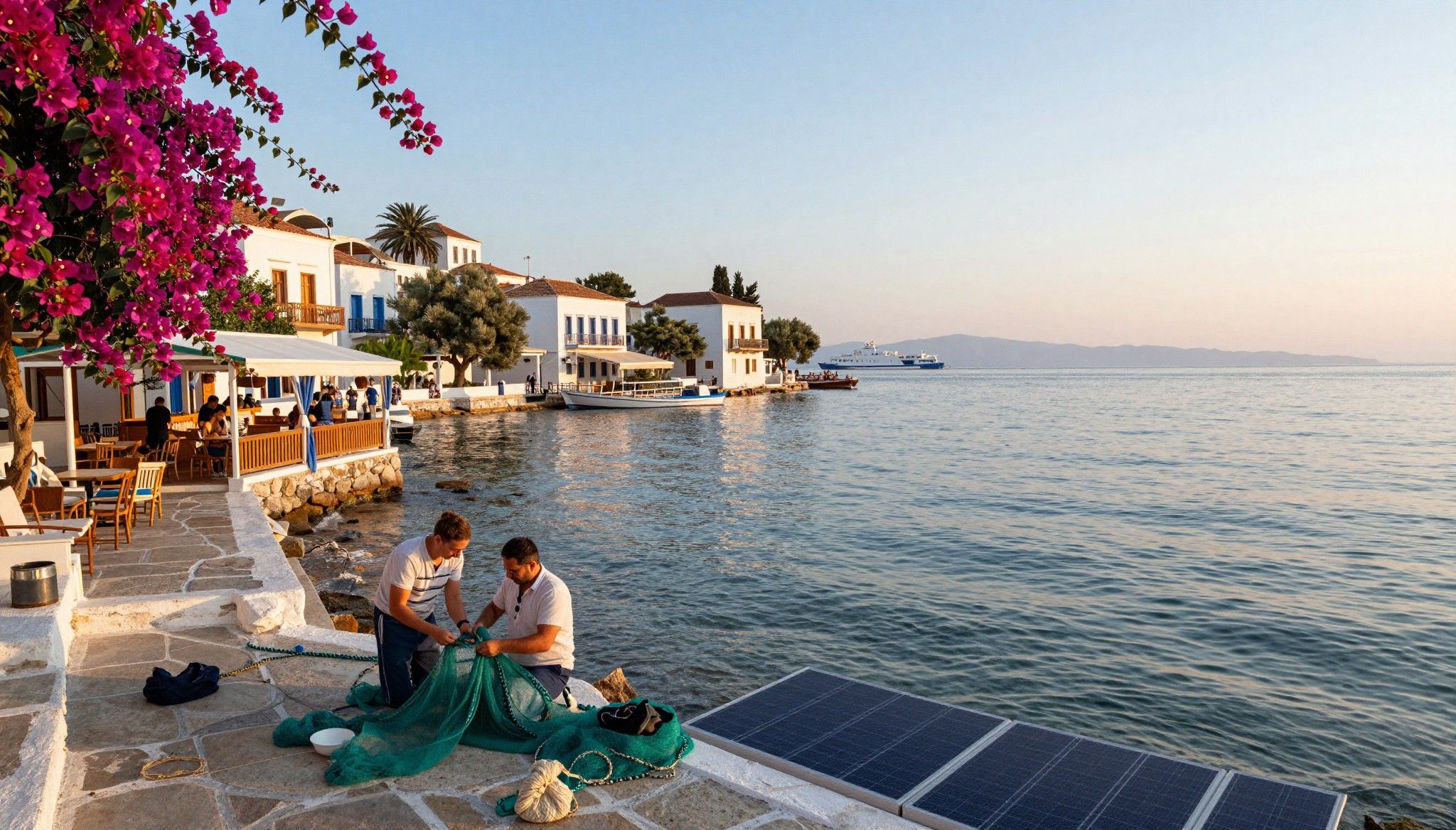
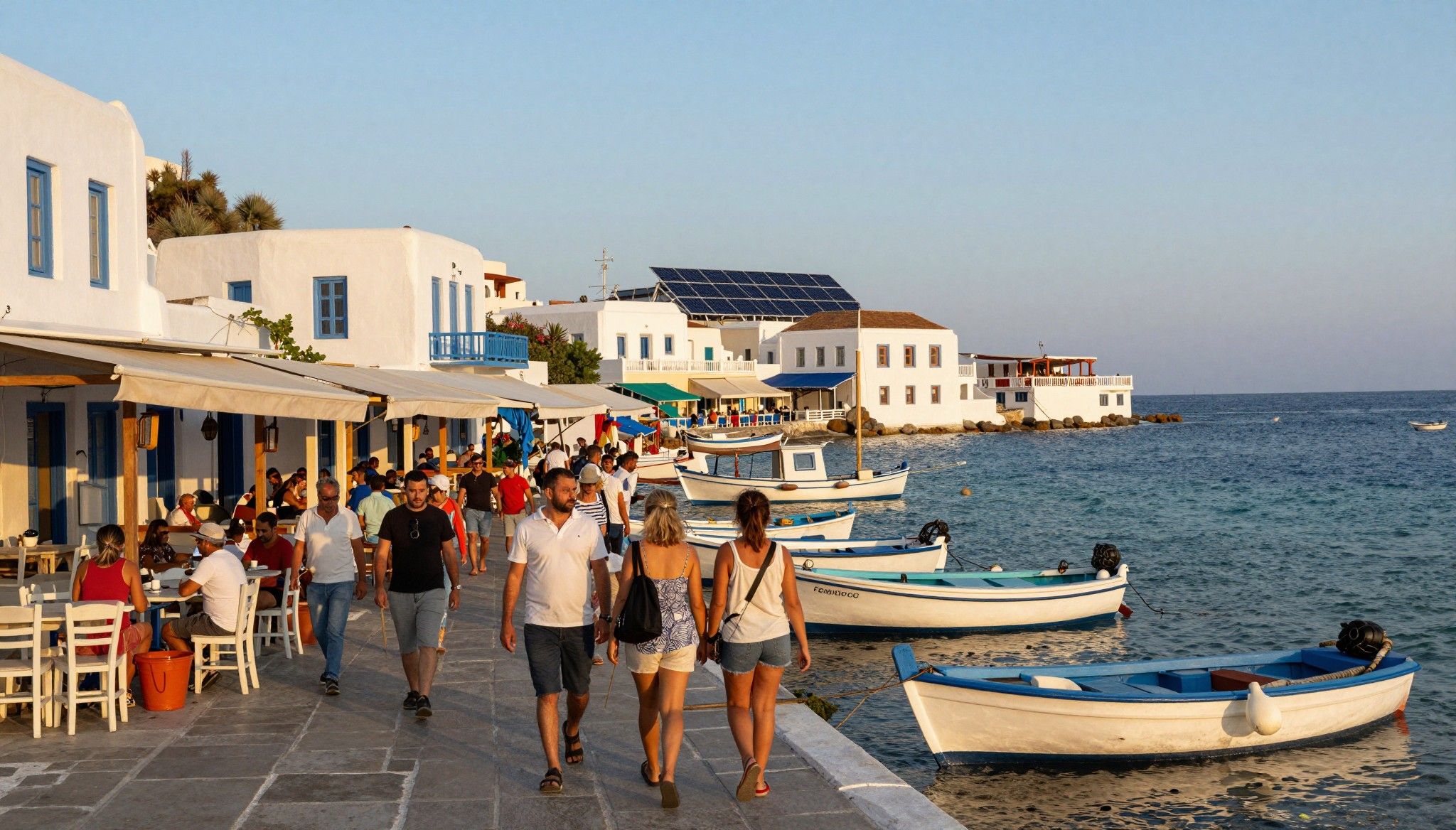
Split’s waterfront bustle, Hvar’s glam days and Korčula’s quiet lanes show Croatia’s coastal range. On islands and front-line seafront, expect crystalline light, salty air that ages metal and timber faster, and strict coastal building rules. Lifestyle wins here — sea-swim every morning, fish markets at dusk — come with permit checks and protected-zone questions you must resolve before buying or renovating.
- Lifestyle highlights worth mapping before you buy: • Dolac Market (Zagreb): daily produce and neighborhood pulse • Riva (Split): evening promenades and café culture • Stari Grad plain (Hvar) and Istrian hill towns: olive groves and vineyard repairs • Trsteno Arboretum (near Dubrovnik): Mediterranean gardens and coastal walks
Making the move: practical considerations that match the dream
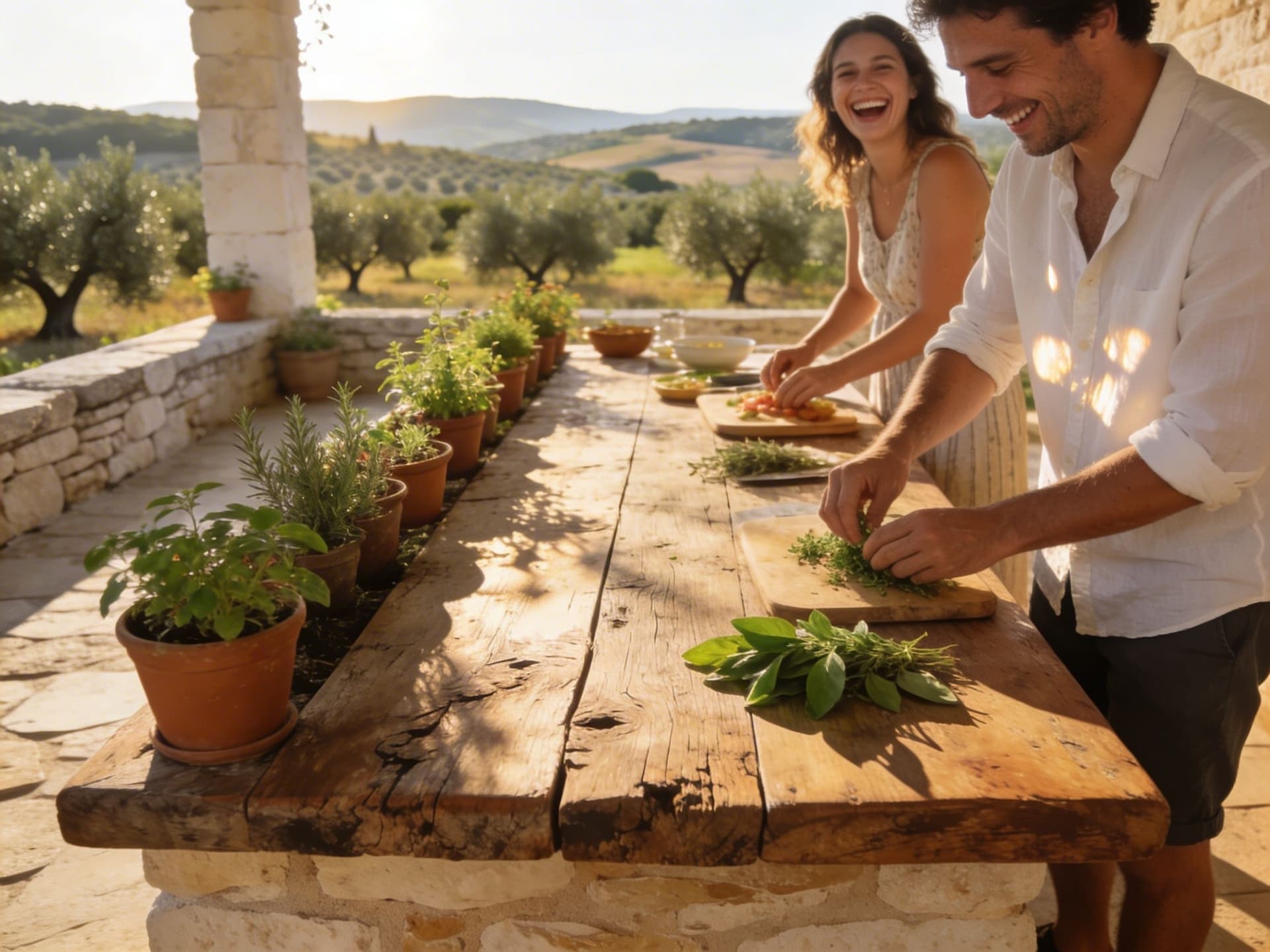
The dream of terraces, slow food and warm neighbors must meet paperwork. Croatia offers clear rules — transfer tax, VAT on new builds, notary formalities — but the details change with property type, whether you’re EU or non‑EU, and the site’s designation (coastal protective zones, cultural heritage listings). Do your house‑hunting with these checks in hand so lifestyle choices don’t become regulatory headaches.
Taxes & fees that bite if you’re unprepared
A few headline rules: resale purchases normally carry a 3% real estate transfer tax; new-builds sold by developers are usually subject to 25% VAT instead. Notary registration, lawyer fees and land registry costs add more. Recent market reports show rising prices in many coastal areas, so realistic valuation and independent appraisal should be part of your due diligence toolbox. ([ceelm.com](https://www.ceelm.com/real-estate-2025/real-estate-croatia-2025?utm_source=openai))
Permits, protected coasts and heritage listings
Many desirable properties sit inside zones with extra controls: coastal protection, archaeological overlays and conservation areas. That beautiful stone house with sea views may be listed or fall inside a buffer where extensions need environmental impact statements and coastal permits. Work with architects and local planners early — a conditional reservation without a permit feasibility check can cost months and money. ([propertiso.com](https://propertiso.com/market/buying-property-in-croatia-2026-guide?utm_source=openai))
- Due diligence steps to protect lifestyle value: 1. Commission an independent valuation and soils/site survey before final contract. 2. Confirm zoning, heritage status and any coastal protection restrictions with the local planning office. 3. Ask for utility connection records (septic, water, grid capacity) and, for islands, ferry/transport access plans. 4. Ensure the seller’s tax records and building permits are clean — notary will register transfer after checks. 5. Budget for energy upgrades (insulation, solar) and get quotes — these often deliver the biggest lifestyle returns.
Insider knowledge: expat lessons and local truths
Real buyers tell the same story: the house will charm you, but the neighbours, seasonality and local bureaucracy shape the long-term joy. Expats who thrived treated buying as a community integration project — learning a few phrases, joining markets and contributing to small‑scale stewardship (olive groves, community sea‑access paths). These social investments pay dividends in everyday life and in smoother local approvals for modest works.
Language, relationships and local customs
Croatians value directness, hospitality and respect for local rhythms. Learn key phrases, visit the local konoba (tavern) and meet the mason or beekeeper who keeps the neighborhood alive. Practically, building trust makes it easier to get informal permission for small repairs and to find trusted tradespeople for sustainable renovations — reclaimed stone, lime plaster, and passive cooling ideas work beautifully here.
Long-term lifestyle considerations and resale reality
Expect regional divergence: Zagreb and certain inland counties show steadier transaction volumes, while some coastal hotspots have cooled after rapid price rises. If you plan to rent when you’re away, check local short‑term rental regulations and seasonality — yields can be strong but unpredictable. For a sustainability-focused buyer, properties with energy upgrades, rainwater capture and mature gardens often outperform in resale and lifestyle enjoyment. ([colliers.com](https://www.colliers.com/en-hr/research/croatia-2024-market-overview-and-2025-outlook?utm_source=openai))
- Practical tips from buyers who stayed happy: • Insist on a notary who speaks your language or provide certified translation. • Use a local lawyer to check land registry title and encumbrances, even for EU citizens. • Prioritise water and insulation upgrades — they matter year-round. • Meet the condominium association early for shared‑cost forecasts (new rules have strengthened co‑owner responsibilities).
- Step-by-step to a confident purchase in Croatia: 1. Reserve with a conditional pre-contract (clear exit if title/problems found). 2. Commission independent valuation and technical inspection. 3. Engage a Croatian lawyer and check land registry and any encumbrances. 4. Confirm fiscal treatment (transfer tax vs VAT) for the specific sale. 5. Close before a notary and register ownership in the land registry.
Conclusion — how to turn longing into a sustainable life here
Croatia rewards those who come with curiosity and patience. Start with the sensory — sample coffee on the riva, walk the lanes at dusk, visit markets — then let diligence follow: valuation, zoning checks, local permits and energy planning. Work with agencies and local experts who respect the landscape and know where low‑impact renovations will amplify both your wellbeing and the property’s value. When you marry the lifestyle to the paperwork, you don’t just buy a house — you join a place that feels like home.
British expat who traded Manchester for Mallorca in 2017. Specializes in guiding UK buyers to luxury Spanish estates with clear navigation of visas and tax.