Greece: Season, Craft and Where Value Hides
Greece offers a sensuous, seasonal life—stone houses, island rhythms and craft culture—while 2024 foreign inflows reshaped markets; marry lifestyle goals with local expertise.
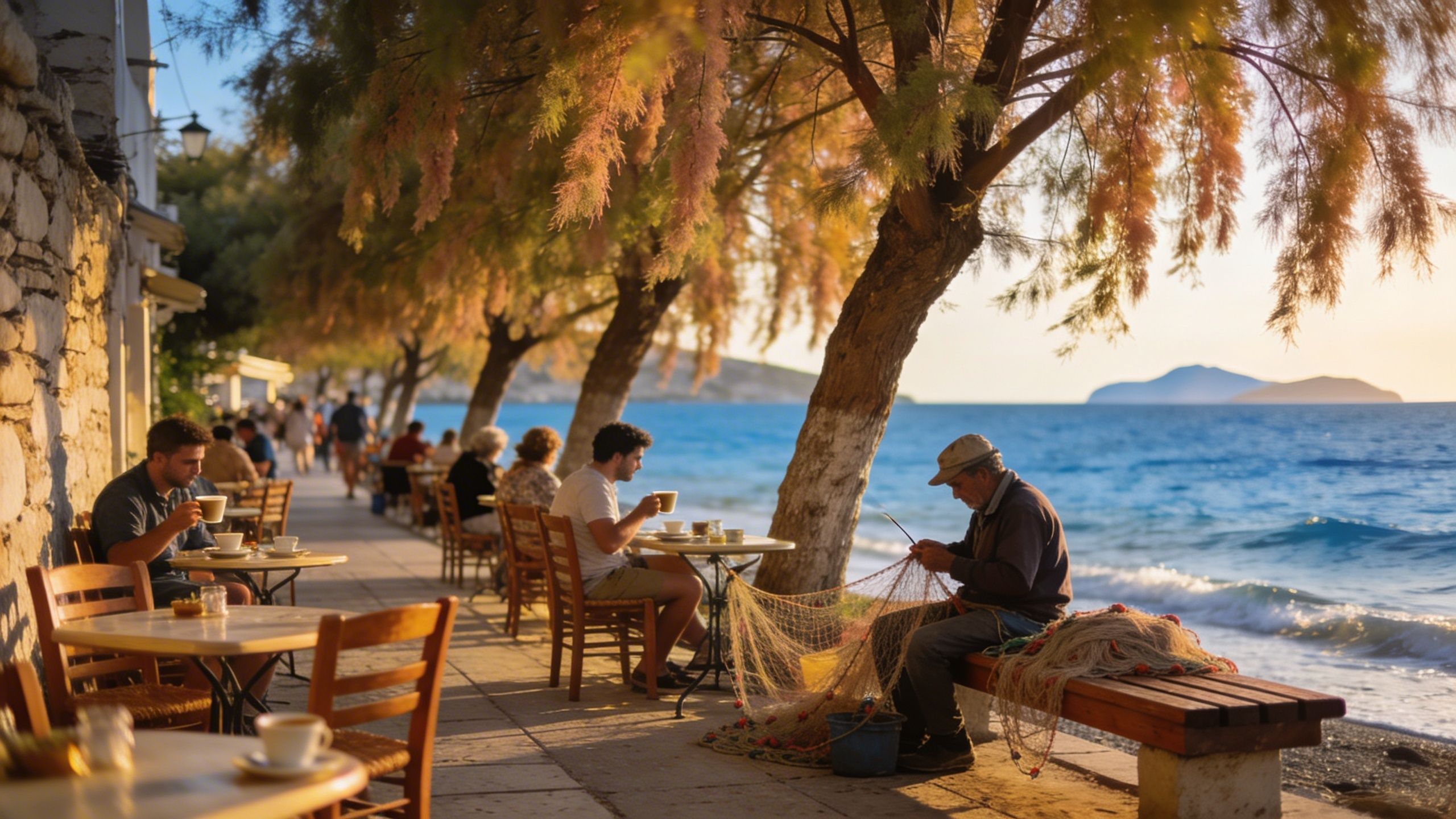
Imagine waking to the slow clack of a café cezve on a narrow Athens side street, then trading that city rhythm for a late-afternoon swim beneath tamarisk trees on an Ionian cove. In Greece the day is a movable thing—long lunches that stretch into siesta-time reading on a shaded terrace, markets that smell of citrus and thyme, and villages where every stone has a story. For international buyers who love light, craft and seasons, Greece promises both a sensuous everyday and a set of practical trade-offs you should know before you sign.
Living the Greek life: rhythm, craft and green texture
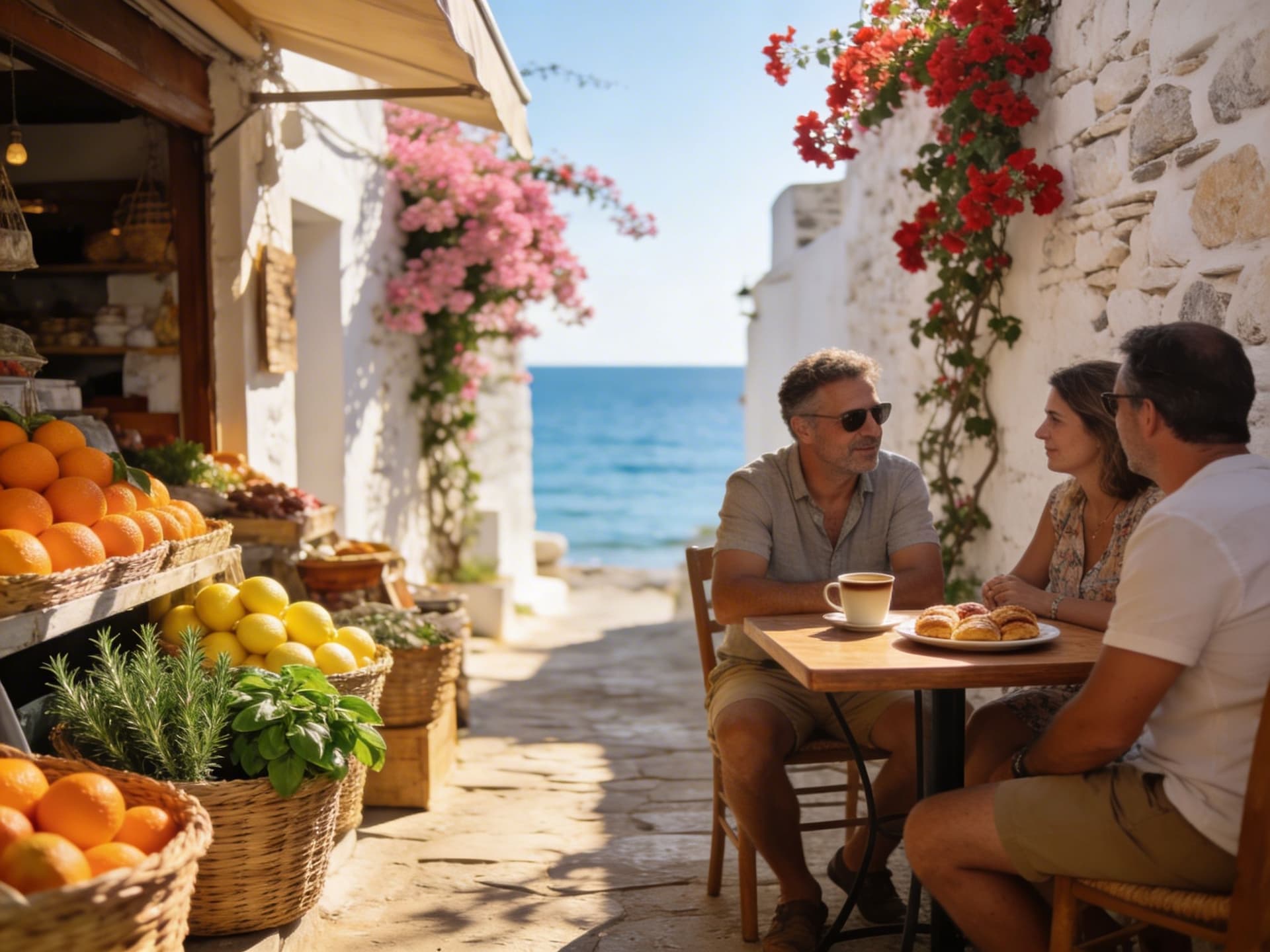
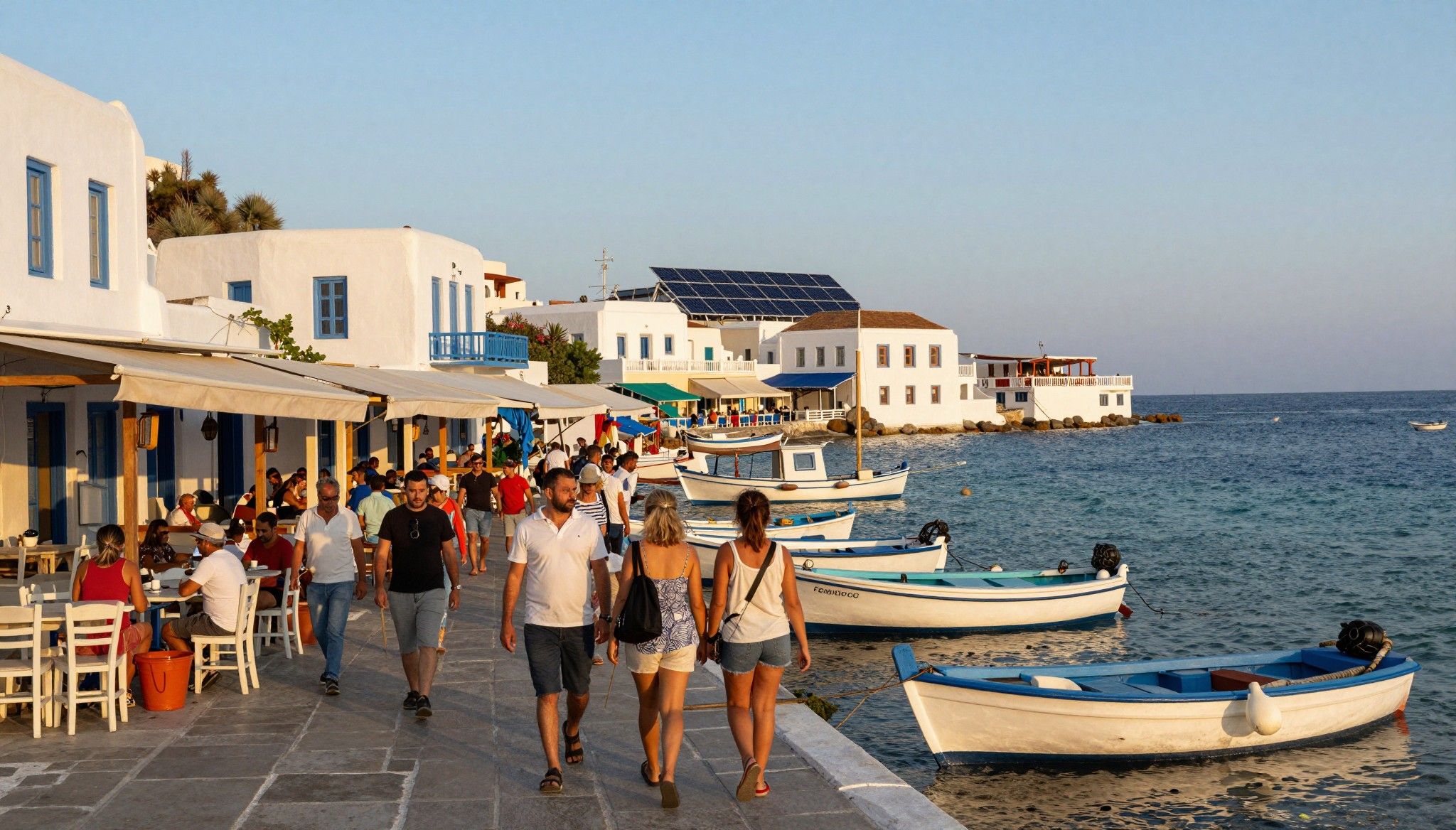
Greece is less a single lifestyle than a constellation of small lives: the urban mornings of Athens, the slow afternoons of Cycladic islands, the chestnut-scented winters of Zagori. Daily life centers on outdoor rooms—balconies, squares, kafeneia—where neighbors trade news and olive oil tips. The country’s craft traditions—stone masonry in Mani, timberwork in Epirus, ceramic studios in Chania—mean many homes feel hand‑made, and sustainably adapted to local climate rather than imported wholesale.
Athenian neighborhoods and seaside rhythms
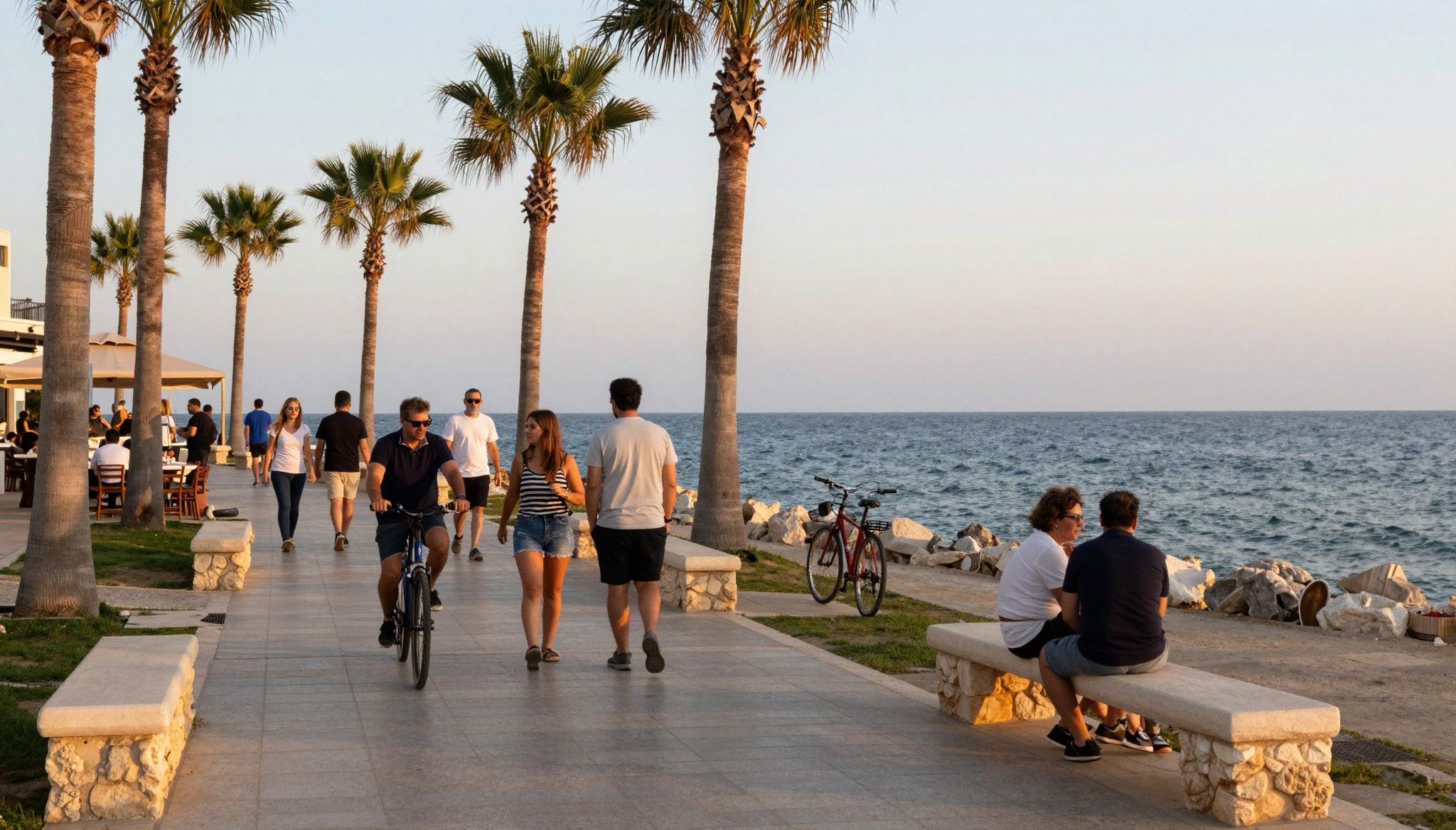
In Athens the Riviera and older neighborhoods coexist: a sunset ferry behind Glyfada, hip cafés in Koukaki and quieter, village-like streets in Pangrati. Major developments such as Ellinikon are reshaping the southern coast with parks and mixed-use neighborhoods, which is pushing luxury stock and infrastructure investment—useful if you want modern comforts a short drive from beaches. Yet pockets of the city retain a handcrafted feel: look for stone townhouses near Petralona and rooftop gardens in Exarcheia when you want that local texture.
Island and mainland contrasts: what seasonality really means
Islands like Mykonos and Santorini live for a high-octane summer, while places such as Naxos or Lefkada keep a quieter, year‑round community and farm-to-table traditions. Mainland regions—Crete, Peloponnese, Epirus—offer agricultural cycles that shape local life: olive harvests, sheep-shearing festivals and spring wildflower seasons that flood markets with produce. For lifestyle buyers seeking a regenerative home, consider regions where the off-season still supports local services rather than drying up entirely.
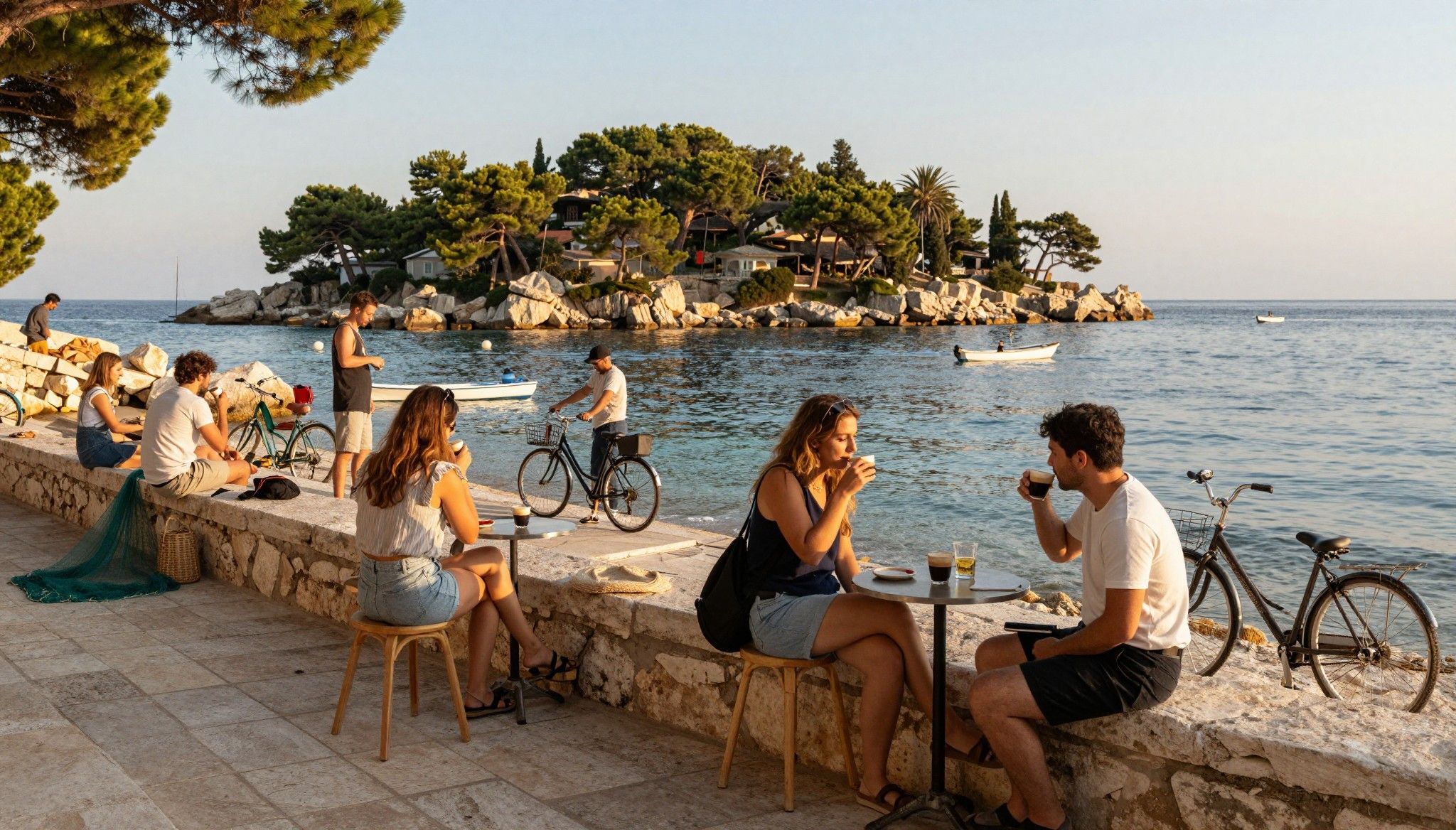
- Sunrise espresso at Kook Cafe (Koukaki, Athens) — daily ritual and people-watching
- Saturday fish market at Varvakios Agora — food culture and seasonal foraging
- Olive picking with a local family in Peloponnese — hands-on seasonal living
- Stone-restoration workshops in Mani — traditional craft that improves value
Making the move: how lifestyle shapes property choices
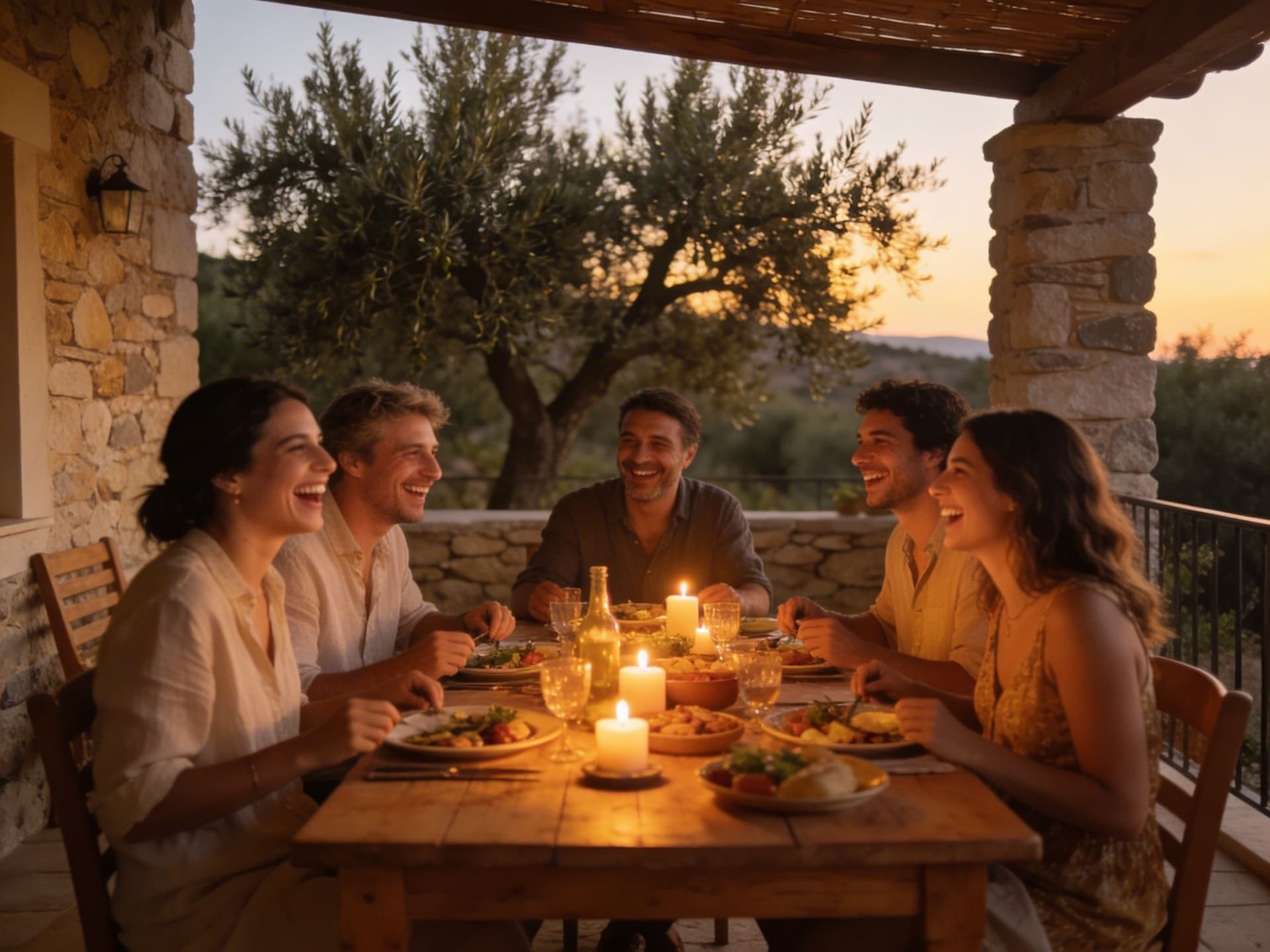
That sunlit terrace is wonderful until you find your roof needs insulation for a cool Meltemi summer or your coastal well runs low in late August. Market pressure is real: foreign inflows into Greek real estate reached record levels in 2024, which lifted prices in sought-after coastal and urban pockets and changed what type of property you can realistically expect to buy. Use that data not as a deterrent but as a map: where buyers pay premiums, look for nearby villages or inland hamlets that offer similar lifestyle at friendlier prices.
Property styles and how they fit daily life
Traditional stone houses give cool interiors in summer and thick, insulating walls in winter, but they often need modern systems—solar, septic upgrades and thermal windows—to meet contemporary comfort and sustainability targets. New builds near tourist hubs offer turnkey systems and pools but can feel divorced from local craft and ecology. If you want gardens, edible landscaping and biodiversity, prioritize properties with land and native-plant potential over purely sea-view terraces.
Working with local experts who understand place
An agent who knows the olive groves, the seasonal water issues and the local masons is worth their weight in honey. Look for agencies that can introduce you to craftsmen, explain local renovation customs, and connect you with municipal planning officers for permitted works. Agencies with green expertise will help you prioritise passive cooling, rainwater harvesting and solar installations that keep operating costs low—even in heritage properties.
- Visit properties across three seasons: summer buzz, shoulder-season calm and winter quiet to feel true livability.
- Ask sellers for energy and water usage records and get local masons to estimate retrofit costs for traditional materials.
- Prioritise properties with south-facing windows, shade-providing trees and space for photovoltaic arrays.
- Explore villages within a 20–40 minute drive of major transport hubs to balance solitude with services.
Insider knowledge: what expats wish they'd known
Expats often tell the same stories: we underestimated how much life in Greece is lived outdoors, how municipal rhythms matter, and how much choice is tied to season. Big projects bring infrastructure but also change character—watch developments like Ellinikon and smaller marina upgrades for how they alter traffic, services and environmental pressures. Local nuance is everything: a friendly mayor and a thriving co-op market can make a quieter village feel surprisingly connected.
Language, community and the slow art of belonging
You don’t need fluent Greek to be loved by a neighborhood, but learning basic phrases—greetings, market bargaining lines, and how to ask about olive oil—changes interactions. Join local festivals, volunteer at harvests, or take a pottery class and you’ll find trust opens doors faster than any translator. Community life in smaller towns still orbits regulars: the kafeneio owner, the church committee and the market vendor are the informal connectors you’ll thank later.
Long-term lifestyle and stewardship
Buy with an eye to stewardship: plant native hedges to reduce irrigation needs, restore stone terraces to prevent erosion, and prioritize solar and battery-ready roofs. These choices keep places healthy and often save money; they also align with the growing demand from international buyers who prize regenerative properties. Treat a Greek property as part of an ecological cycle rather than a static asset and it will repay you in peace, flavor and resilience.
- Red flags to watch for: unclear water rights, missing building permits for terraces, excessive short‑term rental conversions in small villages.
- Green wins to seek: south-facing orientation, mature olive trees, room for solar and local craftspeople nearby.
- Practical next steps: test-drive a village for three months, commission a local energy audit, and meet the municipal architect before making offers.
If you’re ready, start by choosing life over checklist: name the daily scene you crave and let that steer location choices. Then work with an agency that can translate that scene into buildings, craftsmen and seasons. Greece will ask for patience and curiosity—and in return it gives a living rooted in craft, sea-scented air and long, generous meals.
Conclusion: fall for the rhythm, plan for the season. Let place and people lead the search, and bring local expertise to protect your investment and the landscape you love.
Danish relocation specialist who moved from Copenhagen to the Algarve; supports families with seamless transitions, local partnerships, and mindful purchases.