Croatia: Fall in Love, Then Check the Title
Fall for Croatia’s light, then protect the life you want: off‑season visits, cadastral checks, coastal‑zone clarity and local experts turn romance into secure, sustainable ownership.
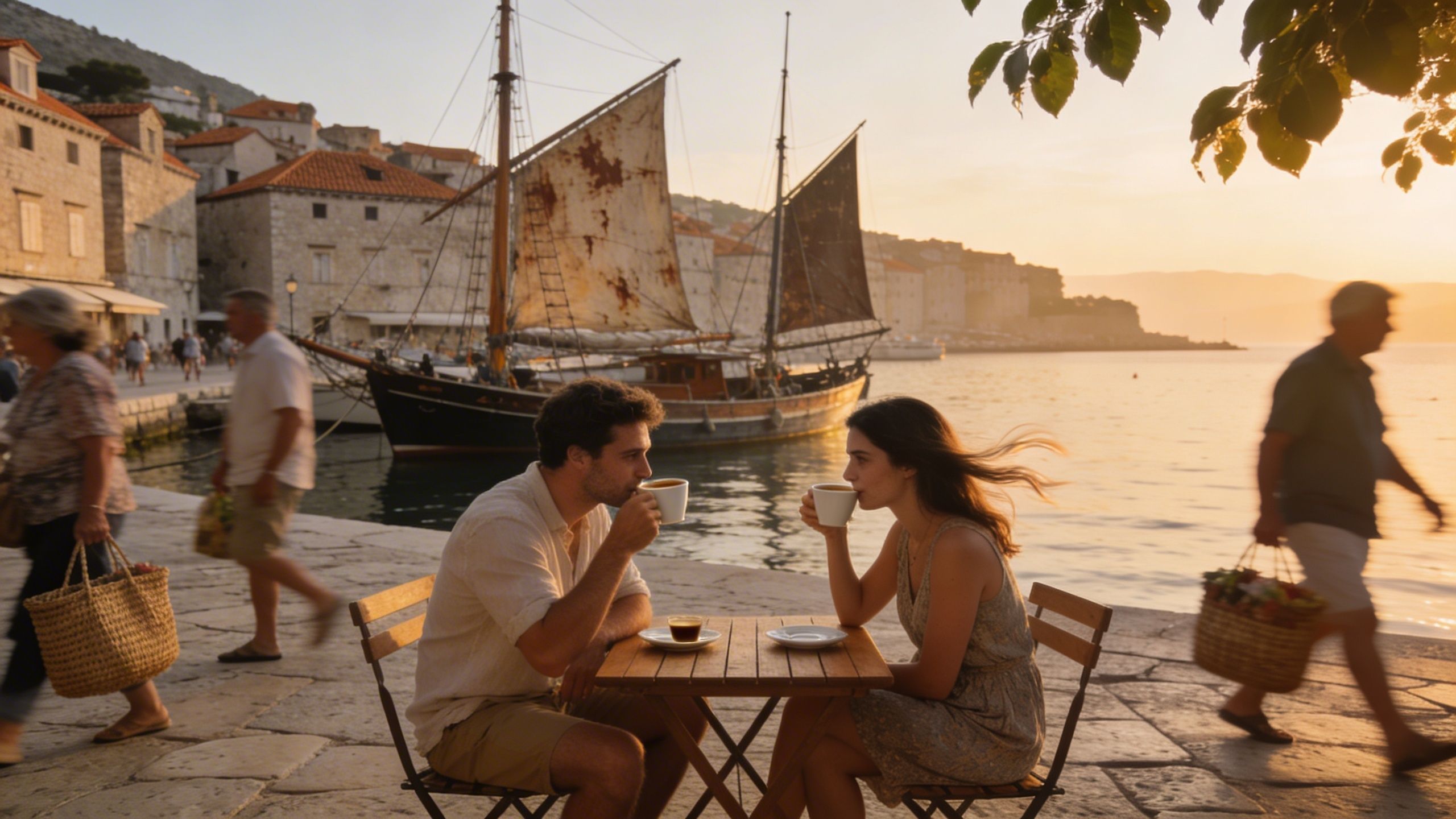
Imagine an early morning in Dubrovnik: espresso steam curling beside a stone piazza, fishing boats bobbing in the light, and an old stone house whose thick walls keep summer heat at bay. That feeling — of sea, craft, and seasons — is why people fall for Croatia. But love alone won't clear title deeds or confirm coastal zone limits. This piece is for buyers who want to live the Adriatic life thoughtfully: to choose with heart, but also with checks that protect the lifestyle you dream of.
Living Croatia: the senses, seasons and rhythms
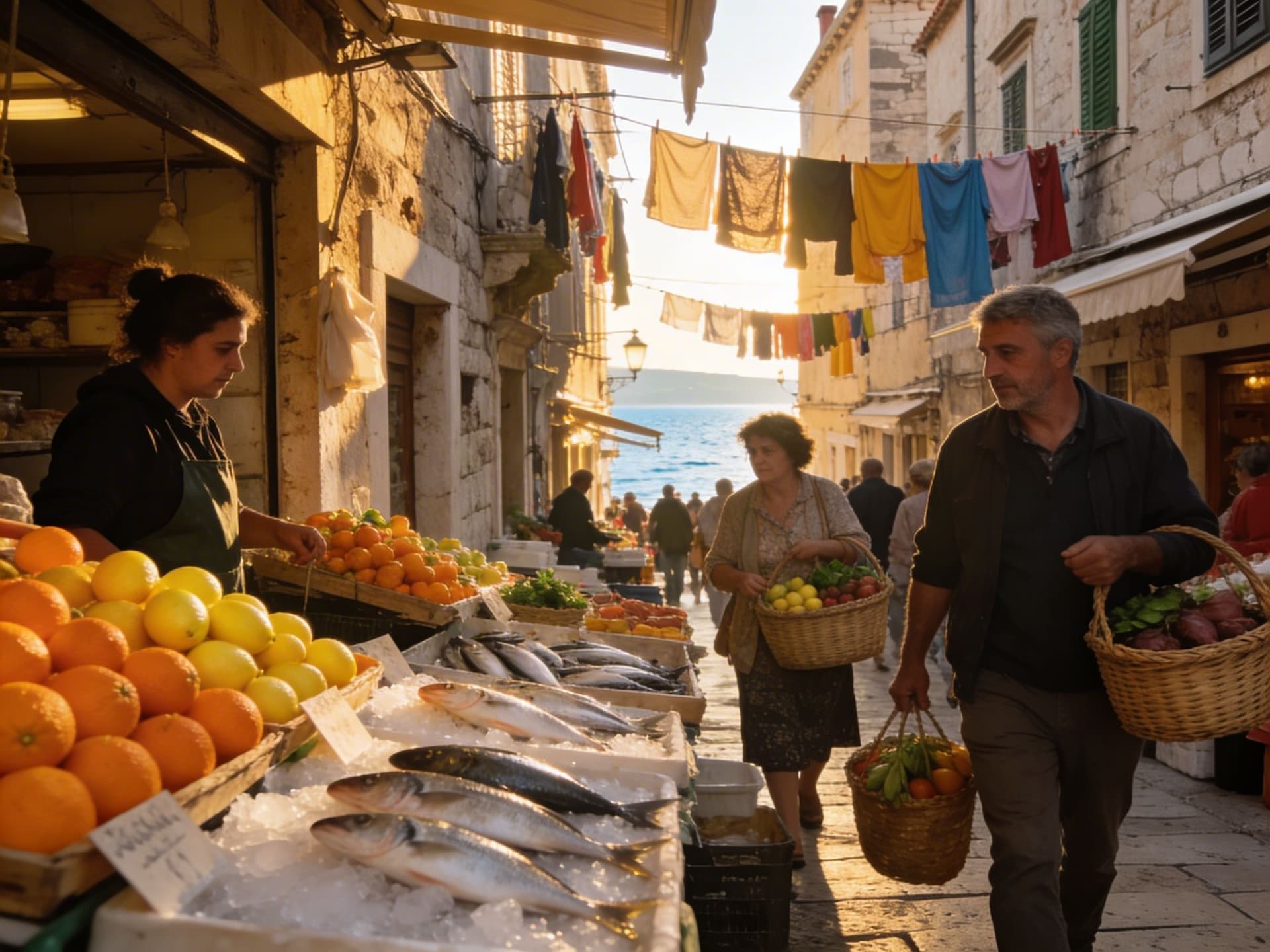
Daylight in Croatia moves slowly along its coast: morning markets fill with citrus and fresh sardines, mid‑day siestas melt into long terrace dinners, and winter streets empty to reveal the architecture beneath the summer gloss. From Zagreb’s street-side coffee culture to Rovinj’s cobbled intimacy and Pelješac’s vineyard fog, the country has distinct neighbourhood characters that shape daily life and the kinds of homes you should even consider.
Coast vs. inland: what each feels like
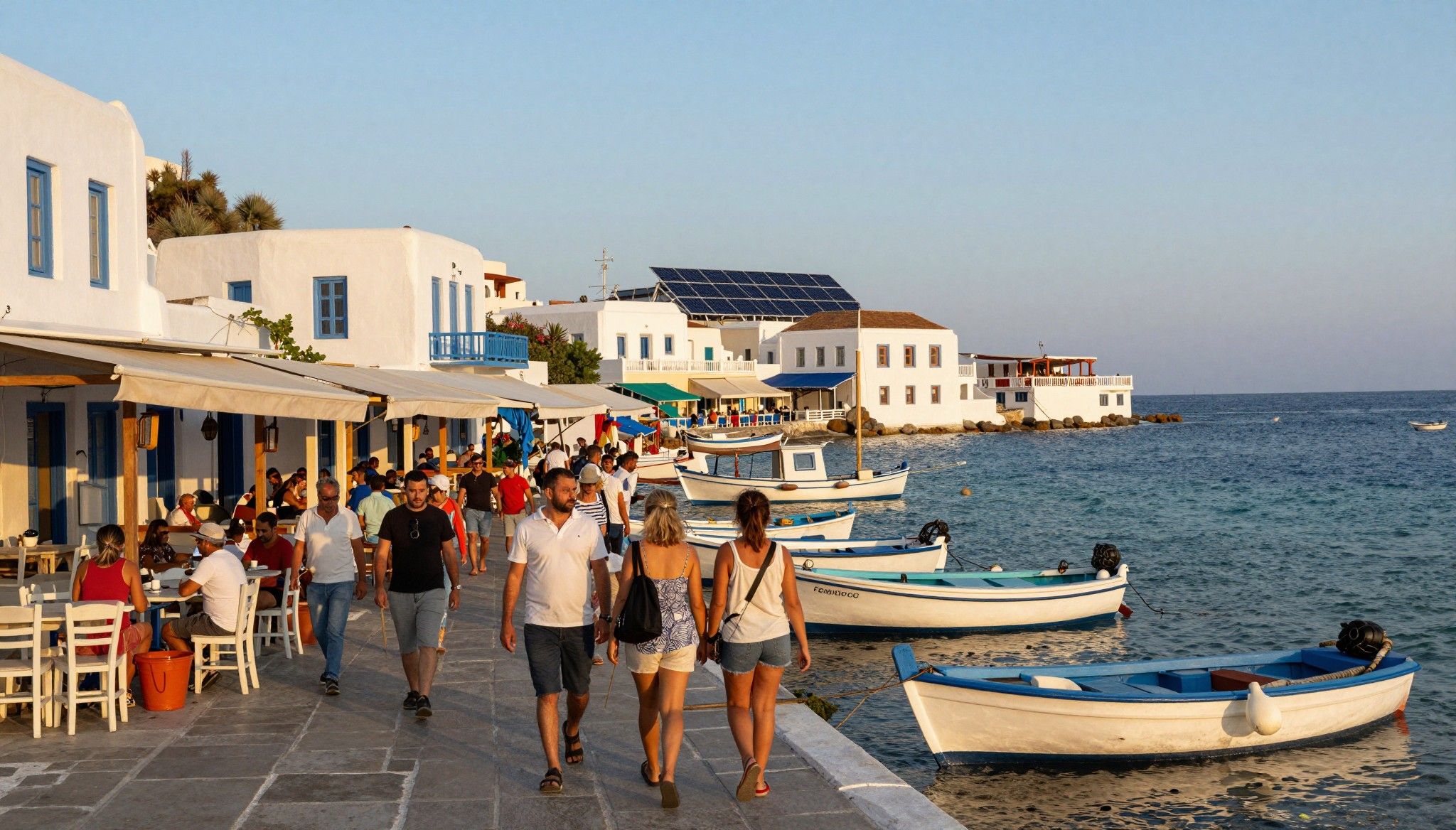
Coastal towns such as Split, Dubrovnik, Hvar and Zadar hum with tourism energy from late spring to early autumn; expect vibrant summers, quieter winters and premium prices for sea‑facing properties. Inland Croatia — Slavonia, Zagorje, and parts of continental Istria — offers slower rhythms, larger plots, orchards and lower purchase prices, appealing to buyers who prize land, gardens and a year‑round sense of community.
Food, craft and tiny rituals that decide where you live
Choose a neighbourhood because of its market, a beloved konoba (tavern), or the morning light on a particular stairwell. In Split, locals gravitate toward Poljud’s weekend markets; in Rovinj, artists cluster near Balbi’s Arch; in Zagreb, Dolac Market sets the daily rhythm. These small pleasures influence property value and, crucially, the lifestyle you’ll actually enjoy.
- Market day, pebble beach, and terrace highlights: Dolac Market (Zagreb); Bačvice (Split) morning swim; Velo Grablje cafés (Hvar Highlands); Punta Corrente forest walks (Rijeka); Trstenik fish market (Pelješac Peninsula).
Making the move: lifestyle desires meet due diligence
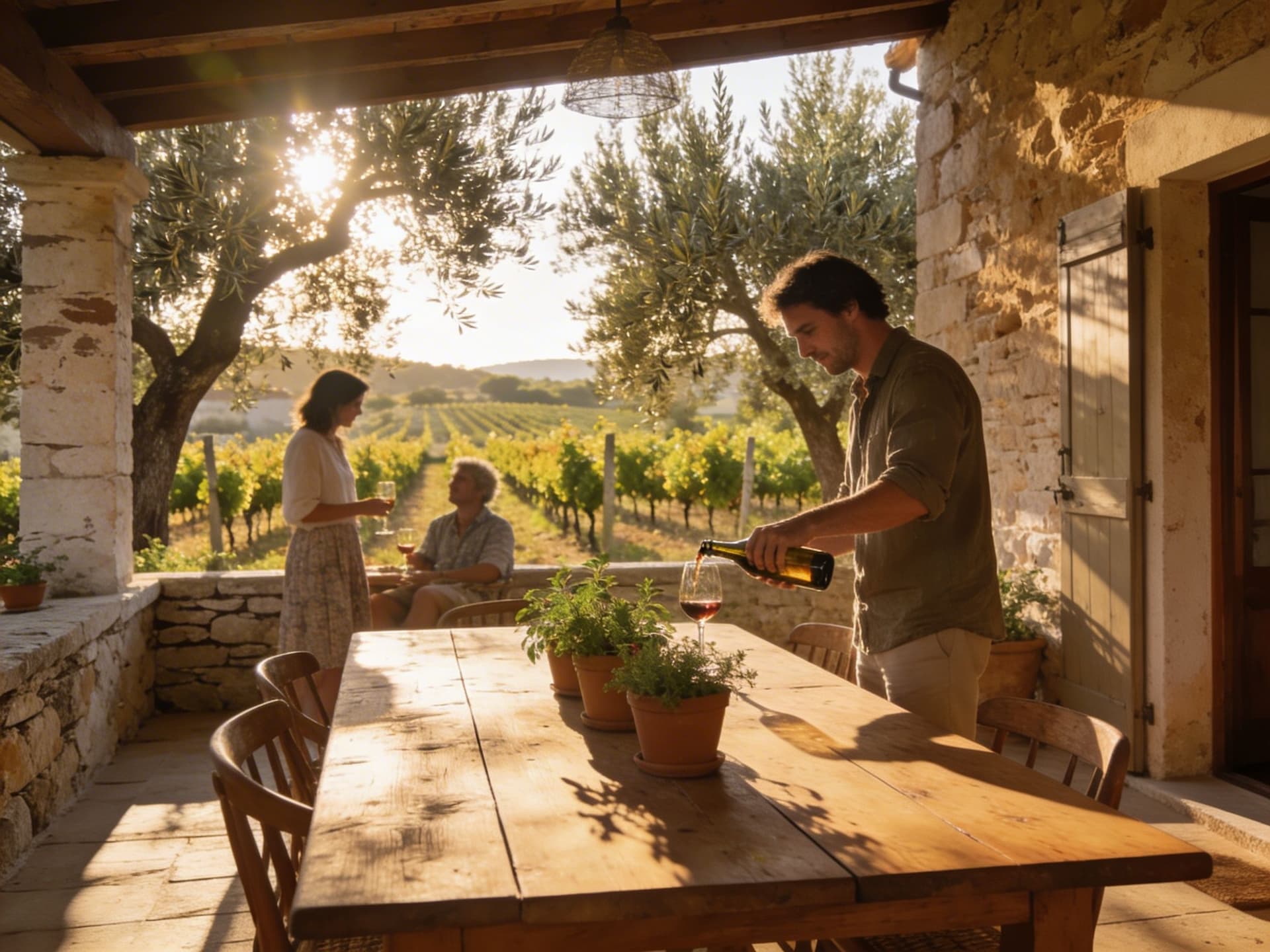
When you picture morning light on a terrace, remember there are concrete checks that keep that life possible: clear cadastral records, coastal‑zone restrictions, building permits and rights of way. In Croatia the cadastre (katastar) and land register (zemljišne knjige) together define ownership and encumbrances — and foreign buyers must pay close attention to both before signing on the dotted line.
Property styles and what they mean for sustainable living
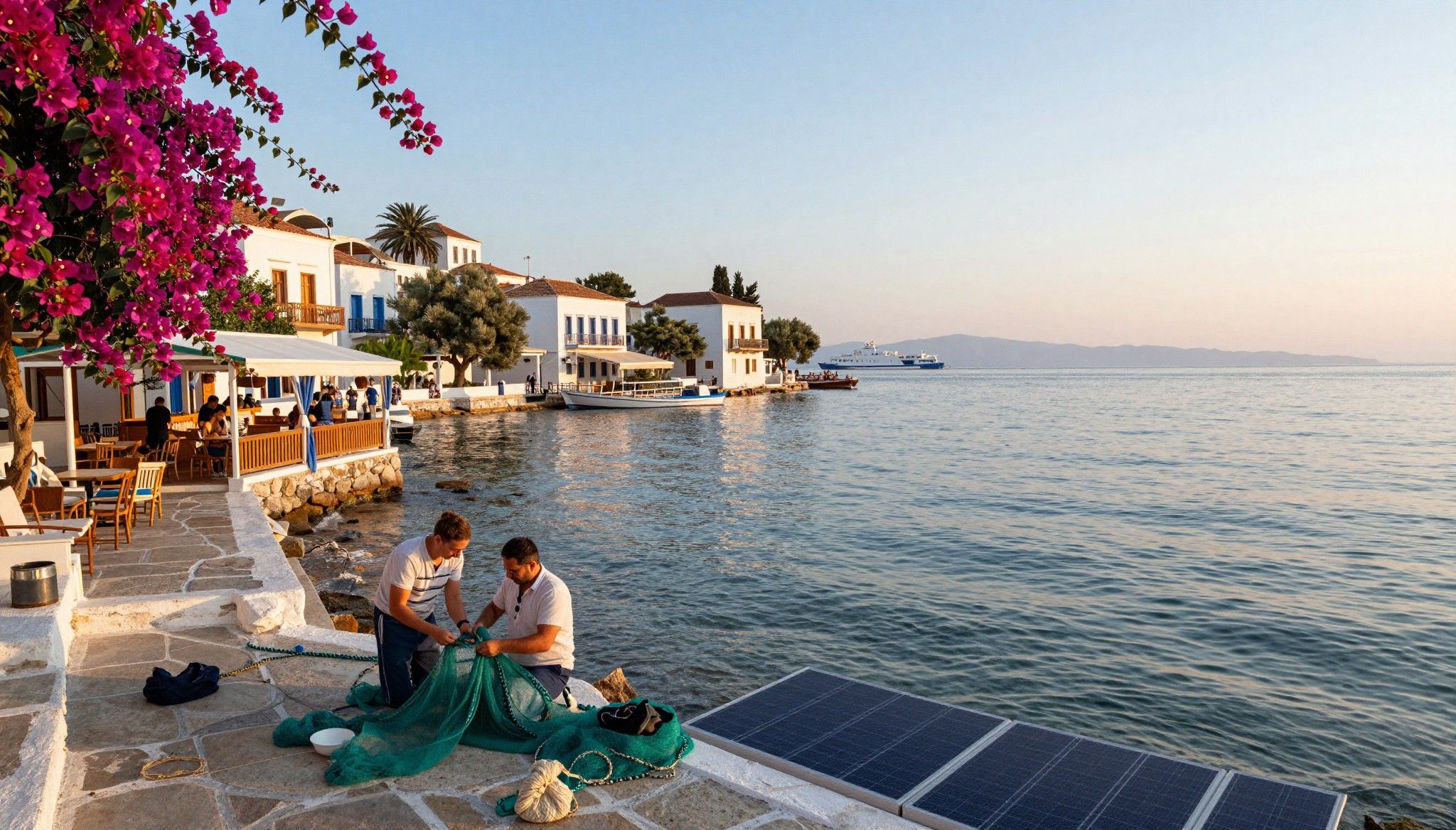
Stone Adriatic houses keep cool naturally; inland farmhouses offer land for orchards and solar arrays. New builds can be efficient but sometimes lack the thermal mass or craftsmanship of older homes. Decide whether you want a retrofit project (great for regenerative design and reclaimed materials) or a turnkey eco‑efficient build — each has different permit needs and hidden costs.
Working with local experts who guard your lifestyle
An agent who knows which streets flood in autumn, which olive groves have irrigation rights, and which municipalities favour renewable retrofits will save you months and protect your lifestyle investment. Seek estate agents, geodetic surveyors and notaries who speak your language and understand Croatian planning: they’re the bridge between imagination and legal reality.
- Steps to marry lifestyle with legal safety: 1) Order a cadastral extract and land registry search to confirm owner and encumbrances; 2) Commission a geodetic survey if boundaries or area matter; 3) Ask the municipality about coastal and construction zones; 4) Request recent utility connection records and proof of paid communal fees; 5) Hire a local notary to vet pre‑contract clauses and conditional permits.
Insider knowledge: myths, red flags and seasonal timing
There are common myths worth busting. Croatia is “too expensive” only if you insist on Dubrovnik’s old town or prime Hvar waterfront; inland counties and lesser‑known islands offer excellent value. Likewise, the idea that summer is the only buying season is false — autumn and winter reveal maintenance issues and reveal whether a place lives beyond postcard season.
Red flags to leave the romance for later
If the seller cannot produce a recent cadastral extract, if a property sits in a mapped coastal protection zone without clear permits, or if a title is encumbered by unresolved inheritance disputes — pause. Also be wary when a property has a string of short‑term rental revenue claims that lack verifiable accounts; tourism income can be volatile and subject to local regulation.
When to buy: an unexpected season strategy
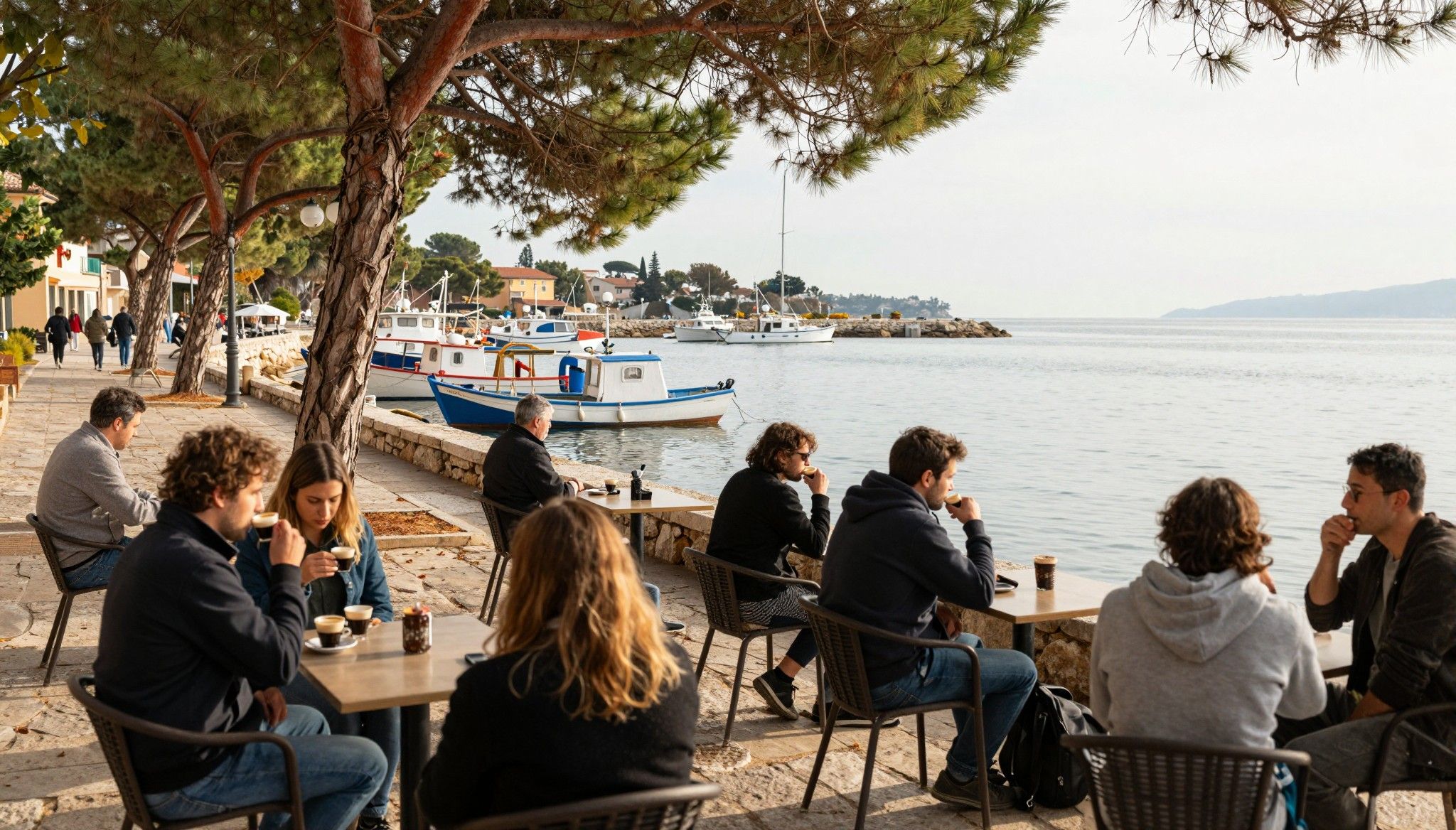
House‑hunting in late autumn or winter is an advantage — markets cool, inspections are easier, and you see how a property weathers rain, cold and light. Sellers who list in winter may be serious, which gives negotiation leverage. Use off‑season visits to test heating, insulation and access roads — all part of sustainable, year‑round living.
- Practical red flags and checks: obtain cadastral (katastar) extract; verify land registry (zemljišne knjige) entry; confirm coastal zone status with local municipality; check for unresolved inheritance claims; ask for utility and maintenance receipts for last 3 years.
What expats wish they’d known (real stories, honest advice)
Expats often tell the same tale: they fell in love with a view, rushed paperwork, and later learned the property sat on disputed agricultural land. Others say joining a local community — learning basic Croatian, shopping at a neighbourhood konoba and attending a small village festa — mattered more than square metres. Practical checks would have saved time and heartache; local friendships smoothed integration.
Long-term lifestyle and stewardship
If you want a home that gives back — to your wellbeing and the land — plan for regenerative interventions: olive tree planting, rainwater capture, rooftop solar and native landscaping. Factor these into negotiations: ask sellers about existing planting rights, water access and whether previous renovations had permits. These questions protect both value and the living ecology of your new home.
- Post‑purchase stewardship steps: 1) Register the property with the katastar and zemljišne knjige if transfer incomplete; 2) Audit utilities, septic and water rights; 3) Plan an energy and water efficiency audit; 4) Meet neighbours and local council to learn community rules and seasonal services; 5) Consider local management for rentals and maintenance tied to sustainable practices.
Croatia is a place you come to for light and sea, for stone streets and slow food. If you pair that longing with careful due diligence — cadastral checks, coastal‑zone clarity, verified permits and a local team that understands seasonal realities — you protect the life you want to live. Start with a winter visit, demand documents, and let local experts translate the romance into a secure, sustainable home.
Swedish advisor who left Stockholm for the Costa Brava in 2019. Specializes in sustainable, sea‑view homes for Scandinavian buyers and green finance insights.