Greece: Lifestyle First, Green Infrastructure Second
How Greece’s emerging green infrastructure is reshaping lifestyle choices — sensory neighbourhood stories plus practical checks for international buyers.
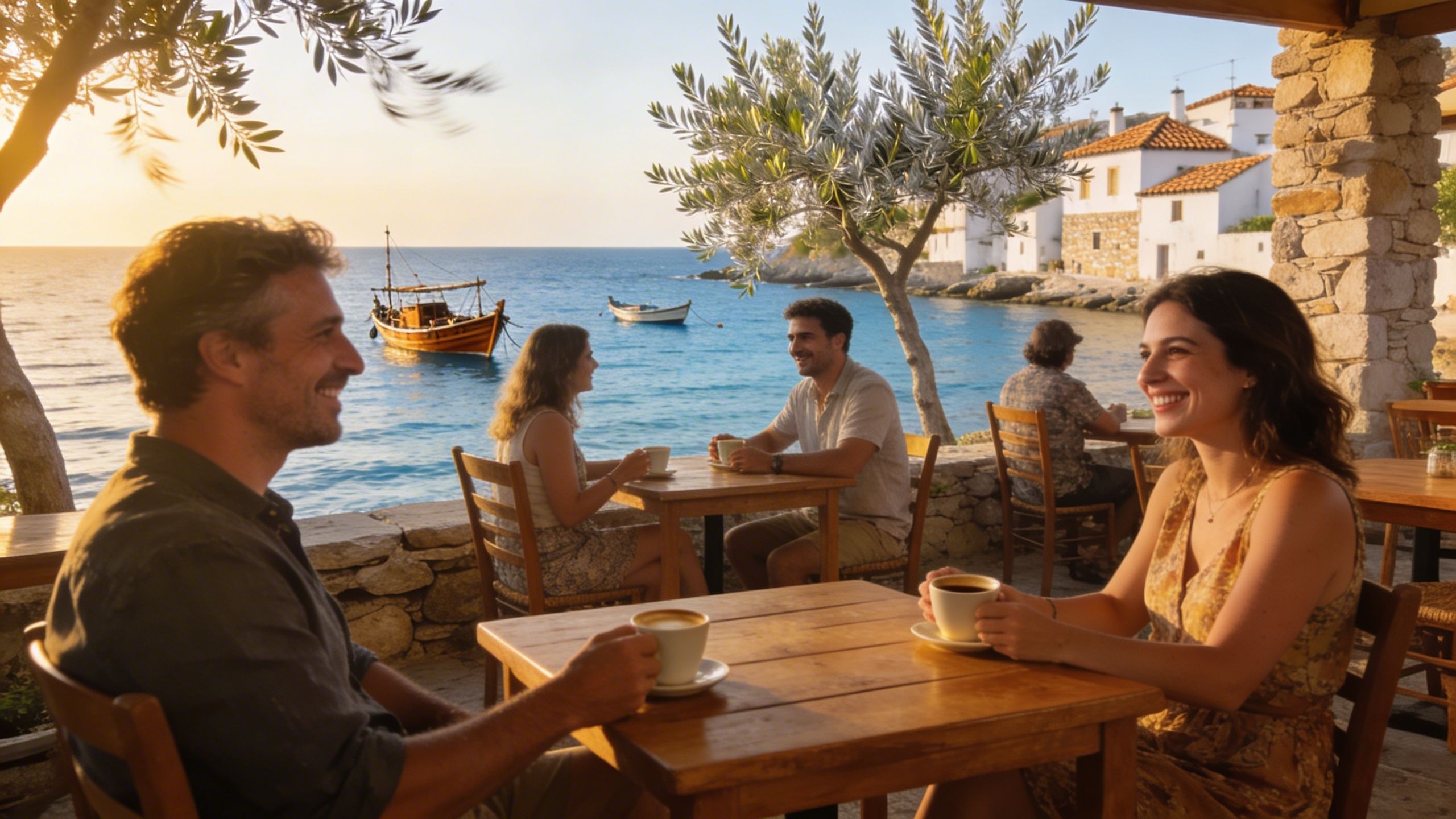
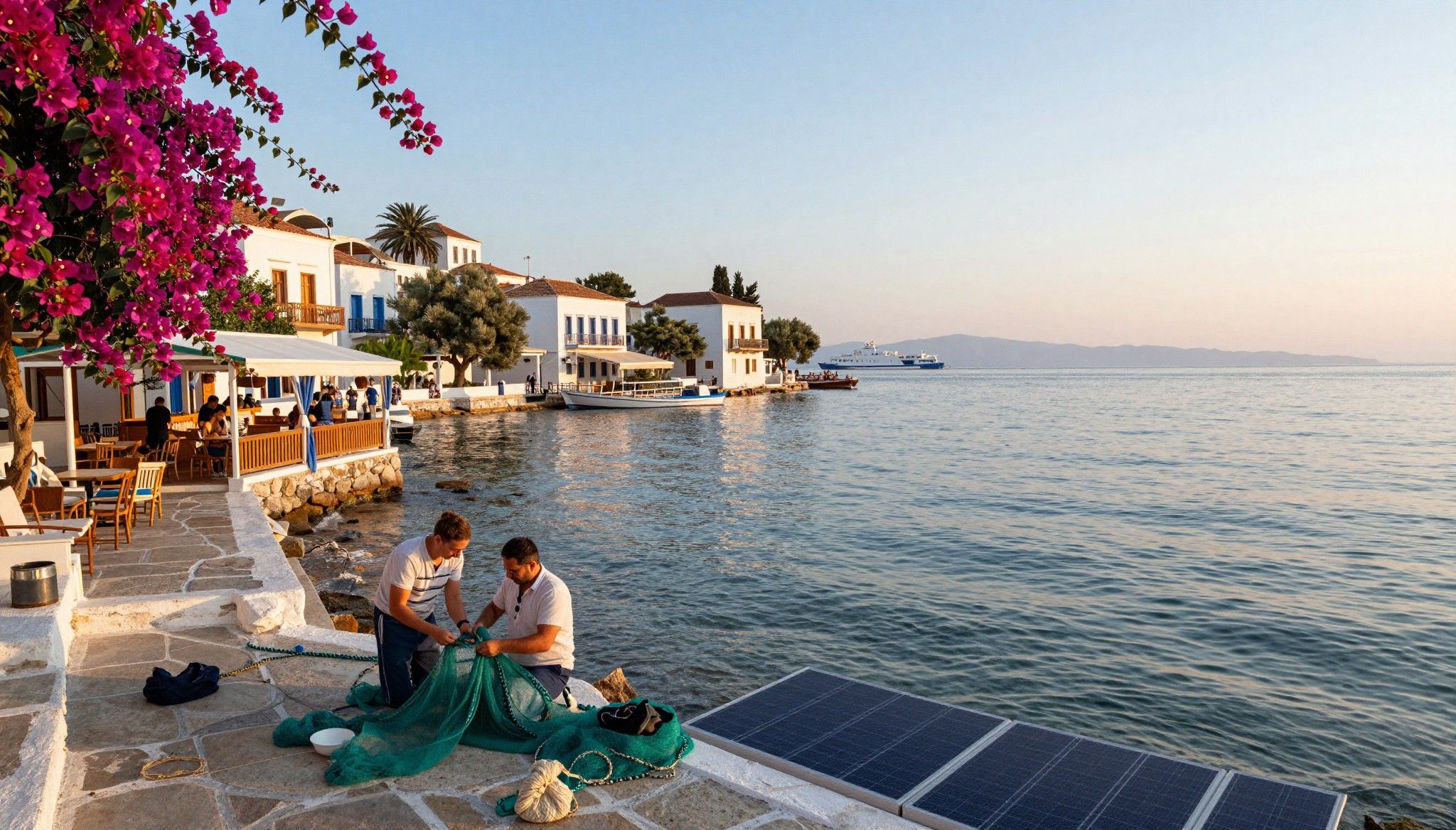
Imagine waking to the smell of boiling water and citrus, stepping onto a small balcony in Koukaki to watch the city stretch toward the Acropolis, then, two weekends later, ferrying to a wind-brushed cove on Naxos where solar panels glint among stone houses. That rhythm — city mornings, island afternoons — is Greece. Here I want to tease out a less obvious love letter: how Greece’s move toward renewable grids and greener infrastructure shapes where you live, how neighbourhood character and daily life change with season and energy, and what international buyers should look for beyond view and tile.
Living the Greece lifestyle: sunlit neighbourhoods and green corners
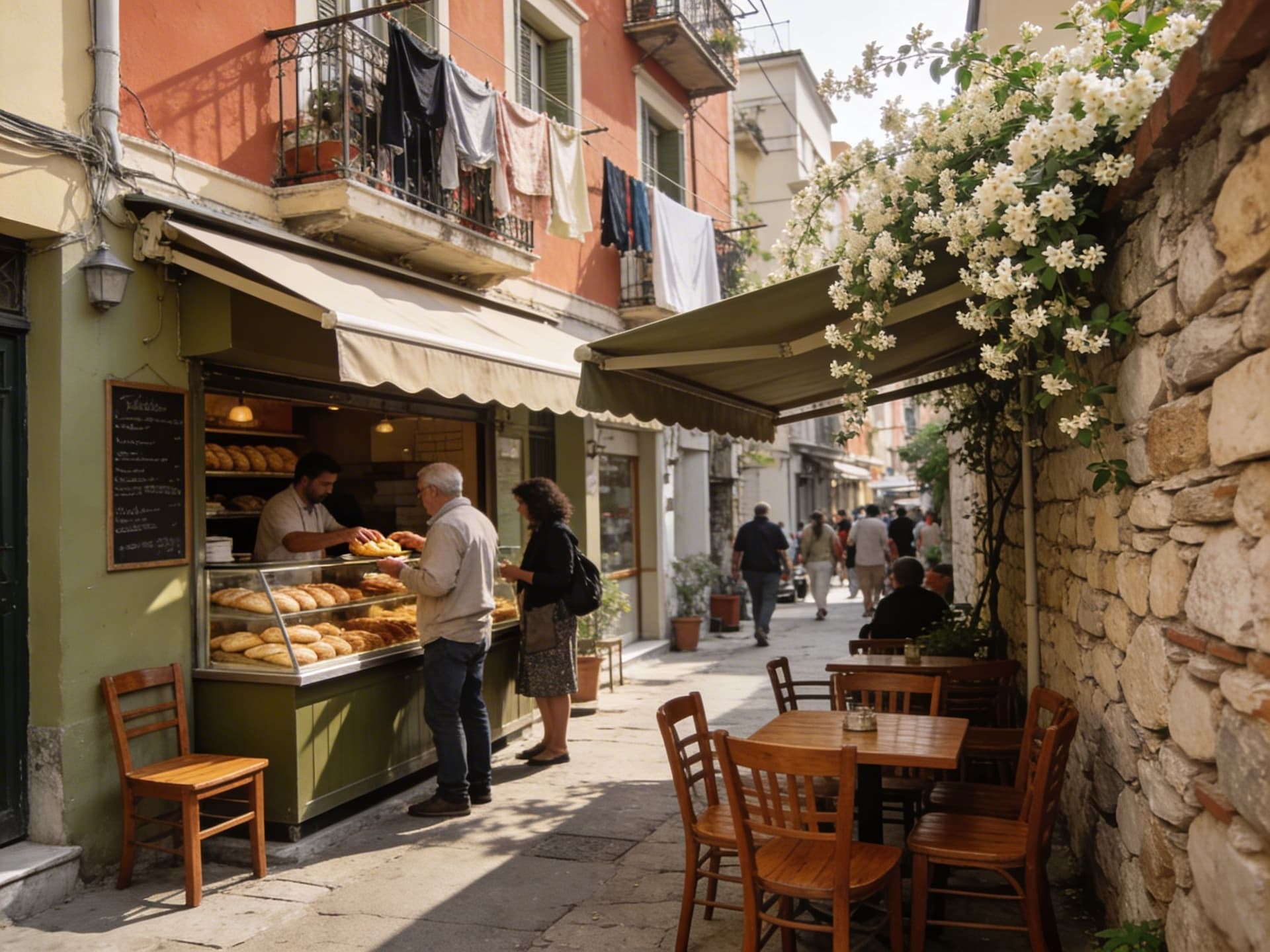
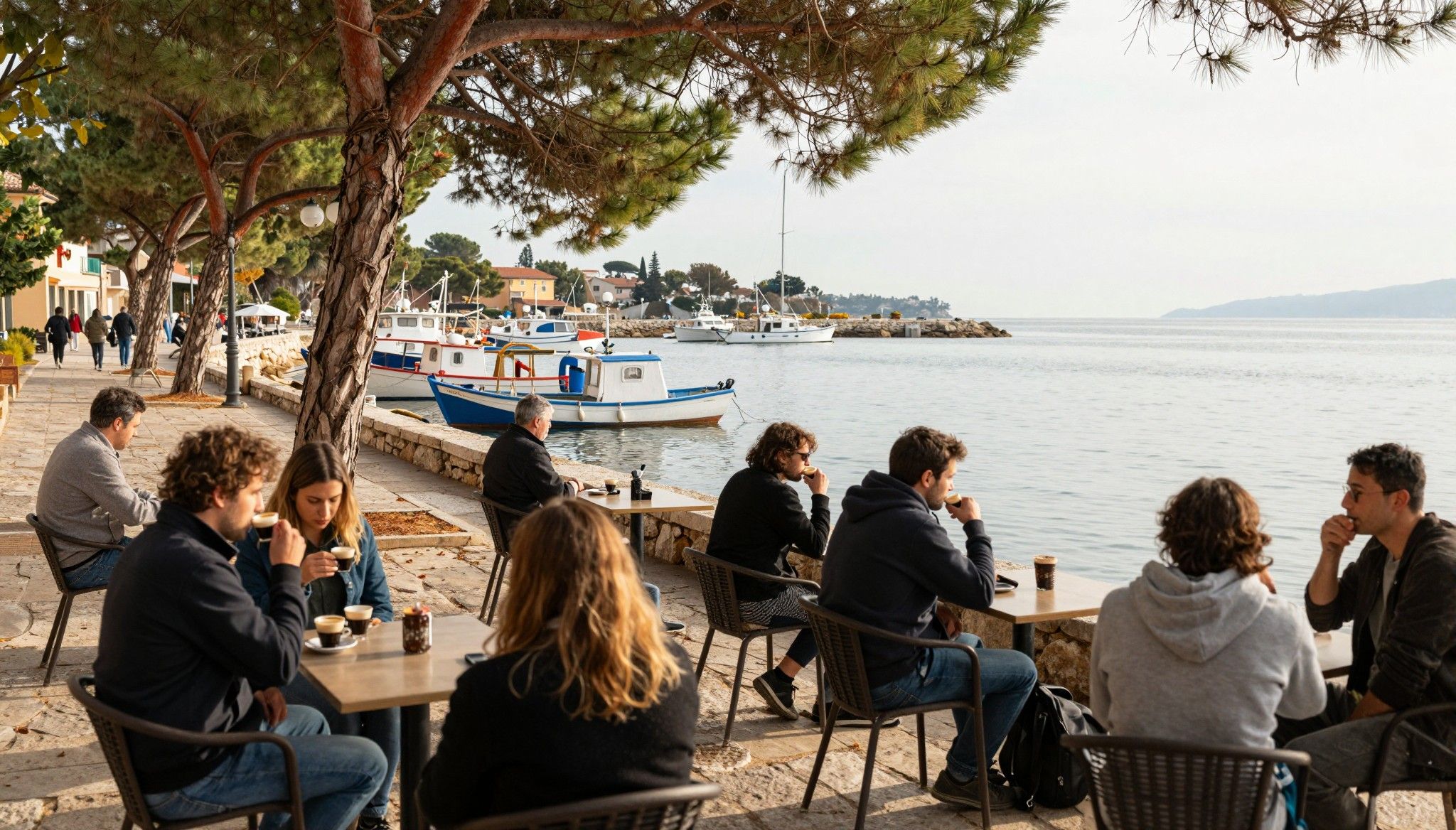
Mornings in Athens are for strong coffee and a fast walk through neighborhoods where old and new live side by side: Koukaki’s narrow streets and tavernas, Pangrati’s cafeculture, and Glyfada’s coastal promenades. The Athens Riviera — from Vouliagmeni to the ambitious Ellinikon redevelopment — now mixes international buyers with families who have lived there for generations. The city’s tempo is urban but unhurried: markets at dawn, late lunches, people who still know their baker by name. The growing green retrofit movement is visible in roof-top solar and rooftop gardens that soften new developments and remind you the sea is never far.
Neighbourhood spotlight: Koukaki, Pangrati and the Attica Riviera
Koukaki is the neighbourhood I tell friends to visit first: coffee at Taf, pastries at a corner bakery, afternoon sun on small plazas where locals play cards. Pangrati hums with new bars, artisans restoring neoclassical flats and mid-century balconies draped in jasmine. On the Attica Riviera — Vouliagmeni and Glyfada — mornings mean sea swims, marina-side cafés, and newer developments that advertise energy-efficient systems. These zones exemplify Greece’s dual charm: intimate streets and progressive building upgrades that support low-impact living.
Food, seasons and neighbourly life
Weekends in Greece feel like small pilgrimages: farmers’ markets where you learn which figs are ripe, seaside tavernas that start their grills at sunset, and village festivals in July where music and roasted goat draw entire communities outside. Seasonal life matters here — winter rains replenish springs, spring is for wild greens and flowers, and the long dry summer shapes garden choices and building details. For buyers, those seasons determine lifestyle more than price lists: a home with good cross-ventilation and shaded terraces sings in summer, while thermal insulation and a quality boiler matter in a mountain village.
- Lifestyle highlights to seek when house‑hunting in Greece:
- Visit a morning market (e.g., Varvakios in Athens) and note how local supply cycles affect grocery life.
- Look for neighbourhoods with community green space — small parks, community gardens, or squares where neighbours gather.
- Choose properties with sun-facing terraces and evidence of retrofit: double glazing, shutters, and room for PV panels.
Making the move: practical considerations that keep the lifestyle intact
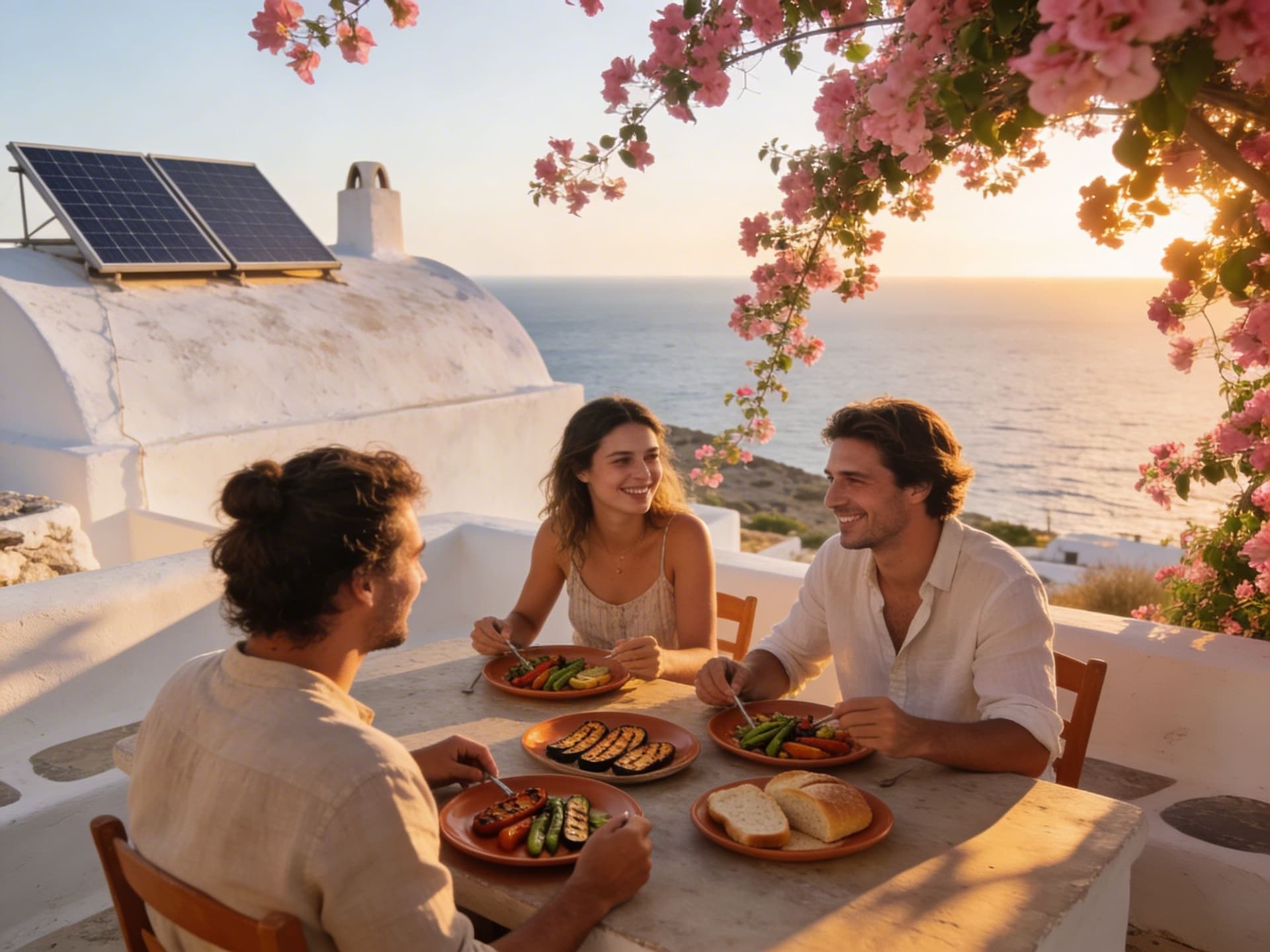
Greece’s market momentum has returned, with Q1 2025 reporting renewed price growth in hotspots and rising interest in sustainable homes. But beyond price, international buyers must weigh infrastructure: access to reliable power, broadband for remote work, and seasonal service levels that affect daily life. National plans and cross-border projects — like proposed undersea cables to bring renewable energy from North Africa — are reshaping long-term energy security and may influence island living in the next five years. Practical checks now can protect the lifestyle you’re buying into.
Property styles and what they mean for life
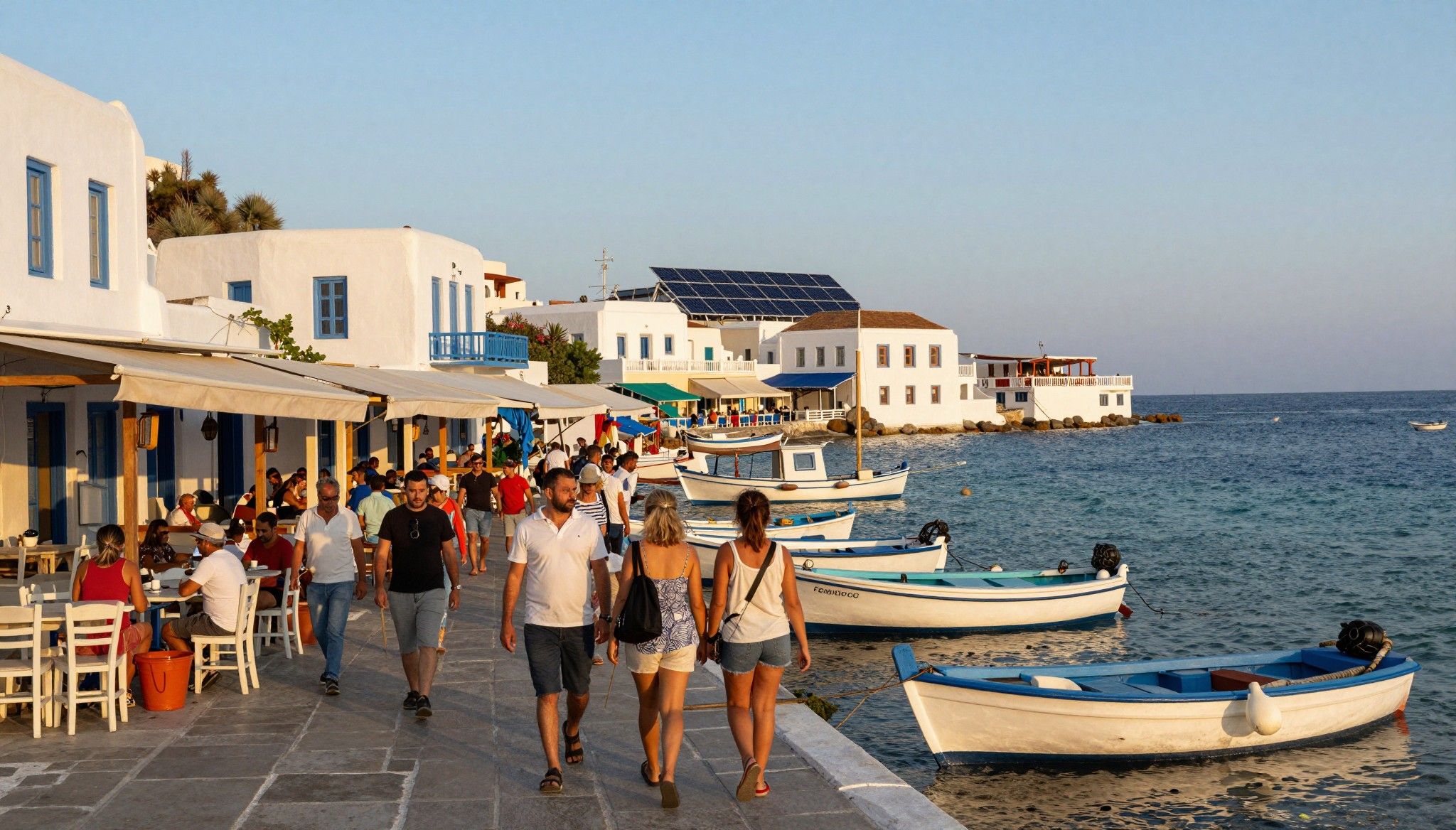
Stone village homes offer thermal mass that cools in summer and retains heat in shoulder seasons; island whitewash cottages are breezy but may need added insulation; modern developments on the Attica Riviera or Crete increasingly include PV-ready roofs, heat-pump compatible wiring and rainwater capture. Match the property fabric to your intended life: frequent island summers favour easy-maintenance terraces and water-saving gardens, while year-round city life rewards efficient heating and soundproofing.
Working with the right local experts
Find an agent who understands sustainability — look for proof of projects with solar, insulation or biodiversity-friendly landscaping — and a lawyer experienced with Greek title searches and cadastral nuances. An architect or engineer who speaks both retrofit and local materials will save you time when upgrading a traditional home. Local agencies can translate lifestyle goals (a garden that feeds you, off-grid capability, resale for rentals) into permit-ready plans and realistic budgets.
- Steps to align lifestyle with purchase:
- Visit in two seasons: late spring and late autumn to experience the shoulder months and services.
- Request energy and insulation details; ask whether PV panels are present or the roof is structurally ready.
- Check local broadband and transport timetables if remote work is important.
- Confirm local water availability and sewer connections, especially on smaller islands.
Insider knowledge: what expats wish they’d known (and the green red flags)
Real talk from buyers who moved here: the dream is tactile — neighbourly bakeries, late-night taverna talks, sea at the end of a lane — but small practical oversights cascade. Many regret not checking local waste and recycling services, or assuming that an island’s charm equates to reliable year‑round utilities. Green red flags include properties claiming “off-grid” without certified systems, or listings that promise energy independence but lack documentation for permitted PV or battery installations. Ask for electrical permits and recent invoices.
Cultural notes: language, rhythm and ownership customs
Greek social life leans local and personal. Knock on neighbours’ doors before major renovations; introduce yourself at the kafeneio; attend a village feast even if you feel shy — these gestures open practical help and local goodwill. Many buyers learn enough Greek to manage basics quickly, and English is common in tourist hubs. For property transactions, local relationships speed processes — the right architect or contractor often comes recommended through community ties.
Long-term lifestyle: how places change with infrastructure
Bigger projects — from Ellinikon’s coastal park to improved mainland-island links — shift neighbourhood character over five to ten years. That can be good or compromising, depending on your values. If quiet authenticity matters, consider secondary islands like Alonissos or interior Peloponnese villages with strong biodiversity but fewer visitors. If access and services matter, the growing Riviera and Crete offer a balance of convenience and greener new builds.
- Green red flags to avoid:
- No permits for PV or batteries despite seller claims; lack of recent energy bills.
- Water scarcity in summer months without documented storage solutions.
- Properties priced for rental yield but located in villages with shrinking seasonal services.
Conclusion: imagine the life you want — then test it practically. Spend mornings in the cafés and evenings walking the routes you’ll use; ask for energy and water documentation; hire local experts who care about place as much as profit. Greece is generous to those who learn its pulses: neighbours who know your name, seasons that feed your table, a quiet balcony where the light lands just so. If you want help turning that feeling into a realistic purchase plan, look for agencies that measure value in sunlight hours, garden yield and neighbourhood warmth — not just square metres.
Dutch property strategist who helped 200+ families find sustainable homes in southern Europe; expert in legal pathways and long-term stewardship.