Croatia: Live the Season, Plan the Retrofit
Fall for Croatia’s island light—but plan with micro‑market data and eco‑wise retrofits; foreign buyer activity is cooling, so lifestyle insight and local expertise now win deals.
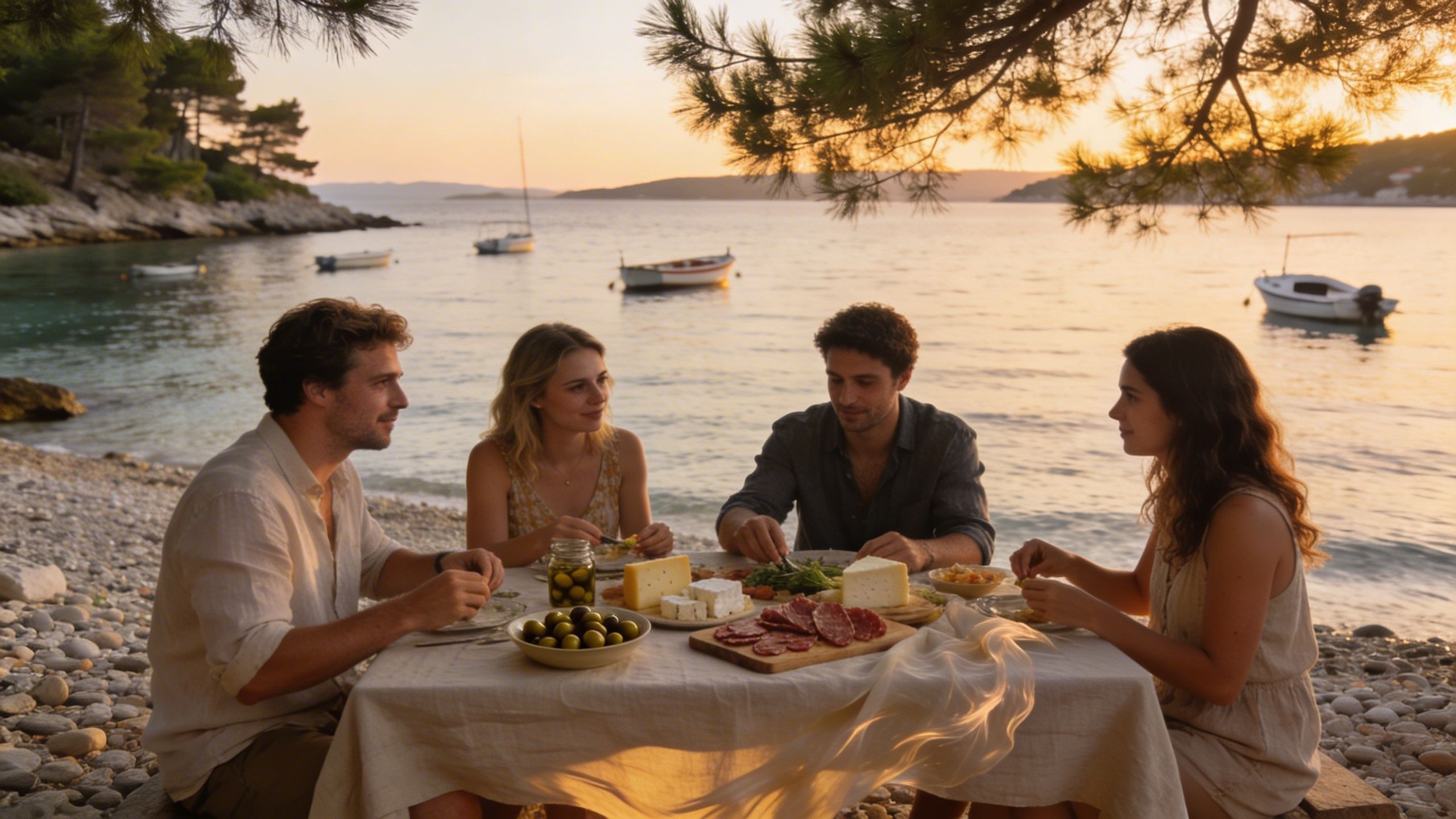
Imagine waking to coffee steam on a stone terrace in Hvar, then cycling through olive groves outside Rovinj before an evening of market-fresh shellfish in Split. Croatia has that intimate Mediterranean rhythm—salt on the air, narrow sunlit streets, and a pace of life that teaches you to slow down. For international buyers who love nature-first living and low‑impact homes, Croatia feels like a gentle invitation. Yet the path from dreaming to owning here involves a few surprises: shifting buyer demographics, cooling transaction volumes, and local customs that shape where and how people live long term.
Living the Croatia lifestyle
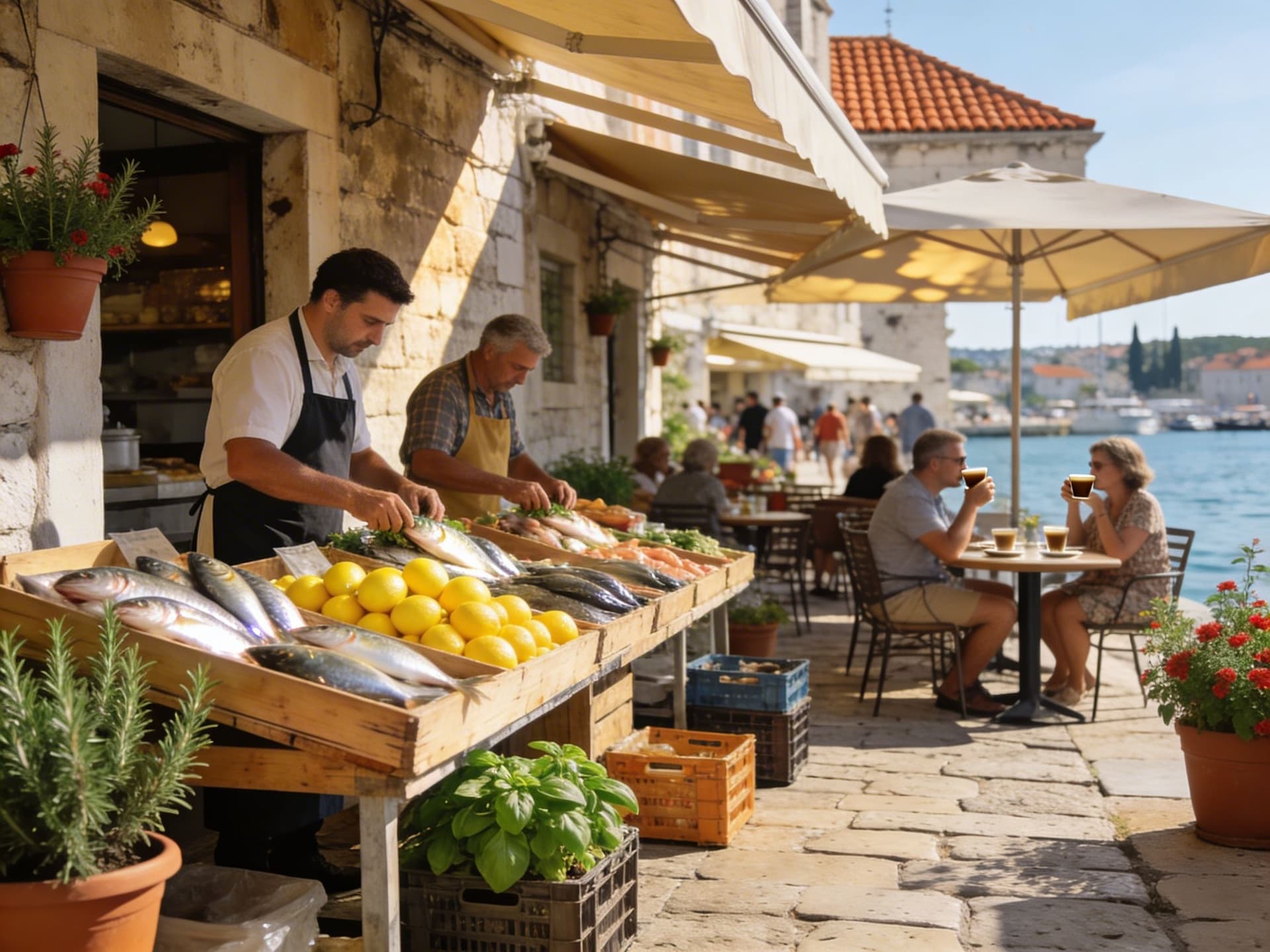
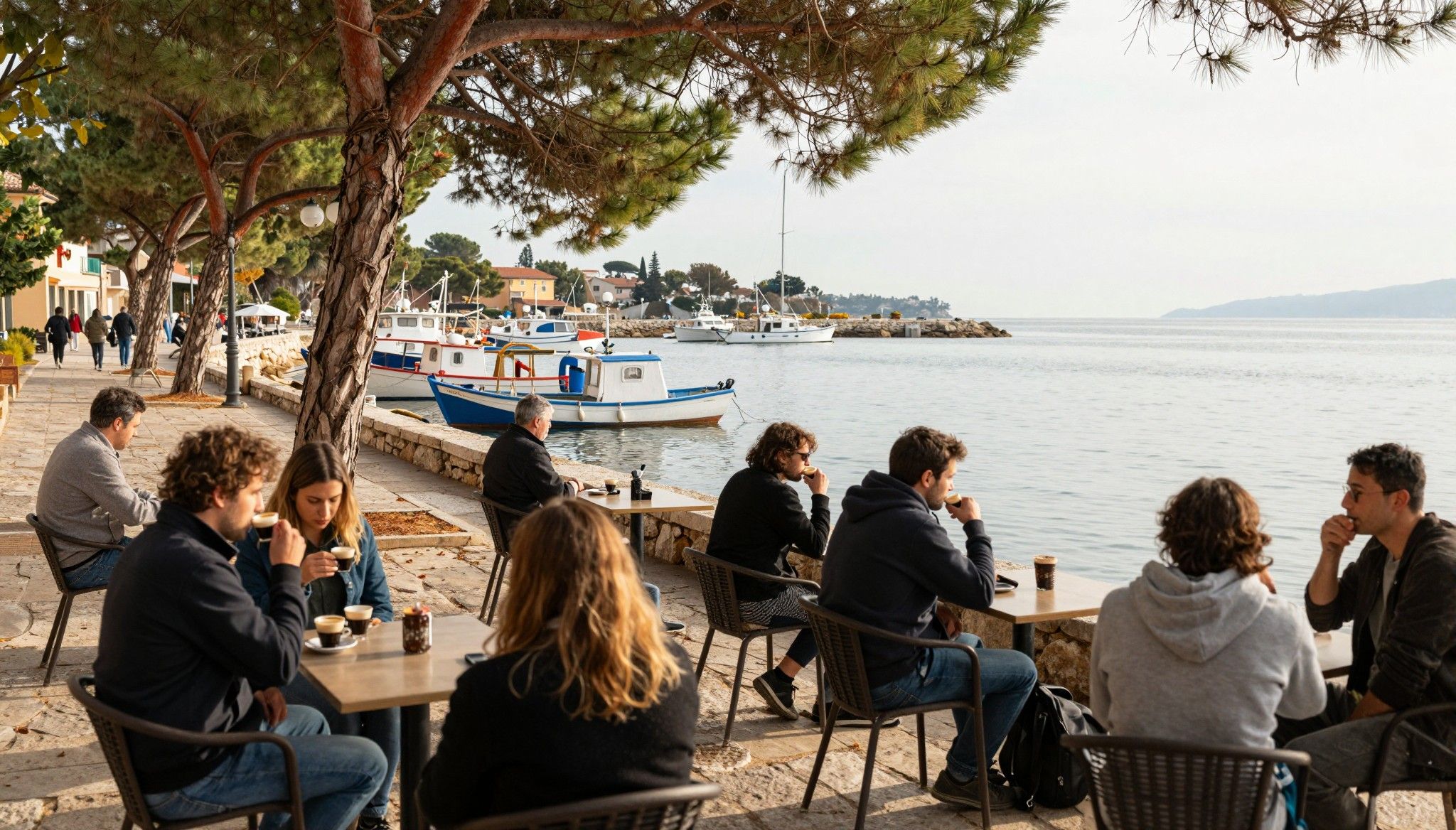
The sensory map of Croatia is immediate: cafes that pour thick espresso at sunrise, small markets where octopus is cured and sold by the kilo, and afternoons spent under pine trees along pebble coves. Whether you choose Istria’s truffle‑dusted hinterland or Korčula’s quiet vineyards, daily life is anchored in local food, seasons, and a strong connection to place. Expect neighborhoods where children still play in squares, bakers know your name, and neighbors trade figs at summer’s end.
Coast, islands and cities — different kinds of quiet
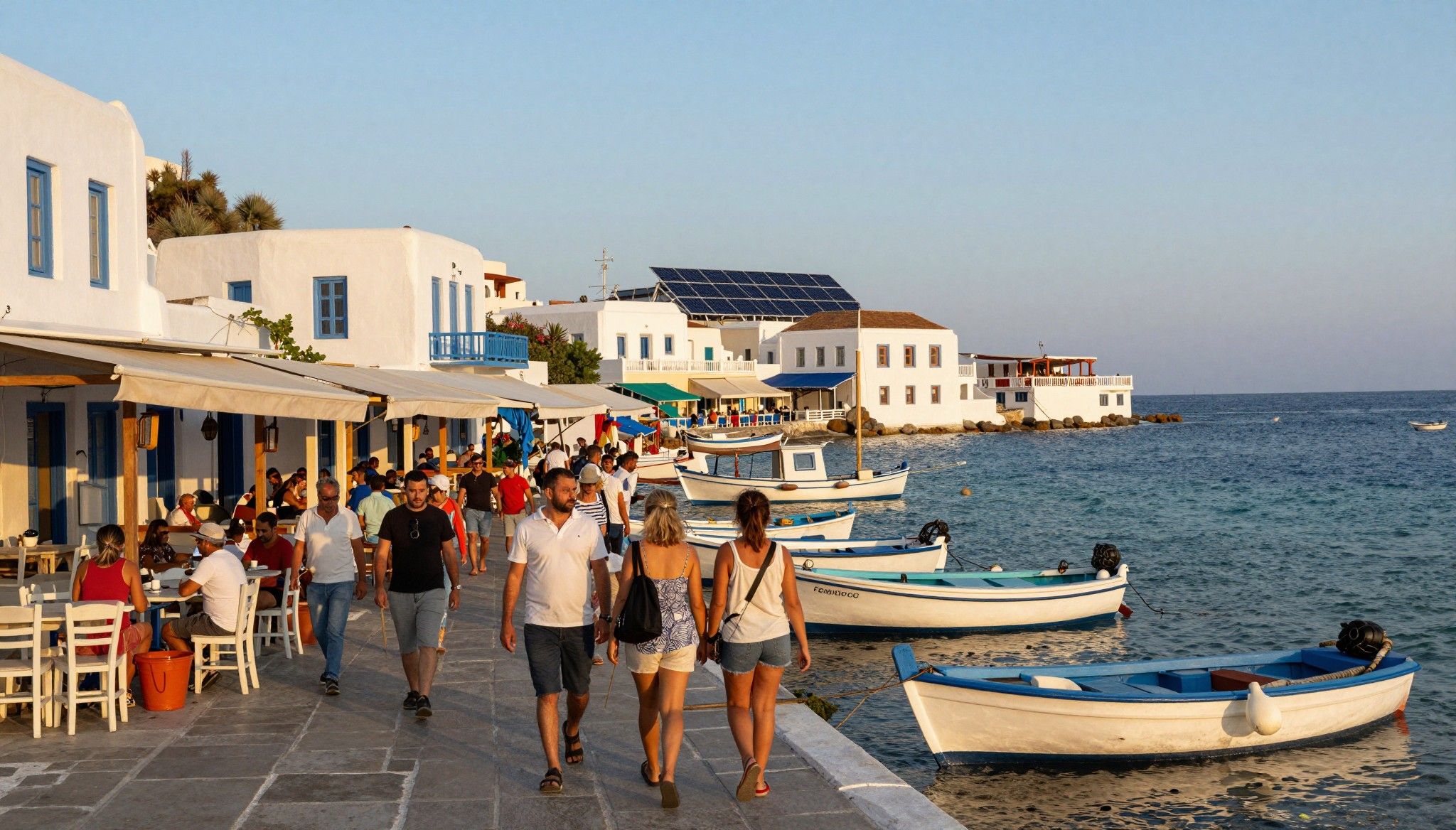
Split’s Veli Varoš and the Riva have lively waterfront rhythms; evenings spill into tavernas and bar terraces. In Zagreb, Gornji Grad (Upper Town) offers cobbled streets, bakeries and a slower urban life with parks and cultural institutions. Istria’s hill towns—Grožnjan, Motovun—feel more pastoral, with local markets and farm-to-table restaurants. On islands such as Hvar and Vis, mornings are for market produce and afternoons for sailing or quiet coves. These are not interchangeable experiences; each region asks you to live differently—by season, by tide, by market day.
Food, festivals and the social pulse
Food is a social calendar: fish markets at dawn, olive‑pressing gatherings in autumn, and summer town festivals where generations mingle. If you imagine life in Croatia, picture coffee at Café Split (or a cliffside espresso in Dubrovnik), aperitivo on a shaded piazza, and Sunday markets where you learn the names of local producers. These rituals shape community networks—and property choices: proximity to a market square or a cove matters more than square metres.
- Morning markets (Dolac, Split fish market); pebble beaches (Brač’s Zlatni Rat; local coves in Vis); truffle restaurants in Istria (Motovun, Buzet); island boat runs (Hvar–Stari Grad); outdoor summer festivals (Dubrovnik Summer Festival)
Making the move: practical considerations
Lifestyle dreams meet market reality in predictable and surprising ways. Recent reports show foreign buyer activity has cooled compared with the pandemic years—fewer transactions but persistent price pressure in sought‑after coastal and Istrian pockets—so timing and local knowledge now matter more than ever. That means prioritising an agent who understands micro‑markets and sustainable retrofits, not just sea views.
Property styles and how you’ll actually live
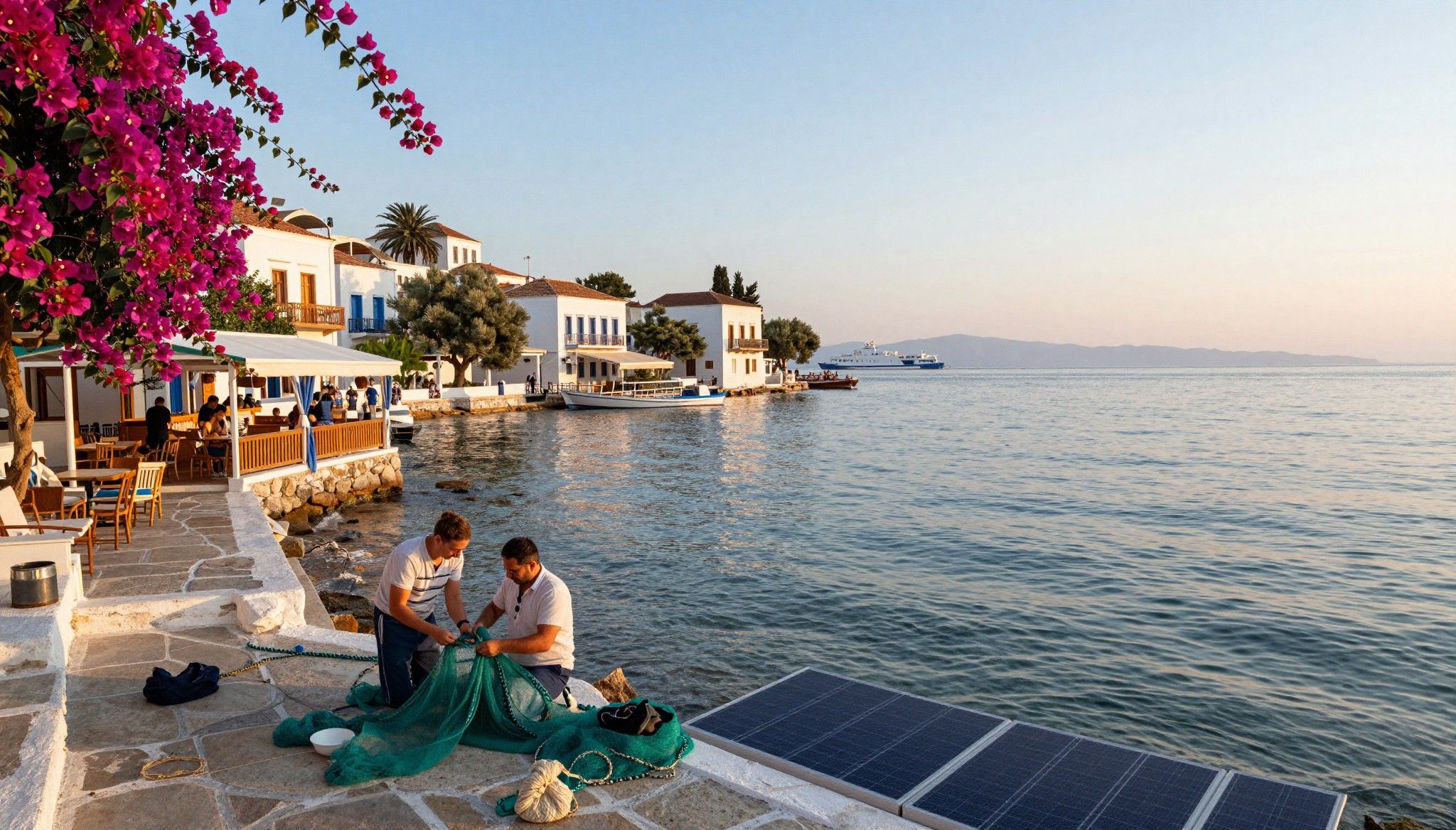
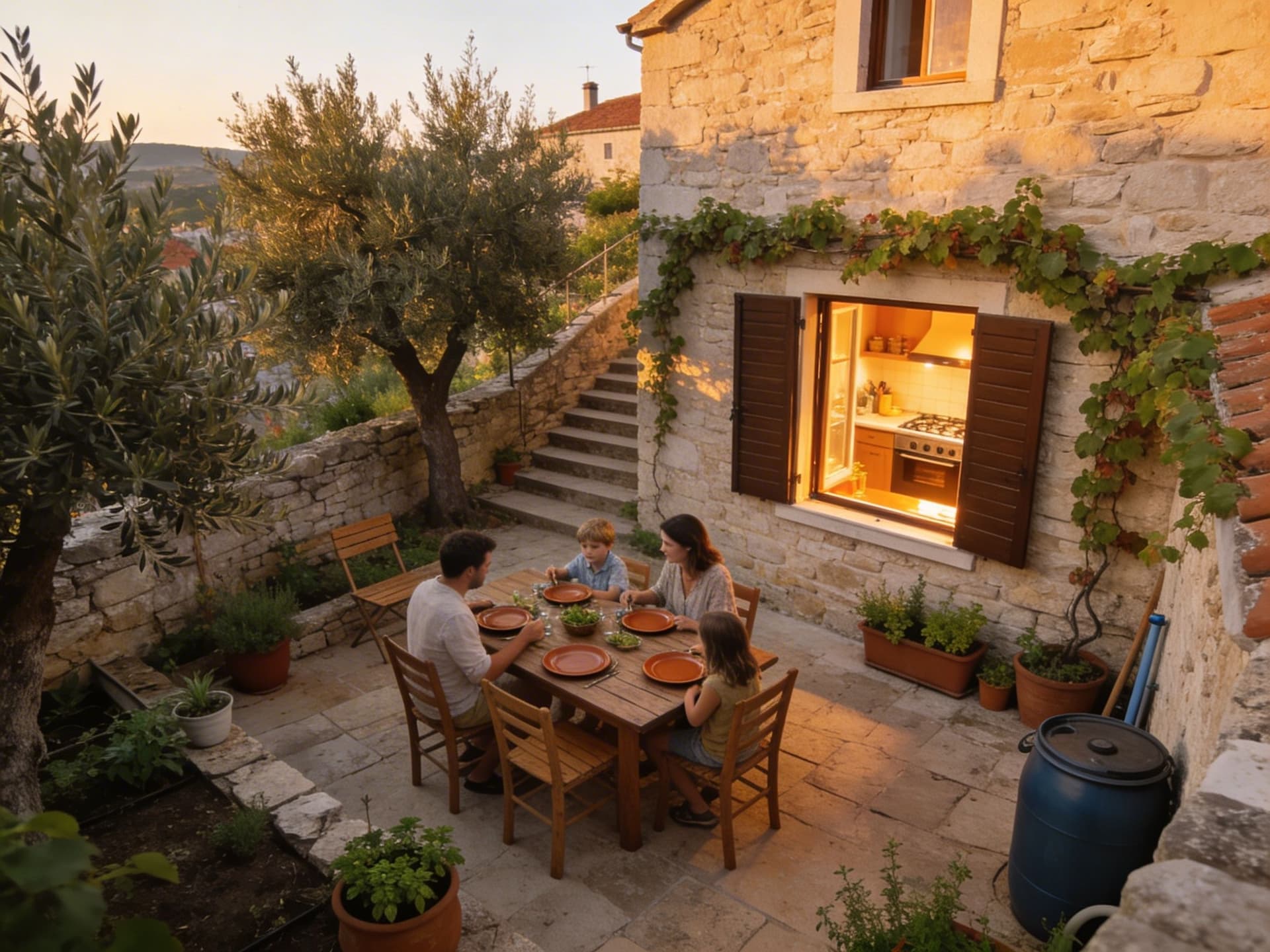
Stone houses with restored beamed roofs invite slow living and courtyard gardens; modern coastal apartments favour terraces and low‑maintenance landscaping. Old Dalmatian stone homes often require sensitive retrofits—insulation, efficient glazing, greywater systems—to be comfortable year‑round and align with eco values. If you want year‑round life rather than a summer retreat, prioritise thermal comfort and local services over purely aesthetic features such as panoramic balconies.
Working with local experts who know the lifestyle
Choose agencies that can translate lifestyle needs into property choices: someone who recommends a north‑facing courtyard for summer shade, or the stonework repair that keeps humidity low. Look for agents with local contractors versed in passive retrofit, solar installations, and permaculture gardens—small investments that shape everyday living and long‑term costs.
- Walk the neighbourhood (morning and evening) to test noise, light and community; prioritise thermal upgrades over sea‑view glazing if you plan year‑round life; budget for sympathetic restoration rather than cosmetic fixes; ask for examples of nearby sustainable upgrades an agent has overseen; verify access to local services (healthcare, schools, markets) during off‑season;
Insider knowledge: what expats wish they'd known
Expat buyers often tell the same story: they fell in love with a village’s light and food, only to discover infrastructure (broadband, waste collection, winter road clearance) that changed daily life. Others underestimated seasonal rhythms—the town that hums in July can feel almost empty in November. The smart buyer leans into seasonality, choosing a location that matches how often they’ll be present and what services they truly need.
Cultural integration and small‑town etiquette
Croatians value neighbourliness and reciprocity. Learn a few Croatian phrases, attend a local festival, and bring small gifts when meeting neighbours—these gestures unlock community goodwill and practical help (garden tips, trusted builders). Language apps are fine for basics, but relationships form with shared meals and market conversations more than with formal networking.
Long‑term lifestyle considerations
Think beyond the first year. Coastal hotspots can appreciate but also attract seasonal rentals and short‑term tourists, changing the fabric of neighbourhood life. If you seek regenerative, community‑oriented living, consider inland Istria, Zagorje, or islands with active local co‑ops—places where restoration is valued and biodiversity projects exist. These choices influence maintenance, community ties, and whether your home feels like a sanctuary or a commodity.
- Ask about local planning rules and protected landscapes; prioritise properties with existing water catchment and room for a solar array; check proximity to seasonal services (winter public transport, pharmacy hours); look for stonework and timber that can be sustainably repaired; prefer mature olive trees and terraced gardens that need stewardship rather than replacement;
Conclusion: The life and the next step
Croatia invites a life that is sensory, seasonal and rooted. To move from longing to living, pair a lifestyle vision with precise local knowledge: micro‑market data, agents skilled in sustainable retrofits, and a rhythm of visits that reveal off‑season realities. Start with a week‑long stay in your preferred region, visit markets, talk to neighbours, and bring a local agent who understands both the stones beneath your feet and the ecology above them. That balance—love for place plus careful, eco‑minded planning—is the heart of buying well in Croatia.
Dutch property strategist who helped 200+ families find sustainable homes in southern Europe; expert in legal pathways and long-term stewardship.