Why Summer Is a Bad Time to House‑Hunt in Malta
Malta’s market gains are steady, but summer distorts listings and perceived value; visit off‑season, use NSO price indices, and prioritise green features for true long‑term living.
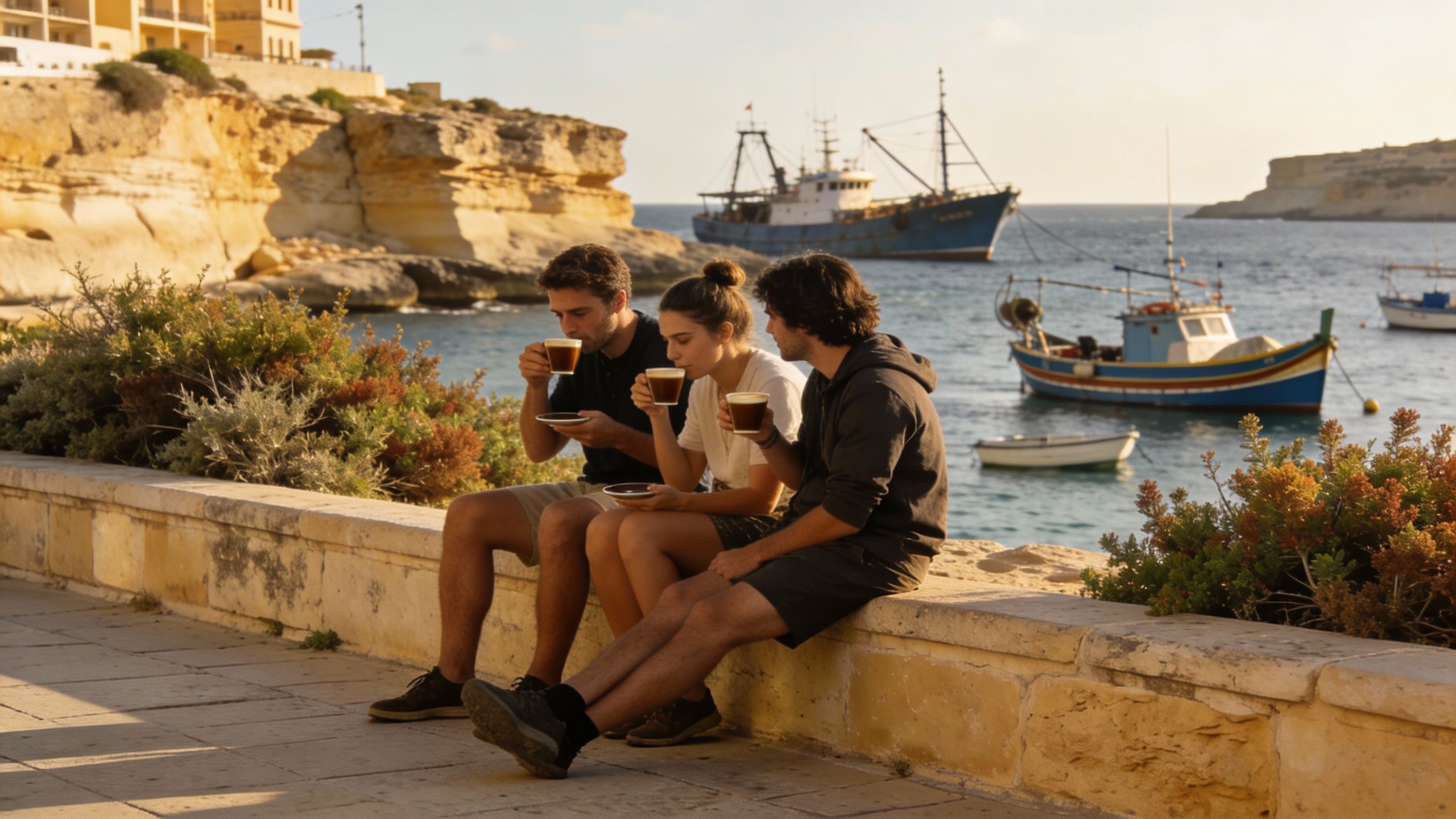
Imagine waking to the scent of freshly baked ftira, stepping onto a limestone balcony that catches the first blush of an island dawn, and hearing church bells across a pocket of cultivated terraces. Malta lives in small, sun-warmed moments — fishermen hauling nets at Marsaxlokk, students crowding cafés in Sliema, and families strolling the cliff walk at Dingli. For many international buyers, those scenes are the reason to come. But what summer shows you — crowds, inflated short-term rents, and fast‑moving listings — is not always the full story of life here.
Living Malta: the rhythm, tastes and green corners
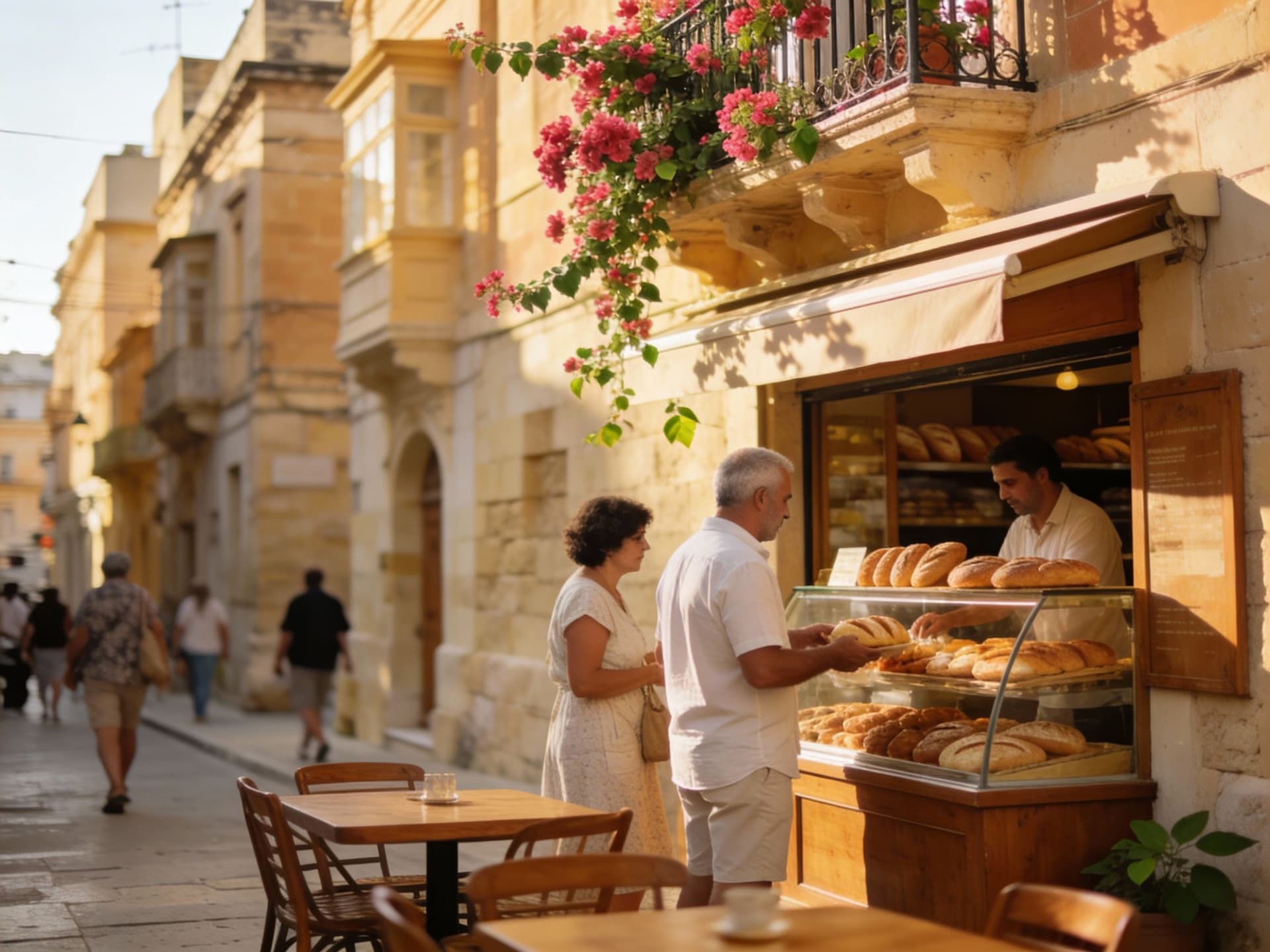
Malta’s compactness is its charm. Walkable neighborhoods fold historic streets into everyday life: Valletta’s baroque theatres and narrow cafés, Sliema’s waterfront esplanade where early risers stretch into sea-swim lanes, and the tranquil lanes of Gozo where terraces spill with bougainvillea. The island’s Mediterranean climate makes outdoor living a year-round proposition — but how people use the seasons changes everything from neighbourhood noise to property desirability.
Neighborhood spotlight: Sliema & St Julian’s — lively, connected, solar-ready
Sliema and St Julian’s hum with cafés, coworking nooks and a steady expat pulse. Apartments here often feature rooftop terraces, a practical place for solar panels and container gardens — small integrations that cut energy use and suit the local vibe. Expect boutique bakeries on Tower Road and evening promenades that move slowly after dinner; properties that embrace indoor-outdoor flow are prized by people who live like locals, not tourists.
Quiet alternatives: Mellieħa, Gozo and the south coast
If silence and green edges matter, look north to Mellieħa’s sandy coves and rural ridge walks or across the channel to Gozo’s slower rhythm. Here, stone houses and restored farmhouses often come with terraces, cisterns, and gardens — features that lend themselves easily to low‑impact retrofits like rainwater capture and rooftop photovoltaics. The tradeoff is distance from Malta’s busiest services, but for many buyers that distance is the point.
Why the calendar matters: market motion vs. lived reality
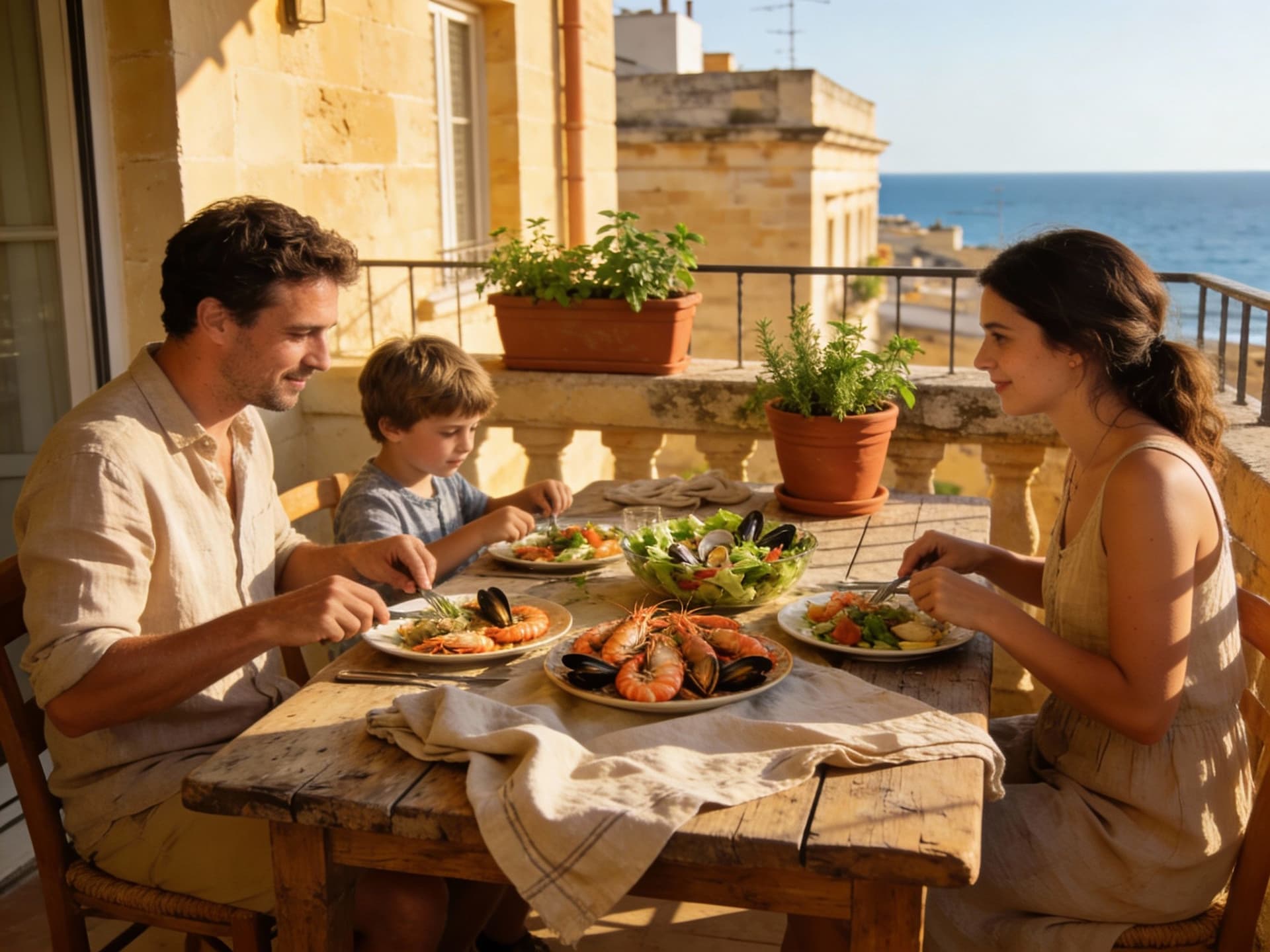
Market data show steady year‑on‑year price gains: the National Statistics Office recorded a continuing rise in Malta’s Residential Property Price Index through 2024 and into 2025, a reminder that prices move steadily rather than only in flashy summer moments. But the practical reality for buyers is that seasonality — tourist flows, rental demand spikes, and the visibility of listings — dramatically alters what you see while house‑hunting.
How summer distorts perception
High season makes everything seem more valuable. Short‑term rental returns look irresistible; lively streets mask noise issues that return in shoulder seasons; and sellers time listings to capture seasonal scarcities. Meanwhile, policy shifts — such as rulings affecting residency and investor programs — can change who is buying and why, altering demand beyond mere tourist cycles. Read beyond summer listings to see the steady trends and policy context that actually shape long‑term value.
Lifestyle-led property types to consider
Stone townhouses and traditional maisonettes invite slow living: thick limestone walls that breathe, internal courtyards that stay cool in August and warm in winter, and the room for a small kitchen garden. Modern apartments give connectivity and easier maintenance. For green-minded buyers, prioritise solar-ready roofs, cisterns for irrigation, and balconies sized for container food‑growing — features that translate the daily pleasures of Maltese life into lower running costs and a lighter footprint.
Practical steps: how to search Malta thoughtfully (not seasonally)
If you visit in July or August, treat what you see as theatre — vibrant, true, but not representative of a full year. Instead, plan visits in spring or late autumn when neighbourhood life is more revealing: local markets are full, cafés feel like community hubs, and noise, traffic and rental churn have eased. Use official price indices and quarterly reports to ground your expectations, and compare summer listing prices with off‑season sales records.
A practical, season‑aware checklist for buyers
1. Visit in spring or late autumn for a truer sense of neighbourhood life; 2. Inspect shortlisted properties across different times (morning, afternoon, night) to test noise and light; 3. Ask agents for recent sale prices (not just current listings) to avoid summer-inflated asking prices; 4. Verify long‑term rental data with local property managers rather than relying on short‑term platform returns; 5. Prioritise properties with green features — cisterns, south-facing terraces, or prewired roofs for PV — that reduce operating costs year-round.
Insider knowledge: what expats say and the cultural small print
Expats often tell the same story: buy for lifestyle first, and the market will follow. That means valuing a quiet courtyard in Mdina for weekend calm, accepting that Valletta’s narrow streets mean less parking but unmatched cultural life, and choosing Gozo if you want stronger community ties and more garden space. English is an official language here, which eases everyday life, but local customs — slow business hours, late social evenings — shape how neighbourhoods feel through the year.
What buyers miss until after move-in
Buyers often underestimate seasonal maintenance and microclimate differences across the islands. Expect stronger winds on exposed cliffs, higher humidity in salty bays, and sun exposure that demands durable stone finishes. Those realities influence renovation choices and will affect running costs unless you plan for passive cooling, proper insulation in converted attics, and water storage — small investments that pay dividends in comfort and resale appeal.
Lifestyle highlights to weigh in your search
Morning espresso at Caffe Cordina in Valletta; an evening swim off St George’s Bay; weekend market shopping at Marsaxlokk; cliff walks at Dingli followed by a farmhouse lunch; island ferry trips to Ġigantija temples and Gozo hamlets.
Conclusion: love the life, buy with seasonal wisdom. Malta offers a compact, luminous way of living where history, sea and community conspire to reward those who look beyond the high‑season sheen. Use off‑season visits, official price indices and local experts to see beyond summer’s spotlight; prioritise stone, water-wise features and solar readiness; and imagine how each neighbourhood feels in January as well as in July. When you buy with that fuller view, you choose a home that feels like it belongs to the island, and to you.
Swedish advisor who left Stockholm for the Costa Brava in 2019. Specializes in sustainable, sea‑view homes for Scandinavian buyers and green finance insights.