Why Croatia’s ‘Coast First’ Myth Can Cost Green Buyers
Contrarian Croatia advice: seasonal timing, green loans and inland stewardship can deliver better lifestyle value than the obvious coastal postcard purchases.
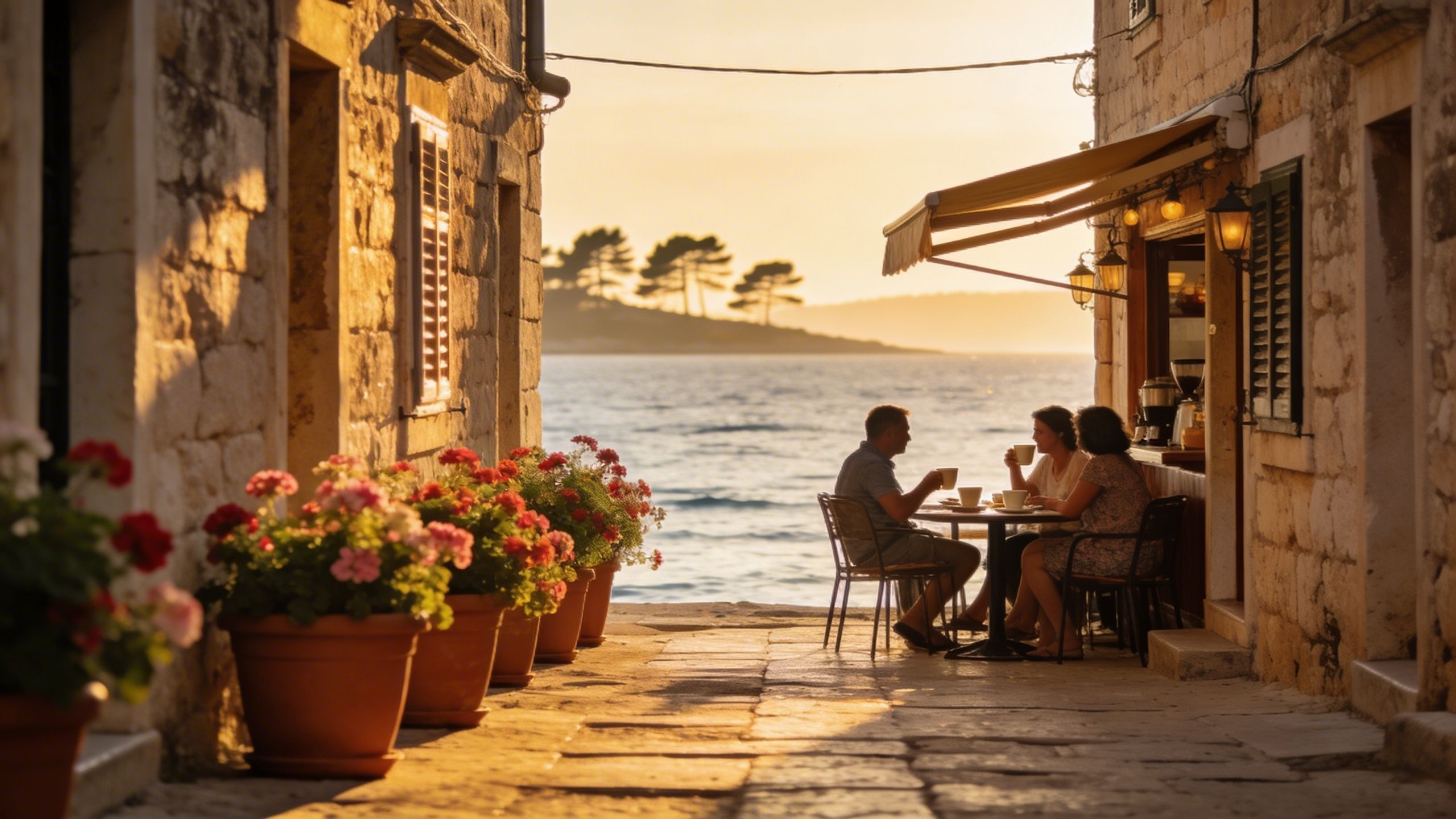
Imagine waking to a fisherman’s call and the smell of fresh burek, then cycling through terraced olive groves to a seaside kafić where neighbours greet you by name. Croatia moves in seasons—market days and market towns, summer heat that spills into night and winter hush when islands reveal their stone-baked bones. For international buyers drawn by sun and salt, the question isn’t only where to buy, but when and how to finance a home that honours place, community and long-term ecology.
Living the Croatian life: more than coast and postcards
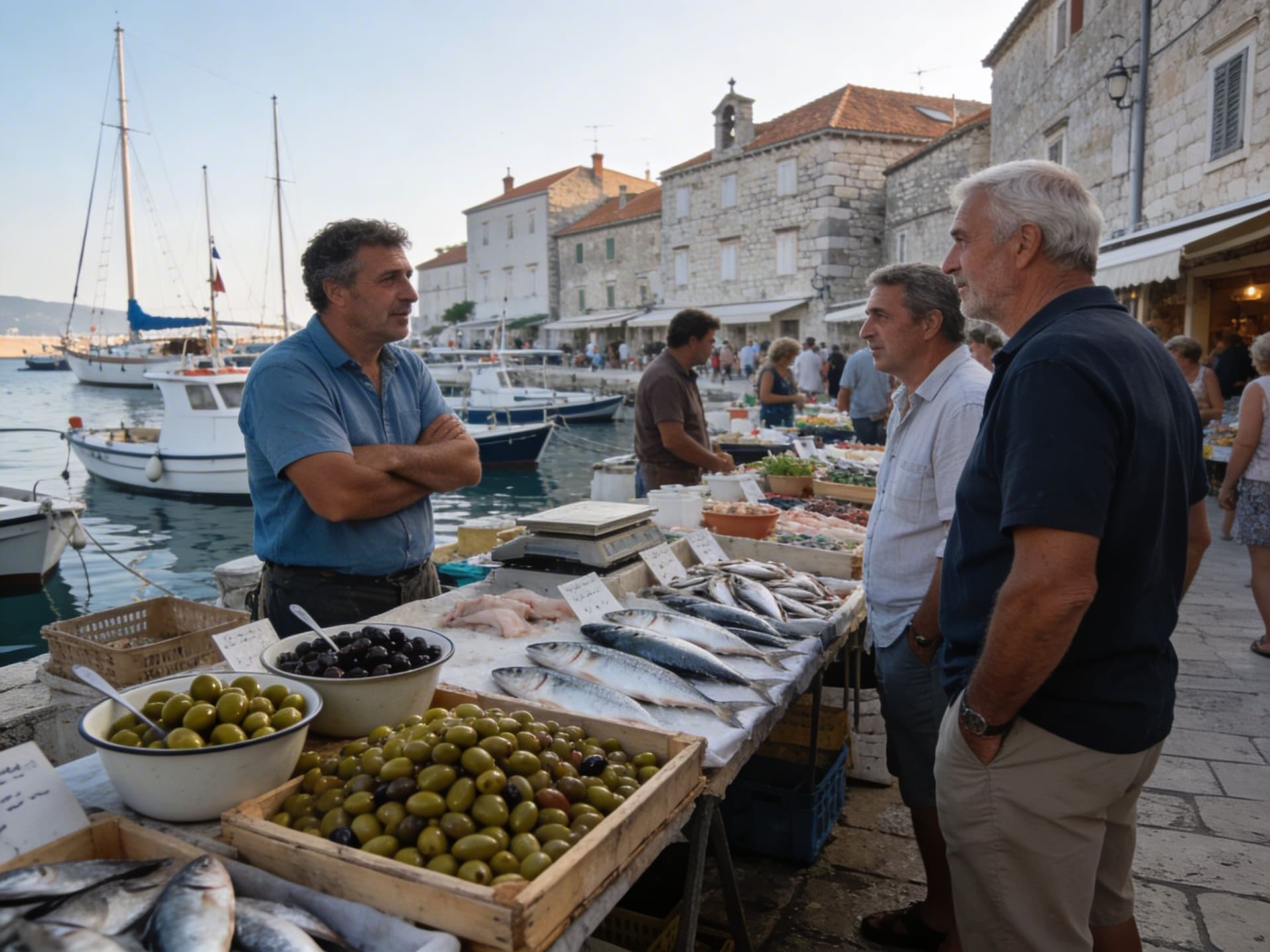
Croatia’s real charm lies in tiny scales: a stone piazza in Rovinj at dawn, the sheltered coves off Hvar, the beech forests of Gorski Kotar. Life is tactile—cobbled streets, olive-press rhythms, markets where you barter in fragments of language and laughter. These everyday textures shape what kind of property makes sense: a cool stone flat in a medieval core, a renovated Istrian farmhouse with a walled garden, or a compact apartment that opens onto a communal courtyard.
Neighborhood snapshots: where locals really live
In Zagreb, neighbourhoods like Črnomerec and Trešnjevka hum with markets and urban gardens; coastal towns such as Šibenik and Trogir keep a quieter, everyday sea-life away from the ostentation of bigger resorts; inland Istrian villages around Motovun trade tourist gloss for long-term community stewardship. These are the places where locals buy and where eco-conscious buyers can find properties that already respect local materials and micro‑landscapes.
Food, season and social life—how they shape home choices
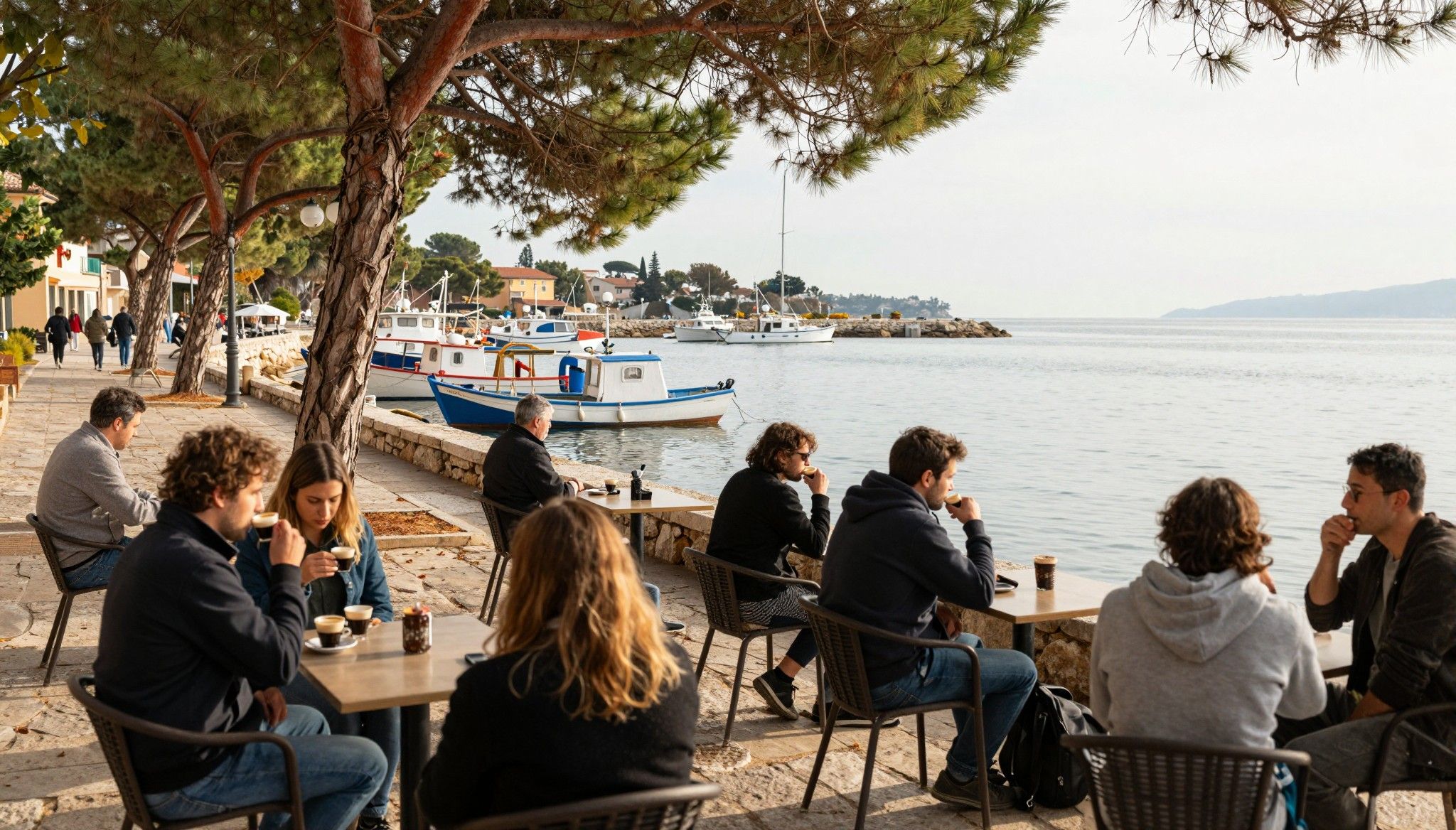
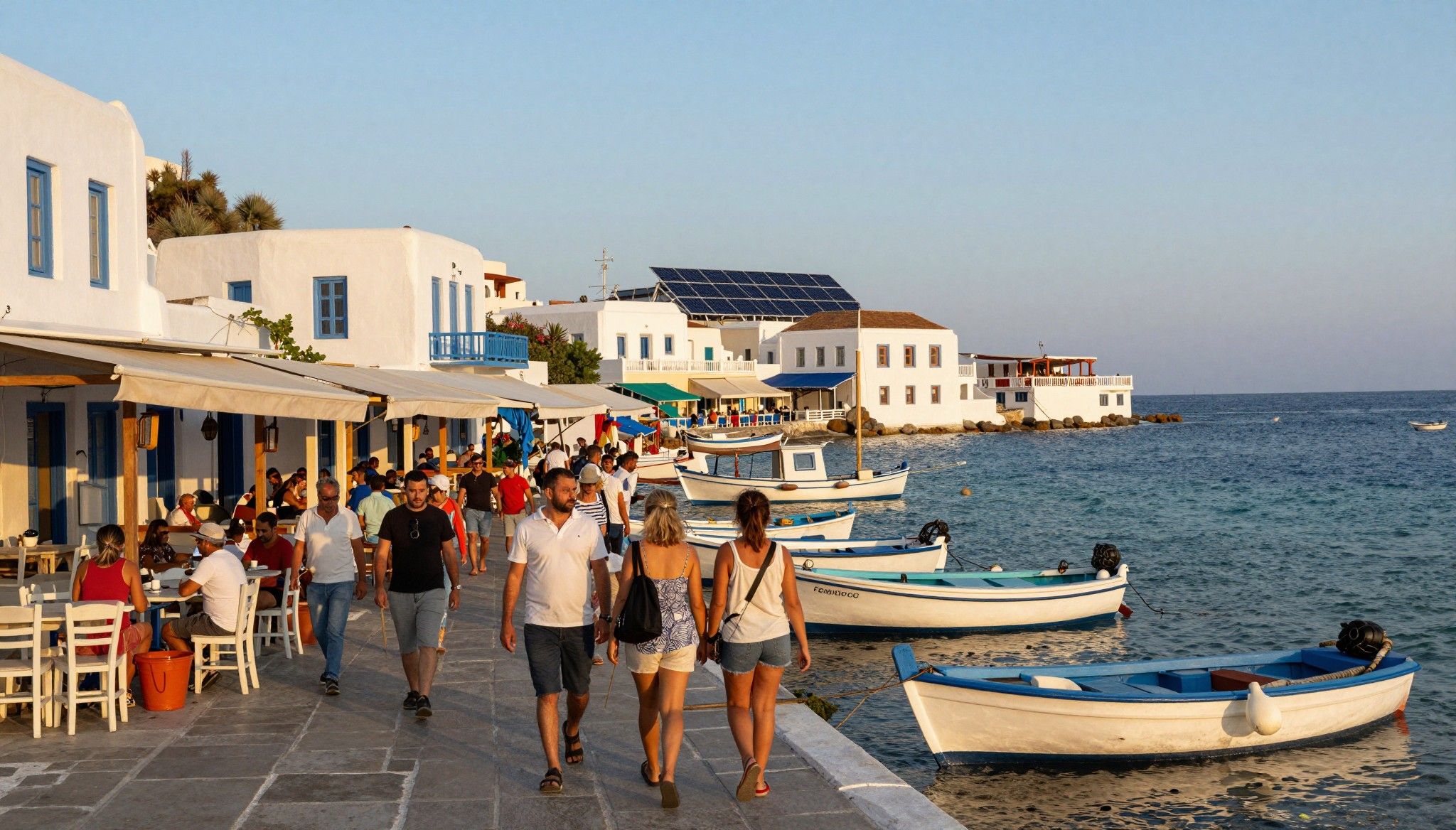
Weekends mean markets—Dolac in Zagreb, Pula’s green stalls, Split’s fishmarket—so proximity to a market matters if you value farm-to-table living. Seasonal festivals and tourist peaks reshape neighbourhood life, and Colliers’ market analysis shows that demand and price pressure concentrate along the coast, changing how and where sustainability-focused buyers can get value. Choosing an area aligned with your seasonal habits—year‑round life versus summer rental potential—will determine both enjoyment and financing options.
- Market‑day rituals, sea‑to-table dining, pebble beaches tucked behind pines, community olive presses, hill‑village wine cellars, weekend cycling routes through karst landscapes
Making the move: finance, green loans and the unexpected savings
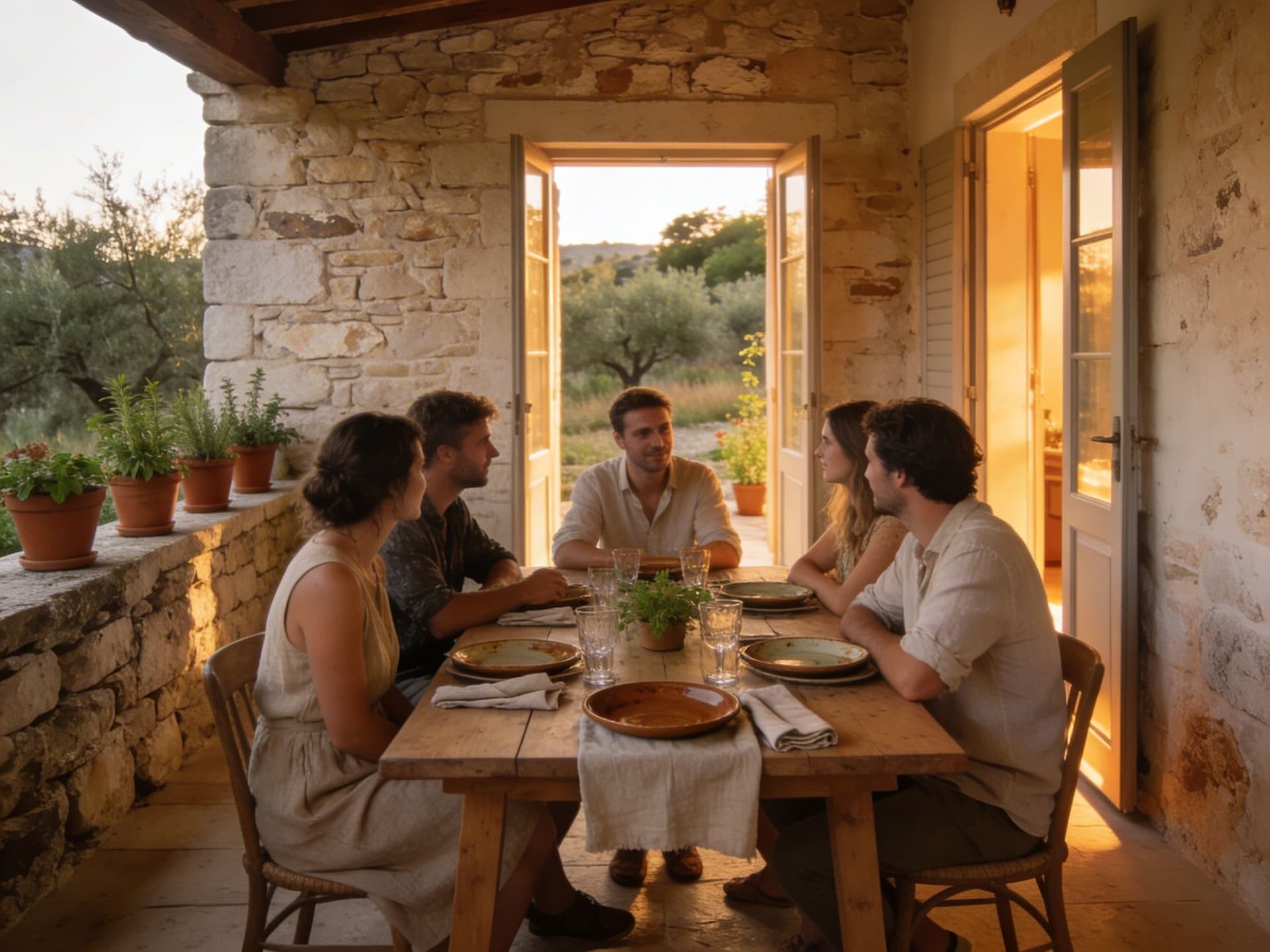
Dreams meet spreadsheets when you start to finance a Croatian home. Recent reporting highlights a slowdown in transaction volumes—an important signal that negotiation room exists, especially off the tourist coast. Yet prices remain elevated in key hotspots, which is why green financing and renovation-ready buys become strategic: they let you convert a lower‑priced stone house into a low‑running, high‑comfort home using loans that reward efficiency.
Property types and how they affect mortgages
Banks see differences between renovated stone homes, new builds and purchase+retrofit projects. A well-documented energy improvement plan can improve lending terms; new builds with near‑zero energy standards often qualify for preferential rates. For international buyers, lenders will look at income stability, downpayment size, and whether the property can produce rental income—seasonality on the coast matters here, as does the legal status of tourist rentals under local zoning.
- Steps to make green finance work for you: 1. Commission an energy audit or feasibility study to identify achievable upgrades and realistic costs. 2. Compare lenders for green mortgage or renovation loan products and check their eligibility criteria. 3. Build a staged renovation plan with local craftsmen to match loan tranches to work‑milestones. 4. Secure planning and conservation approvals where required so your loan release isn’t delayed. 5. Keep a contingency for coastal-specific risks (salt corrosion, drainage) that insurers and lenders may require.
Insider knowledge: what expats wish they'd known about timing and tradeoffs
Expats often tell the same story: they fell for a coastal postcard, only to find steep maintenance bills, tourist-driven noise and thin off-season life. Others found joy inland—authentic markets, cheaper hectares for food gardens, and stronger winter communities. Understanding how seasons change both lifestyle and cashflow is the unsung part of buying here: a home that sings in July may be costly to keep warm in January unless retrofitted properly.
Cultural cues and community integration
Learn a few words of Croatian, make punctual appointments, and bring small gifts when you meet neighbours—the social currency here matters. Local councils value long‑term residents who contribute to village life; this goodwill eases permit processes for renovations or agritourism ventures. Agencies that live in the neighbourhood—rather than glossy coastal offices—will introduce you to craftsmen and neighbours who keep the place alive off-season.
Long‑term stewardship: how your purchase can regenerate place
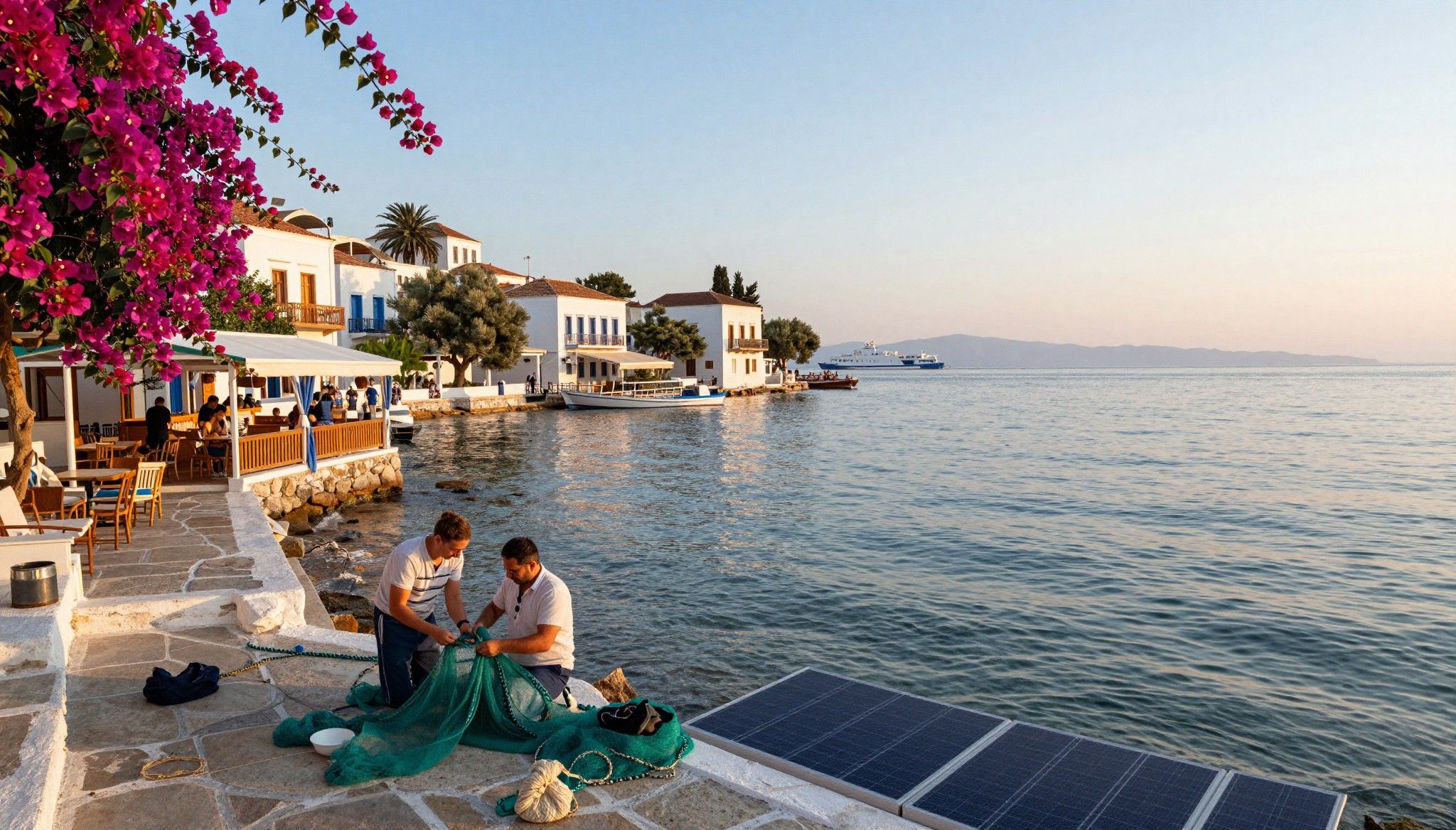
Choosing to retrofit with local stone, timber and passive heating not only reduces running costs but repairs the social fabric: you hire local masons, protect traditional methods and keep landscapes alive. Consider rainwater capture, native planting for gardens and small-scale renewables; these choices make living here affordable, quieter, and more resilient—qualities that will matter more as markets settle and climate patterns shift.
Conclusion: Croatia rewards patience and place‑making. If you prioritise sustainable living, think beyond headline coastlines and toward properties suited to year‑round life and retrofit. Work with local advisers who understand seasonal markets and green finance options, commission an energy audit early, and build a renovation plan that stitches your home to the landscape. When you buy with stewardship, the Adriatic becomes not just a view, but a long‑term life.
Norwegian market analyst who relocated from Oslo to Provence; guides investors with rigorous portfolio strategy and regional ecological value.