Greece: Buy for the Seasons, Not the Hype
Fall for Greece’s seasons and senses, then buy with local data—regional price trends, tax options and retrofit priorities that protect lifestyle and value.
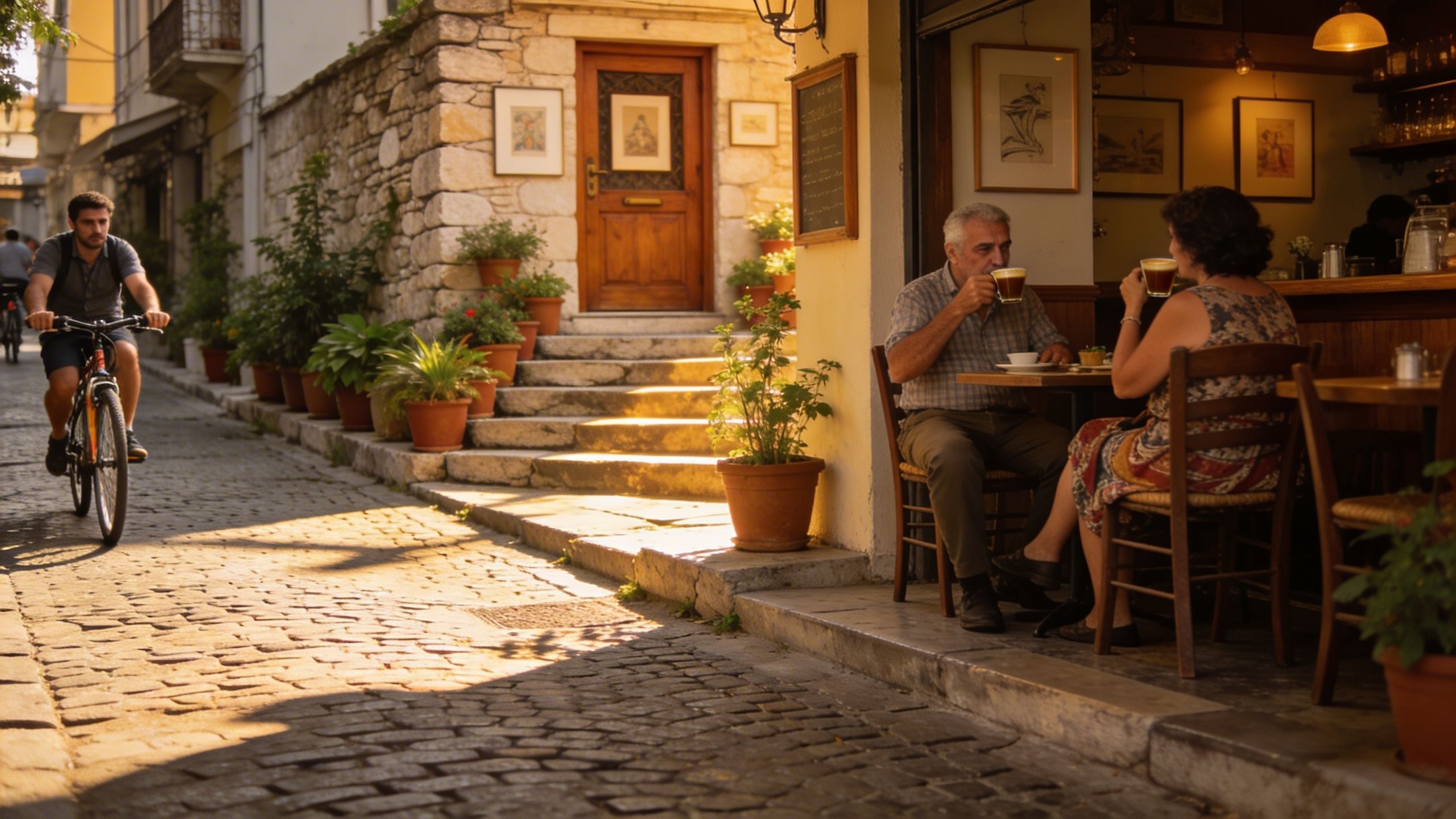
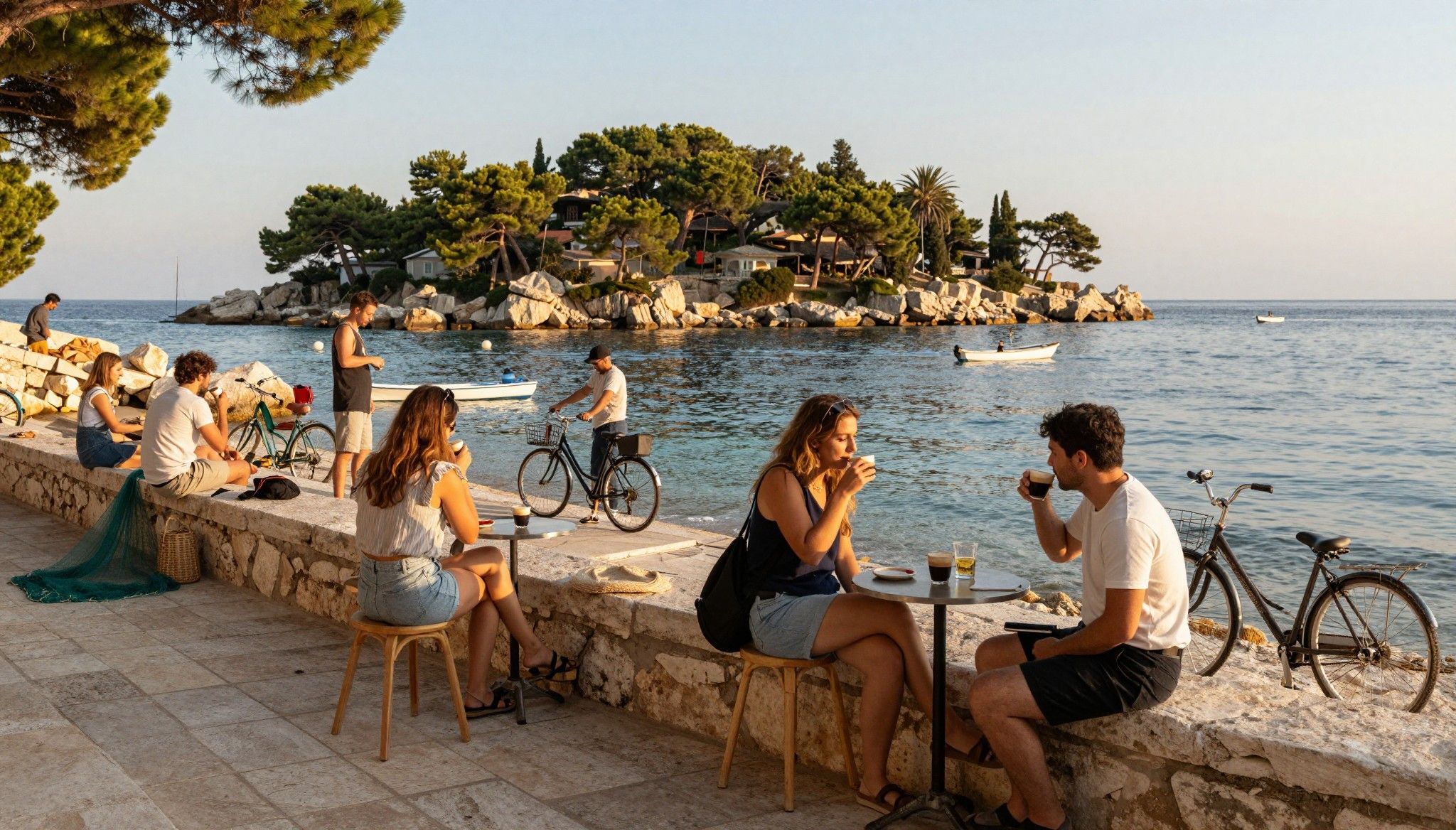
Imagine waking to the smell of freshly brewed ellinikó at a sun-warmed table on an Attica terrace, then cycling past bougainvillea to the local market where fishermen haggle over the morning catch. That sense of slow, sensory mornings — citrus trees, stone lanes, a sea breeze carrying church bells — is what draws people here. But beneath the romance lie sharp regional differences, seasonal rhythms and market quirks every international buyer should know. This piece blends the lived-in poetry of Greece with clear-eyed, research-backed practicalities so your purchase supports the life you’re buying.
Living the Greek Life: Streets, Seasons and Senses
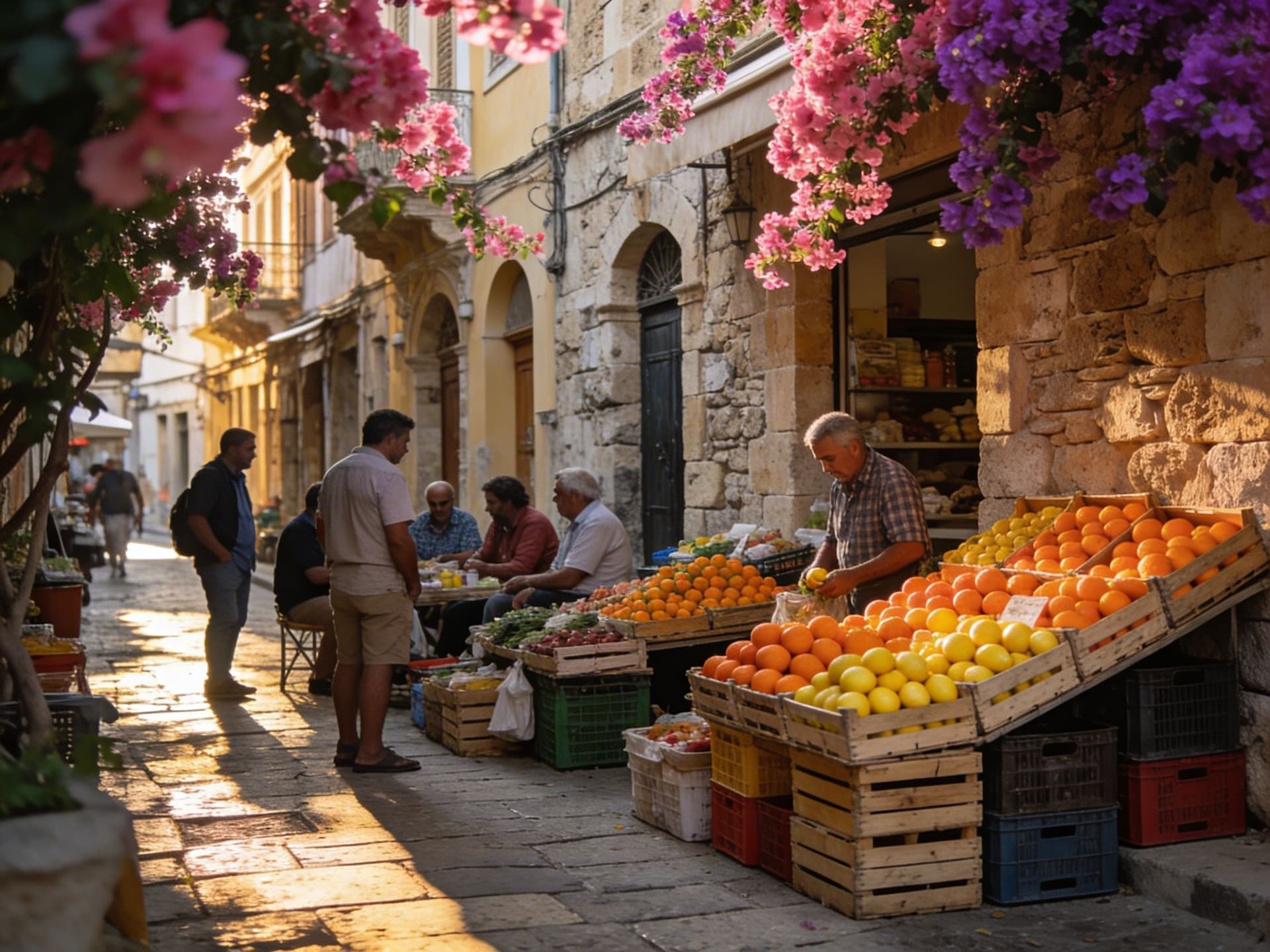
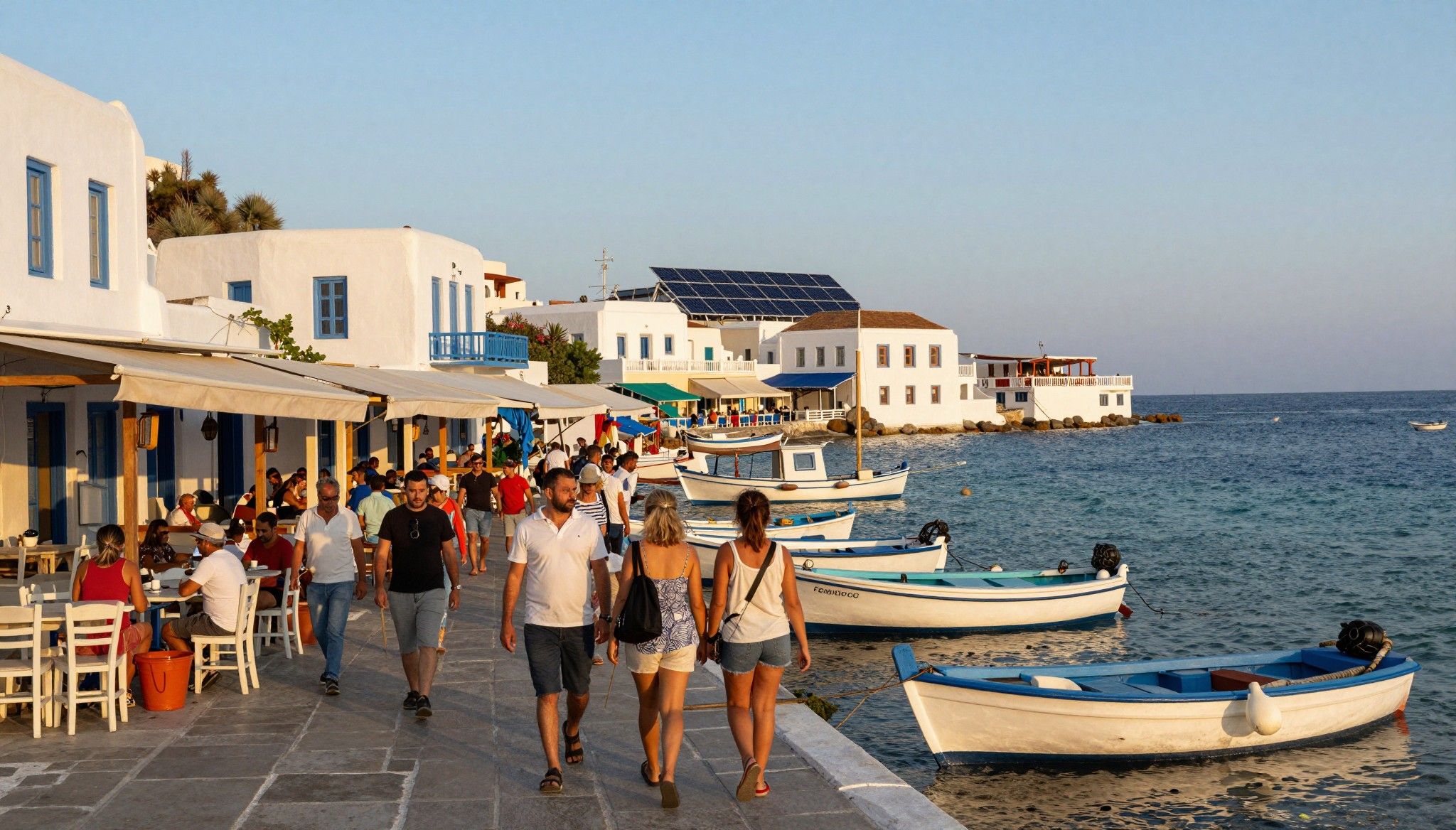
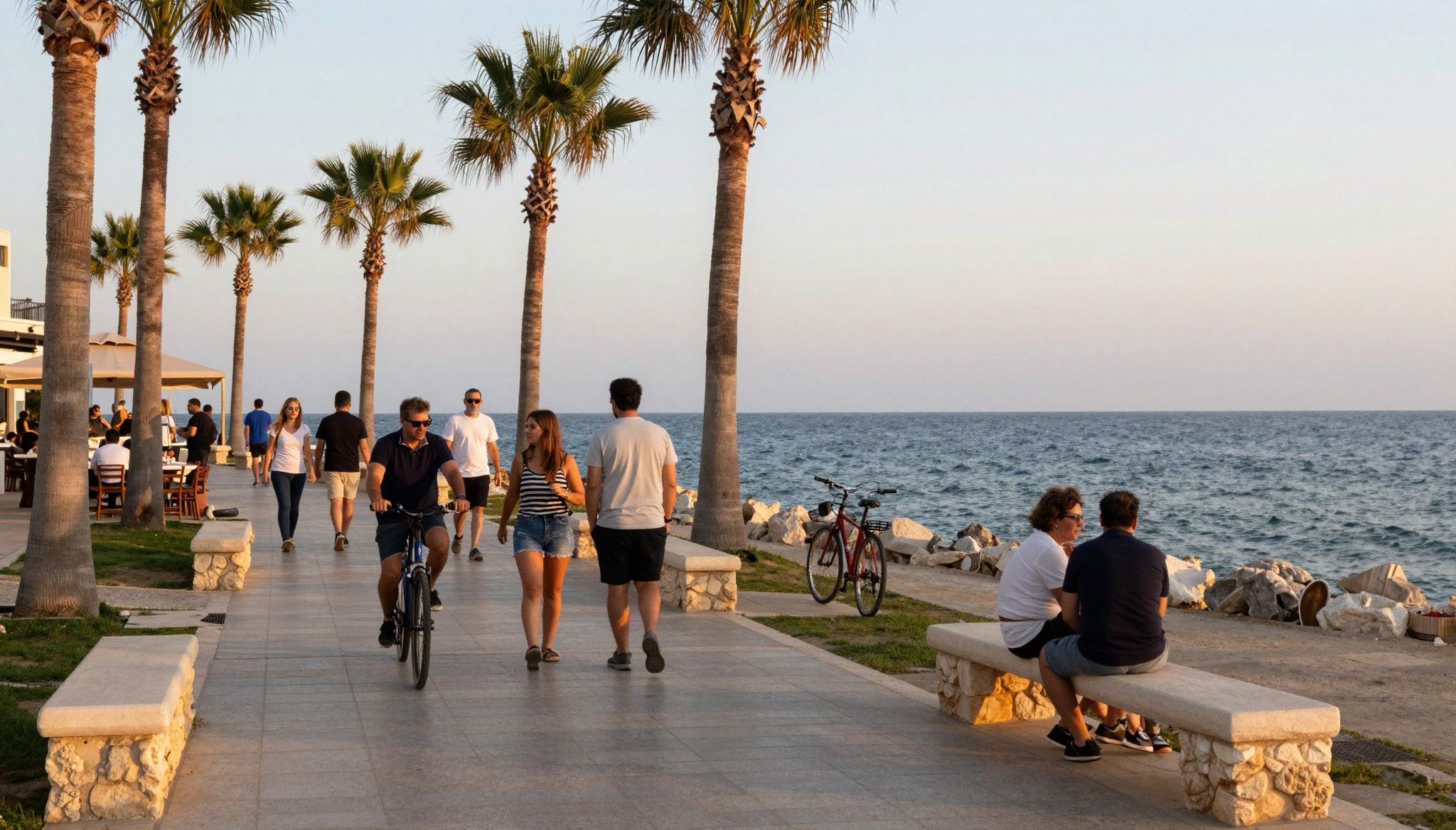
Living in Greece feels like a sequence of small rituals: morning coffee at a kafeneío, a market run for feta and figs, and long dinners that stretch into the blue night. Cities and islands each keep different tempos — Athens moves with a creative urban hum, Thessaloniki with cafe-lined boulevards and impromptu music, while the islands trade bustle for a gentler, seasonal cadence. For buyers, that rhythm should shape where you look: a year-round neighborhood needs infrastructure and community; a summer island house needs weatherproofing and rental strategy.
Neighborhoods that feel like home
Athens’ Koukaki and Pangrati feel lived-in — neighbours spill onto balconies, bakeries open before dawn and small galleries anchor an active cultural life. In Thessaloniki, Ano Poli’s stone streets and sea views come with strong local ties and a slower commercial pulse. On the islands, look beyond Mykonos and Santorini: Syros, Naxos and parts of Crete offer a more sustainable, community-led pace that aligns with green living and lower peak-season crowds.
Food, markets and weekend rituals
Weekends in Greece are market days: stalls heavy with citrus, olives, and wild greens, where conversations are as important as price-checking. Eating well is affordable in many regions, but rising living costs and regional differences mean groceries and services vary between Athens and rural Crete. Use local markets for seasonal produce and build a life that follows the year — preserving olive oil in autumn, harvesting herbs in spring — and your home will feel rooted in place.
- Lifestyle highlights you’ll actually use
- Morning coffee at Kafenio in Koukaki; evening meze by the Thessaloniki waterfront; farmer’s market in Chania; a weekday swim at Agios Nikolaos beach; a winter hike in Mount Taygetos.
Making the Move: Practical Considerations Without Killing the Dream
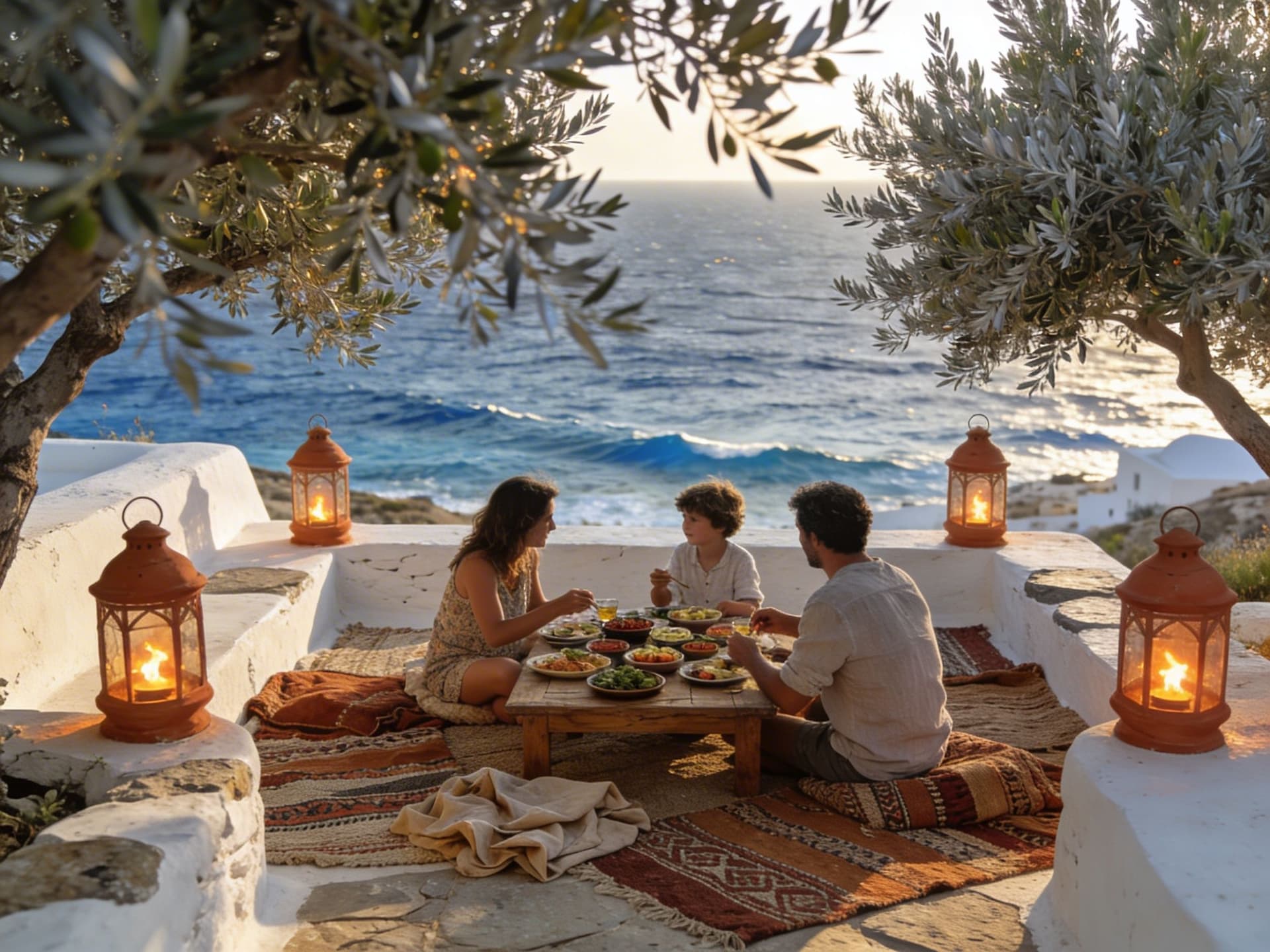
Greece’s market has been quietly warming: national price indices show steady growth in many regions while island hotspots outpace inland towns. The Bank of Greece’s indices and recent agency reports point to stronger gains for new-build and island properties, though variations are wide between Athens, Thessaloniki and the islands. That means timing, property type and local knowledge are more important than a single ‘buy now’ mantra — and working with agents who understand seasonal occupancy and green retrofit potential will save you time and money.
Property styles and how they shape daily life
Stone village houses invite slow mornings and thick walls that keep summers cool, but they often need plumbing and insulation upgrades. Contemporary apartments in Athens offer walkable life and modern systems but trade outdoor space for convenience. Seaside villas bring the sea into daily life yet demand maintenance for salt exposure and water use. Match building type to rhythm: if you want garden dinners and a kitchen garden, prioritize ground-floor or house options with sun aspect and water access.
Working with local experts who know the life
Choose agents who speak the language of place — not just legalities. Local agents should point to seasonal maintenance (e.g., roof checks before autumn rains), renewable-energy opportunities like rooftop solar, and neighborhood specifics (quiet streets, market days, community groups). They will also help you spot lifecycle costs: water bills on an Aegean island, insulation needs in mountain villages, or rental demand in a Cycladic town.
- Practical steps that keep the lifestyle intact
- 1) Visit the neighborhood across seasons (spring, high summer, winter) to feel daily life. 2) Inspect water and insulation; prioritize PV-ready roofs and rainwater collection. 3) Ask agents about local service networks (builders, gardeners, property managers). 4) Factor seasonal income variance if you plan to rent — islands can earn in summer but need winter plans.
Insider Knowledge: What Expats Wish They’d Known
Real talk from buyers: the dream of warm light and olive trees is real, but so are practical headaches — seasonal isolation, patchy broadband in some spots, and variable municipal services. Eurostat shows Greece has high housing cost-overburden in cities, a reminder that lifestyle values and budget must align. Expat communities help bridge language and bureaucracy, but active local friendships — a neighbor with olive presses, a baker who knows your order — are what make a house a home.
Cultural rhythms and social integration
Learn a few Greek phrases, attend the local panigyri (village festival), and bring food to share — small gestures open doors faster than formal introductions. Many neighborhoods are intergenerational; find the local kafeneío and spend mornings there to meet people. Patience with administrative pace is part of daily life here; projects often move slower but with more neighborly help.
For higher earners, Greece’s non-dom flat tax can be a meaningful incentive — a fixed-rate option for new residents that can simplify global income reporting. Combine residency options with property plans, but consult a specialist: tax regimes change, and the interplay with inheritance and property taxes affects long-term stewardship of your home. Treat tax benefits as a tool to support the life you want, not the primary reason to buy.
- Red flags to notice before falling in love
- Unexplained high utility bills; no planning permission for added terraces; poor road access off-season; promises of guaranteed rental income without contracts; lack of local tradespeople for maintenance.
If you love the life but worry about costs, retrofit choices often offer the best of both worlds: thermal insulation, double glazing, rainwater harvesting and a modest photovoltaic system turn rustic charm into comfortable, low-impact living. Investing in these sustainable upgrades protects value, lowers running costs, and deepens your connection to place — you live gently on the land you love.
Conclusion: Buy the life, then the house. Start by mapping the daily life you want — morning markets, studio pottery classes in a village square, or an Athens apartment with a roof garden — and let that vision guide practical checks. Visit across seasons, work with agents who speak local ecology and craft, and prioritise retrofit potential so your house grows kinder to the landscape. When you get this right, your purchase will feel less like a transaction and more like becoming part of a Greek story.
British expat who traded Manchester for Mallorca in 2017. Specializes in guiding UK buyers to luxury Spanish estates with clear navigation of visas and tax.