Greece: Seasonal Stewardship and Real‑Market Truths
Greece blends seaside light, traditional craft and rising demand; visit off-season, prioritise stewardship projects, and work with local agents to match lifestyle and long-term value.
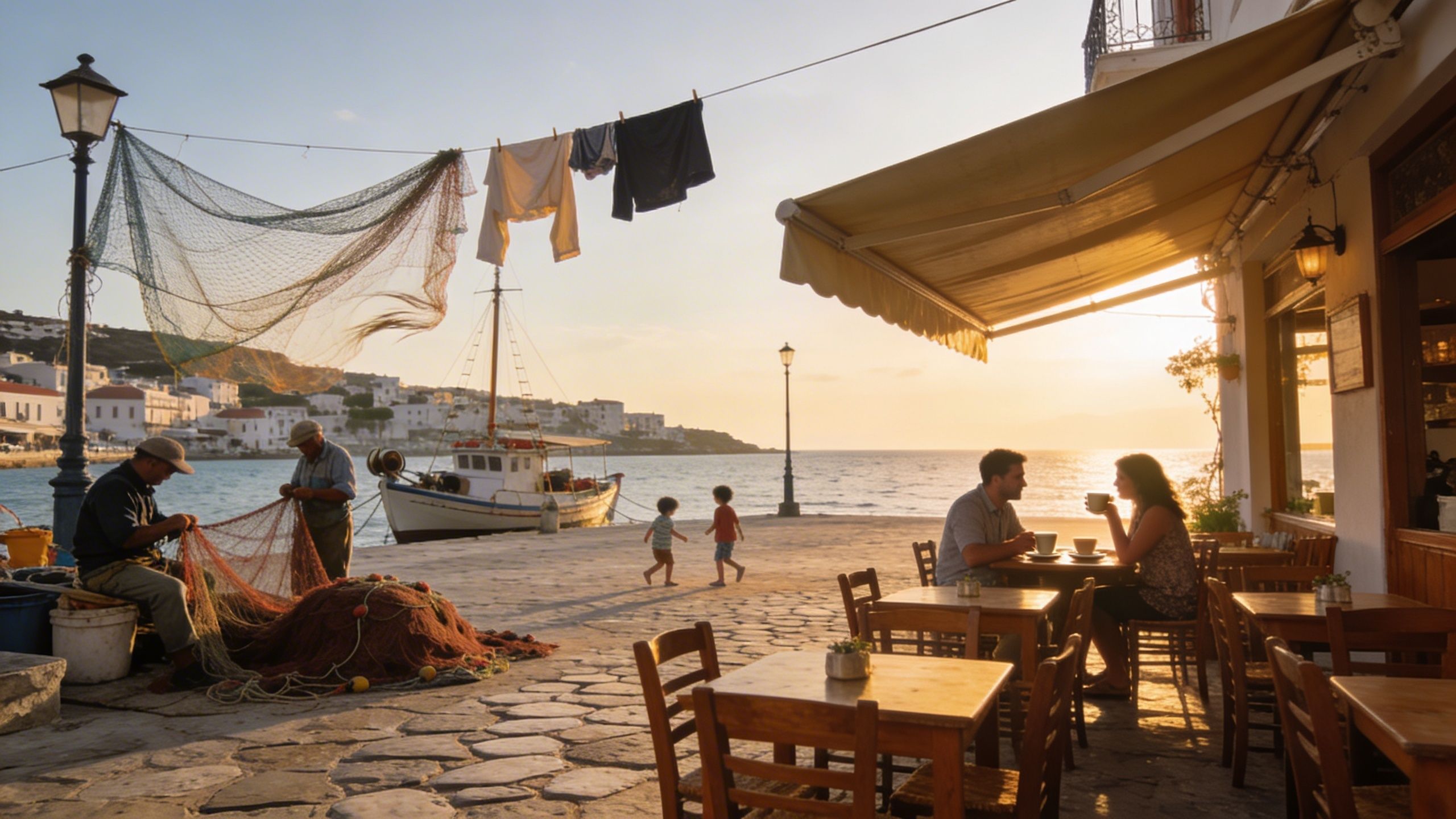
Imagine waking to the smell of roasted coffee and sea salt, stepping out onto a stone-paved lane in Plaka or a sun-warmed terrace in Nafplio. In Greece, mornings move at a curious tempo — lively markets and espresso rhythms give way to slow siestas, evening aperitifs and long dinners under vines. For international buyers who care about land, craft and seasons, Greece offers a life stitched to ecology: whitewashed stone, native gardens, and centuries-old building traditions that cradle modern eco‑upgrades. But beneath the romance are real market shifts and rules that shape when and where the lifestyle you want is actually affordable and sustainable.
Living the Greece lifestyle
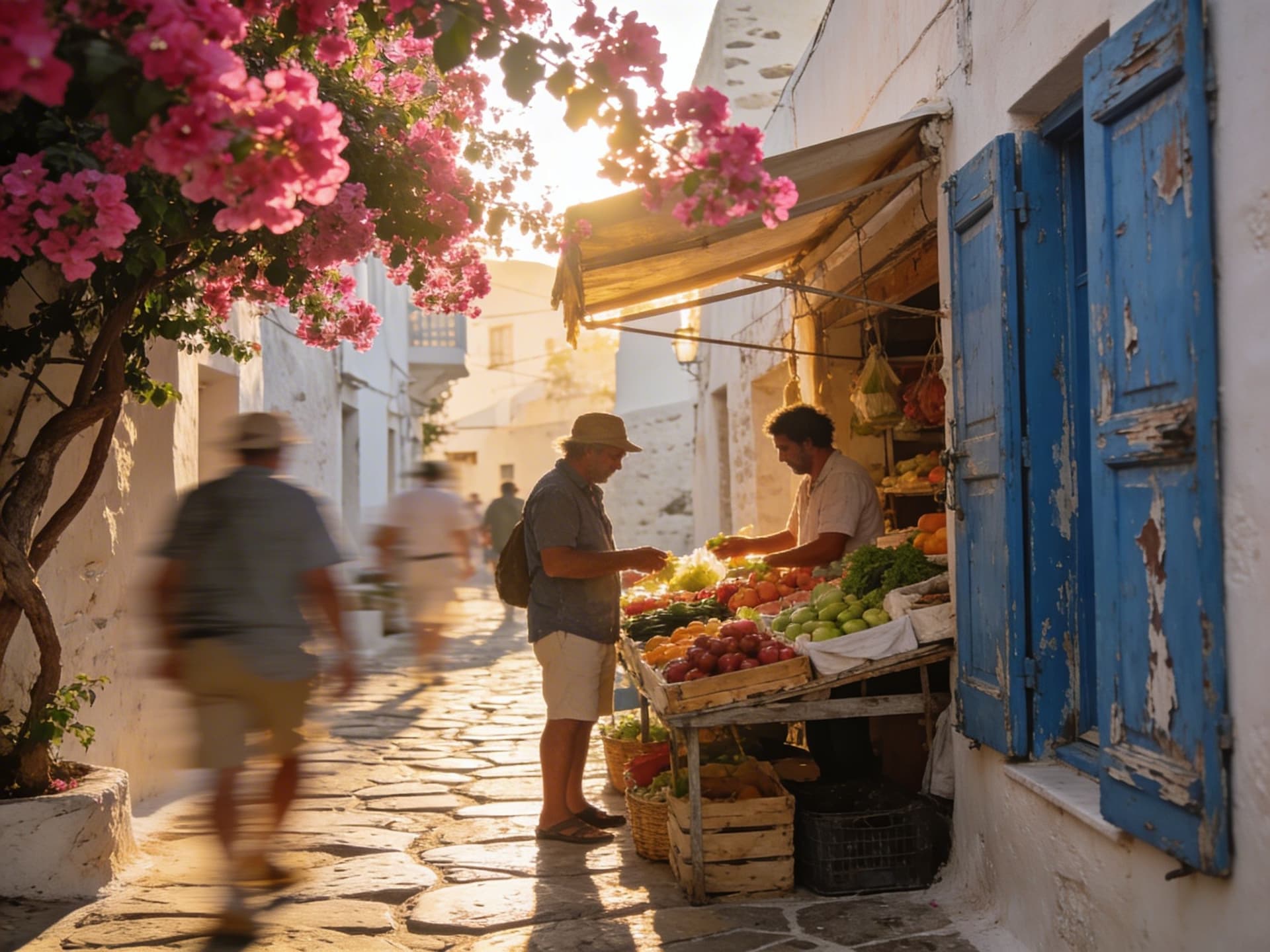
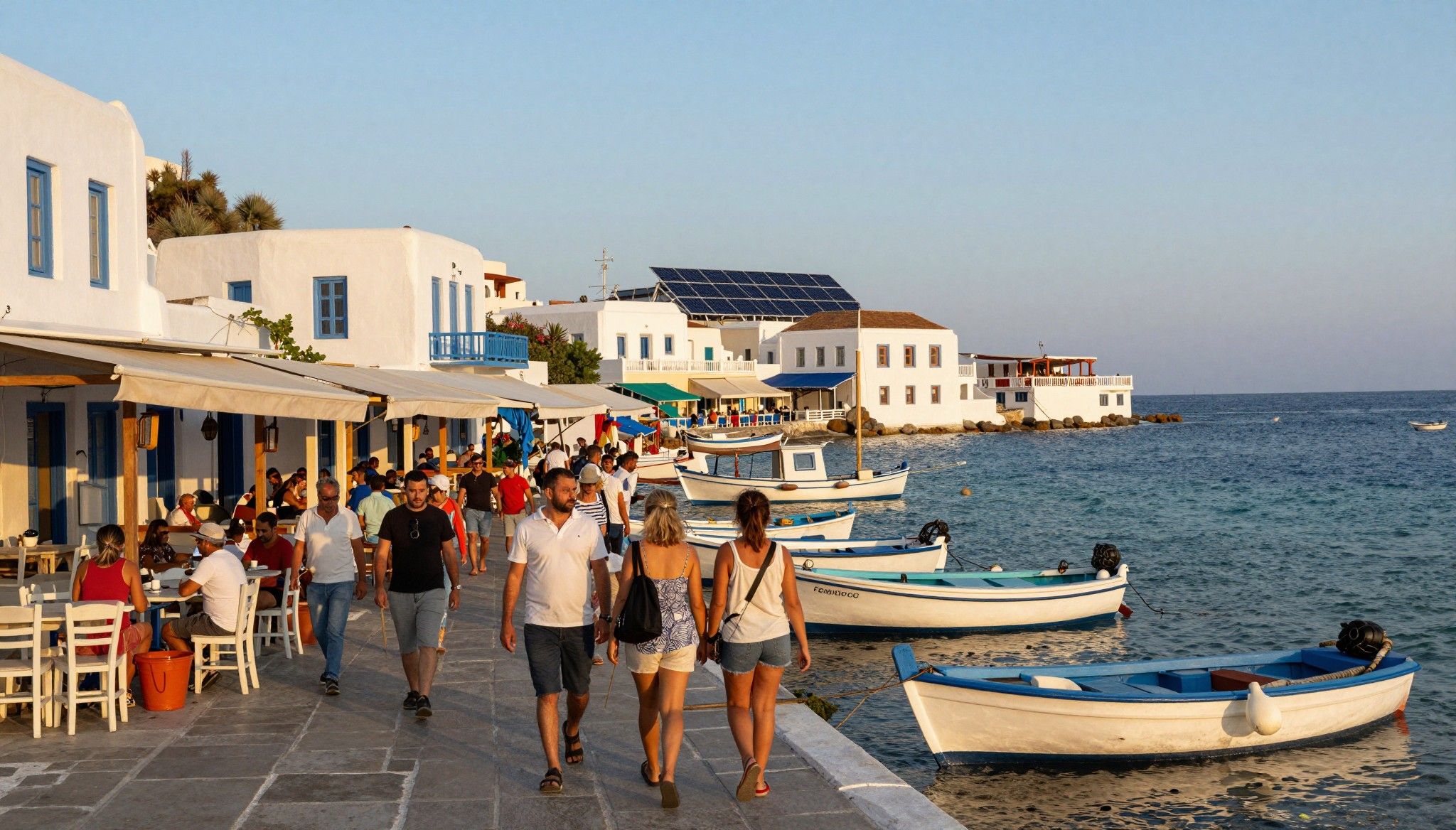
Greece unspools differently from island to city. Athens has an urban pulse — rooftop bars, neighborhood bakeries and the sweeping Athens Riviera regeneration — while islands such as Naxos and Kea feel measured by tides, summer festivals and agrarian cycles. The sense of place is tactile: flaking limewash, bougainvillea shading narrow alleys, and tavernas where the catch of the day pairs with local olive oil. That texture is why many buyers trade a glossy new build for a restored stone house with thick walls, courtyards and a garden that feeds you through the seasons.
Athens & the Riviera: city life with a seaside heartbeat
Walk from the shaded squares of Koukaki to a late-afternoon swim on the Glyfada coast and you feel why buyers are drawn to Athens’ southern arc. Large-scale projects like Ellinikon are reshaping the Riviera with parks and beachfront residences, but locals still prize neighbourhood markets, kafeneia and the small-scale rhythms of sea-and-city life. If you want culture and connection with direct flights and medical services, Athens neighbourhoods — Pangrati, Exarchia’s creative pockets, the calmer bayside suburbs — offer both convenience and a layered, lived-in charm.
Islands & Mainland: seasonal life and quiet stewardship
Choose an island like Syros, Naxos or Kefalonia and your year is arranged by sea-season and harvest. Summers brim with markets, festivals and boat traffic; autumn brings wild greens and empty coves perfect for restoration projects. On the mainland, regions such as Peloponnese or Zagori offer forested valleys, traditional stone-built villages and communities where olive-harvesting and craft workshops anchor local life. These places lend themselves to low-impact renovations, rainwater capture and bioclimatic design — practical measures that deepen the relationship between home and landscape.
- Taste of place: neighbourhood and seasonal highlights
- Athenian mornings in Koukaki: espresso at Little Kook, flea markets and the Acropolis light.
- Naxos afternoons: local cheeses in the market, wind-swept beaches and olive groves to explore.
- Peloponnese villages: stone courtyards, cooperative olive presses and evening shadow-play on limestone.
Making the move: practical considerations
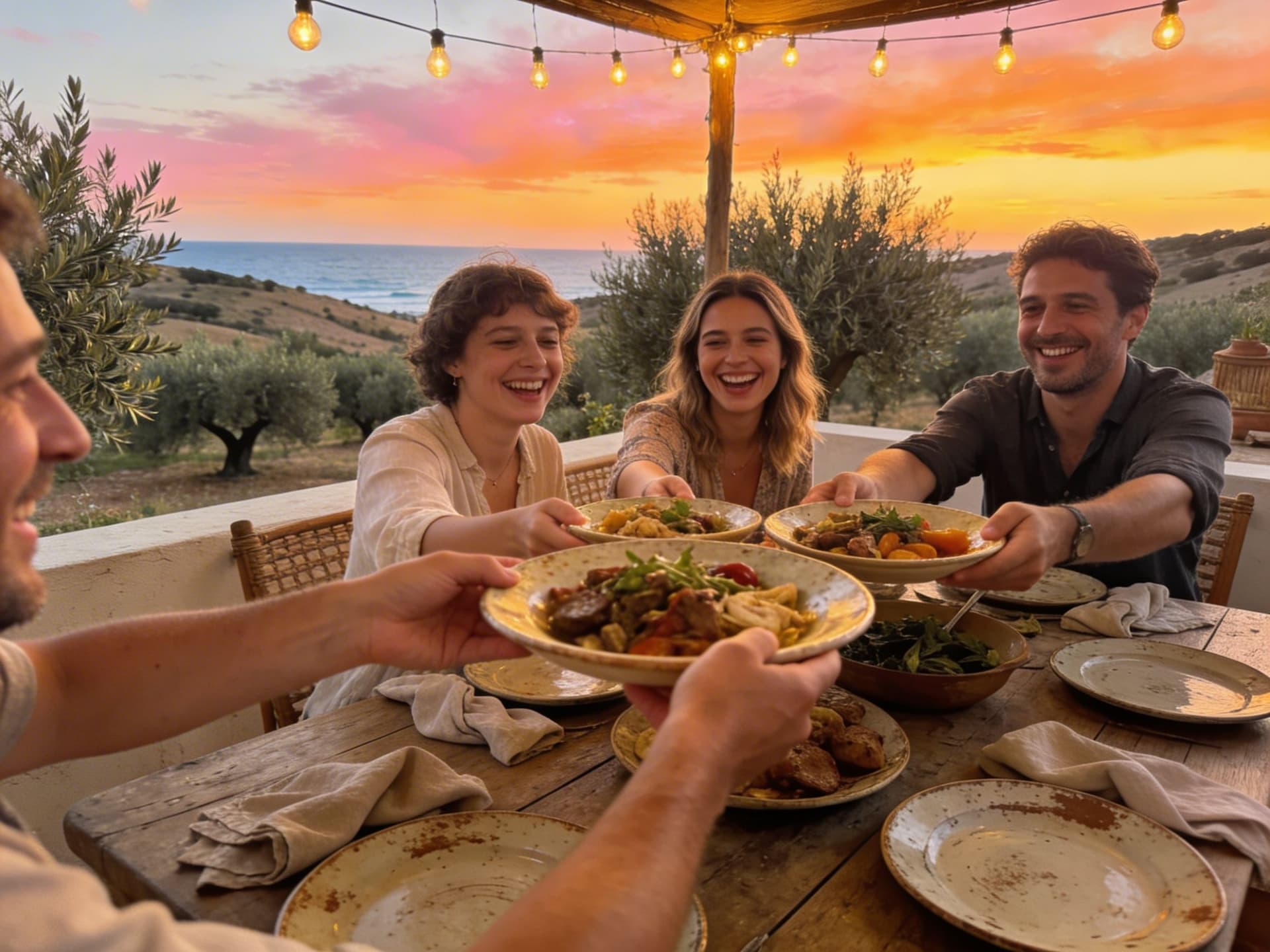
The dream of a Greek life must meet local market reality. Prices have climbed in recent years driven by foreign demand, limited supply in prized areas and city-regeneration projects that amplify prime locations. National and regional price differences are wide — what looks affordable in a quiet Peloponnese village can be very different from coastal Mykonos or central Athens. Understanding these patterns early saves time and helps you decide whether you want a lively seasonal rental potential or a quieter stewardship project.
Property types and how they shape daily life
Historic stone houses offer thick walls and passive cooling but often need structural work and modern services. New builds give immediate comfort and energy-efficiency but can miss the tactile charm of traditional materials. Seafront apartments prioritise views and easy access to beaches, while inland homes offer gardens, orchards and a stronger sense of seasonal self-sufficiency. Choose a property type that matches your daily rituals: terrace dinners, vegetable beds, or short walks to a café.
Working with local experts who know the life you want
A local agent who understands sustainability, seasonal living and restoration will save you months of trial and error. They can flag microclimate issues, water access, traditional building consents and neighbours’ expectations about renovations. If residency matters, be aware the investment-residency landscape has shifted; rules and thresholds have changed in recent years and you should confirm current criteria before acting. Good agents also introduce craftsmen, landscapers and planners who respect traditional methods and local biodiversity.
- Steps that blend lifestyle and practical checks
- Visit in shoulder seasons (spring or late autumn) to feel daily life off-peak and inspect weather patterns.
- Ask about water rights, garden soil, and neighbour-grown produce — these determine how easily you can garden and steward land.
- Prioritise energy upgrades that respect building fabric: reversible insulation, rooftop photovoltaics sited sensitively, and efficient heat-pumps for year-round comfort.
- Work with local legal counsel and a notary (symvoi lektris) to confirm title, zoning and any protected-status restrictions on traditional homes.
Insider knowledge: what expats wish they'd known
Expat communities often tell the same small truths: the best neighbourhoods are discovered by walking, local festivals matter more than glossy listings, and seasons reshape both life and market value. Price indices show steady gains in recent years, particularly in cities and well-travelled islands, but there are still quieter pockets where stewardship projects remain affordable if you plan for renovation time and local approvals. The surprise for many is that off-season life reveals the true everyday — and that is often when you decide whether a place feels like home.
Language, customs and the rhythms of community
A few Greek phrases, patience with bureaucracy and a willingness to join harvests or local festivals open doors faster than perfect paperwork. Communities appreciate reciprocal involvement: help at the olive press, learning a recipe, or a morning coffee at the same kafeneio builds trust. Expect neighbors to ask direct questions about plans; transparency and respect for local craft traditions smooth renovation approvals and neighbour relations.
Long-term lifestyle: stewardship, seasons and value
If your aim is a home that gives back — to you and the landscape — focus on long-term stewardship: olive groves managed for biodiversity, native plant gardens to reduce irrigation, and sympathetic retrofits that extend a building’s life. These measures enrich daily living and can protect value as markets shift. Recent market guides show clear premium for coastal and island properties, but equally show opportunity where buyers are willing to invest in restoration over speculative purchase.
- Red flags to watch for when a property is sold as "charming"
- Unclear title histories or unregistered building extensions that will complicate legalisation.
- Promises of rental income without transparent local seasonal occupancy data or short‑term rental regulation clarity.
- Properties sited in protected zones that restrict external energy upgrades or garden changes.
Conclusion: Greece asks you to be a neighbour, not an onlooker. If you come for the light and sea, stay for the hands-on life of seasons, markets and craftsmanship. Start by visiting in shoulder seasons, choosing an agent who champions low-impact restoration and local craft, and prioritising properties that match how you want to live — orchard, terrace, or urban piazza. When lifestyle and stewardship align, your Greek home becomes part of a living landscape rather than a postcard.
Norwegian market analyst who relocated from Oslo to Provence; guides investors with rigorous portfolio strategy and regional ecological value.