When Croatia’s Coast Feels Pricey, Think Green
How green loans and local know‑how turn Croatia’s coastal premium into a practical, sustainable purchase — with data and local banking options.
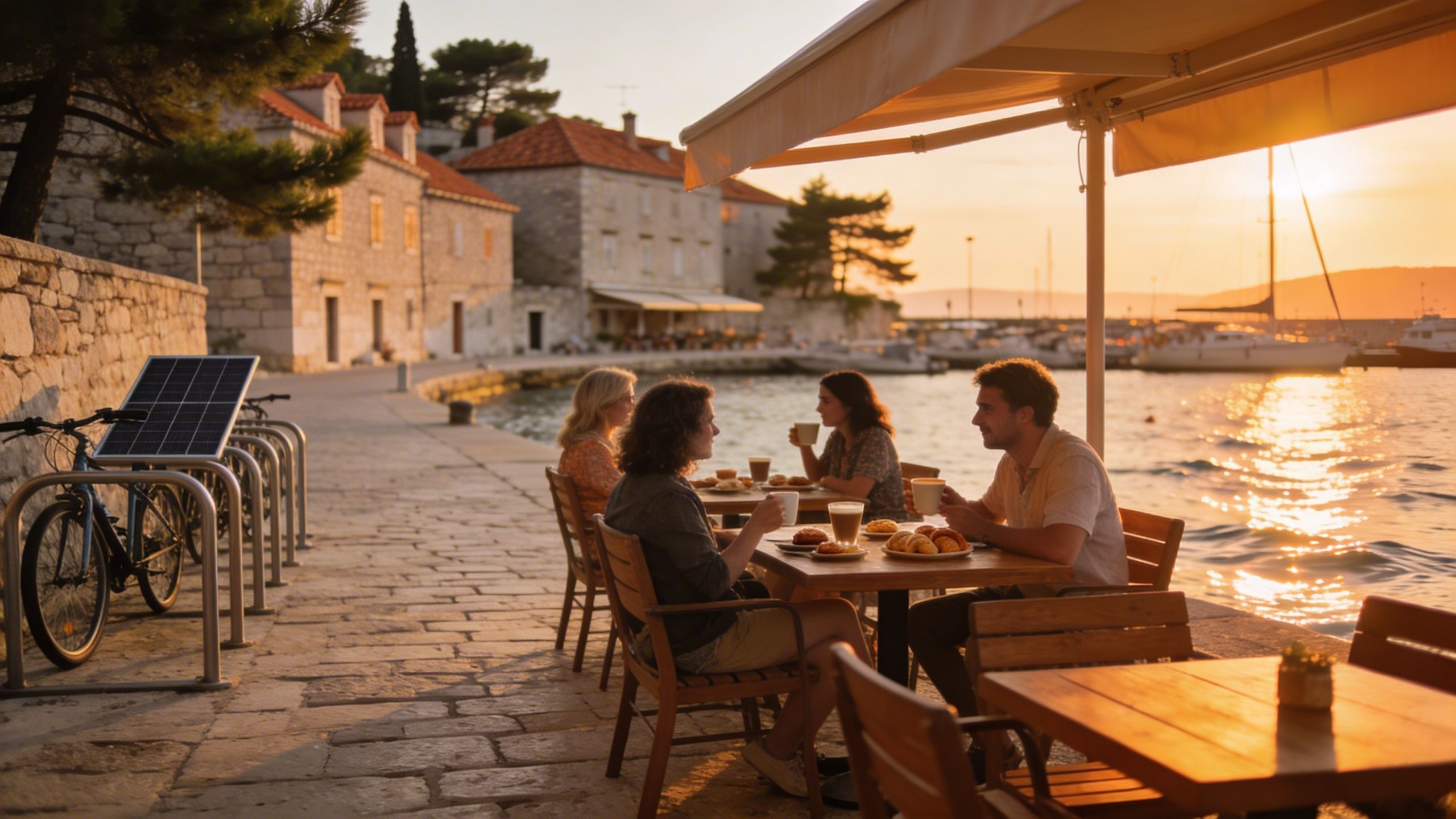
Imagine a morning in Rovinj: limestone streets glowing, a fisherman’s boat cutting the glassy Adriatic, and a neighbourhood bakery filling the air with warm, yeasty scent. That feeling — sun on stone, slow coffee, and sea wind through pines — is the reason buyers fall for Croatia. But the story that follows is twofold: lifestyle first, financing second. For international buyers who care about low‑impact living, Croatia’s coast offers both an intoxicating daily rhythm and practical pathways to make that life affordable through green finance and smart compliance.
Living the Croatia life: senses, seasons and streets
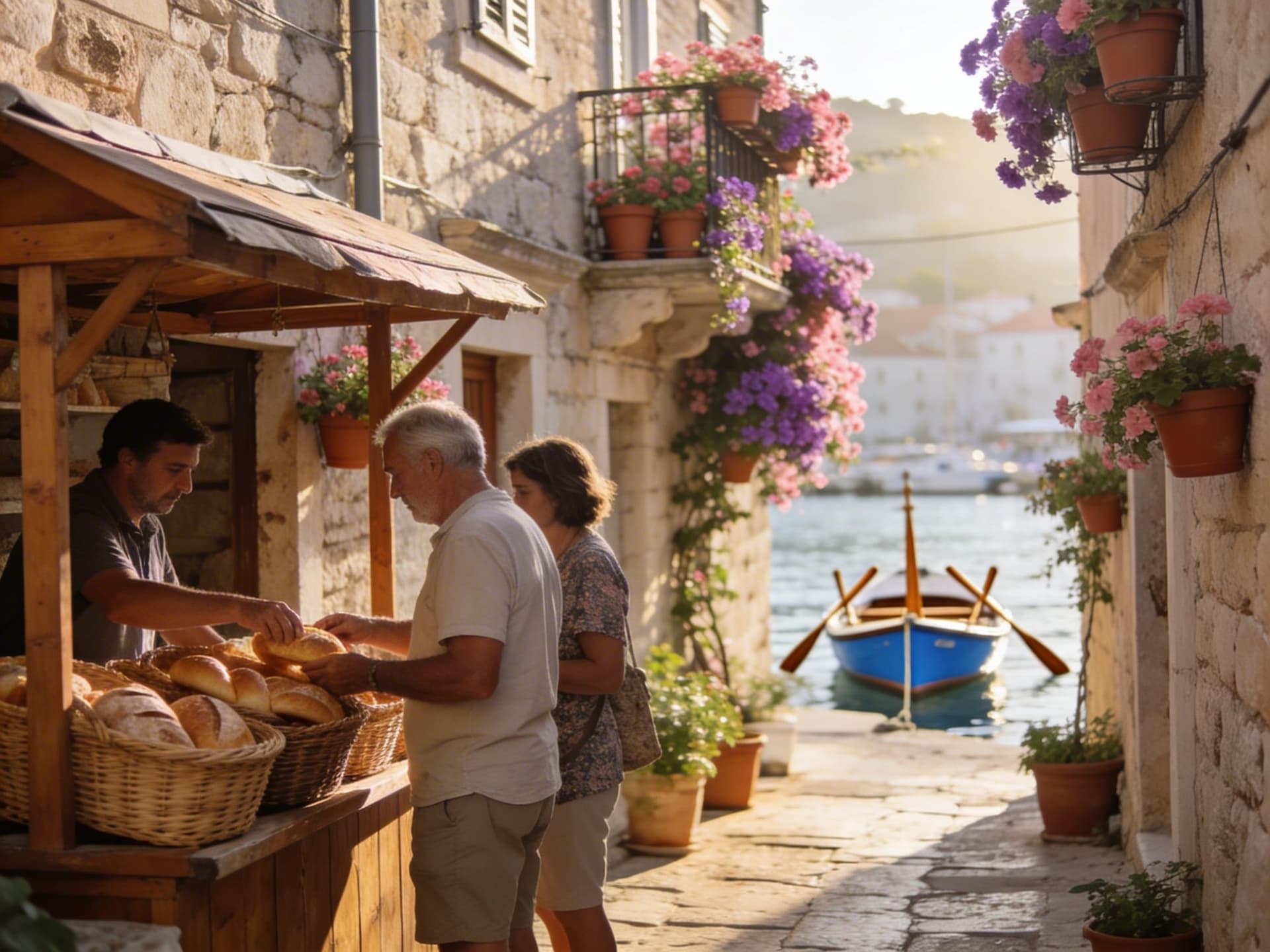
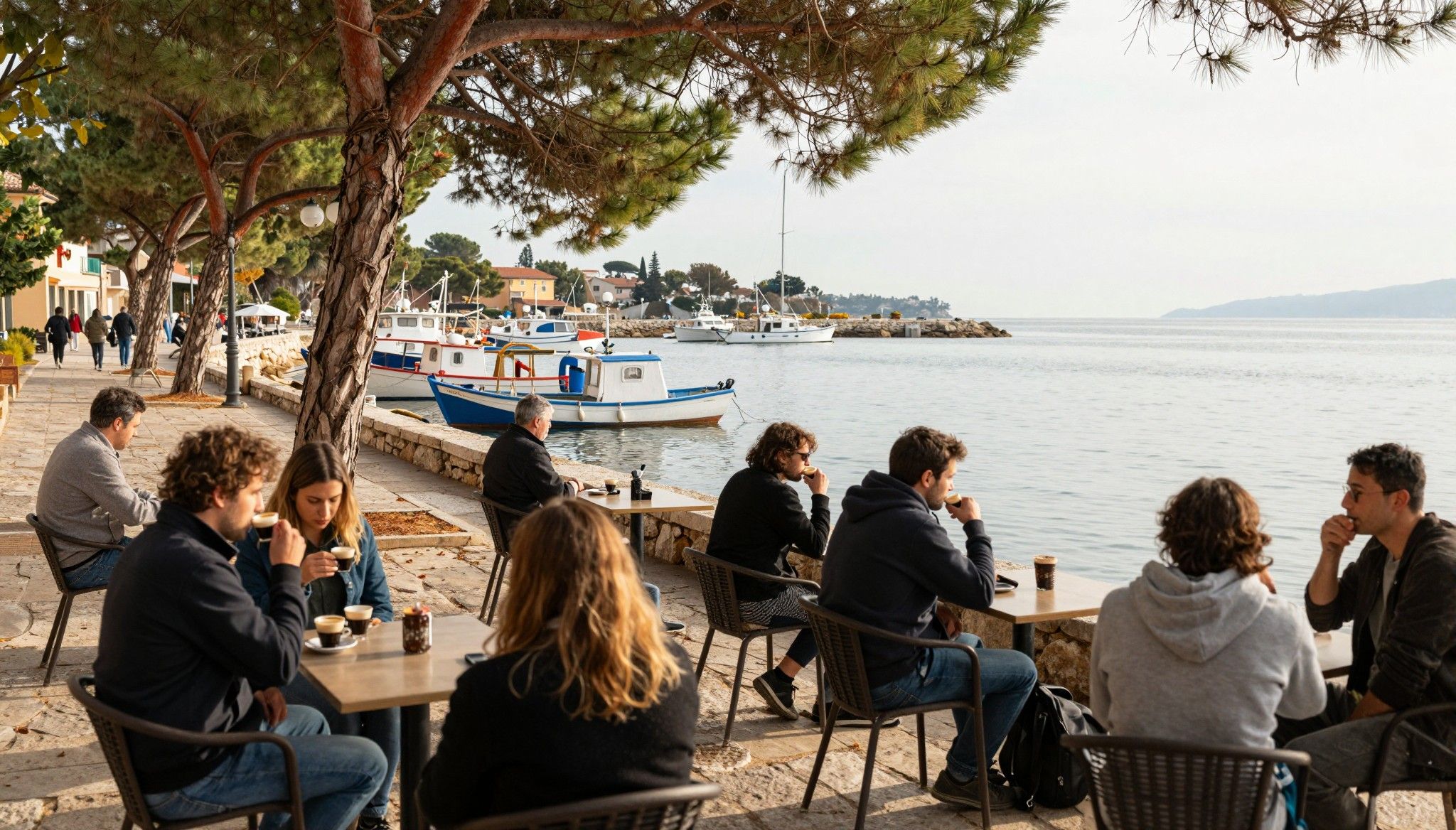
Croatia is more than Dubrovnik postcards. Mornings in Split’s Veli Varos mean espresso at a tiny konoba and market tomatoes that still smell of sun. Evenings in Istria can be truffle dinners and sloped olive groves; on islands like Brač and Vis life moves at the tide’s pace — small harbours, local bakeries, and neighbours who know your name. This is a place where homes are measured as much by their connection to land and sea as by square metres, so lifestyle choices — terraces, shaded courtyards, Mediterranean gardens — should shape financing decisions as much as floorplans.
Neighborhood notes: where locals actually live
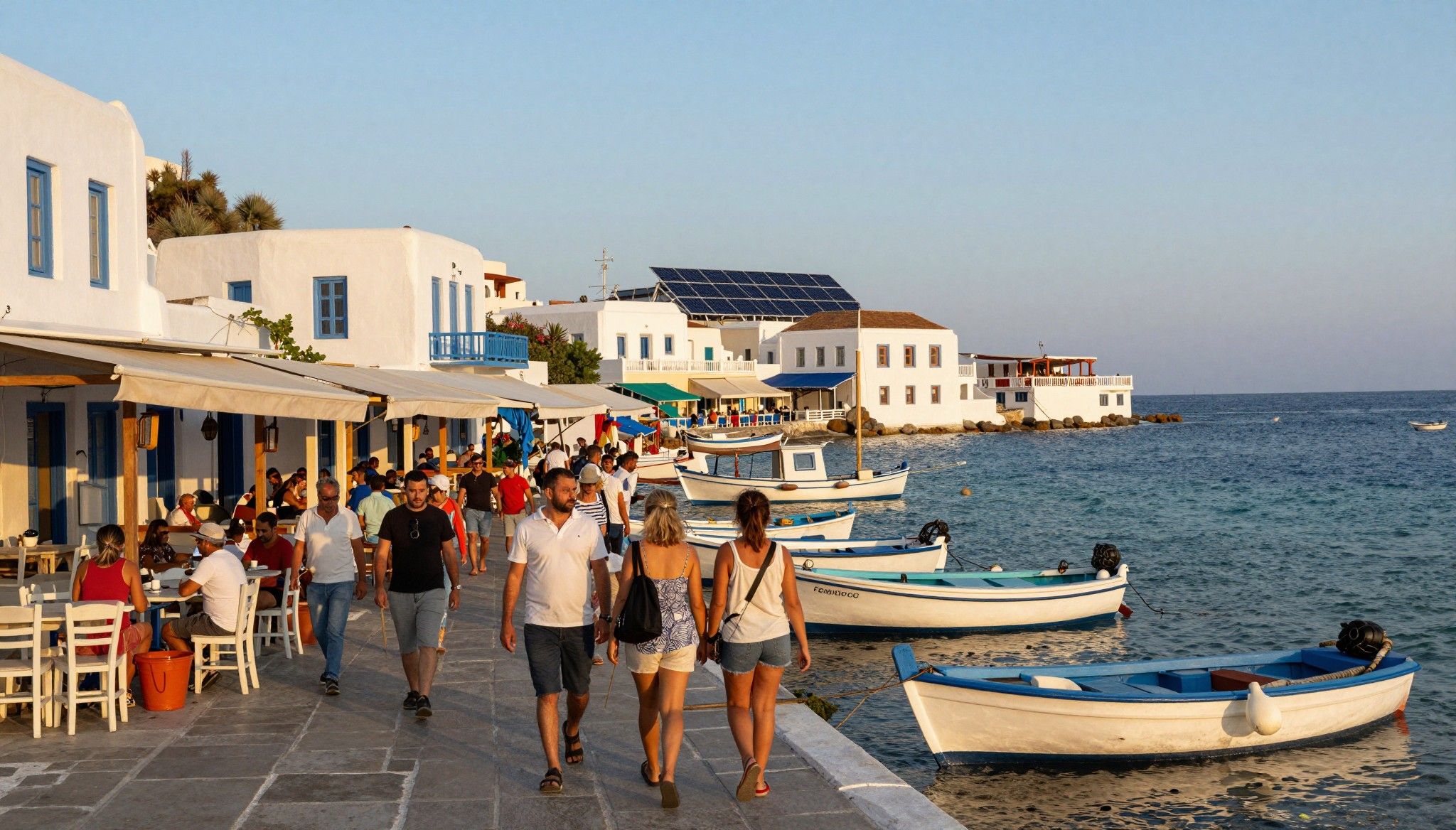
Look beyond the tourist strips. In Split, neighborhoods like Veli Varos and Sustipan keep everyday life palpable: small grocers, a morning hajduk (soccer) chat, and compact stone homes with shaded balconies. In Istria, Rovinj’s outer kvarner lanes and the hilltop hamlets around Motovun host families year‑round and are increasingly attractive to eco‑builders. These quieter pockets often deliver better value per square metre and a ready‑made community — precisely the sort of places where retrofit projects and small renewables pay off.
Food, festivals and the slow calendar
Weekend rhythms matter: farmers’ markets in Split, oyster festivals on Pag, and autumn truffle walks in Motovun invite a seasonal life. These rhythms influence property use — think summer rentals that sit idle in winter or village homes used year‑round — and therefore affect expected running costs, local taxes and the suitability of green upgrades. If you dream of year‑round immersion, choose the neighborhoods where festivals and markets reflect living, not just tourism.
Lifestyle highlights to scout before you buy:
Stroll the morning market in Split’s Varos for breakfast and local connections.
Explore Motovun’s hilltop lanes for stone houses with thermal mass and olive groves.
Check the quiet alleys of Rovinj for homes whose insulation and orientation already lower bills.
Making the move: price reality and practical finance
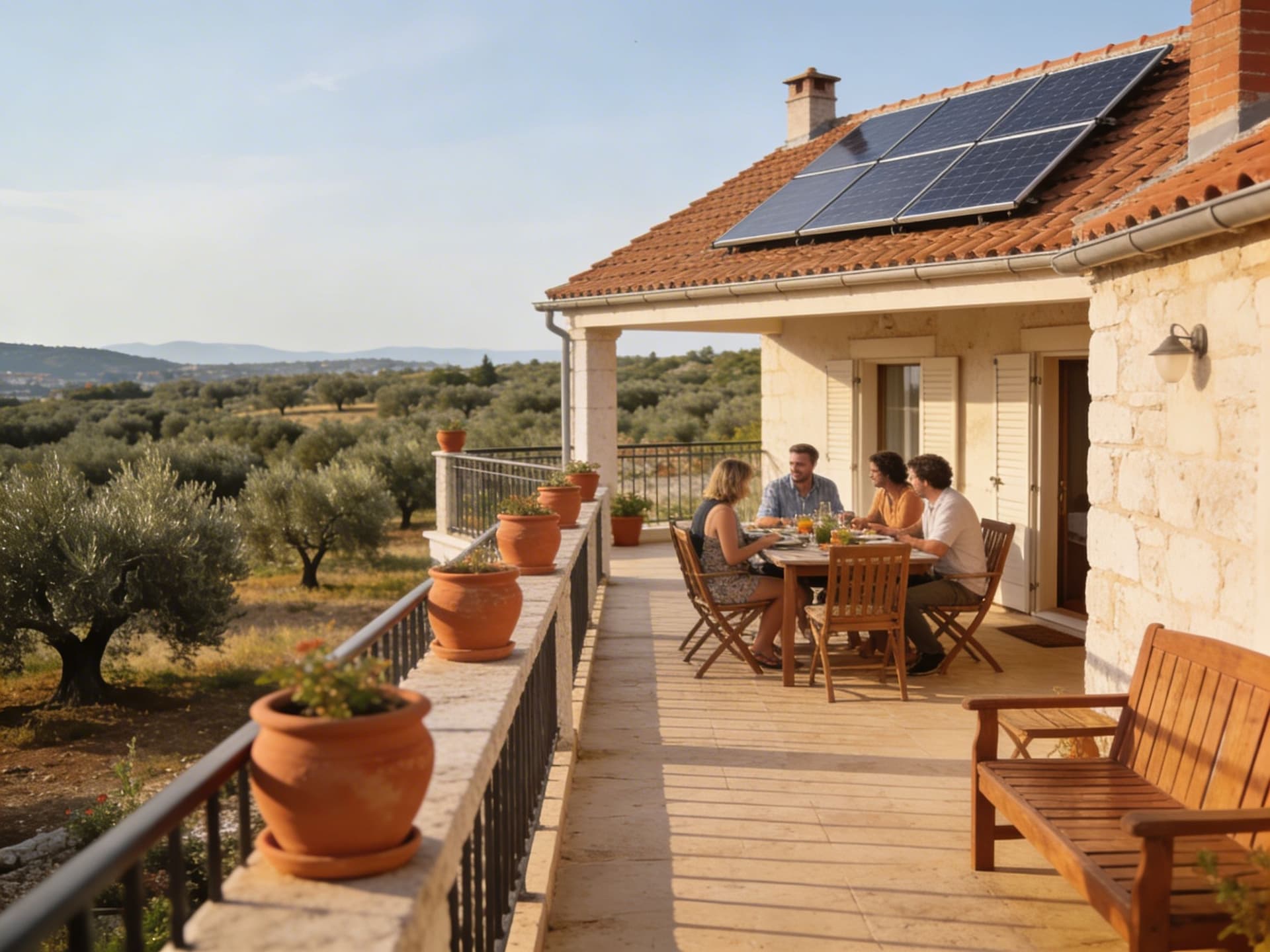
Prices have climbed, particularly along the Adriatic, but the headline number masks nuance. The Croatian Bureau of Statistics shows average prices rising unevenly — new builds, coastal hotspots and islands carry premiums while inland and secondary coastal towns lag. For buyers who value sustainability, that unevenness is an opportunity: energy upgrades, rooftop PV and rainwater systems can reduce running costs and increase appeal in both long‑term living and responsible rental markets. Planning green upgrades into your offer can change the finance conversation — and sometimes the purchase price.
Green finance you can actually access in Croatia
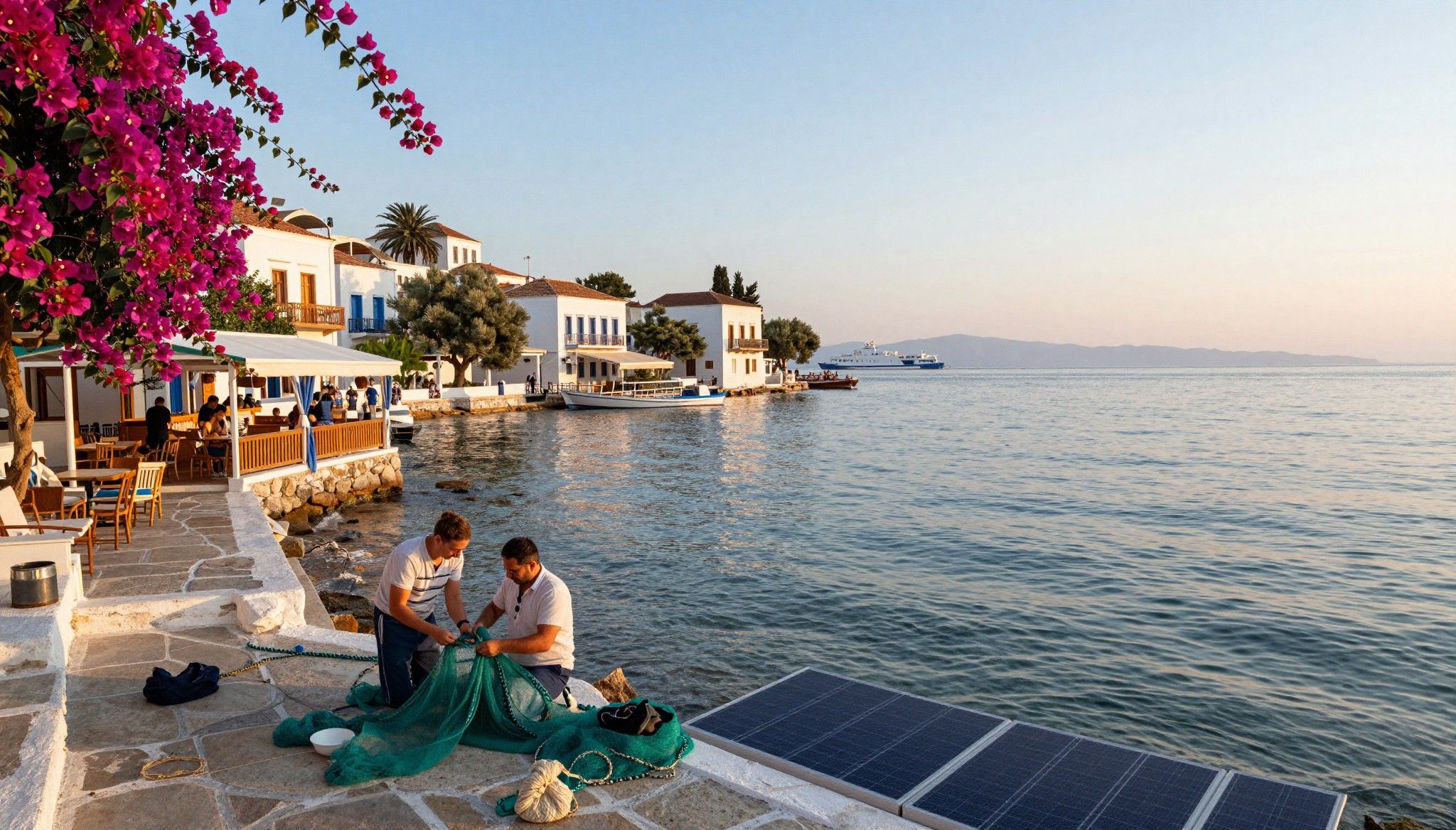
Local banks and EU programmes now make green lending practical. Recent partnerships (for example, InvestEU lines with Zagrebačka banka) support loans for energy retrofits, solar PV and heat‑pump projects. Croatian lenders like PBZ and Zagrebačka banka also offer ‘green’ or ‘energo’ credit lines for energy efficient purchases and renovations. That means you can build the cost of long‑term savings into your mortgage plan rather than treating upgrades as afterthoughts.
How to fold green upgrades into financing (step‑by‑step)
Get an energy diagnosis first — an energy certificate (energetski certifikat) clarifies the current performance and unlocks subsidy eligibility.
Ask your bank about green mortgage pricing or InvestEU‑backed lines and whether renovation costs can be capitalised within the mortgage.
Bundle improvements that boost rating (insulation, windows, heat pumps, PV) to reach higher energy classes — the payback both reduces bills and increases property liquidity.
Secure written cost estimates and timelines from local contractors familiar with Croatian permitting and the Fund for Environmental Protection programmes.
Insider knowledge: what expats wish they’d known
Three lessons repeat among experienced buyers: 1) Coastal views come at a premium but smaller, greener homes near good transport often offer better year‑round life; 2) Investing early in energy upgrades reduces bills immediately and increases resale appeal; 3) work locally — an agency that knows municipal permitting and the seasonal rental market will save time and money. Market studies show strong coastal growth, but that should not scare you; it should prompt smarter, greener offers backed by data and local know‑how.
Cultural and compliance notes
Croatia’s purchase process rewards patience and local relationships. Notarised contracts, land‑registry checks and municipal approvals are standard — and reciprocity rules for non‑EU buyers should be checked early with a local lawyer. Equally important: seasonal reality. A house that’s glorious in July can feel empty and expensive in January unless insulated and winter‑ready. Factor lifecycle costs into offers, not just purchase price.
Red flags green buyers should watch for:
No energy certificate or unclear building permits — hard to refinance or insure after purchase.
Properties with recurring communal costs tied to outdated systems (old boilers, shared water heating) — ask for maintenance records.
Sellers resisting documented timelines or refusing to allow contractor inspections — that blocks renovation planning and bank approvals.
When green finance and lifestyle meet, magic happens: lower bills, gentler footprints, and homes that suit both Adriatic summers and quieter winters. Start with neighbourhoods that feel lived‑in, order an energy certificate, and speak early to banks about InvestEU or local green lines. An agency that understands sustainable retrofits and municipal nuance will be your best ally — not to sell you the most expensive view, but to help you buy the life you came for, affordably and responsibly.
Next steps: get an energy certificate, ask banks about green mortgage options, and schedule a neighbourhood‑first visit with a local, sustainability‑minded agency. That practical sequence turns longing into a livable plan.
Danish relocation specialist who moved from Copenhagen to the Algarve; supports families with seamless transitions, local partnerships, and mindful purchases.