Cyprus: Sunlight, Stewardship & Smart Starts
Feel the island first: marry Cyprus’ sunlit lifestyle with careful, sustainability-focused buying—visit in season, prioritise retrofit potential, and check title risks.
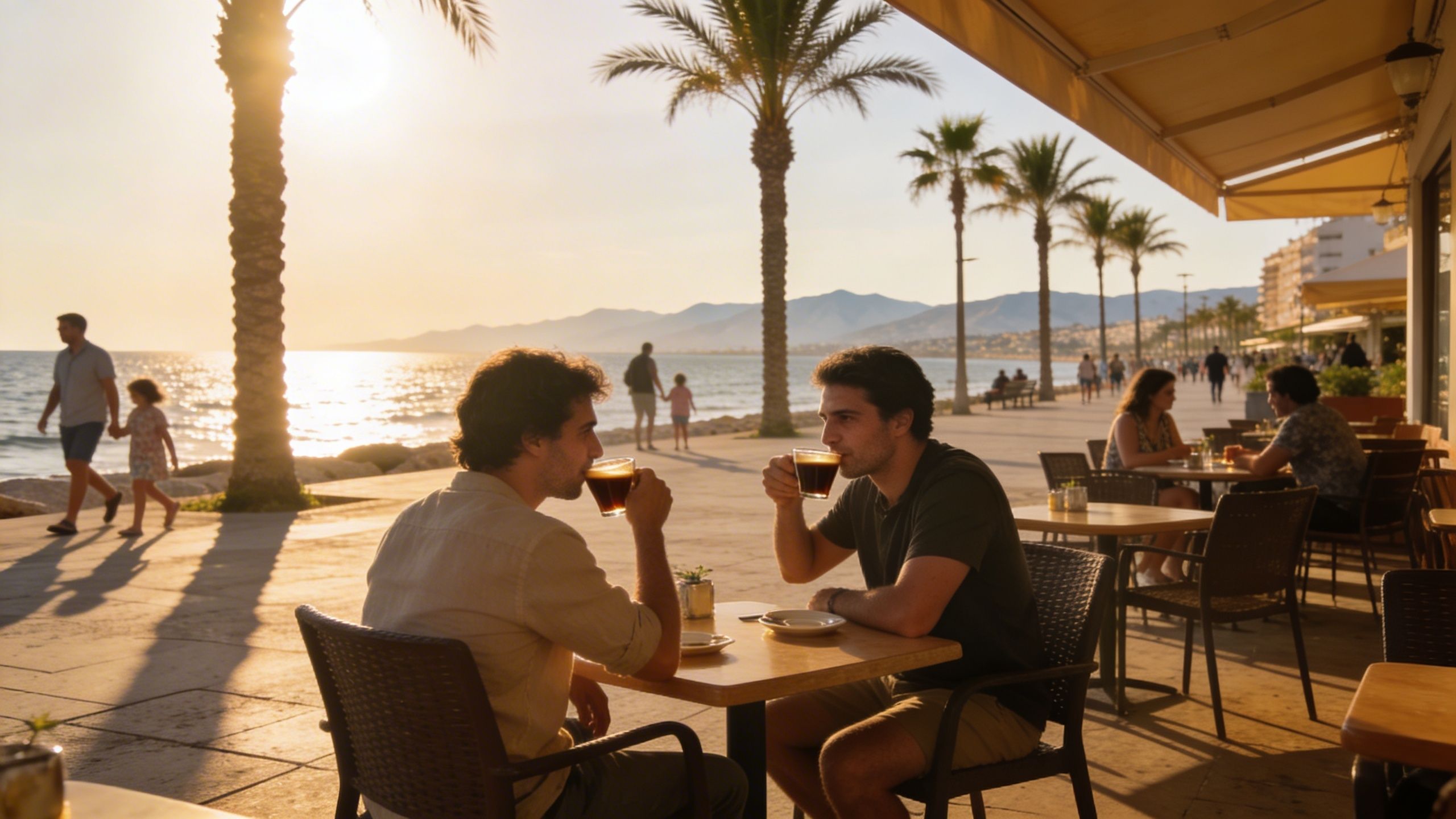
Imagine a late-afternoon stroll along Limassol’s Molos promenade: children chasing pigeons, the scent of freshly baked halloumi from a corner kafeneio, and whitewashed villas stepping down toward a turquoise sea. That feeling — light, slow, and sun-warmed — is the first thing many fall in love with when they think of Cyprus. But falling in love is only the start. The island’s real estate story blends sunlit lifestyle with important legal, seasonal and sustainability trade-offs every international buyer should understand.
Living Cyprus: daily rhythms, tastes and places
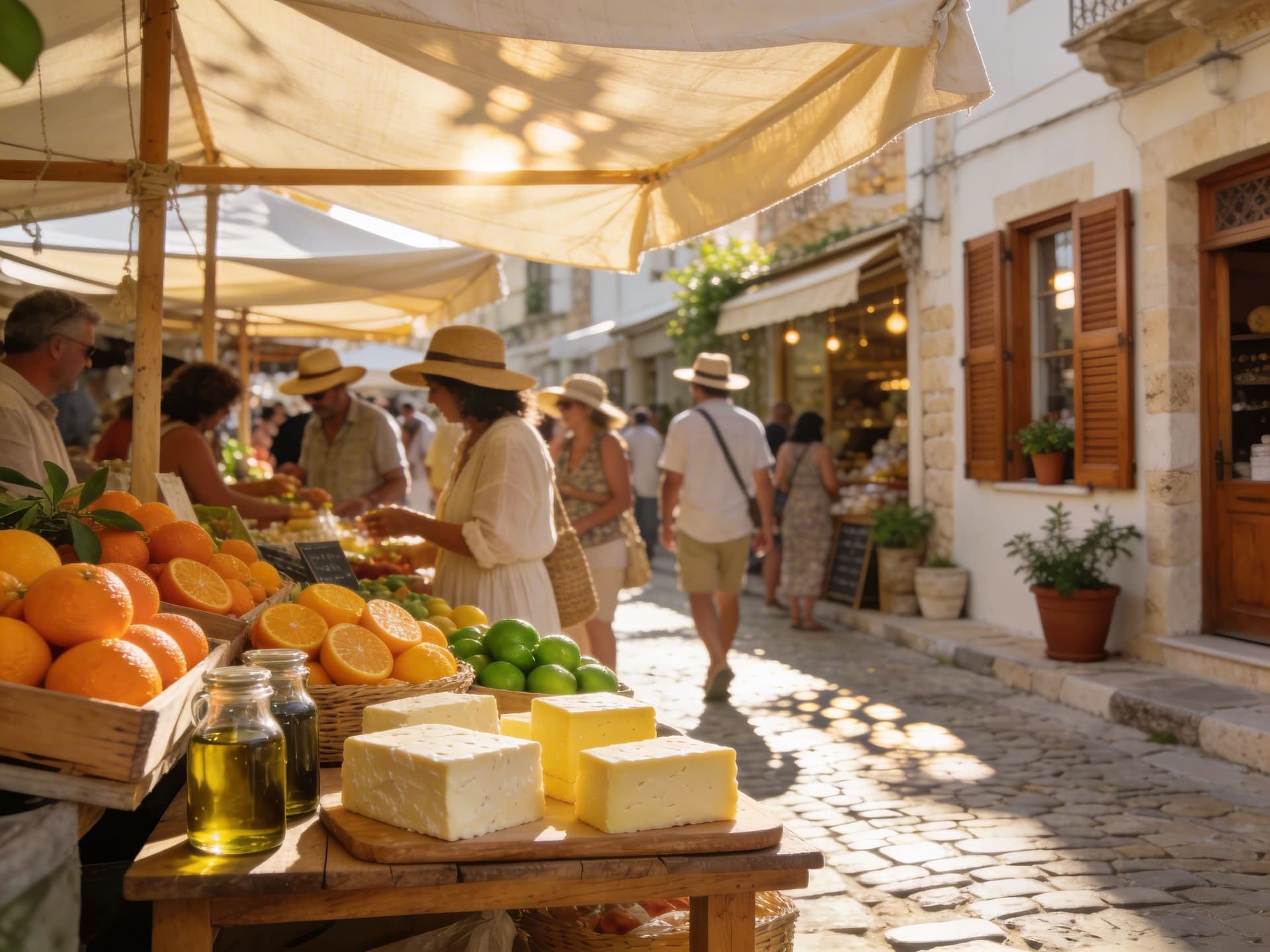
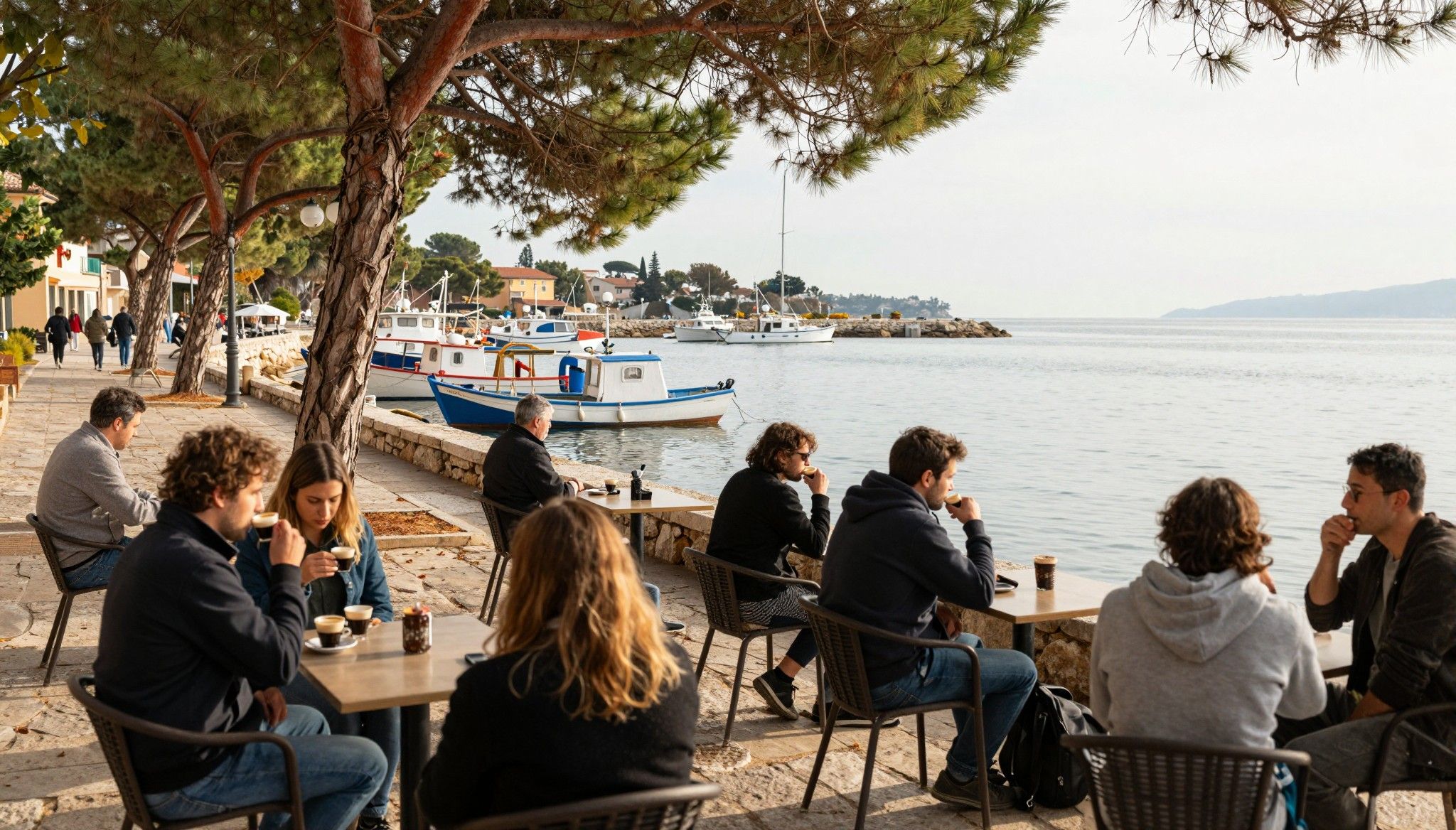
Life here moves by seasons as much as by the clock: café mornings in Nicosia’s old quarter, slow siesta-like afternoons in Troodos villages, and evenings that gather at fisherman’s tavernas in Larnaca. The island is compact enough that a weekend can mean mountain hikes on Saturday and a beach lunch on Sunday. For international buyers imagining a life here, those small, repeated pleasures — local markets, neighbourhood festivals, and the cadence of Sunday family meals — are what transforms a house into a home.
Neighborhood spotlight: Limassol’s cosmopolitan stretch
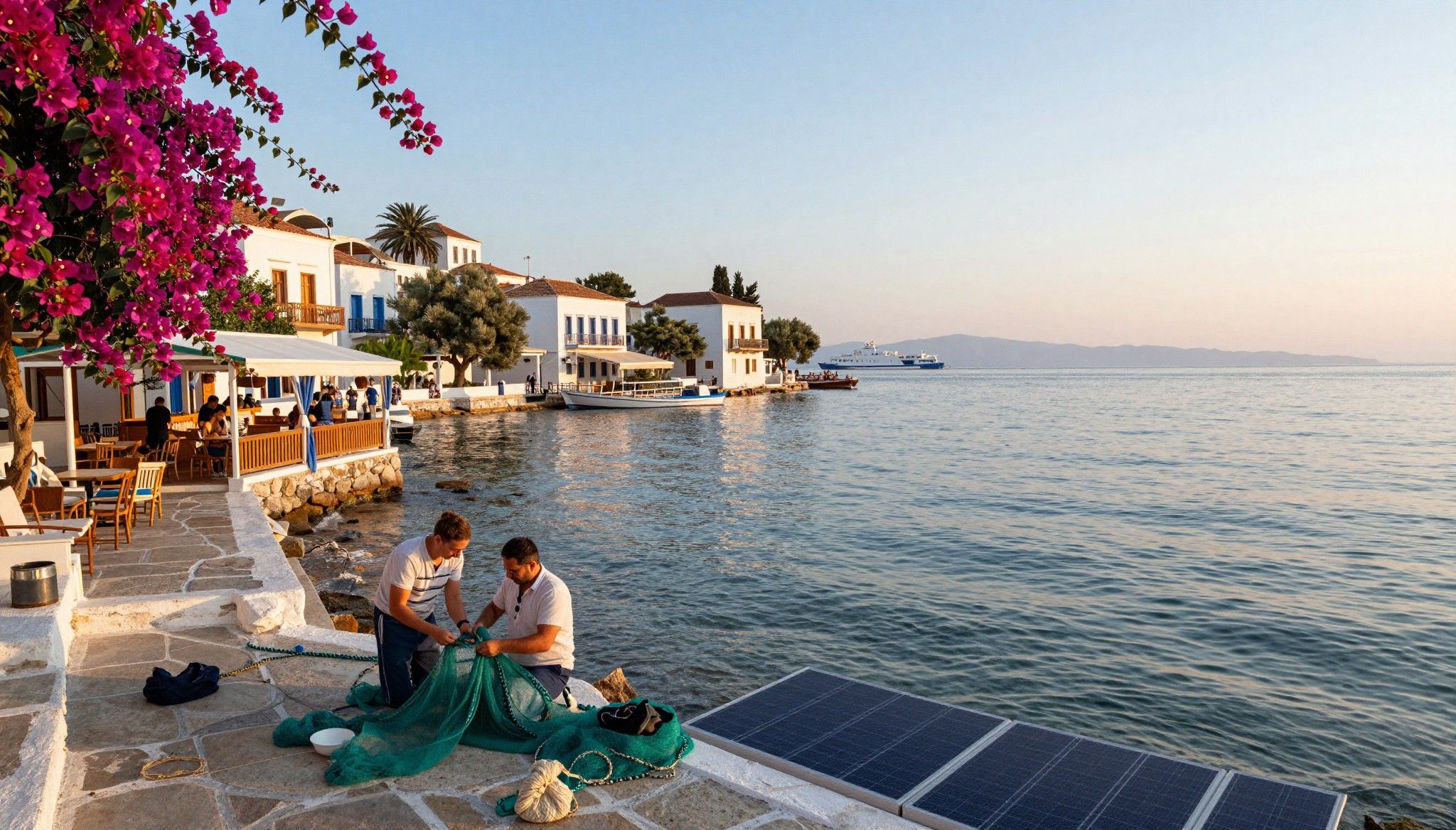
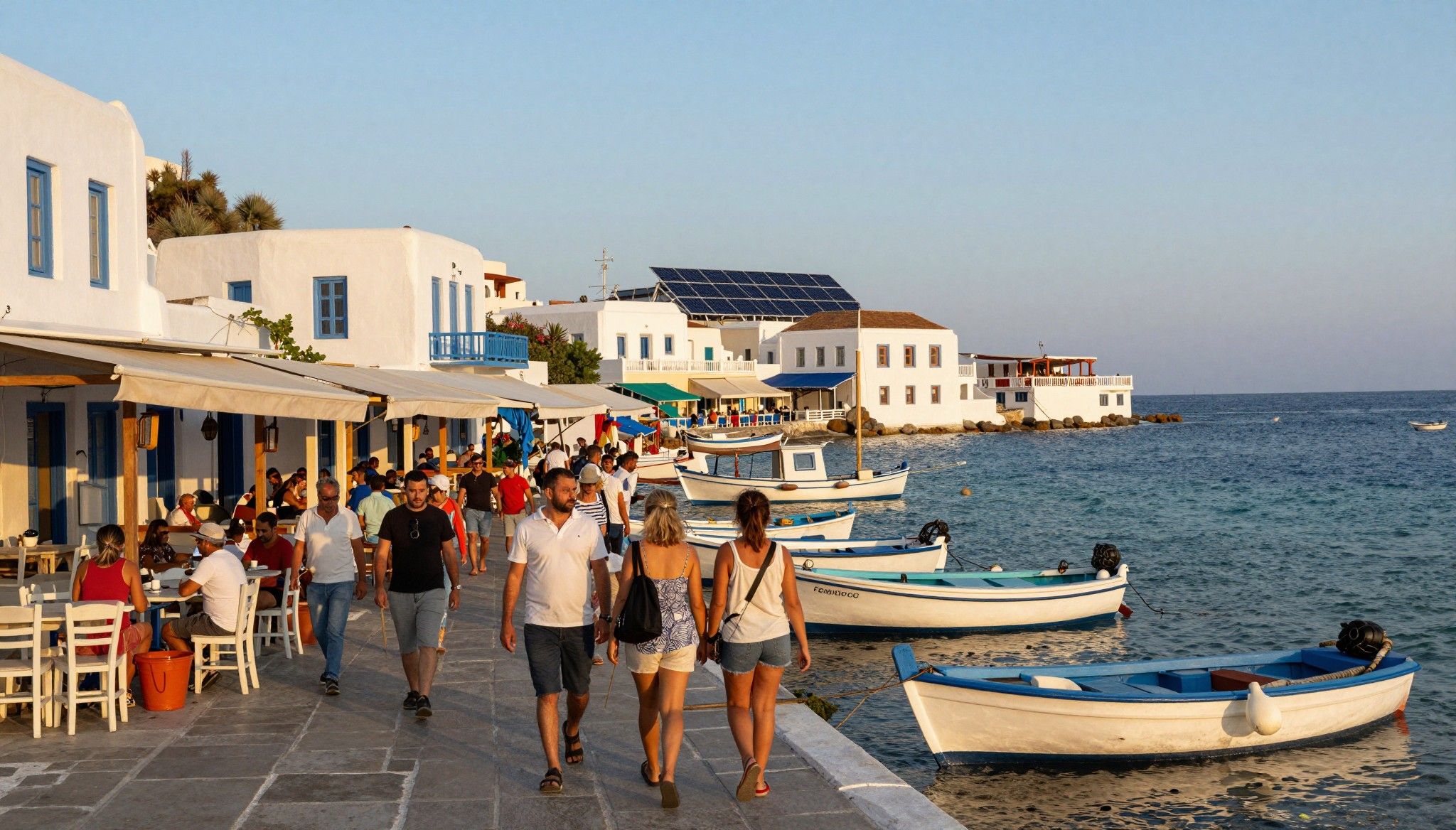
Limassol blends old stone streets and ambitious new developments. Walk from the Old Port to Germasogeia and you’ll pass artisan bakeries, small vineyards-turned-wine-bars, and apartment blocks with rooftop gardens. For green-minded buyers, pockets near Agios Tychonas and the old town offer walkable life, local produce, and access to retrofit opportunities such as rooftop solar and rainwater harvesting.
Food, markets and the seasonal pulse
Saturdays mean markets: the Paphos municipal market’s citrus stalls, Larnaca’s fishmongers at dawn, and small producers bringing halloumi, thyme honey and freshly pressed olive oil. These daily rituals shape how homes are used — large kitchens for shared cooking, terraces for alfresco meals, and storage for seasonal preserves. Choosing a property without considering these rhythms often leaves buyers with beautiful but underused spaces.
- Lifestyle highlights: places and pleasures
- Sunrise coffee on Limassol’s Molos promenade
- Sunday market mornings in Paphos for fresh produce
- Trail walks and chestnut festivals in Troodos
Making the move: practical choices that preserve the life you want
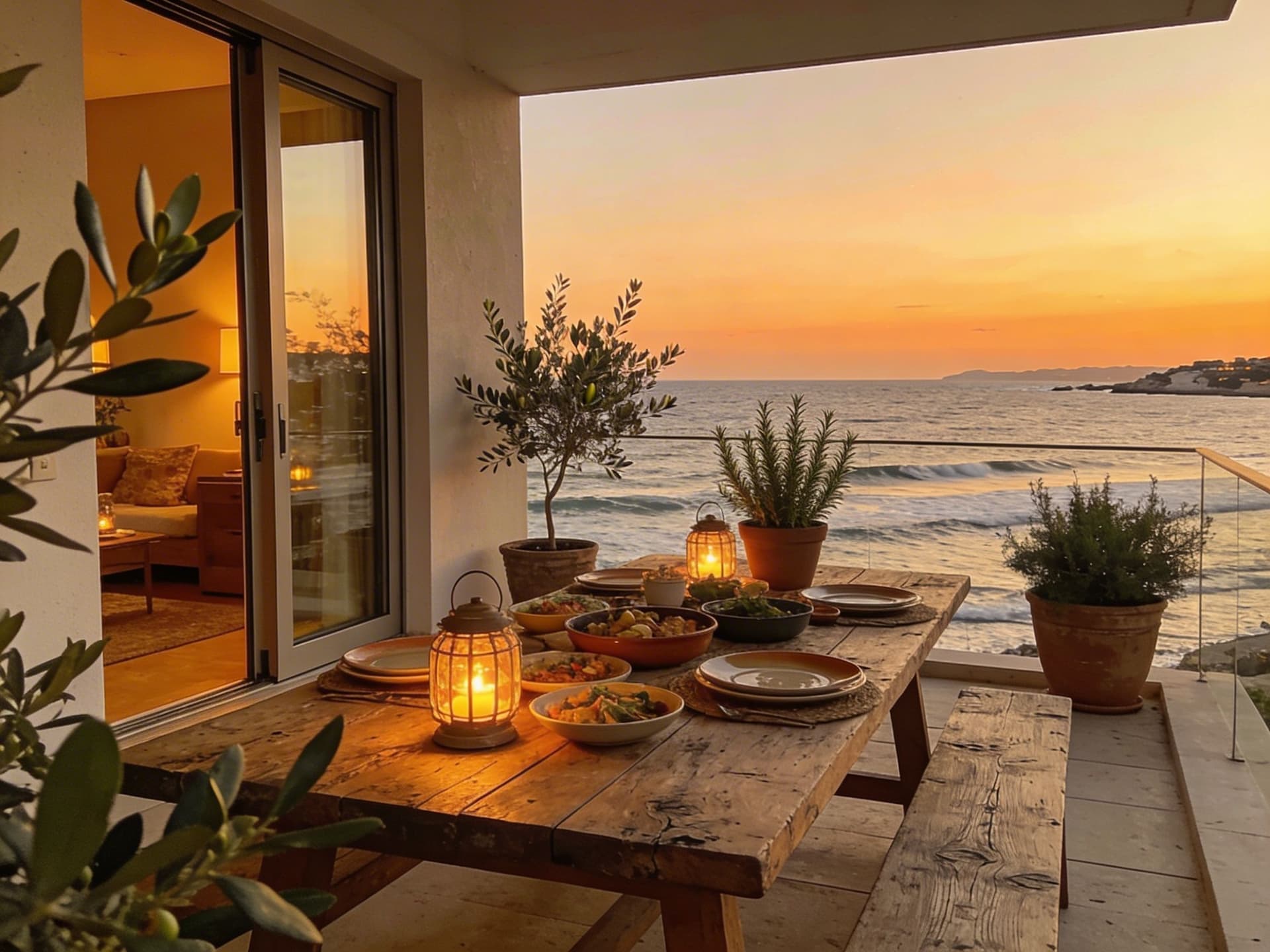
Romance aside, Cyprus’ market is lively and regionally varied. Transaction value reached record levels recently while foreign buyer patterns shifted toward more affordable districts, showing both opportunity and nuance for buyers who pair lifestyle wishes with careful selection. Aligning where you want to live with realistic market patterns — coastal resort vs mountain village, new build vs stone maisonette — will save time and protect your lifestyle vision.
Property styles and how they fit your days
Modern coastal apartments suit those drawn to cafés, marinas and easy maintenance, while traditional stone homes in villages such as Omodos or Kakopetria reward people who want gardens, timber beams and slow seasonal living. Think practically: a hillside stone house offers shade and natural cooling but may need road-access upgrades; a new seafront complex often has shared green space and PV-ready roofs but less privacy.
Working with local experts who know the life, not just listings
A good local agent acts as cultural translator: they’ll point you toward neighborhoods that match how you want to live, introduce local artisans for sympathetic retrofits, and advise on seasonal weather impacts — from summer cooling needs to winter mountain humidity. Choose advisors who can speak to sustainable upgrades (solar, insulation, native landscaping) and who show you comparable lived-in homes, not only glossy show flats.
- Steps to match lifestyle with the right property
- List the daily rituals you want (market visits, coastal runs, weekend hikes) and map them to districts.
- Visit in different seasons — Cyprus changes markedly between summer and winter — before deciding.
- Ask agents about a home’s retrofit potential: roof orientation for solar, water catchment, insulation.
- Meet neighbours, café owners and a local builder to understand living realities and hidden costs.
Insider knowledge: red flags, surprising wins and cultural notes
There are three real-talk items I tell people straight away. First: beware of properties in the Turkish-administered north — legal title risks persist and recent prosecutions highlight real dangers. Second: the island’s micro-markets mean that a street can change the value and lifestyle of a home dramatically. Third: buying with an eco-first lens (solar-ready roofs, native gardens) often increases enjoyment and long-term cost resilience.
Cultural integration and everyday social life
Cypriots are warm and family-centred; invitations to dinner are common and community ties run deep. English is widely spoken, which smooths early days for many internationals, but learning basic Greek phrases — ‘kalimera’ and ‘efharisto’ — opens doors. Expect neighbours to be curious, helpful and sometimes direct; reciprocity and time spent in local spaces is the currency of belonging.
Long-term lifestyle sustainability
Market data shows steady demand and shifting foreign interest across districts, underlining that long-term value in Cyprus is linked to location quality, infrastructure and adaptability to climate shifts. Prioritise properties that allow energy upgrades, water-efficiency measures and native landscaping. These choices matter not only ethically but financially as Cyprus continues to normalise green premiums and retrofit demand.
- Practical red flags to check before an offer
- Unclear title history, especially for properties linked to the island’s division.
- Lack of planning permits or undocumented extensions.
- Poor roof orientation or shading that limits solar potential.
- Overly manicured ‘show’ gardens that hide long-term irrigation needs.
Conclusion: Cyprus offers a life of sunlight, gardens, and slow, convivial days — but the best purchase is the one that preserves that life. Visit in different seasons, look for homes with retrofit potential, and work with agents who understand local rhythms as much as legal process. When lifestyle and stewardship guide the search, you buy more than a roof: you buy a place to belong.
Dutch property strategist who helped 200+ families find sustainable homes in southern Europe; expert in legal pathways and long-term stewardship.