Why Winter House‑Hunting in Greece Can Cost You
Greece’s lifestyle is seasonal and sensory — buy with that rhythm in mind. Visit in two seasons, prioritise passive comforts and local expertise to protect both life and value.
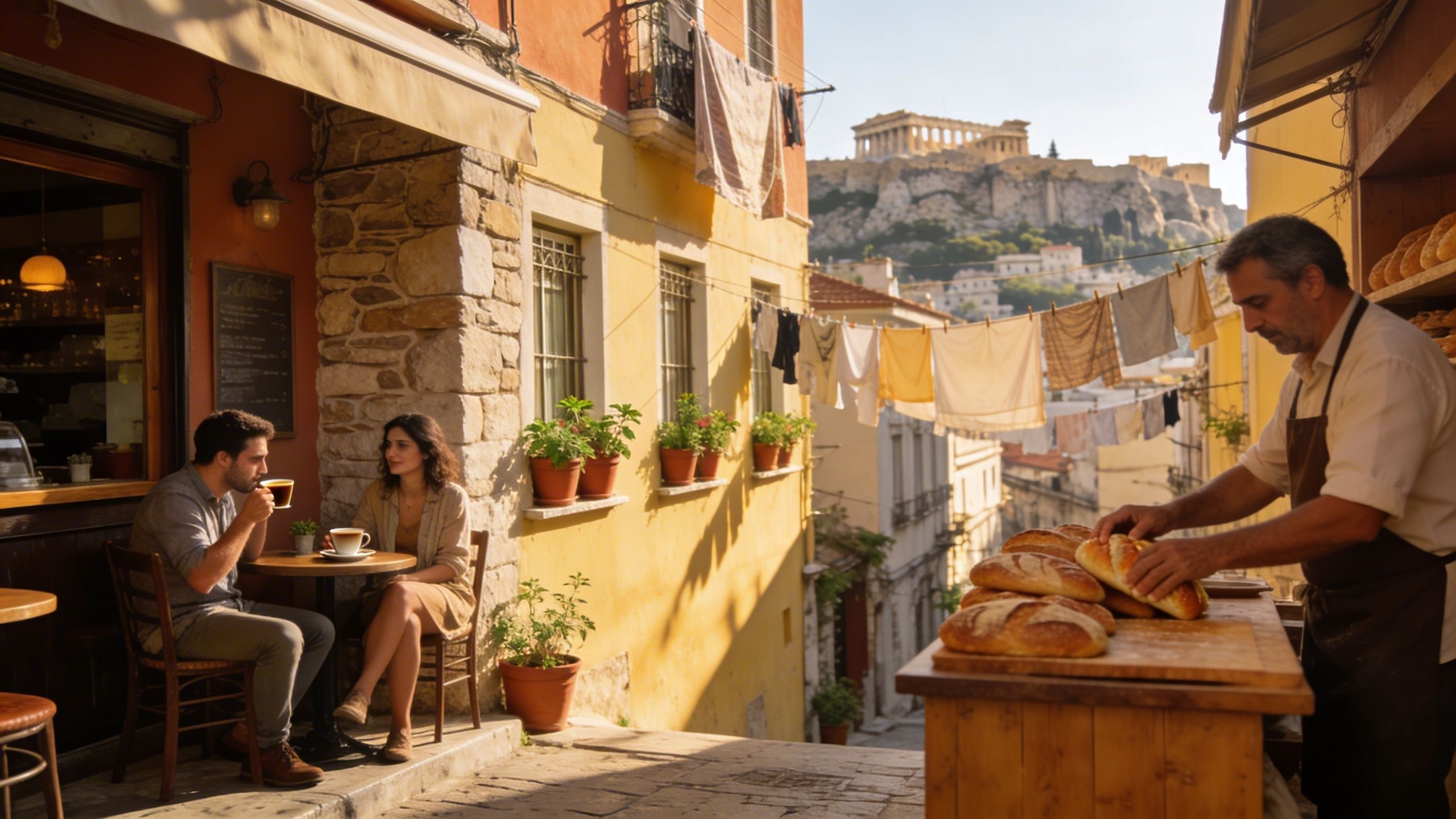
Imagine waking to a sea-breeze-salted morning in Chania, buying olives at a neighborhood market in Pangrati, and ending the day with a glass of assyrtiko on a Glyfada terrace. Greece moves at a rhythm that feels both ancient and immediate: ritual breakfasts, late afternoon light, sudden neighborhood festivals and the steady pulse of communal life. For international buyers drawn by that rhythm, lifestyle choices often matter more than headline prices — yet timing, local rules and the season you arrive quietly reshape both experience and cost.
Living the Greece lifestyle
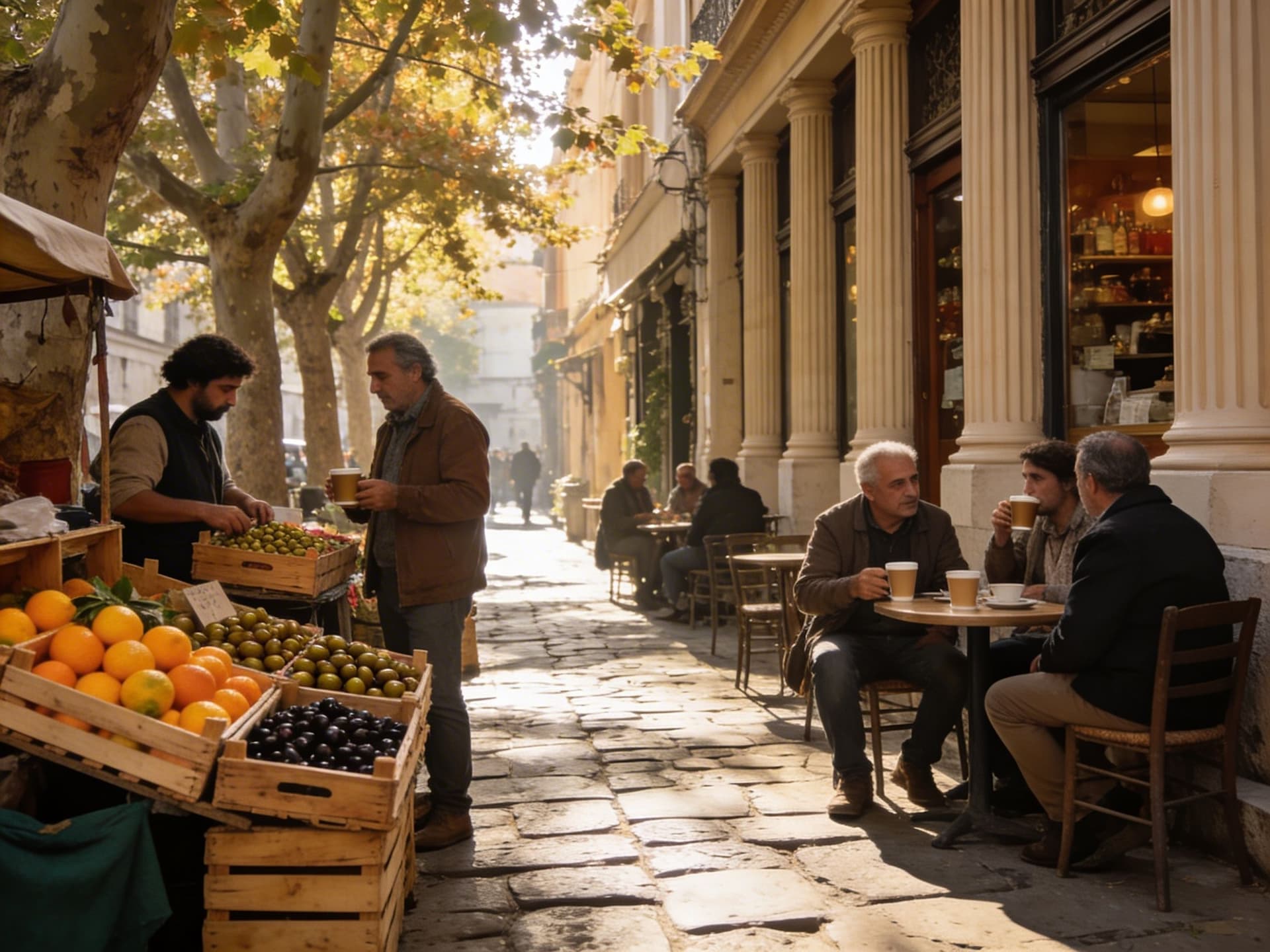
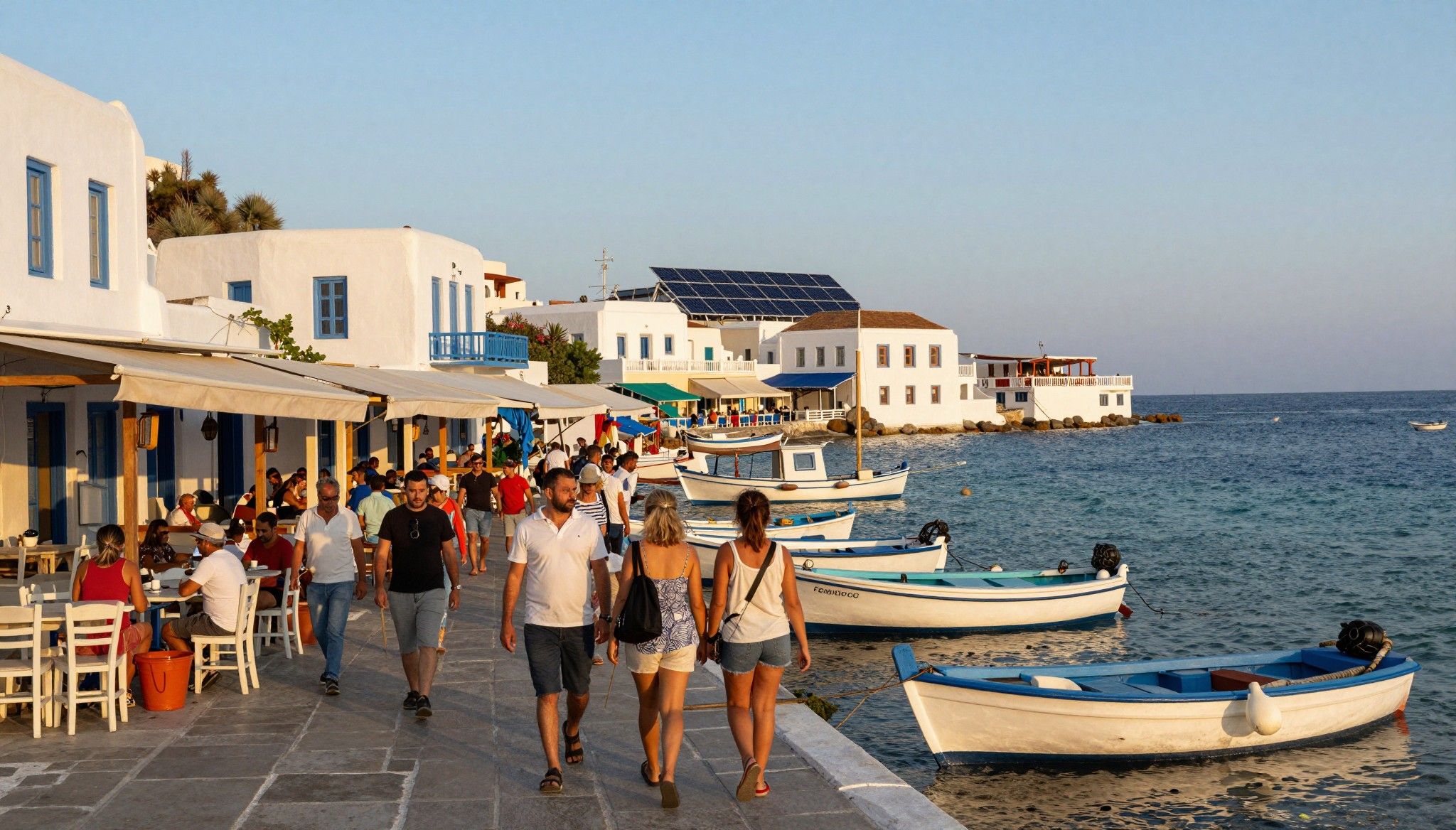
Greece is not one scene but many: Athens’ narrow streets with neighborhood bakeries, Cretan villages where olive trees outnumber people, and islands where fishing boats set the day’s schedule. Each place offers its own tempo — the city hum of Koukaki and Pangrati, the salt-smelling ease of Paros alleys, the tactile stone-and-timber vernacular of Mani. If you crave community, you look for the cafe that knows your order; if solitude, a terraced farmhouse where evening light pools on limestone walls.
Neighborhood spotlight: Koukaki, Pangrati, and the Riviera pockets
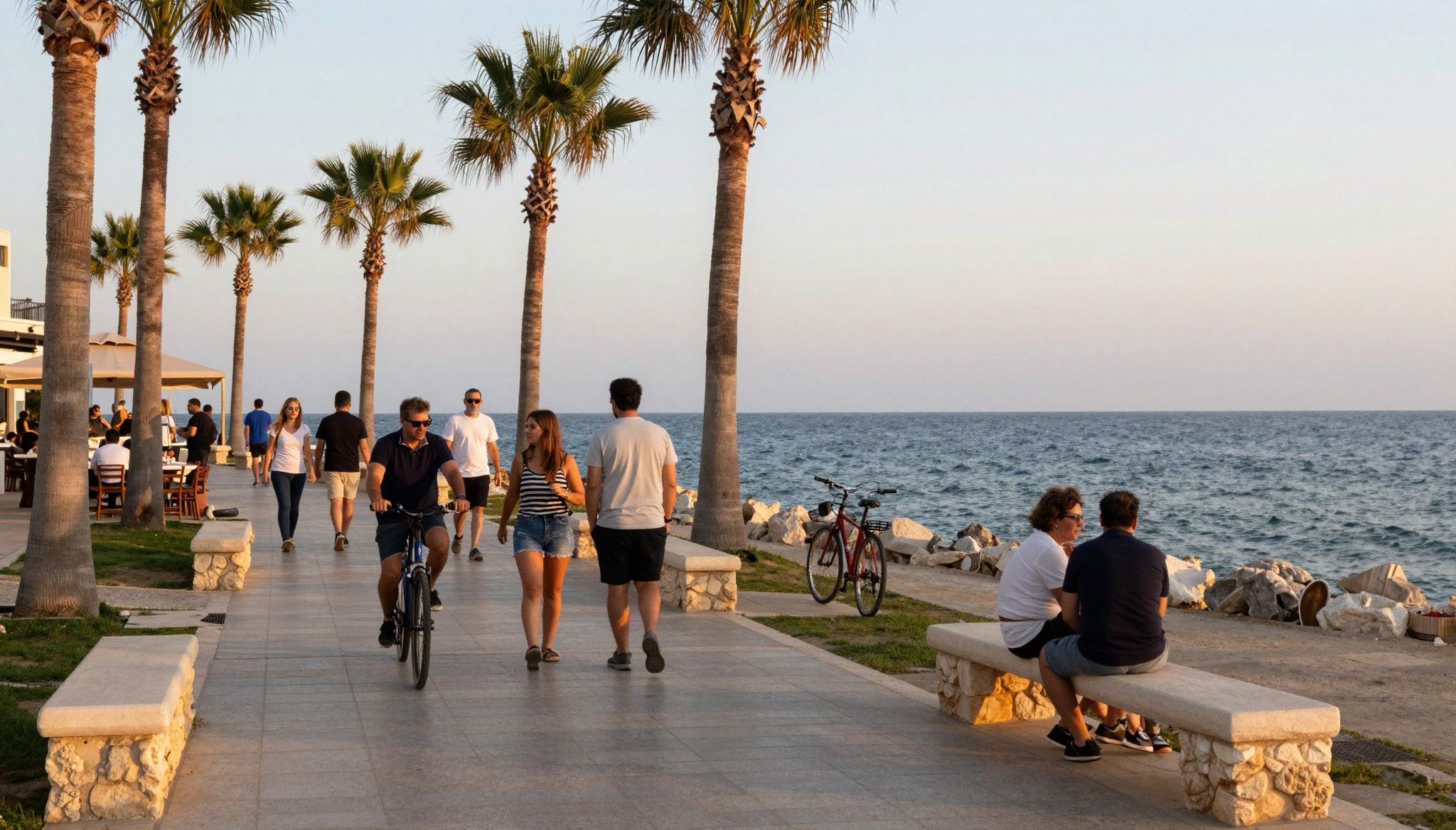
Walk Koukaki at dawn and you’ll find elderly men sweeping steps, students queueing for loukoumades, and stone houses mid‑restoration beside 1970s apartments. Pangrati offers quieter blocks where tavernas spill into squares and neighbors trade seasonal vegetables. On the southern coast — Glyfada and Vouliagmeni — the Riviera’s development brings curated parks and high-end listings, but also a changing shoreline of restaurants and construction that shifts the everyday pace for residents.
Food, markets and seasonal living
Daily life in Greece is anchored by markets and kitchens: morning fish stalls, island bakeries with warm koulouri rings, winter citrus stands and late‑summer tomato festivals. Seasonal rhythms matter — a village that hums in July may feel almost private in November, and that change shapes both social life and how you use a home. Buying a property with a productive garden, cistern or a shady pergola isn’t a niche preference here; it’s how households stay in tune with the seasons and keep living costs calm.
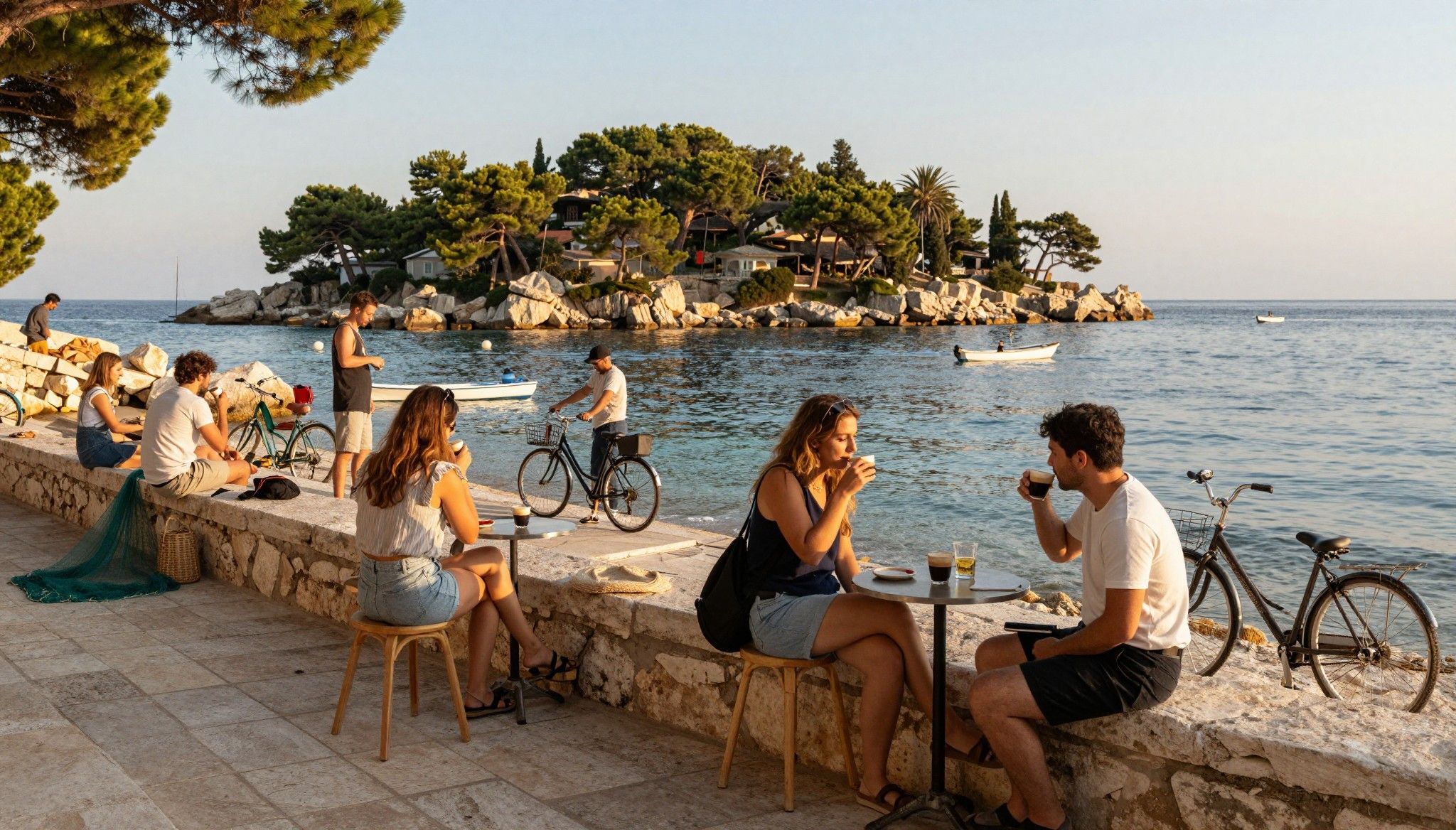
- Koukaki espresso spots and rooftops with Acropolis views; Pangrati’s Saturday farmers’ market with heirloom tomatoes; Glyfada’s marina walks and sunset tavernas; Chania’s old harbour where fishermen mend nets at dusk; Paros cafés where artists trade sketches over coffee; Mani limestone villages with communal bread ovens.
Making the move: practical considerations that preserve the life you crave
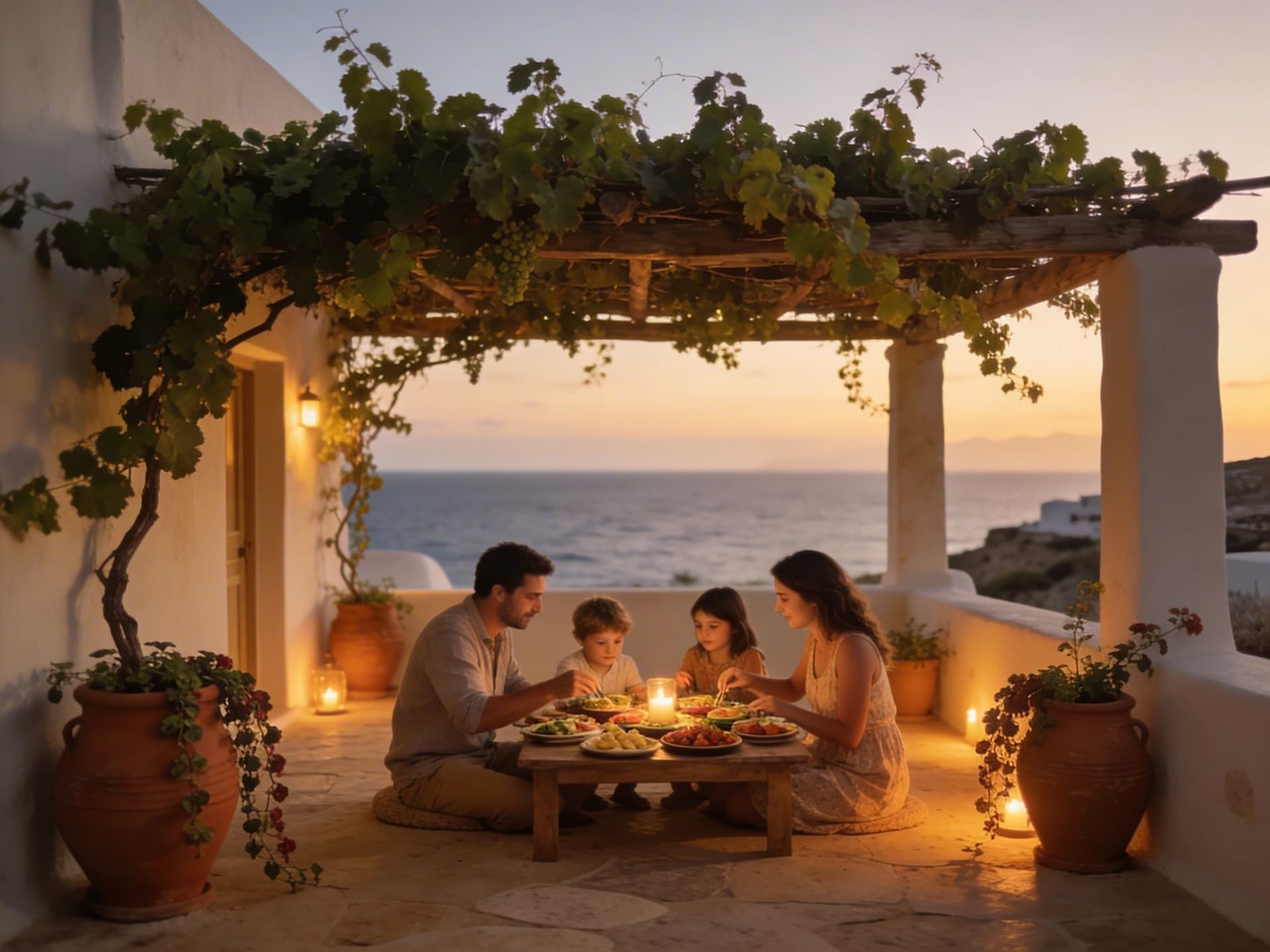
The dreamy images and the market reality must meet. In 2025 average asking prices and rents rose in many regions, driven by policy incentives and renewed demand, which means timing and place selection affect both monthly life and long‑term value. Practical choices — which neighborhood, which season to view, whether a property needs retrofit work for energy efficiency — determine whether your house becomes a sustainable sanctuary or an expensive hobby.
Property styles and how they shape daily living
A traditional stone farmhouse in the Peloponnese offers thick walls and cool summers but may need insulation and modern plumbing; a renovated neoclassical in central Athens places you within walking life but limits outdoor space. Island villas promise sea air and outdoor terraces yet bring higher maintenance and seasonal utility bills. Choose the type that matches how you want to live — garden work, café mornings, urban walking — not just the resale headline.
Working with local experts who know the lifestyle
Find agents, architects and neighbours who understand seasonal life: which streets flood with tourists, where cafes close after October, and which planners insist on renewable upgrades. Local agencies can advise on limitations around short‑term rentals — recent measures and moratoria on rental registrations in parts of central Athens were introduced to protect residential life — and on where renovation permits are straightforward versus bureaucratic. Their counsel keeps the lifestyle intact and protects value.
- Visit in two seasons: summer to feel the social life, and late autumn/winter to test year‑round realities; Ask for energy and water bills for the previous three years to understand true running costs; Prioritise properties with passive cooling, solar readiness, cisterns or olive trees for both economy and seasonal living; Choose an agent with local contacts — builder, notary, municipal planner — who can preview renovation timelines and permit likelihood; Confirm short‑term rental rules for your exact plot to avoid surprises with new regulations.
Insider knowledge: what expats wish they’d known
Expat life in Greece is less about grand gestures and more about small rituals: the butcher who remembers your name, the municipal worker who helps with a permit, the neighbor who brings a tray of figs. What newcomers often under‑estimate are the practical frictions — seasonal closures, waves of tourists, municipal deadlines — that quietly shape everyday comfort. Those who last combine patience with a local network and modest retrofit work that makes homes comfortable and low impact year‑round.
Cultural integration, language and neighborhood life
Learning a handful of Greek phrases opens doors; showing up at the local kafeneio regularly does more than any formal event. Many neighborhoods measure social capital by small reciprocity — offering olives, helping with a delivery — and that creates practical friendships that ease bureaucracy and repairs. Community matters here: neighbors will look after your place in the off‑season if you invest in relationships, not just property.
Long‑term lifestyle and sustainability choices
Sustainable retrofits — insulation, solar PV, rainwater capture — are not just ethical choices in Greece; they are increasingly value‑preserving ones as markets and rules change. As demand rises for year‑round homes, properties that reduce utility peaks and preserve local ecology tend to remain more attractive to neighbours and tourists alike, and they face fewer regulatory hassles. Think long term: a modest solar array and good shading can transform a holiday house into a comfortable, low‑cost home.
If you arrive enchanted, remember this: seasons reveal the true character of a place. Visit off‑peak, ask for bills and neighbourly references, and work with local experts who place lifestyle first. Start small if you must — a town apartment with a garden plan, or a village house with a clear retrofit path — and aim for stewardship rather than speculation. When you balance Greek daily life with a thoughtful technical plan, the home you buy becomes a living promise to the place and to yourself.
Danish relocation specialist who moved from Copenhagen to the Algarve; supports families with seamless transitions, local partnerships, and mindful purchases.