Why France’s Forested Coast Outshines the Usual Sea‑View
Choose verdant France: forested coasts and oyster villages offer richer lifestyle value and quieter long‑term returns than headline sea‑views, backed by INSEE and notaire data.
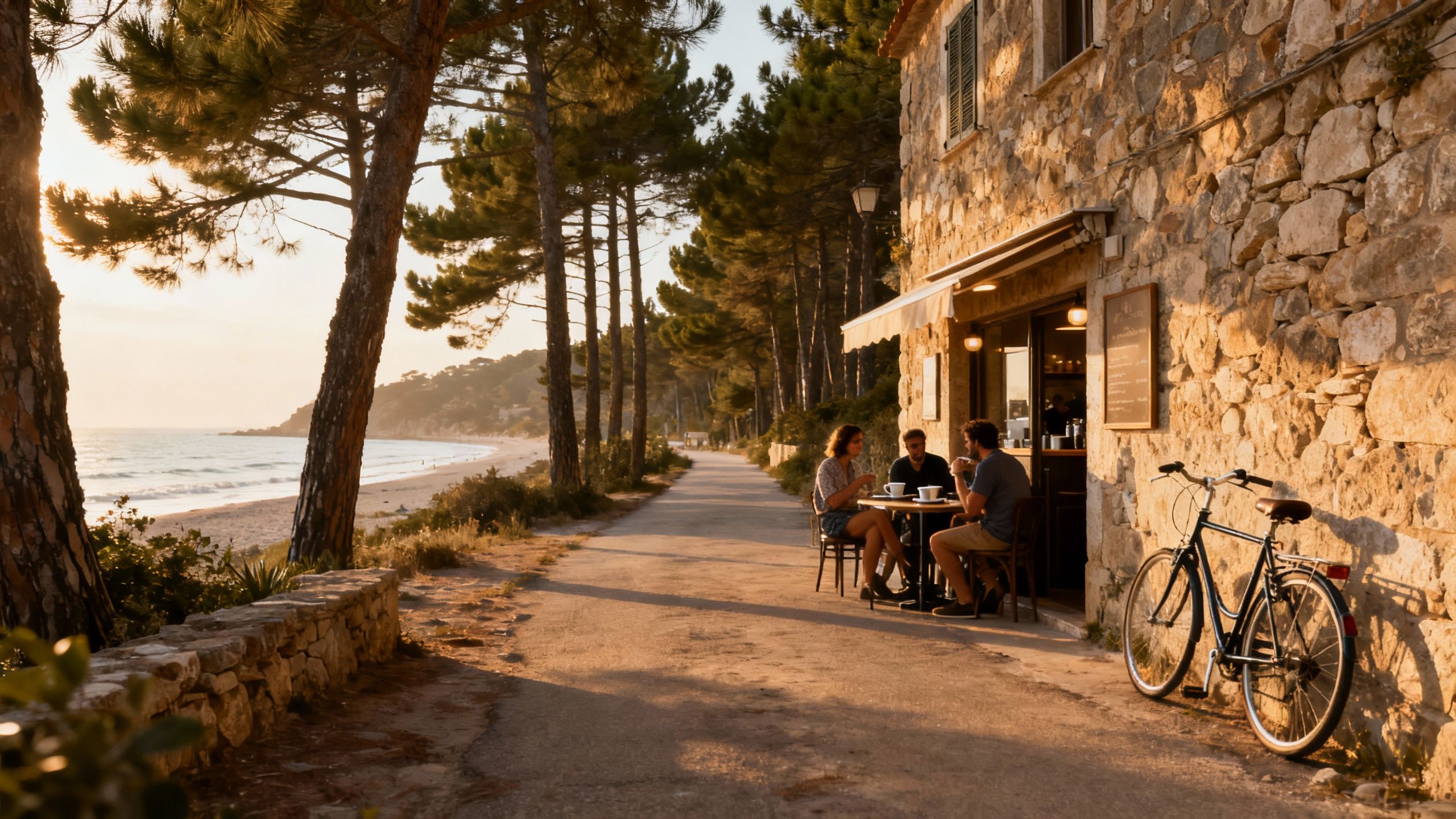
Imagine waking to salt air and pine needles: a lane of chestnut trees, a café where the barista knows your name, and within thirty minutes a wild beach and a quiet forest walk. Along France’s Atlantic arc — from the Landes pines to the Arcachon basin and the patchwork hedgerows of Brittany — life moves in seasonal rhythms, and houses sit low in the landscape, built to breathe with wind and light.
Living France’s Verdant Coast and Forest Life
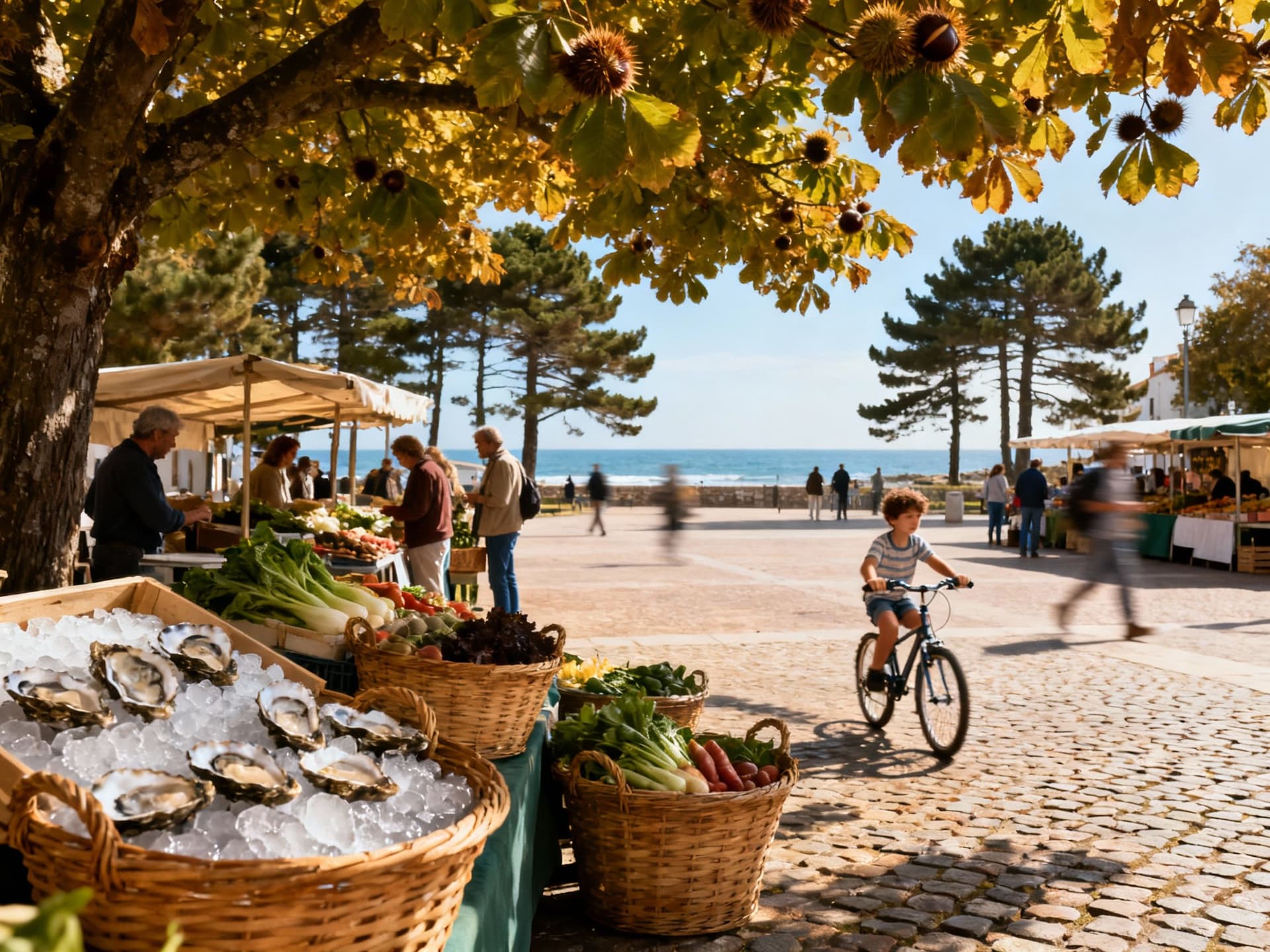
Days here are tactile. Mornings start at a market stall — oysters on ice at Arcachon, jars of salt‑baked honey in Ile‑de‑Ré — afternoons drift into forest trails under umbrella pines, and evenings gather around long tables for slow, local meals. The Dune du Pilat’s soaring sand and the hush of inland pine forests give a dramatic frame to daily life: you live between coast and canopy, not above them. That sense of being nested in landscape shapes how homes are built and used.
Basque coast to Landes: neighbourhoods with green edge
Walk the boardwalk in Biarritz, browse independent surf shops in Hossegor, then turn a side street and find a small stone house with a walled garden and an olive tree. Towns like Saint‑Jean‑de‑Luz and Capbreton keep a village rhythm even as international buyers arrive. Look for streets that favour local life — market squares, bakeries, ciclovias — the addresses where neighbours still meet at dusk.
Food, markets and seasonal life
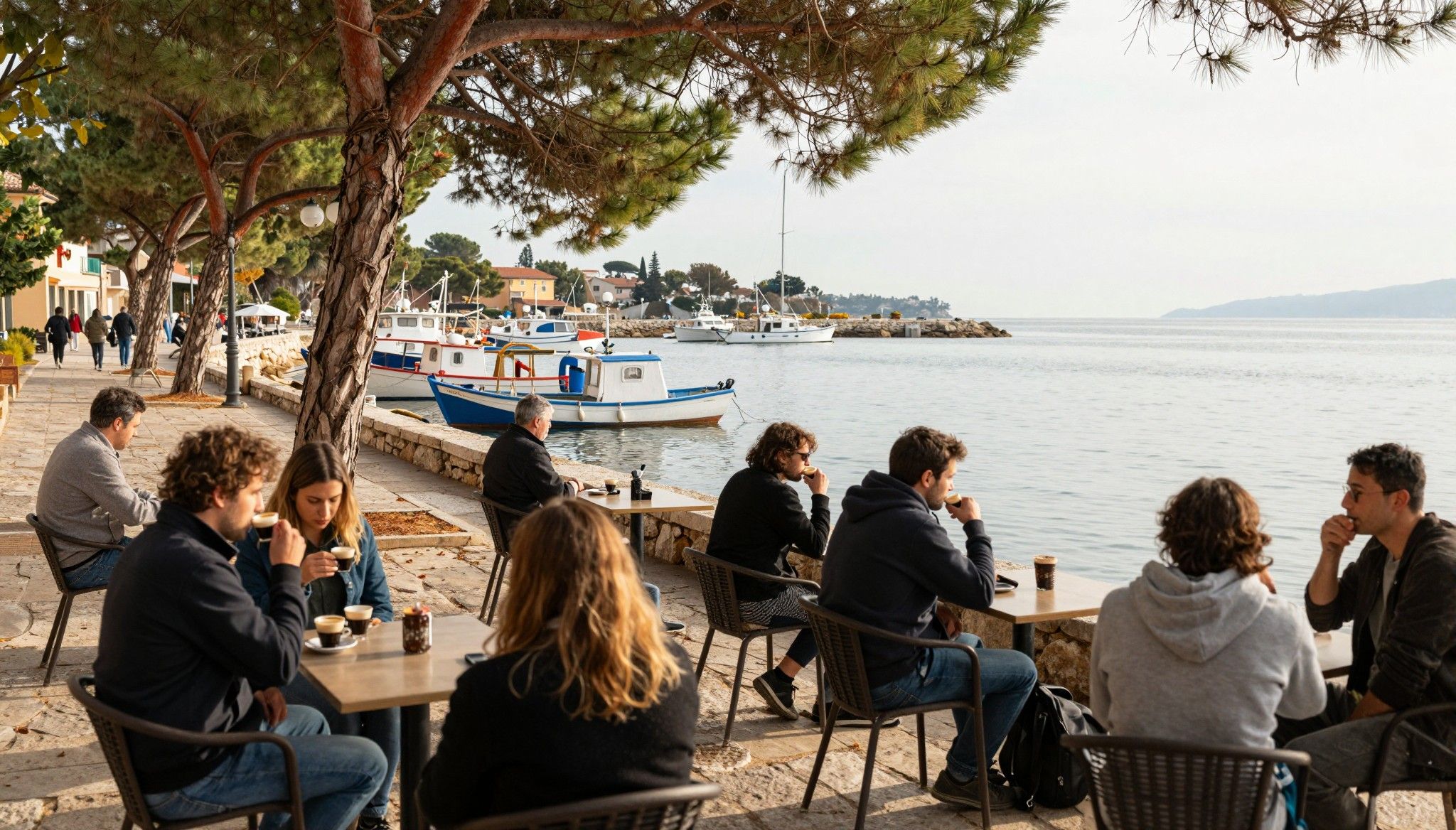
From oyster stalls in Arcachon to small weekly marchés in Landes villages, food shapes social life. Summer evenings mean outdoor tables; autumn brings chestnut fairs and mushroom foraging; winter is for hearty cassoulet and slow bread baking. These rituals determine what property features matter: a root cellar or cold pantry, a covered terrace for shoulder‑season dining, room to dry wood for a cosy stove.
- Lifestyle highlights: pine‑fringed surf beaches; oyster villages and small ports; forest walking and biking trails; seasonal markets and seafood stalls; low‑rise stone houses with sheltered gardens; village cafés that double as community hubs.
Making the Move: Practical, Place‑First Considerations
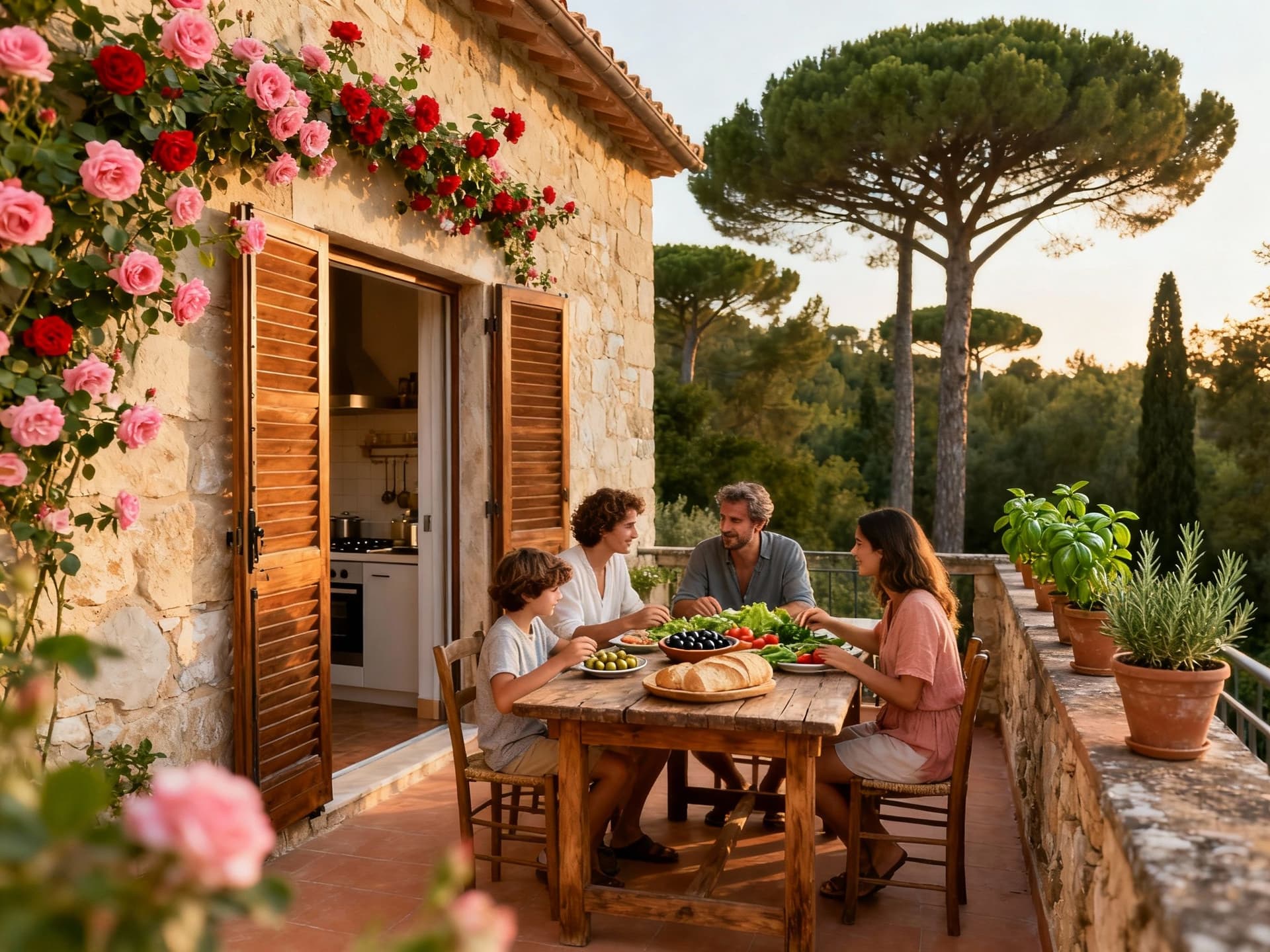
The romance of coast and forest meets a market that is quietly varied. National data shows modest price recovery after recent volatility; coastal towns swing between hotspots and overlooked gems. For an international buyer this means opportunity: you can pay a premium for prime sea views, or find verdant value in a village two kilometres inland where the light, community and biodiversity are richer and prices softer. Use national indices as a compass, not a map.
Property styles that suit verdant living
Traditional Landes longères, stone Dordogne cottages, and contemporary low‑impact villas each offer different rhythms. Choose timber and stone for thermal comfort and low maintenance; look for houses with passive orientation, generous eaves, and space for solar. A modest garden planted for pollinators is worth more to lifestyle than manicured lawns.
Work with local experts who know ecology and custom
- Steps to pair lifestyle with sound purchase: 1. Ask agents for walkable‑life examples: request addresses near markets and forest trails. 2. Commission an ecological site survey (water table, native planting, wildfire risk). 3. Insist on energy performance and any retrofit records for older stone homes. 4. Check local planning rules for coastal setbacks and woodland protections. 5. Arrange a multi‑season visit to sense winter light, wind and neighbour rhythms.
Insider Knowledge: What Expats Wish They’d Known
Expat buyers often tell the same honest truths: the quiet inland lane is worth trading a sea view for, local bureaucracy moves slowly, and towns with markets and schools become home faster. Notaires data underscores heterogeneity: some coastal resorts outperformed, others softened. That makes local knowledge — a vendor who’s known in the mairie, a notaire with regional experience — invaluable.
Cultural integration, language and neighbourhood life
Start small: learn market rhythms, volunteer at fêtes, join a boulodrome game. In smaller towns a few phrases and consistent presence open doors; in larger places like Biarritz or Arcachon there are established expat networks and bilingual services. Social life in verdant regions still orbits food and outdoor activities — surf lessons, oyster festivals, communal wood chopping — and that’s where neighbors become friends.
Longer‑term stewardship: climate, maintenance and community
Homes in forested coastal belts require stewardship: timber treatments, dune and dune‑edge protection, and attention to water management. Choosing vernacular materials and working with local craftsmen preserves value and reduces ecological impact. Think of a property as an evolving ecological project rather than a static trophy.
- Red flags to watch: recent heavy pruning or concrete sea walls (signs of erosion pressure); properties without documentation of past works; sellers pushing cosmetic sea‑views over ecological health; strict municipal rules on short‑term rentals that reduce yield potential.
Picture yourself six months after move: you know the baker’s schedule, your terrace grows herbs for savoury breakfasts, and weekend plans alternate between surf and forest. That domestic, seasonal rhythm is what pulls buyers to France’s verdant coasts and wooded inland — and what an attentive local agency will help you realise.
Practical next steps: book a multi‑season reconnaissance trip, ask agents for exact addresses that match your imagined day (market, beach, forest), require energy and ecological reports with offers, and meet a notaire who works in that commune. With the right local partners, a home here is both sanctuary and stewardship.
Norwegian market analyst who relocated from Oslo to Provence; guides investors with rigorous portfolio strategy and regional ecological value.