When Malta’s Price Tag Hides Surprising Value
Malta’s headline price rises hide micro‑opportunities: inland terraces, Gozo farmhouses and heritage homes can offer greener living and lower lifetime costs. NSO data shows modest 2024–25 growth; look to orientation, outdoor space and MPRP changes when buying.
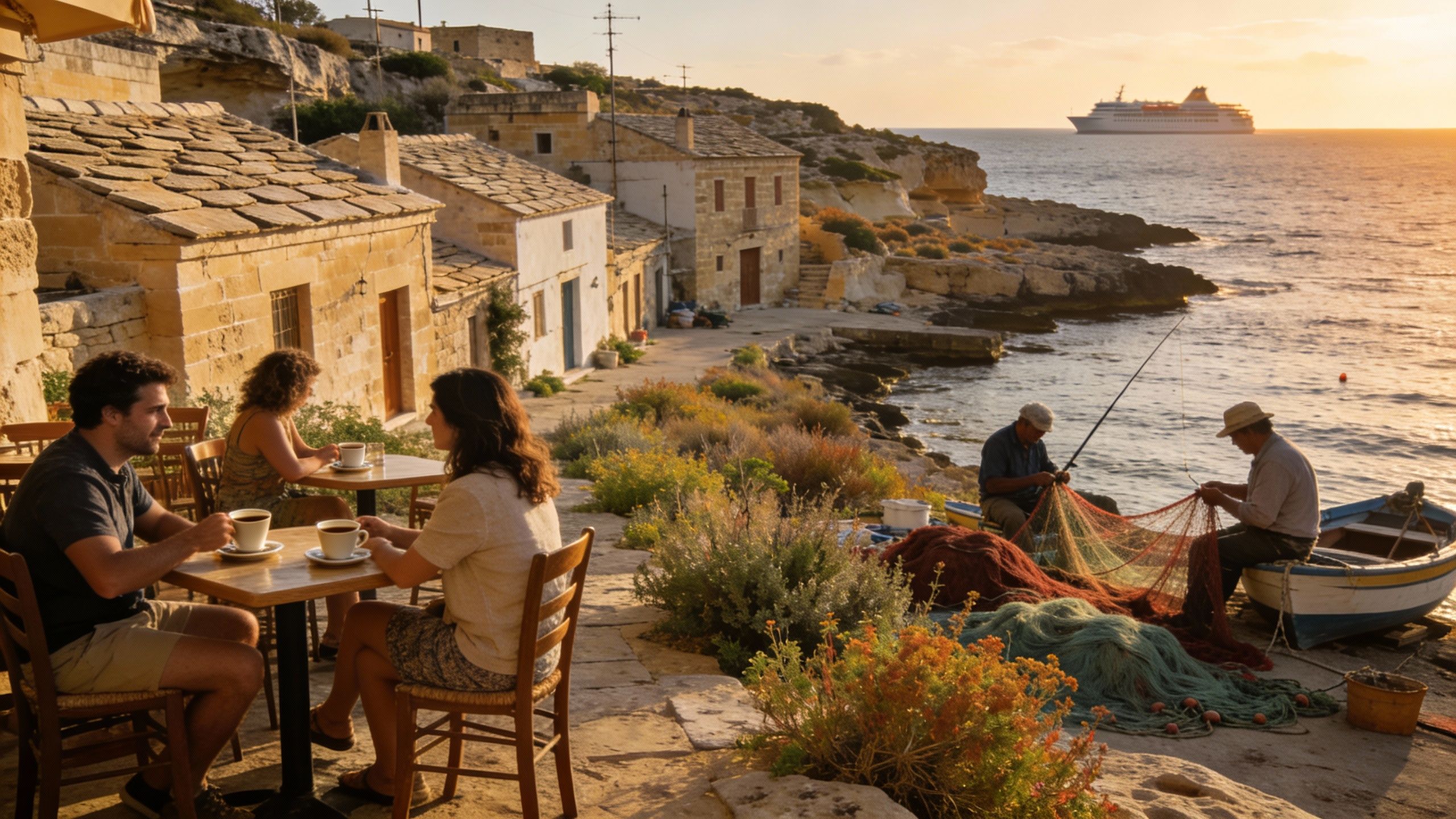
Imagine waking to the hush of limestone streets, the sea’s low hush beyond the cliffs, then strolling for an espresso at Caffe Cordina in Valletta before wandering a quieter lane where a terraced garden spills rosemary and figs over an ancient wall. Malta feels small, intense and sunlit — a patchwork of fortified cities, sleepy coastal villages and green pockets that surprise you with quiet microclimates. For buyers drawn to verdant living and the rugged coastline, the island’s compactness is a blessing: nature, history and community fold into everyday life here.
Living Malta: the rhythm of place
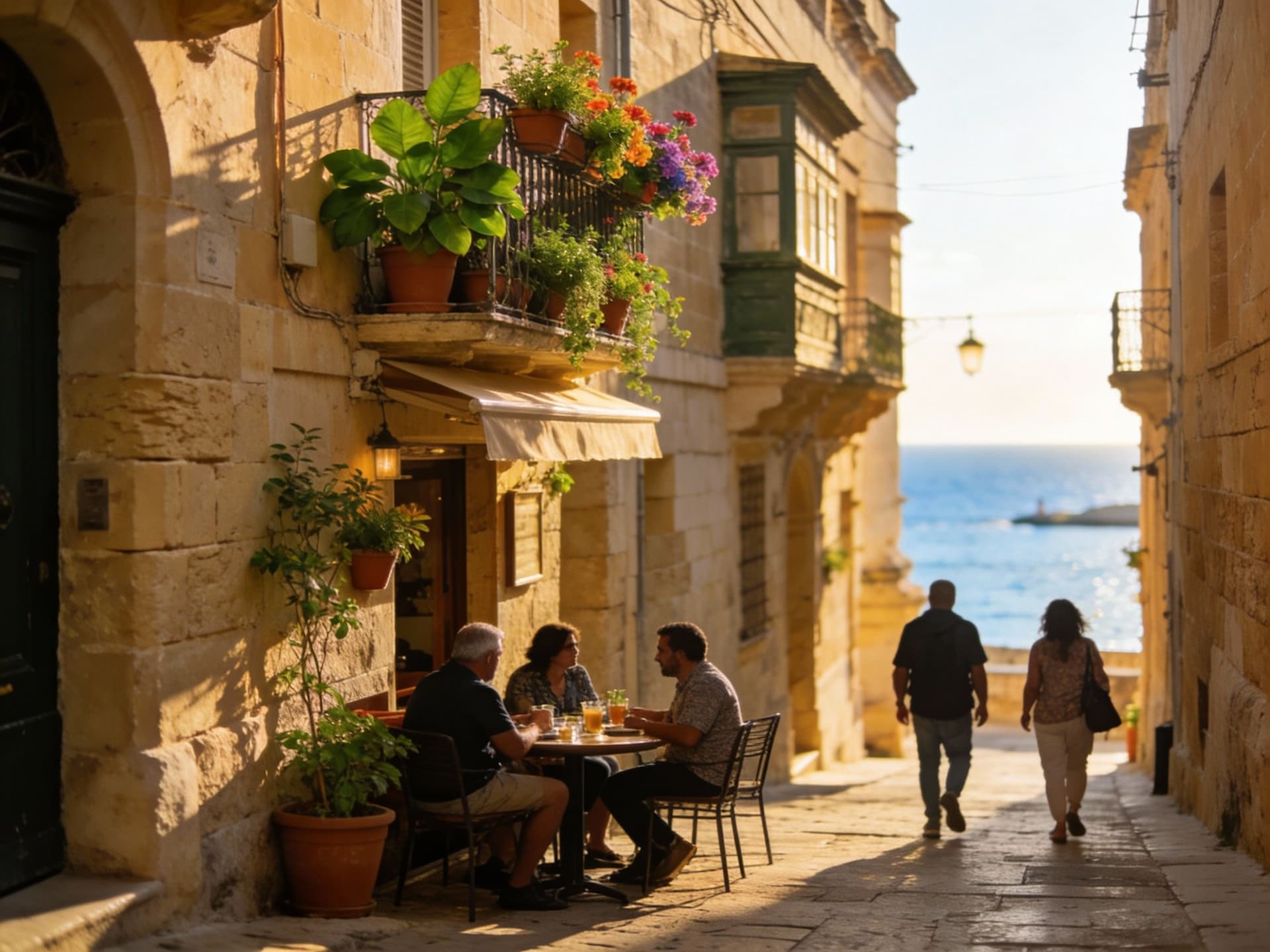
Life in Malta moves at a Mediterranean cadence: mornings for market runs in Marsaxlokk, siesta-light afternoons that favour terraces, evenings that unfurl with neighbourhood aperitifs in Sliema or Mdina’s quiet hush. Yet there’s variety — Gozo’s greener hills and slower pace; the north coast’s windblown cliffs and water-sports culture; the urban hum of St Julian’s. That variety is why buyers often misread prices: central Valletta commands a premium for heritage and walkability, while a short drive or ferry hop reveals pockets of genuine verdant calm and surprisingly good value.
Neighborhood spotlight — Valletta, Senglea and beyond
Valletta’s honeyed streets give you a life wrapped in history: afternoon light on Baroque facades, balconies lined with potted herbs, and rooftop views that make you keep the curtains open. Cross the Grand Harbour to the Three Cities — Senglea and Vittoriosa — where fishing traditions meet repairable old stone houses with courtyards. For green-minded buyers, look for north-facing terraces and thick limestone walls: they naturally regulate temperature and reduce cooling needs during hot summers.
Food, markets and the small pleasures
Weekend life often begins at Marsaxlokk’s fish market or the little stalls around Rabat, where seasonal produce — capers, citrus, sun-dried tomatoes — feels local to the bone. Afternoons are for promenades at Golden Bay or quiet Gozo coves, evenings for rabbit-stew and wine in family-run eateries. These rituals shape where you’ll want to live: proximity to markets and sheltered outdoor space changes how much you use a kitchen garden, compost or small solar array.
- Lifestyle highlights to look for in Malta
- Morning espresso at Valletta cafés; late afternoon swim at secluded Għajn Tuffieħa coves; farmers’ stalls in Marsaxlokk; rooftop herb gardens and courtyard terraces; community festas that stitch neighbourhood life together; short ferry-hop weekend life on Gozo.
Making the move: practical realities beneath the romance
Here’s the unvarnished fact: Malta’s national price index rose by roughly 5–6% year‑on‑year into 2025, driven by limited land and steady demand. That upward pressure often translates into a perception of the island as uniformly expensive — but look closer and you’ll find trade-offs. NSO data shows apartments and maisonettes moving at different rates, and micro-locations (inland villages, Gozo coves) can offer space, gardens and lower effective cost per square metre compared with prime waterfront addresses. For buyers who prioritise green living, that lateral move inland or to Gozo can deliver more outdoor space and lower long-term energy needs.
Property types and how they shape daily life
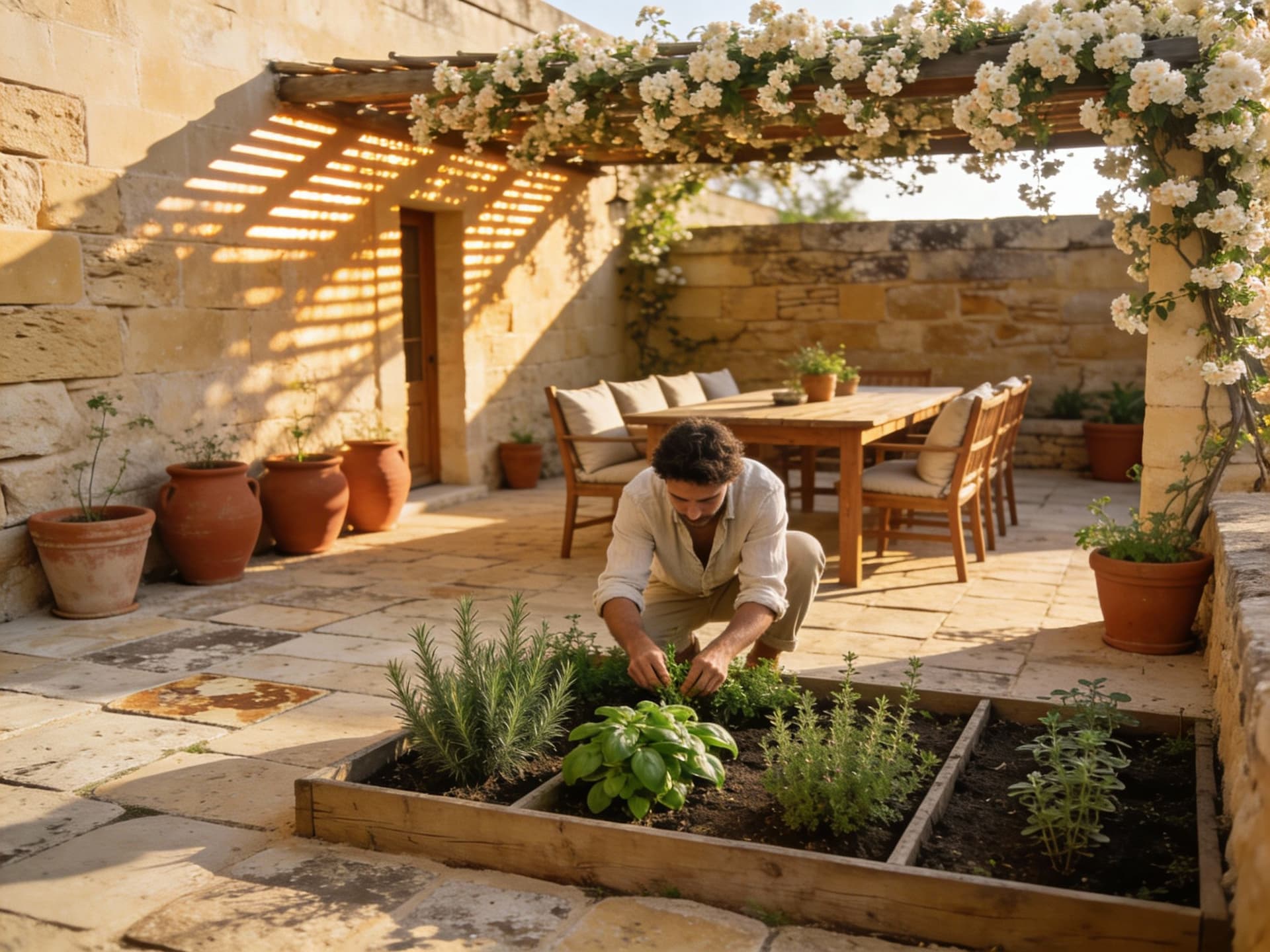
Traditional terraced houses and farmhouses give courtyards and thick stone walls, which are naturally cool in summer and warm in winter — a strong sustainability win. Modern apartments can be efficient but watch orientation, glazing and balcony depth; without thoughtful design they demand more mechanical cooling. If you imagine a life of terrace dinners, morning gardening and rain-catchment for irrigation, prioritise properties with private outdoor space and roof access.
Working with local experts who understand both land and light
A Maltese agent who knows where morning light falls on a courtyard in July — and who understands planning rules for rooftop solar or courtyard extensions — is worth their weight in limestone. Seek agents with demonstrable experience in restoration, heritage consent and practical green upgrades: they’ll help you see where value sits (insulation potential, orientation, existing trees) rather than just square metres.
- Six steps to blend lifestyle with a sound purchase
- 1) Map daily life: choose proximity to markets, coast or quiet villages depending on rituals you cannot give up. 2) Prioritise outdoor private space over sea view if you want a garden and lower lifecycle costs. 3) Check orientation and roof access for solar and rainwater capture potential. 4) Confirm planning constraints early — heritage zones and conservation rules are common. 5) Ask an agent for energy-usage history and typical seasonal cooling costs. 6) Factor agent fees and local taxes into the total cost (these are small compared with long-term energy and renovation savings).
Insider knowledge — what expats wish they’d known
The reality of island life: summers are long and dry, winters mild and wet; a well-built stone home with shaded terraces and cross-ventilation is more valuable than triple glazing here. Expats often discover that local community life — festas, church squares, volunteer beach clean-ups — becomes the true currency of belonging. Also: Malta is actively exploring decarbonisation measures in its urban centres, which matters if you care about long-term stewardship and resale that rewards green upgrades.
Language, rhythm and the small social rules
English is an official language, which flattens many early friction points for international buyers. Still, learning a few Maltese phrases and attending local markets or festa suppers opens doors. Respect for neighbourhood rhythms — quiet hours, festa preparations — will make community integration easier and help you choose a place where you’ll be welcomed rather than tolerated.
Long-term lifestyle and stewardship choices
If residency is part of your plan, policy changes have been rolling through since 2024–2025 and can change cost calculations quickly. Recent reforms to Malta’s Permanent Residence Programme affect property thresholds, contributions and processing; check official Agency guidance and work with a licensed immigration adviser early in your search. For long-term stewardship, prioritise properties where you can feasibly add discreet solar, harvest rainwater and nurture biodiversity — these choices lower running costs and align with Malta’s wider sustainability aims.
- Red flags and what to watch for
- Unexplained recent rebuilds on neighbouring plots (speculation risk); lack of documented roof access (blocks solar installation); no energy-usage records for the last year; unclear planning history for courtyard changes; agents who avoid showing orientation and shading at peak summer hours.
Picture the transformation: you trade a cramped sea-view apartment for a restored farmhouse 20 minutes inland with a courtyard, native hedges that shelter birds and a rooftop that hosts discreet solar panels. Your electricity bills plummet in summer, you grow salad greens year-round, and Saturday mornings become a mix of market runs and a walk along a limestone path that feels, somehow, entirely yours. That is the practical promise Malta can offer — if you look past the headline price index and listen to light, wind and land.
If Malta feels like a dream, here are three concrete next steps: 1) ask an agent to show properties at the hottest hour of a July afternoon to judge shading and breeze; 2) prioritise houses with private outdoor space and roof access for renewable upgrades; 3) consult a licensed residency adviser early if residency matters — rules and thresholds shifted in 2024–25 and can affect whether buying or renting is the smarter route. These small, practical moves convert an island dream into a livable, low‑impact reality.
British expat who traded Manchester for Mallorca in 2017. Specializes in guiding UK buyers to luxury Spanish estates with clear navigation of visas and tax.