Verdant Italy: Coast, Forests & Life‑First Buying
A sensory tour of Italy’s verdant coasts and forests, with practical, research‑backed advice on matching lifestyle to property and working with local experts.
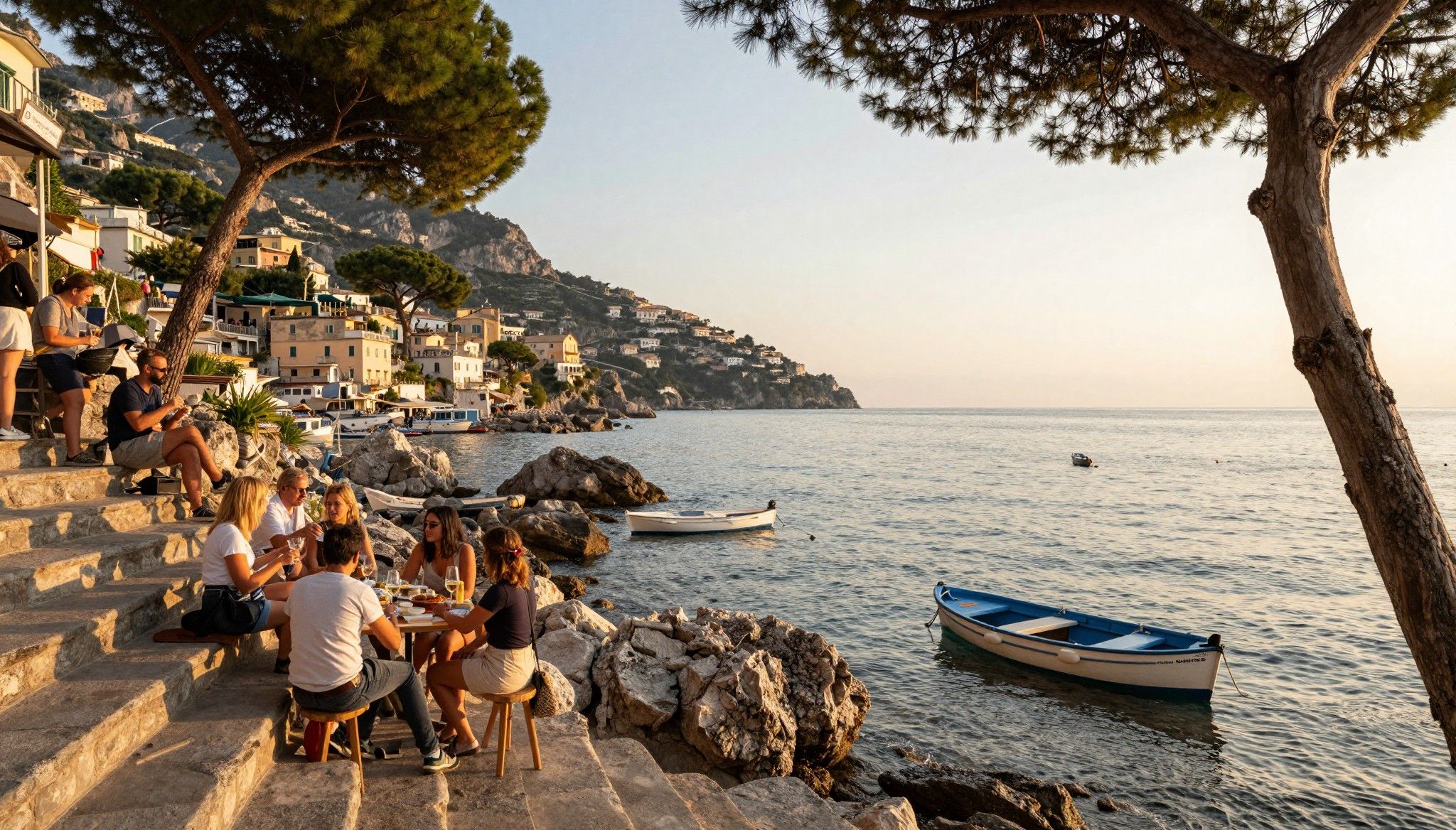
Imagine waking to the smell of wood smoke and sea salt, walking a lane where olive trees shade stone houses and the coast plunges into turquoise—this is the Italy that magnetises buyers. Yet beneath that slow, verdant life are fast-moving market forces and local rhythms you’ll want to understand before you fall in love with a house.
Living Italy: coastlines, forests and daily rituals
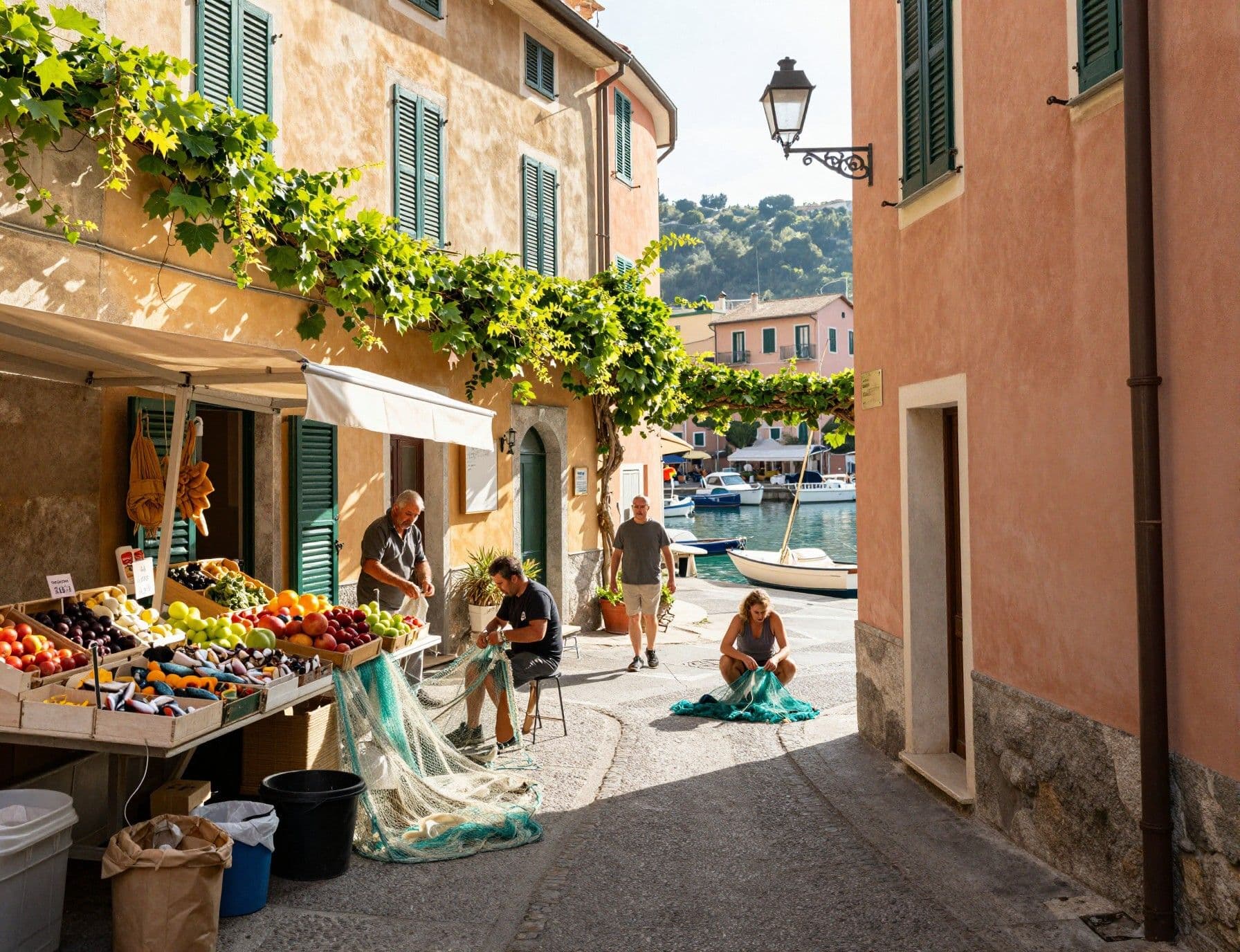
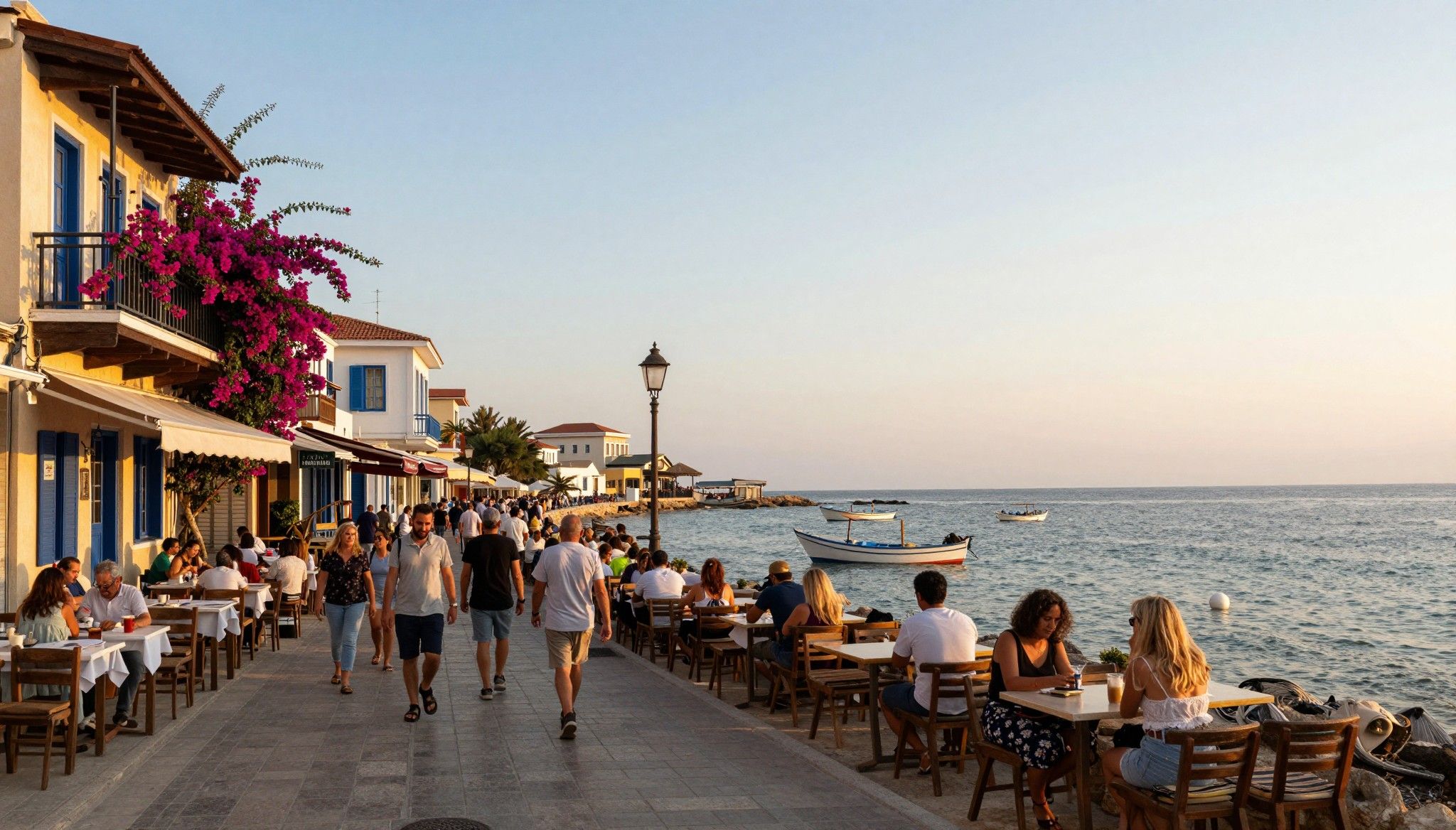
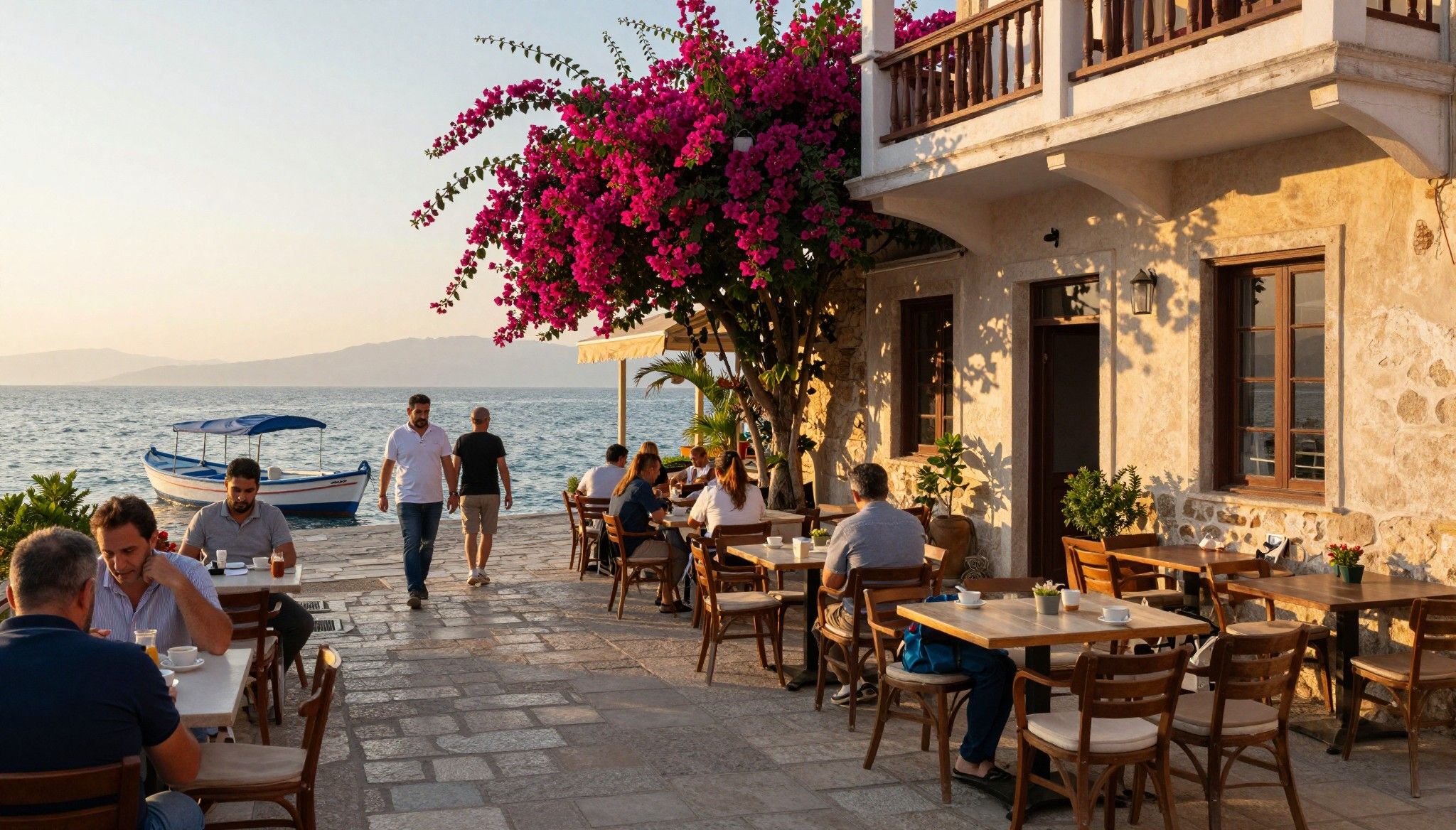
Life here often moves outside. In places like the Maremma you’ll find long mornings at markets, afternoons in pine forests or on rugged beaches, and evenings that gather neighbours for simple meals. The rhythm is seasonal: fragrant spring wildflowers, intense summer coastlines, and olive‑harvest autumns that anchor local life.
Liguria & Cinque Terre: vertical towns and sea gardens
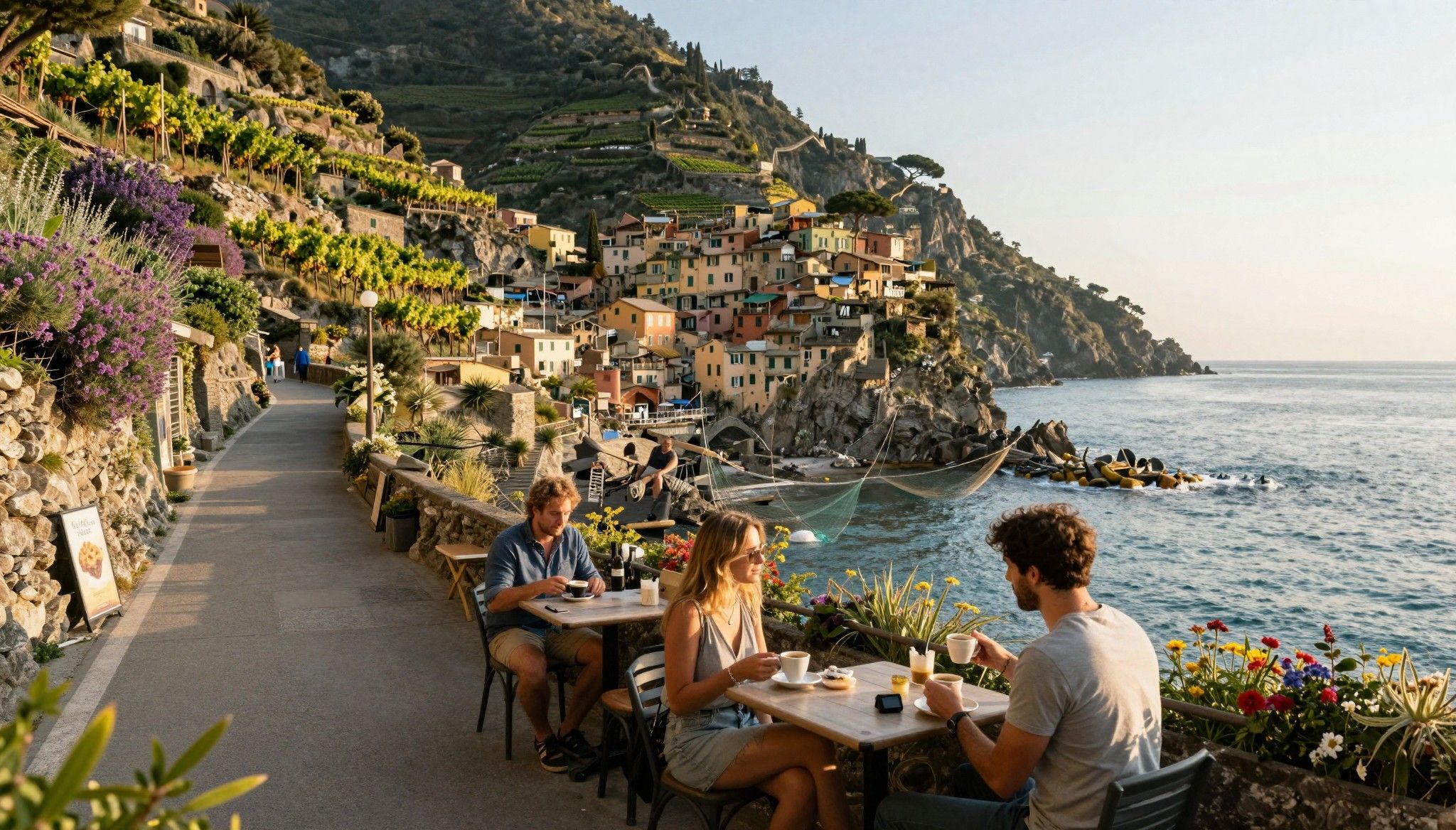
Picture terraces that step down to the sea, vineyards clinging to stone walls, and small cafés where fishermen chat in dialect. Access is intentionally slow here—trains, footpaths and little boats—making for a lifestyle defined by walking, seasonal produce, and a profound closeness to place.
Tuscany’s Maremma and Le Marche: wild coasts and gentle hills
From the pine forests of Maremma to the cliffside beaches of Le Marche, these regions combine broad skies, quiet villages and a thriving small‑scale food culture. Weekends are for markets (fresh pecorino, wild fennel, Ligurian basil), and evenings for communal dinners where a single shared plate becomes a conversation starter.
- Morning espresso at Bar La Terrazza (Talamone) — watch fishermen mend nets; hike a coastal trail and end at a family‑run trattoria in Monterosso; buy chestnuts and honey at a Sunday market in Ascoli Piceno; discover a tiny beach in Cilento where locals picnic; wander olive groves after the harvest and learn how the frantoio (mill) shapes the year.
Making the move: how lifestyle shapes property choices
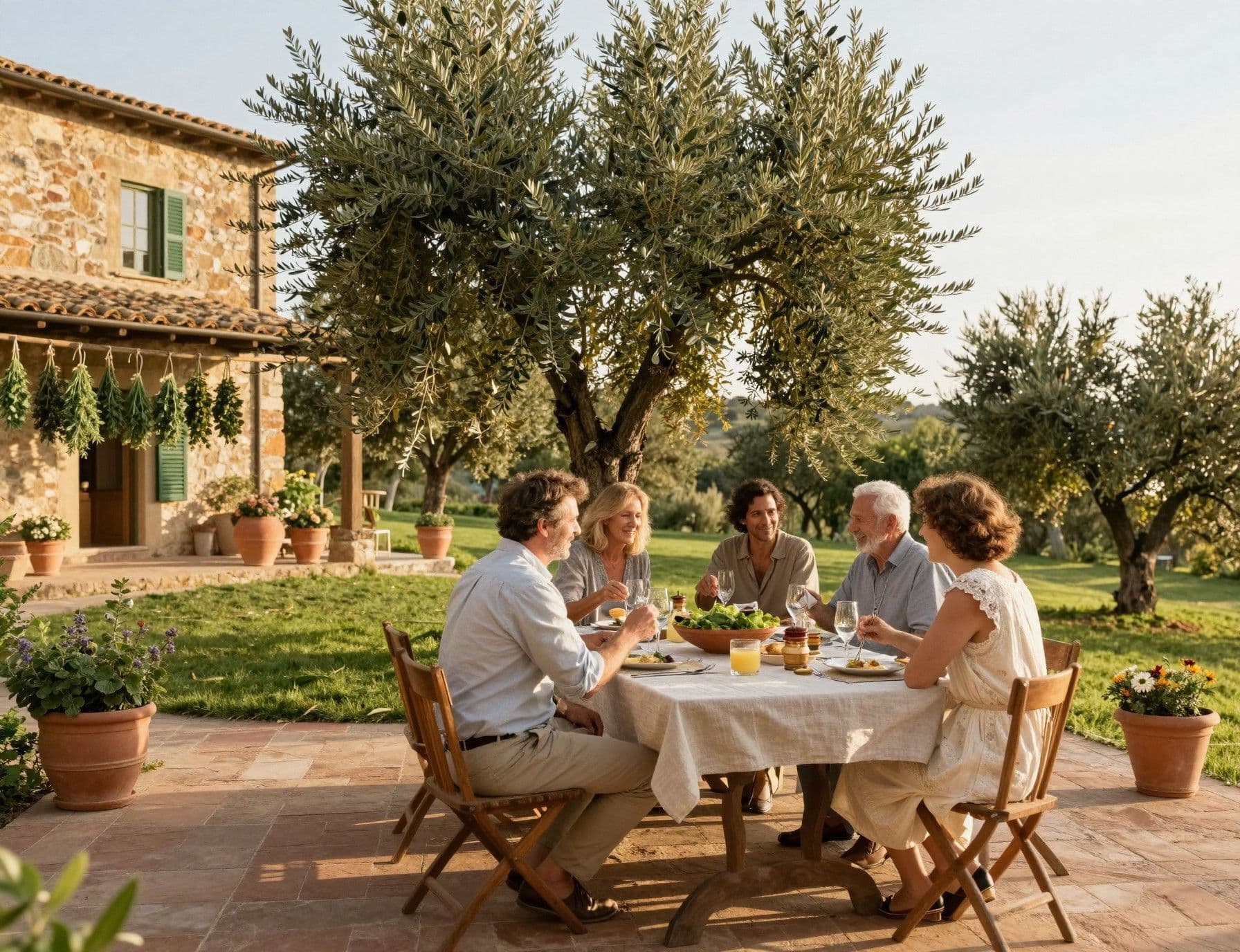
The dream of a coastal house with a garden is common, but the practicalities differ wildly from town to town. Recent market analyses show recovering demand and regional price divergence; buyers prioritising green features and accessibility often pay a premium in smaller protected‑land communities. Match the life you want to the property type before you start bidding.
Which property matches your days?
A restored stone casa in Le Marche gives you year‑round community, thick walls that moderate temperature, and room for a kitchen garden. A narrow Ligurian apartment puts you inside the village pulse with tiny terraces and shared laundry rituals. A farmhouse in Maremma offers land, biodiversity and potential for regenerative gardens — but more maintenance and a reliance on local services.
Work with locally rooted experts
- 1. Find an agency fluent in local planning rules and ecological retrofit options; 2. Ask for a footprint audit — energy, water, and biodiversity potential — before you buy; 3. Prioritise agents who can introduce you to neighbours and local artisans; 4. Check seasonal access and services (ferries, trains, healthcare) that shape daily life; 5. Request recent sale comparables in the exact village, not just the province.
Insider knowledge: surprises expats rarely expect
Expat life quickly teaches you that markets respond to seasonality and tourism. ISTAT data show tourism recovery and increased nights spent, which can lift demand in well‑known coastal towns while leaving quieter hinterlands more affordable and ripe for stewardship‑minded buyers.
Cultural rhythms that shape everyday life
Language is local; dialect and custom matter. Expect closing times at shops, mid‑day pauses, and local calendars centered on harvests and saints’ days. Integrating means showing curiosity — learning a few regional phrases, joining the market on Saturday, and trusting recommended builders and mastri rather than anonymous listings.
- Red flags and practical checks: beware of steep, unmaintained access roads; ensure water supply and septic systems meet regulations; ask about ancient property boundaries and terraces prone to erosion; request recent energy performance documentation; verify that historic‑area permits aren’t required for the renovations you want.
Over time, life in Italy reshapes how you measure value. A small citrus garden, a shared neighbourly barbecue, a reliable morning barista — these become as important as square metres. If stewardship and connection to land matter, let those priorities guide your search and the local agency you choose.
Next steps: plan a seasonally timed visit (avoid only summer viewings), compile a wishlist that ranks lifestyle features (market access, daylight, land), and ask potential agents for concrete examples of similar buyers they’ve helped. When you pair a clear lifestyle brief with a local, eco‑minded agency, Italy stops being a dream and becomes a daily life.
Norwegian market analyst who relocated from Oslo to Provence; guides investors with rigorous portfolio strategy and regional ecological value.