Why Harvest Months Reveal Italy’s True Property Value
Why harvest months and off‑season visits reveal Italy’s true lifestyle value — and how season-aware buying leads to sustainable, lived‑in homes.
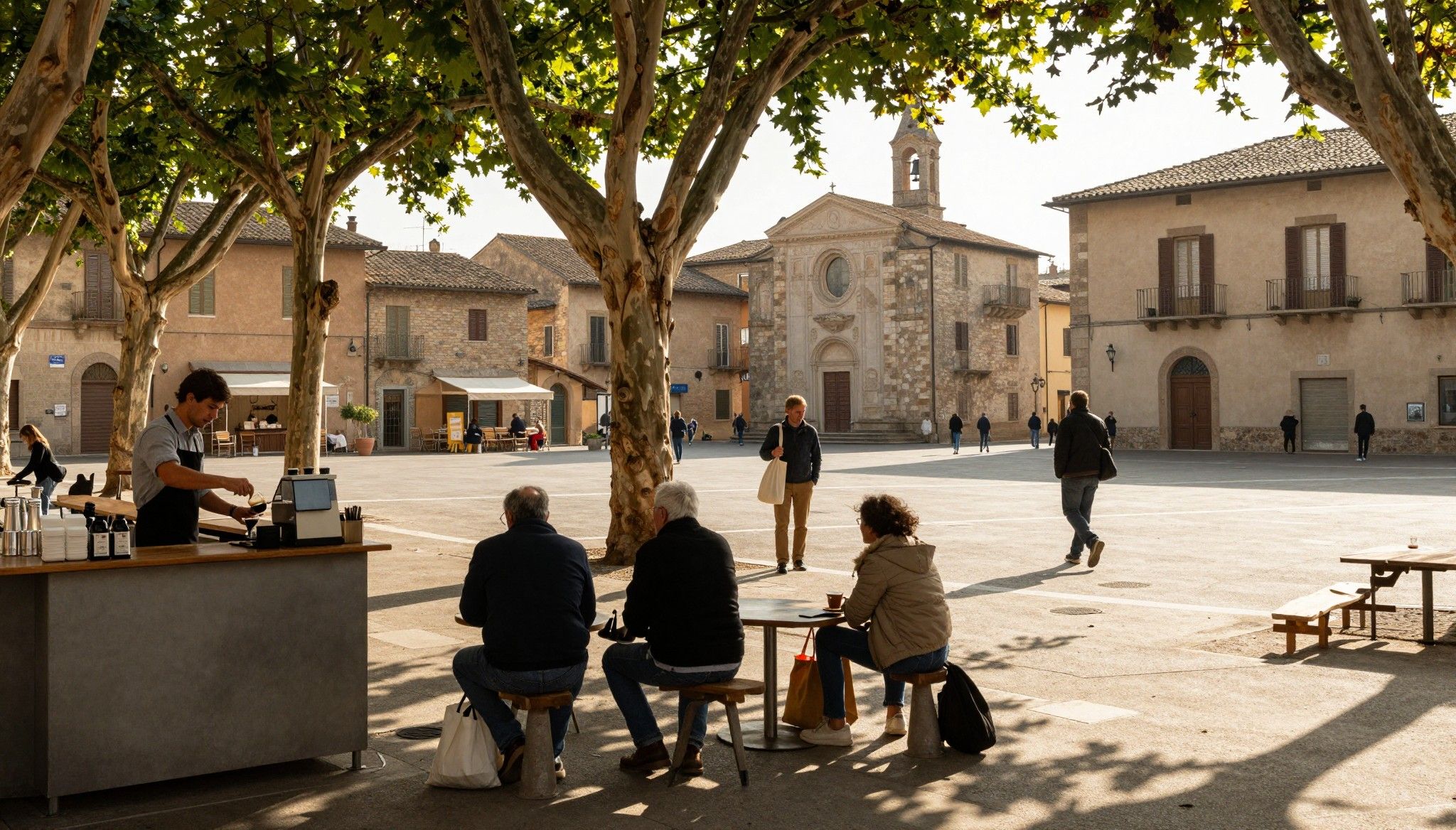
Imagine stepping off an early-morning train in Alba as fog lifts from the truffle orchards, the air a mix of damp earth and espresso. This is a way of life Italy offers: seasonal rhythms that shape markets, streets stitched with craft workshops, and neighbourhoods where a baker knows your name. For international buyers who care about green living and rooted experiences, Italy is less a single place and more a set of lived seasons — each with its own property logic.
Living the Italy lifestyle: seasons, streets, senses
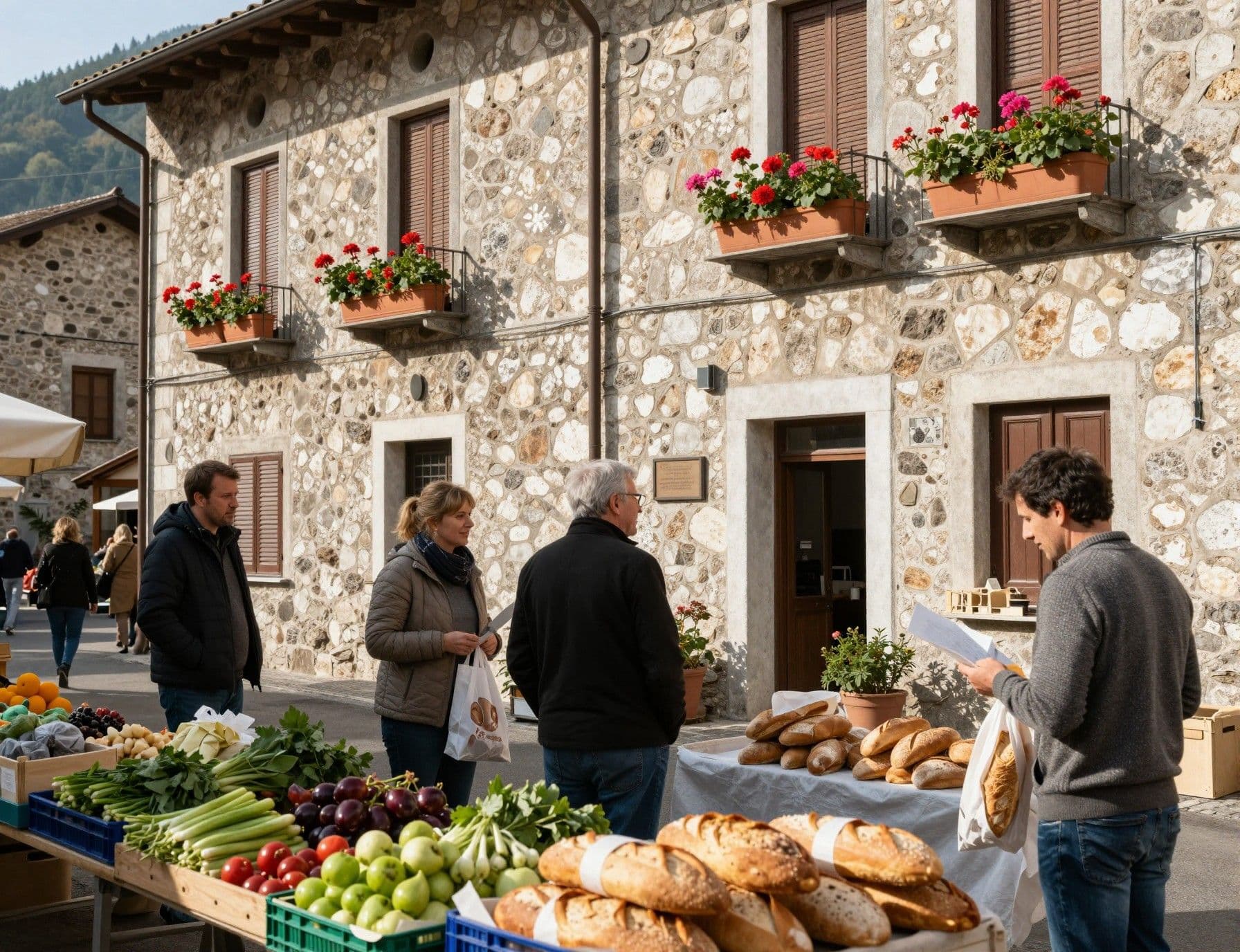
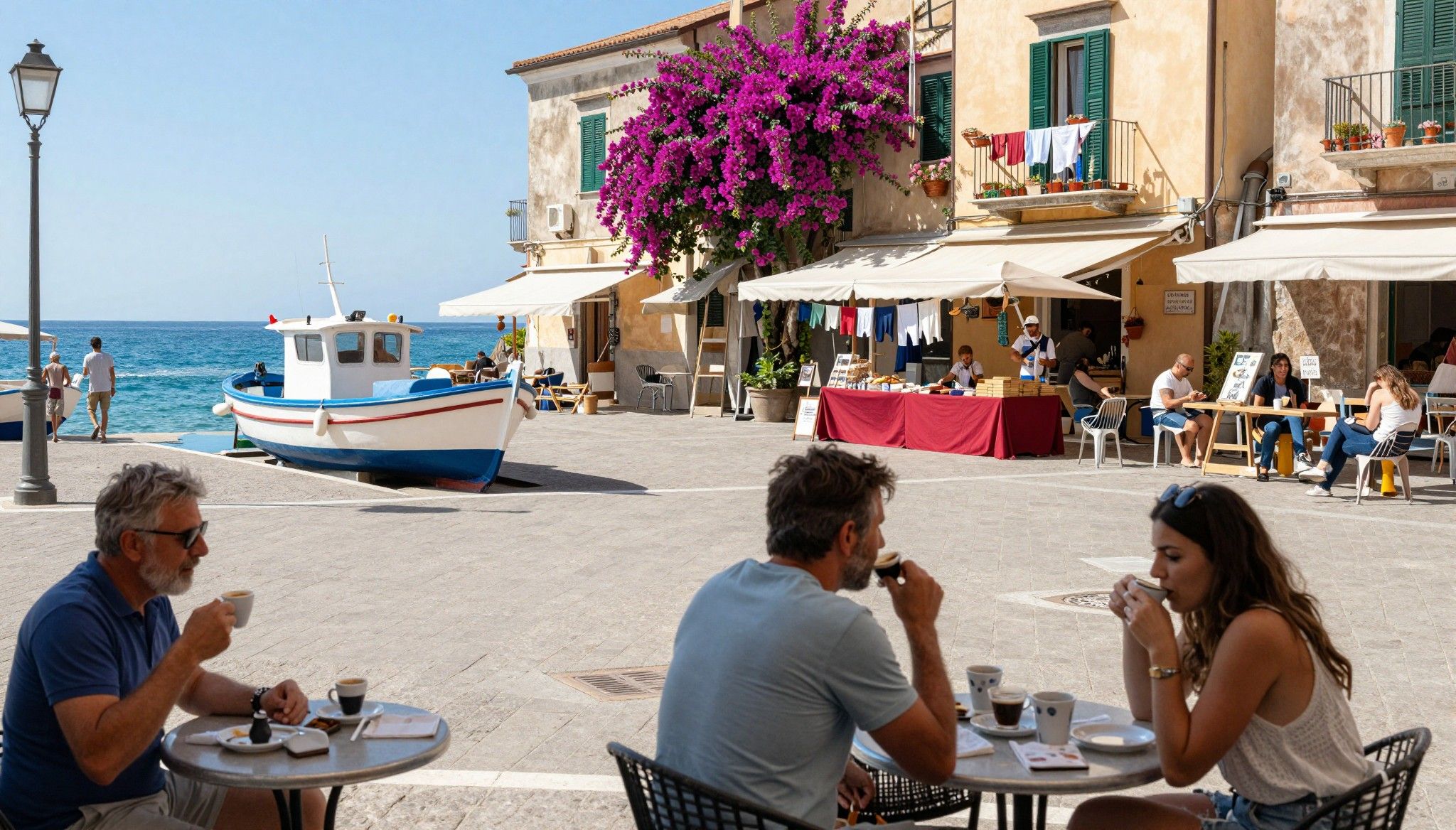
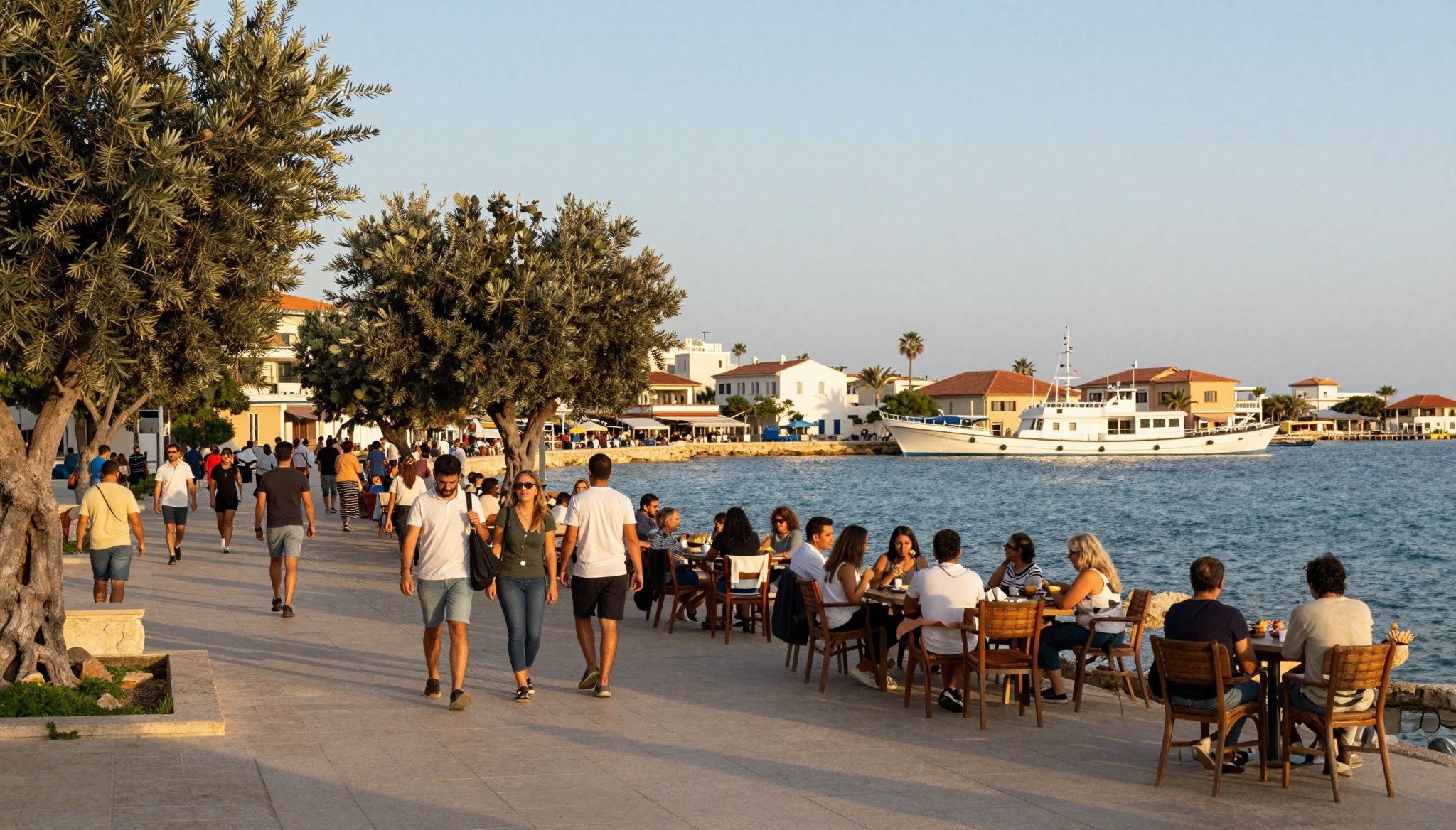
Mornings begin with quick caffè at a corner bar; afternoons drift to shaded piazzas; evenings gather for long meals that follow market hours. Coastal Liguria hums with salt air and narrow lanes; Siena’s hilltop rhythm is punctuated by palio rehearsals; Puglia’s white towns glow under a relentless summer sun. Each region feeds different routines — and different requirements for comfortable, sustainable homes.
Neighborhood spotlight: Florence’s Oltrarno and local craft
Walk Oltrarno and you’ll find leather workshops, small botanical nurseries, and woodcarvers still using centuries-old techniques. Properties here often have hidden courtyards and small terraces perfect for herb gardens — living spaces that invite stewardship and low-impact gardening. For buyers seeking to live among makers, these are the streets where community and craft meet.
Food, markets and the seasonal calendar
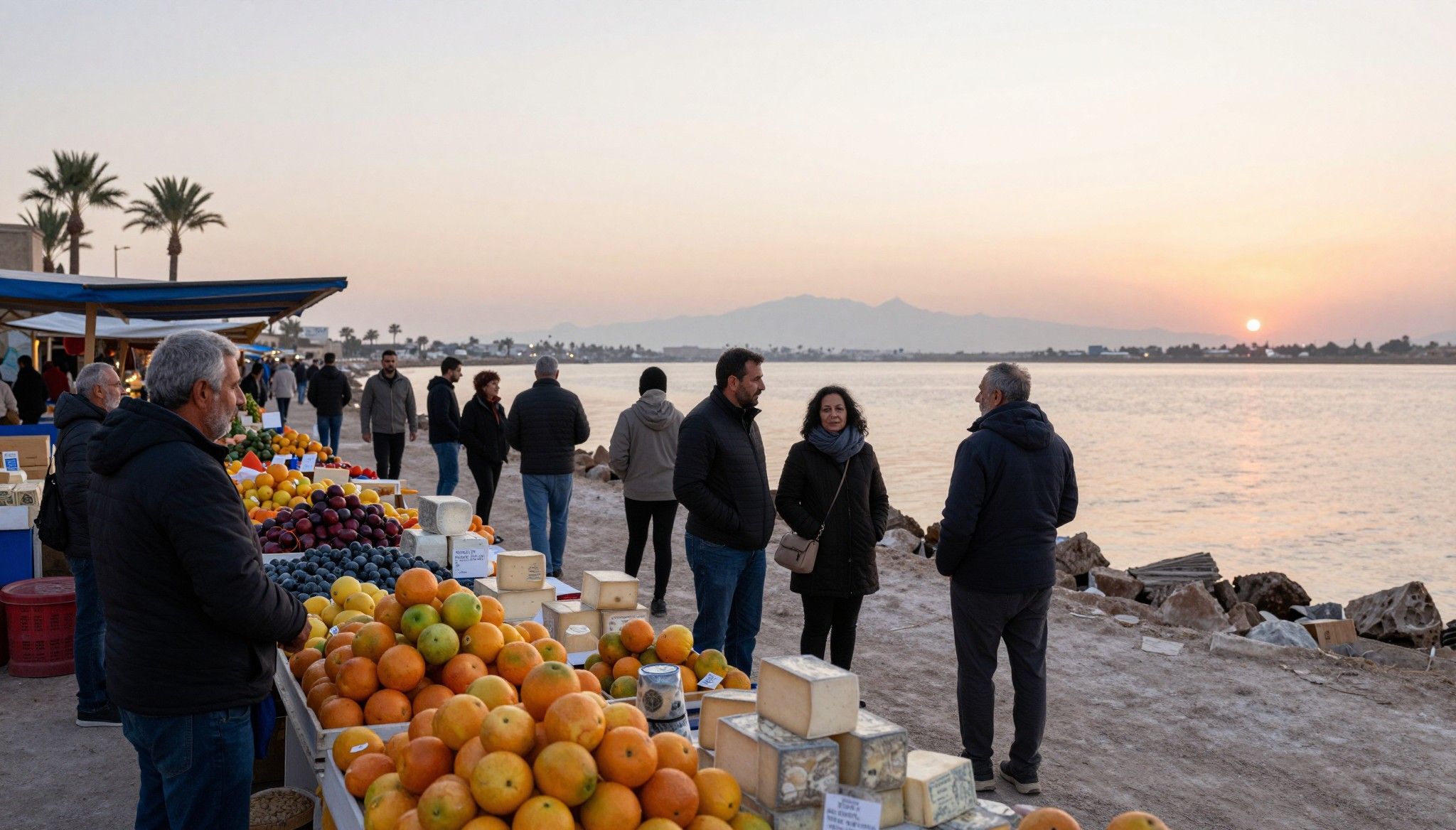
From Palermo’s Ballarò market at dawn to the fish stalls of Chioggia at dusk, local markets set the pace of daily life. Harvests — olive, grape, truffle — bring temporary bursts of activity that reveal neighbourhood character and short‑term rental potential. Knowing which season animates a town helps you choose a property that lives well year-round, not just in glossy high season.
- Lifestyle highlights to scout when you visit
- Morning caffè rituals—watch who stops and who lingers
- Local markets (days, not just weekends) and vendor relationships
- Evening piazza life—frequency of events and community turnout
Making the move: practical considerations that match the life
Dreams meet paperwork. The same seasons that make a place sing can also affect viewings, local services and renovation timetables. Recent market data show Italy’s residential market is stabilising after a strong 2025, with specialist research highlighting a slower, more selective growth trajectory in 2026 — a useful backdrop when timing offers and inspections. (See market sources below.)
Property styles and how they shape daily life
A stone farmhouse in Umbria invites year‑round potager gardening and passive winter heating; a terraced flat in Naples puts you at street level for café culture and evening passeggiata; a renovated cliffside house in Liguria prioritises outdoor terraces and salt-tolerant planting. Match the building type to the rhythm you want — quiet winters, lively summers, or stable rental months.
Working with local experts who care about stewardship
Choose agents and notaries who understand seasonal life: which roofs leak in winter, where municipal gardens receive funding, and which towns incentivise green retrofits. An agent who knows local craftsmen (roofers who work with chestnut beams, masons versed in lime plaster) will save you time and support long‑term stewardship.
- Steps to blend lifestyle and practical buying (1–5)
- Visit in two different seasons to test noise, light and services
- Ask about energy efficiency upgrades, solar potential, and water access
- Inspect local waste collection, farmers’ markets, and school or clinic proximity
- Request a local artisan audit for traditional materials and repair needs
Insider knowledge: expat truths and seasonal red flags
Expat buyers often romanticise summer: packed beaches and festival energy. The quieter months reveal the real seams — unreliable ferry schedules, closed workshops, or cold, damp basements that need insulation. Locals plan around seasons; you should too. Use off‑season visits to uncover hidden upkeep costs and the genuine pace of life.
Cultural integration: language, neighbours, and small rituals
Learning a few phrases, attending a local festa, or joining a volunteer olive‑harvest day opens doors faster than any broker. Italians value reciprocity; small, regular gestures — bringing pastries to the building custodian, learning market vendors’ names — transform neighbours into allies who’ll tip you off about properties before they hit listings.
Long-term lifestyle: resilience, stewardship and community
Think beyond purchase: invest in thermal-stable windows, native-plant landscaping to reduce irrigation, and local energy solutions. Municipal incentives often exist for green retrofits, and towns with active community associations can be the best guardians of a property’s long-term value and life.
Market snapshot: Recent research from Nomisma signals moderate national growth and a cooling of speculative momentum into 2026, with greater interest in smaller towns and properties that offer outdoor space and renovation potential. Source: Nomisma’s 2026 market observatory.
Demand context: ISTAT’s tourism and population releases show inbound travel recovering strongly, which matters for second‑home and short‑let markets — but underlying demographic trends point to regional variation in long‑term demand. Source: ISTAT tourism statistics.
Legal note: Foreigners generally have the same rights to buy property in Italy as locals, though specifics depend on reciprocity rules and local municipal regulations. Work with an English‑speaking notary and an agent familiar with regional planning rules to avoid surprises. Source: practical buyer guides and local experts.
- Red flags to look for in viewings
- Damp smell in basements (poor insulation or drainage)
- Inconsistent opening hours among local tradespeople (renovation delays)
- Poor access outside high season (reduced ferry or bus services)
When you return home, the change is tangible: your week slows, meals lengthen, and neighbourhood rituals find their place in your calendar. The right property in Italy rewards curiosity, patient renovation, and ecological respect. Start with seasons, choose with stewardship in mind, and bring local craft into every repair.
Ready next steps: plan two seasonal visits, ask agents for artisan references, and request recent energy and water bills. An agent who can introduce you to a local mason, an olive‑press operator, or a market vendor is not a convenience — they are your bridge to life here.
Dutch property strategist who helped 200+ families find sustainable homes in southern Europe; expert in legal pathways and long-term stewardship.