Why Summer Viewings Lie: Buy in Malta's Quiet Months
Why summer viewings mislead buyers: Malta’s true rhythms and market data show off‑season visits, local experts, and stewardship upgrades win long‑term happiness.
Imagine stepping out at dawn onto a limestone balcony in Valletta, the sea a pale ribbon, and the aroma of fresh ftira from the bakery two doors down. Malta moves at a Mediterranean rhythm — loud cafés and late-night festas, quiet coves and cliffside walks — but the island’s real estate story is not as simple as “expensive island premium.”
Living the Malta life: daily rhythm and senses
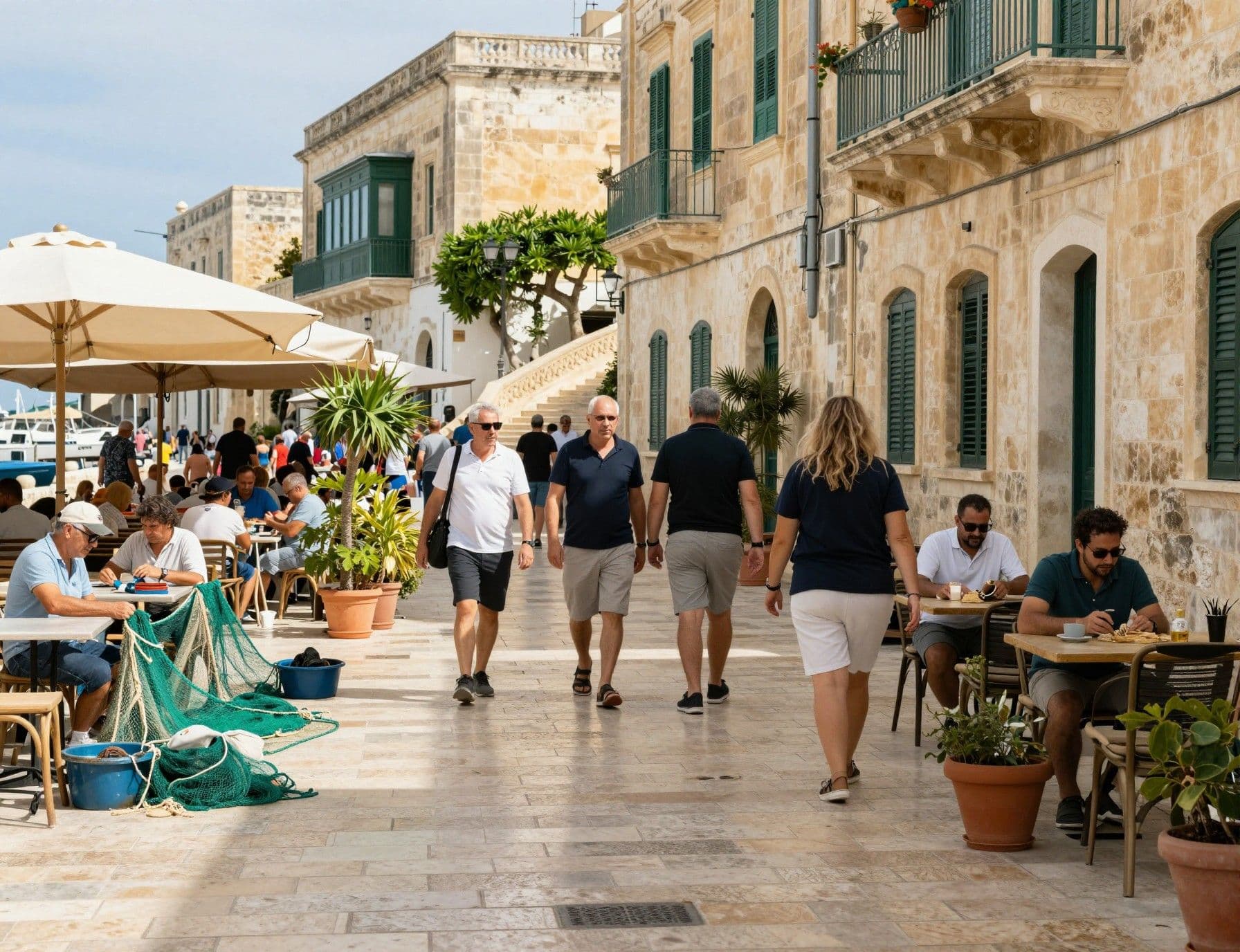
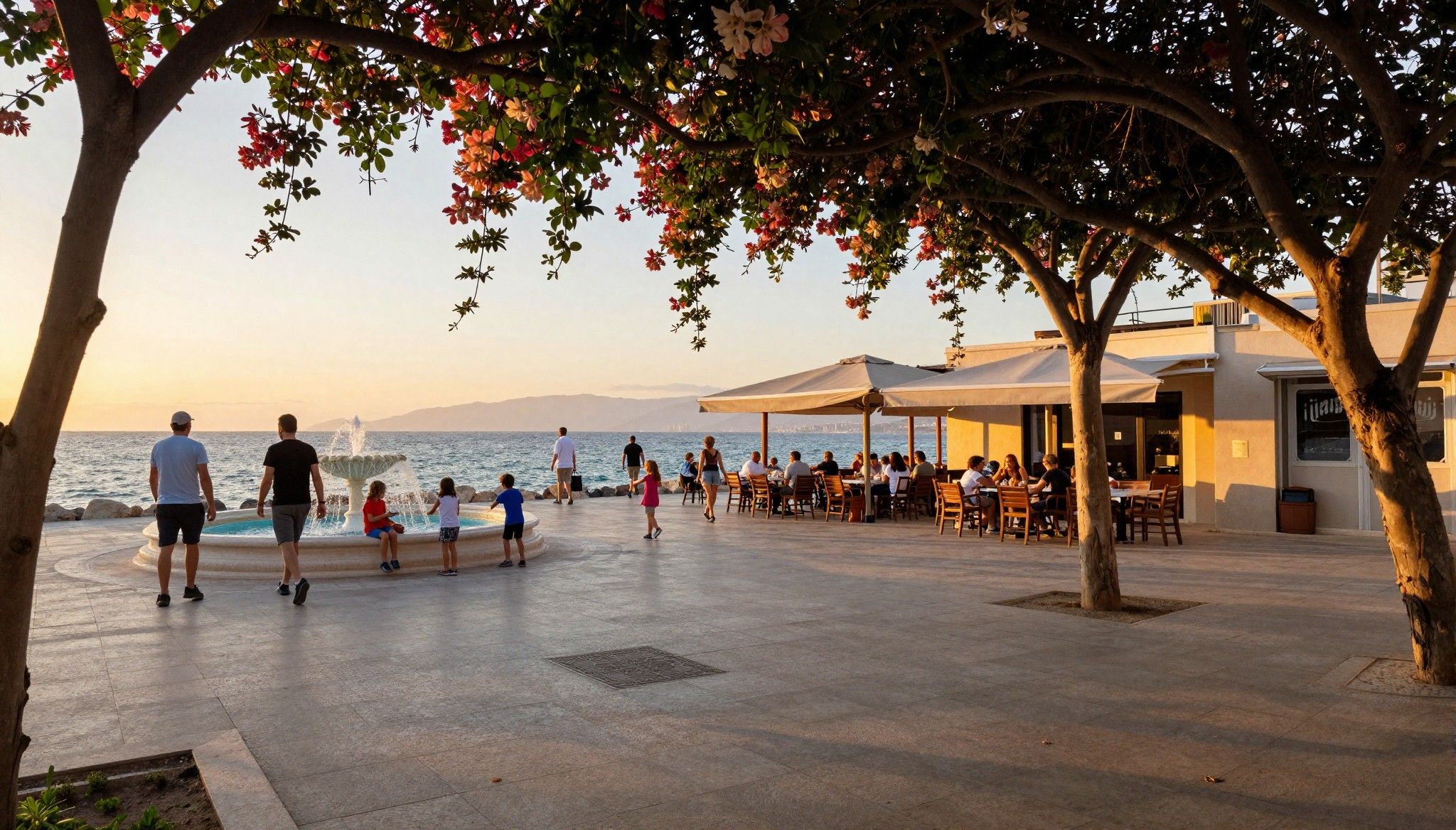
Daylight here is a compass: mornings at the il‑bar stores (corner cafés) with espresso and conversation, afternoons for swims at Għajn Tuffieħa or Golden Bay, evenings spent walking the Sliema promenade or lingering over seafood in Marsaxlokk. The island’s compactness means your weekend can include a historic city morning and a wild-cliff hike by sunset.
Neighbourhood spotlight: Sliema, St Julian’s and Valletta
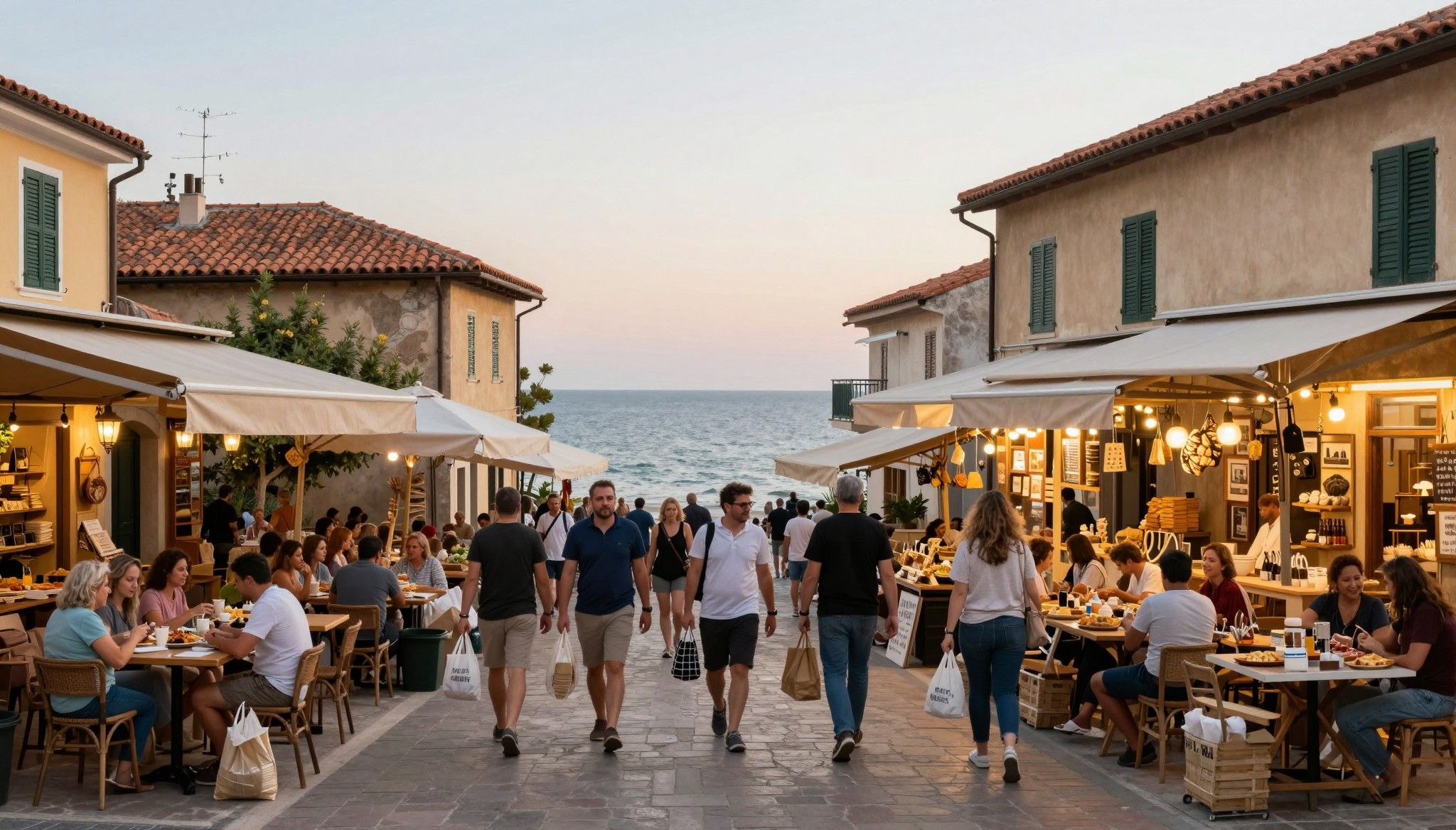
Sliema’s seafront and the Tigné peninsula feel like daytime life — promenades, boutique cafés and apartment living with harbour views. St Julian’s (and nearby Swieqi) pulse with younger expat energy, coworking cafés, and an international dining scene. Valletta is quieter at night but rich with opera, museums and narrow streets where restored townhouses with internal courtyards whisper old‑world living.
Food, markets and the sea: how Maltese life tastes
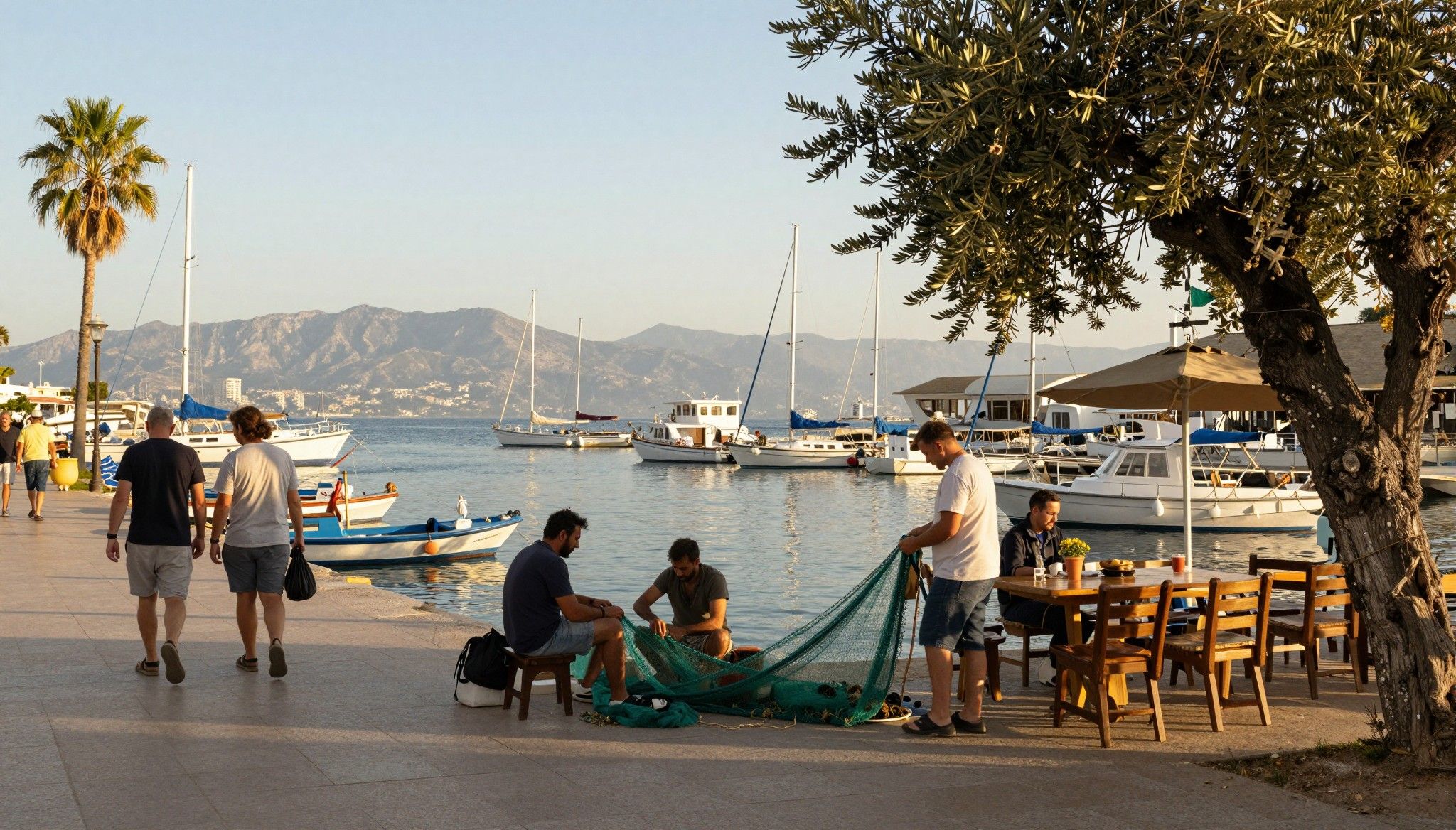
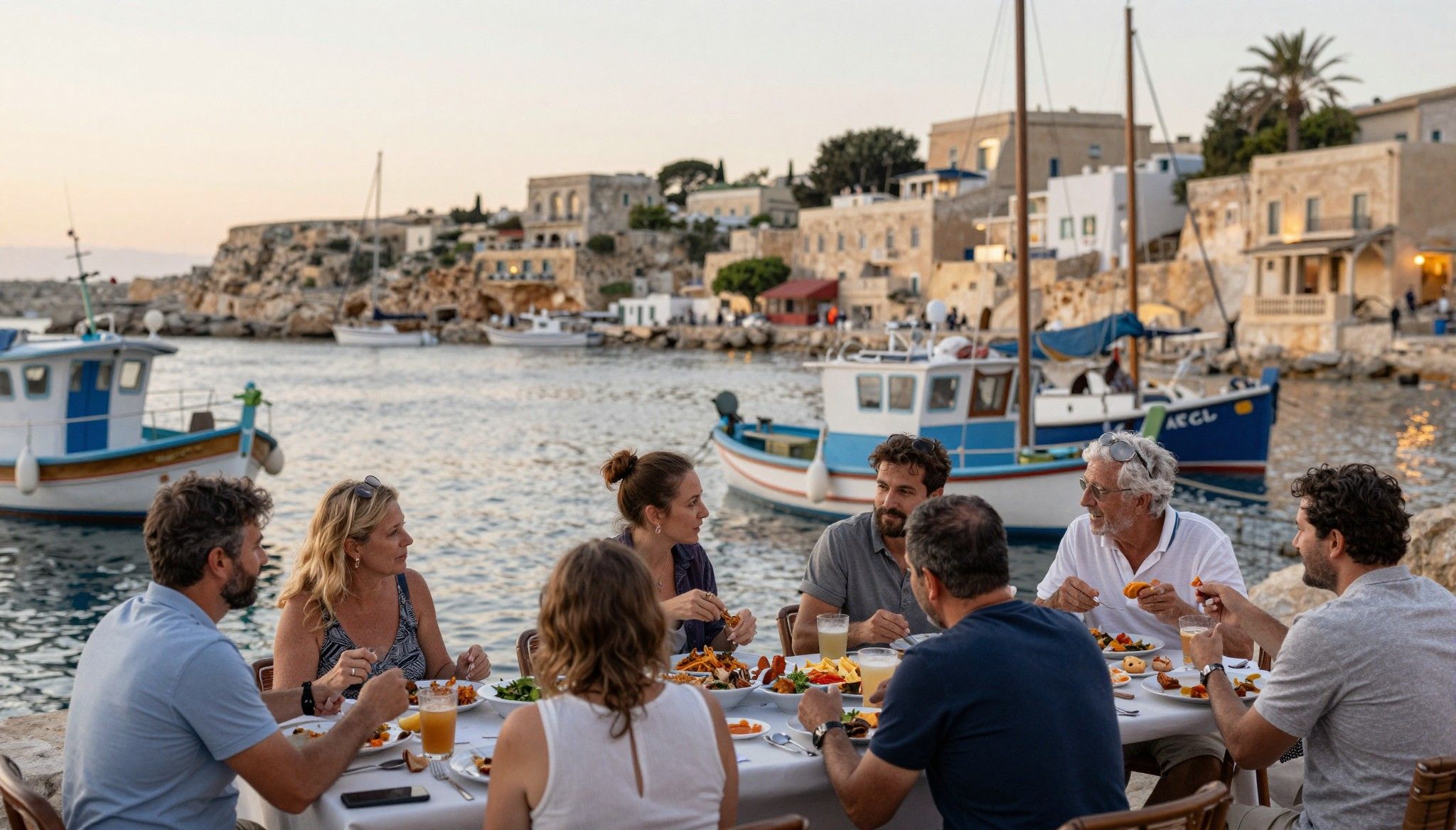
Weekends often begin at the produce market and end at a harbour table watching boats return. Local specialities — lampuki pie, rabbit stew, ftira sandwiches — anchor social life. If you crave fresh food and community ritual, neighbourhood squares and seaside fishing villages like Marsaxlokk or pretty Mellieħa will make you feel rooted quickly.
- Lifestyle highlights: morning cafés in Sliema; sunset walks on Dingli Cliffs; Sunday fish in Marsaxlokk; swimming at Għajn Tuffieħa; artisan markets in Valletta; community festas in village squares.
Making the move: when lifestyle meets market reality
The romantic image of island life meets a busy, competitive property market. Recent official data show steady price growth in apartments and maisonettes — the most common transaction types — driven by demand in central and coastal towns. That growth makes timing and local knowledge crucial: viewings in high season can mislead you about noise, parking and long‑run livability.
Property styles and how they shape daily life
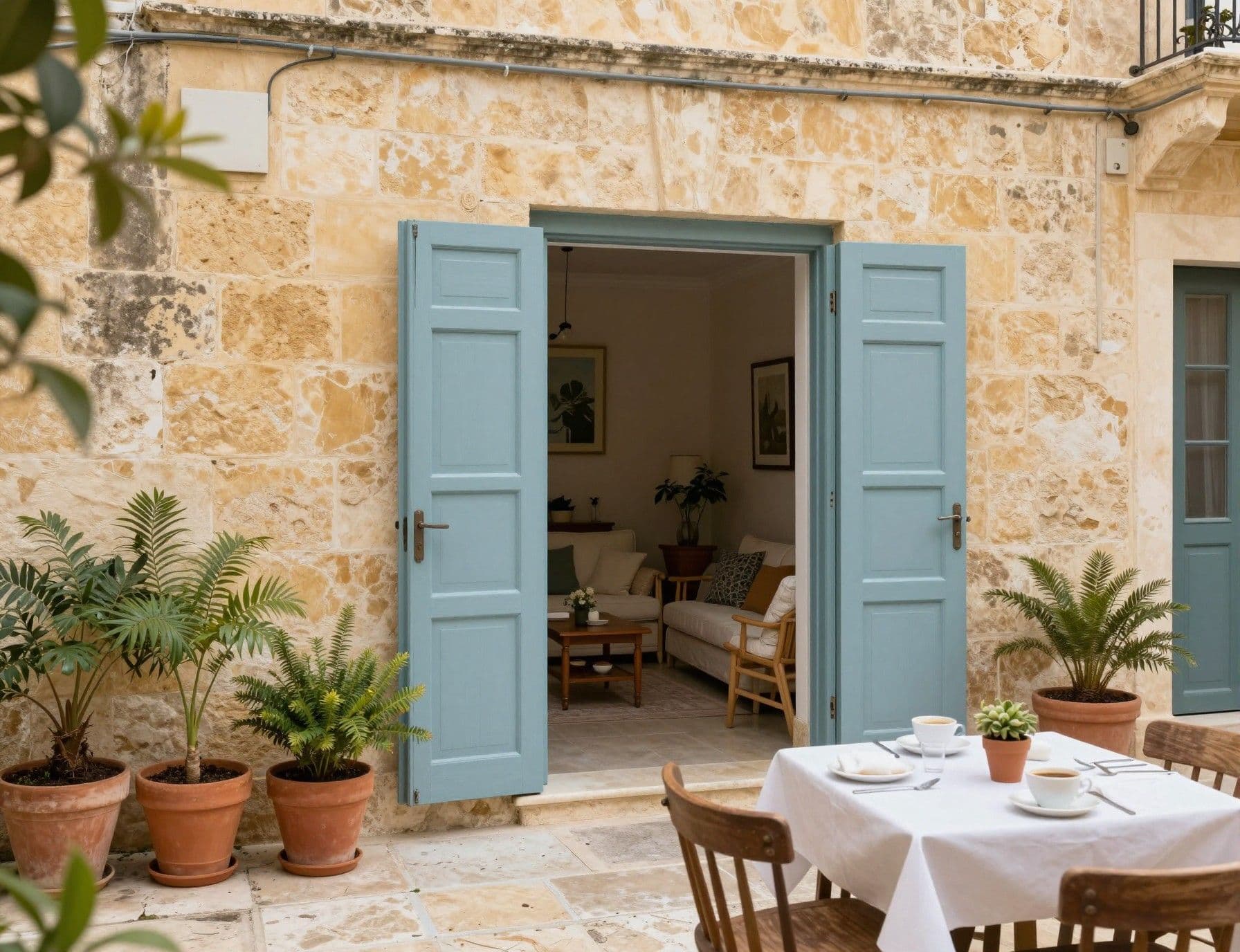
Whether you choose a Valletta townhouse with internal courtyard, a modern Sliema apartment, or a farmhouse in Gozo, each type steers your routine. Townhouses offer shade and calm interiors; apartments prioritise views and walkability; rural stone houses give more garden space but need climate adaptations—insulation and rain‑proofing—to handle winter storms and summer heat.
Work with experts who match lifestyle to property
A local agent who knows neighbourhood microclimates, festa schedules, and whether a street is lively or quiet will save you costly mistakes. Choose advisers who can show the same property at different times of day and different seasons — and who understand Malta’s planning nuances around conversion of old townhouses and rooftop terraces.
- Practical steps blending lifestyle and process: 1) Visit outside peak summer to assess true noise and sun exposure; 2) Inspect ventilation and roof integrity for limestone homes; 3) Ask for declared transaction prices and recent RPPI trends; 4) Meet neighbours at a local café to feel community rhythm; 5) Confirm permit history for terraces and conversions.
Insider knowledge: what expats wish they’d known
Many newcomers arrive enchanted and assume the busiest, most photographed streets equal better long‑term life. The truth: quieter pockets one tram stop from Sliema often offer better daylight, lower noise and friendlier community life — and occasionally better value. Long‑term happiness usually comes from everyday rituals: a regular bakery, a waterside walk, a corner barista who knows your order.
Cultural integration and practical social tips
English is an official language, which eases paperwork and daily life, but learning basic Maltese phrases opens doors to deeper relationships. Participate in village festas, respect church timetables, and expect slow bureaucracy on some permits. Small gestures — local produce at the market, help at a festa — make the island feel like home faster than internet forums.
Longer horizon: stewardship, climate and upgrades
Think of a Maltese home as an ecological project: rooftop photovoltaics, rainwater capture for gardens, and passive cooling strategies repay themselves here. Local firms increasingly offer sympathetic retrofits for traditional stone homes; prioritising these upgrades enhances comfort, resale value and your ability to live lightly on the island.
If the idea of Malta has been reduced to a postcard — think again. The island’s real reward is routine: fish markets at dawn, neighbours who become friends, and quiet cliffs that reclaim you on weekdays. Next step: plan a two‑season visit, meet a local agent who asks about how you want your days to feel, and bring a curious heart — that’s where the best properties reveal themselves.
Danish relocation specialist who moved from Copenhagen to the Algarve; supports families with seamless transitions, local partnerships, and mindful purchases.