Paper, Place & Sun: Due‑Diligence That Protects Life in Cyprus
Fall for Cyprus’ light and rituals, then protect that life with local due diligence—title checks, District Administration permissions, and eco‑minded stewardship.
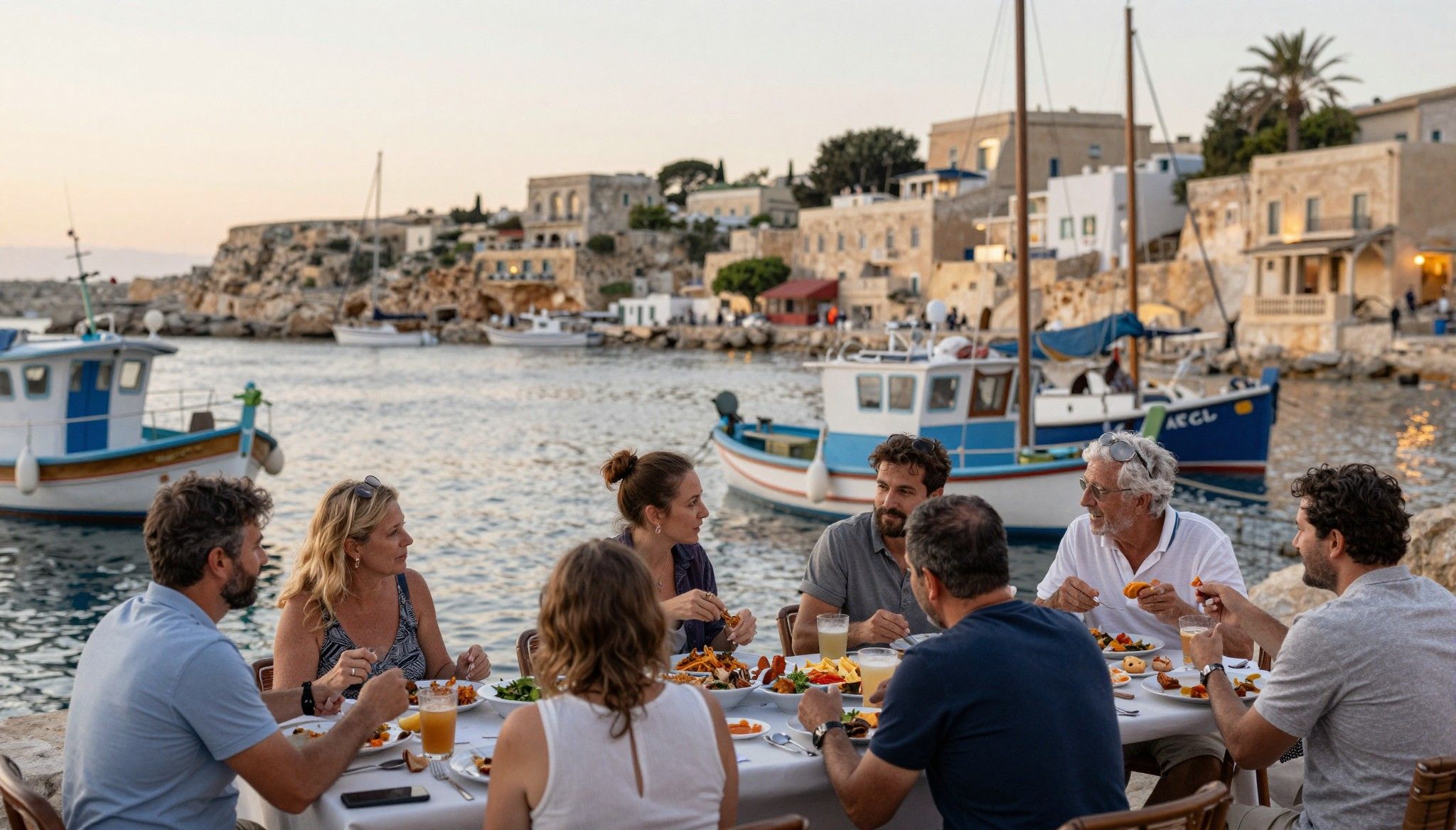
Imagine waking to the smell of citrus and the soft hush of waves on a nearby bay, strolling past stone‑paved lanes to a neighbourhood café in Limassol or a family tavern in Paphos. Cyprus is a place where village rituals, coastal ease and a surprising modern pulse meet; but the paperwork that turns that dream into ownership is quietly local, specific and—if you ignore it—expensive. Read on for an honest, sensory dive into life on the island and the due‑diligence moves that protect both the place you’ll love and the investment you make.
Living Cyprus: the small, bright details
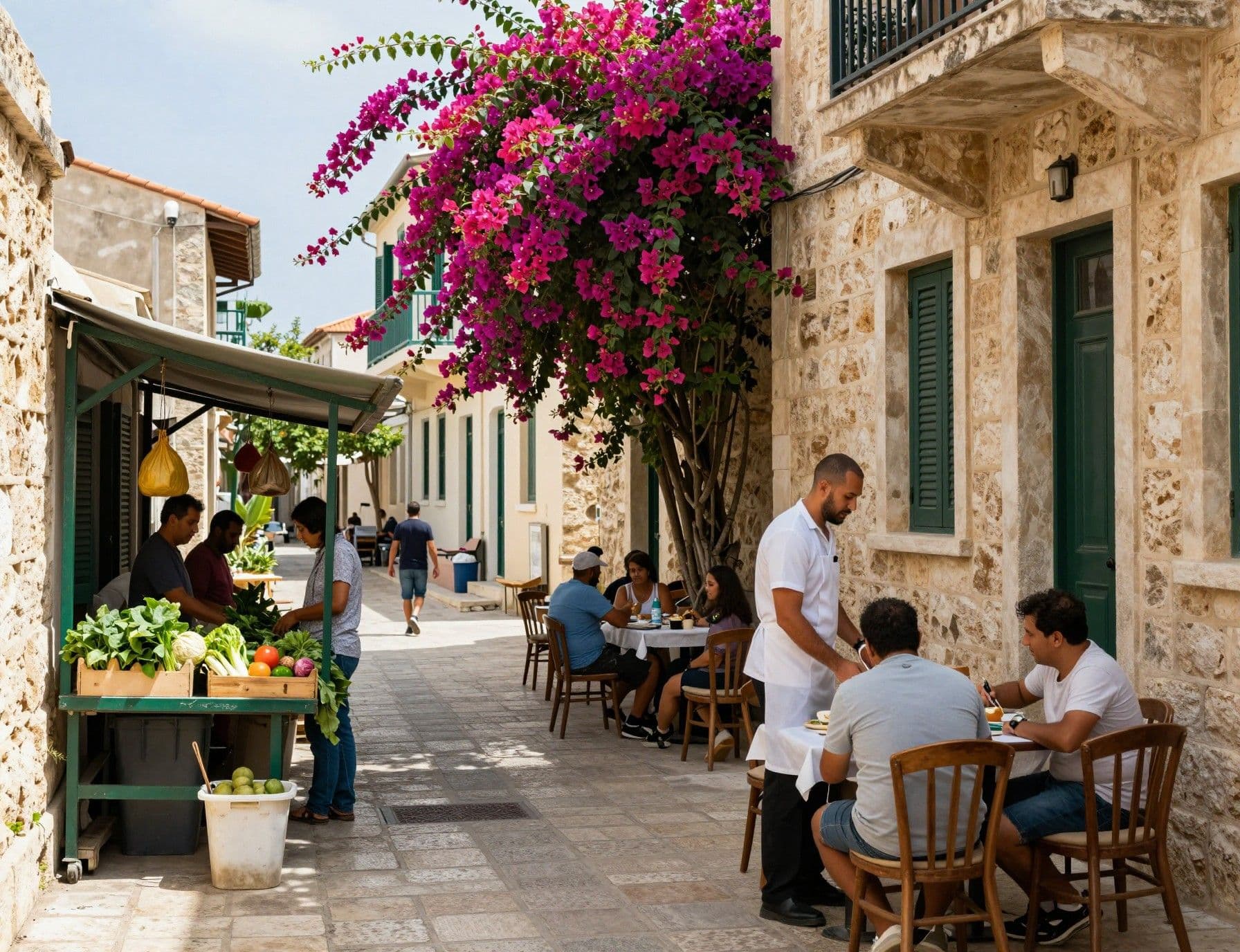
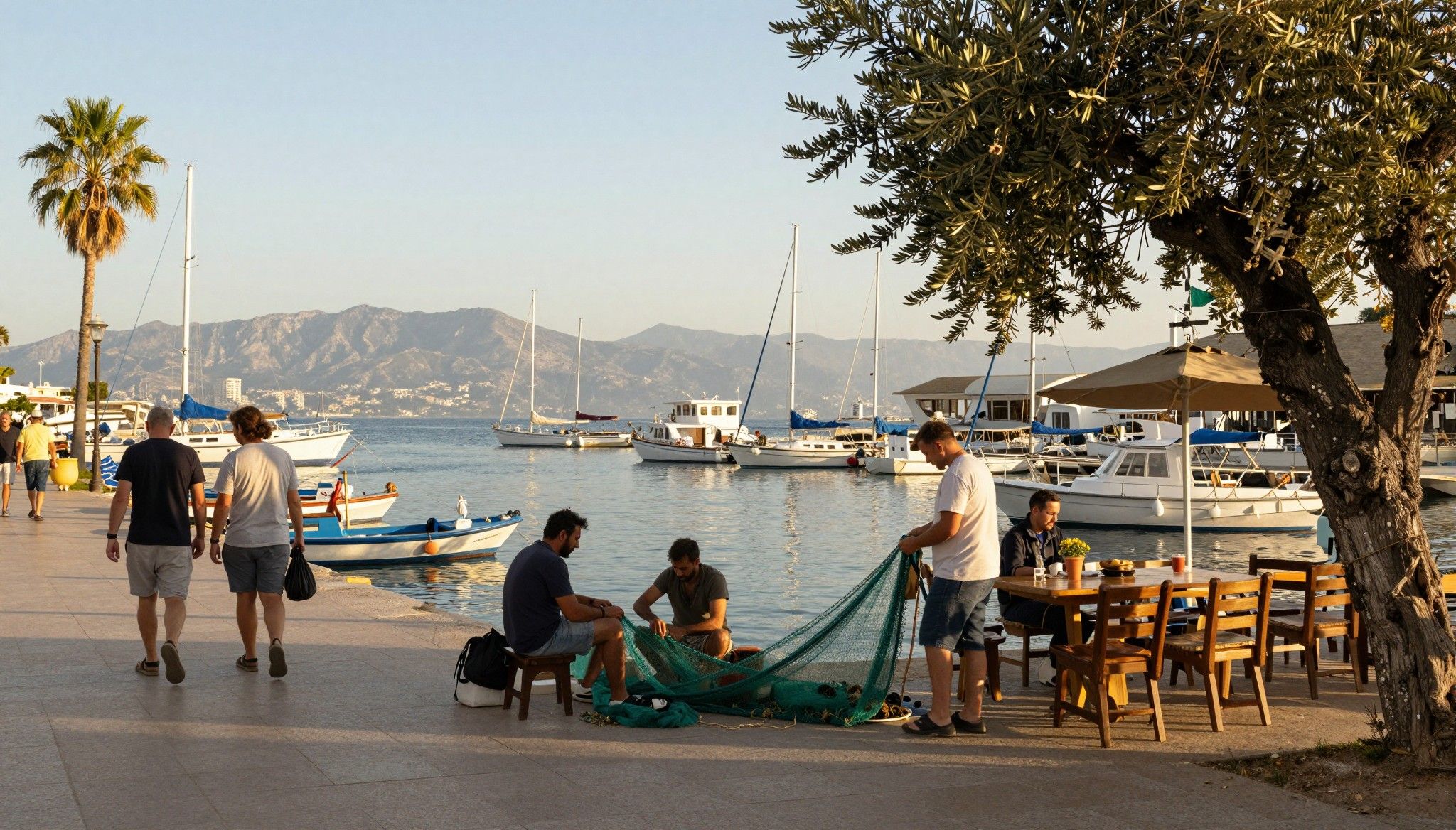
Mornings here feel hand‑made: espresso crema, fishermen untangling nets, bougainvillea tumbling over low stone walls. Coastal towns pulse in summer with boats and cafés; mountain villages in the Troodos exhale pine smoke and slower time. This sensory rhythm is what draws many buyers—yet market momentum varies sharply by district, as recent market reports show. Knowing where life really happens (not just where prices spike) makes due diligence a devotion to place, not a transaction.
Limassol to Paphos: distinct neighbourhood characters
Limassol’s seafront mixes yacht marinas, renovated warehouses and a bakery scene that fills weekday mornings; the Old Port and Agios Nicolaos quarter still feel intimate at dawn. Paphos blends archaeological weight—mosaics and historic lanes—with quieter coastal villages such as Chlorakas where olive groves meet new eco-conscious developments. Nicosia has inner‑city courtyard life and a surprisingly lively food scene; Larnaca keeps a human scale with salt‑lake sunsets and neighbourhood coffee rituals.
Food, markets and the seasonal calendar
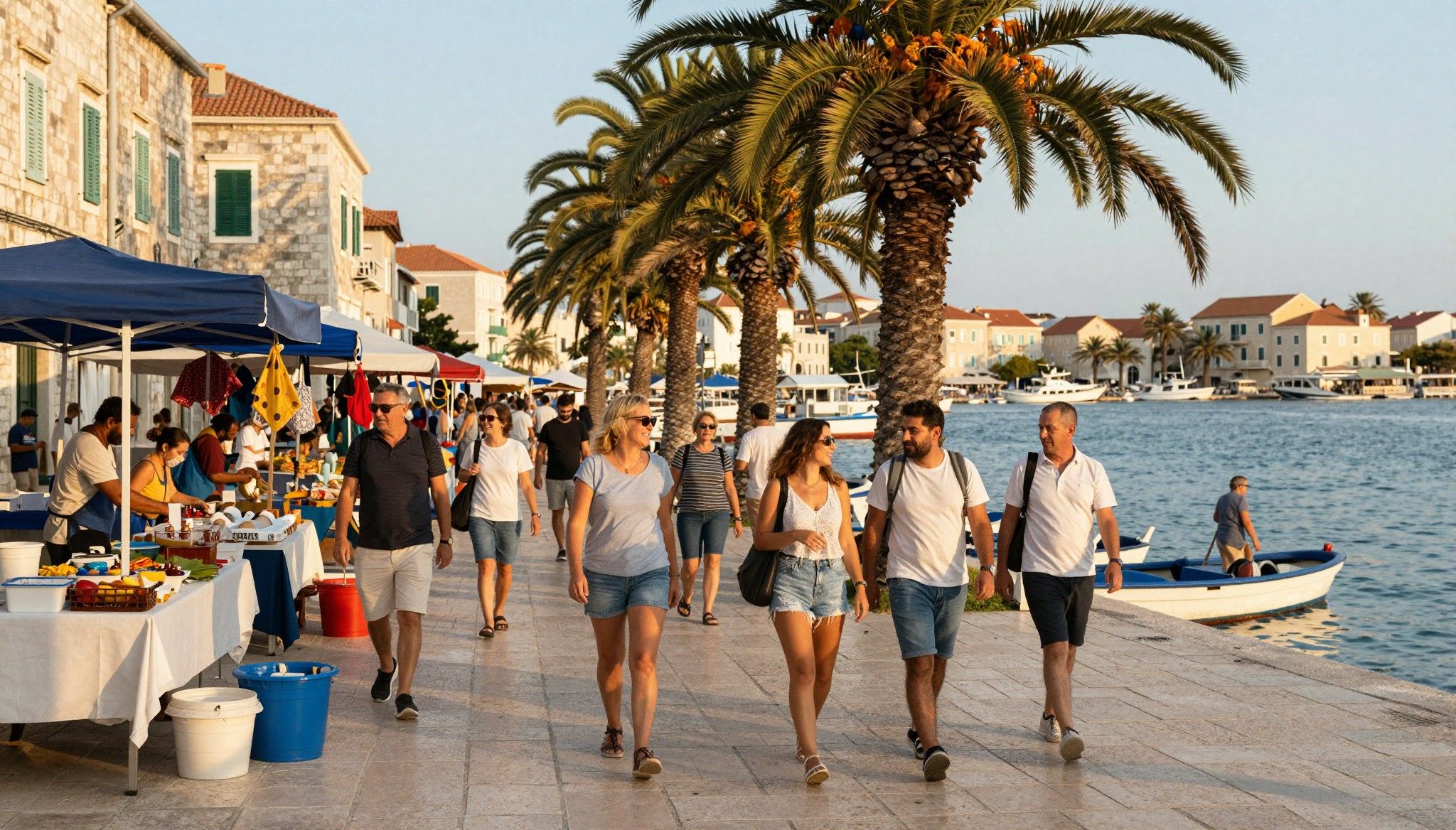
Weekends are for farmers’ markets where carobs, halloumi and figs are bought by weight. Summer music festivals and winter olive harvests shape the island’s tempo—and your property priorities. A coastal apartment for spontaneous seaside dinners is a different life from a stone farmhouse in the foothills, where rainwater cisterns and solar orientation matter. Recent price data also shows regional shifts, so match the life you want to live with the evolving market realities.
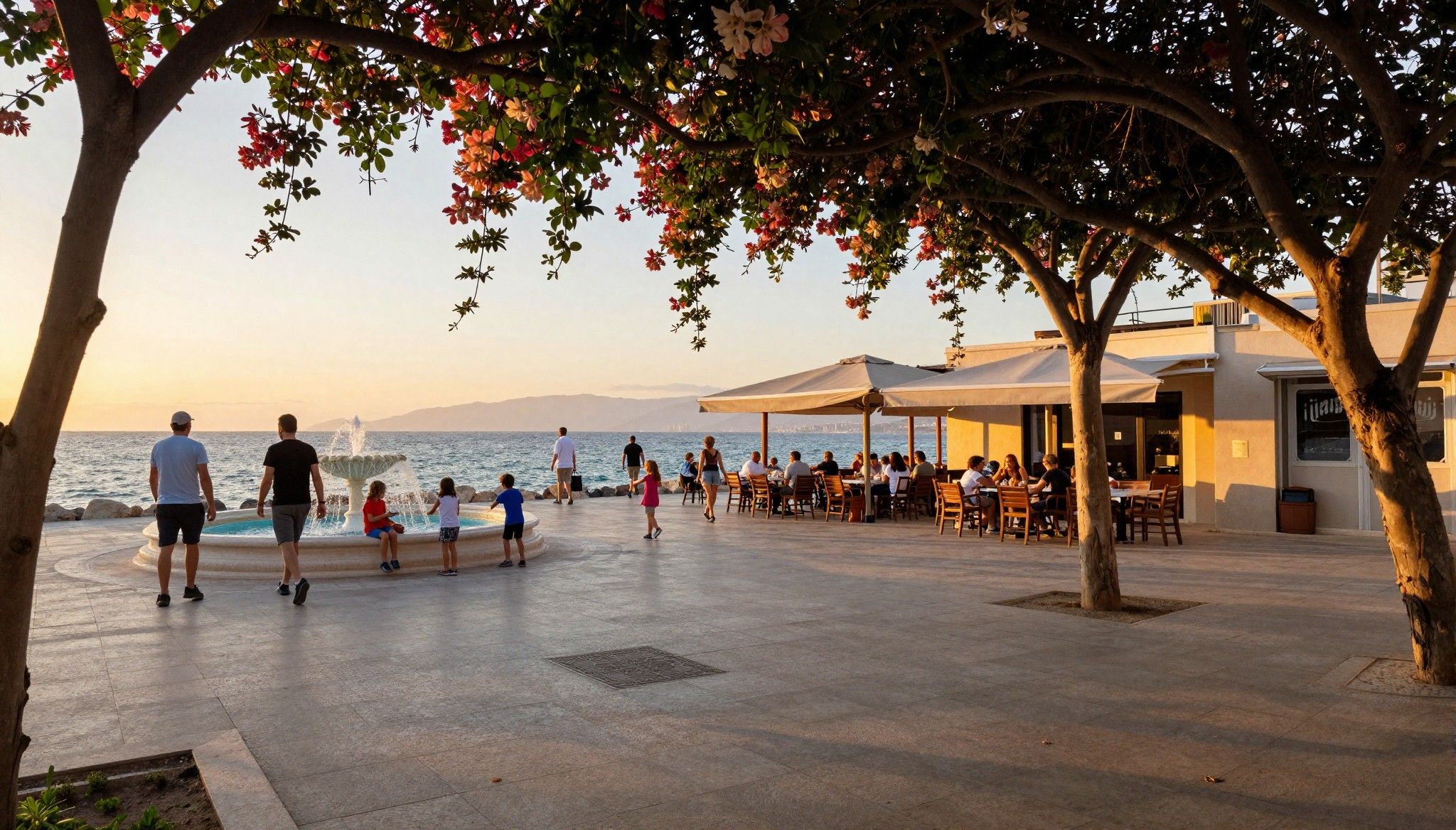
- Lifestyle highlights to scout in person • Morning espresso at Fig Tree Café (Kato Paphos) and a walk by the harbor • Sunset stroll along Limassol Marina and tapas at a family taverna in Old Town • A day in Troodos: pine walks, local markets and stone cottages with clay roofs • Larnaca salt lake at dusk—birdlife, neighbourhood bars and a calmer rental market • Sunday market stalls in Nicosia’s Ledra area and hidden courtyard restaurants
Making the move: paperwork that protects the life you’ll live
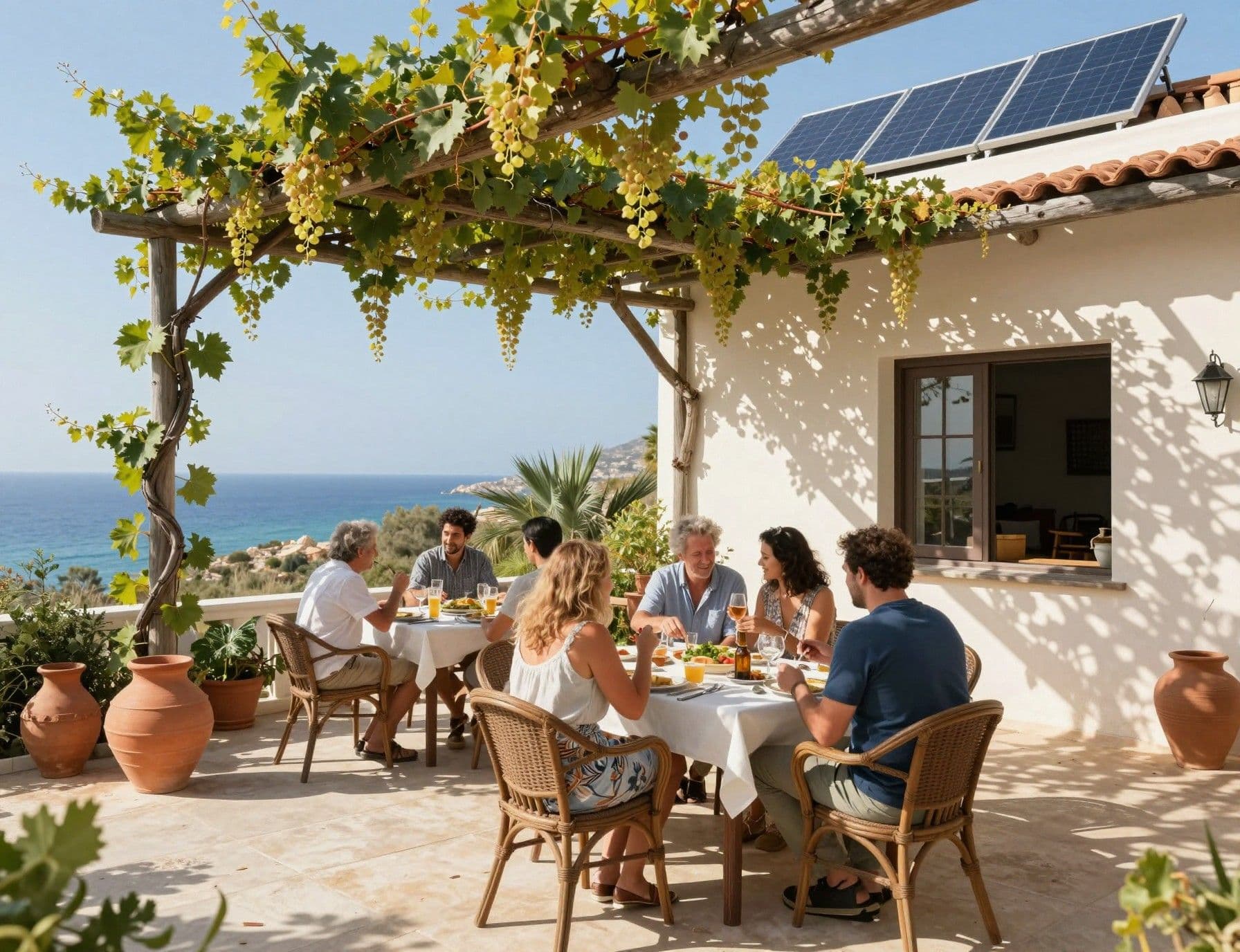
Turning affection into ownership demands focused checks: title deeds, planning history, rights of way, zoning and whether the seller’s contract’s lodged with the Land Registry. For non‑EU buyers there’s an extra step—permission from the District Administration or Council of Ministers for certain purchases—so early legal counsel matters more than good instincts. These processes protect the neighbourhood you want to join as much as your bank balance.
Property types & what they mean for day‑to‑day life
New seafront developments offer low‑maintenance living and modern insulation, but sometimes less connection to existing village life. Traditional stone houses give texture and thermal mass—cool summers, cosy winters—but often need restoration and regular maintenance. Plots outside village cores can be regenerative projects: imagine a permaculture garden, greywater systems and native plantings—but check zoning limits and access to utilities before you fall in love.
Working with experts who shepherd both lifestyle and legal safety
- Steps to blend lifestyle vision with legal certainty 1. Map the life you want: list daily habits (cafés, markets, walking routes) and property features that support them (terraces, shade, storage for bikes). 2. Hire a local lawyer early—have them run title searches, planning history and encumbrance checks before you sign anything. 3. Ensure the sale contract is lodged immediately with the Land Registry (this protects your deposit and records your interest). 4. For non‑EU buyers, confirm permission requirements with the District Administration—don’t assume automatic rights to buy multiple plots. 5. Inspect utilities, drainage and access roads in person; ask for recent neighbours’ experiences to avoid seasonal surprises.
Insider knowledge: what expats wish they’d known
Expats often tell the same story: they fell for the sun and community first, then learned the hard way that local customs and administrative rhythms govern so much of daily life. From waiting times for utility connections to the patchwork of title deeds from past development booms, the surprises are rarely dramatic if you prepare—only inconvenient if you don’t. Recent market reports underline steady demand and regional variation, reinforcing that due diligence is a kindness to your future self.
Cultural and seasonal realities that reshape house‑life
Language is warm but practical—English is widely used in business and real estate, yet local Greek (or Turkish in the north) opens doors to community rituals. Summers bring busy holiday rental rhythms: neighbours may welcome income, or resent constant turnover. Winters are quiet and restorative; think olive harvests, school calendars and slower builders. Plan for how the year will feel inside your walls, not just how it photographs on a bright day.
Long‑term stewardship and the ecological ledger
If you care about place, budget for living repairs and ecological upgrades: rainwater harvesting, solar PV sized for year‑round use, native garden planting to reduce irrigation and welcome local biodiversity. These investments lower bills and knit your home into the island’s ecology—turning a purchase into stewardship. Local contractors knowledgeable about stone repair, lime mortars and passive cooling can keep authenticity and efficiency aligned.
- Red flags and practical checks before you exchange • No title deed or unclear registry entries—demand a full Land Registry search. • Large undeclared development plans nearby—check zoning with local planning authorities. • Contracts that delay registration—require immediate lodgement of the sale contract. • Sellers with outstanding mortgages—ensure encumbrances are cleared at closing. • Lack of utility connection evidence—visit at different times of day to confirm water and electric reliability.
Conclusion — how to leave a light footprint and make a home: Cyprus is a tactile, sunlit country where everyday rituals create deep belonging. Fall in love with the sounds and flavours first; then protect that love with diligent, local legal work and sustainability‑minded stewardship. Start with a short, in‑person scouting trip focused on neighbourhood rhythms, hire a trusted local lawyer, and consider modest ecological upgrades as part of the purchase price. When lifestyle and due diligence walk together, you end up with a home that honours the island—and endures.
Norwegian market analyst who relocated from Oslo to Provence; guides investors with rigorous portfolio strategy and regional ecological value.