Cadastre Red Flags & Truffle‑Timed House Hunts in Croatia
Fall in with Croatia’s seasons — time viewings around truffle and shoulder seasons, verify cadastre vs land registry, and check reciprocity before offers.
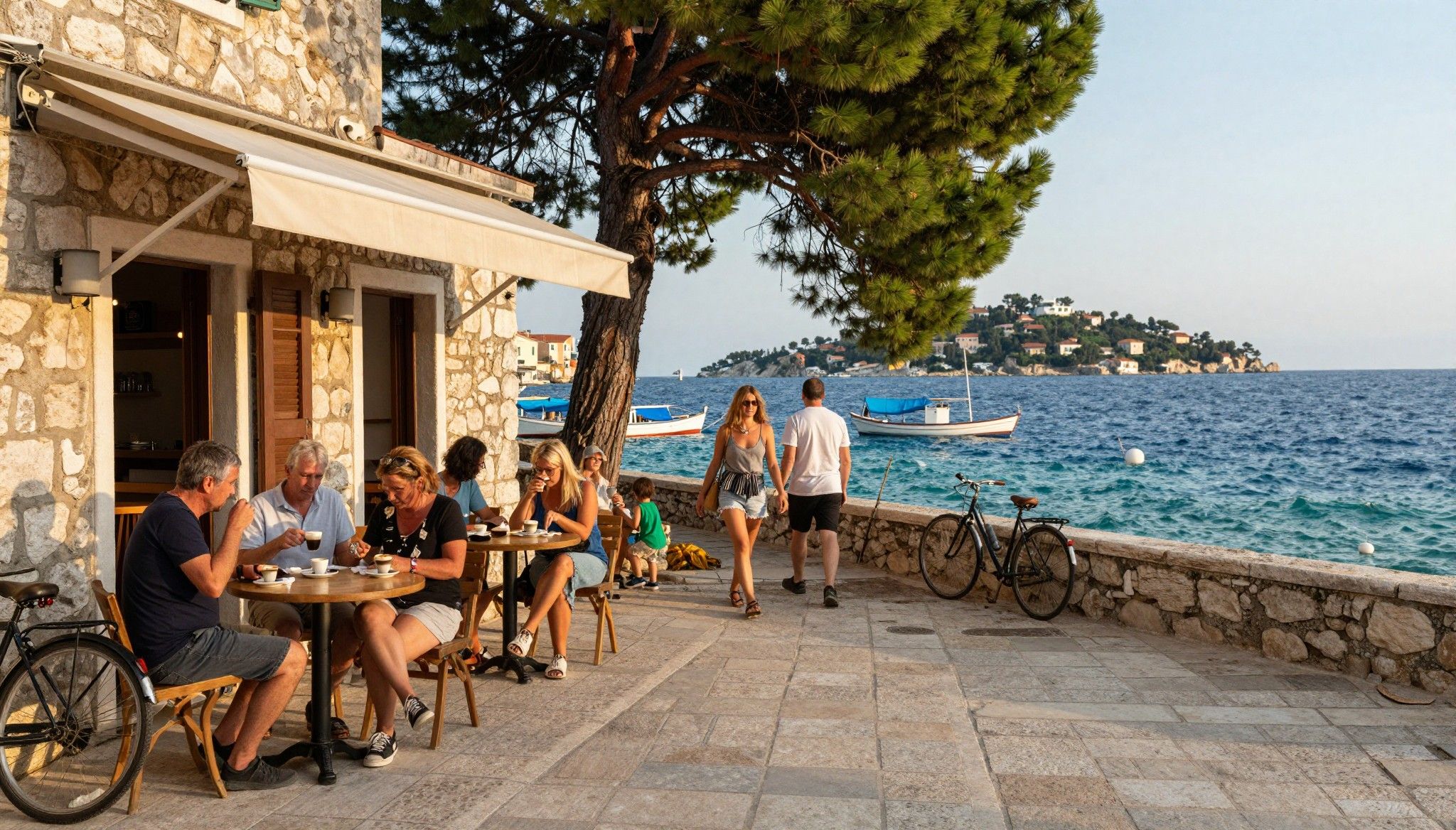
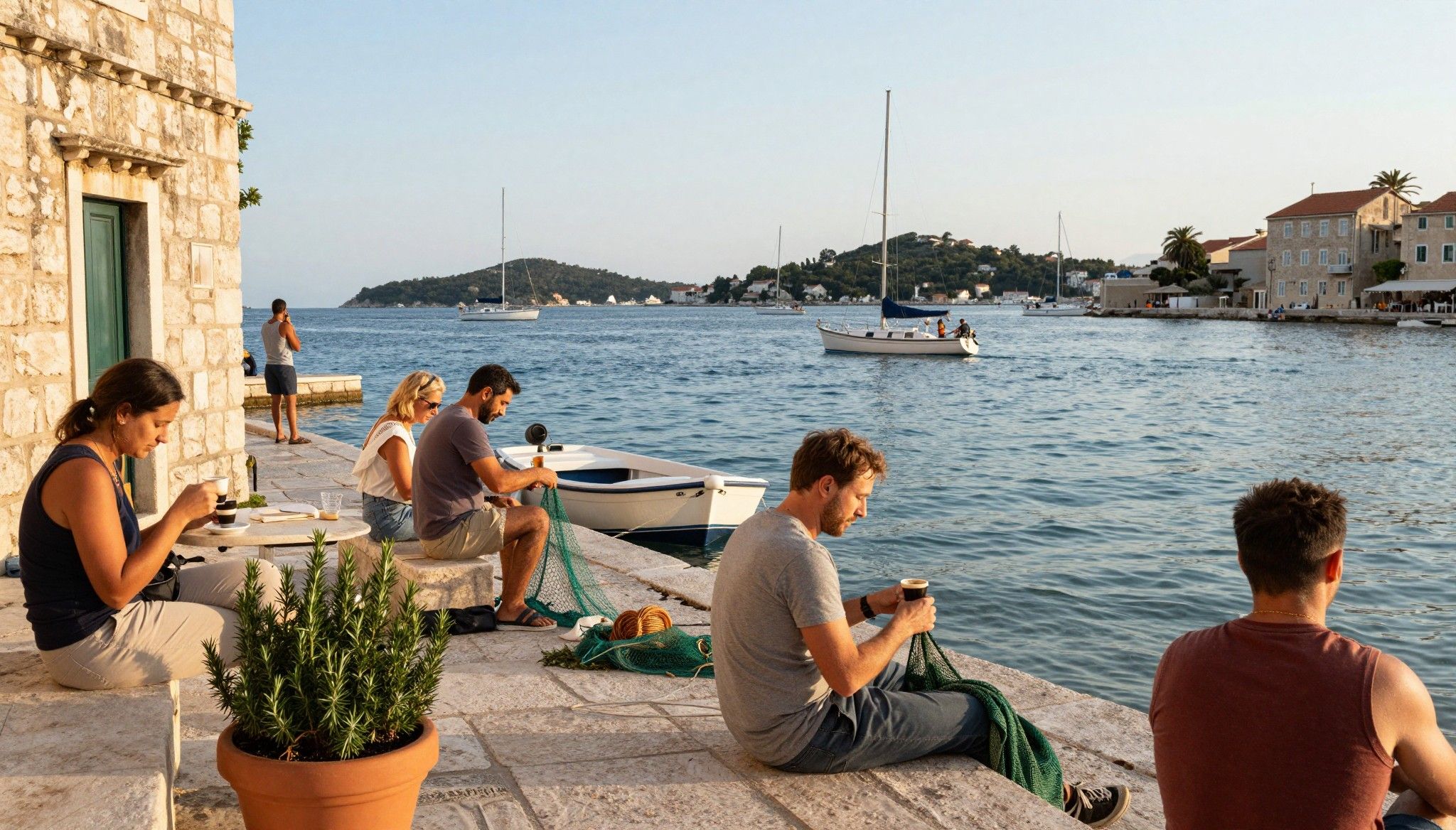
Imagine waking to sea-salt air in Rovinj, stopping for espresso at a stone‑paved piazza in Split, then driving olive‑grove lanes in Istria where truffle hunters and their dogs line the bars in autumn. Croatia moves with a Mediterranean, unhurried rhythm — summers full of kayaks and konobas, winters quiet enough for long walks through terracotta villages. But the romance is only half the story: paperwork, cadastre quirks and nationality rules quietly shape which houses you can actually buy and how soon you can transform a roof into a green terrace.
Living Croatia: coast, cobbles and countryside
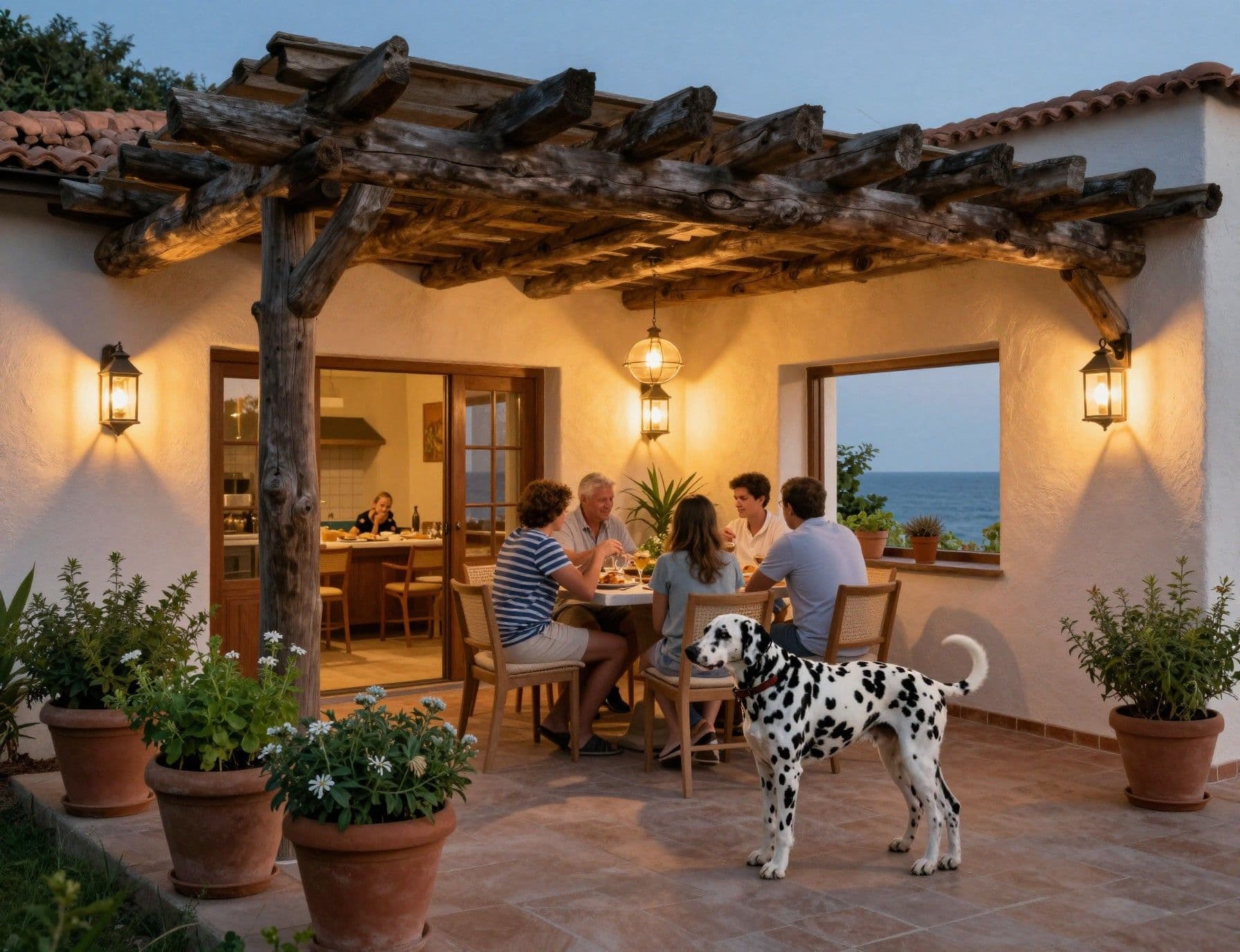
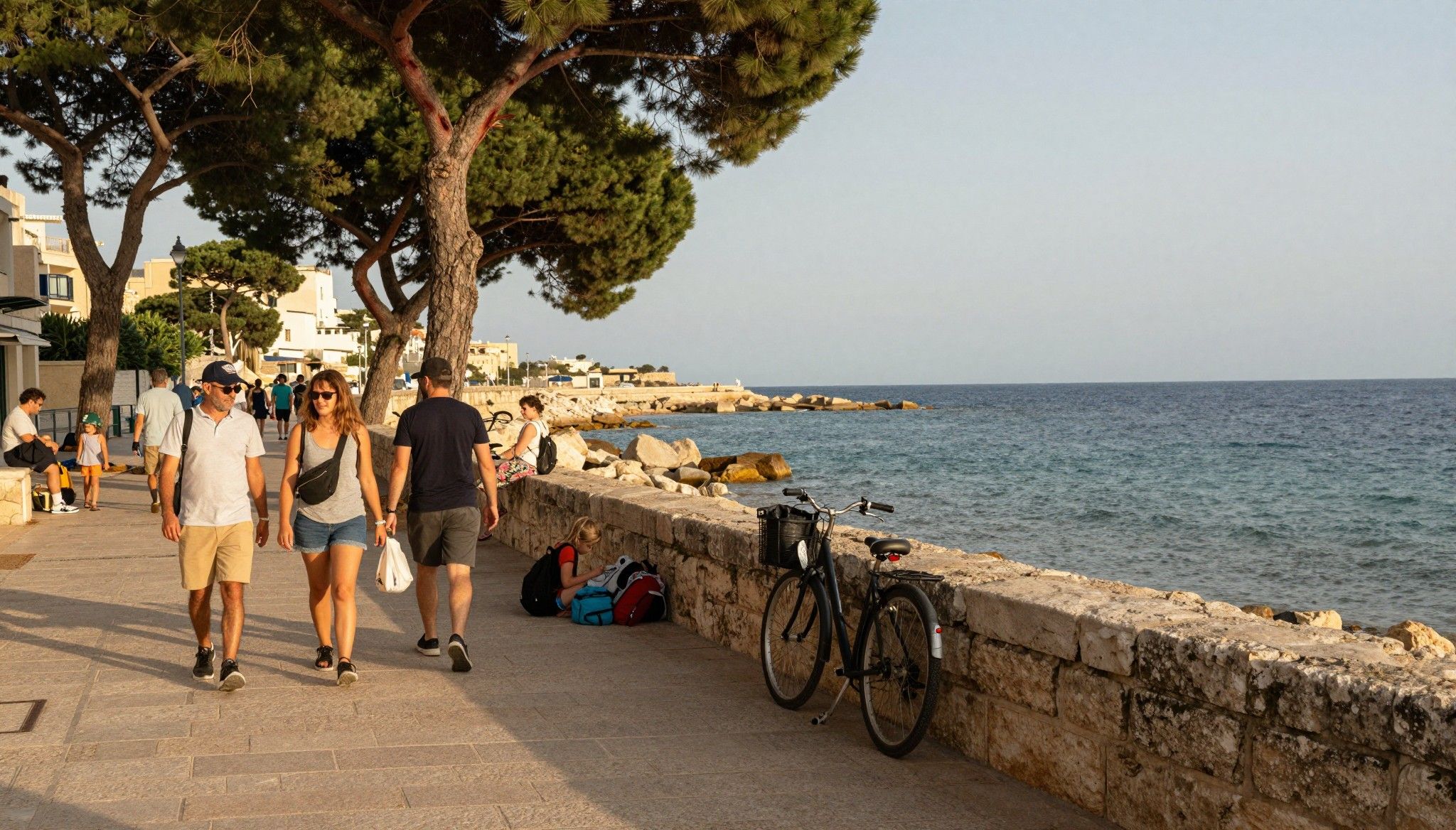
Life here is sensory and seasonal. Mornings smell of strong coffee and fresh bread in Zagreb’s Dolac market; afternoons on the Dalmatian coast blur between swimming and reading under pine shade; evenings are long, shared over grilled fish and local Malvazija in small family restaurants. Neighborhoods are smaller units of life — you learn your baker, your fishmonger, your sea‑kayak partner — and that local intimacy matters when you’re choosing more than an investment: you’re choosing a daily rhythm.
Istria’s villages: truffles, olive oil and slow afternoons
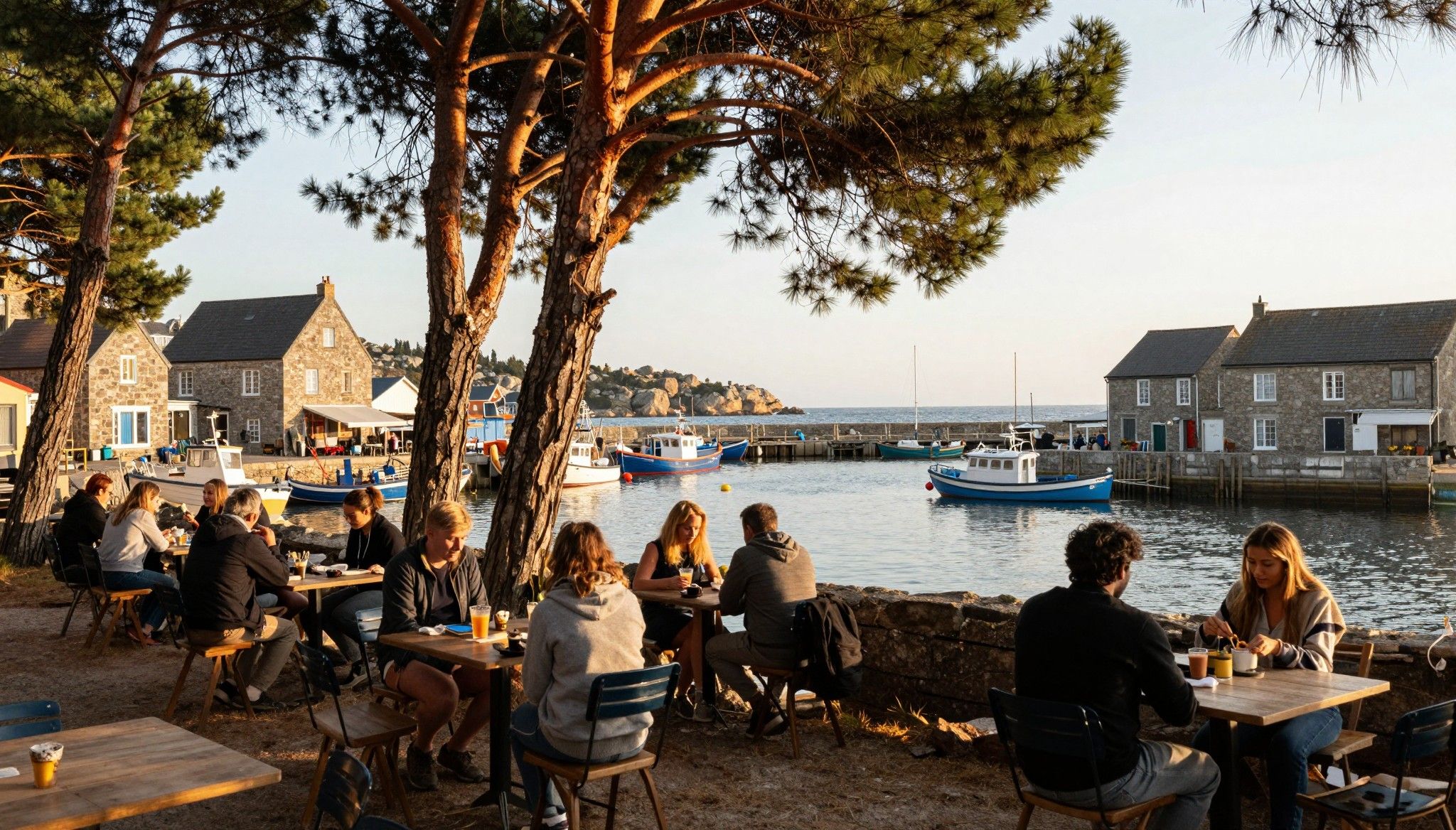
Walk Motovun’s cobbles in October and you’ll understand why buyers fall in love here. Istria is not only about coastlines — its inland woodlands host October–November white truffle season and a network of small producers and festivals that stitch community together. For a buyer seeking regenerative patchwork — olive groves, stone houses, and a kitchen garden — timing a visit during truffle season can reveal the agricultural heartbeat of the place and the neighbours who will become your food family.
Dalmatian towns: historic quarters and terrace life
Split’s Veli Varoš, Dubrovnik’s less-touristed suburbs, and Hvar’s inland hamlets each offer different versions of seaside living — from morning markets to late-night konoba conversations. Properties often come with stone walls, timber beams and shaded terraces. These design features are more than charm: they are climate‑wise cues (thick walls keep heat out, pergolas create shaded outdoor rooms), which influence renovation choices and sustainability upgrades you might plan.
Making the move: paperwork that matters — not the myths
Contrary to the dreamy postcards, the most important early step is a simple one: check what the cadastre (katastar) says about the parcel and then match it to the land registry (zemljišna knjiga). Mismatches are common in older coastal towns where buildings were altered informally over decades. Also watch market signals: Croatia’s official house price index shows meaningful regional variation, so what looks like a coastal premium on the surface may mask inland pockets of value if the paperwork is clean.
Why cadastre and land registry both matter
The cadastre holds maps and parcel data (who holds the plot geometrically), while the land registry records legal ownership and encumbrances. If they don’t match, you can face delays or surprises — disputed boundaries, missing permits, or legacy easements. A local geodetic surveyor and notary will be the professionals who translate those records into certainty; this is where sustainability-minded buyers should also ask whether a property’s orientation, mature trees and soil types support low‑impact design.
Practical early checks (numbered steps)
Request an up-to-date cadastre extract, obtain a land registry (zemljišna knjiga) extract from the court, hire a local surveyor to confirm boundaries, and ask the notary for any undeclared easements or servitudes. These steps reduce the most common surprises and make renovation plans — like adding solar or a rainwater system — realistic from day one.
Who can buy what: reciprocity, EU status and tricky land types
Not every foreign passport is treated the same. Croatia’s property law uses a reciprocity principle for non‑EU buyers: citizens of countries that grant similar rights to Croatians generally can buy, but agricultural and forest land remain sensitive and regulated. EU citizens typically face fewer barriers, but always verify current reciprocity lists and any recent legislative updates before making offers.
A buyer’s short checklist on nationality issues
• Confirm whether your country appears on Croatia’s reciprocity list and what restrictions — if any — apply. • If buying jointly with a Croatian spouse or obtaining residency, explore how that changes options. • For agricultural or forest land, assume extra approvals and longer timetables.
Insider knowledge: seasonal timing, red flags and lifestyle tradeoffs
Here’s a contrarian tip: don’t house‑hunt in high summer if you want honest neighbourhood impressions. July‑August is festival and tourist season — bars and cafés bustle with visitors and many locals are away. Visit in shoulder seasons (May–June or September–October) to feel everyday life, hear the real street noise, and — in Istria — watch truffle season reveal the region’s food networks and local producers.
Red flags that smell worse than truffles
• A property described as having a "private beach" — under Croatian public access rules, shorelines are often public; verify rights. • Discrepancies between cadastral lines and the built footprint — ask for a recent geodetic survey. • Unregistered extensions or terraces — they complicate sale and insurance and can block green retrofit permits.
How to couple lifestyle with due diligence (numbered actions)
1) Time visits for shoulder season to see true neighbourhood life; 2) commission cadastre and land registry checks before offers; 3) hire a local notary and geodetic surveyor who routinely handle coastal restorations; 4) ask sellers for energy and water usage records to plan green upgrades; 5) get a local builder’s estimate for eco‑retrofits so you can budget realistically.
Conclusion: Fall for the life, close with care
Croatia offers a rare mix of Mediterranean ease and rural richness; to live it well you need both imagination and paperwork. Start with seasonally timed visits, insist on matched cadastre and land registry extracts, clarify reciprocity or residency implications, and bring in local experts who share your sustainability values. Do that, and the olive tree on the terrace won’t just be a pretty prop — it’s the start of a rooted life.
Danish relocation specialist who moved from Copenhagen to the Algarve; supports families with seamless transitions, local partnerships, and mindful purchases.